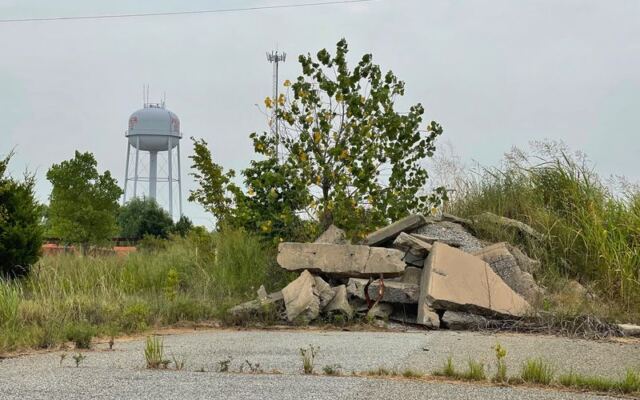
Some of the most unforgettable stops in Oklahoma are the ones you almost drive right past. You come around a quiet bend expecting nothing, and suddenly a whole forgotten chapter of the state is standing there waiting for you.
One tall, rusty landmark in the far northeast corner of Oklahoma tells a story about mining, hard choices, and a community that packed up and moved on. If you love history with a little mystery mixed in, this is a place that sticks with you long after the drive home.
A Lone Tower in Oklahoma’s Northeast Corner
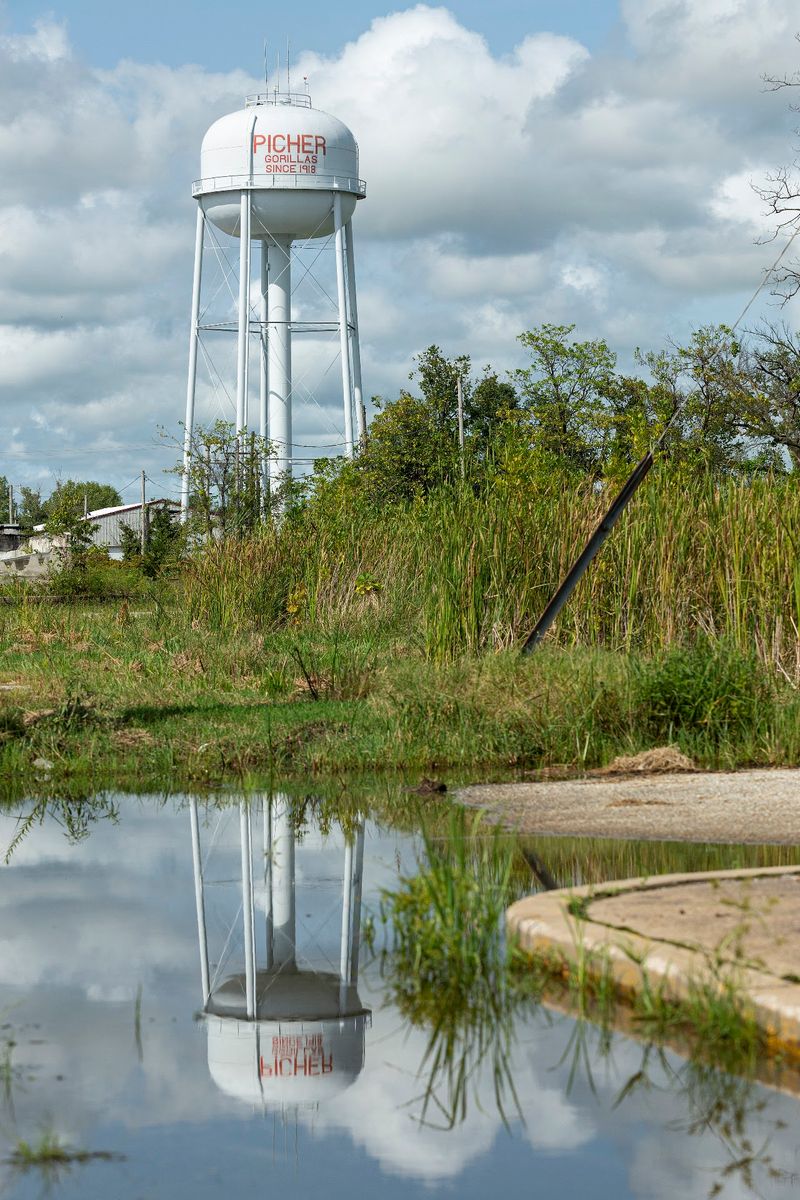
Picture a flat stretch of northeast Oklahoma where almost everything has gone quiet, and then one tall shape rises above the trees. That shape is the Picher Water Tower, found along N Connell Ave in Picher, OK 74360.
It is listed as a historical landmark, and visitors describe it as the most prominent structure still left standing in town. Around it, the streets remain, but most of the life that once filled them has moved on.
The tower acts like a giant marker pin, showing you exactly where a busy community used to be.
So what is Picher, exactly? It was a mining town, and today it is better known as a ghost town that many road-trippers visit out of pure curiosity.
The tower is the easiest thing to spot and the natural starting point for anyone exploring the area.
Getting your bearings is simple once you arrive. Head toward Connell Avenue and look up.
You really cannot miss it, since few other buildings come close to its height anymore. From there, the rest of the town spreads out like an open book that nobody has closed yet, waiting for travelers willing to read between the lines.
The Mining Story Behind the Empty Streets
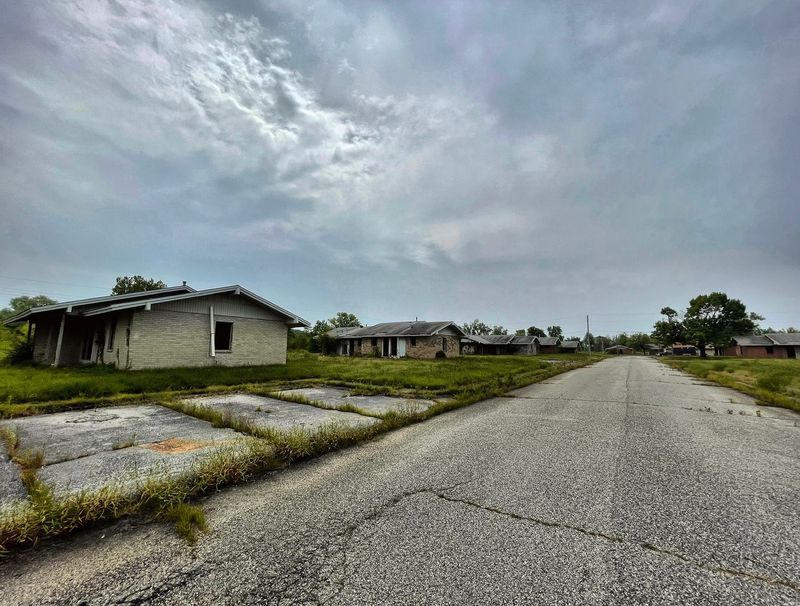
Mining built Picher, and mining is also the reason it emptied out. The ground around this town was dug and worked for years, and that work left a heavy mark on the land.
According to visitors who have studied the town’s past, the government eventually realized the environment around Picher had become far too toxic for people to keep living there because of all that mining activity. Families had to leave, businesses closed, and the town slowly went still.
One visitor encourages others to read the full story online, saying a short summary simply cannot capture how dramatic it was.
Here is something that surprises many first-timers. The trouble was not radiation.
It came from the leftover effects of mining, which is a very different kind of problem. Some visitors still compare Picher to a modern American version of Chernobyl, mostly because of how suddenly a whole community had to walk away.
Knowing this backstory changes the way you see every cracked sidewalk and empty lot. Each one is part of a bigger tale about industry, environment, and the hard decisions that come when the land itself can no longer support a town.
That history is what turns a simple drive into something much more meaningful.
Why Time Seems to Stand Still Here
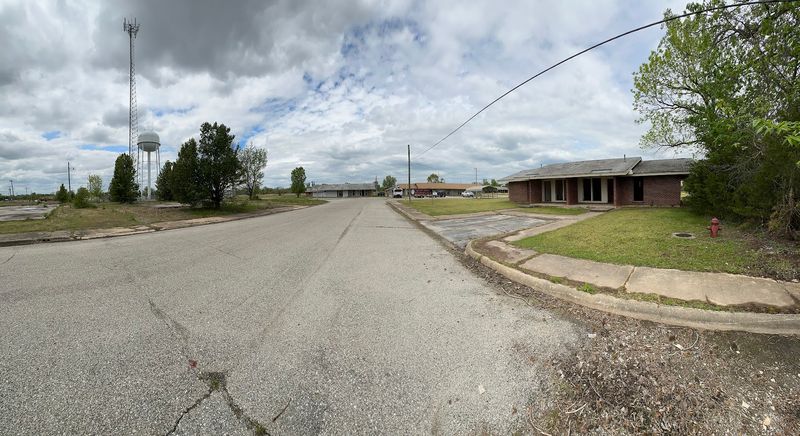
Ever wondered what twenty or thirty years can do to a small American town when nobody is left to fix things? Picher answers that question better than any textbook.
Visitors say it is a great place to see how quickly time takes its toll. Houses stand where their owners left them.
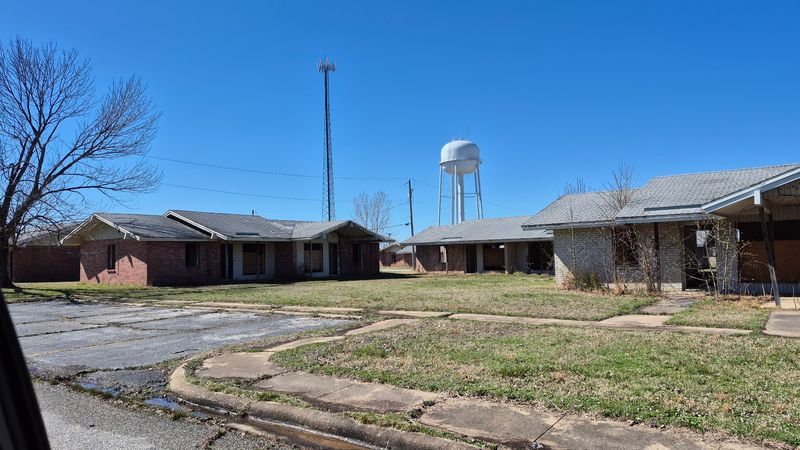
Streets that once carried school buses and pickup trucks now crumble a little more every season. Nothing gets repainted, rebuilt, or replaced, so the town looks stuck in the moment people drove away.
That frozen feeling is exactly why so many travelers come. It is like stepping into an old photograph that slowly fades while you watch.
Paint peels, roofs sag, and grass creeps across driveways, yet the layout of a real neighborhood is still easy to read.
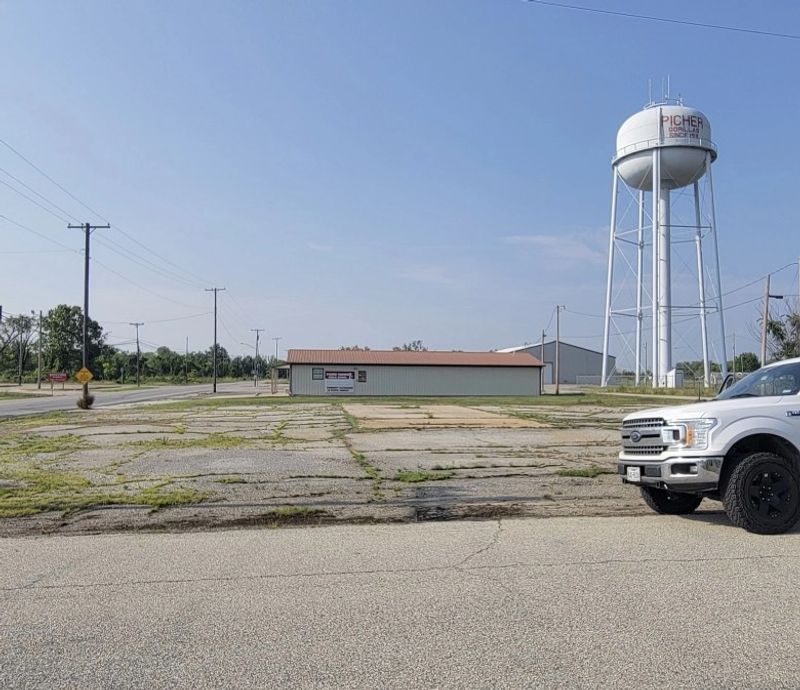
The water tower sits above it all as the clearest reminder of what used to be. It once served a living community, and now it simply watches over the quiet.
There is something both fascinating and a bit humbling about standing beneath it and realizing how fast a place can change once its people are gone. Few spots in Oklahoma make that lesson feel so real and so close.
Rust, Steel, and a Skyline of One
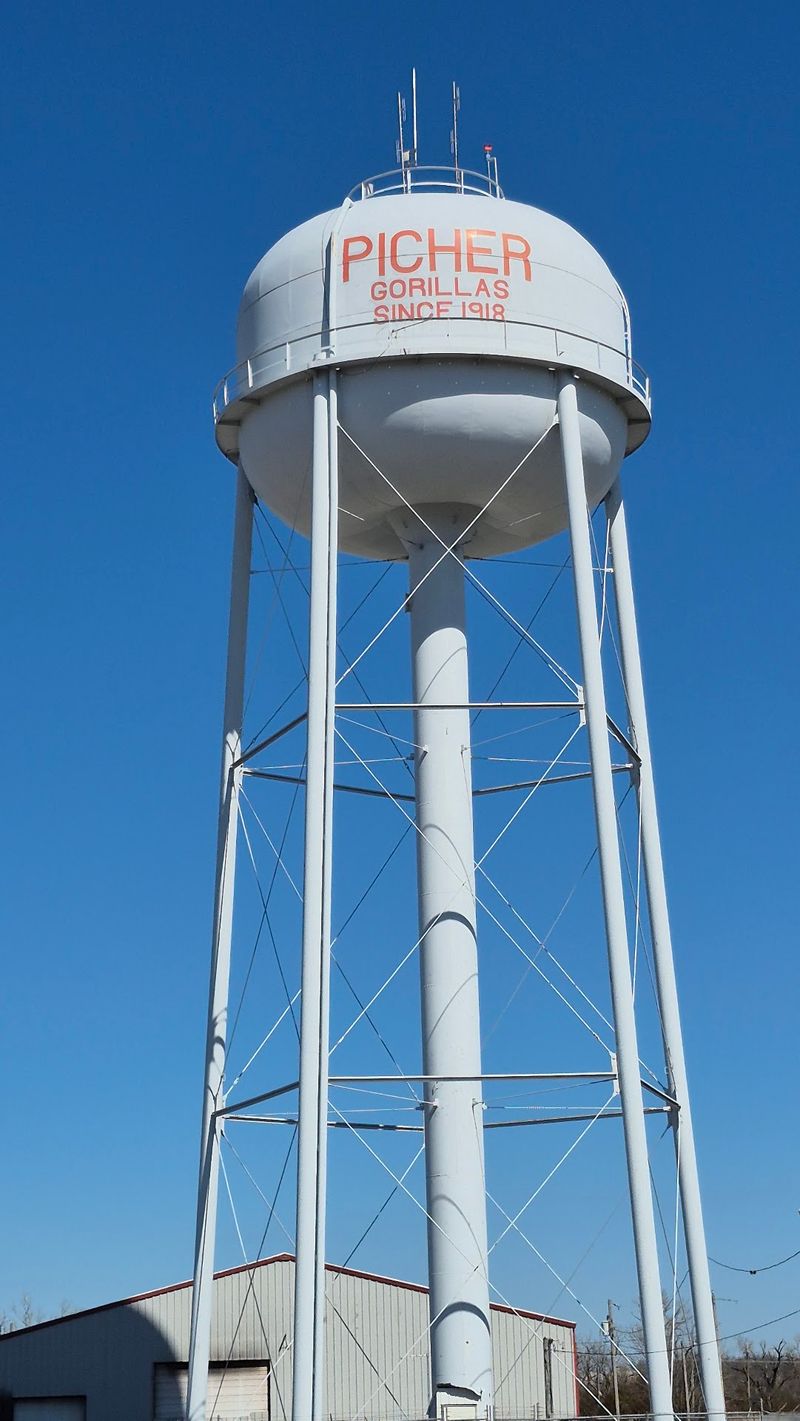
Tilt your head back and the tower fills your whole view. In a town with so few structures left, it has become the skyline all by itself.
Photographers tend to love it for that reason. Its tall frame stands out against open Oklahoma sky, and the weathering adds a lot of character to every shot.
Morning and late afternoon light can make the metal look warm and dramatic, while gray, cloudy days give it a moodier, more mysterious feel.
There is a playful side to its reputation too. One visitor jokingly claimed the water tasted weird and that they turned into a shrimp afterward.
That is clearly a tongue-in-cheek remark, since the tower is a landmark to look at, not a place to grab a drink. Still, it shows how this odd old structure sparks a sense of humor in people.
Because it is the tallest thing around, it also works as a handy guide while exploring. Wander a few streets away, look up, and you can usually find your way back.
In a place where street signs and familiar storefronts have mostly vanished, having one reliable landmark makes the whole visit feel easier and a little more grounded.
Chat Piles That Look Like Gray Mountains
Mountains in northeast Oklahoma? Not quite, but the chat piles around Picher come surprisingly close to fooling your eyes.
Chat is the leftover material from mining, and over the years it was piled high across the area. Visitors describe these piles as visually striking, and that is putting it mildly.
Their pale gray color and steep sides stand out sharply against the flat land, creating a landscape that feels almost like another planet.
They are a big part of why Picher looks so different from anything nearby. Drive a few miles in another direction and you will find green fields and normal small towns.
Here, the ground itself tells the mining story in giant heaps that are impossible to ignore.
For photographers, the chat piles make a powerful backdrop, especially when paired with the water tower in the same frame. Together they sum up the whole history of the place in one image: the industry that built the town and the landmark that outlasted it.
Enjoy them from a distance and from the road, though. They are part of the reason the area became unsafe for living, so admiring them visually is the smartest way to experience their strange, rugged beauty.
Homes Left Behind and Painted Warnings
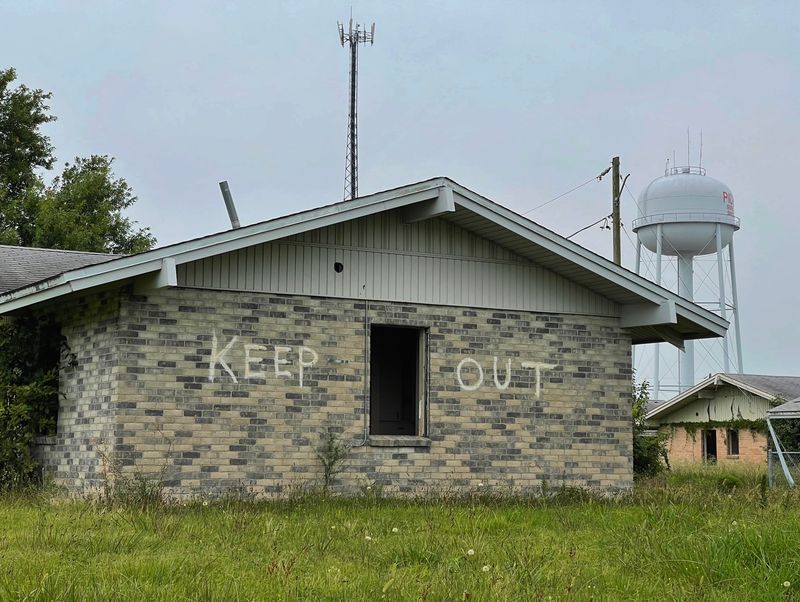
Faded siding, empty windows, and front porches with nobody sitting on them. The houses of Picher might be the most emotional part of any visit.
Each one was somebody’s home, and that is worth remembering as you drive past. Visitors point out that some buildings have KEEP OUT painted right on the side, which makes the message pretty clear.
Those words are a reminder that these places still mean something to the people who once lived there.
The general advice from those who have explored the town is simple. Look from the road, take your pictures, and do not walk inside any homes.
Seeing the town from the street is considered fine and respectful, while entering private buildings crosses a line.
That approach also keeps you safer. Old structures that have sat empty for years can be unstable, and there is no reason to take chances.
You will still get plenty of great views and photos without ever stepping off the pavement.
Treating these homes with care turns your trip into more than sightseeing. It becomes a quiet way of honoring the families who built lives here and then had to leave them behind when the town could no longer support them.
An Eerie Mood Worth Feeling Once
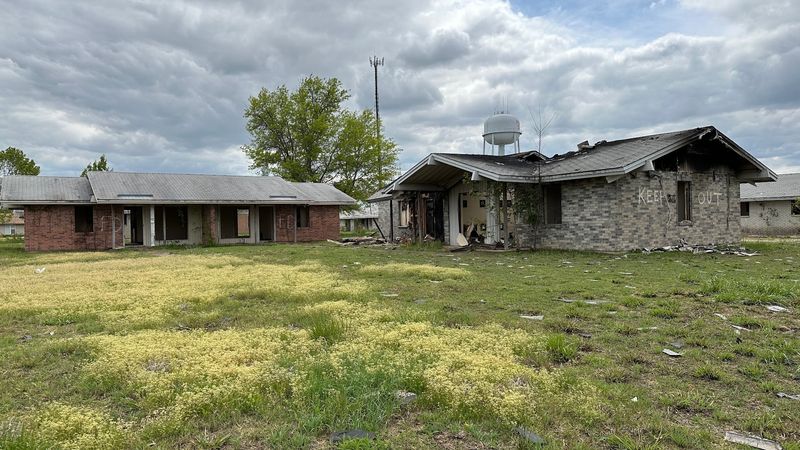
Silence hits you first. Not the peaceful kind you find at a lake, but a heavier quiet that makes you lower your voice without thinking about it.
Visitors often call Picher a sad and eerie place, and that mood is a big part of why it lingers in memory. Wind moving through empty lots, the creak of something loose on an old building, and long stretches without another car all add to the feeling.
It is the kind of atmosphere that history and mystery fans tend to seek out.
Fall can make it feel even more haunting, with gray skies and bare trees framing the tower. Still, the eeriness here does not come from ghost stories or legends.
It comes from the very real story of a town that emptied out, which in some ways is even more powerful.
Some travelers come specifically to pay their respects to the people affected by the hardships and misfortunes that happened here. That thoughtful reason for visiting fits the mood perfectly.
If you go, give yourself a few minutes to simply stand and take it in. Let the quiet do the talking.
It is one of the more unusual feelings you can find on an Oklahoma road trip.
Driving the Crumbling Grid
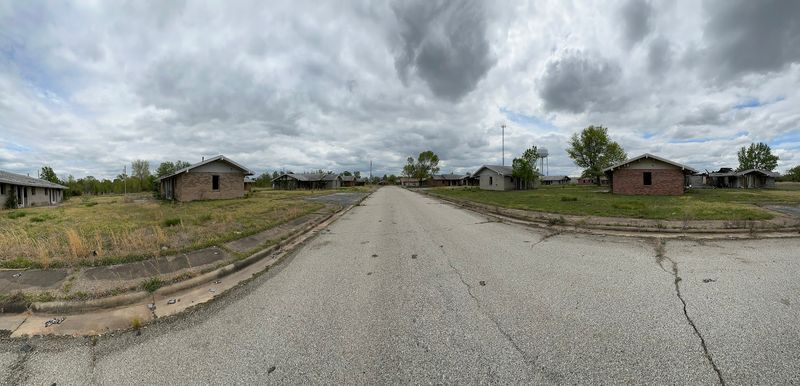
Windows down, slow speed, and a camera on the passenger seat. That is the best way to explore Picher, according to people who have done it.
Visitors say you are welcome to drive around all the streets here, which makes the town feel like a self-guided tour on wheels. Each block reveals something new, whether it is an old foundation, a lonely mailbox, or a fresh angle on the water tower.
Fair warning, though: the roads are getting into pretty bad shape. Potholes, cracks, and patches of rough pavement are common, so take it easy.
A careful, unhurried pace is better for your tires and gives you more time to notice small details anyway.
Pulling over to snap photos is part of the fun. Many travelers say the town allows for really neat pictures, and the mix of open sky, weathered buildings, and the towering landmark gives you plenty of material.
Plan your loop so you circle back toward Connell Avenue at the end. Finishing at the tower feels like closing the story where it started.
It also gives you one last look at the structure that has watched over these streets through every change the town has gone through.
Is It Safe to Visit?
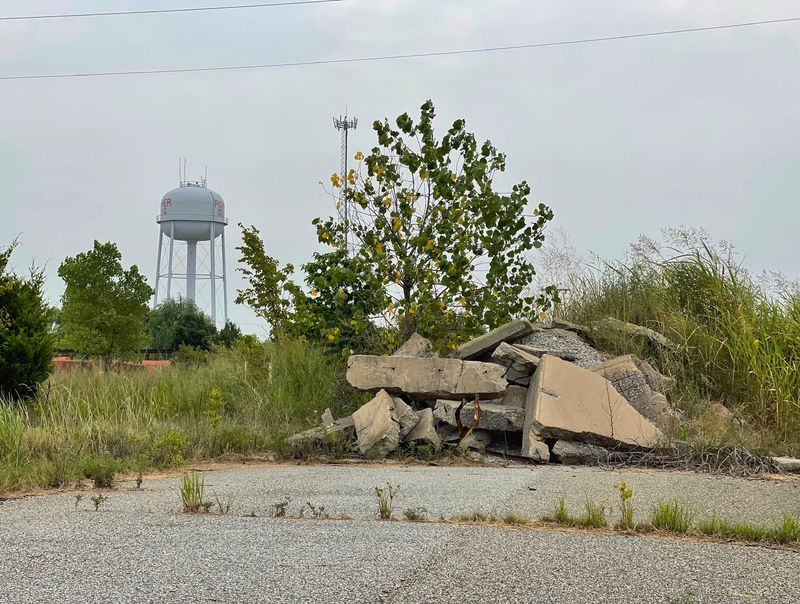
Safety questions come up a lot, and that makes sense for a town known for environmental trouble. Here is what visitors have shared.
One traveler explains that a short visit is perfectly fine and that you do not need to worry about being poisoned during a drive-through. They also point out that Picher is not a radioactive area, which clears up a common misunderstanding caused by the Chernobyl comparisons.
That said, a bit of common sense goes a long way. Stick to the roads, stay out of abandoned buildings, and avoid climbing on old structures or the chat piles.
The concern that emptied the town was about long-term living conditions, so a respectful sightseeing trip is a very different situation.
Watch your footing if you step out of the car, since broken pavement and debris can show up where you least expect them. Comfortable shoes are a smart choice.
Families with curious kids can make it work too, as long as everyone understands the ground rules before arriving. Think of it like visiting a museum where the exhibits are outdoors and fragile.
Look closely, learn a lot, and leave everything just as you found it for the next visitor.
Who Will Love This Strange Stop
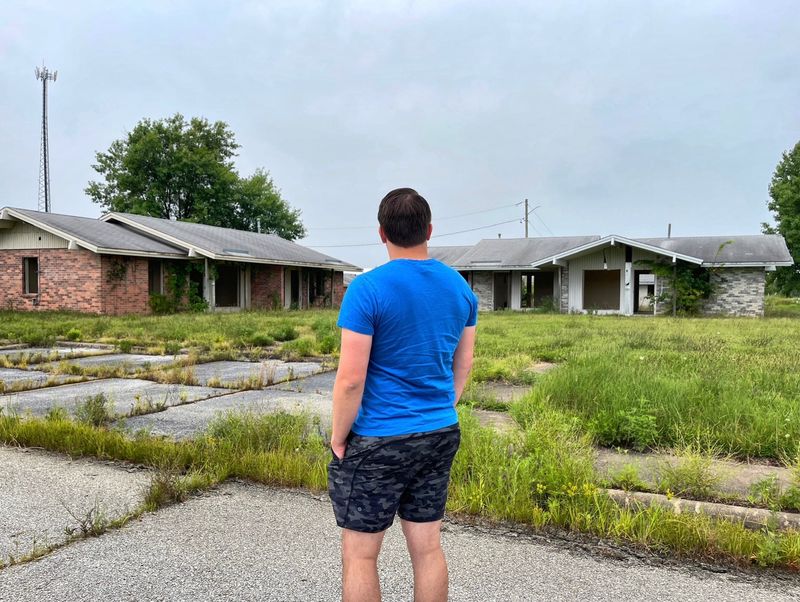
History buffs, photographers, and anyone who loves the offbeat side of Oklahoma tend to find Picher fascinating. It is not a typical tourist attraction, and that is exactly its appeal.
If you enjoy ghost towns, abandoned places, or stories about how communities rise and fall, this belongs on your list. Route 66 travelers and weekend adventurers exploring the northeast corner of the state can easily fit it into a larger day of discovery.
Photographers get a rare mix of subjects in one spot. The water tower, weathered homes, and those dramatic chat piles create scenes you simply will not find in other small Oklahoma towns.
One visitor described it as a place completely different from anything else around it.
Teachers and parents might also see value in it as a real-world lesson about the environment and industry. Seeing the effects firsthand can spark great conversations on the ride home.
On the other hand, travelers looking for shops, restaurants, or guided tours will not find them here. Picher is a quiet, reflective stop.
Come with curiosity, a full gas tank, and snacks packed from somewhere else, and you will get the most out of the experience.
Hours, Costs, and Finding Connell Avenue
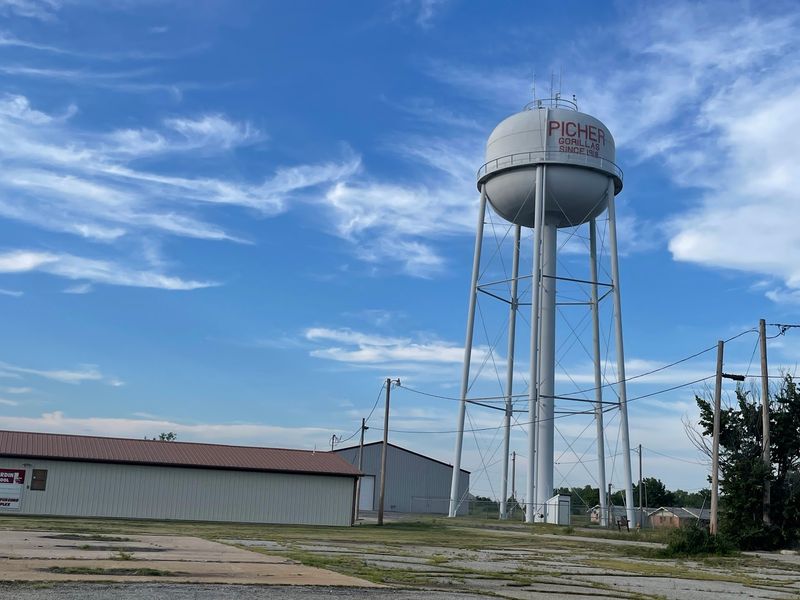
Good news for flexible planners: the Picher Water Tower is listed as open 24 hours, every day of the week. There is no ticket booth, no gate, and no schedule to work around.
Since it is an outdoor historical landmark, there is no admission price mentioned for visiting. You simply drive up, look around, and take your photos from the road.
The address is N Connell Ave, Picher, OK 74360. Plug that into your map app and it should guide you straight to the area.
A phone number is listed as +1 980-981-3500 if you want to try reaching out with questions before your trip.
Daylight is the smartest time to go, even though the landmark is technically always accessible. Rough roads and empty streets are much easier to handle when you can see clearly, and photos will turn out far better too.
Bring the basics with you. Water, snacks, a charged phone, and a full tank are helpful since the town no longer has services.
Also keep in mind that visitors expect more buildings to be torn down over time, so the sooner you visit, the more of old Picher you will likely see.
A Quiet Verdict on Picher
Not every road trip stop needs to be cheerful to be worthwhile. Picher proves that some of the most meaningful places are the ones that make you pause and think.
The water tower is the heart of the visit, a tall survivor standing over streets that have slowly gone silent. Around it, abandoned homes, crumbling pavement, and striking chat piles tell a story about mining, environmental cost, and a community that had to start over somewhere else.
Visitors describe the experience as sad, eerie, and unforgettable all at once. Some come for photos, some come for history, and some come simply to pay their respects.
All of those reasons fit.
Time is a factor here. People who know the area believe that soon many of the remaining buildings will be demolished, and it may become hard to tell a town ever stood here.
That makes now a special moment to see Picher while its frozen-in-time look still holds.
Drive gently, stay on the road, and treat the place with kindness. Do that, and this odd little corner of Oklahoma may end up being one of the most memorable detours you ever take.
Share this story