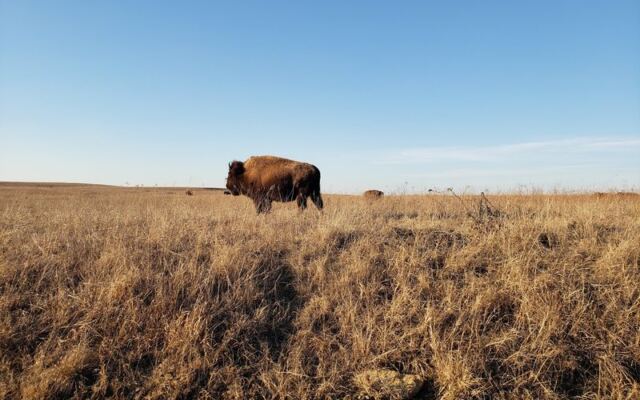
I went looking for a quiet country drive in Oklahoma and ended up nose to nose with a bison through my windshield. The road was gravel, the sky was huge, and the grass rolled on like a green ocean.
It turns out one of the wildest sights in the state is hiding at the end of a dusty back road, and it costs nothing to see. If you have ever wondered what the plains looked like long before highways, this is where you find out.
A Wild Corner of Osage County
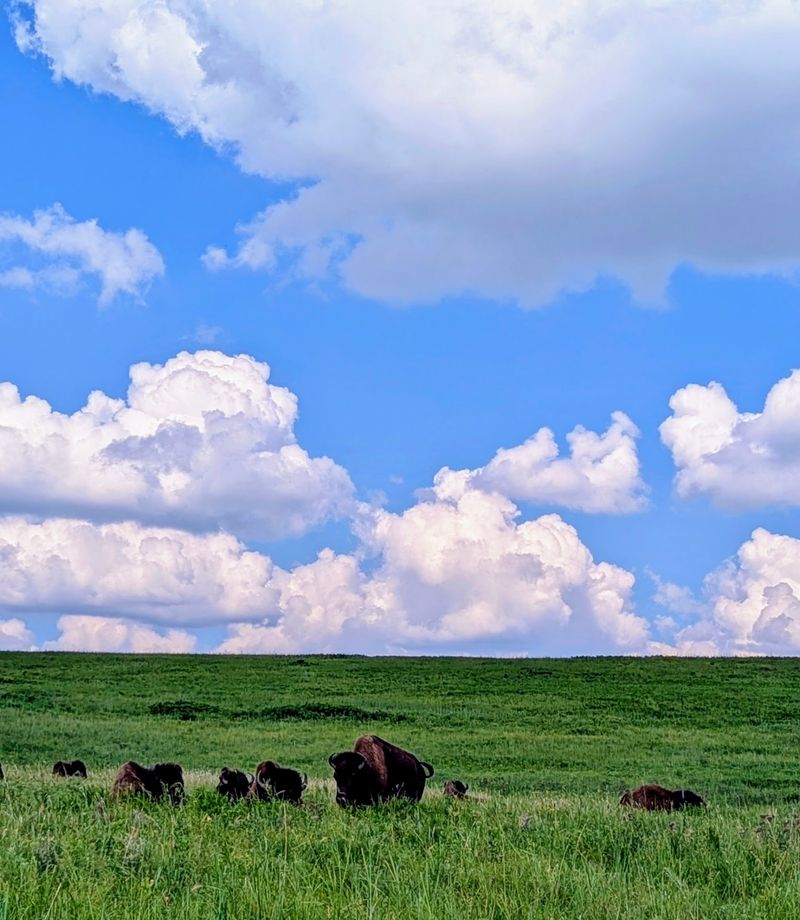
Tucked into the Osage Hills north of Pawhuska sits the Joseph H. Williams Tallgrass Prairie Preserve, a protected grassland where bison graze freely across open range.
You will find it at 15316 County Road 4201, a little over an hour and a half from Tulsa by most accounts.
Officially, it is a nature preserve. In practice, it feels like stepping into a living postcard of the old plains.
Grass stretches in every direction, broken only by gravel roads, scenic lookouts, and the occasional dark shape of a bison lifting its head to watch you pass.
Visitors describe the place as enormous, and that word keeps coming up for good reason. Many people admit they did not grasp the scale until they started driving the rough roads and realized the horizon just kept going.
One traveler who entered from the south and exited to the north said the size alone left a lasting impression.
Getting your bearings is easy enough once you arrive. Signs guide you toward the visitor center and the famous bison loop, which serves as the heart of most trips.
Think of it as Oklahoma’s own safari, minus the plane ticket and the crowds.
Why the Tallgrass Matters
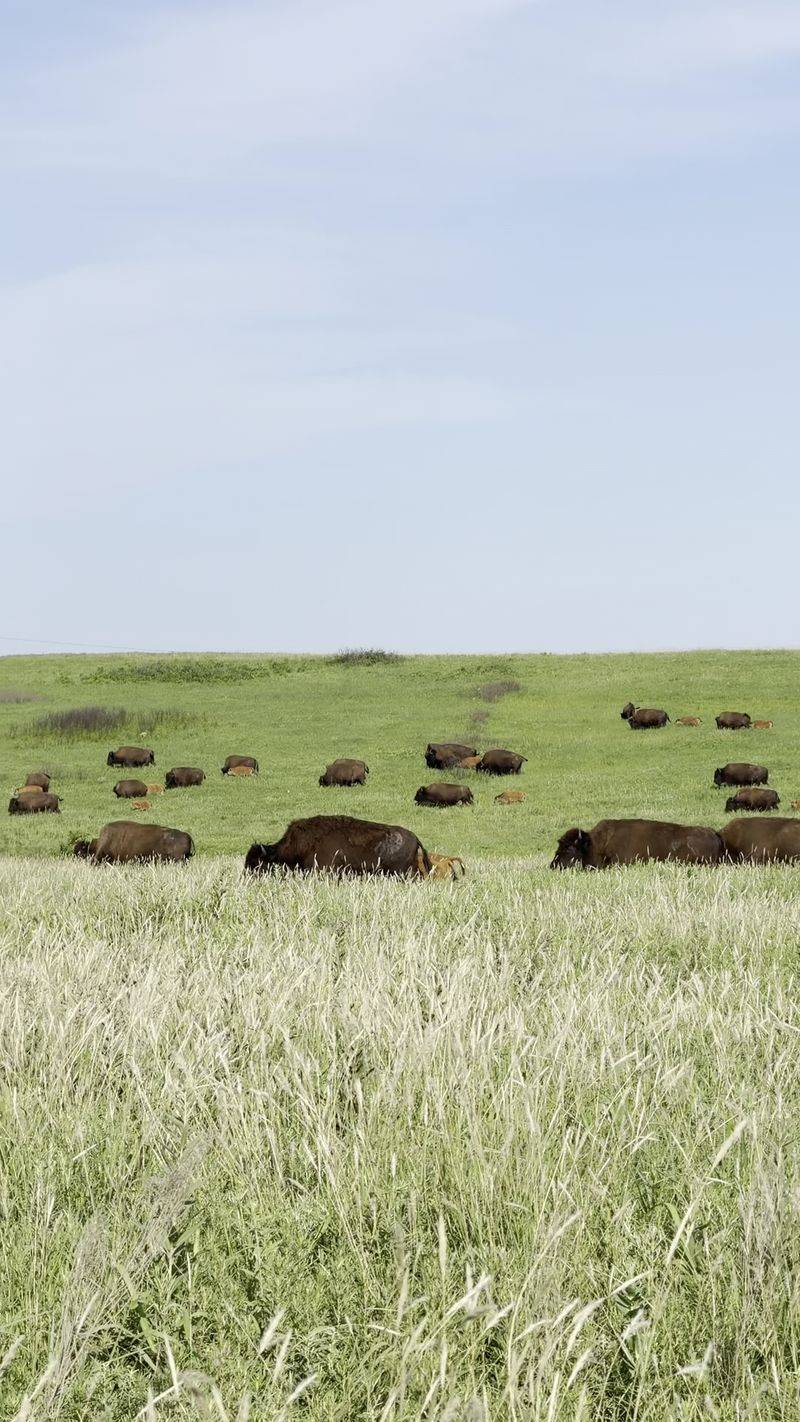
Long before fences and farm rows, tallgrass prairie covered a wide sweep of the middle of North America. Today only small pieces of it survive, which makes a protected landscape like this one feel a bit like a museum you can drive through.
The preserve is cared for by The Nature Conservancy, and visitors often remark on how well it is managed. People call it peaceful, tidy, and handled with great care.
The land is treated as a protected reserve, so littering and other careless behavior are not welcome here.
What makes the experience special is that the prairie is not just scenery. It is a working ecosystem, with grazing bison, white-tailed deer, birds, butterflies, and wildflowers all sharing the same ground.
Volunteers at the visitor center love explaining how those pieces fit together, and many guests leave with a new appreciation for grass they once ignored.
Several returning visitors say they want to come back just to watch the seasons shift across the hills. Spring brings fresh green and new calves, summer paints the evenings gold, and each visit reveals a slightly different face of the same remarkable land.
Getting There on Gravel
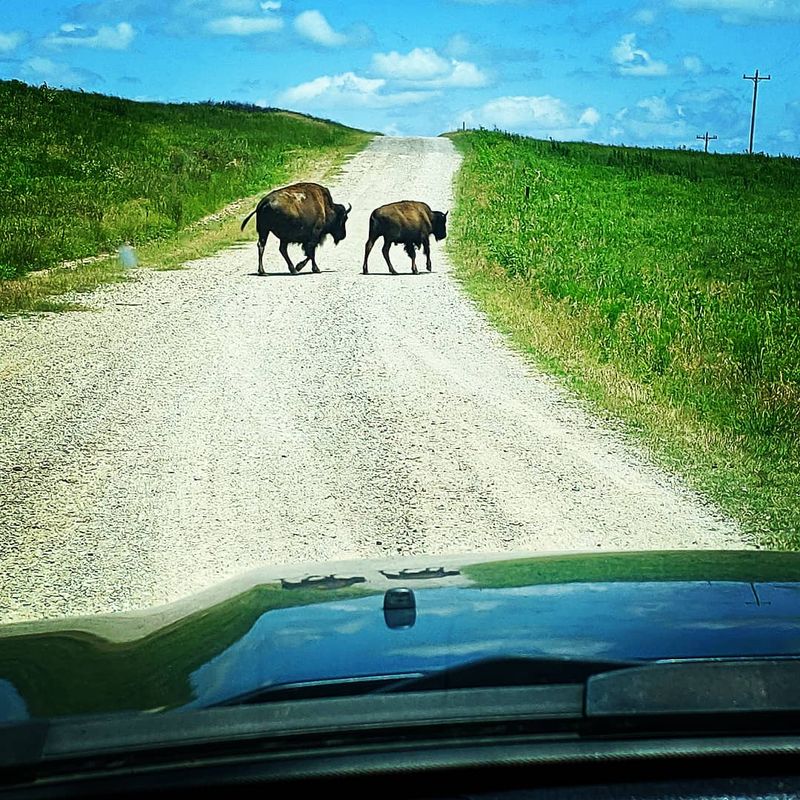
Fair warning: your car is about to earn some character. Once you enter the preserve, the roads are all gravel, and visitors joke that their vehicles never looked quite the same afterward.
The simplest route, according to travelers, starts in Pawhuska at Grandview Avenue heading north. From there, plenty of helpful signs lead to the visitor center and the bison loop.
One group tried to cut over from Highway 99 using phone maps and ended up lost in a maze of dirt roads, so trusting the signs is a smart move.
Speeds stay slow, usually around 30 to 35 miles per hour at most. That pace is a gift, honestly, because it gives you time to scan the grass for wildlife.
Plenty of drivers mention enjoying the unpaved roads in an SUV or pickup, and several recommend a higher vehicle if you have one.
A few more tips from experienced visitors:
Fill your gas tank before heading out, since the preserve is large and services are scarce. Plan on roughly three hours round trip from Pawhuska if you want to take it easy.
And yes, budget for a car wash on the way home.
The Famous Bison Loop
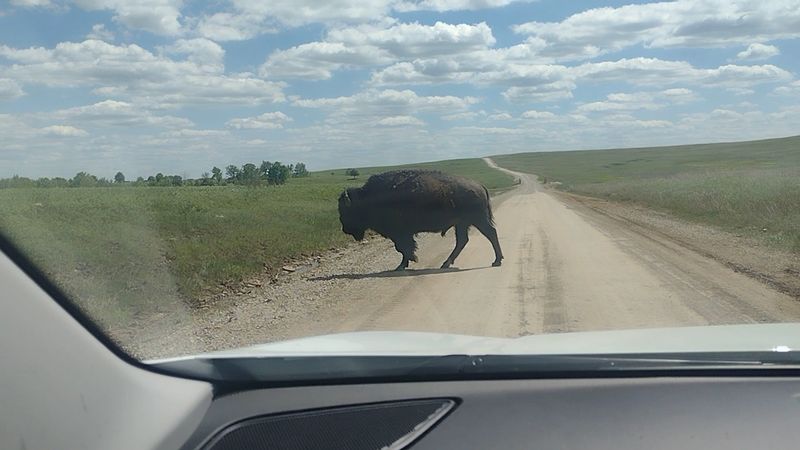
Ask almost anyone about their favorite part of the trip, and the answer comes back fast: the Bison Loop. It is the drive that put this preserve on so many road trip lists.
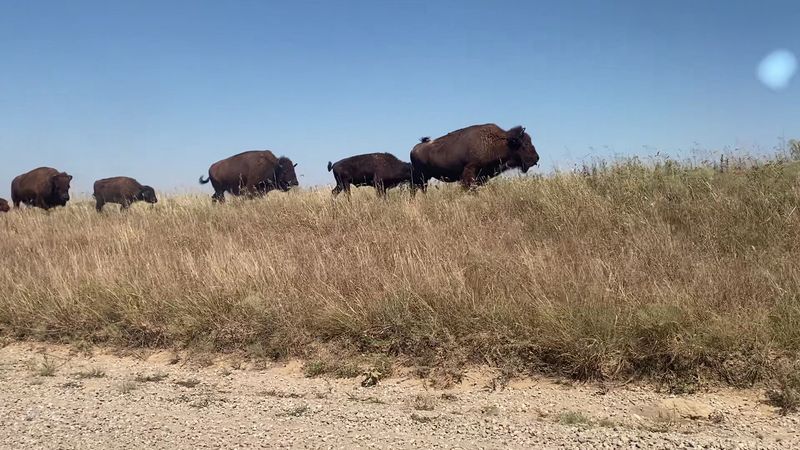
The loop winds through open range where bison groups wander wherever they please. Some days they graze right beside the road, close enough that you can hear them tearing at the grass.
Other days they scatter farther out across the hills.
One couple said the loop took about an hour, and that was with plenty of slow rolling and constant photo stops. Rushing makes little sense here.
Visitors repeatedly urge others to slow down and simply enjoy the ride.
Along the way, you may share the road with more than bison. White-tailed deer bolt across the gravel, coyotes slip through the grass, and birds drift overhead.
Each bend in the road feels like a small surprise waiting to happen.
Herds also move on their own schedule. Travelers note that when bison decide to cross, they cross, and you simply wait.
Stay alert, keep both hands on the wheel, and treat every pause as a front-row seat to a scene few people ever witness.
Stay-in-the-Car Wisdom
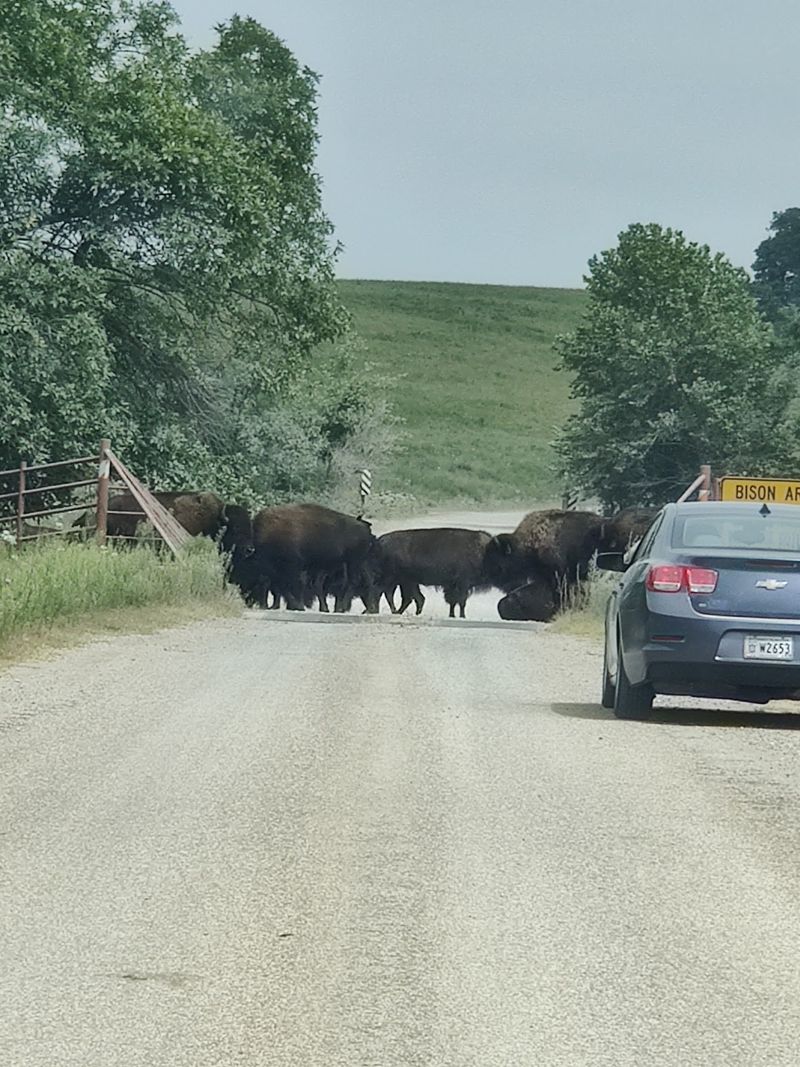
Here is a lesson the regulars repeat loudly: bison are not fluffy cows. They look calm, even sleepy, but they can be very dangerous, and the safest place to admire them is from inside your vehicle.
Locals have a playful nickname for visitors who forget that rule, and nobody wants to earn it. The advice is simple.
Stay in the car, keep a respectful distance, and never try to approach, feed, or pet one of these animals.
That might sound limiting, but it actually makes the experience better. Your car becomes a rolling wildlife blind, and many bison seem perfectly content to graze a few yards away as long as nobody steps out.
Some visitors have watched entire herds amble past their windows.
Patience pays off too. When a herd chooses to cross the road, they move at their own speed, often with calves tucked close to their mothers.
Turning off the engine and waiting quietly lets you soak in the sounds and textures that a quick glance would miss.
Respecting the animals keeps everyone safe and helps the preserve stay the special, wild place visitors treasure.
Cinnamon Calves of Springtime
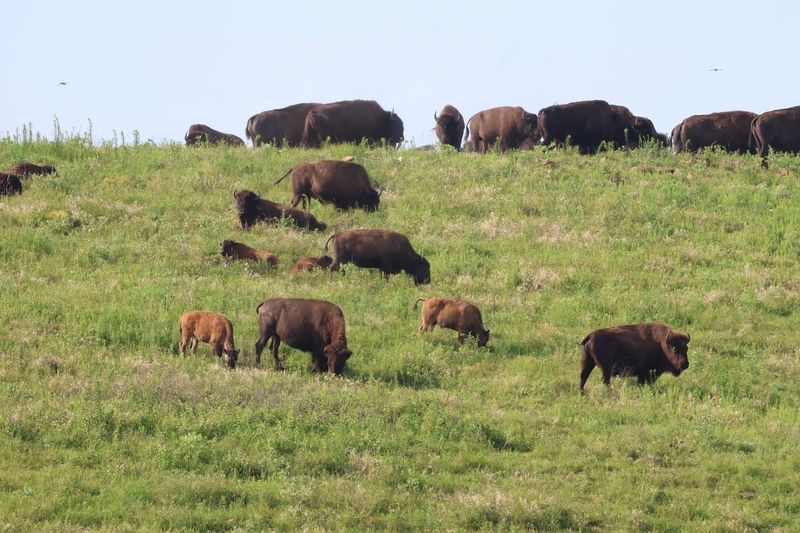
Picture a baby bison the color of cinnamon toast, wobbling beside a mother three times its size. That sight draws a lot of springtime visitors down these gravel roads.
Calves are much lighter than the adults, with a warm reddish coat that stands out against the green grass. One visitor in late spring noticed something clever about that coloring.
The calves blended in almost perfectly with some of the rocks nearby, a natural camouflage that helps protect them while they are small.
Travelers who visit during calving season describe large herds with plenty of youngsters sticking close to their mothers. Some say it was the highlight of the whole trip.
Watching a calf nurse, play, or trot to catch up with the group is the kind of moment that stays with you.
Want help finding them? Volunteers at the visitor center have pointed guests toward areas where baby bison were spotted that day.
A quick stop before the drive can save time and boost your chances.
As always, give mothers extra space. A protective parent is not something you want to test, and a little distance keeps the calves calm and the photos peaceful.
Deer, Coyotes, and Fluttering Wings
Bison steal the headlines, but the supporting cast is pretty impressive too. Visitors regularly report white-tailed deer, sometimes darting across the road at full speed, sometimes standing still in the tall grass.
Coyotes make appearances as well, especially around dawn and dusk. One photographer who enjoys late-night shooting advised others to mind the coyotes, a reminder that this is truly wild country after the sun goes down.
Bird lovers find plenty to look at, from soaring hunters to small songbirds perched on grass stems. Hikers mention many different butterflies drifting along the trails, adding bright bursts of color to the prairie.
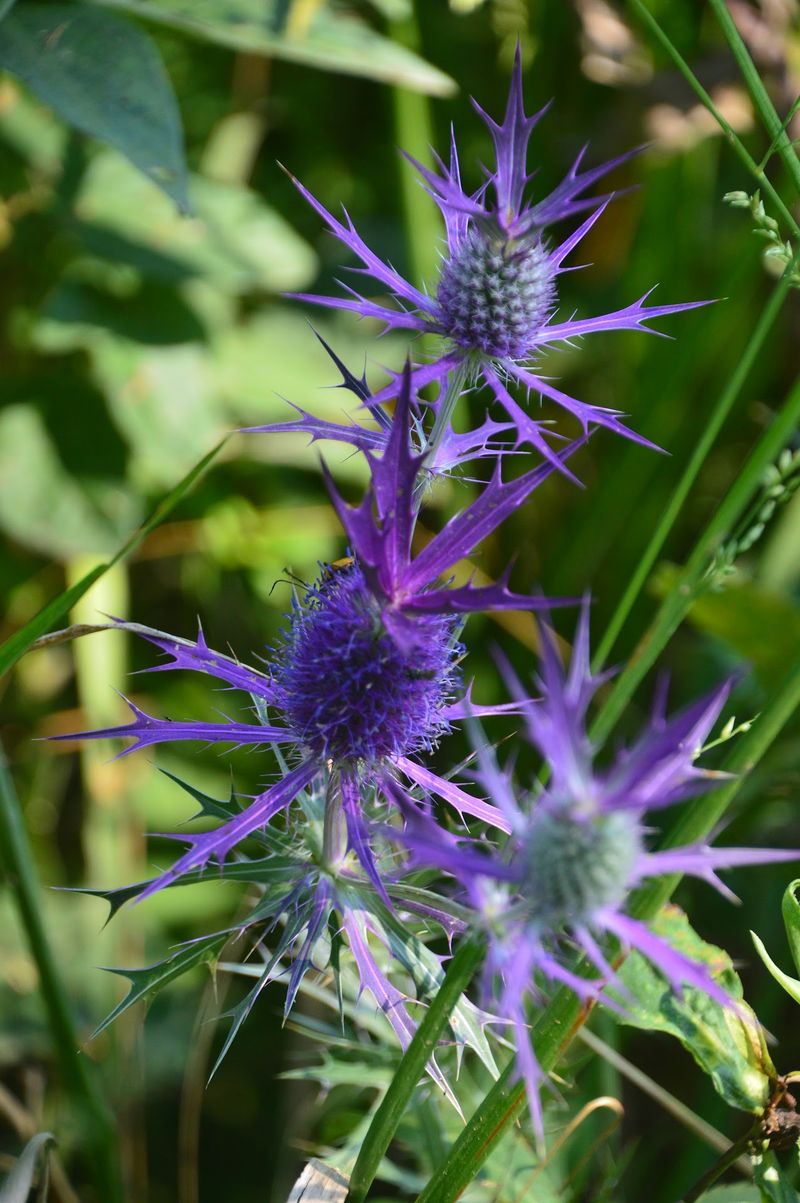
Wildflowers deserve a mention here too. Several guests called them beautiful, and in the right season they speckle the hills with color that makes every photo pop.
Even on days when the bison stay hidden, this variety keeps the trip rewarding. Some visitors who missed the herd entirely still said the drive was well worth it, thanks to deer, birds, and sweeping views.
A bit of luck shapes what you will see, and that unpredictability is part of the fun. Every visit writes its own wildlife list.
Friendly Faces at the Visitor Center
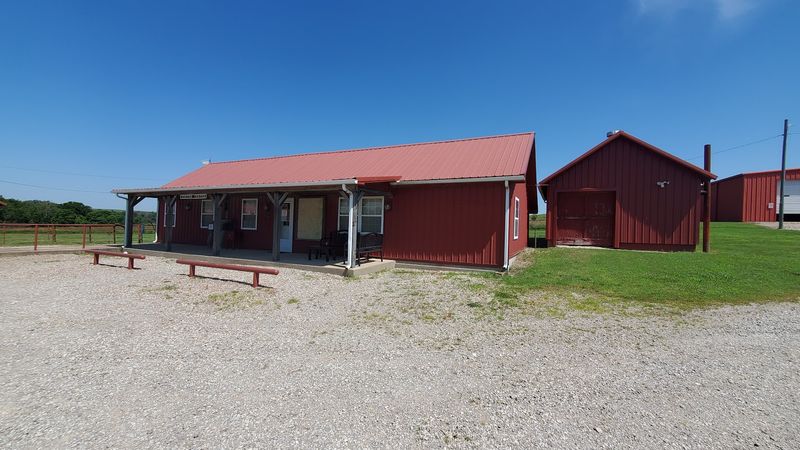
Some of the best wildlife facts here come from people, not signs. The visitor center is staffed by volunteers and docents who visitors describe as friendly, passionate, and remarkably knowledgeable.
One couple arrived early in the morning just as volunteers were opening up and ended up in a long, informative chat about bison and other animals on the preserve. They said every question got a thoughtful answer and left feeling grateful that people this devoted to conservation are sharing what they know.
Another guest mentioned a volunteer who pointed out exactly where to find baby bison that day, along with a stream of fun facts. Others say the volunteers offer a great history of the land and helpful tips on what to see.
Practical perks matter too. The area around the visitor center has trees, clean restrooms, and the main visitor facilities, making it a natural first stop.
Even when the building itself was closed, travelers were glad to find restrooms available.
One small update: there is no longer a gift shop, according to a recent visitor. Plan on bringing home photos and stories instead of souvenirs, which honestly might be the better deal.
Trails Through the Grass
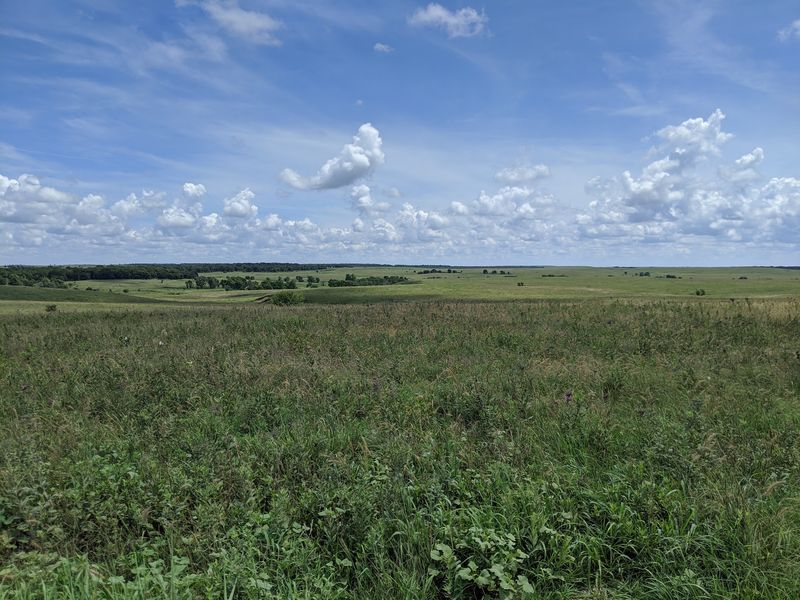
Leaving the car behind for a while changes the whole experience. On foot, the prairie surrounds you, and you notice plants, insects, and sounds that are easy to miss behind glass.
Hikers describe the trails as mowed, well maintained, and well done overall. Most are not too difficult, and they offer a close look at different plants and wildlife.
Scattered benches along the way invite you to sit, rest, and watch the grass ripple in the wind.
There is a longer walk that is labeled as hard, but one visitor said it really is not. Their advice was to give yourself a couple of hours and simply take it all in.
Shorter strolls work nicely too, with amazing views as a reward for minimal effort.
Lookouts along the walking trail reveal how far the land stretches. From up high, the Osage Hills roll away in soft waves, and it is easy to understand why people keep coming back.
One touching detail: memorial benches dot the area, and at least one visitor returns to care for a bench honoring a loved one. It shows how deeply this place settles into people’s hearts.
Sun, Ticks, and Smart Packing
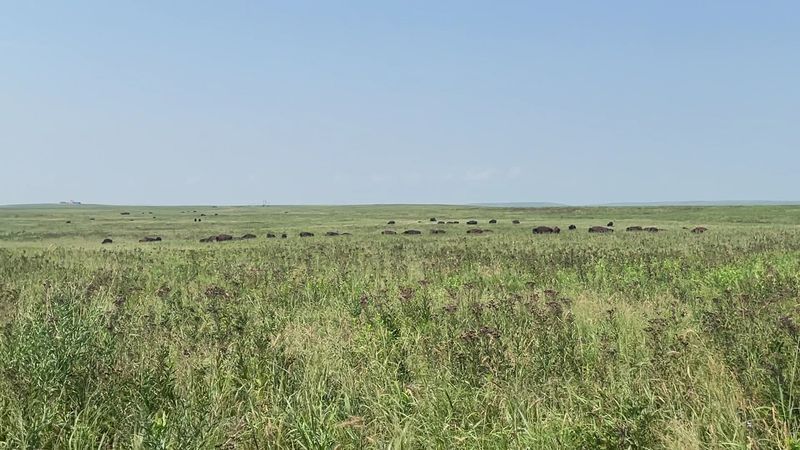
Shade is a rare luxury out here. Once you leave the trees near the visitor center, the preserve opens into wide sunny grassland with very little cover.
Visitors repeat the same packing advice over and over. Bring lots of water.
Wear sunscreen, because most trails sit in direct, full sun. A hat would not hurt either.
Bugs can be a real nuisance during warmer months. One hiker strongly recommended insect repellent after dealing with ticks and other insects on the trail.
Long socks and a quick tick check after your walk are easy habits that pay off.
Binoculars are another smart addition. On days when bison linger far from the road, a pair of binoculars can turn distant dots into clear, detailed animals.
One visitor who saw the herd only from afar wished they had brought some.
Finally, think about your vehicle. A full tank of gas is essential, since the preserve is large and the roads are slow going.
If you have an SUV or pickup, many travelers say it makes the gravel easier to handle. With the right gear, the only thing left to worry about is how many photos your phone can hold.
Golden Hours and Starry Skies
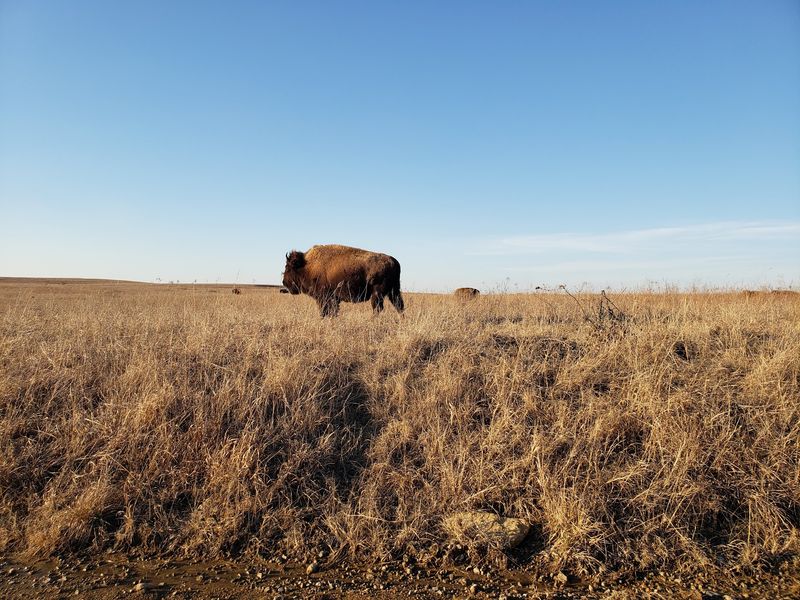
Timing can transform this landscape from pretty to unforgettable. Visitors say summer sunrises and sunsets make the prairie look incredible, with low light setting the grass aglow and casting long shadows across the hills.
Photographers find endless material. Bison, deer, birds, and sweeping landscape shots all compete for attention, and the soft edges of the day add warmth to every frame.
Then there is the night sky. One visitor said the area is fantastic for astrophotography, thanks to wide open views far from city lights.
Imagine the Milky Way arching over the same grass where bison grazed a few hours earlier. Just remember that the posted hours run from 7 AM to 7 PM, so check with the preserve about access before planning any after-dark outing.
Early mornings carry another bonus. Arriving near opening time often means cooler air, active wildlife, and a chance to catch volunteers as they start their day.
Whatever hour you choose, slowing down is the secret. Let the light shift, let animals wander into view, and let the quiet sink in.
The prairie rewards anyone willing to linger a little longer than planned.
A Peaceful Escape for Families and Nature Fans
Crowds are refreshingly absent. Visitors often point out that the preserve never feels packed, which gives the whole place a calm, unhurried mood.
Families seem to love it. Kids get to see live bison without a fence in sight, and the car-based loop keeps everyone comfortable while still feeling like an adventure.
Parents recommend extra water and sunscreen for young hikers, but the shorter trails are manageable for most ages.
Wildlife watchers and photographers find it especially rewarding. Hours can slip by while scanning hills for movement or waiting for the perfect light.
Bird lovers and wildflower fans get plenty to enjoy as well.
It also makes a great outing for showing off Oklahoma to out-of-town guests. One local said it is a favorite spot to take friends to see roaming bison, and that wide-eyed reaction never seems to get old.
Who might want to think twice? Travelers who need lots of shade, paved roads, or a guaranteed bison sighting.
Seeing the herd can be hit or miss, and the gravel is unavoidable. Anyone who enjoys open space and a bit of mystery about what is around the next bend will feel right at home.
Hours, Cost, and Contact Details
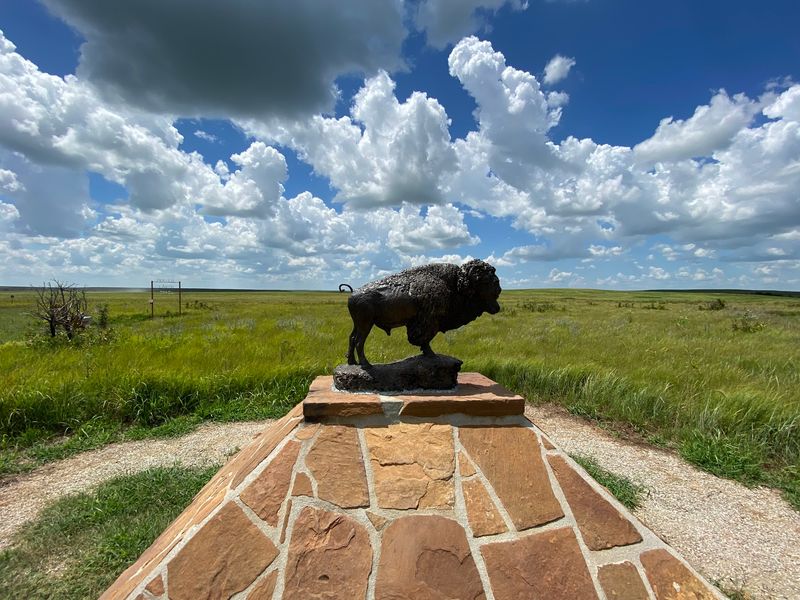
Good news for budget travelers: visiting is free. That fact alone makes this one of the best value adventures in Oklahoma.
The preserve is open every day of the week from 7 AM to 7 PM. Arriving early gives you cooler temperatures and a better shot at active wildlife, while late afternoon offers that famous golden glow.
Here are the essentials to keep handy:
Address: 15316 County Road 4201, Pawhuska, OK 74056. Phone: 918-918-2552.
More details are available through The Nature Conservancy website, which is worth checking before you go for any updates.
Plan your time generously. The bison loop alone can take about an hour at a leisurely pace, and a full outing from Pawhuska runs roughly three hours.
Add more if you plan to hike, linger at lookouts, or chat with volunteers.
Remember the house rules too. As a protected reserve, the preserve does not allow littering or other activities that could harm the land or its residents.
Pack out everything you bring in.
Finally, top off your gas tank in town. With slow gravel roads and wide distances, you will want plenty of fuel for the journey.
Worth Every Dusty Mile
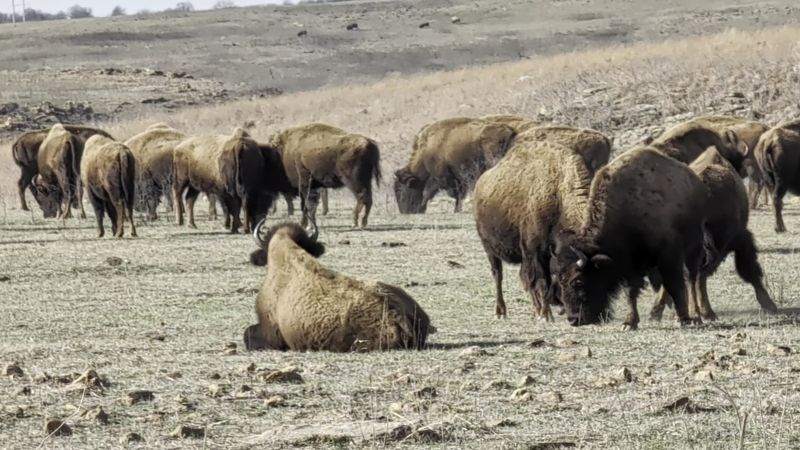
Some places look good in photos. This one feels even better in person, with the wind in the grass and a bison blinking at you through the window.
Visitors leave with full camera rolls and lasting memories. Even those who missed the herd say the drive, the views, and the warm welcome at the visitor center made the trip worthwhile, and many promise to return.
Pair it with a stop in Pawhuska, just down the road, and you have a full Oklahoma day trip. One traveler suggested grabbing a meal at the Mercantile in town after exploring the preserve, which makes for a satisfying finish.
Is it polished? Not really, and that is the charm.
The gravel will coat your car, the sun will find you, and the bison will show up only when they feel like it. Those rough edges are exactly what make it feel authentic.
For anyone who loves wide open spaces, wildlife, and a dose of old plains spirit, this preserve deserves a spot on your list. Bring water, slow down, and let the prairie do the rest.
Your car wash can wait until tomorrow.
Share this story