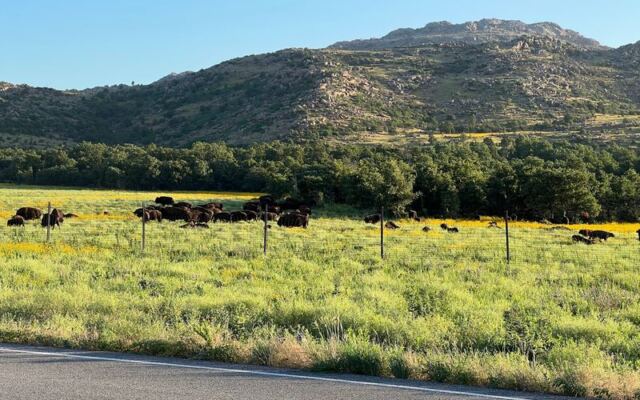
Some places in Oklahoma look like a quick pit stop on the map, and then a shaggy bison strolls right past your car window. You slow down, grab your phone, and suddenly a plain afternoon drive turns into a story you will tell for years.
Here, wild bison and longhorn cattle wander the grass beside the pavement, rocky mountains rise from the prairie, and a friendly visitor center helps you make sense of it all. If you love the outdoors, cheap thrills, and wide open Oklahoma skies, this is a trip that rewards curiosity in the best way.
A Wildlife Haven Off Highway 49
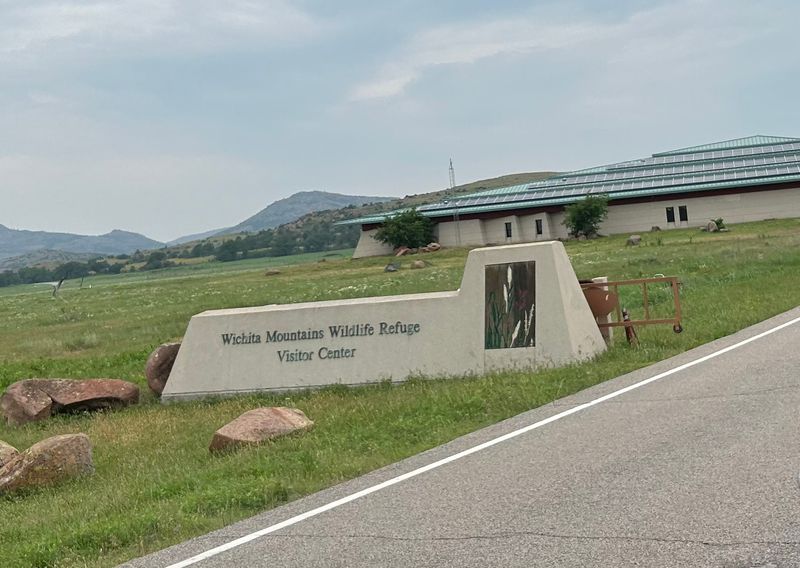
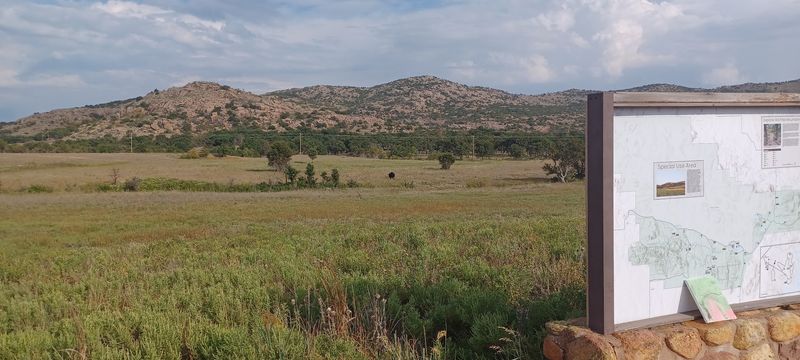
Picture a stone-and-glass building tucked into rolling prairie, with granite peaks standing guard behind it. That is the Wichita Mountains Wildlife Refuge Visitor Center, sitting along OK-49 just outside Lawton in southwest Oklahoma.
The center serves as the welcome desk for the whole refuge, a huge stretch of land where wild animals roam with very little fuss from people. Visitors describe the refuge as large but easy to explore by car, with hiking trails, picnic spots, and big scenic views waiting at nearly every turn.
Plenty of travelers call the visitor center the smartest first stop. Inside, you can pick up maps and guides, ask questions, and get your bearings before heading out onto the roads where bison and longhorns like to hang out.
The address is OK-49 #49, Lawton, OK 73507, and it is open every day of the week. For road-trippers crossing the plains, that makes it a handy, reliable place to plan an adventure.
The best part might be the surprise factor. Many people pull in expecting a quick brochure grab, and they leave wondering how they never knew this corner of Oklahoma existed.
Prairie Roots and a Protected Landscape
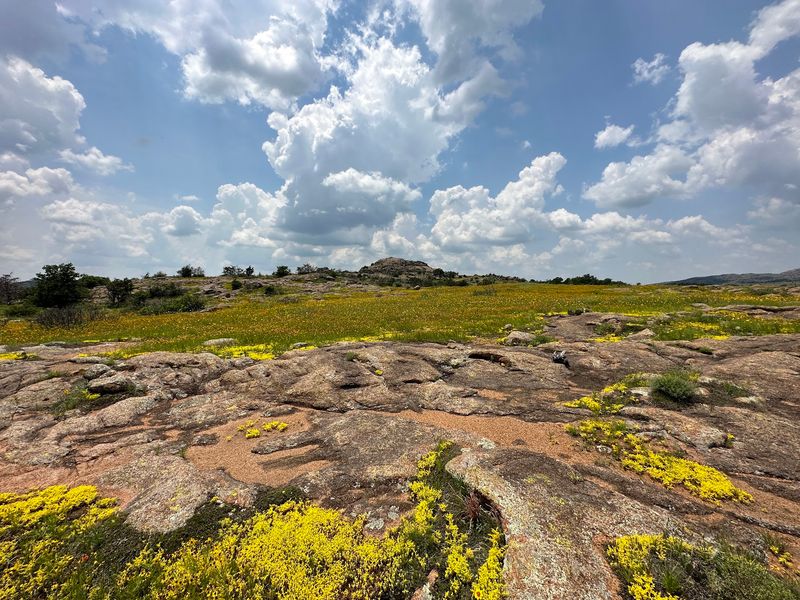
Long before anyone built a visitor center here, these old, worn mountains stood over the southern plains. Today the land is managed as a wildlife refuge, and the website for the center is run by the U.S.
Fish and Wildlife Service.
That setting explains a lot about the mood. Rather than feeling like a busy theme park, the refuge feels like a home for animals that visitors are lucky enough to drop in on.
One traveler put it nicely, saying it does not feel mass-visited or industrialized like many big national parks. Instead, it comes across as a quiet haven where wildlife lives mostly undisturbed and people get to enjoy the scene without crowds pushing in.
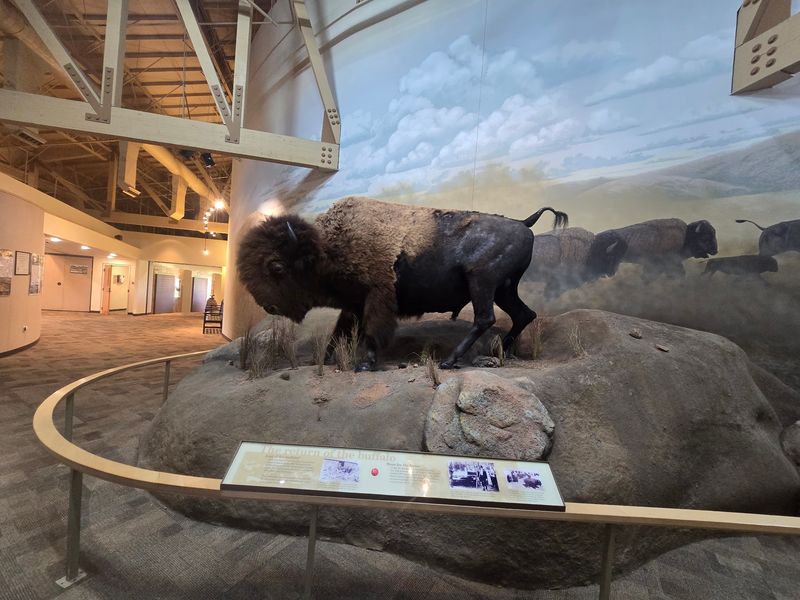
Inside the visitor center, an exhibit shares history along with helpful details about the park, its wildlife, and its plants. Reading through it gives you a sense of why this landscape matters and why the animals here are treated with such care.
Staff also keep visitors informed about land management work. One guest mentioned the front desk marking a map to show where prescribed fires were happening, a reminder that this prairie is actively looked after, season after season.
Bison on the Shoulder of the Road
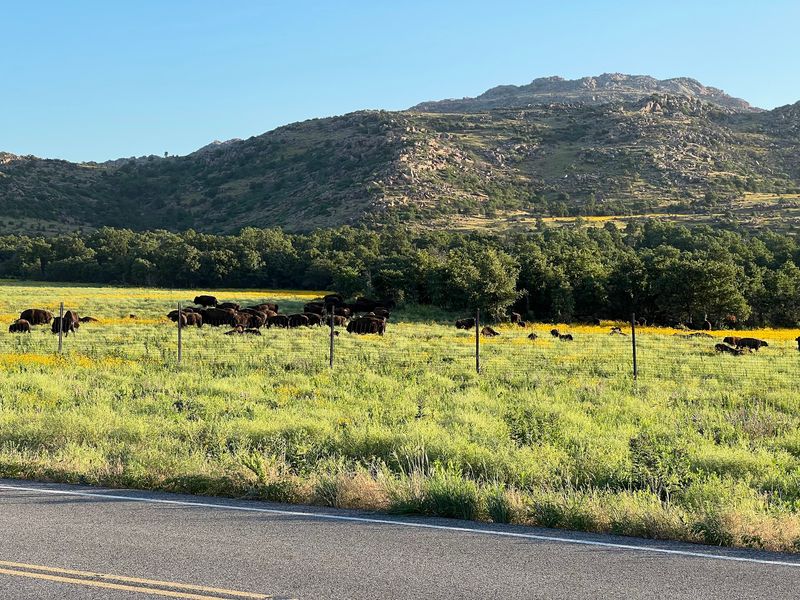
Brake lights ahead usually mean traffic. Here, they usually mean a bison is munching grass a few feet from the pavement.
Bison are easily the biggest headline at the refuge, and visitors bring them up more than anything else. Some guests say they spotted bison almost immediately after entering, while another simply summed it up as bison all over the park.
One returning visitor even described bison and cattle grazing and relaxing in and around the visitor center parking lot. Imagine stepping out of your car to stretch your legs and finding a massive, woolly neighbor resting nearby.
These are free-roaming animals, so sightings feel genuinely wild rather than staged. You never quite know where the next herd will appear, which keeps every curve in the road exciting.
A quick tip from common sense: give them plenty of space. Bison may look calm and sleepy, but they are huge, powerful creatures, and the best photos come from a respectful distance, ideally from inside your vehicle.
For many Oklahomans, seeing bison this close is a proud reminder of the plains heritage the state still holds onto. It is history you can watch chewing grass.
Longhorns With Horns Wider Than Your Hood
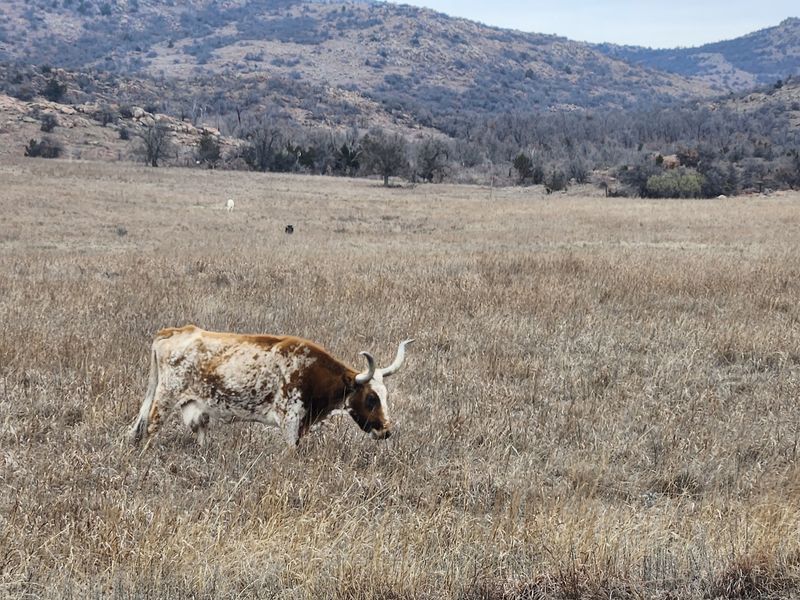
Few animals pull off a dramatic look quite like a longhorn. Those sweeping horns stretch out so far that first-time visitors often gasp before they even reach for a camera.
Longhorn cattle share the refuge with the bison, and travelers mention them again and again. One family said they saw both bison and longhorns during a short 45 minute drive through just a small slice of the refuge.
That is part of the fun. You do not need a full day or a long hike to meet these famous animals, because they often wander right along the roadside.
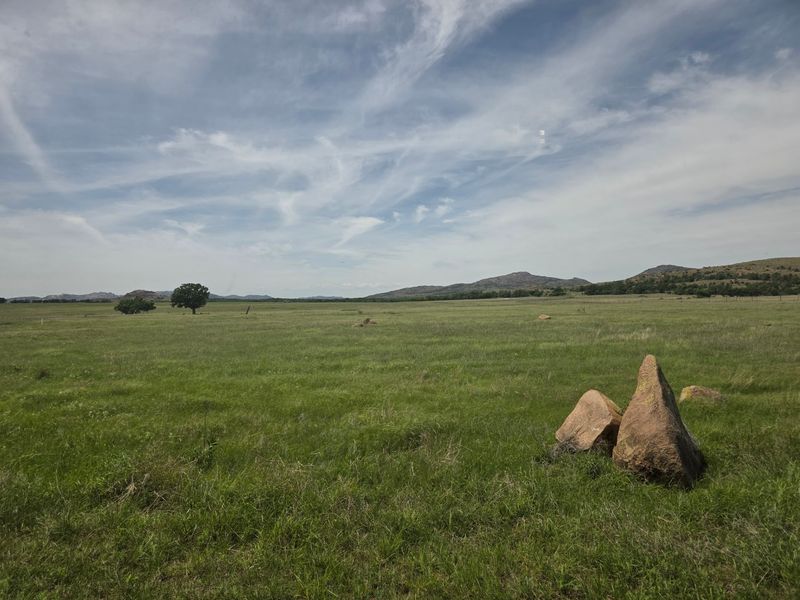
Longhorns carry a strong Western spirit, and spotting them against a backdrop of granite hills feels like stepping into an old cattle-drive painting. Their coats come in all sorts of patterns, so no two seem to look quite the same.
Photographers love them because they tend to stand still and pose, at least compared to quicker critters. Pull safely to the side, roll down the window, and enjoy the show.
Like the bison, they deserve space. Admire those horns from a distance, and you will get great pictures plus a calm, happy encounter.
Prairie Dogs, Elk, and Surprise Critters
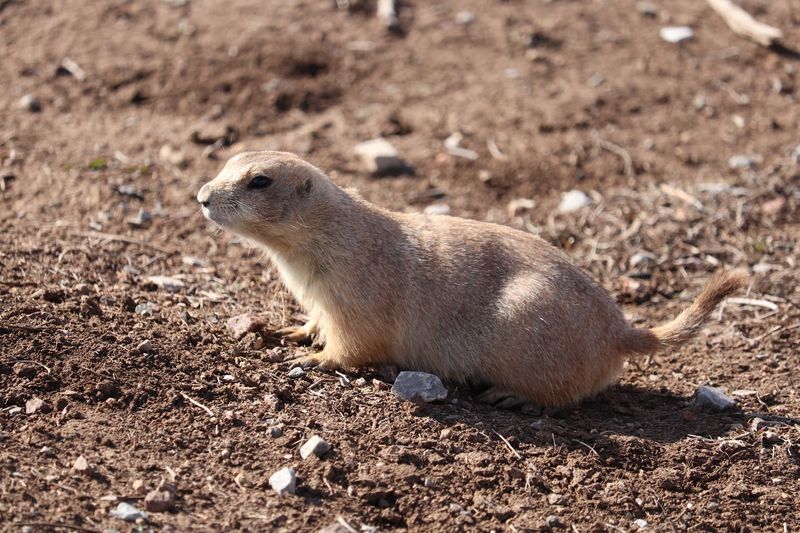
Squeak, pop, and disappear. Prairie dogs turn any stop into a lively game of peekaboo, and they rank among the most mentioned sights at the refuge.
Watching a prairie dog town is oddly addictive. The little creatures stand up on their mounds, chatter to each other, and dive into burrows the second something seems suspicious.
Elk also roam the area, and visitors say you might even spot one from inside the visitor center windows. Seeing an elk move across a hillside is a quieter, more graceful kind of thrill than the bison parade.
Then come the wildcards. One guest spotted an armadillo just outside the refuge on the way out, and another mentioned seeing a tarantula crossing the road.
These unexpected encounters give the place a quirky, anything-can-happen feel.
One visitor promised that if you look, you will most definitely see buffalo, longhorns, and prairie dogs. That kind of reliable wildlife viewing is rare, which makes the refuge a strong pick for families hoping to show kids real animals in real habitats.
Bring binoculars if you have them. Some of the best moments happen far out in the grass.
Inside the Visitor Center Exhibits
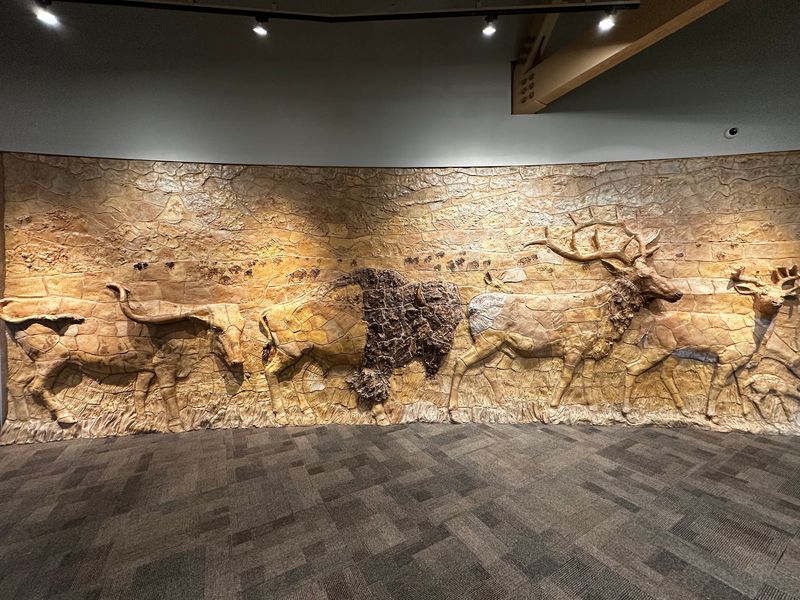
Cool air hits you first, especially on a hot Oklahoma afternoon. Then the displays pull you in.
Visitors describe the exhibit space as surprisingly big and very informative, with mounted animals, pictures, art, and some interactive or alternative learning stations. One guest called it a holistic display of the surrounding land and nature, which is a fancy way of saying it ties everything together.
You can learn about the animals you are about to see, the plants that cover the hills, and the history behind the refuge. Kids tend to love standing next to life-size animal displays and comparing them to what they spot outside.
The building also has big views. Several visitors mention that you can see the mountains from inside, and sometimes wildlife wanders into sight while you are still reading a placard.
Everything here is free to enjoy, which makes it an easy add-on even for travelers who are short on time or money. Many people say they planned a quick look and ended up staying far longer than expected.
It is a smart way to turn a scenic drive into a real learning adventure.
A Short Film Worth the Seat
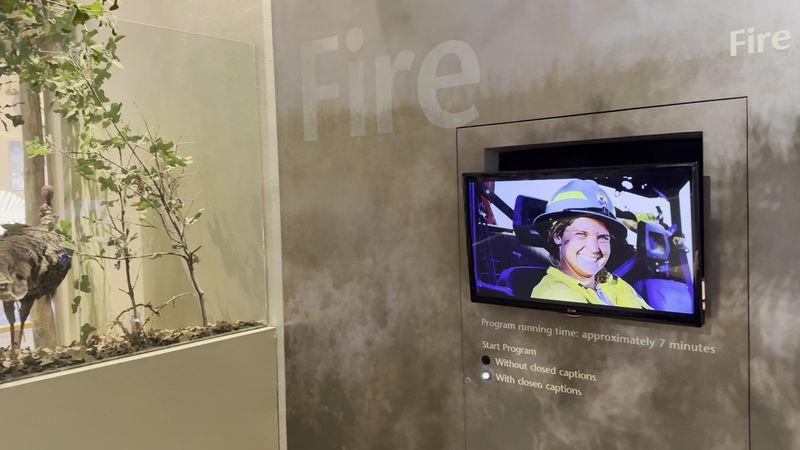
Fifteen minutes. That is all it takes to get a strong overview of the whole refuge.
The visitor center includes a theater that shows a documentary about the area, and guests often praise it. One visitor described the video as really informative and pleasantly short, while another called it a wonderful showcase of the landscape.
Watching the film before you drive gives the scenery more meaning. Suddenly that rocky ridge or grassy valley is not just pretty, it is part of a story you understand.
The theater is also a nice break for families. Little legs get a rest, everyone cools off, and kids pick up fun facts they can shout out later when a bison appears.
Educational movies are part of the broader learning setup here, which suits curious travelers who like to know the why behind what they see. History buffs and nature lovers both tend to leave with new questions.
Timing tip: since the center keeps daytime hours, catching the film early lets you head out with fresh knowledge and plenty of daylight left. It is an easy, worthwhile way to start your visit on the right foot.
Friendly Rangers and Hand-Marked Maps
Some travel memories come from mountains. Others come from a kind person behind a desk with a pen.
Staff at the visitor center earn constant praise. Guests describe them as welcoming, knowledgeable, and happy to answer questions about where to go and what to see.
One family visiting from Philadelphia shared a lovely story. A man at the front desk handed them a map and drew directions to the more scenic and remote parts of the refuge, pointing out exactly where to stop for wildlife and roadside sights.
They felt he made the whole trip special.
Other visitors mention receptionists explaining the main attractions, and one desk worker marked a map to show areas with prescribed fires. That kind of local insight is gold when you are new to the area.
Grabbing a map is the number one tip repeated by guests. The refuge is big, and a few personal pointers can turn a random drive into a well-planned loop full of animals and views.
So walk up, say hello, and ask what is happening that day. The answer might lead you to your favorite moment of the trip.
Gift Shop Finds for Every Age
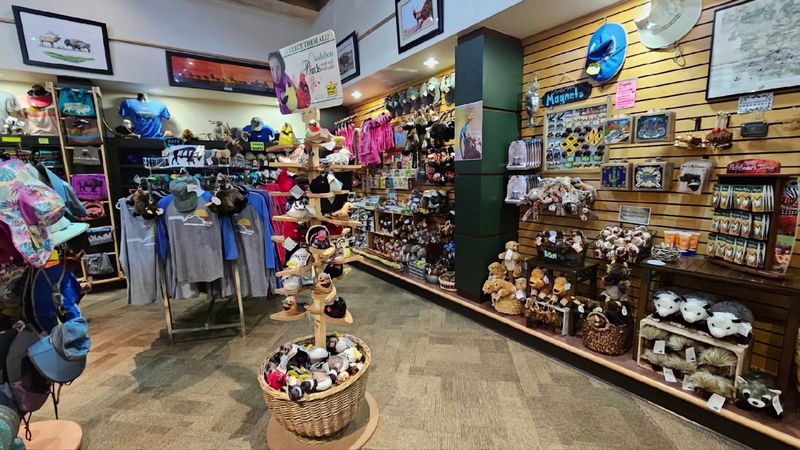
Plush bison, anyone? The gift shop inside the visitor center makes it hard to leave empty-handed.
Visitors describe a small but well-stocked shop with souvenirs, art, books, and toys for kids. One returning guest called it really good, especially for picking up something meaningful rather than random trinkets.
Shoppers also rave about the people working there. One traveler said the gift shop worker helped them save money and suitcase space by mentioning that more merchandise can be ordered online later.
That is the kind of honest, helpful service that sticks with people.
Another guest loved the store so much they offered their own refuge photos for postcards. When visitors want to contribute to a place, you know it left a mark.
Books here can deepen your understanding of the wildlife and landscape long after you get home. Kids might grab a toy bison to remember their first real herd sighting.
A friendly note: one visitor suggested bringing a little cash to drop in the donation box, helping support this local treasure. Just plan ahead, since a guest mentioned there is no ATM on site.
Mount Scott, Trails, and Lakes Beyond the Main Road
Driving the main road is great. Leaving it is even better, according to longtime visitors.
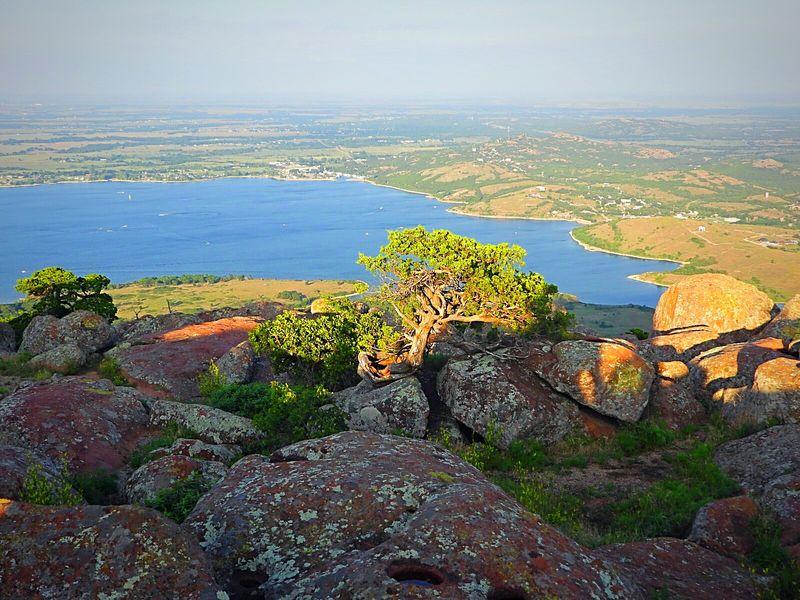
Mount Scott draws many travelers who want sweeping views. One guest found it wrapped in fog, which was only slightly disappointing and became a fun excuse to come back for a clearer look.
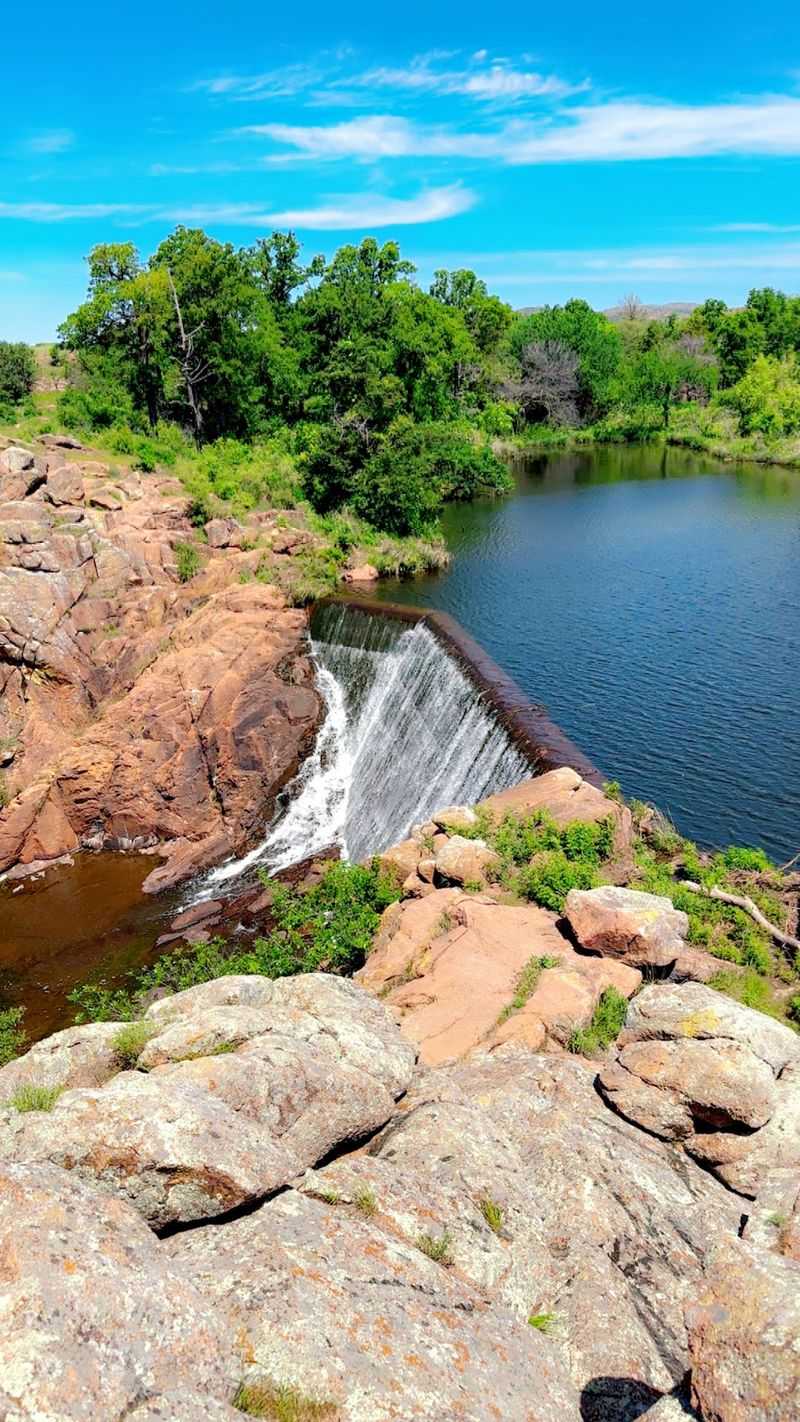
Frequent visitors urge people to go beyond the obvious. They suggest hiking one of the many trails, spending a day kayaking or fishing at the lakes, and checking out the Doris campground.
Hikers mention enjoying a couple of trails on cool, cloudy days, which made the walk more comfortable. Another visitor especially loved the Wildflower Hike, calling it a must-do part of the trip.
The refuge stretches far, and staff have pointed guests toward interesting areas about six miles in either direction from the center. One traveler said there is so much to see that it would take many visits to cover it all.
That sense of endless exploring is part of the magic. Every return trip can feel different, with new trails, fresh views, and a whole new set of animal encounters waiting around the bend.
Who Feels at Home Here
Families, photographers, hikers, and curious drivers all seem to find their groove at this refuge.
For kids, the visitor center offers a Junior Wildlife Refuge Program, plus exhibits and toys that make learning fun. Seeing real bison after reading about them inside creates the kind of excitement school field trips dream about.
Photographers rave about the wildlife and views, calling it perfect for great photos. Budget travelers love it too, since guests say everything they did was free.
Military families have discovered it as well. One family wandered in during Fort Sill family day while driving around aimlessly, and they were amazed by the scenery, wildlife, and kind people.
Accessibility counts here. A visitor noted the building is wheelchair accessible, with clean flushing restrooms, a water fountain, vending machines, and air conditioning.
Workers passing through Lawton have stopped in just to finally see the mountains they always wondered about. Weekend road-trippers find it an easy add to an Oklahoma adventure, with Medicine Park nearby for extra exploring.
Quiet nature lovers may appreciate it most. The vibe is humble and peaceful, a beauty that grows on you the longer you stay.
Hours, Costs, and Getting There
Good news for planners: the schedule is simple. The visitor center opens from 9 AM to 5 PM, Monday through Sunday.
Arriving early is fine, but one guest showed up before opening and had to wait for the doors. A smart move is to start your drive near opening time, pop inside for maps and the film, then spend the day exploring.
Cost is one of the happiest surprises. Visitors describe the museum and exhibits as free, and many say their whole refuge day cost nothing beyond gas.
Dropping a donation in the box is a kind way to give back.
Find the center at OK-49 #49, Lawton, OK 73507. It sits along the highway near Lawton, with a large parking lot that guests say offers plenty of room.
For questions before you go, call +1 580-429-3222. The U.S.
Fish and Wildlife Service website also lists visitor details for the refuge.
Pack water, a camera, binoculars, and some cash, since there is no ATM. Overnight options exist in the area too, so turning a day trip into a weekend is easy.
Worth the Detour, and the Return Trip
Ask people who have been, and you will hear a common promise: they are already planning to go back.
That says plenty. Between roadside bison, camera-ready longhorns, busy prairie dog towns, and the occasional elk, the refuge delivers wildlife moments that feel rare and real.
The visitor center ties it all together. Free exhibits, a short film, a fun gift shop, and genuinely helpful staff turn a pretty drive into a richer experience.
It is not flashy, and that is the charm. One traveler described the beauty as something that does not hit you all at once but keeps pulling you in, like a slow sunrise over the hills.
For Oklahomans, it is a reason to feel proud of the wild places still thriving in the state. For visitors from far away, it is a pleasant shock that such a spot sits so close to town.
So next time you are near Lawton, take the turn onto OK-49. Grab a map, roll down your window, and let the herds set the pace.
Chances are, you will leave already dreaming of your next visit.
Share this story