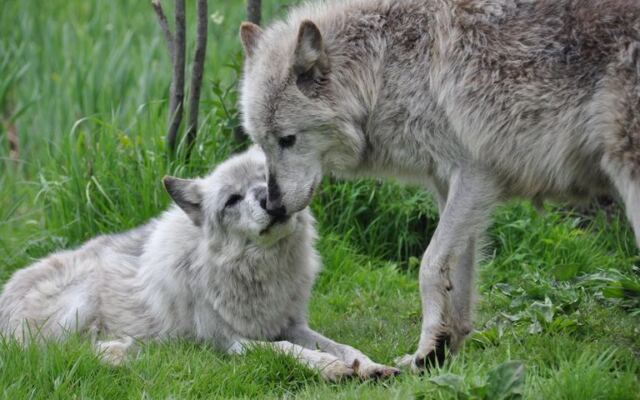
A quiet country road in Massachusetts hides a surprise that most people drive right past. Behind a modest sign, a small pack of wolves lives just a few yards from where guests sit and listen.
Families leave talking about the howl, kids leave clutching tiny jars of shed fur, and grown adults leave a little starstruck. Keep reading to learn when it opens, what happens during a visit, and why so many locals return again and again.
A Wolf Pack on Essex Road
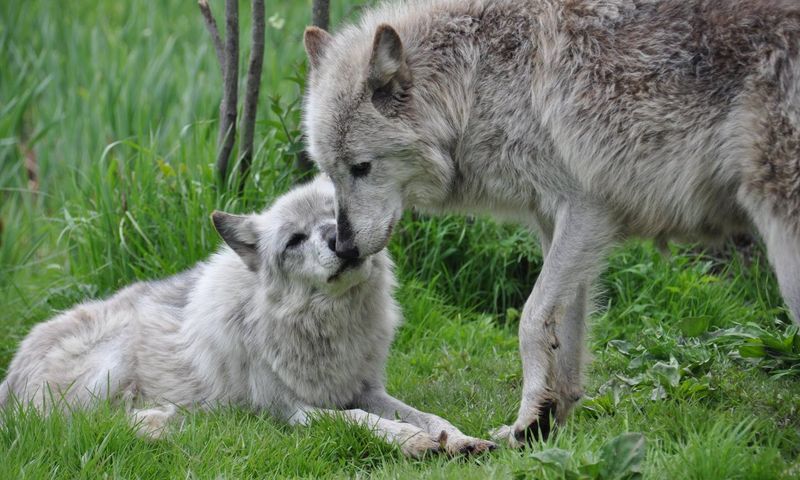
Tucked along a rural stretch of the North Shore, Wolf Hollow – North American Wolf Foundation sits at 114 Essex Rd, Ipswich, MA 01938, in the United States.
It is not a zoo, and it does not try to be one. The site operates as a nonprofit animal protection organization focused on caring for wolves and teaching the public about them.
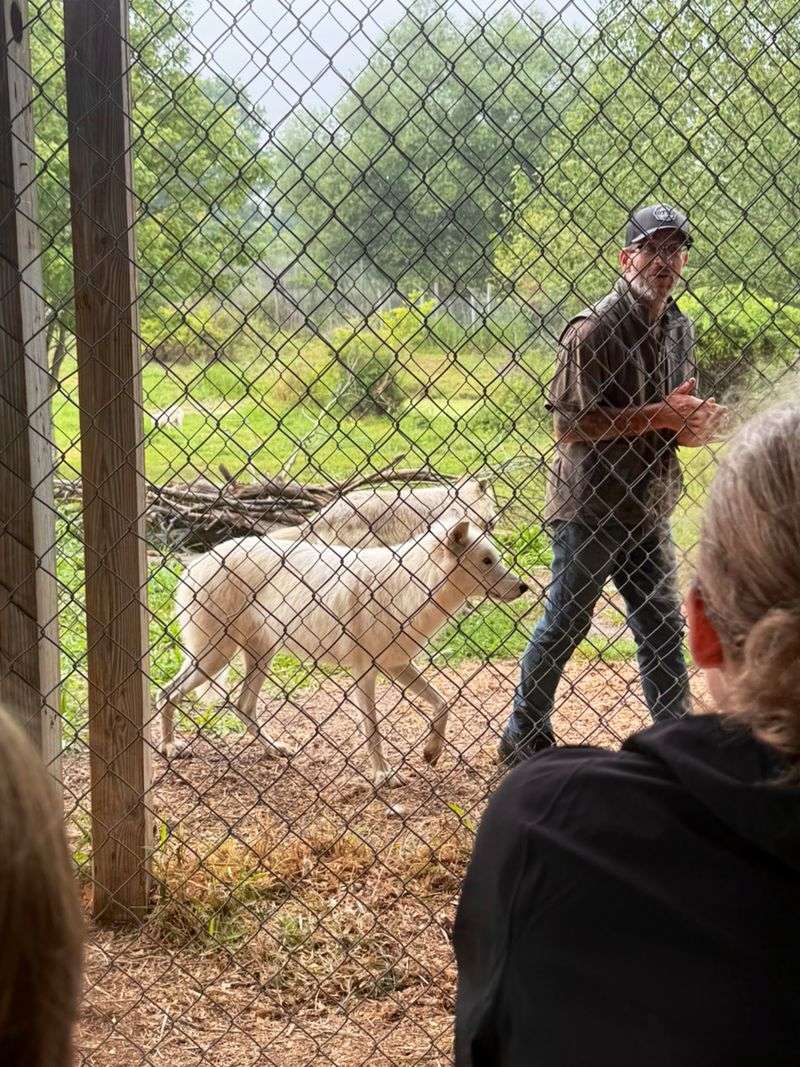
Guests come for a guided presentation where the pack lives in view. The setup is simple, but the impact tends to linger long after the drive home.
For Massachusetts residents, the appeal is partly about proximity. There is no need to fly west to see wolves in a thoughtful, education-first setting.
A short drive from many North Shore towns lands visitors at a place that feels far more wild than its quiet address suggests. Locals who know about it often treat it like a favorite secret worth sharing carefully.
The Mission Behind the Fence
Every ticket sold here does real work. Because the organization is a nonprofit, admissions and gift shop purchases help keep the wolves cared for.
The foundation puts an ethical approach to wolf husbandry above everything else. That focus shapes how guests are guided, what they are allowed to do, and how the animals are presented.
Education sits right beside care. Staff aim to correct the old myths that have long followed wolves, a species that is often misunderstood.
Talks cover wolf history, behavior, and the role these animals play in the wider world. Many guests arrive as casual fans and leave as quiet advocates.
That shift is the point. A sanctuary like this works best when people go home with better questions than they came with, and a new respect for an animal that has been painted as a villain for centuries.
Meet the Residents
Seven wolves and one wolf dog make up the current household. Each one has a name, a story, and, apparently, a fan club.
One resident named Skully seems to collect admirers with ease. Returning guests sometimes admit to picking favorites, which is understandable once the personalities become clear.
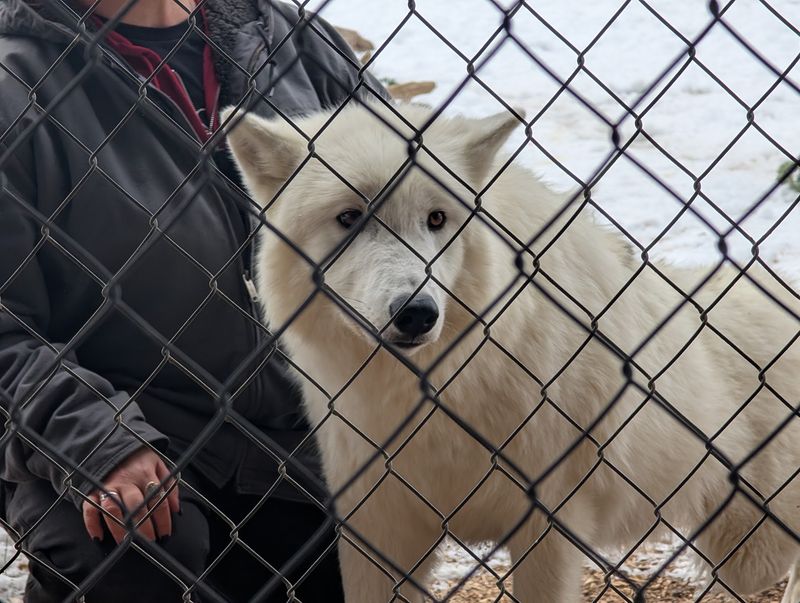
Many people are surprised by how light the wolves’ coats appear. Expectations of dark, shadowy animals tend to fade quickly once the pack comes into view.
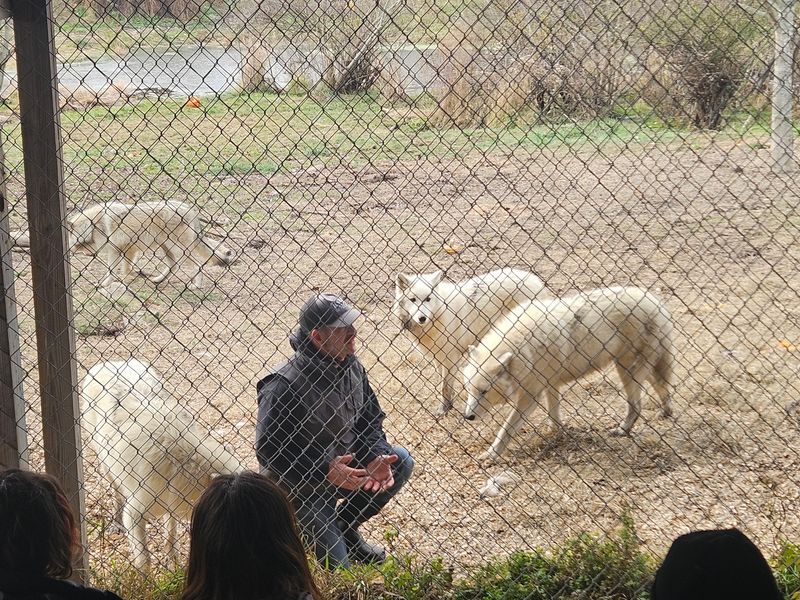
Healthy and active, the wolves interact closely with staff during presentations. Those moments say a lot about the trust built between caretakers and animals.
A small detail often delights guests too. Learning a wolf’s birthday, and sometimes discovering it matches their own, adds a personal thread to the visit that makes the pack feel less like exhibits and more like individuals worth getting to know.
Closer Than Expected
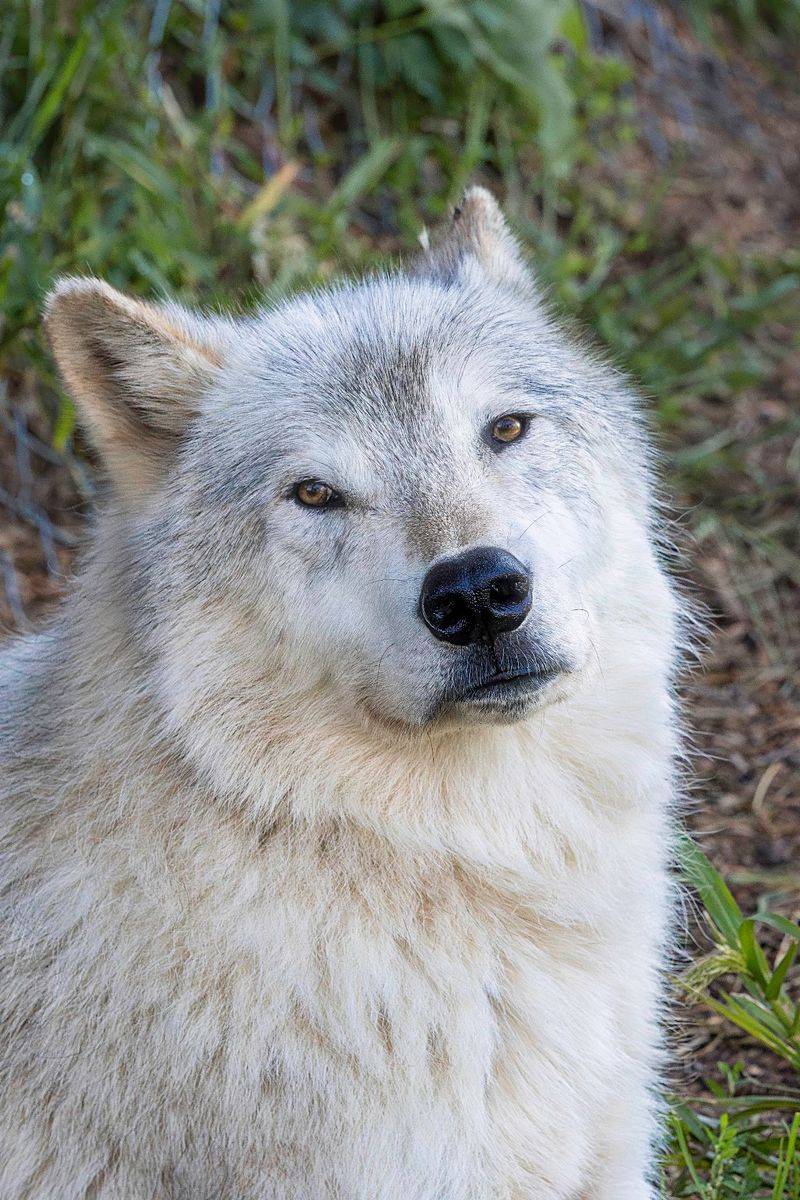
Few places in New England let people sit this near a working wolf pack. The distance is measured in yards, and sometimes far less.
Guests describe wolves howling less than two feet away. That kind of moment is hard to find at larger facilities, where animals often stay distant.
Closeness does not mean contact, though. Nobody enters the habitat, and touching or petting the wolves is not allowed.
The rules protect everyone involved. Before each tour begins, staff explain proper behavior so the animals stay calm and comfortable.
Many families find that the boundaries make the experience feel more respectful, not less exciting. Watching a wolf study the crowd with quiet curiosity is its own reward.
It is the rare outing where the audience may feel just as observed as the animals, which is exactly what the title promises.
The Famous Group Howl
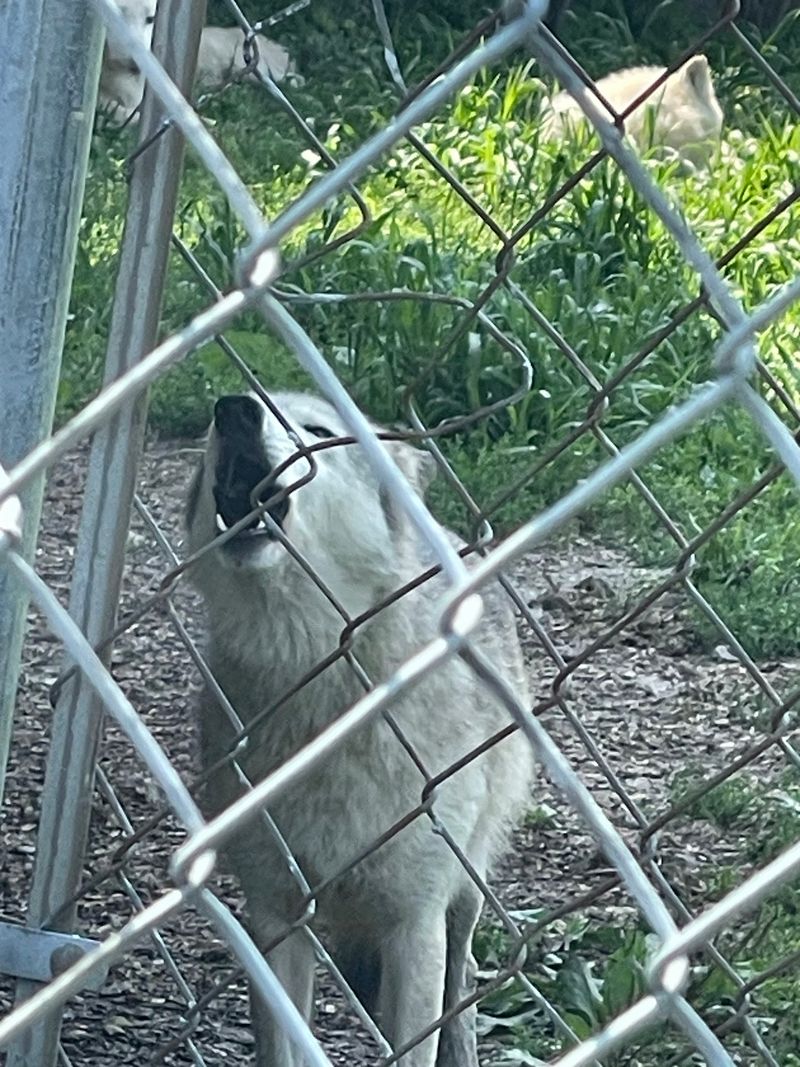
Ask almost any child what the best part was, and the answer arrives fast. The howl wins, nearly every time.
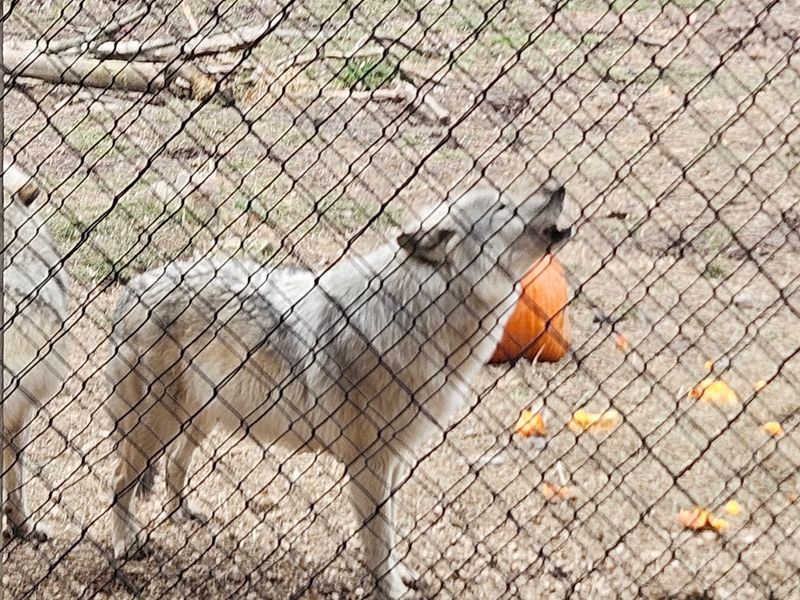
During the presentation, guests may get the chance to help lead the wolves into a group howl. Kids, in particular, love being invited to start it.
When the pack answers, the moment tends to stop conversations cold. Even adults over sixty have called it awe inspiring.
It also serves a teaching purpose. Howling is a key part of how wolves communicate, and seeing it happen live makes the lesson stick far better than a textbook.
Some guests return mostly for this part, hoping to catch another round. There is no guarantee the pack will cooperate on cue, of course.
Wolves keep their own schedules, which only makes a successful chorus feel more like a gift than a show.
Guides Who Could Talk All Day
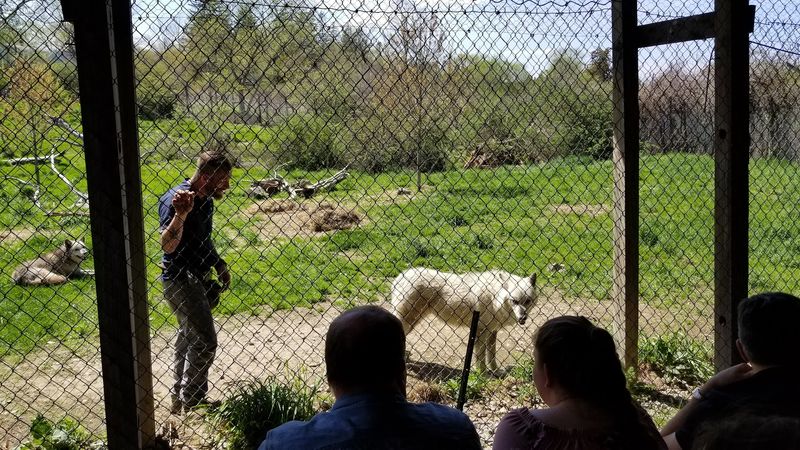
Knowledge runs deep among the people who work here. The director, guides, and volunteers clearly love their jobs and the animals in their care.
Presentations mix facts with fun quips and diagrams. One educator named Zee has earned a reputation for being informative, passionate, and amusing.
Questions are welcomed, not rushed. Children who raise their hands tend to get thorough, patient answers.
Staff also share stories about individual wolves, which helps guests connect names to faces across the enclosure.
Talks sometimes run past the scheduled time, occasionally by half an hour. Most people do not seem to mind, since the extra minutes are packed with useful details.
After the main session, many guests linger to chat with volunteers. The man in charge has even been known to offer a few local dining tips, a friendly bonus for anyone exploring Ipswich afterward.
Hands-On Learning Before the Tour
Arriving early pays off. The grounds offer several small stops that warm guests up before the main presentation.
A history storyboard stands outside, laying out background on wolves and the sanctuary. It gives curious minds a head start.
Nearby, a knowledgeable volunteer has been seen explaining skeletal pieces and reproductions. Guests can touch and handle them for a closer look.
That station tends to draw both kids and adults. Holding a replica skull offers a new perspective on how these animals are built.
There is also a bonfire area where people can gather while waiting. On a cool morning, it becomes a natural meeting spot.
Together, these extras turn the waiting period into part of the experience. By the time the tour is called, many guests already have a list of questions ready for the guides.
Small Visitors, Big Reactions
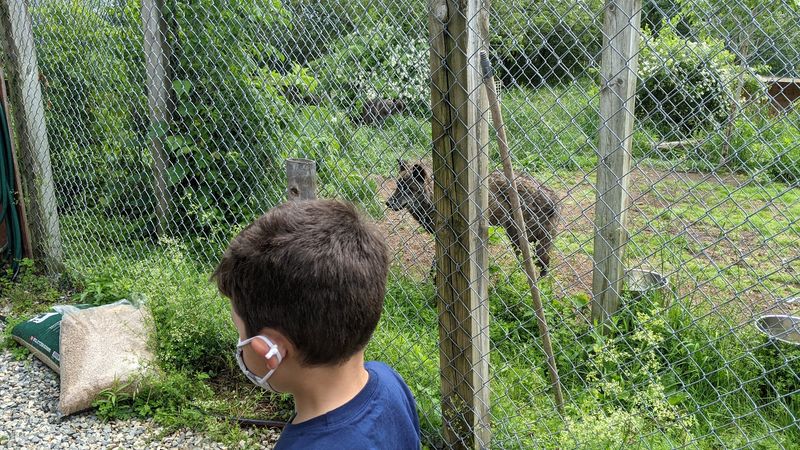
Kids are clearly welcome here. A table with coloring pages and crayons keeps the youngest guests busy, and coloring sets have been handed out too.
Families bring children for birthdays, school friends, and grandparent outings. Six and eight year olds have stayed enthralled from start to finish.
Souvenirs often become instant treasures. A stuffed wolf or a tiny jar of shed fur can stay glued to a child’s side for weeks.
One granddaughter named her plush pup Rasgart, and nobody quite knows why. That kind of story comes up often after a visit.
Guides show real patience with younger audiences. They answer every question, even the surprising ones.
Parents should note that wolves eat real food. Pieces of meat with fur may be visible in the enclosure, which is worth mentioning to sensitive children ahead of time.
Rain, Snow, and Better Wolf Weather
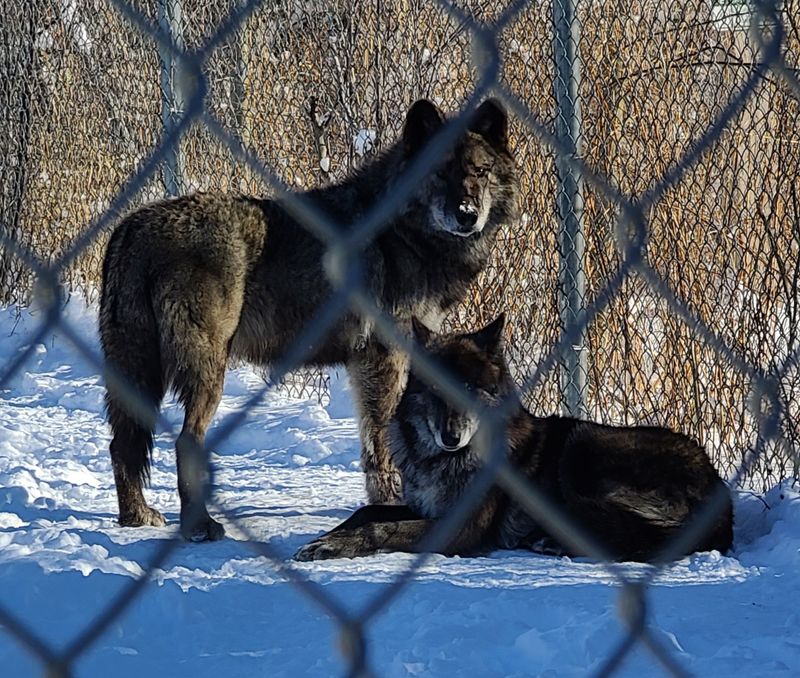
Cloudy forecasts do not ruin the day. In fact, they may improve it.
Wolves tend to prefer colder weather. On cool days they are often more active, while summer heat can leave them napping.
Most of the presentation takes place under a covered pavilion. That keeps rainy-day groups fairly comfortable while they watch.
Staff have welcomed guests even a day before a blizzard. Winter visits are a favorite for some families who plan return trips around the cold months.
For autumn planners, this is good news. Crisp fall weekends on the North Shore may line up nicely with an energetic pack.
A light jacket and flexible attitude go a long way. The wolves simply do not care about umbrellas, and neither does the pavilion roof, which makes this one of the more weatherproof outdoor outings in the region.
Rules Worth Knowing in Advance
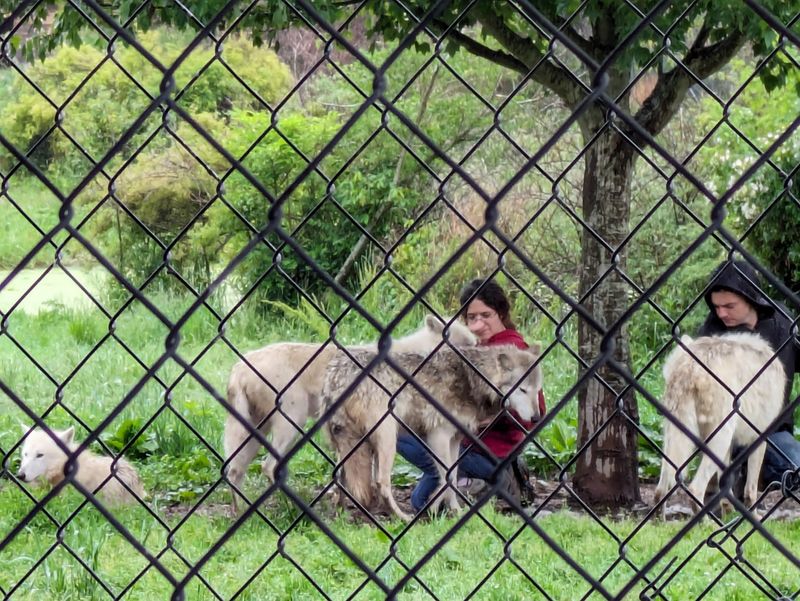
A few ground rules shape every visit. Knowing them ahead of time makes the day smoother.
Photos are allowed, but video is not. Phones can still capture plenty, just in still form.
Guests stay outside the wolves’ habitat at all times. Touching, petting, or reaching toward the animals is off limits.
Before the tour starts, staff explain how to behave so the pack is not stressed. Quiet voices and calm movement are part of the deal.
These guidelines reflect the sanctuary’s focus on ethical care. The wolves’ comfort comes first, and that priority is visible in every instruction.
Most people find the rules easy to follow. Treating the visit like being a respectful guest in someone’s home is a good mindset, and it helps the wolves feel relaxed enough to stay in view throughout the presentation.
Who Leaves Happiest
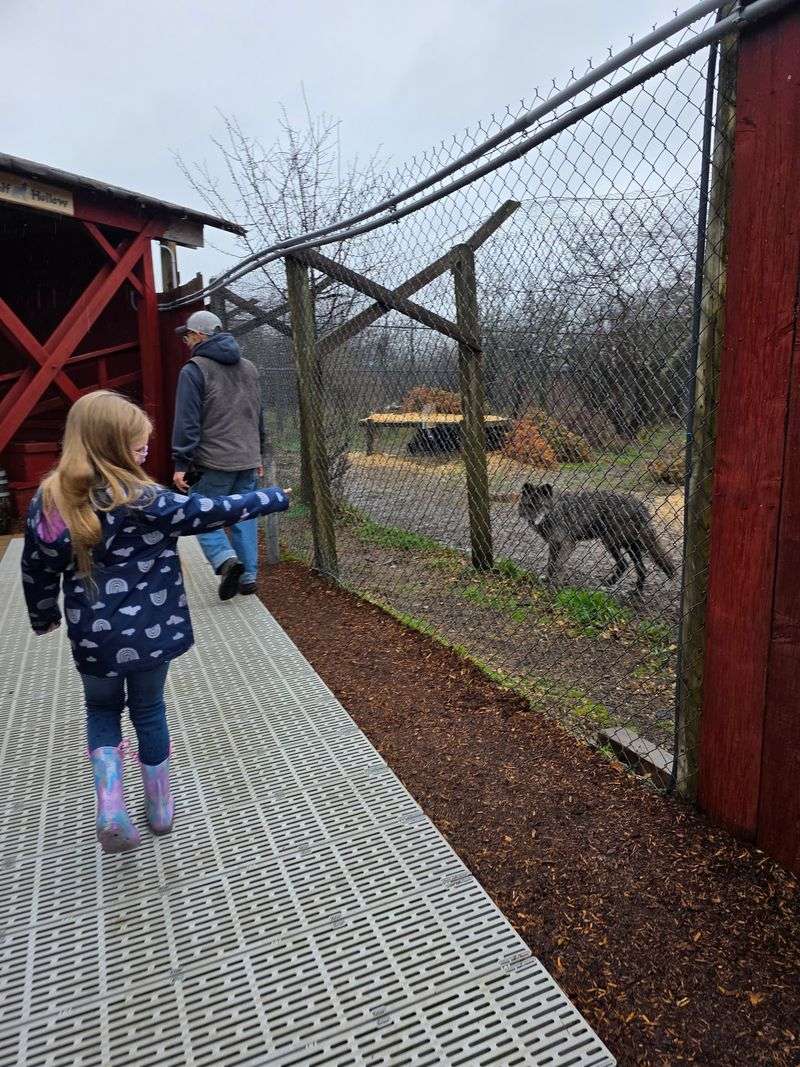
Wolf lovers are the obvious audience. Yet the crowd turns out to be wonderfully mixed.
Couples have marked Valentine’s Day here, including pairs over sixty. Parents bring kids for birthdays, and grandparents share the experience with grandchildren.
School-age groups and organized tours also show up. Everyone seems to find something to enjoy.
Repeat guests are common. Some have come three times, and several say each trip deepens their attachment to the place.
The atmosphere is relaxed, warm, and focused. People listen closely, ask questions, and linger afterward.
Anyone tired of the same zoos in Southern New England may find a refreshing change. The smaller scale makes the experience feel personal.
It suits curious minds of every age, especially those who prefer learning over spectacle and appreciate a quieter, more meaningful kind of wildlife encounter.
Hours and Arrival Tips
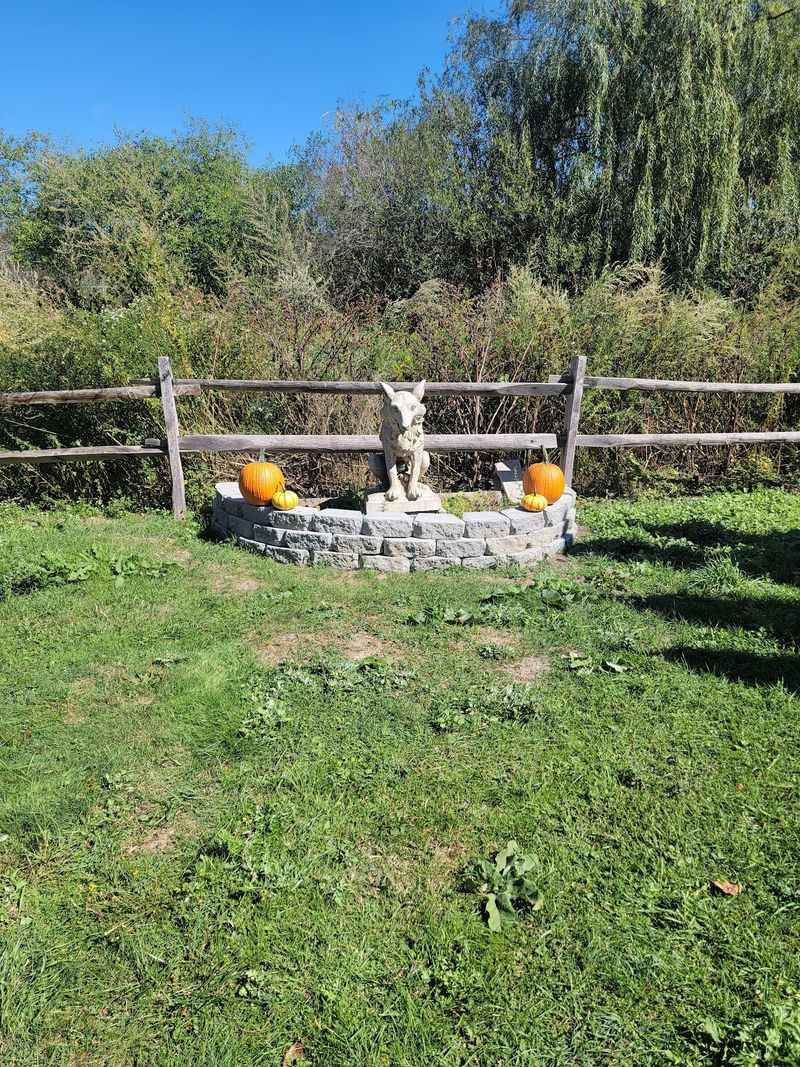
Timing is everything, since the gates open only two days a week. Saturdays and Sundays run from 10 AM to 2 PM.
Monday through Friday, the sanctuary is closed. Weekend planning is a must.
Arriving a few minutes early helps. A volunteer often directs traffic in the parking lot, which keeps things moving.
That early window also leaves time for the gift shop, the history board, and the hands-on skull station before check-in.
Since tours sometimes run long, it is smart to leave some slack in the day’s schedule. Rushing off would mean missing chats with volunteers afterward.
Ticket details and any updates are best checked on the official website, wolfhollowipswich.org, before heading out.
Essex Road is easy to reach from much of the North Shore, making this a low-effort weekend escape that fits neatly into an autumn drive.
Worth the Weekend Drive
Some outings fade from memory by Monday. A morning with this pack tends to stick around much longer.
The appeal is not flashy. There are no rides, no crowds of thousands, and no rush from one exhibit to the next.
Instead, guests get patient guides, healthy wolves, and a mission that feels honest. The education is thorough, and the care is obvious.
For Massachusetts families seeking something close to home, it checks plenty of boxes. It is nearby, meaningful, and suited to many ages.
Every ticket supports animals that have helped change how people think about a misunderstood species. That alone makes the trip feel worthwhile.
Bring curiosity, a jacket, and a camera set to photo mode. Then settle in, listen closely, and let the wolves decide how much of the spotlight they want that day.
Share this story