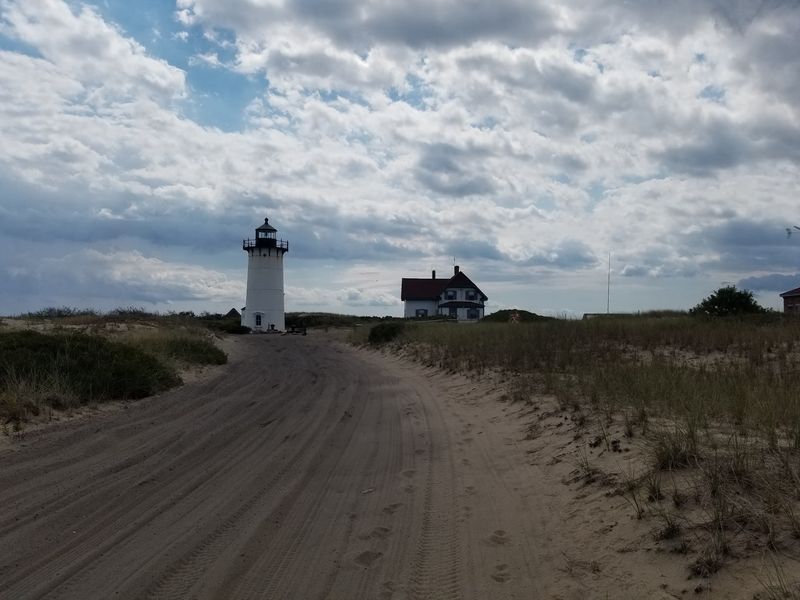
Tucked out on the far tip of Cape Cod, there is a spot where the road runs out and the dunes take over, leaving you alone with the water, the wind, and colonies of curious seals. Most people never realize you can actually book a stay here and fall asleep inside a working lighthouse that has stood since the days of sailing ships.
Getting there takes a bit of effort, whether you hike across soft sand or drive out with a special permit, and that difficulty is part of the reward. The beach is often empty, the wildlife shows up without asking, and the sunsets line up perfectly behind the tower in late autumn.
Massachusetts locals have quietly treasured this remote corner for years, and once you learn what it offers, you will understand exactly why they keep coming back.
Where the Cape Runs Out of Road
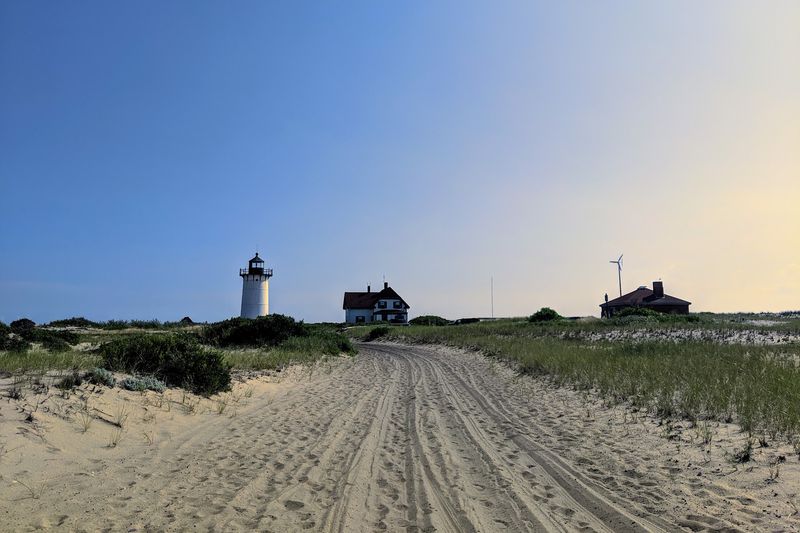
Out at the very northern tip of Provincetown, MA 02657, sits Race Point Lighthouse, a working beacon that has guided vessels since 1816. It marks the spot where Cape Cod finally surrenders to the Atlantic, surrounded by open water on nearly every side.
Reaching it is not a matter of pulling into a parking lot beside the tower. You leave your car at the ranger station or beach lot near the Province Lands Visitor Center, then travel the last stretch on foot or by permitted vehicle across sand and dune.
The lighthouse belongs to a landscape that feels genuinely remote, even though it sits within a state most residents can reach in a single day. Waves roll in on multiple shores, dunes ripple in every direction, and the tower waits quietly at the end of it all.
Rated 4.6 stars across 400 reviews, it draws people who appreciate places that ask a little something of them. This is not a drive-up photo stop, and that reputation is exactly what keeps the crowds thin and the setting special.
A Beacon Built in 1816
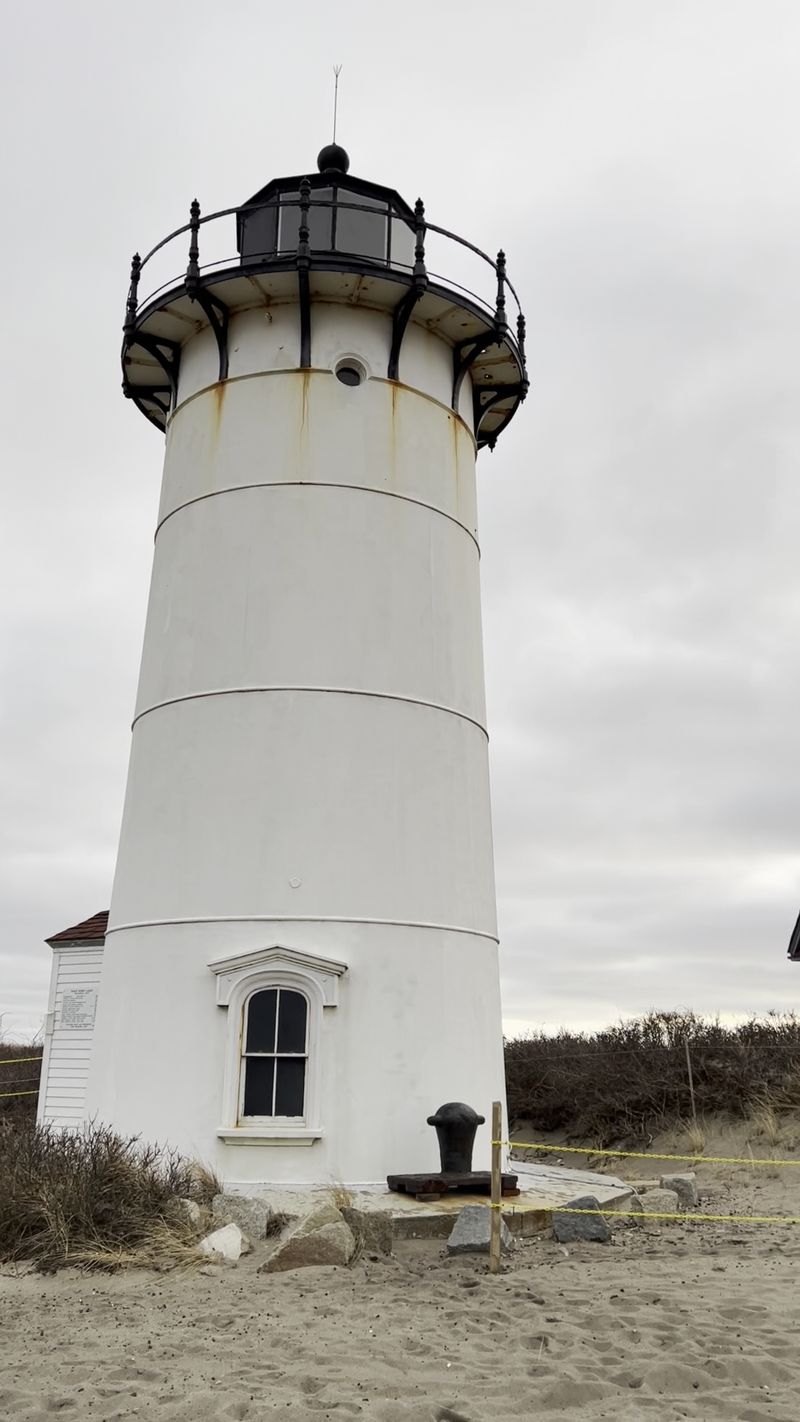
Two centuries of storms and shifting sand have passed beneath this tower since it first lit up in 1816. Back then, ships rounding the treacherous tip of the Cape depended on it to steer clear of the shoals that lurk beneath the surface.
The lighthouse has changed over the years, and those changes make up a story worth hearing. When tours are offered, the keeper on site walks guests through how the structure evolved, what it once looked like, and how it kept ships safe through generations.
Climbing to the top rewards the effort with a sweeping view that stretches across water and dune. From that height, the isolation of the place becomes obvious, and you can trace the coastline in both directions.
History buffs chasing every lighthouse on the Cape often save this one for a proud finish, since it sits farther from easy access than most. Learning its background before the trek out gives the whole visit a richer sense of purpose.
Sleeping Inside the Keeper’s Quarters
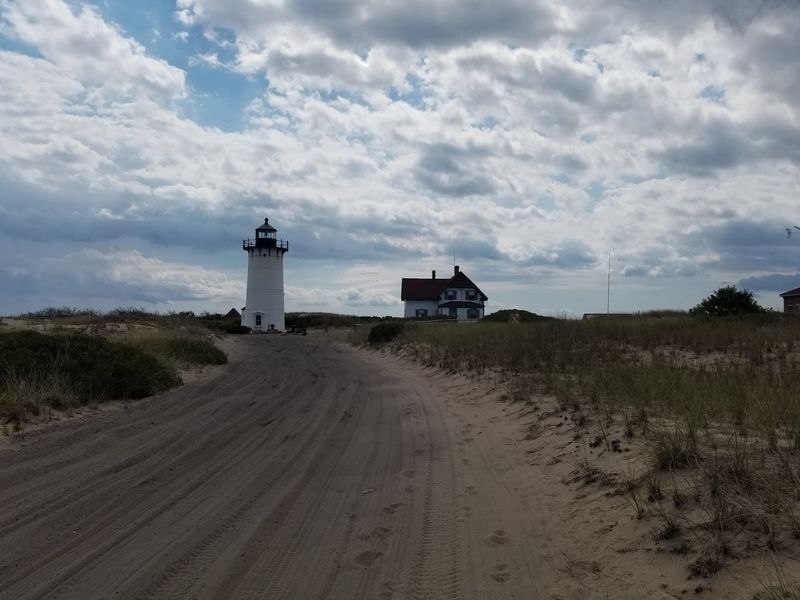
Here is the part that surprises almost everyone: you can actually spend the night. The historic buildings beside the tower, including the main keeper’s house and the Whistle House, are available as lodging for guests who want the place to themselves after the day-trippers head home.
Families have booked the Whistle House and found plenty of room for two adults and a couple of kids, with the beach stretching out nearly empty just beyond the door. The atmosphere leans toward quiet and restful, the kind of retreat that makes leaving genuinely hard.
The keepers who run the property are described as friendly and accommodating, adding a welcoming touch to a setting that could otherwise feel isolated. That personal warmth is part of why guests talk about returning the following year.
Waking up here means opening your eyes to open water and wildlife rather than traffic and neighbors. Few overnight stays in Massachusetts deliver this kind of solitude, and fewer still come wrapped in a working piece of maritime history.
Seals Along the Shoreline
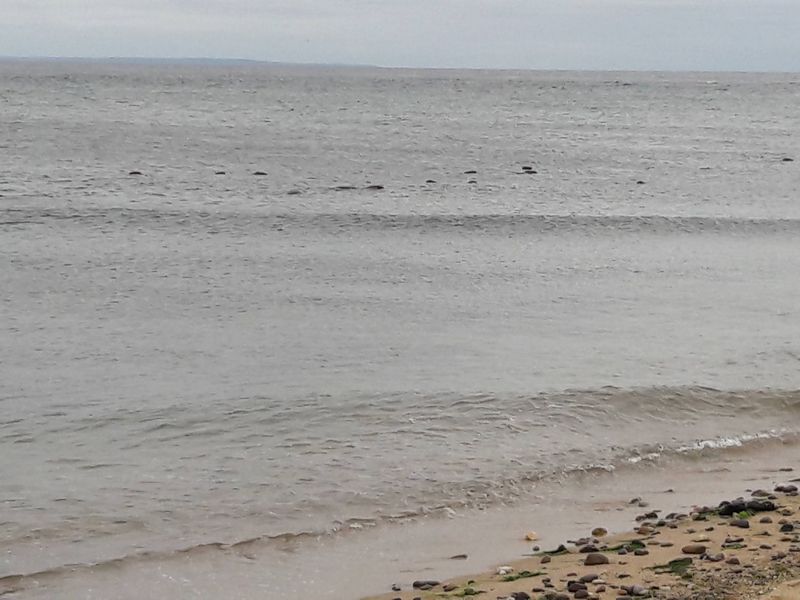
Wildlife runs the show out here, and the seals steal it. They gather along the shore, sometimes lounging right on the sand, other times popping up in the surf just a few feet from where you stand before diving back under.
Guests have counted dozens of seals on a breezy December morning, and warmer months bring plenty of sightings too. The animals seem as curious about the people as the people are about them, often surfacing to take a long look before slipping away.
On some visits, the ocean puts on an even bigger show. Beyond the seals, a few lucky guests have spotted whales moving offshore, adding another layer to an already wild stretch of coast.
Nature here comes with a reminder that this is a working ecosystem. Great white sharks hunt seals along this coast, so the beach carries real wilderness energy.
That untamed quality is exactly what makes the place feel so alive.
The Trek Across Sand and Dune
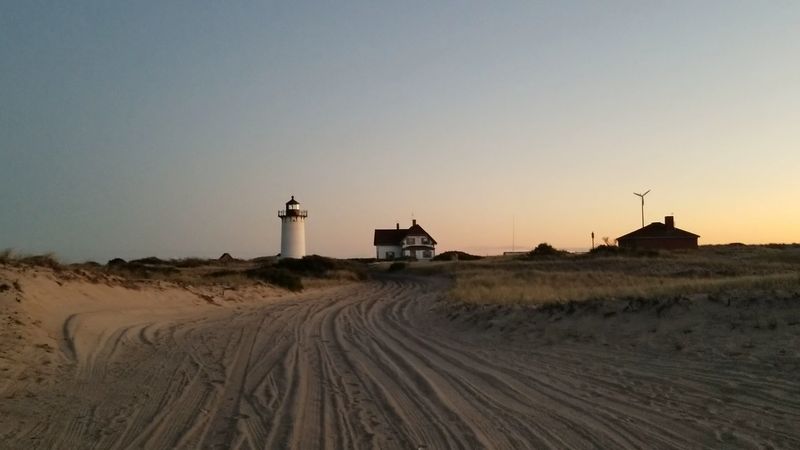
Earning this view takes some sweat. From the ranger or beach parking lot, the lighthouse sits roughly a mile and a half to two miles away, and much of that distance is loose, deep sand that turns an ordinary walk into a genuine workout.
Two routes lead out, one along the beach and one following the dune road, and many people take one path there and the other back. A good chunk of the trail is firm enough at first, but the final stretch through the sand dunes tests your legs before the tower finally comes into view.
Patience pays off, because you cannot actually see the lighthouse until you are nearly on top of it. More than one hiker has started wondering whether the map was wrong, only to spot the tower waiting just ahead.
Timing matters too. Regulars suggest heading out in the early morning or evening to skip the strongest sun, and bringing water is essential since none is available at the lighthouse itself.
Driving Out With an Oversand Permit
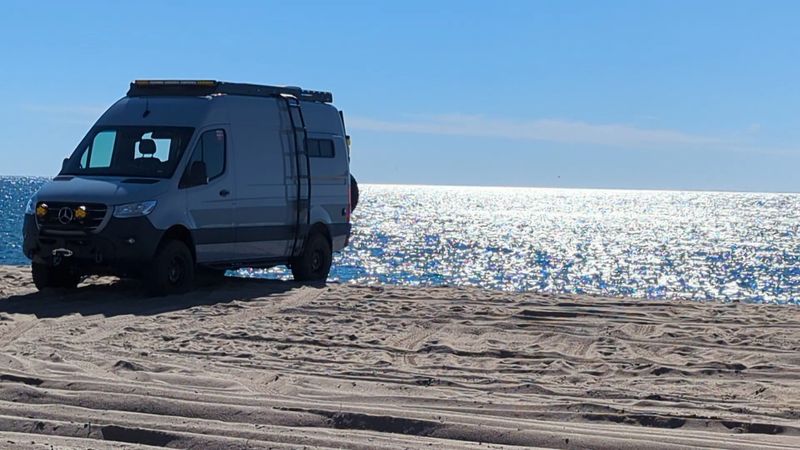
Not everyone wants to slog through two miles of sand, and there is a better way. With an oversand vehicle permit, you can drive right out through the dunes and roll up close to the lighthouse, turning the hard part into part of the fun.
People who make the effort to grab the permit rarely regret it. The drive itself becomes an adventure, weaving through the dune landscape toward the tip, and it opens up the beach to those who might not manage the long walk.
The office that issues passes is not always open later in the year, so planning ahead matters. Several guests recommend picking up an annual pass, both for the savings and to avoid arriving to find the access closed.
Rolling out onto that quiet stretch and having the whole beach to yourself, apart from the seals, is a payoff worth the paperwork. For a low-key day of exploring close to home, it is hard to beat.
Sunsets That Line Up Behind the Tower
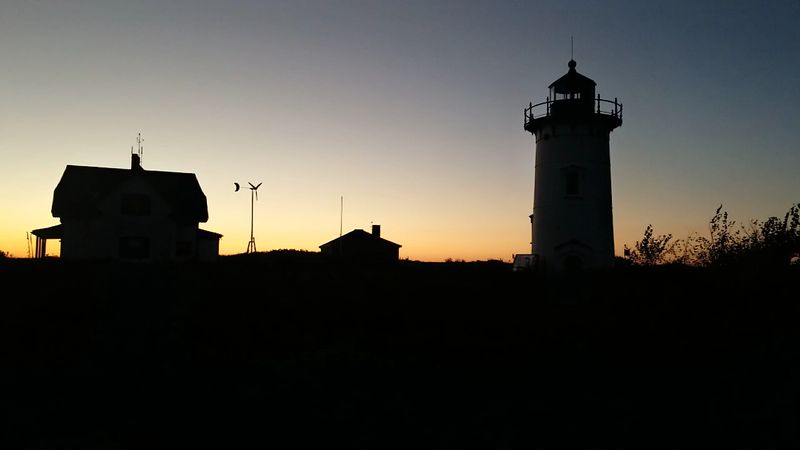
Evenings out here turn into something special. As the sun drops toward the horizon, the light spreads across the water and the dunes, and the wait for the final glow becomes the whole point of the trip.
November holds a particular reward. During that month the sun sets directly behind Race Point Lighthouse, lining up the tower and the fading light in a way photographers plan their whole trip around.
Some people leave their cars at the Hatches Harbor walk and take a shorter route, roughly a thirty minute stroll, to reach a prime viewing spot in time. Others linger on the beach after the trek out, treating the sunset as the reward for the long walk.
Heading back after dark calls for a flashlight, since the return trip across the sand takes a while once the light fades. Plenty of people call the show well worth the wait, and the memory of it tends to outlast the sore legs.
Trails, Beaches, and Wide Open Space
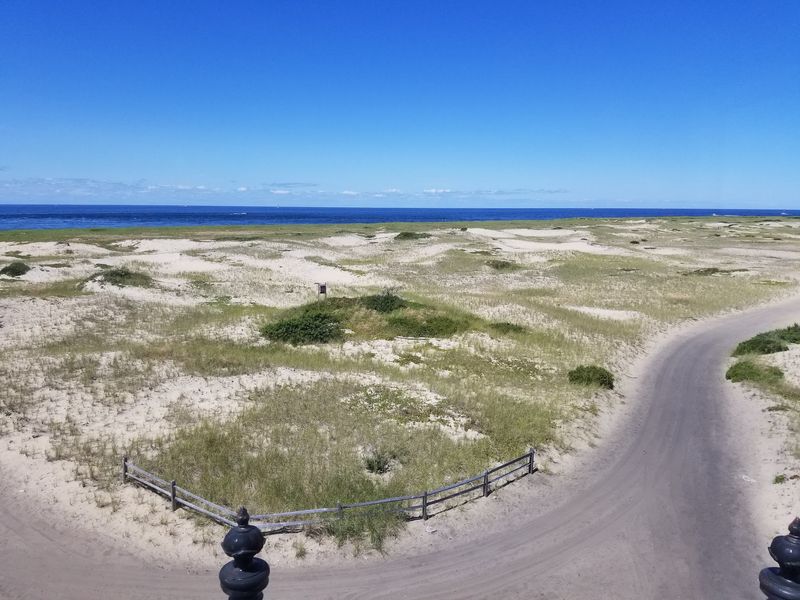
Beyond the tower itself, the surrounding wilderness gives you plenty of reasons to stay a while. Multiple trails wind through the area, opening in the early morning and again toward evening, perfect for wandering with a camera or simply soaking in the quiet.
The Hatches Harbor Trail leads hikers toward the lighthouse and connects to a beach worth exploring on its own. If the tower is closed, you can still catch a fine view from Herring Cove Beach nearby, where the lighthouse appears as a pleasant surprise across the water.
The beach near the lighthouse stretches wide and often sits nearly empty, giving you room to set up, fish, or simply walk without interruption. Quality varies along the shore, with some spots good for swimming and others rockier, so it pays to explore a bit.
Air filling stations and helpful rangers round out the practical side of a day spent here. For a contemplative walk with almost no one in sight, few places in the state compete.
Planning Your Visit to the Tip
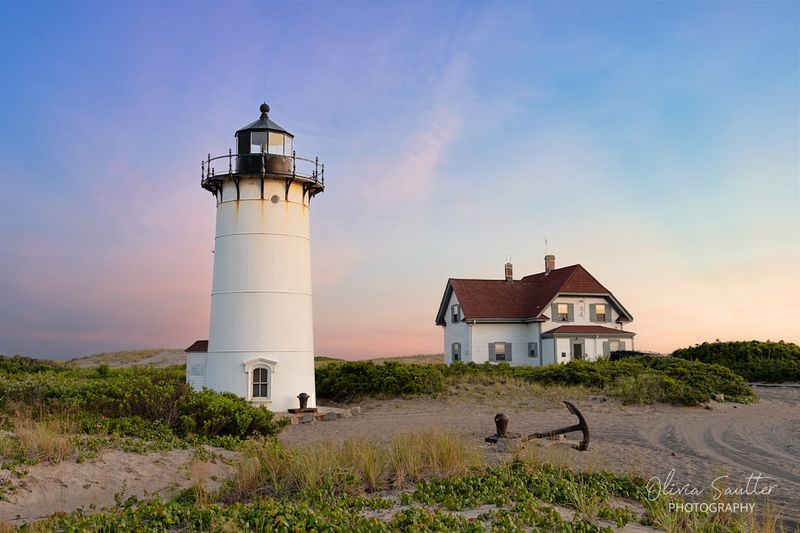
A little preparation goes a long way with a place this remote. Parking near the beach lot has run around twenty dollars, and the lighthouse tours open only on select dates, so checking the schedule ahead of time keeps you from arriving to find the tower closed.
There is no set admission fee for touring the lighthouse when it is open, though small donations are appreciated by the folks who keep it running. Water is not available on site, so pack more than you think you need, especially on warm, sunny days.
Pets are not permitted, and the access road is not always open, which has caught a few unprepared travelers off guard. Grabbing an annual or oversand pass early removes a lot of that uncertainty.
For overnight stays and current hours, the property maintains its own site at racepointlighthouse.org. Between the empty beach, the resident seals, and the chance to sleep in a two-hundred-year-old beacon, this corner of Provincetown rewards anyone willing to go a little farther than most.
Bring water, bring patience, and the tip of the Cape will handle the rest.
Share this story