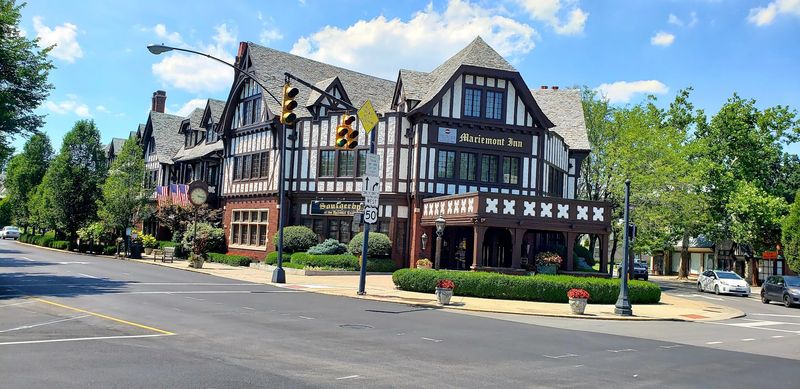
Ohio has a way of surprising even the most seasoned road-trippers, and Mariemont might be its best-kept secret. Nestled in eastern Hamilton County near Cincinnati, this tiny planned village looks like it was lifted straight from an English countryside and quietly set down in the American Midwest.
With cobblestone charm, Tudor architecture, and tree-lined streets that feel worlds away from a typical Ohio suburb, it’s the kind of place that makes you stop and ask, “Wait, is this really Ohio?” Pack a curiosity and a camera, because Mariemont is worth every mile.
Where Exactly Mariemont Sits on the Ohio Map
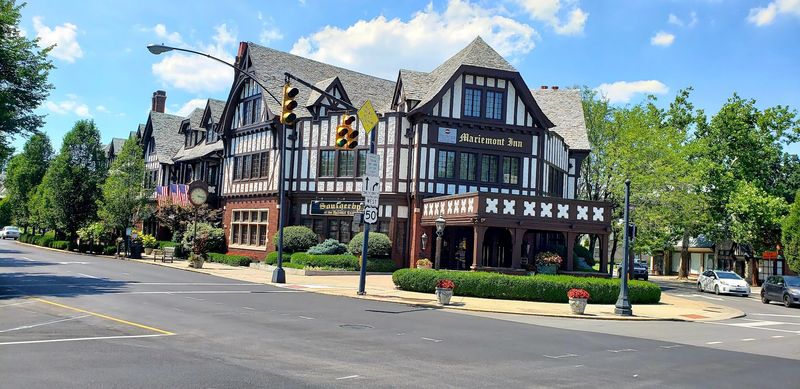
Eastern Hamilton County, Ohio, holds one of the state’s most unexpected treasures. Mariemont sits within the greater Cincinnati metropolitan area, tucked between the Ohio River valley and quiet suburban neighborhoods that surround it on every side.
Despite a population of just 3,518 residents as of the 2020 census, the village punches well above its weight in terms of character and curb appeal. Its coordinates place it close enough to downtown Cincinnati for an easy day trip, yet far enough removed to feel like a completely different world.
Most Ohioans drive right past without realizing what they’re missing. Once you turn off the main road and enter the village proper, the shift in scenery is immediate and almost theatrical.
Suddenly, ordinary Ohio becomes something much harder to explain without photos.
The Planned Community Behind the Pretty Facade
Mariemont was not born by accident. It was carefully designed as a planned community, a deliberate vision brought to life in the early twentieth century by philanthropist Mary Emery, who wanted to create an ideal American village modeled after English garden town principles.
The concept drew heavily from the British garden city movement, which championed thoughtfully arranged neighborhoods, green spaces, and architecture that felt cohesive rather than chaotic. Emery hired noted planner John Nolen to execute her vision, and his influence is visible in every carefully considered street corner and public square.
What resulted was a village built with intention, where beauty and livability were treated as equally important goals. That founding philosophy never really left.
Mariemont still carries the quiet dignity of a place that was designed to be something special from the very first brick laid.
Two Historic Districts Layered Into One Small Village
Few Ohio villages can claim even one historic district, let alone two overlapping ones. Mariemont holds both the Village of Mariemont Historic District and the Mariemont Historic District, creating a layered preservation story that historians and architecture lovers find genuinely fascinating.
These designations are not just honorary plaques on old buildings. They reflect a serious commitment to protecting the architectural integrity that makes Mariemont visually distinct from virtually every other community in the state.
Walking between the two districts feels seamless because the design language is so consistent throughout.
Preservation efforts here have kept the village looking remarkably close to its original vision, which is rare for any American town that has lived through nearly a century of development pressure. Mariemont managed to hold its character while the world around it changed dramatically, and that resistance is part of what makes it so compelling to visit.
Architecture That Stops Visitors Mid-Stride
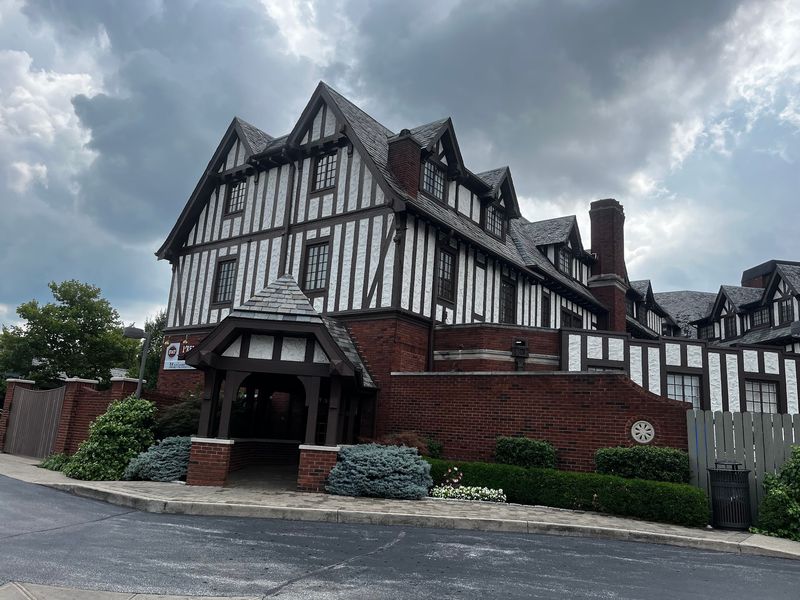
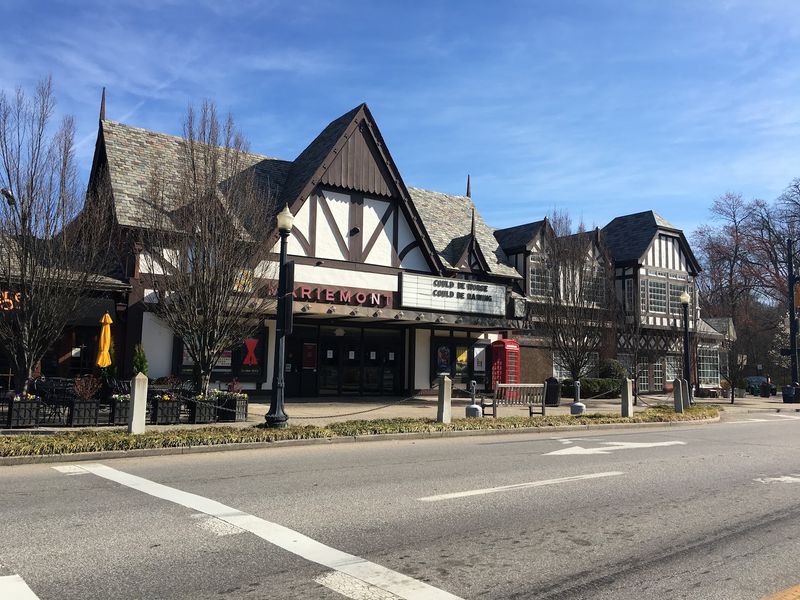
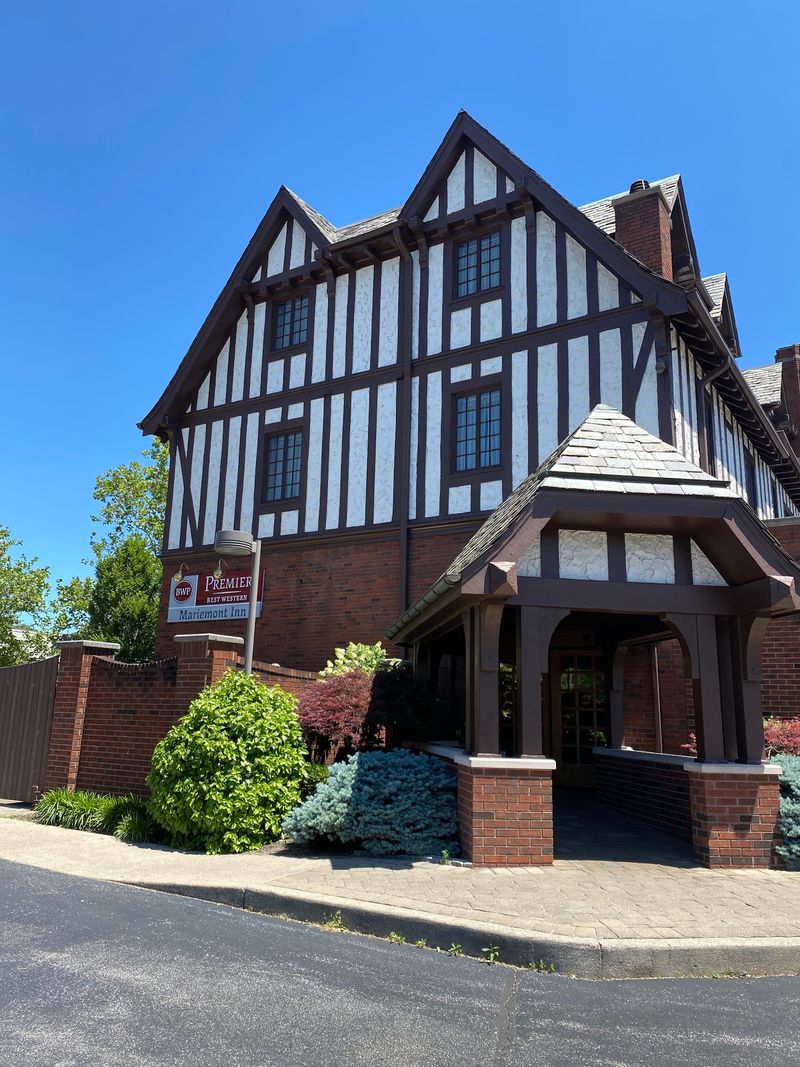
Half-timbered facades, steeply pitched rooflines, and carefully laid brickwork greet visitors at nearly every turn in Mariemont. The architectural style leans heavily into Tudor Revival and English cottage influences, giving the village a storybook quality that photographs almost too well.
Buildings throughout the village maintain a visual harmony that is surprisingly rare. Unlike many American towns where architectural styles clash across decades of construction, Mariemont reads as one unified composition.
The consistency makes strolling through it feel like flipping through a very curated design catalog.
Even practical buildings like storefronts and community spaces were designed with the same aesthetic care applied to residential homes. Visitors who have traveled through England often remark that Mariemont captures something genuinely European in its bones, not as a theme park imitation, but as a sincere architectural statement that has aged beautifully over the decades.
The Town Square at the Heart of Village Life
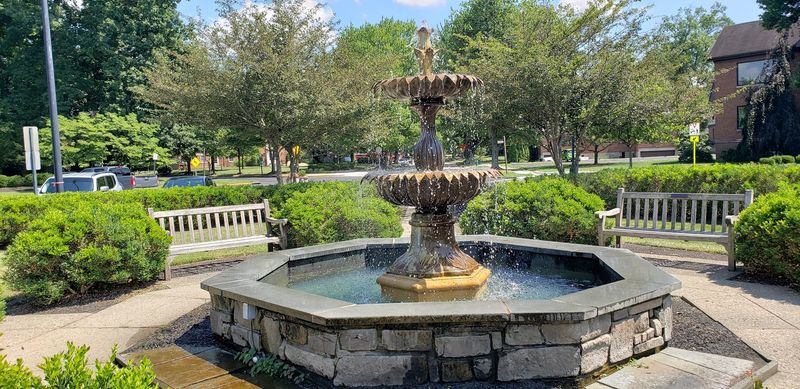
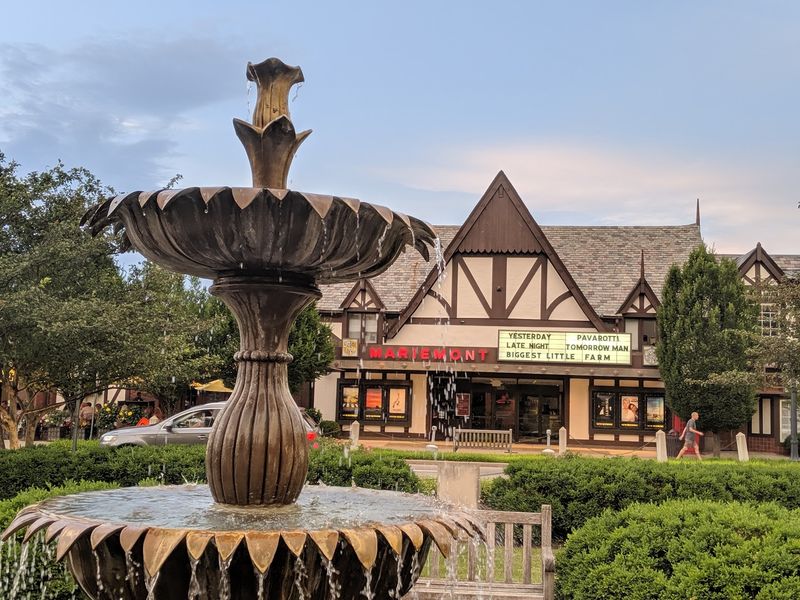
Every great village needs a gathering place, and Mariemont’s town square delivers that role with old-world confidence. Anchored by mature trees and flanked by buildings that frame the space like a stage set, the square serves as the social and visual heart of the entire community.
On warmer days, the square draws residents and visitors alike into its orbit. Families stroll, neighbors chat, and curious out-of-towners stand in the center looking around with the slightly bewildered expression of people who were not expecting something this picturesque to exist in Ohio.
The scale of the square feels deliberately human. Nothing about it is oversized or trying too hard to impress.
It simply works as a public space in the way that the best European piazzas work, by giving people a reason to slow down, stay a while, and feel genuinely comfortable in an open outdoor setting.
Streets Designed for Wandering, Not Just Driving
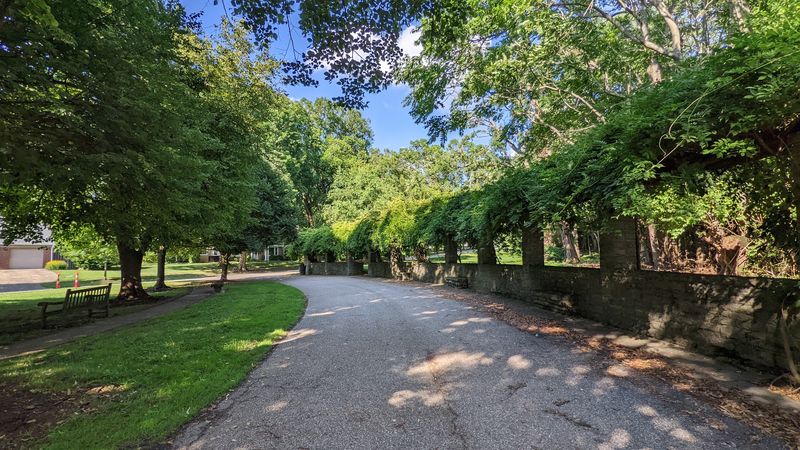
John Nolen’s original plan for Mariemont prioritized the pedestrian experience long before walkability became a trendy urban planning buzzword. Streets curve gently, sidewalks are generous, and the overall layout invites exploration on foot rather than rushing through by car.
Wandering without a destination is genuinely rewarding here. Each block tends to offer something slightly different, whether it’s an unexpected garden tucked behind a wrought iron fence or a building detail that rewards a closer look.
The village rewards slow movement in a way that most Ohio communities simply do not.
Even residents who have lived here for years mention that they still find small corners of the village that feel newly discovered. That quality of gentle surprise, of a place that reveals itself gradually rather than all at once, is one of Mariemont’s most enduring and underrated charms for anyone willing to leave the car behind.
Green Spaces Woven Throughout the Village Fabric
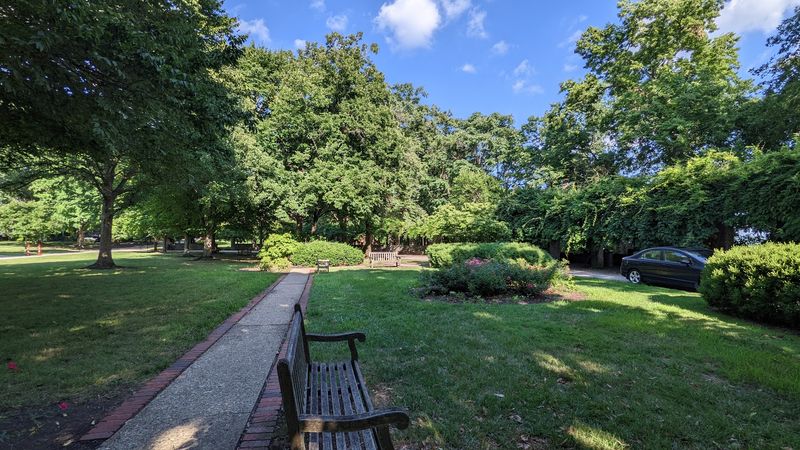
Mary Emery’s vision for Mariemont included green space as a non-negotiable element, not an afterthought. Parks, commons, and landscaped areas are distributed throughout the village in a way that keeps the overall feel airy and unhurried, even in a densely designed community.
The greenery does more than look attractive. It creates natural pauses in the streetscape, places where the eye can rest and the body can breathe before moving on to the next architectural delight.
That rhythm between built form and open space is something Mariemont executes better than almost any comparable Ohio community.
Seasonal changes transform these green spaces dramatically. Spring brings flowering trees and fresh lawns, summer fills them with shade and activity, and autumn turns the whole village into a canvas of warm color.
Visiting during any season offers a genuinely different visual experience, which gives Mariemont strong repeat-visit appeal among its fans.
A Sense of Community That Visitors Can Actually Feel
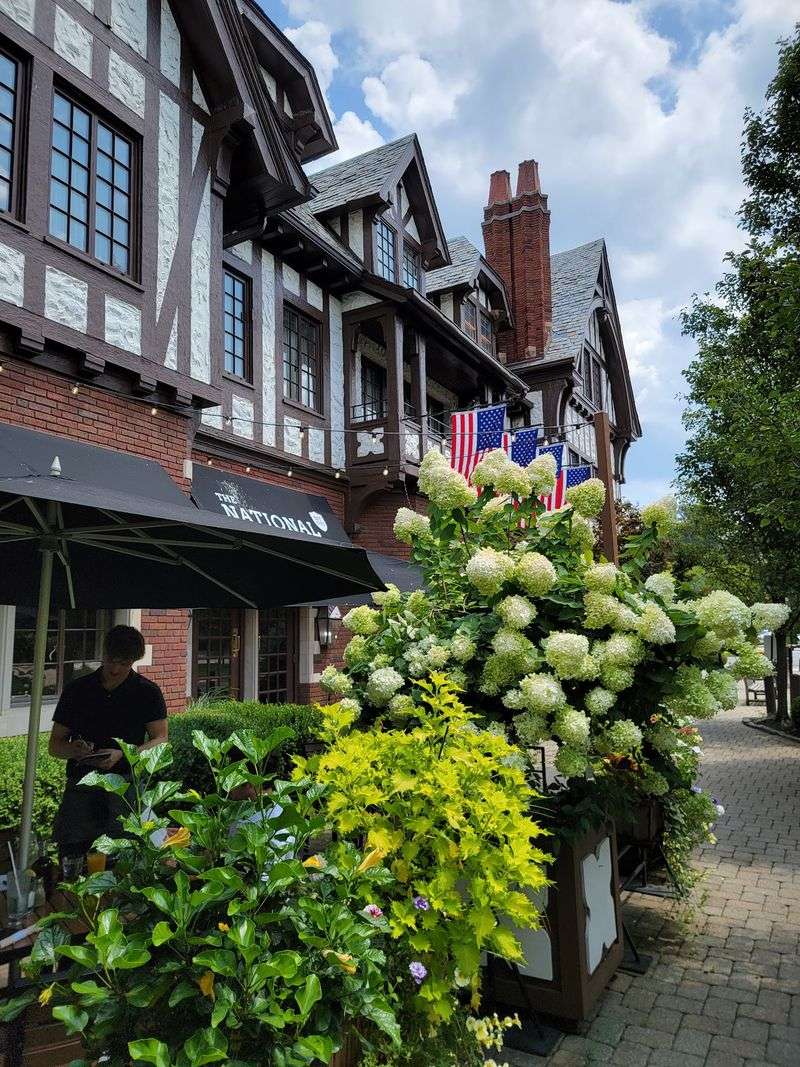
Some villages look charming from a distance but feel hollow up close. Mariemont is the opposite.
The community here has a warmth and lived-in quality that becomes apparent within minutes of arriving, something that planned communities sometimes struggle to achieve despite their best architectural intentions.
Local shops, small businesses, and community-oriented spaces keep daily life grounded in the village rather than pulling residents outward to generic commercial strips. That self-contained quality strengthens neighborhood bonds and gives the whole place an authentic sense of purpose rather than the curated emptiness of a preservation project without people.
Visitors often comment on how approachable and welcoming the atmosphere feels. Whether you’re asking a local for a restaurant recommendation or simply catching someone’s eye on a sidewalk, Mariemont tends to respond with genuine friendliness.
It’s the kind of place where community is not a marketing concept but an actual daily practice.
Proximity to Cincinnati Without Losing Its Own Identity
Being part of the Cincinnati metropolitan area gives Mariemont a logistical advantage that purely rural villages can’t match. Big-city amenities, cultural institutions, and dining options are a short drive away, yet stepping back into Mariemont feels like crossing into an entirely separate world.
That balance between urban access and small-village character is genuinely difficult to achieve, and most places settle for one or the other. Mariemont manages both without apparent effort, which makes it especially appealing to people who want the charm of a historic village without the isolation that often comes with it.
For Cincinnati residents, Mariemont functions as a beloved nearby escape. For visitors coming from farther across Ohio, it adds a compelling reason to include the Cincinnati area on a travel itinerary.
Either way, the village benefits from its metropolitan context while clearly refusing to be defined or diminished by it.
Who Tends to Fall Hardest for Mariemont
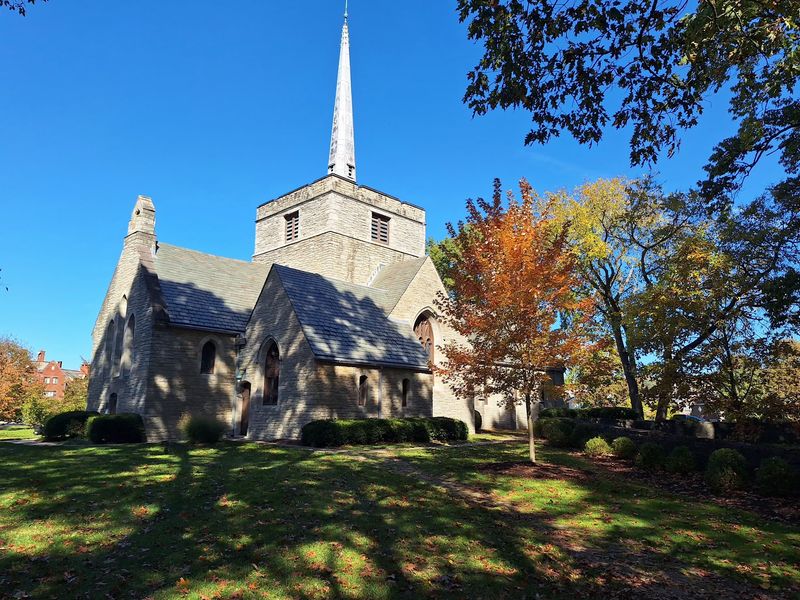
Architecture enthusiasts rank among Mariemont’s most devoted visitors, and for obvious reasons. The village is essentially a living textbook on early twentieth-century planned community design, and anyone with an eye for buildings will find it endlessly rewarding to explore at a thoughtful pace.
History lovers are equally well served. The layers of preservation history, the founding story of Mary Emery, and the connection to the broader garden city movement give Mariemont substantial intellectual depth beyond its surface beauty.
Coming prepared with a little background knowledge makes the visit noticeably richer.
Couples looking for a scenic, low-key outing consistently find Mariemont satisfying. Families with children who appreciate outdoor space and a safe, walkable environment also tend to respond warmly.
Photographers, whether hobbyists or professionals, often treat the village as a recurring destination because the light and the architecture reward repeated visits across different seasons and times of day.
Atmosphere Across Different Times of Day
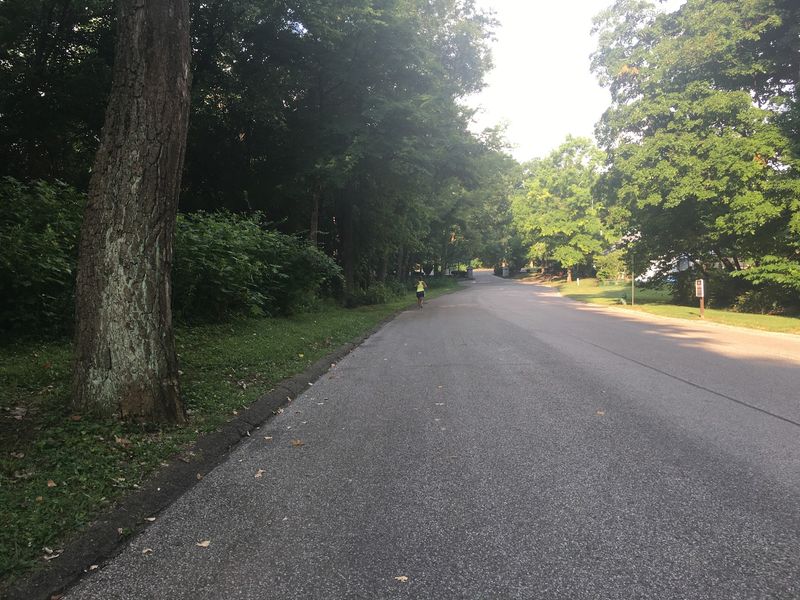
Mornings in Mariemont carry a particular kind of stillness. The streets are quiet, the light is soft, and the village feels like something from a slower era before the day’s activity picks up.
Early risers who arrive before the weekend crowds get a version of Mariemont that feels almost privately theirs.
Midday brings more foot traffic and a livelier energy around the town square and commercial areas. This is the best window for exploring shops and sitting outdoors to watch the village go about its business.
The architecture looks its sharpest in the direct afternoon light, which makes midday visits particularly rewarding for photography.
Evening shifts the mood entirely. As the light turns golden and long shadows fall across the half-timbered facades, Mariemont takes on a genuinely romantic quality.
The village is small enough that even a busy evening feels intimate rather than crowded, which is part of what keeps visitors returning.
Practical Notes for Planning Your Visit
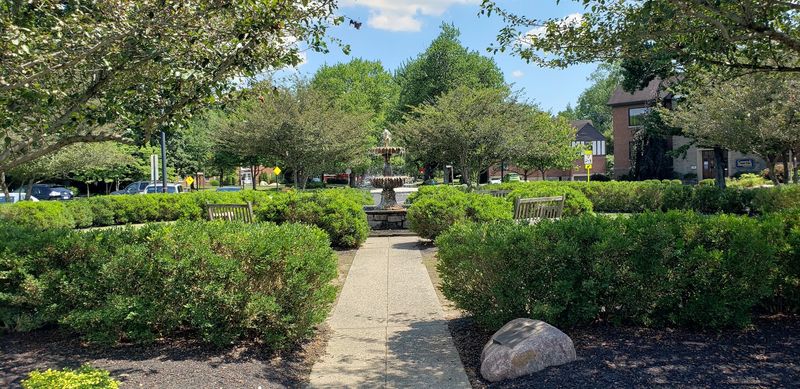
Mariemont is a real, lived-in village rather than a ticketed attraction, which means there are no admission fees and no set operating hours for simply walking around and enjoying the architecture. Visitors are welcome to explore the streets, parks, and public spaces freely at any time.
Getting there from Cincinnati is straightforward, with the village sitting in eastern Hamilton County and easily reachable by car. Street parking is generally available, and the compact scale of the village means you can see a great deal on foot without needing to move the car between stops.
Wearing comfortable walking shoes is a practical must, since the best way to experience Mariemont is on foot at a relaxed pace. Bringing a camera, planning for at least two to three hours, and arriving on a weekday morning if possible will help you get the most out of the visit without feeling rushed.
Why Mariemont Earns a Spot on Any Ohio Itinerary
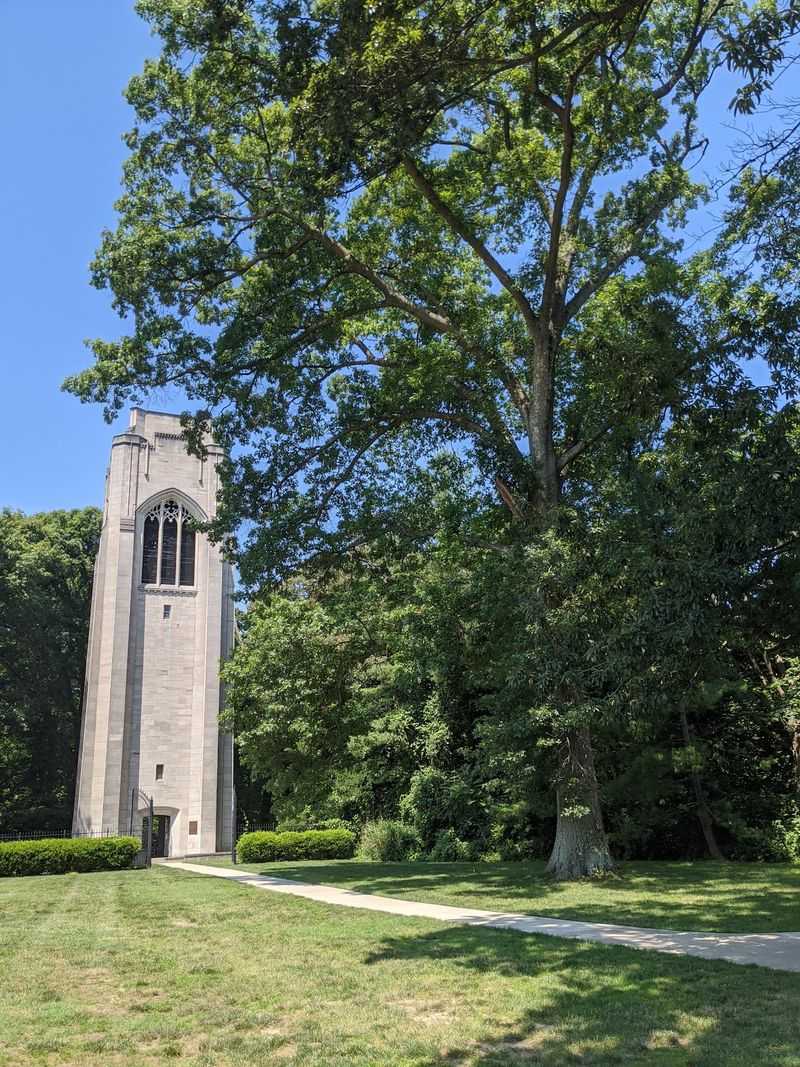
Ohio has no shortage of interesting places, but very few of them deliver the specific kind of surprise that Mariemont offers. The combination of genuine architectural beauty, thoughtful planning history, and an active community gives the village a depth that outlasts a single visit.
For anyone who has ever underestimated what Ohio can offer, Mariemont serves as a satisfying correction. It proves that world-class charm does not require a passport or a long flight, just a willingness to turn off the highway and pay attention to what the state has quietly been holding onto for nearly a century.
Returning visitors often say that Mariemont improves with familiarity, that the more you know about its history and design, the more rewarding each visit becomes. That quality of deepening appreciation is rare and valuable.
Mariemont is not just worth a detour; for many Ohio travelers, it becomes a regular destination they genuinely look forward to revisiting.
Share this story