A hungry detour can start to feel questionable when the restaurant still seems far from everything. New Jersey has a seafood stop that turns that doubt into a reason to keep going, with a remote waterfront setting and a surprisingly broad menu.
Beyond the unassuming exterior, there is a place built for an easy meal, a family outing, or a date without much fuss. Here is what makes the trip interesting, plus the details that help you plan it.
A Seafood Stop Beyond the Usual Route
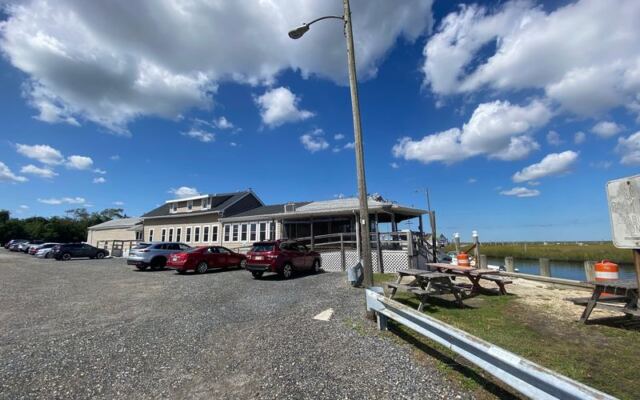
The address is the first useful clue: Oyster Creek Restaurant And Boat Bar stands at 41 Oyster Creek Rd, Leeds Point, New Jersey 08220, United States. It is a seafood restaurant with a remote waterfront setting, rather than a stop tucked into a busy shopping district.
That distinction explains much of its appeal. The drive is part of the outing, and the destination rewards a little planning with marsh views, several seating options, and a menu that gives seafood fans plenty to consider.
There is no need to turn the trip into a grand expedition. Put the full address into your navigation before leaving, check the opening time, and leave room in the schedule for a proper meal.
The title promises an unexpected stop, but the practical appeal is simpler: an established restaurant in a setting that makes the journey feel separate from an ordinary dinner run.
Longstanding Family Connections
Some restaurants become part of a family’s routine long before they become someone’s day-trip discovery. Here, accounts of repeat meals include family connections reaching back to the 1970s, along with returns after years away.
Those memories support a sense of continuity, but they do not establish an official opening date. The supplied information also does not document the building’s original purpose or an ownership timeline, so its history deserves careful wording.
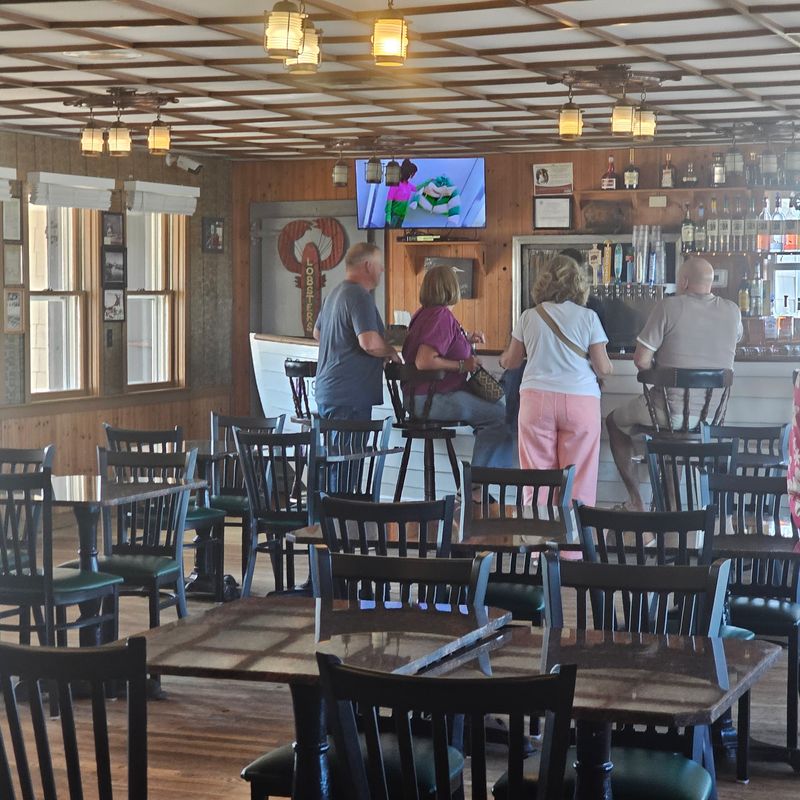
Inside, wall memorabilia and an old menu in the main dining room offer something concrete to explore. They give the meal a local-history angle without requiring a formal exhibit or a guided tour.
A few minutes spent noticing those details can add context to the restaurant’s longstanding appeal. The story is less about a dramatic origin tale and more about a place that has remained part of family plans over many years.
The Marsh-Side Setting
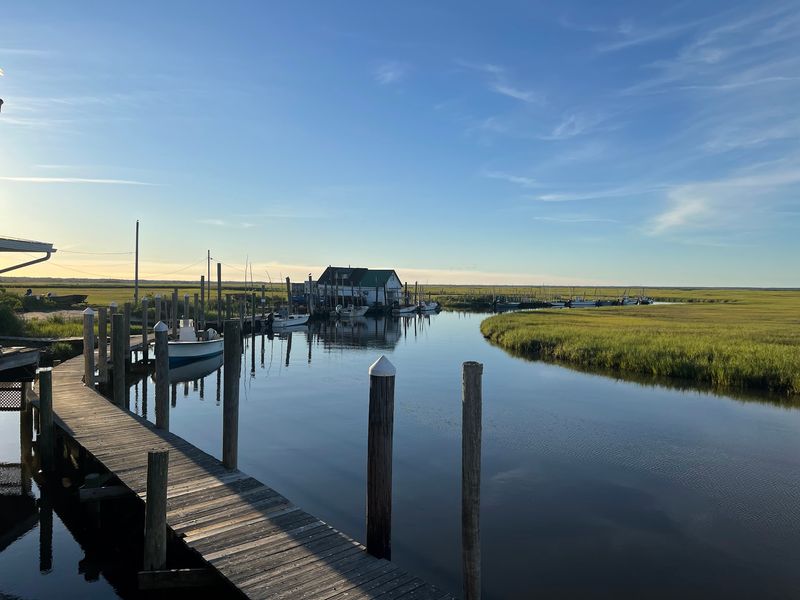
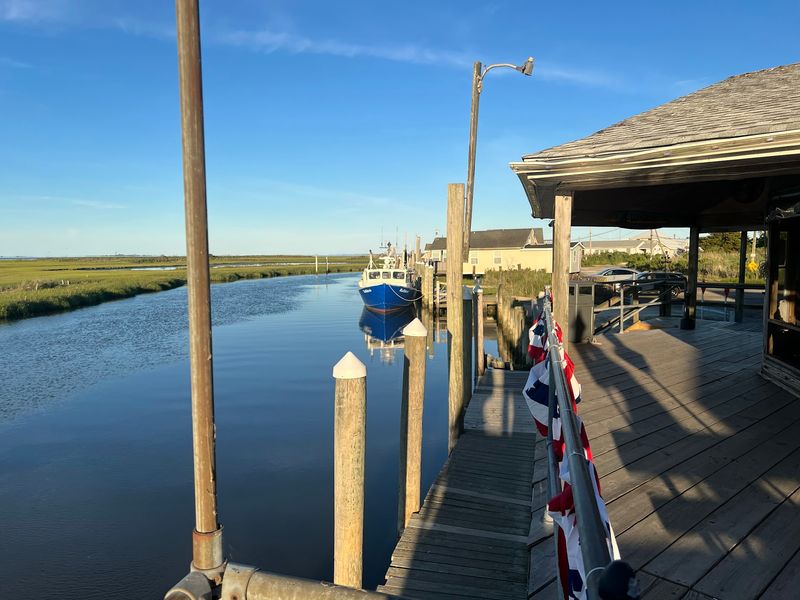
Distance from the usual restaurant strip becomes an advantage once the setting enters the plan. Marshes and waterfront surroundings are central features here, and the restaurant’s maritime location gives the outing a clear sense of place.
The approach has also been described as passing a public access area for the nearby wildlife refuge. That detail helps explain the less developed surroundings, although it should not be mistaken for a promise of a particular wildlife encounter.
At the restaurant, the wharf area and water-facing seating keep that setting connected to the meal. You do not have to add a separate activity to understand why people make the drive.
Allow enough time to appreciate the location without rushing straight back to the car. A meal beside the marshes is the central experience, not merely a pause between other stops on an ambitious itinerary that day.
Rustic Character Without Ceremony
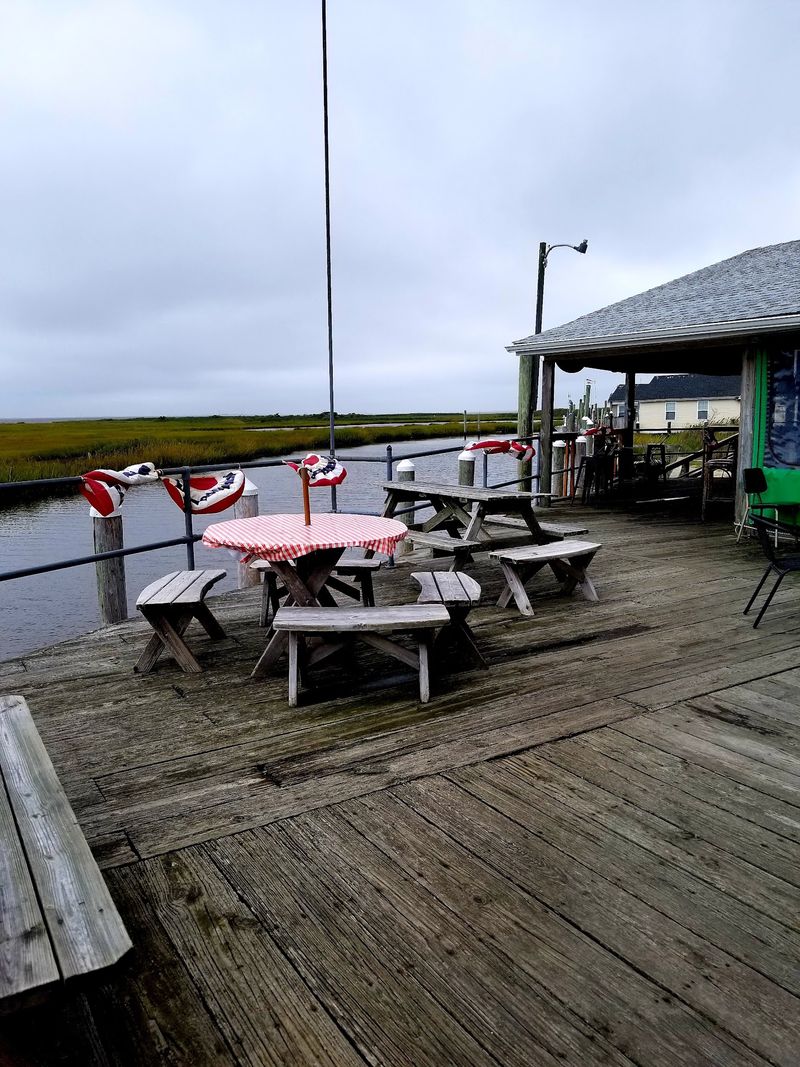
A formal dining mood is not the main attraction. The building has a rustic, seafood-shack character, and the atmosphere is consistently described as casual, relaxed, and welcoming rather than elaborate.
That makes the restaurant an approachable choice for a meal that does not need a special occasion attached. A day-trip stop, an ordinary family dinner, or an unhurried date all fit the character reflected in the supplied accounts.
Its modest appearance also helps explain the surprise suggested by the headline. The exterior does not need to promise a grand experience when the waterfront location and menu already provide reasons to stay.
Keep expectations grounded, though: rustic charm is not the same as luxury, and a remote address does not guarantee an empty dining room. The useful promise is a straightforward restaurant with personality, where the setting matters more than a polished entrance or a formal presentation.
A Broad Seafood Menu
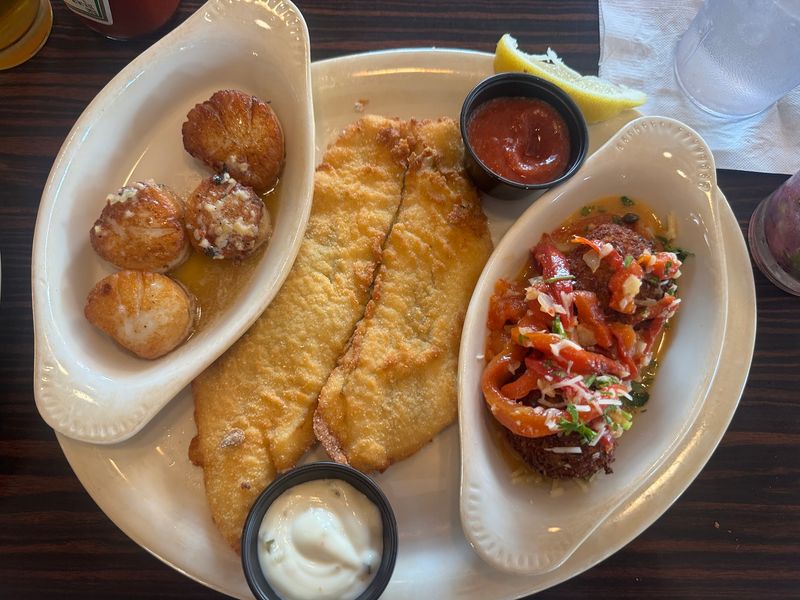
Menu indecision is a reasonable possibility here. Seafood is the focus, but the supplied accounts describe a selection broad enough to support a full dinner, a lighter meal, or several smaller orders shared at the table.
Fish dishes, shellfish, sushi, and seafood soups all appear in the available information. Non-seafood choices are also mentioned, which can help when a group does not agree on making seafood the entire meal.
That range is useful, but it should not be treated as a fixed promise that every previously mentioned dish remains available. Ask about the current menu and any specials before settling on an order.
For a first meal, the smartest approach is to decide how much variety the table actually wants. A few shared selections may suit a curious group, while individual main dishes keep the plan simpler for those who already know their preference.
Indoor Tables and a Screened Porch
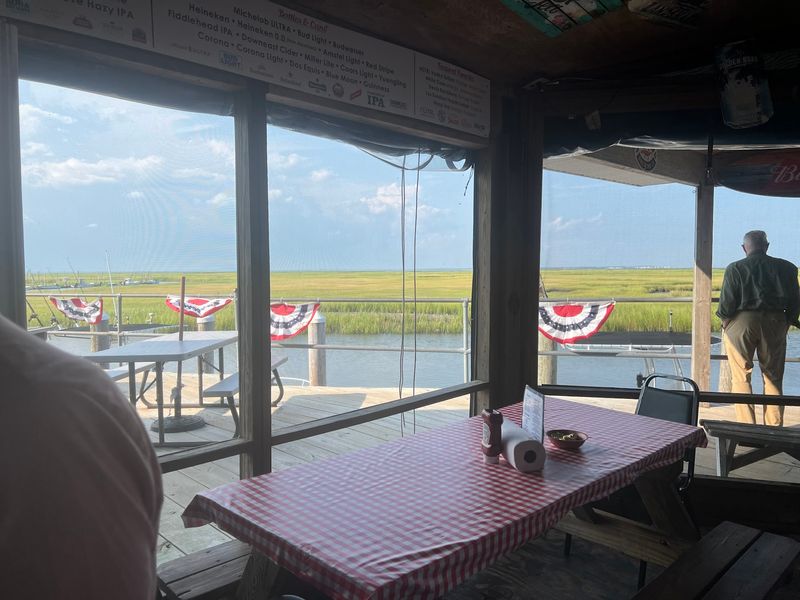
Your table choice can shape the outing almost as much as your order. The restaurant has indoor seating and a screened porch area, giving diners more than one way to spend time beside the water.
Accounts describe water views from indoor tables as well as the porch. That means the outdoor-style space is not the only option worth considering, especially when your preferred table is unavailable.
The screened enclosure is a practical feature in a marsh-side setting, but no seating area should be presented as a guarantee of freedom from insects. Ask which spaces are open and what the wait looks like when you arrive.
A particular table can require extra patience during a busy period. Decide ahead of time whether the porch is essential or simply a bonus, and the seating conversation becomes much easier without making the whole meal depend on one available spot.
Family Meals and Easygoing Dates
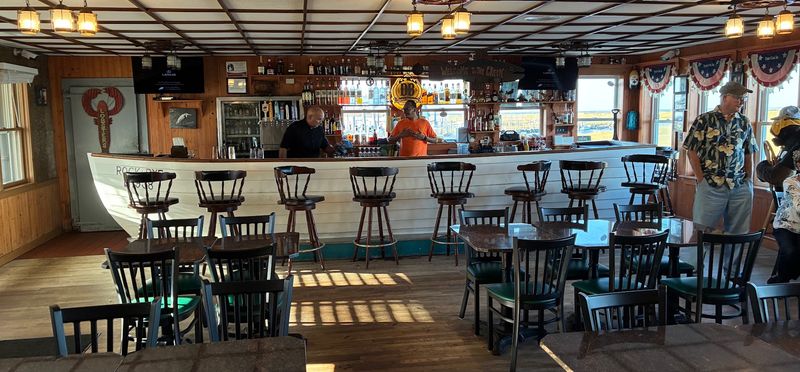
Not every memorable meal needs a milestone on the calendar. The family-friendly character here makes it suitable for an ordinary outing, while the waterfront setting also gives couples a reason to choose it for a date.
Birthday meals and multigenerational family connections appear in the supplied accounts. Friendly, attentive staff are another recurring theme, suggesting that the restaurant’s appeal extends beyond its location alone.
Those patterns are encouraging, not guarantees about every shift or every table. Arrive with reasonable expectations, explain any dining needs clearly, and ask menu questions rather than assuming a particular arrangement will be possible.
A mixed group benefits from the range of choices and the informal atmosphere. The strongest match is someone who wants a proper sit-down meal without turning dinner into a highly staged occasion.
There is room for celebration, but an ordinary afternoon can provide enough reason to make the trip.
Opening Times That Shape the Trip
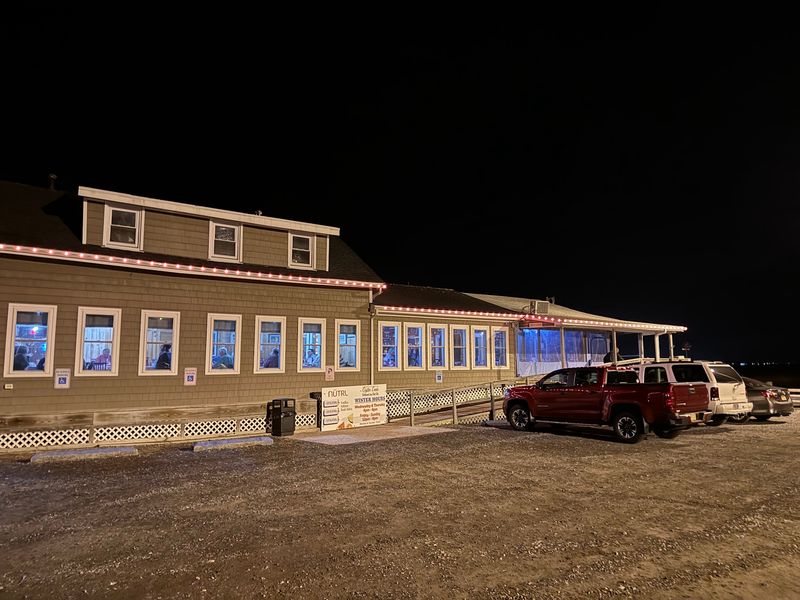
Lunch requires the right day of the week. The supplied schedule lists Monday, Tuesday, and Wednesday hours as 4 to 8 p.m., so those days call for an afternoon arrival or an evening meal.
Thursday and Sunday run from noon to 8 p.m. Friday and Saturday have the longest listed window, opening at noon and closing at 9 p.m.
Check the restaurant’s website before leaving, especially when planning around a particular opening time. The supplied hours are useful for building an itinerary, but they are not a substitute for confirming the current schedule.
Busy dining periods can begin earlier than expected. Accounts describe active lunch service and dining rooms filling during the late afternoon, so an early dinner does not automatically mean immediate seating.
Leave some flexibility, particularly when a porch table matters more to your group than taking the first available indoor option that day.
Parking, Access, and Meal Costs
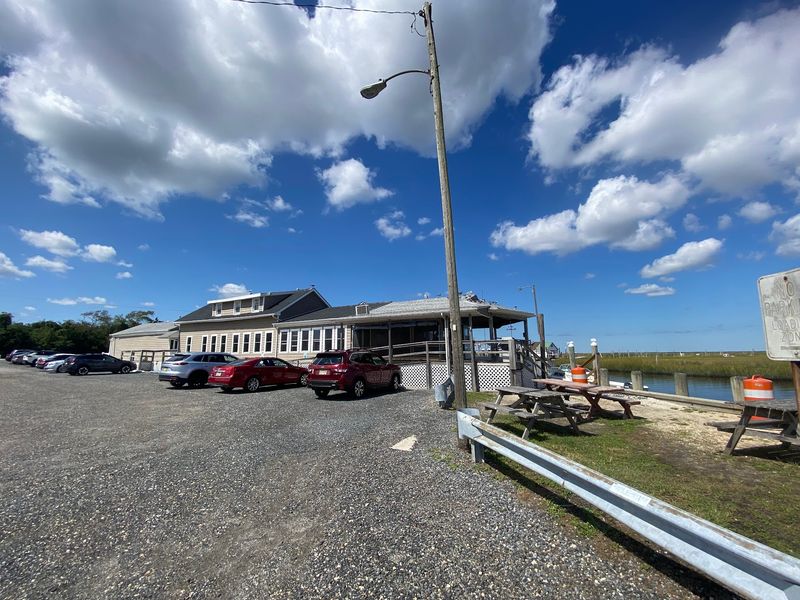
A remote restaurant is easier to plan around when the arrival details are clear. The supplied information identifies a large, free private parking area for cars and a pier for boats at the waterfront.
Parking can still become a consideration when the restaurant is busy. Use the exact street address for navigation, and avoid treating the presence of a pier as confirmation of docking rules or guaranteed boat access.
Exact meal prices are not supplied. The available accounts repeatedly describe costs as fair or reasonable and portions as generous, but those impressions cannot establish a reliable budget for a current visit.
Check the latest menu before making the drive, then ask about any item whose cost is unclear. For accessibility needs, seating arrangements, or boat arrival plans, contact the restaurant directly rather than filling gaps with assumptions.
A few confirmed details can prevent unnecessary complications at the start of dinner.
A Detour With a Clear Purpose
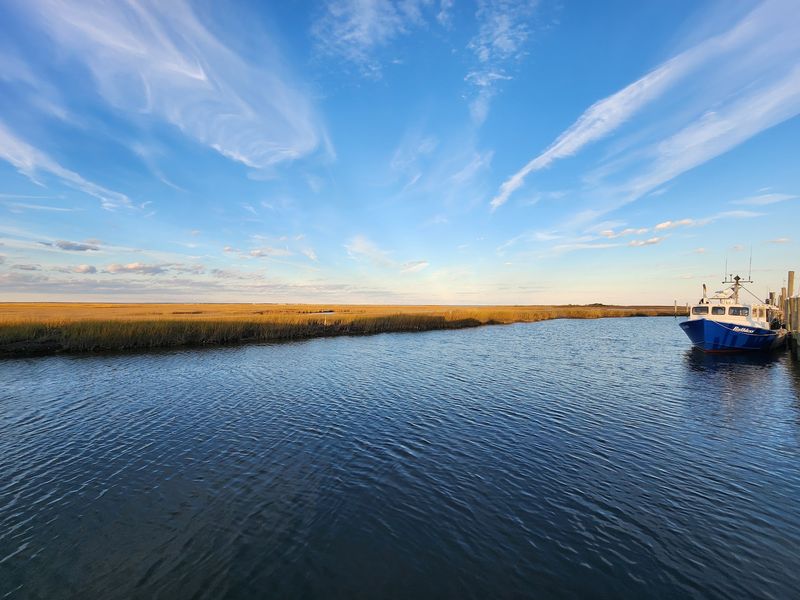
The best reason to go is the combination, not a single grand claim. A remote location, broad seafood selection, rustic character, and several waterfront seating options give the restaurant a specific place in a New Jersey outing.
It suits a plan with enough room for the drive and a sit-down meal. It is less suited to a tightly timed stop that depends on immediate seating, a guaranteed porch table, or an unconfirmed menu item.
Preparation stays simple: confirm the hours, check the current menu, and settle any access questions before leaving. Then let the restaurant be the main destination rather than squeezing it into an already crowded schedule.
That is the quiet payoff behind the detour. What first seems like an inconvenient turn becomes a purposeful trip to a seafood restaurant whose setting and longstanding local connections give you more to consider than the meal alone.
Share this story