Some cities around the world have become famous for reasons no mayor would want to brag about. High homicide rates, powerful gang networks, and organized crime have pushed certain places onto global safety watchlists year after year.
That doesn’t mean every street corner is a warzone, but it does mean travelers and locals alike need to stay sharp. Here’s a look at ten cities that have earned a tough reputation, along with what’s really going on behind the headlines.
Port-au-Prince, Haiti
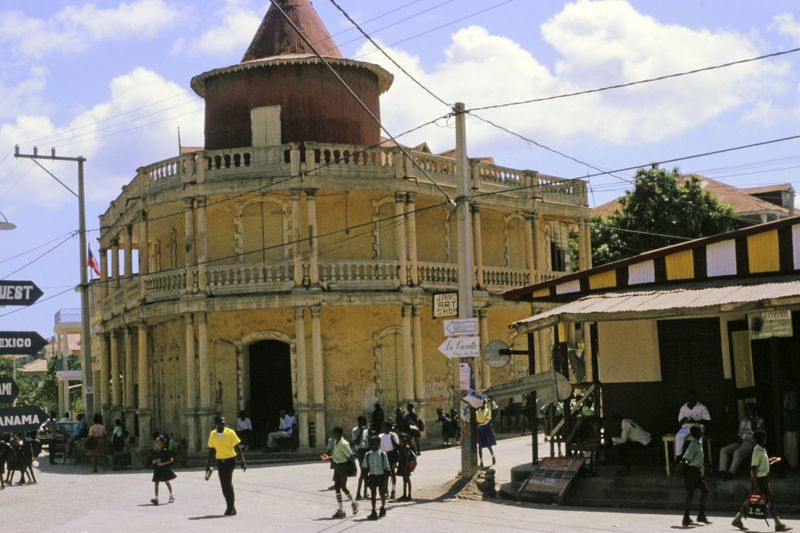
Walking through Port-au-Prince feels like navigating a city caught between survival and collapse. Haiti’s capital has been gripped by heavily armed gang networks that now control enormous portions of the city, making entire neighborhoods off-limits to residents and visitors alike.
The situation has worsened dramatically since the 2021 assassination of President Jovenel Moise, which left a political vacuum that gangs were all too happy to fill.
Kidnappings, shootings, and blockades have become everyday news. Humanitarian workers, journalists, and even police officers face serious danger.
Several international governments have issued their highest-level travel advisories, urging citizens to avoid the country entirely.
Life for ordinary Haitians is incredibly difficult. Access to food, medicine, and clean water has been disrupted by gang checkpoints controlling major roads.
Despite the chaos, community organizations and local leaders continue working to hold things together. Port-au-Prince is a city of extraordinary resilience, even as it faces some of the most severe urban violence anywhere in the Western Hemisphere right now.
Colima, Mexico
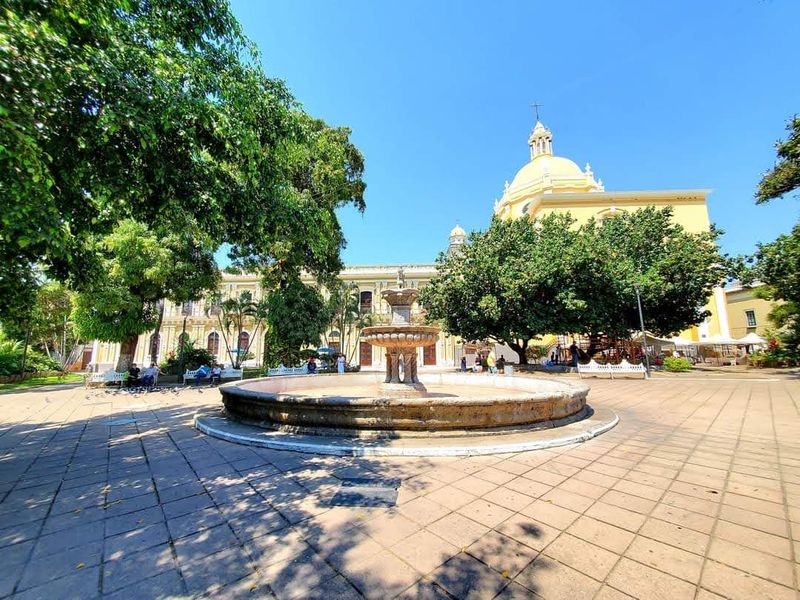
Don’t let its small-town charm fool you. Colima, a compact Mexican state capital nestled between mountains and the Pacific coast, has repeatedly appeared at the very top of global homicide rate rankings.
For a city its size, those numbers are staggering and have made international criminologists take serious notice.
The root cause is fierce territorial competition between rival drug trafficking organizations. Colima sits near key smuggling corridors, which makes it a prize worth fighting over.
Cartel factions have clashed violently in residential neighborhoods, leaving ordinary families caught in the crossfire.
Local authorities have deployed additional security forces and worked with federal agencies to try to bring down the violence. Some progress has been made in specific periods, but the underlying criminal competition has proven stubbornly persistent.
For anyone considering a visit, most travel advisories recommend avoiding the state entirely or sticking strictly to well-monitored areas. Colima is a reminder that high crime isn’t always concentrated in massive metropolises.
Sometimes the most alarming statistics come from places you’d never expect to make a global danger list.
Tijuana, Mexico
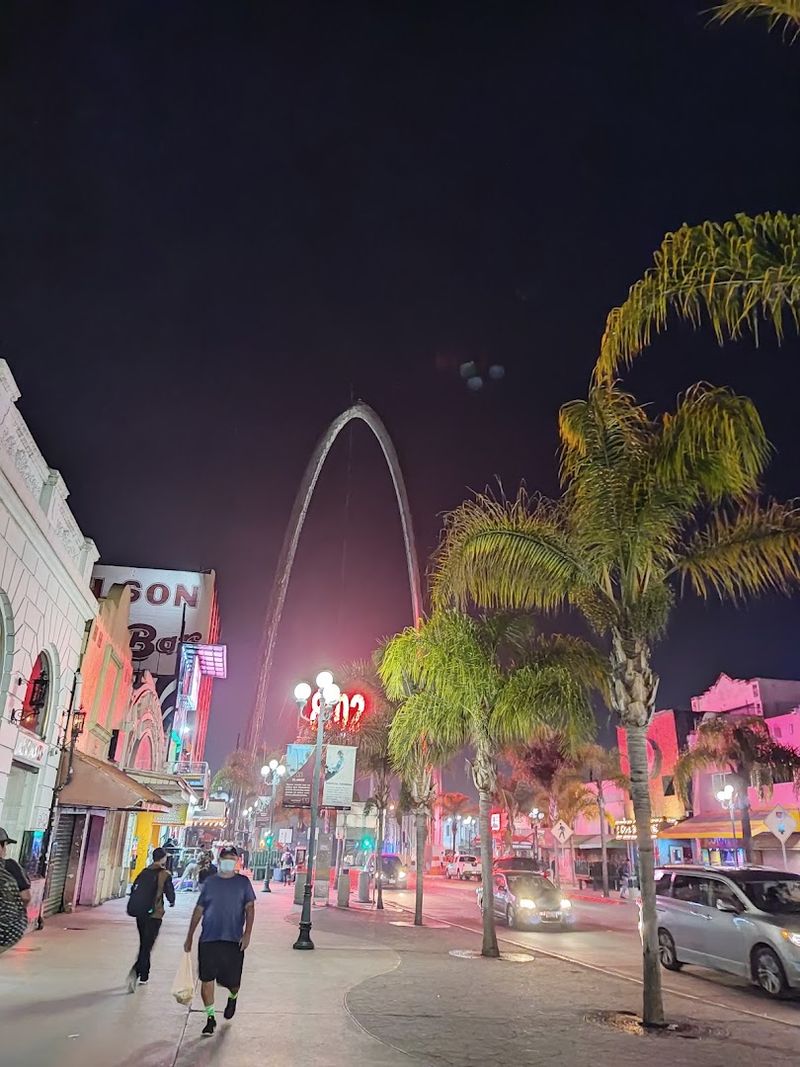
Tijuana is a city of wild contradictions. Millions of people cross the US-Mexico border here every single year, making it one of the busiest land border crossings on the planet.
Tourists flock to its restaurants, nightlife, and affordable dentists, yet Tijuana consistently ranks among the cities with the highest homicide counts in the world.
Much of the violence stems from cartel rivalry over the enormously profitable drug smuggling routes into California. Shootings are often targeted, occurring between rival factions rather than randomly affecting tourists.
That said, stray bullets and wrong-place-wrong-time situations are real risks that should never be dismissed.
Popular tourist zones like Avenida Revolucion see heavy security presence and are generally considered far safer than outlying neighborhoods. The US State Department has issued advisories urging increased caution, particularly after dark and outside well-traveled areas.
Tijuana also has a booming food scene, a thriving craft beer culture, and a passionate arts community. The city is complicated, vibrant, and dangerous all at once.
Respecting local knowledge and avoiding risky areas goes a long way toward having a safe experience here.
Caracas, Venezuela
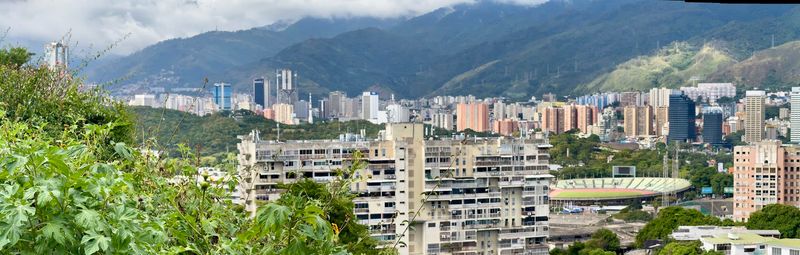
Caracas has a dramatic backdrop. The Venezuelan capital sits in a lush valley ringed by the Avila mountain range, and on a clear day, it looks almost postcard-worthy.
The reality on the ground, however, has been far grimmer. For years, Caracas ranked among the most violent cities on earth, driven by a devastating combination of economic collapse, weak institutions, and widespread armed crime.
Kidnappings for ransom, armed robberies, and homicides became tragically routine during Venezuela’s worst economic years. The country’s political and financial crisis pushed millions into poverty, and criminal networks expanded to fill the void left by a struggling government.
Recent years have seen some stabilization in parts of the city, and certain upscale neighborhoods have regained a semblance of normal life. However, international travel advisories still urge extreme caution, and the US State Department lists Venezuela at its highest advisory level.
Petty theft can escalate to violence quickly, and nighttime travel carries significant risk. Anyone with connections to Caracas will tell you the city has warmth, culture, and loyal communities.
But visitors need reliable local contacts and solid safety plans before setting foot there.
San Pedro Sula, Honduras
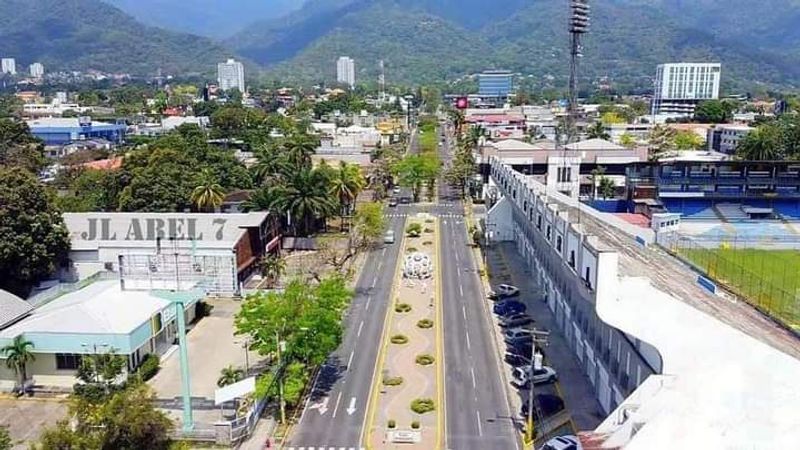
For several years running, San Pedro Sula wore the grim crown of the world’s most murderous city. That title has since shifted elsewhere, and Honduras’s second-largest city has made measurable improvements in its security situation.
Still, anyone who thinks the danger has simply evaporated hasn’t been paying attention.
Gang activity, particularly from groups like MS-13 and Barrio 18, remains deeply embedded in many neighborhoods. Extortion rackets target local businesses, and residents in high-risk areas live under constant pressure.
The city’s position as a major industrial and transportation hub also makes it attractive to organized crime networks moving drugs northward.
Honduran authorities, with international support, have launched crackdown campaigns that produced real results in homicide numbers. Some areas of the city have become noticeably safer, and business investment has slowly returned to certain zones.
Yet the structural problems, poverty, inequality, and limited economic opportunity, continue feeding the cycle. For travelers, most advisories recommend avoiding San Pedro Sula unless travel is absolutely necessary, and those who do visit are urged to use trusted transportation, avoid nighttime outings, and stay within well-monitored hotel and commercial areas at all times.
Johannesburg, South Africa
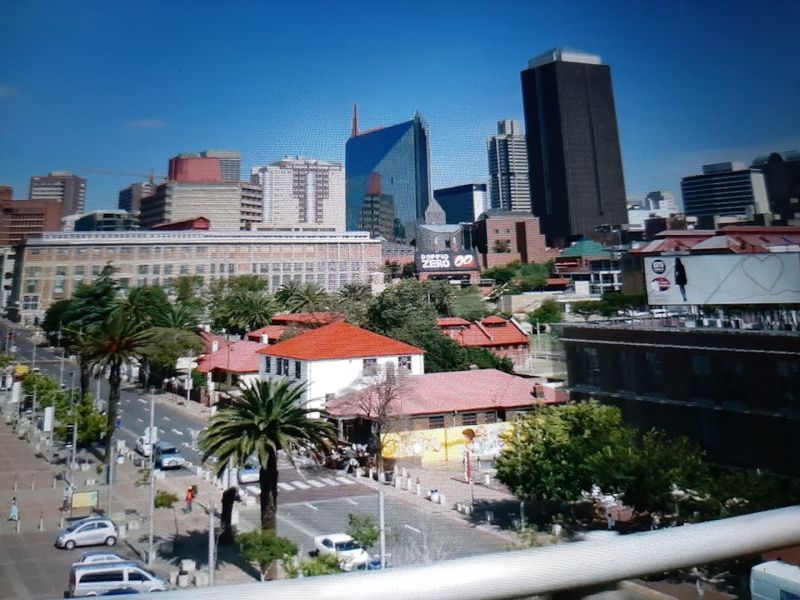
Johannesburg is Africa’s financial powerhouse, a buzzing metropolis of skyscrapers, shopping malls, world-class restaurants, and creative energy. It’s also a city where you learn very quickly not to stop at red lights after dark.
Armed robbery, carjacking, home invasions, and street crime are serious concerns that shape how residents move through the city every single day.
The crime problem is deeply tied to South Africa’s history of inequality. Apartheid-era policies created vast disparities in wealth and access, and those gaps have never fully closed.
Unemployment remains high, particularly among young men, and criminal networks exploit that vulnerability ruthlessly.
Certain neighborhoods like Sandton, Rosebank, and parts of the northern suburbs feel genuinely safe and are popular with tourists and expats. Areas like the Johannesburg CBD and surrounding townships carry significantly higher risk.
Locals navigate this by staying alert, using private transportation, and relying on community networks. Visiting Johannesburg without local guidance is strongly discouraged.
With the right preparation and connections, though, the city offers an extraordinary experience of culture, history, and South African hospitality that’s genuinely hard to find anywhere else in the world.
Durban, South Africa
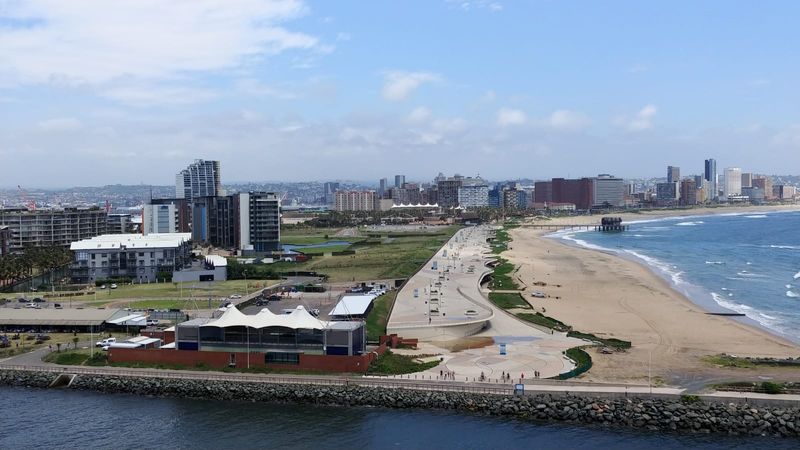
Durban smells like sunscreen and salt air, and its golden beaches along the Indian Ocean make it one of South Africa’s most appealing tourist destinations. But step away from the beachfront promenade, and the city’s safety picture changes considerably.
Violent crime, robbery, and organized criminal activity affect many parts of Durban, and the gap between tourist zones and high-risk neighborhoods can be surprisingly small.
The city made international headlines in 2021 when widespread civil unrest, triggered by political tensions, led to looting, arson, and violence that left dozens dead. The unrest exposed deep social fractures that had been simmering beneath the surface for years.
Recovery took months, and some businesses never reopened.
Drug trafficking and gang activity contribute to violent crime in areas like Sydenham, Umlazi, and parts of the city center. Tourists are most commonly targeted by opportunistic theft and muggings rather than organized attacks, but the risk of escalation is real.
Durban’s North Beach and the Umhlanga area are generally considered safer and are well-patrolled. Travelers are advised to stay in reputable accommodations, avoid carrying valuables openly, and always use metered taxis or trusted rideshare services rather than hailing random vehicles.
Guayaquil, Ecuador
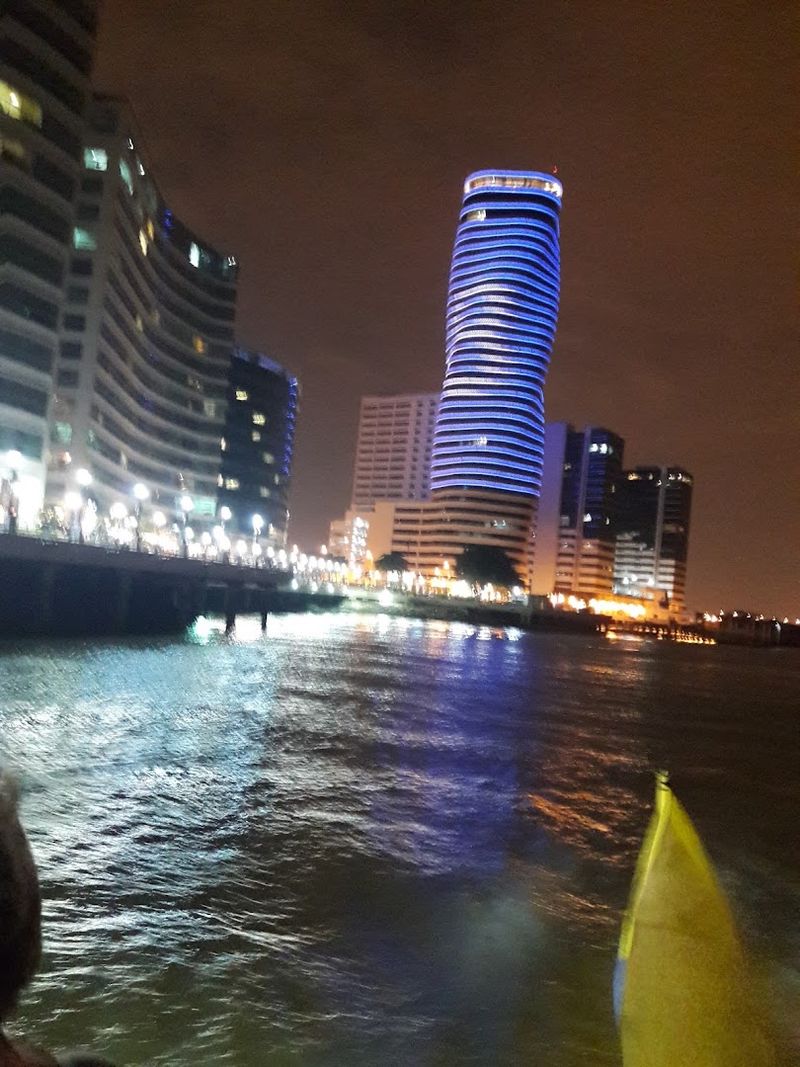
Ecuador used to be considered one of the safer corners of South America, and Guayaquil was a perfectly reasonable destination for backpackers and business travelers alike. That reputation has taken a serious beating over the past few years.
A dramatic surge in organized crime, fueled largely by drug trafficking networks connecting Colombian and Mexican cartels, has turned parts of the city into active conflict zones.
Homicide rates in Guayaquil have skyrocketed. Prison massacres, car bombs, and assassinations of public officials have shocked even seasoned observers of Latin American crime.
The violence has spilled far beyond criminal circles, affecting journalists, prosecutors, and ordinary citizens going about their daily lives.
Ecuador’s government declared a state of emergency in response and deployed military forces to the streets. Some security improvements followed, but the underlying criminal infrastructure remains powerful and adaptive.
The historic Malecon 2000 waterfront area and certain commercial districts still attract visitors, but travel advisories now recommend reconsidering travel to Ecuador as a whole. If you do go, thorough research, local contacts, and a strict no-wandering-after-dark policy are absolute necessities rather than optional precautions in today’s Guayaquil.
Port Moresby, Papua New Guinea
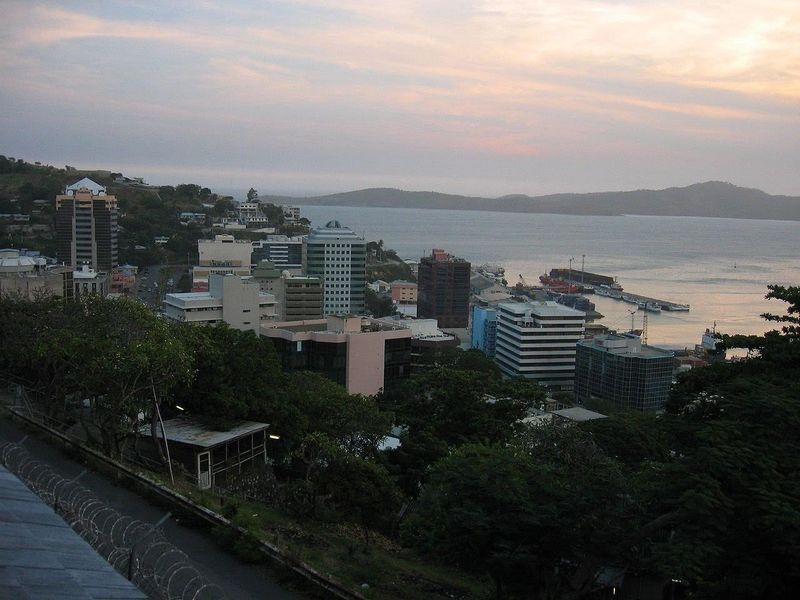
Port Moresby has a reputation that precedes it by several thousand miles. Papua New Guinea’s capital has long been considered one of the most dangerous cities in the Pacific region, with violent crime, armed robbery, and gang activity posing genuine daily risks to both residents and visitors.
The city’s challenges are deeply rooted in rapid urbanization, poverty, and limited law enforcement resources.
Raskol gangs, a term used locally for criminal street gangs, have operated in Port Moresby for decades. These groups are responsible for a significant share of violent incidents, particularly in informal settlement areas that ring the city.
Even well-traveled parts of town require constant vigilance.
Foreign workers and diplomats stationed here typically live within secured compounds and use vetted private transportation exclusively. Wandering around independently, especially after dark, is considered genuinely reckless by local standards.
Despite the security challenges, Port Moresby is also a gateway to some of the most extraordinary natural landscapes on earth. Papua New Guinea’s rainforests, coral reefs, and tribal cultures are truly remarkable.
Travelers who do make the journey are strongly advised to arrange everything through reputable tour operators with established local security protocols already in place.
Ciudad Juarez, Mexico
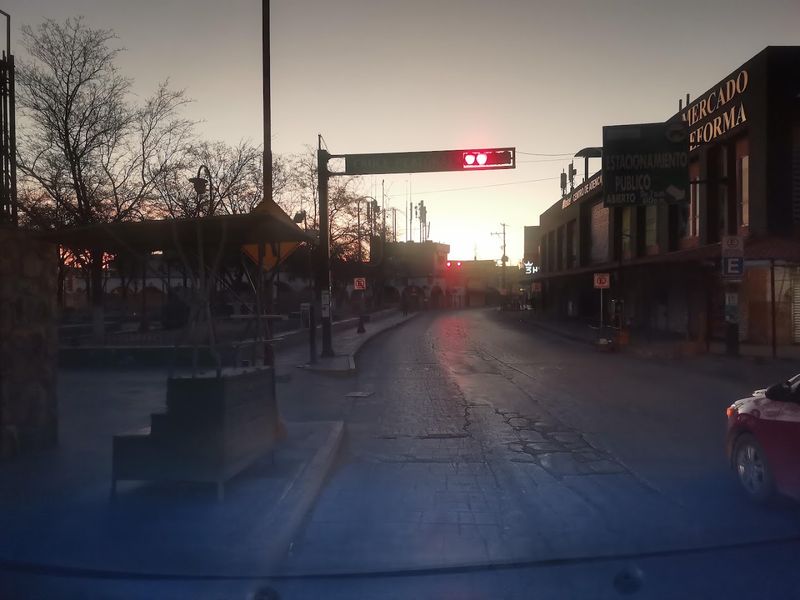
At the height of Mexico’s cartel wars around 2010, Ciudad Juarez earned a truly horrifying distinction: it was widely reported as the most violent city in the world. Thousands of people were killed in a single year as the Sinaloa and Juarez cartels fought a brutal turf war for control of one of the most valuable drug smuggling corridors into the United States.
The city has come a long way since those darkest years. Homicide rates dropped significantly after one cartel consolidated control, and investment slowly returned to parts of the city.
A manufacturing boom tied to the maquiladora industry brought jobs and economic activity that helped stabilize certain neighborhoods considerably.
However, Ciudad Juarez has not escaped its past entirely. Periodic outbreaks of violence still occur, and organized crime remains deeply embedded in daily life.
The US State Department continues to advise travelers to exercise increased caution throughout the state of Chihuahua. The city sits directly across the Rio Grande from El Paso, Texas, and the contrast between the two sides is one of the starkest urban divides anywhere in the Americas.
For those who do cross, staying in commercial areas and avoiding nighttime travel remains standard safety advice.
Share this story