Some countries manage to squeeze millions of people into spaces barely bigger than a small U.S. state. High population density shapes everything from how cities are built to how people get around every day.
Understanding which countries top the density charts reveals fascinating stories about urban planning, culture, and human ingenuity. Get ready to discover the places where personal space is truly a luxury.
Monaco
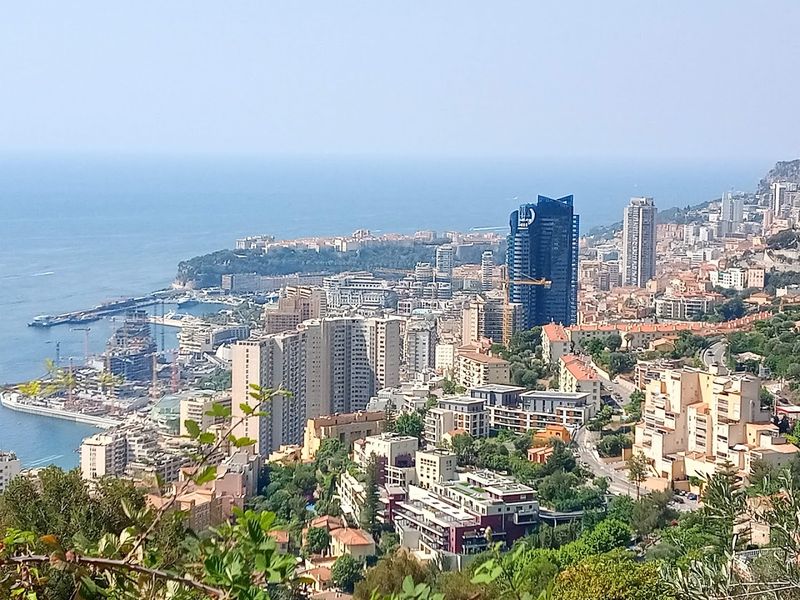
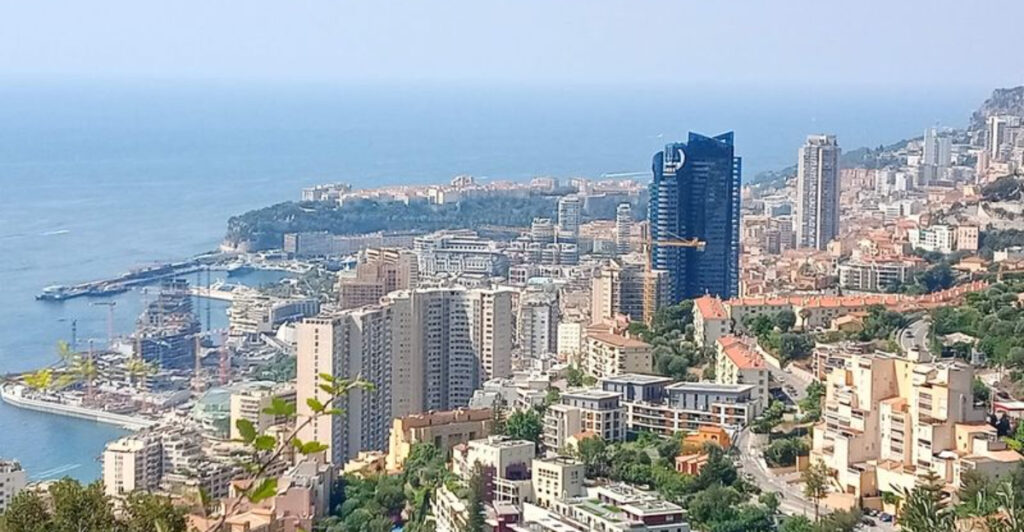
Standing on Monaco’s waterfront, you can literally see the entire country from a single spot. This tiny Mediterranean principality covers just 2.02 square kilometers, making it smaller than New York’s Central Park.
With over 25,000 people per square kilometer, Monaco holds the undisputed title of world’s most densely populated sovereign state.
Space is so scarce here that buildings grow upward rather than outward. Skyscrapers, luxury towers, and multi-level roads are stacked like a glittering architectural puzzle along the coast.
Engineers even built an entire neighborhood, Fontvieille, by reclaiming land from the sea.
Monaco attracts billionaires, Formula 1 racers, and celebrities who pay staggering prices for even the smallest apartments. A parking spot can cost more than a house in most countries.
Despite the crush of people, Monaco maintains remarkably low crime rates and one of the world’s highest life expectancies. Living small, it turns out, can still mean living very well.
Singapore
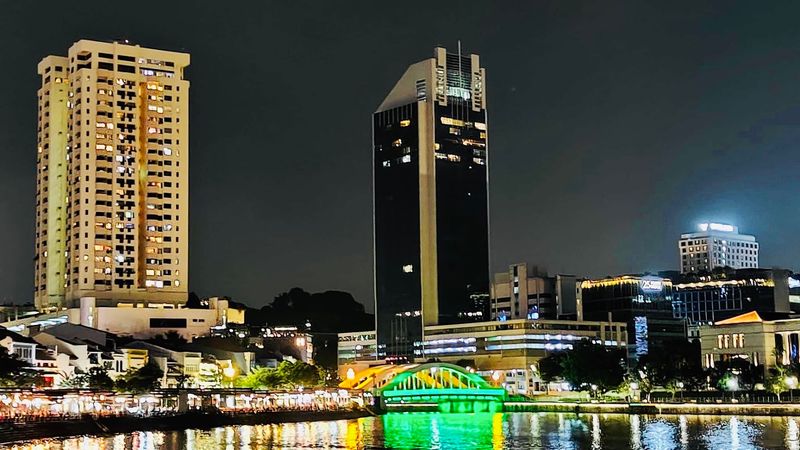
Few places on Earth pull off the impossible quite like Singapore. This island city-state covers roughly 735 square kilometers and somehow fits nearly six million people inside without feeling chaotic.
Meticulous urban planning has turned what was once a swampy trading post into one of the most efficient, livable cities on the planet.
About 80 percent of Singaporeans live in government-built Housing Development Board flats, which are clean, affordable, and connected to everything. The Mass Rapid Transit system moves millions of commuters daily with clock-like precision.
Green rooftop gardens and vertical parks are woven throughout the city to keep nature alive even where land is scarce.
Singapore constantly reinvents itself, reclaiming land from the sea to create new neighborhoods and business districts. The country has actually grown larger over the decades thanks to these engineering projects.
Street food hawker centers offer some of Asia’s best meals at prices anyone can afford. Singapore proves that density does not have to mean disorder when smart planning leads the way.
Bahrain
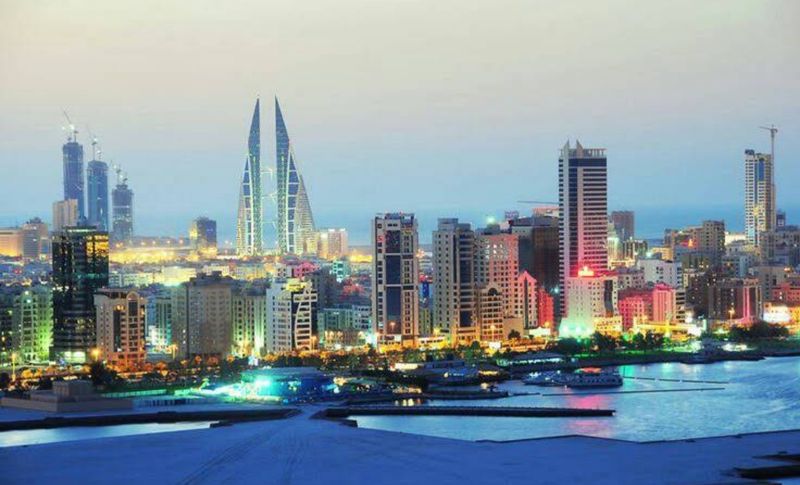
Sitting like a cluster of pearls in the Persian Gulf, Bahrain is one of the Middle East’s smallest yet most densely populated nations. The entire kingdom covers just 780 square kilometers, roughly the size of a medium-sized city.
More than 1.5 million people call this island nation home, and the numbers keep climbing as workers from across Asia and the Arab world arrive for jobs.
Manama, the capital, pulses with construction cranes, gleaming towers, and bustling souks. Land reclamation projects have literally expanded the country’s coastline, creating brand-new districts where open water once existed.
The Bahrain Financial Harbour and Amwaj Islands are both built entirely on reclaimed land.
Bahrain has a surprisingly layered history for such a small place. Pearl diving once drove its economy before oil took center stage in the 20th century.
Today, banking and tourism play major roles alongside the petroleum industry. Bahrain also holds the distinction of being the first Gulf state to strike oil and the first to largely move beyond dependence on it.
Compact in size, enormous in ambition.
Maldives
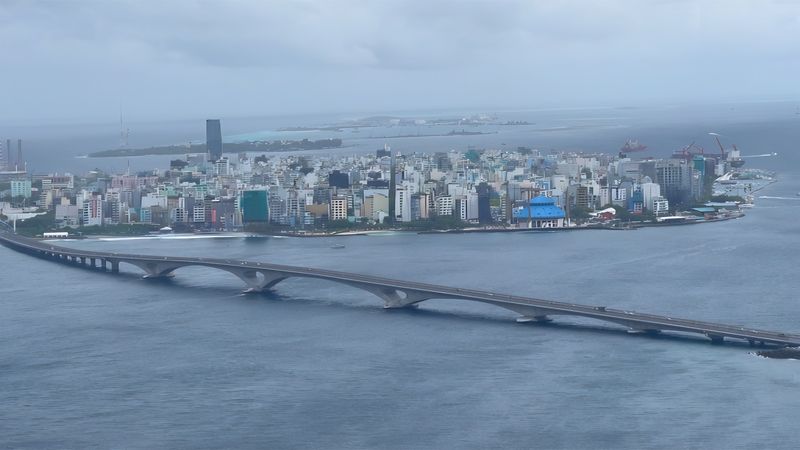
Picture hundreds of tiny coral islands scattered across the Indian Ocean like confetti, and you have the Maldives. The total land area of this island nation adds up to only about 300 square kilometers, spread across 1,200 islands.
With roughly 500,000 people living on that sliver of land, the Maldives ranks among the world’s most densely populated countries by national average.
The capital island, Male, is jaw-dropping in its compactness. Nearly 250,000 people live on an island you can walk across in about 20 minutes.
Buildings crowd every inch of available ground, and streets are narrow enough to touch both walls with outstretched arms.
Rising sea levels pose a serious and ongoing threat to the Maldives, since most of its land sits less than one meter above sea level. The government has even explored buying land in other countries as a backup plan for its population.
Meanwhile, tourism dollars from visitors seeking paradise beaches help fund the nation’s survival strategies. The Maldives is a place where beauty and vulnerability exist side by side every single day.
Malta
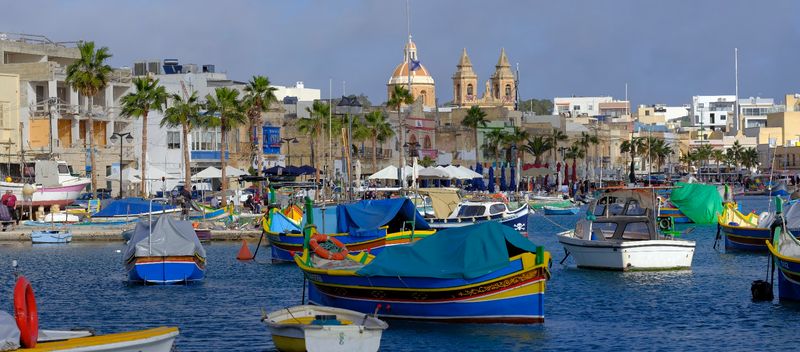
Malta is the kind of place where history is literally built on top of more history. This tiny Mediterranean archipelago covers just 316 square kilometers, making it one of Europe’s smallest countries by land area.
Yet more than 530,000 people live here, giving Malta one of the highest population densities on the continent.
The island’s towns flow into one another without clear boundaries. You can drive from one end of Malta to the other in under an hour, passing through dozens of villages that blend together seamlessly.
Valletta, the capital, is so packed with baroque architecture, churches, and fortifications that UNESCO declared the entire city a World Heritage Site.
Malta has been fought over, colonized, and occupied by nearly every major Mediterranean power throughout history, from the Phoenicians to the British. That layered past shows up in the language, food, and architecture everywhere you look.
Maltese cuisine mixes Italian, Arabic, and British influences into something completely unique. Despite the crowds and the compact geography, Malta consistently ranks as one of Europe’s most satisfying places to live, with warm weather, low crime, and a fiercely proud cultural identity.
Bangladesh
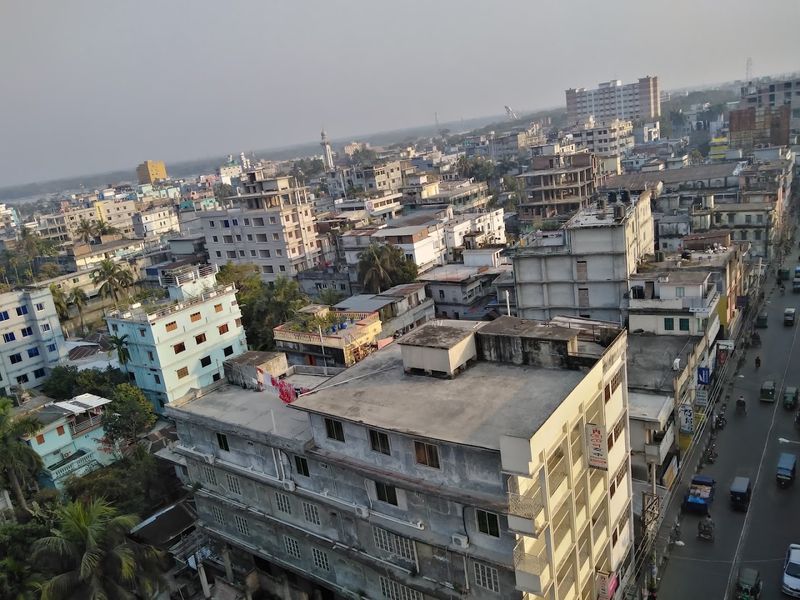
Over 175 million people living in a space slightly smaller than the state of Iowa sounds impossible until you see Dhaka’s streets at rush hour. Bangladesh is the most densely populated large country on Earth, with more than 1,100 people per square kilometer across the entire nation.
No other country with a population above 100 million comes close to matching that figure.
The country’s geography plays a huge role in its density story. Much of Bangladesh sits on the fertile delta of the Ganges and Brahmaputra rivers, land so productive that it has supported large populations for centuries.
However, this same low-lying geography makes the country extremely vulnerable to floods and cyclones.
Dhaka alone holds somewhere between 20 and 23 million people, ranking it among the largest and most congested cities in the world. Rickshaws, buses, motorcycles, and pedestrians compete for every inch of road space.
Despite serious infrastructure challenges, Bangladesh has made remarkable economic progress in recent decades, lifting millions out of poverty through a booming garment industry. The country’s resilience in the face of both natural and human pressures is genuinely impressive.
Barbados
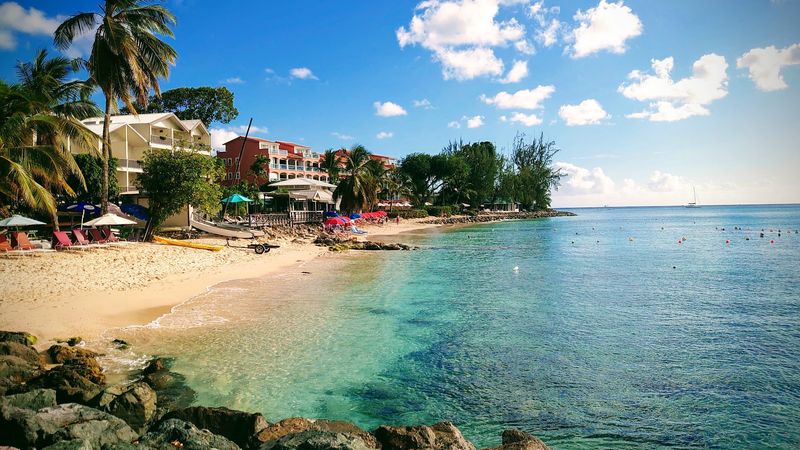
Barbados punches well above its weight in almost every category you can measure. This Caribbean island covers just 431 square kilometers, roughly the size of a large city suburb.
Around 280,000 people live here permanently, making Barbados one of the most densely populated countries in the entire Western Hemisphere.
Most of the island’s development hugs the western and southern coastlines, where beaches, hotels, and residential neighborhoods pack tightly together. The interior of the island is quieter, with sugarcane fields and small villages that feel worlds away from the buzzing coastal strip.
Bridgetown, the capital, is a lively mix of colonial architecture, modern businesses, and street life.
Barbados has one of the highest literacy rates in the world, exceeding 99 percent, and consistently ranks as the Caribbean’s most developed nation. The island was under British rule for over 300 years before gaining independence in 1966 and becoming a republic in 2021.
Cricket is practically a religion here, and the island has produced world-class players despite its tiny population. Barbados also gave the world Rihanna, whom the government officially declared a national hero in 2021.
Small island, massive cultural footprint.
Rwanda
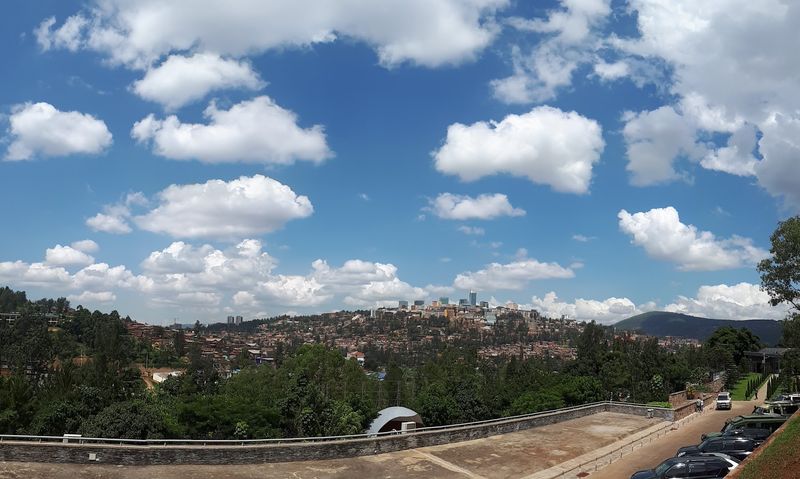
Rolling across a landscape of endless green hills, Rwanda hides an astonishing population secret. This landlocked East African nation covers about 26,338 square kilometers, roughly the size of Maryland.
With over 14 million people crammed into that space, Rwanda is by far the most densely populated large mainland country in Africa.
The nickname “Land of a Thousand Hills” is no exaggeration. Terraced hillside farms stretch as far as the eye can see, evidence of a population that has learned to use every available piece of fertile ground.
Agriculture supports the majority of Rwandans, with tea, coffee, and subsistence crops grown on those carefully carved hillsides.
Kigali, the capital, has transformed dramatically since the devastating 1994 genocide. Today it is one of Africa’s cleanest, safest, and fastest-growing cities, with modern infrastructure and ambitious development plans.
Rwanda banned plastic bags before most wealthy countries even considered the idea. President Paul Kagame’s government has pursued aggressive modernization, aiming to turn Rwanda into Africa’s technology hub.
The country’s recovery and reinvention over the past three decades stands as one of the most remarkable national turnarounds in modern history.
South Korea
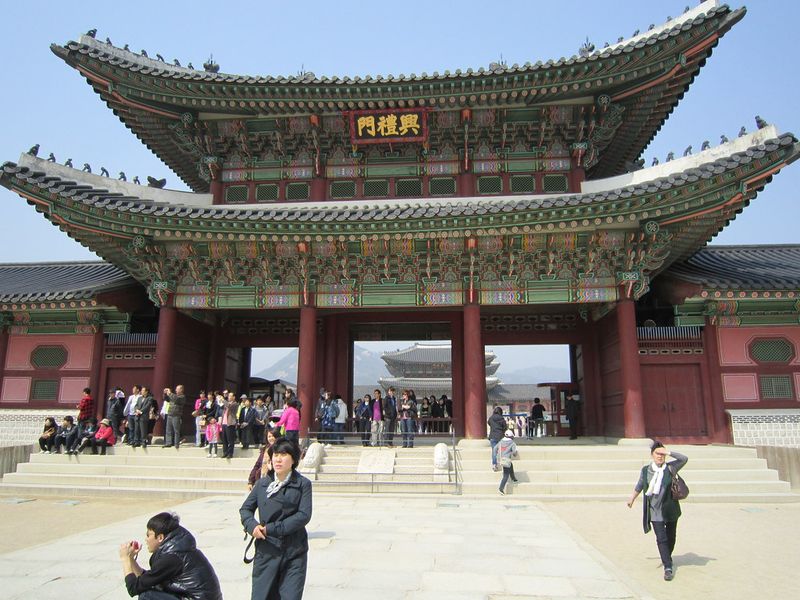
Seoul is the kind of city that makes other major capitals feel underpopulated. South Korea squeezes more than 51 million people into roughly 100,210 square kilometers, but the real jaw-dropper is how unevenly distributed they are.
About half the entire national population lives in the Seoul Capital Area, creating one of the densest urban concentrations anywhere on the planet.
Mountains cover nearly 70 percent of South Korea’s land, which pushes habitable space into a fraction of the total territory. This geographical reality has driven extraordinary vertical growth in cities.
Seoul’s skyline bristles with apartment towers, and the city’s subway system carries over seven million passengers every single day.
South Korea’s economic rise from postwar poverty to tech powerhouse happened in a single generation, a transformation economists call the Miracle on the Han River. Samsung, Hyundai, LG, and Kia all call this compact country home.
K-pop and K-drama have turned South Korean culture into a global phenomenon with fans on every continent. Korean cuisine, from bibimbap to Korean fried chicken, has earned devoted followings worldwide.
South Korea proves that geographic constraints can actually sharpen a nation’s competitive edge.
Netherlands
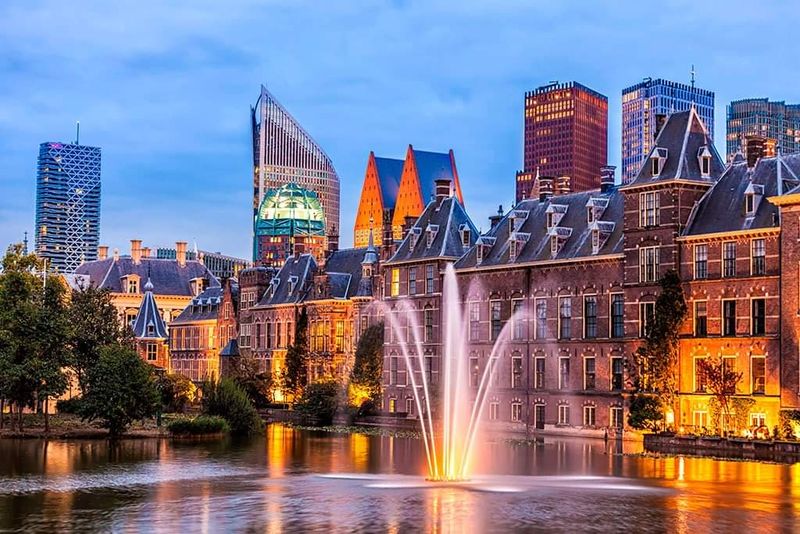
Windmills and tulip fields might be what first come to mind, but the Netherlands has a less romantic distinction too. With over 18 million people living in just 41,543 square kilometers, it ranks as one of the most densely populated countries in Europe.
That works out to roughly 430 people per square kilometer, a figure that would overwhelm most nations’ infrastructure.
What makes the Netherlands remarkable is how smoothly it all functions. Dutch cities are famously livable, with world-class cycling infrastructure, efficient rail networks, and carefully managed urban growth.
Amsterdam, Rotterdam, and The Hague form a densely connected urban triangle that houses millions while maintaining green spaces and quality of life.
Here is the twist that makes Dutch density even more impressive: the country actually created a significant portion of its own land. About 17 percent of the Netherlands sits on polders, areas reclaimed from the sea through centuries of engineering.
Without that reclaimed land, the density numbers would look even more extreme. The Dutch essentially built room for themselves when nature did not provide enough.
That combination of engineering ambition, urban discipline, and cultural pragmatism makes the Netherlands one of the most fascinating density success stories on Earth.
Share this story