Nestled between the Alps and the sparkling blue waters of northern Italy, Lake Como is the kind of place that makes you forget your phone exists. While the lake draws millions of visitors each year, its soul lives not in the luxury hotels but in the ancient villages clinging to its shores.
From flower-draped balconies to medieval towers rising above the water, each village tells a story centuries in the making. Pack your walking shoes and your curiosity because these ten villages are nothing short of magical.
Bellagio
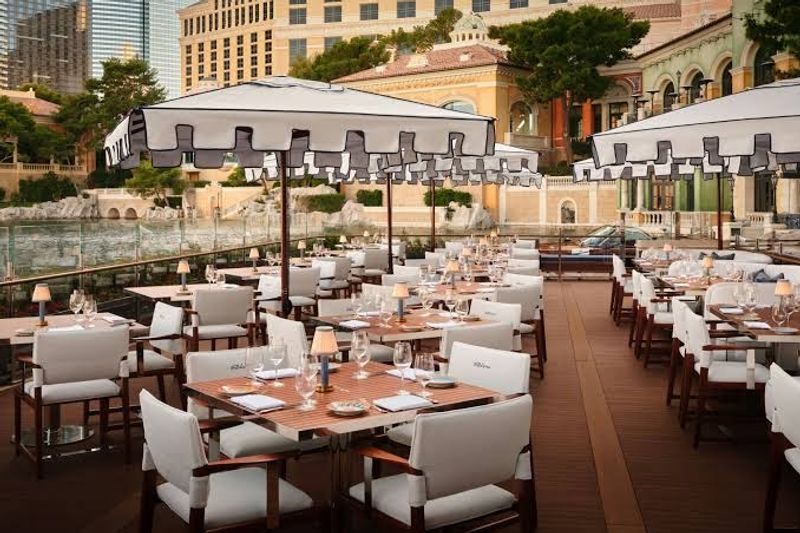
Perched dramatically at the tip of a peninsula where Lake Como forks into two glittering branches, Bellagio has been turning heads since Roman emperors built their summer retreats here. It is easy to see why the nickname “Pearl of Lake Como” has stuck for so long.
The steep cobblestone lanes, known as salite, twist upward past boutiques selling silk scarves, gelato shops spilling onto narrow sidewalks, and flower boxes overflowing with color. Every corner feels like a postcard someone forgot to mail.
Villa Melzi, one of the finest neoclassical gardens on the lake, offers a peaceful stroll among azaleas, Japanese maples, and lakeside sculptures. Arrive early in the morning before the ferries dock and you will practically have the promenade to yourself.
Bellagio rewards slow walkers who take time to peek into courtyards and linger over an espresso with a view that would make any travel photographer weep with joy.
Varenna
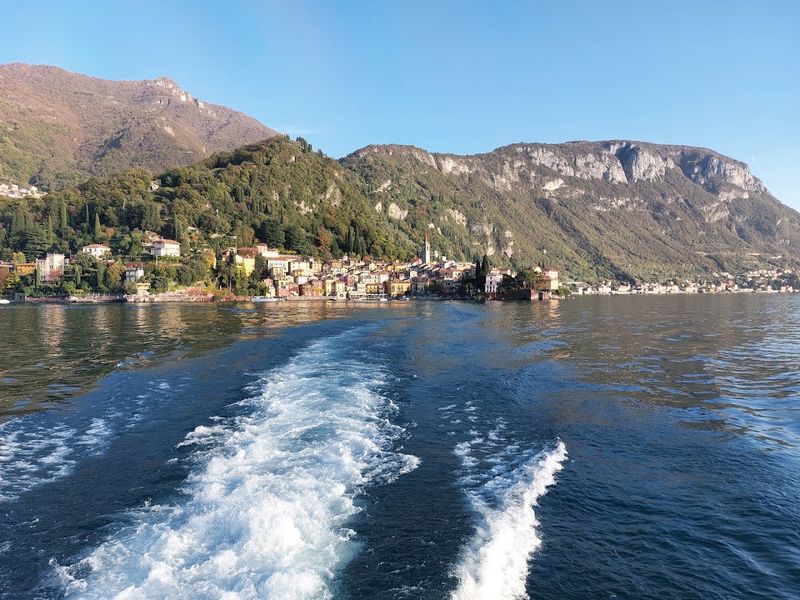
Varenna keeps a low profile compared to its famous neighbor Bellagio, but travelers who find it tend to never stop talking about it. Arriving by ferry and stepping onto that sun-warmed stone promenade for the first time is a moment worth the entire trip to Italy.
The passeggiata degli innamorati, or “lovers’ walk,” hugs the shoreline with breathtaking views across the water. Pastel houses in shades of peach, yellow, and terracotta stack up behind the waterfront like a very pretty game of Tetris.
Villa Monastero, a former monastery turned botanical garden, stretches elegantly along the lake with rooms stuffed with period furniture and grounds bursting with citrus trees and roses. Up on the hillside, the medieval Castello di Vezio offers sweeping panoramas and the occasional falconry display.
Varenna is small enough to explore in an afternoon but rich enough in beauty and history to linger for days. It is the kind of village that makes you seriously reconsider your return flight home.
Menaggio
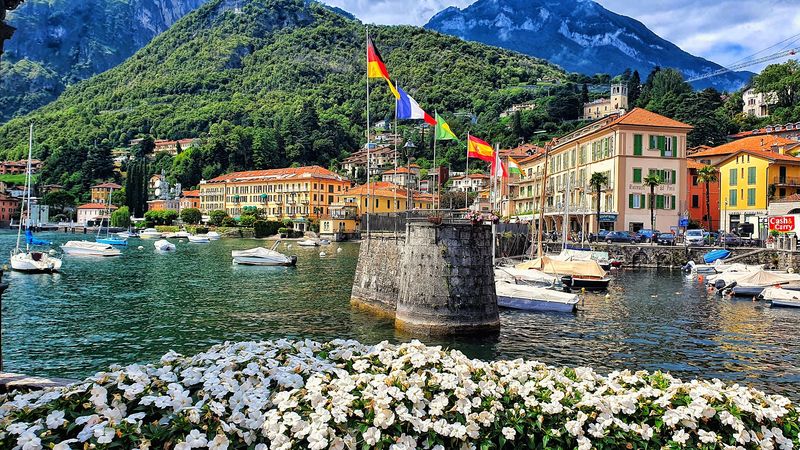
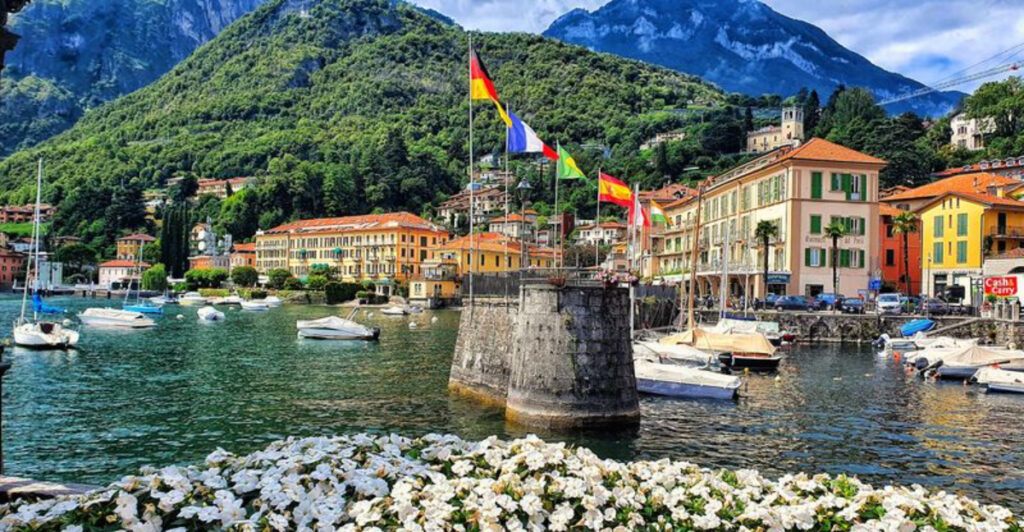
Menaggio is the village for travelers who want both a relaxed lakeside atmosphere and easy access to everything else the lake has to offer. Sitting on the western shore, it serves as a natural crossroads where ferries connect in multiple directions throughout the day.
The central piazza buzzes with locals playing cards outside the bar in the morning while tourists sip cappuccinos and watch fishing boats drift past. That mix of everyday Italian life and tourist-friendly charm is something Menaggio does particularly well.
Beyond the waterfront, the historic center hides a medieval tower, a handsome church, and winding streets lined with independent shops. Hikers will love the mountain trails that climb steeply behind the village, rewarding effort with views that stretch across the entire lake.
Cyclists, golfers, and watersports enthusiasts all find something here too. Menaggio is not the flashiest village on Lake Como, but it might just be the most genuinely livable one.
Come for a day and you will start mentally calculating what it would cost to rent an apartment for a month.
Tremezzo
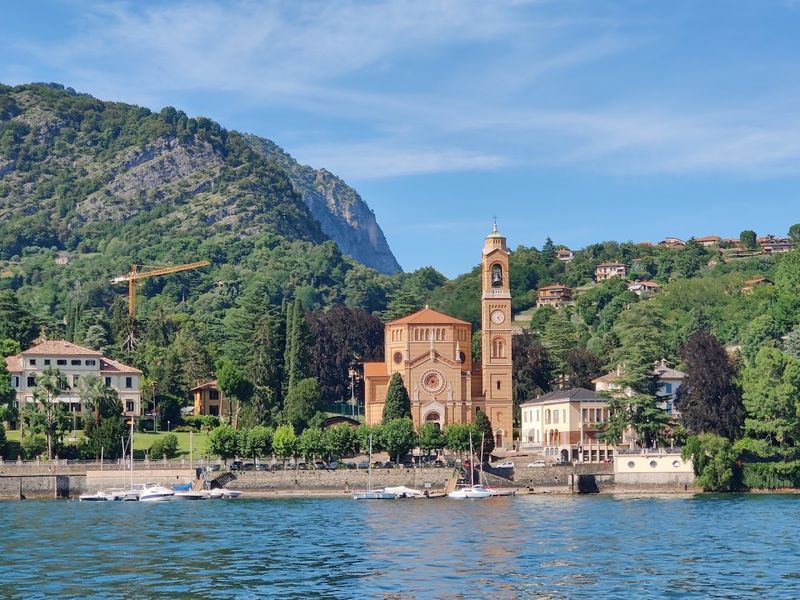
Botanists, romantics, and anyone who has ever pressed a flower between the pages of a book will feel immediately at home in Tremezzo. The village is anchored by Villa Carlotta, one of the most celebrated gardens in all of Italy, where rhododendrons and azaleas explode into color each spring in a display that borders on reckless beauty.
The garden also houses an impressive collection of neoclassical sculptures, including works by Antonio Canova, tucked between terraced flowerbeds and shaded pathways. Outside the villa gates, the village itself is quiet and refined, with elegant waterfront hotels, small cafes, and a slow pace that feels genuinely restorative.
Tremezzo sits on a particularly sunny stretch of the western shore known as the Tremezzina, which enjoys a mild microclimate that helps all those gardens thrive. Strolling along the lakeside promenade at golden hour, with the mountains turning pink across the water, is one of those simple experiences that somehow feels like the highlight of a trip.
Tremezzo does not shout for attention; it simply delivers beauty at a steady, unhurried pace that stays with you long after you leave.
Cernobbio
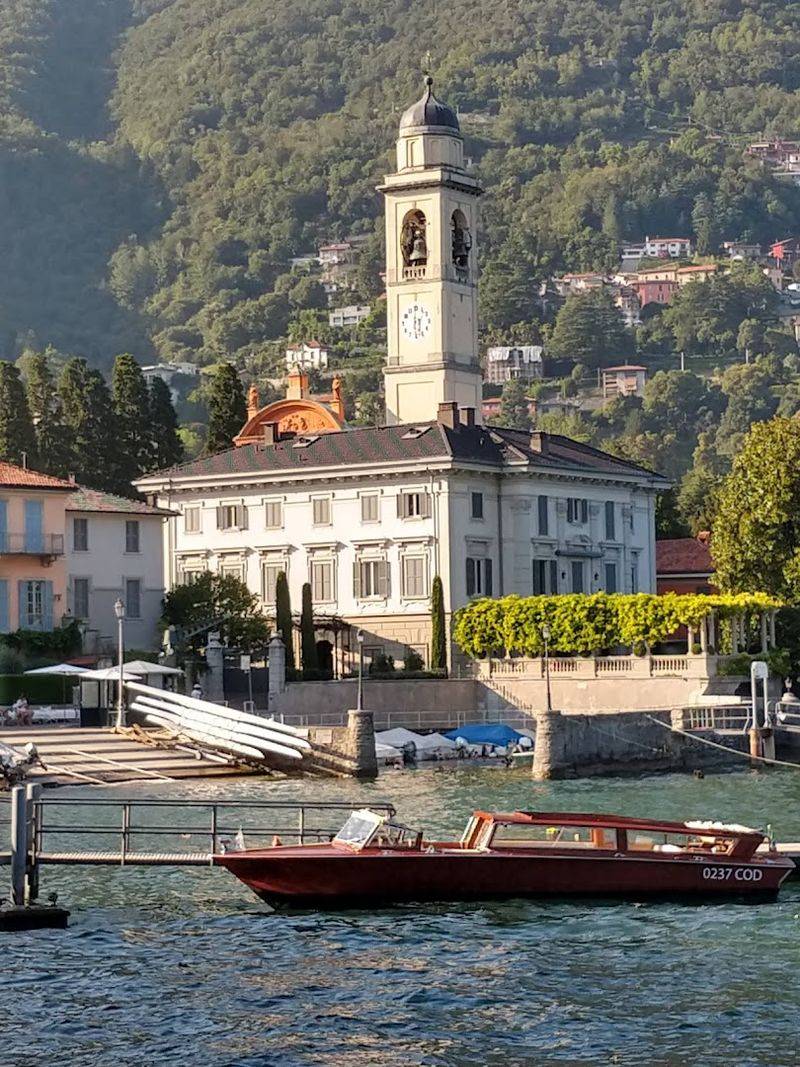
Just a short drive north of the city of Como, Cernobbio carries itself with the quiet confidence of a place that has been impressing guests for centuries. The legendary Villa d’Este, now one of the world’s most celebrated luxury hotels, has been welcoming royalty, artists, and heads of state since the sixteenth century.
Even visitors not staying at the villa can appreciate the grandeur of Cernobbio’s atmosphere. The waterfront promenade is lined with plane trees and elegant lamp posts, and the views across the lake toward the mountains are utterly unobstructed.
The village center, tucked just behind the lakefront, has a genuinely local character with a market square, family-run trattorie, and a church whose bell tower has been marking the hours here for hundreds of years. Cernobbio also hosts the annual Concorso d’Eleganza Villa d’Este, a prestigious vintage car and motorcycle show that draws collectors from around the world each spring.
Whether you are admiring classic Ferraris or simply watching the ferries glide past over a glass of local wine, Cernobbio offers a refined slice of lake life that feels both historic and effortlessly alive.
Nesso
Tucked between two rocky headlands on the eastern shore, Nesso is the kind of village that rewards travelers willing to look beyond the obvious. Most visitors speed past on the lake road without realizing they are missing one of the most dramatic natural spectacles on the entire shoreline.
The Orrido di Nesso is a narrow gorge carved over millennia by the Nosè and Civate streams, where waterfalls thunder down through ancient rock before emptying into the lake beneath a medieval stone bridge. Standing on that bridge while water rushes below and swallows dart overhead is genuinely thrilling.
The village itself is compact and wonderfully sleepy, with stone staircases connecting different levels of the settlement and houses that seem to grow directly out of the rock face. There are no big hotels, no souvenir shops, and no crowds.
A handful of locals tend gardens on tiny terraces while cats nap on warm stone walls. Nesso is living proof that the best things on Lake Como are sometimes the ones hidden in plain sight.
Budget at least an hour here, more if you plan to scramble down to the gorge floor for a closer look.
Argegno
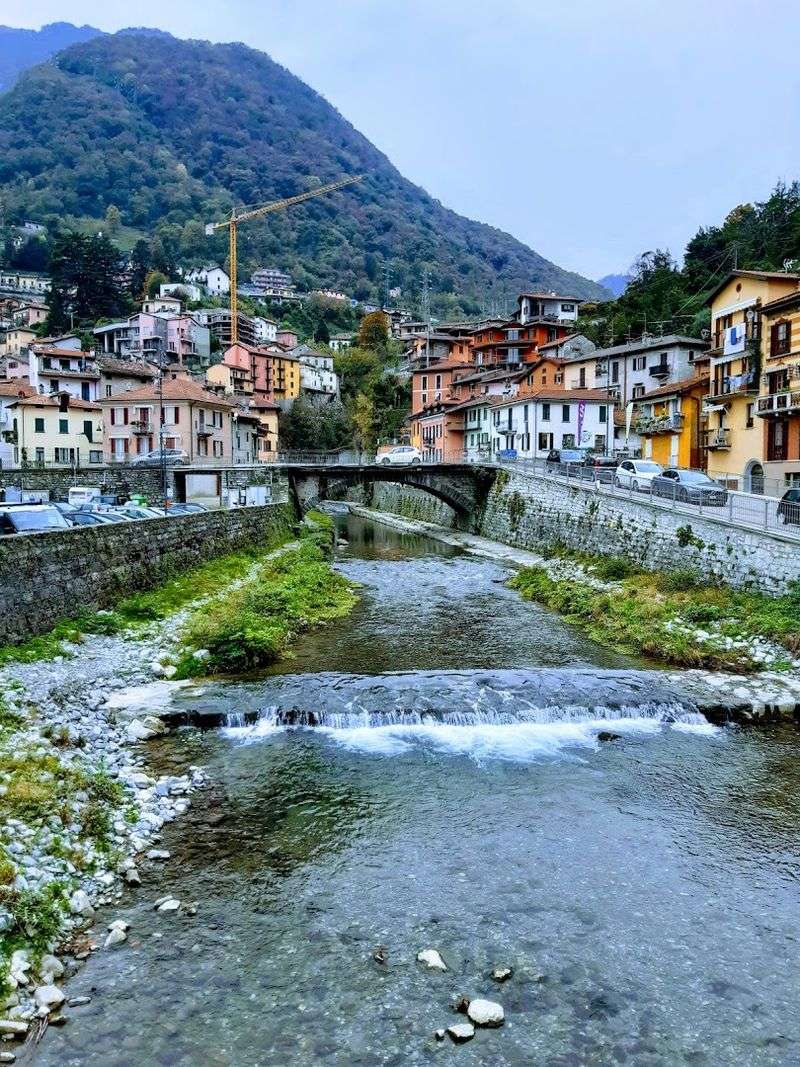
Argegno sits at a sweet spot where the Telo River slides quietly into Lake Como, creating a natural harbor that has sheltered fishing boats for generations. The village is compact, colorful, and completely unpretentious, which makes it a refreshing stop after some of the more tourist-heavy destinations along the shore.
A cluster of pastel houses wraps around the small harbor in shades of yellow, orange, and faded red, their reflections wobbling in the water below. There is a Roman bridge nearby that has been connecting the two banks of the river since ancient times, and it still works perfectly well.
The real secret weapon of Argegno is its cable car, which climbs steeply up into the Intelvi Valley above the village. From the top, the views over Lake Como and the surrounding Alps are extraordinary, and the valley itself is dotted with charming villages worth exploring on foot or by bike.
Back down in Argegno, a cold beer at one of the harbor-side bars while watching the ferries pass makes for a deeply satisfying afternoon. Small, honest, and genuinely charming, Argegno earns its place on any Lake Como itinerary.
Torno
History buffs, quiet seekers, and anyone exhausted by selfie sticks will find Torno to be a genuine sanctuary. One of the oldest continuously inhabited villages on Lake Como, Torno traces its roots back to Roman times and wears that age gracefully across every stone wall and staircase.
The village is centered on a small harbor where a handful of wooden boats bob quietly beside stone steps leading straight into the water. The Church of Sant’Agata, which dates to the eleventh century, contains a remarkable carved wooden door that art historians travel from across Europe to study.
Torno sits on the eastern shore just a short ferry ride from the city of Como, which means it is genuinely easy to reach but somehow still feels worlds away from the tourist trail. The narrow lanes climbing above the harbor lead to terraced gardens and unexpected viewpoints where you can look out over the lake in near-total silence.
Villa Pliniana, built in the sixteenth century and named after Pliny the Elder who described a mysterious intermittent spring nearby, adds another layer of literary intrigue to this already fascinating little place. Torno does not perform for visitors; it simply exists, beautifully.
Bellano
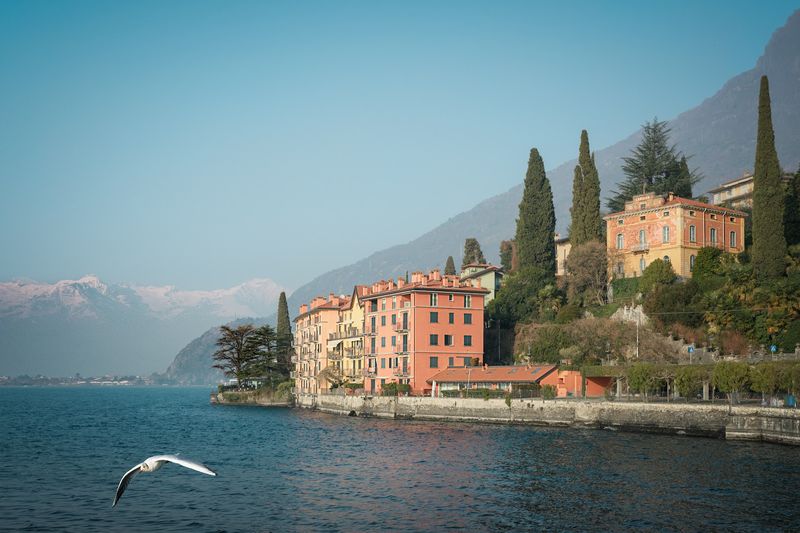
Bellano wears two faces with equal confidence: a lively historic town center full of everyday Italian energy, and a jaw-dropping natural gorge that cuts through the rock just steps from the main piazza. That combination of the ordinary and the extraordinary is what makes Bellano genuinely special.
The Orrido di Bellano is a canyon carved by the Pioverna River, accessible via a series of suspended walkways bolted to the canyon walls above the churning water. Walking through it feels like something between a nature hike and a mild adventure sport, with the roar of the river echoing off the walls around you.
Back in the village, the fourteenth-century church of Santi Nazaro e Celso dominates the waterfront with its distinctive black-and-white striped facade, a Lombard Gothic style that stands out beautifully against the blue lake. The waterfront promenade here is less manicured than those of Bellagio or Varenna, which gives it an authentic neighborhood feel that many travelers actually prefer.
Local restaurants serve straightforward, honest Lombard cooking without the tourist markup. Bellano is the kind of place where you accidentally spend three hours because everything is just interesting enough to keep you from leaving.
Laglio
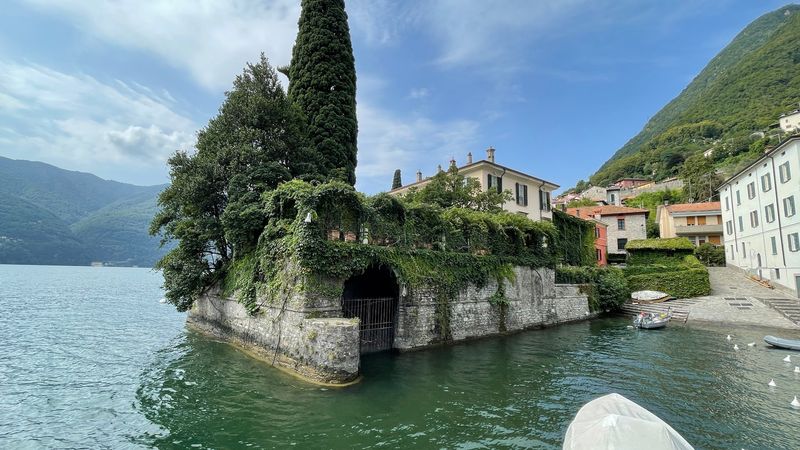
Laglio may be the smallest village on this list, but it punches well above its weight in the charm department. Sitting quietly on the western shore between Cernobbio and Argegno, it is the kind of place where the loudest sound on a Tuesday morning is a dog barking somewhere up the hill.
Stone houses with faded shutters line the narrow lanes that wind between the lakeshore and the steep hillside. A small harbor with a handful of rowing boats, a modest church, and a scattering of locals who nod hello as you pass make up the essential fabric of daily life here.
Laglio gained unexpected international fame when a certain Hollywood actor purchased a villa here in the late 1990s, drawing paparazzi boats and curious tourists to its otherwise tranquil waters. Locals have taken it all in stride with impressive calm.
The village itself remains stubbornly, wonderfully old-fashioned, with no tourist infrastructure to speak of and all the better for it. Walking the lakeside path through Laglio at dusk, with the mountains darkening across the water and lights beginning to flicker on in the villas above, is one of those Lake Como moments that no photograph fully captures.
Share this story