Europe is one of the few places where a single meal can become the highlight of an entire trip. Some cities have built their entire identity around what ends up on the plate, from centuries-old markets and family pasta shops to buzzing seafood counters and neighborhood bakeries.
Whether you are chasing handmade tagliatelle in Italy or open-faced sandwiches in Denmark, these 10 European cities give food lovers a genuine reason to book the flight. Pack your appetite and prepare to eat your way across a continent that truly knows how to cook.
Bologna, Italy
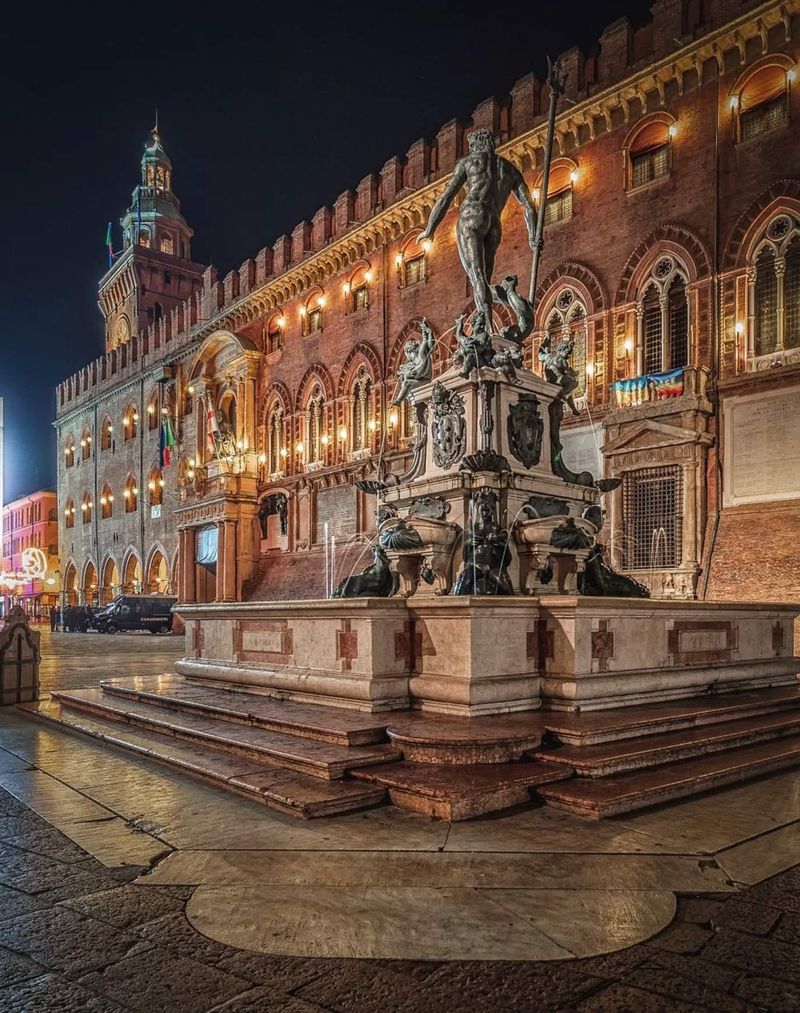
Walk down almost any street in Bologna and the smell of slow-cooked meat sauce drifting from open kitchen windows will stop you in your tracks. This city takes food so seriously that its nickname, La Grassa, literally translates to “The Fat One,” and nobody here seems offended by that at all.
Tagliatelle al ragu is the dish everyone comes for first. Forget the version sold abroad as spaghetti Bolognese.
In Bologna, the real thing uses fresh egg pasta ribbons and a rich, slow-simmered meat sauce that has been officially registered with the Bologna Chamber of Commerce.
But the culinary lineup does not stop there. Tortellini served in golden broth, lasagne verdi layered with ragù, crescentine fried bread, and thick sandwiches packed with Mortadella Bologna IGP all compete for your attention.
Osterias, trattorias, and salumerias keep prices reasonable and quality remarkably high. Bologna genuinely rewards travelers who plan their days around mealtimes rather than monuments.
San Sebastián, Spain
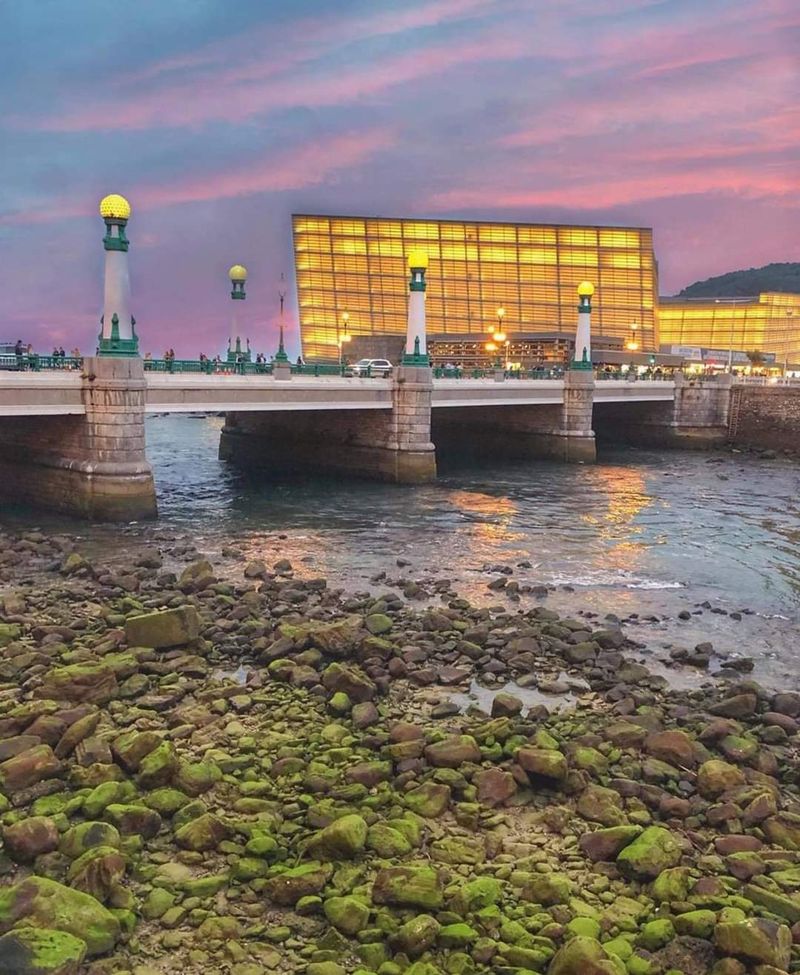
Locals in San Sebastián do not just eat well. They treat the act of eating as a competitive sport, and the whole city seems to be winning.
For a relatively compact place on the Basque coast, this city holds more Michelin stars per square kilometer than almost anywhere else on Earth.
What makes eating here genuinely addictive is the contrast between two very different worlds. On one hand, you have elaborate tasting menus at internationally celebrated restaurants.
On the other hand, you have the Old Town pintxo bars, where tiny bites of bread topped with everything from anchovy to foie gras cost just a couple of euros each.
The pintxo crawl is practically a local institution. The tourism authority itself recommends moving between several bars rather than camping at one, which tells you everything about how this city approaches a night out.
Seasonal seafood, local Basque cheeses, crisp txakoli wine, and regional cider round out the experience beautifully. San Sebastián is the rare destination where the cheapest option on the menu is often the most memorable bite of the trip.
Naples, Italy
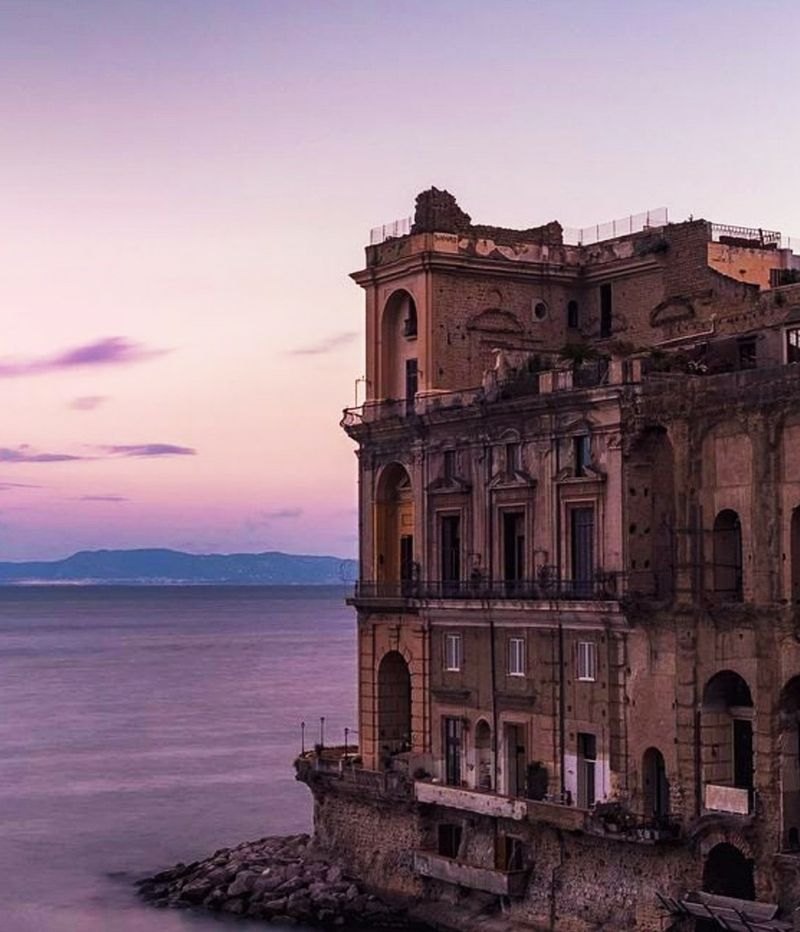
Nobody in Naples eats apologetically. The city’s food culture is loud, fast, generous, and completely uninterested in trends.
Pizza here is not a lifestyle statement. It is simply lunch, and it has been done this way for hundreds of years.
Neapolitan pizza is a UNESCO-recognized art form, and eating it in its home city is a genuinely different experience from ordering it anywhere else. The dough is softer and chewier, the tomatoes are sweeter, and the whole thing comes out of a scorching wood-fired oven in about 90 seconds.
Pizza a portafoglio, folded so you can eat it while walking, is the street version that locals grab without breaking stride.
The sweet side of Naples is equally compelling. Sfogliatella pastry comes in two textures, crisp shell-shaped layers or a softer shortcrust version, and both are worth trying on the same morning.
Rum-soaked babà and the ricotta-filled pastiera round out a pastry tradition that could occupy an entire trip on its own. Naples is messy, electric, and completely unapologetic, which is exactly why food lovers keep coming back.
Lyon, France

Ask a French chef where to eat in France and a surprising number will quietly say Lyon before mentioning Paris. The city earned its reputation not through glamour but through consistency, and it has been producing extraordinary food for centuries without needing much outside validation.
The bouchon lyonnais is the heart of the local dining experience. These are not refined, hushed dining rooms.
They are warm, unpretentious establishments where hearty regional recipes are served with house wine and a side of genuine hospitality. An official label now certifies the bouchons that genuinely preserve the tradition, making it easier for visitors to find the real thing.
Les Halles de Lyon Paul Bocuse, the city’s famous indoor market, transforms a simple shopping trip into a full sensory event. Cheese counters, charcuterie vendors, fresh seafood, Praluline brioche, and prepared dishes sit side by side in a building that feels like a cathedral dedicated to French produce.
Lyon suits travelers who want classic French cooking without worrying about dress codes or reservation wait lists measured in months. It is simply one of the most satisfying cities in Europe to eat in.
Copenhagen, Denmark
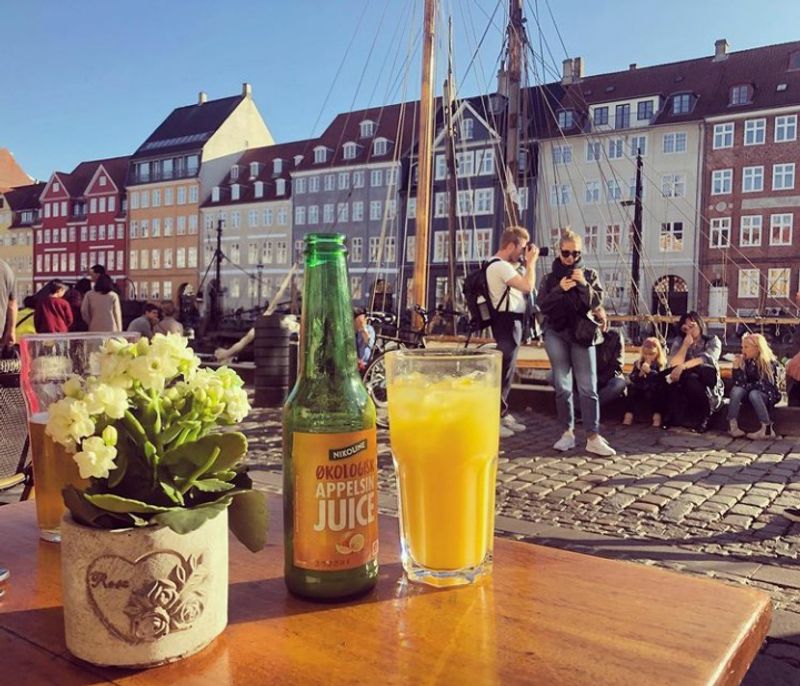
Copenhagen quietly rewrote the rulebook on what Nordic food could be, and the rest of the world spent the next decade trying to catch up. The New Nordic movement that took root here emphasized hyper-local ingredients, seasonal thinking, and a culinary identity rooted firmly in the landscape around it.
That movement brought global attention, but Copenhagen’s food culture runs much deeper than any single trend. Smørrebrød, the open-faced rye bread sandwich, has been a cornerstone of Danish eating for generations.
Topped with pickled herring, smoked salmon, roast beef, or egg and vegetables, a well-made smørrebrød is a genuine lunch worth sitting down for properly.
The city also has a thriving bakery culture that produces cardamom buns and pastries so good they have inspired imitation across Europe. Natural wine bars, creative casual restaurants, and seafood counters fill the gaps between the high-end tasting menus that made the city famous.
Copenhagen manages to feel both deeply rooted in tradition and relentlessly forward-thinking at the same time. For food lovers, that combination is almost impossible to resist.
Lisbon, Portugal
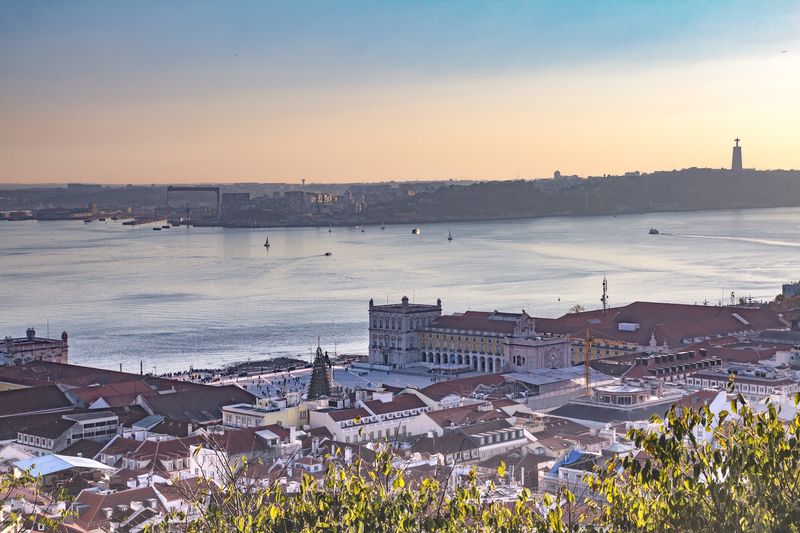
Lisbon smells like grilled sardines, strong coffee, and warm custard tarts, sometimes all at once, and that combination alone is enough to make a food lover feel immediately at home. The city’s relationship with food is casual, confident, and built on centuries of maritime history.
Bacalhau, the salt cod that Portugal has been cooking in supposedly more than 365 ways, is everywhere here. Entire restaurants dedicate their menus to it, and specialty shops sell it alongside tinned seafood that has become fashionable enough to gift.
But the city’s seafood culture extends well beyond cod. Grilled octopus, clams cooked in garlic and white wine, and charcoal-grilled sardines are all worth tracking down.
The pastel de nata deserves its own paragraph, and here it is. These small custard tarts with their flaky shells and slightly scorched tops are dangerously easy to eat three of before you have fully woken up.
Lisbon also rewards slow exploration, since neighborhood bakeries, tiny wine taverns, and fresh markets make excellent eating feel like a natural part of simply walking through the city. Few places in Europe offer this much flavor for this little fuss.
Valencia, Spain
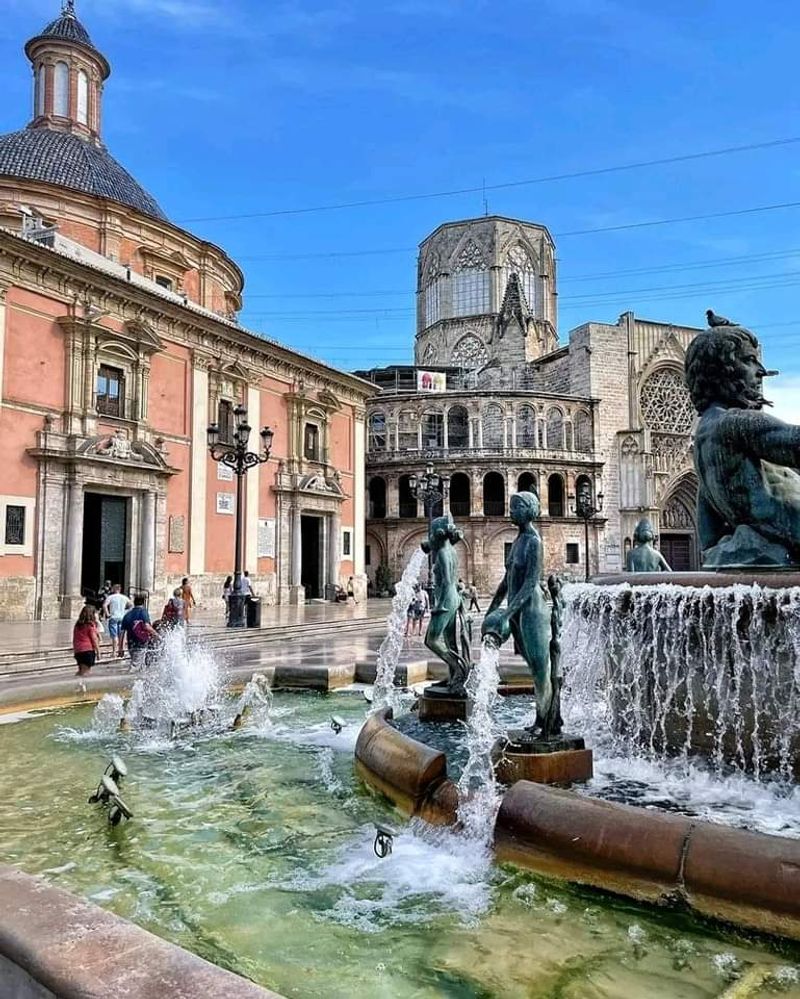
Every city in Spain will happily serve you paella, but only one city can claim it was invented there. Valencia takes that distinction seriously, and eating paella here feels less like ordering off a menu and more like participating in something that has been handed down for generations.
Authentic paella Valenciana uses chicken, rabbit, two types of local beans, tomato, saffron, and rice grown in the nearby Albufera wetlands. It is a lunchtime dish, not a dinner one, and locals are famously particular about that.
The socarrat, the slightly caramelized crust of rice that forms at the bottom of the pan, is considered the best bite in the whole dish.
Valencia offers plenty beyond its most famous export. Horchata de chufa, a cold, creamy drink made from tiger nuts, is traditionally paired with long sweet pastries called fartons at a local horchateria.
The city’s central market, Mercado Central, is one of the most beautiful indoor markets in Europe and stocks an impressive range of local produce, seafood, cured meats, and cheeses. For travelers who want to understand where one of the world’s most recognized rice dishes actually comes from, Valencia is the only correct answer.
Vienna, Austria

Vienna is the only city in the world with an entire cuisine named after it, and it wears that distinction with the quiet confidence of a city that has been doing things its own way for centuries. The food here is rich, comforting, and built for lingering over rather than rushing through.
Wiener schnitzel is the most famous item on the menu, a thin breaded veal cutlet fried to a golden crisp and served with a wedge of lemon. But the savory repertoire also includes slow-cooked goulash, hearty dumplings, and the relaxed cooking of traditional Beisl taverns that feel unchanged since the early twentieth century.
Then the pastry counter arrives, and everything else fades slightly into the background. Sachertorte and Apfelstrudel are internationally recognized, but Vienna’s full range of cakes, tarts, and sweet pastries could occupy a dedicated trip.
Most importantly, Vienna has the coffeehouse. These are not quick-stop cafes.
They are institutions where sitting for two hours over a single coffee and a slice of cake is not just acceptable but culturally expected. Vienna makes doing nothing over dessert feel like an achievement worth bragging about.
Porto, Portugal
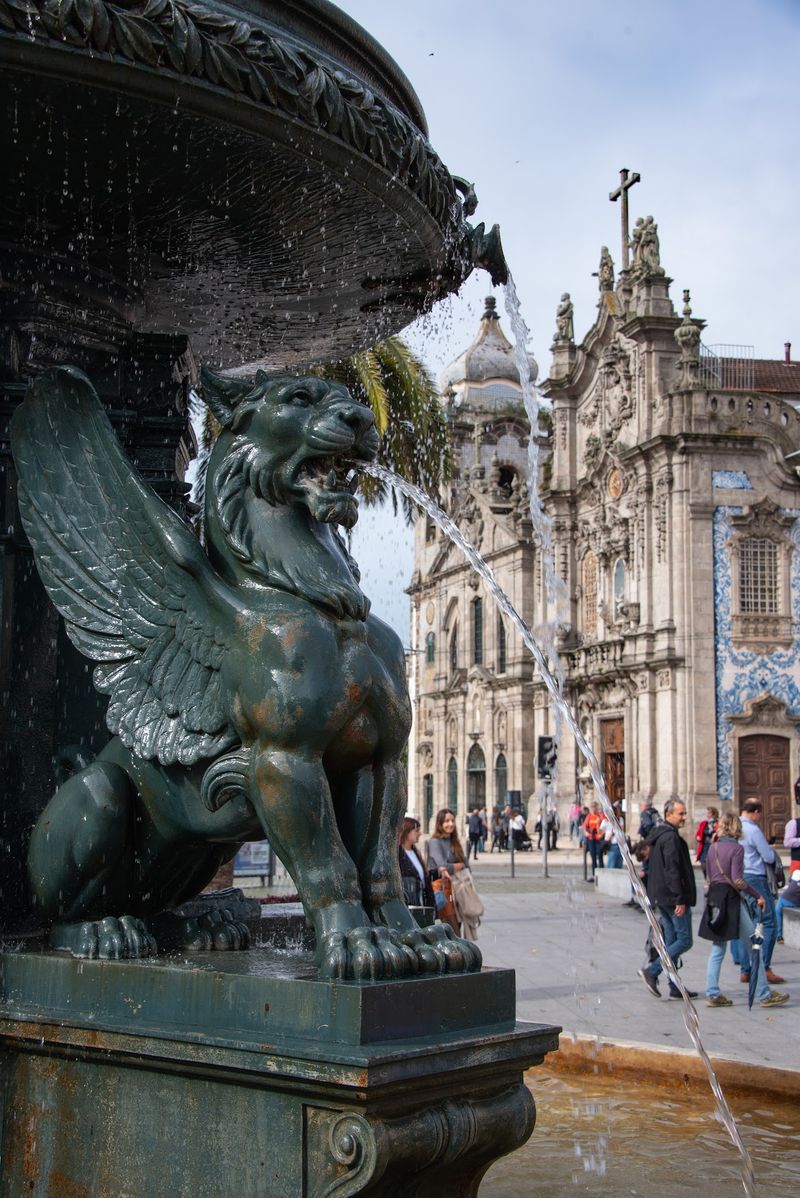
Porto is the kind of city where the food is just as bold and no-nonsense as the people who cook it. Nothing here is designed to impress you with presentation.
It is designed to fill you up and send you out feeling genuinely happy about life.
The francesinha is the dish that visitors either fall completely in love with or stare at in polite disbelief. It is a thick sandwich layered with various meats and cheese, then drenched in a deeply savory sauce made with tomato, beer, and spices.
Served with fries, it is the kind of meal that requires no other food for the rest of the day and possibly part of the next morning.
Porto’s food culture extends well beyond its most notorious sandwich. The restored Mercado do Bolhão is a beautiful setting for picking up local cheeses, cured meats, fresh produce, and pastries.
Grilled fish, seafood rice, and slow-braised meat dishes fill restaurant menus across the city. Then there is the wine.
Port wine and Douro Valley reds are inseparable from Porto’s identity, and the historic wine cellars across the river in Vila Nova de Gaia offer tastings that pair naturally with everything you have already eaten.
Athens, Greece
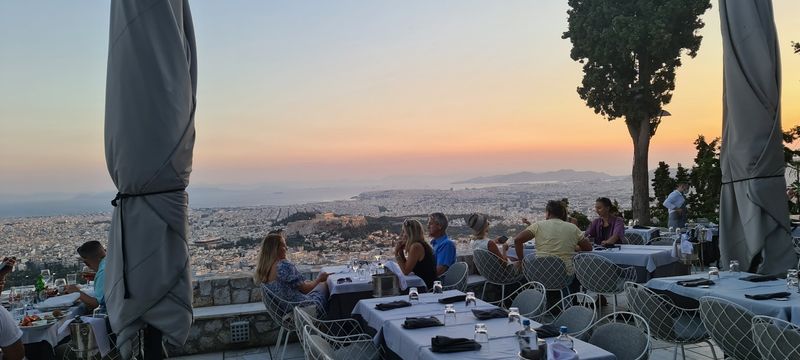
Athens might be the most underrated food city on this entire list, and that is partly because its cooking does not try to dazzle you with technique. It trusts the ingredients instead, and the ingredients here are very, very good.
Souvlaki is the entry point for most visitors, and it is a genuinely excellent one. Skewered pork or chicken charcoal-grilled and wrapped in warm pita with tomato, onion, and tzatziki is one of the most satisfying meals you can eat while standing on a sidewalk.
Gyros, kebabs, and larger charcoal-roasted preparations fill out the street food scene alongside fried cod with garlic dip and cheese pies from corner bakeries.
Traditional tavernas serve meze spreads that turn a simple meal into a long, sociable event. Grilled octopus, white bean soup, stuffed vegetables, and baked lamb dishes all appear on menus that have barely changed in decades, and that consistency is a feature rather than a flaw.
Modern Athenian chefs have also been reworking classic Greek flavors in creative ways without abandoning the core ingredients. Athens proves that a great food city does not need complexity.
It just needs really good olive oil and an open flame.
Share this story