Packing up your life and moving abroad sounds thrilling, but choosing the right destination makes all the difference. Some places offer more than just a change of scenery.
They deliver a whole new way of living, with better food, friendlier communities, and a pace that actually lets you breathe. Whether you are chasing adventure, affordable comfort, or simply a fresh start, these ten destinations are worth your serious attention.
Boquete, Panama
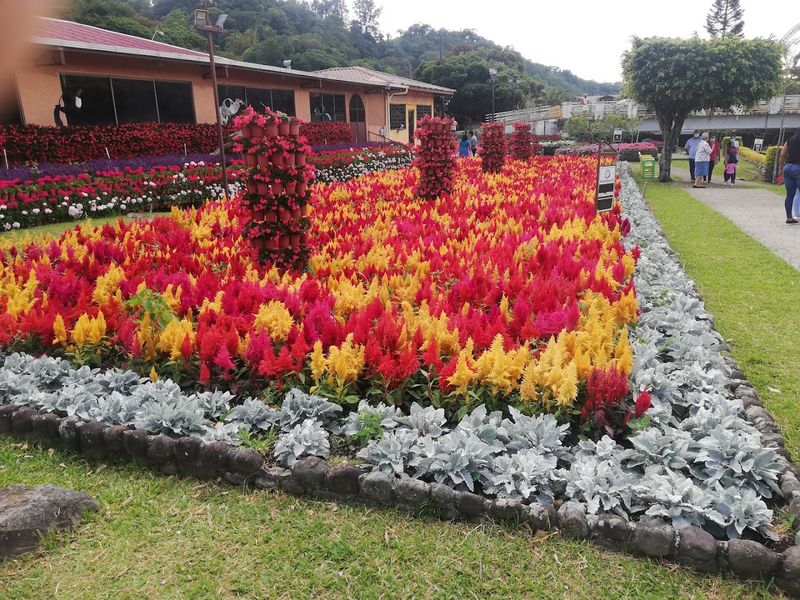
Coffee grows wild on the hillsides here, and the morning air carries a coolness that surprises anyone expecting tropical heat. Boquete sits in Panama’s western highlands, far removed from the coast’s humidity, offering mountain trails, flower festivals, and a pace that feels almost meditative.
Panama ranked first in InterNations’ 2025 expat survey, with 94% of respondents reporting genuine happiness with life there.
The expat community in Boquete is well established, meaning newcomers rarely feel lost. English is widely spoken in shops, medical offices, and social circles.
Panama also uses the US dollar, which removes the stress of currency exchange and makes budgeting far more predictable for Americans and Canadians.
Outdoor enthusiasts find plenty to do year-round, from hiking the Quetzal Trail to visiting the famous Caldera hot springs. Housing costs remain reasonable compared to North America or Europe.
Boquete is genuinely one of those rare places where lower costs and higher quality of life arrive together without compromise.
San Miguel de Allende, Mexico
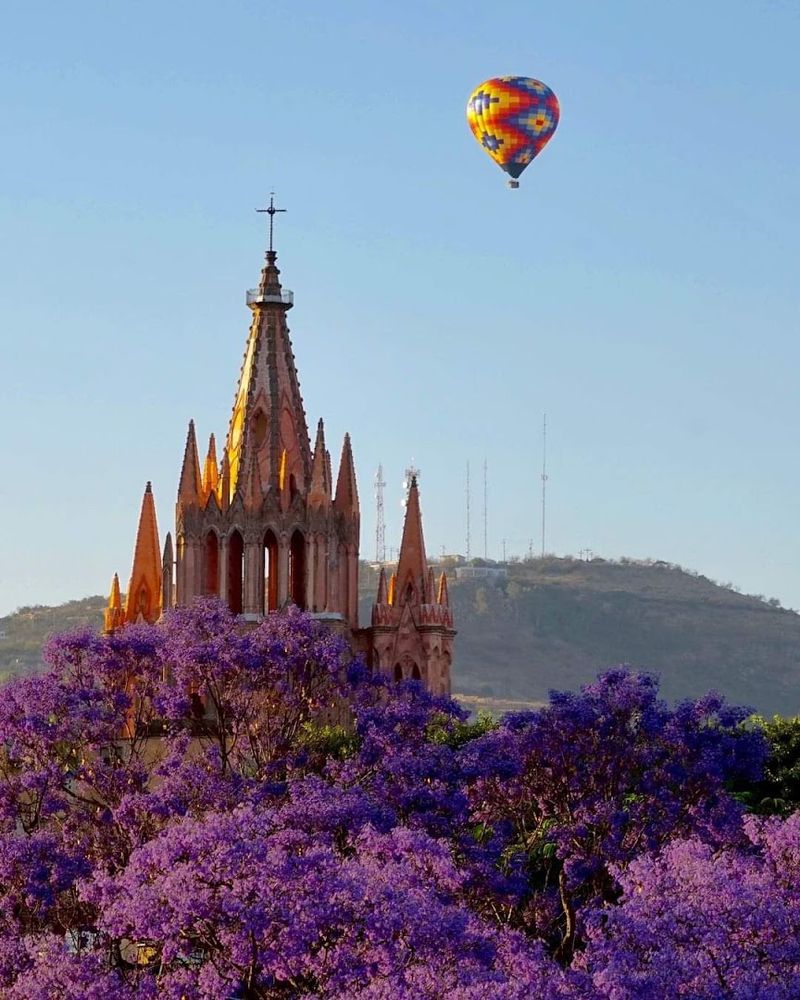
Walk any street here and you will likely hear three languages before reaching the corner. San Miguel de Allende has quietly become one of the most internationally minded small cities in Latin America, drawing artists, retirees, and remote workers from across the globe.
The colonial architecture is genuinely stunning, and it gives daily errands the feeling of a small adventure.
Life here revolves around markets, rooftop restaurants, gallery openings, and weekend festivals that fill the main square with music. Expats often describe settling in as surprisingly easy, thanks to a large, welcoming international community that organizes events, language exchanges, and volunteer opportunities throughout the year.
Mexico consistently earns high marks from expats for its settling-in experience. San Miguel specifically offers a walkable lifestyle that reduces the need for a car, which cuts costs and stress considerably.
Healthcare options are solid, local food is extraordinary, and the city’s altitude of roughly 1,900 meters keeps temperatures comfortable throughout the year. For anyone wanting culture, community, and color all in one place, this city delivers.
Bali, Indonesia
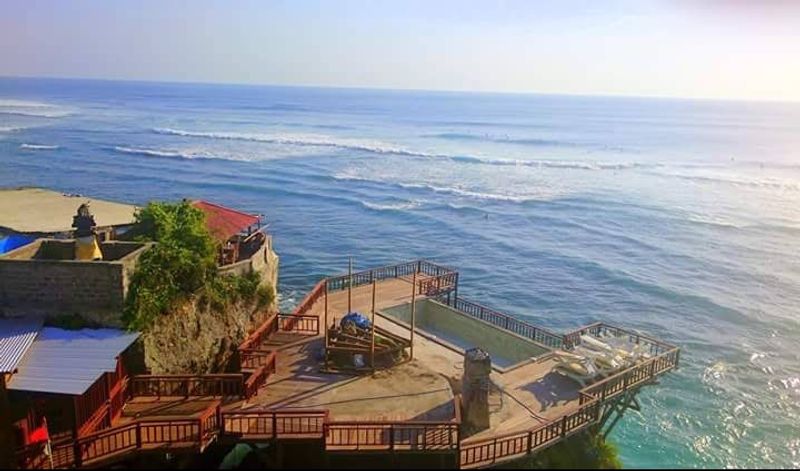
Somewhere between a yoga class and a beachside sunset, Bali manages to make ordinary life feel extraordinary. The island has spent years building an infrastructure that quietly supports expats and remote workers, with reliable coworking spaces, fast internet cafes, and communities organized around wellness, creativity, and shared meals.
Indonesia performed strongly in the 2025 InterNations expat survey, and the numbers reflect what visitors already sense.
Coastal areas like Seminyak and Canggu offer surfing, nightlife, and a buzzing social scene. Head inland toward Ubud, and the atmosphere shifts completely to one of rice terraces, spiritual retreats, and forest walks.
That flexibility is one of Bali’s greatest strengths since you can genuinely shape your daily experience based on your mood and lifestyle preferences.
Food is affordable, fresh, and wildly varied. A satisfying meal from a local warung costs almost nothing, while upscale restaurants serve international cuisine at a fraction of Western prices.
Housing ranges from simple guesthouses to private villas with pools. The visa situation has improved in recent years, with new digital nomad and remote work options making longer stays more accessible than ever before.
Costa del Sol, Spain
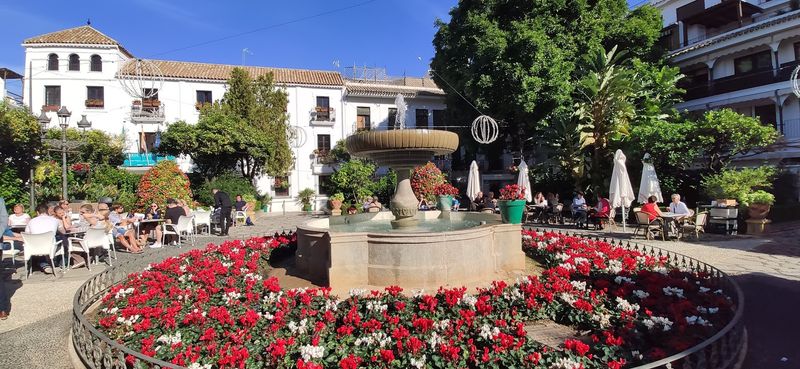
Spain topped the InterNations 2025 quality-of-life rankings, and Costa del Sol makes an extremely convincing case for why. Stretching along southern Spain’s Mediterranean shore, this sun-drenched strip of coastline delivers over 300 days of sunshine annually, which has a genuinely positive effect on mood, socializing, and outdoor living.
Eighty-four percent of expats surveyed said they were happy with their lives there.
Historic towns like Ronda and Marbella offer a mix of Spanish tradition and international flair. Outdoor dining is not just a weekend treat here but a daily ritual, with tapas bars and seafood restaurants spilling onto plazas in every direction.
The food culture alone is enough to justify the move for many people.
Transport connections are excellent, with Malaga serving as a major hub for flights across Europe and beyond. Healthcare is high quality and often far more affordable than in the UK or United States.
Learning Spanish opens even more doors socially, though many coastal towns have large English-speaking communities that make the transition smoother. Property prices vary widely, so renting first before committing to a purchase is generally wise.
Medellin, Colombia
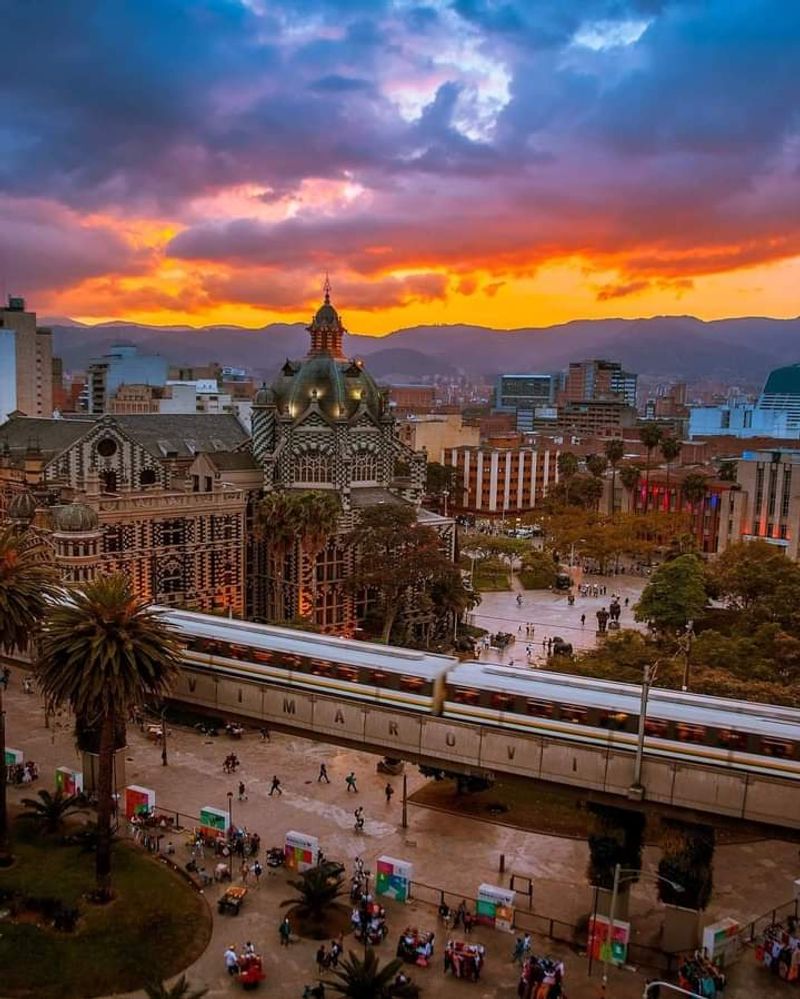
Nicknamed the City of Eternal Spring, Medellin earns that title every single morning when residents wake up to temperatures that hover comfortably between 22 and 28 degrees Celsius year-round. The climate alone draws people in, but what keeps them there is a city that has reinvented itself with impressive energy, modern transit, and genuinely warm local culture.
Colombia ranked solidly in the 2025 InterNations expat survey.
El Poblado is the neighborhood most expats encounter first, packed with international cafes, coworking spaces, gyms, and rooftop bars. Laureles offers a more residential, locally rooted experience with excellent bakeries, cycling paths, and a calmer social atmosphere.
Having both options within the same city gives residents the freedom to choose their comfort level.
The food scene is outstanding and affordable, from fresh arepas at street stalls to creative modern restaurants run by talented young chefs. Public transportation is genuinely impressive for a South American city, with a metro system, cable cars connecting hillside communities, and electric escalators built into steep neighborhoods.
Healthcare costs are low, and the city has an active expat community that runs regular meetups, language exchanges, and cultural events.
Chiang Mai, Thailand
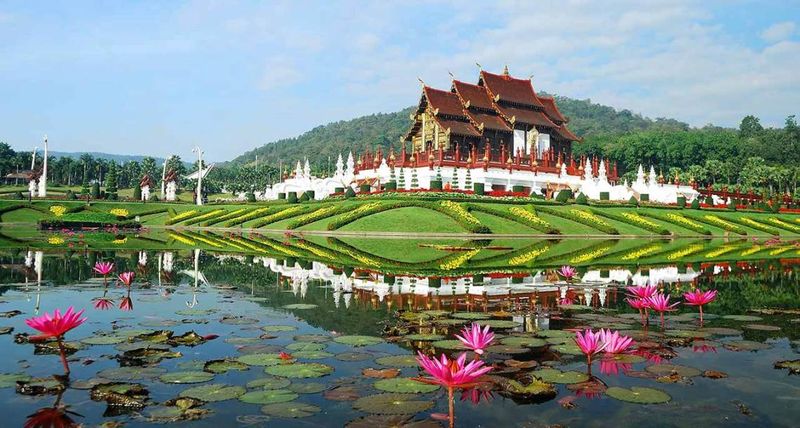
Few cities anywhere balance ancient tradition and modern convenience as effortlessly as Chiang Mai. Buddhist temples sit beside trendy coffee shops, night markets wind through streets lined with massage parlors and bookstores, and the surrounding forested mountains are never more than a short motorbike ride away.
Thailand consistently earns strong praise from expats, and Chiang Mai is often the destination they name specifically.
The remote work community here is one of the most established in all of Southeast Asia. Coworking spaces are plentiful, internet speeds are solid, and the cost of living is low enough that many digital nomads find their monthly expenses drop dramatically after relocating.
A comfortable apartment, regular meals, gym membership, and motorbike rental can all fit within a budget that would barely cover rent in a Western city.
The pace of life is noticeably gentler than Bangkok, yet residents still have access to major hospitals, international supermarkets, and a packed calendar of cultural festivals. The Yi Peng lantern festival alone is worth planning a trip around.
Visas remain a consideration, but Thailand has been expanding its long-term residency options for remote workers and retirees in recent years.
Da Nang, Vietnam
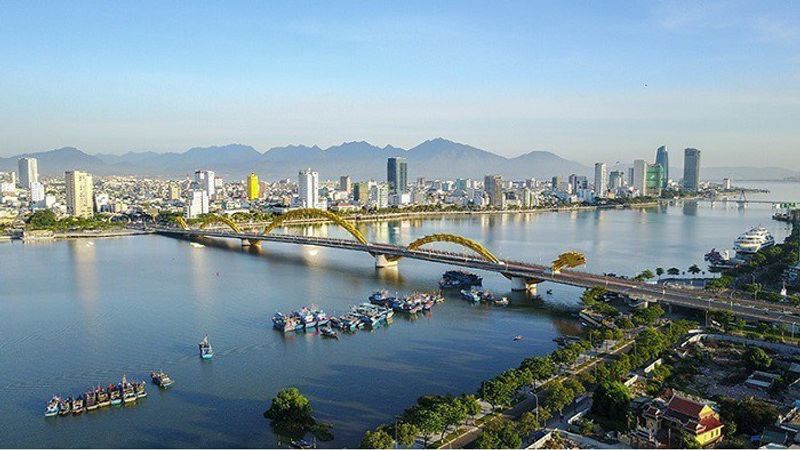
Waking up to a long, empty stretch of white sand is not a vacation fantasy in Da Nang. It is Tuesday morning.
This Vietnamese coastal city offers something genuinely unusual: the convenience of a modern urban center combined with direct beach access and some of the most beautiful natural surroundings in Southeast Asia. The Son Tra Peninsula, Marble Mountains, and the ancient town of Hoi An are all within easy reach.
Food here is a serious highlight. Da Nang is known across Vietnam for its regional specialties, including mi quang noodles and banh xeo crispy pancakes, available from street stalls that cost almost nothing.
International dining options have expanded significantly as the expat and tourist population has grown, so variety is never a problem.
The cost of living is lower than in Ho Chi Minh City or Hanoi, while the quality of life arguably exceeds both. Beach clubs, water sports, cycling trails, and weekend markets fill free time easily.
Internet infrastructure has improved considerably, making remote work increasingly practical. Vietnam is extending its e-visa options, and long-stay arrangements are becoming more accessible for those planning to put down roots.
Penang, Malaysia
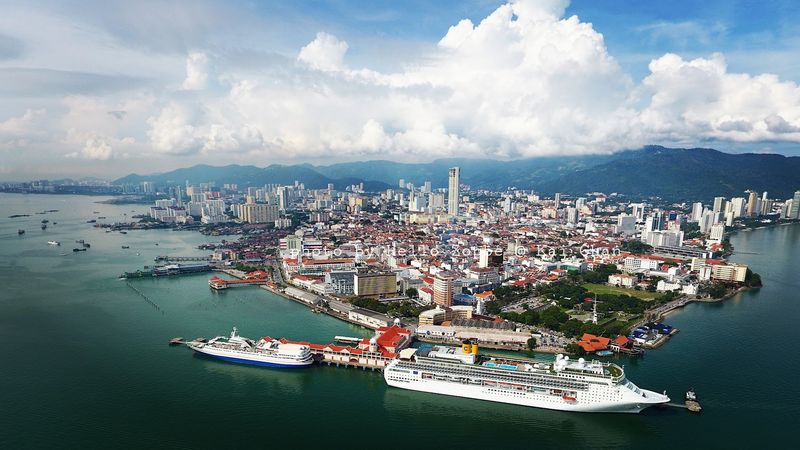
Street food in Penang is not just a meal option. It is practically a civic religion.
George Town’s hawker stalls have earned international recognition for dishes like char kway teow, asam laksa, and nasi kandar, served at prices that make dining out a daily pleasure rather than an occasional treat. Tourism Malaysia highlights the island’s Malay, Chinese, Nyonya, and Western food culture as among Southeast Asia’s finest.
Beyond the food, Penang blends tropical island living with a level of urban sophistication that surprises first-time visitors. George Town’s UNESCO-listed heritage zone is genuinely walkable, with colonial architecture, temple-lined lanes, famous street art installations, and independent bookshops around every corner.
The multicultural atmosphere feels relaxed and genuinely inclusive.
Healthcare is a major draw for expat families and retirees. Penang has well-regarded private hospitals that attract medical tourists from across the region, offering high standards at a fraction of Western costs.
The Malaysia My Second Home program has historically made long-term residency accessible, though terms have shifted over the years. Housing is affordable, beaches are accessible, and the international community is active, well-organized, and consistently welcoming to newcomers.
Costa Rica’s Pacific Coast

Howler monkeys are a more reliable alarm clock here than any phone app. Life along Costa Rica’s Pacific coast operates on a rhythm set by tides, wildlife sightings, and afternoon rain showers that cool everything down beautifully.
Official tourism resources describe the country as a balance of adventure, relaxation, local traditions, and sustainability, and the Pacific coast captures all four in one stretch of shoreline.
Communities like Tamarindo, Nosara, and Jaco attract surfers, yoga practitioners, families, and retirees seeking an outdoor-centered lifestyle that remains relatively affordable by North American standards. Volcanoes, rainforest reserves, and protected wildlife corridors are all within manageable driving distance, making weekend adventures a genuine weekly possibility rather than a rare event.
Costa Rica has long attracted expats with its stable democracy, functioning healthcare system, and relatively straightforward residency programs including the popular Pensionado category for retirees with regular income. The country’s strong environmental commitments also appeal to people who care about sustainability.
Internet infrastructure has improved across much of the Pacific coast, making remote work increasingly viable even in smaller beach towns that once felt off the grid.
Mauritius

An island that fits its entire coastline, mountain interior, waterfalls, and multicultural city life into a space smaller than Rhode Island sounds almost too convenient to be real. Mauritius genuinely pulls it off.
The Indian Ocean location delivers the kind of scenery most people only see on screensavers, while the island’s compact size means switching between beach communities and inland attractions takes under an hour by car.
The west coast is particularly popular with expats, known for calm lagoons ideal for snorkeling and diving, spectacular sunsets, and a relaxed social atmosphere centered around beach clubs and seafood restaurants. Cultural variety adds richness to daily life, with Indian, African, French, and Chinese influences visible in the food, architecture, festivals, and local customs throughout the year.
Mauritius has actively courted foreign residents with programs like the Premium Visa, which allows remote workers and retirees to stay for up to a year with straightforward renewal options. Property investment pathways exist for those seeking longer-term residency.
Healthcare quality is respectable, English is widely spoken alongside French and Creole, and the overall safety record is strong. For expats wanting island life without sacrificing modern conveniences, Mauritius sits in a category largely its own.
Share this story