Brazil has more coastline than most people can picture, and the famous spots get all the attention. Tucked away from the crowds are beaches that take a hike, a boat ride, or a bumpy drive to reach.
The effort pays off with quiet sand, clear water, and wild scenery. Here are ten places that deserve a spot on your map.
Lagoinha do Leste Beach
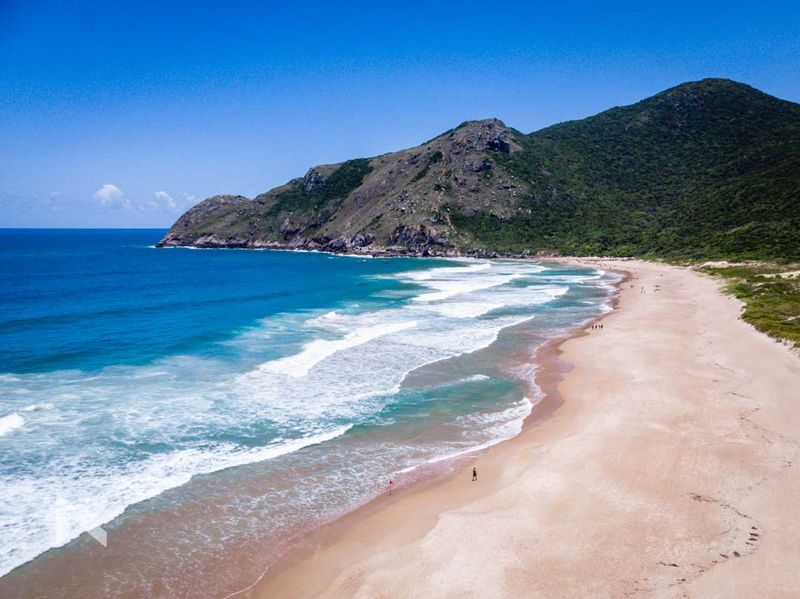
Sweaty boots, burning legs, and a jaw-dropping view at the end. That is the deal at Lagoinha do Leste, a remote beach on the southern side of Santa Catarina Island.
No road leads here, so a footpath is the only way in.
The hike takes about one to two hours, and many locals call it one of the best on the island. You can choose a longer, gentler route in, then take the steeper path back out.
Wear shoes with good grip, because the trail can get rough in spots.
Mountains surround the sand, and the area is protected as a nature conservation site. That keeps the place wild and free of beach bars and rows of chairs.
It feels like a secret that Florianopolis has been keeping for itself.
Pack water, snacks, and a bag for your trash, since nothing is waiting for you at the end of the trail. Start early so you have plenty of daylight to enjoy the beach and still hike out comfortably.
Bring a swimsuit and a towel, and you are set for a very good day.
Praia Do Caxadaço
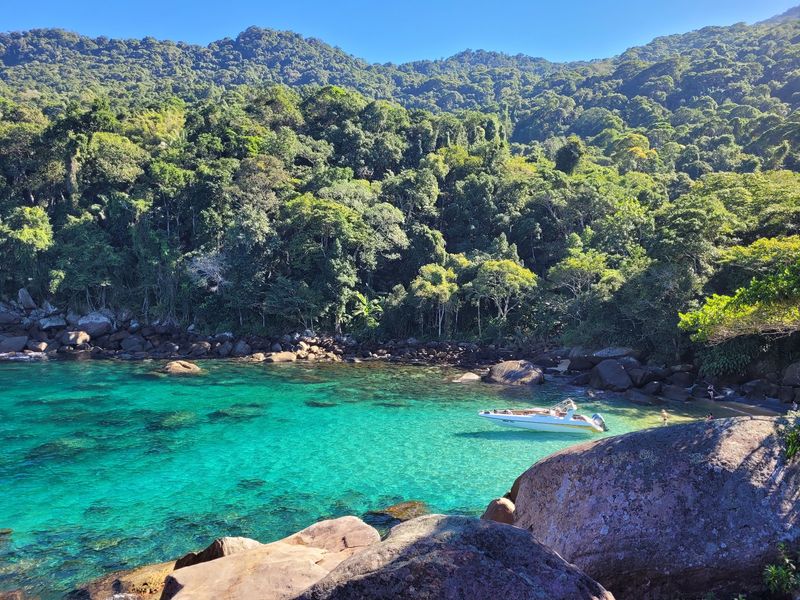
Big rocks, bigger views. Praia do Caxadaço is a snug cove inside Ilha Grande State Park, and its giant boulders are the main attraction.
Climb up, look around, and you will see crystal clear water on one side and untouched rainforest on the other.
The shoreline is small, which gives the beach a cozy feel. The water is clear and inviting, and the setting is wild in the best way.
Families will find it a good fit for kids, though the rocks call for careful footing.
Timing matters here. Sunday brings the biggest crowds, with Friday night also busy.
Weekday afternoons and Tuesdays are much calmer, so plan around them if you want more space.
The beach is open around the clock, but daylight is the smart choice for scrambling over rocks. Bring sturdy sandals, a camera, and plenty of water.
You can also check the Ilha Grande tourism website for local details before you go, since the island runs on boat schedules and weather.
Praia do Satu
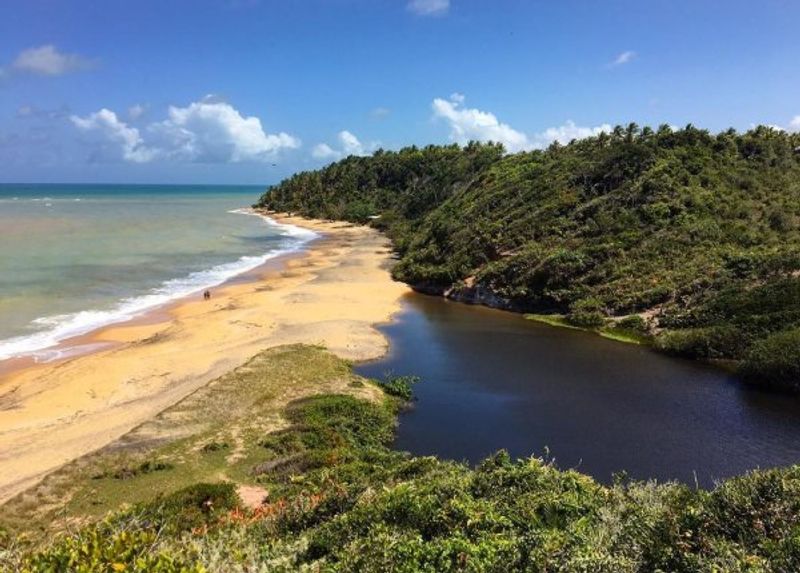
Coconut palms sway, lagoons shimmer, and hardly anyone is around. Praia do Satu sits in the Porto Seguro area of Bahia, close to the rustic village of Caraíva.
It feels like a postcard that nobody has mailed yet.
You reach it on foot along the coastline, so the walk is part of the adventure. Visitors find it very natural and well worth the effort.
The sea is a stunning blue, and the sand is soft and clean.
Three lovely lagoons with fresh, clear water sit behind the beach. They make a nice change from salty waves, especially when the sun is strong.
Kids can enjoy the calm water, and the beach is a good choice for families who do not mind walking.
There is a restroom nearby, which is a rare perk in such a wild place. Still, bring your own water, snacks, and sunscreen.
Leave early enough to stroll back before dark, and carry out whatever you carry in so the beach stays beautiful.
Broken Car Beach
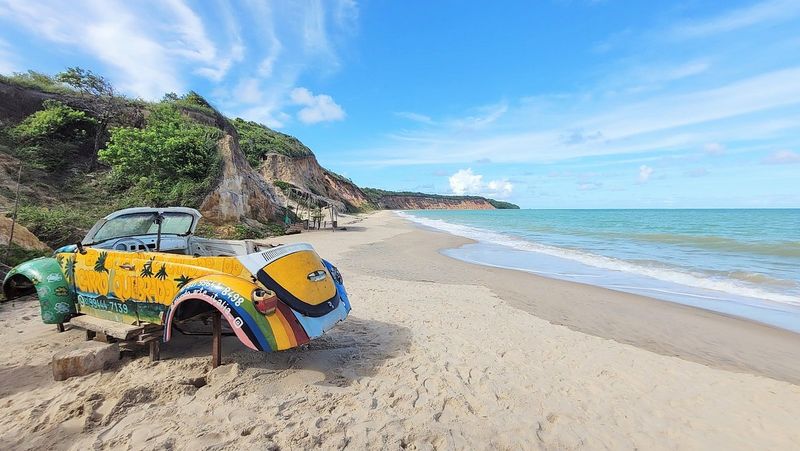
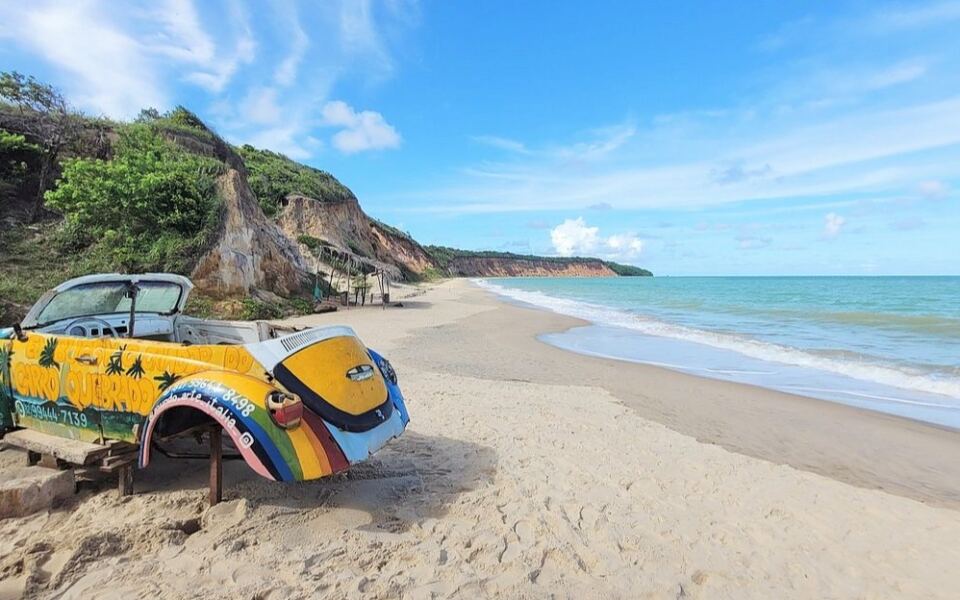
The name sounds like bad news, but the scenery is anything but. Broken Car Beach sits in Vila São Pedro, in Barra de Santo Antônio, on Brazil’s northeastern coast.
Colored sandstone cliffs frame the shore and give it a look all its own.
Getting there is part of the story. Dirt tracks and sand trails lead the way, and the ride can be bumpy.
A small rental car can manage when the ground is dry, but after rain the mud can turn a short trip into a headache.
Check the weather before you head out. If the trails look soft or wet, a sturdier vehicle or a local driver is the wiser choice.
Patience and a slow pace go a long way on these roads.
The beach is open all day and night, though daylight is best for both safety and views. Bring water, snacks, and sun protection, because services are limited.
The rough road keeps crowds small, which means you may have plenty of room to wander and take photos.
Praia do Patacho – Rota Ecológica dos Milagres
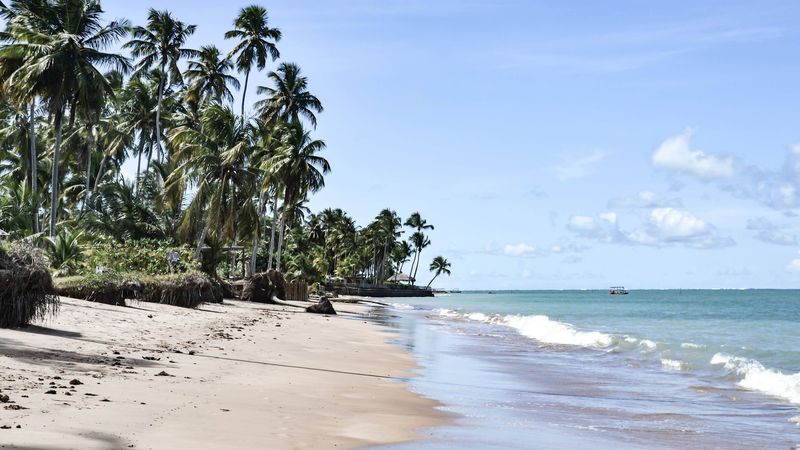
Quiet is the main attraction at Praia do Patacho. It lies along the Rota Ecológica dos Milagres in Porto de Pedras, Alagoas, a stretch of coast known for its easy, slow pace.
Even on weekends, the beach is usually not busy.
Coconut groves line the shore, giving shade and a tropical look. Offshore, extensive coral reefs shape the sea and create calm natural pools.
When the tide is right, the water turns into a shallow, clear playground.
Tide times matter, so ask locals before you plan your swim. Calm pools are lovely for floating and wading, but reefs can be sharp.
Water shoes are a smart idea, and so is a gentle approach to the coral, which should never be touched or taken.
Plan to stay a while. The area suits travelers who want to read, nap, and watch the water change colors.
Bring sunscreen, a hat, and cash for small purchases, and enjoy a part of Brazil that has not been rushed.
Bonete Beach
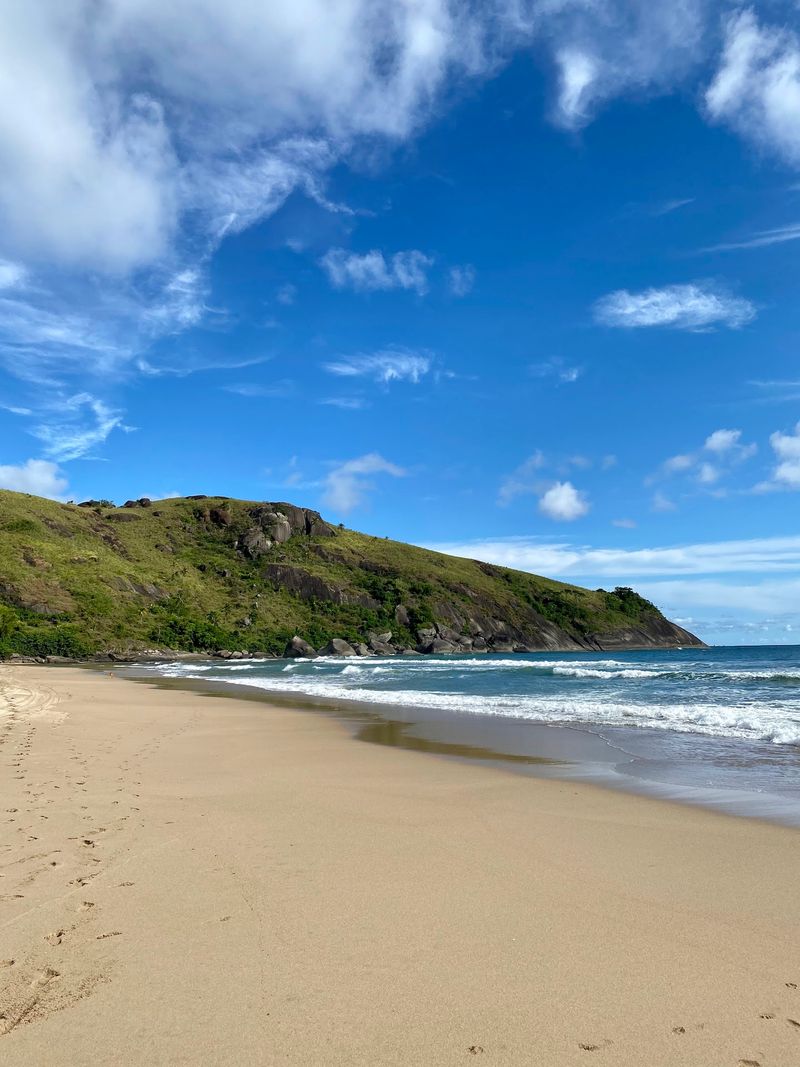
Twelve kilometers of trail stand between you and Bonete Beach. It sits on the isolated southern shore of Ilhabela, in São Paulo state, and it rewards the effort with surf and scenery.
Prefer to skip the long walk? Boat rides will get you there too.
The hiking trail cuts through Atlantic coastal forest and passes waterfalls along the way. Two of them are on the path, and a third waits near the beach.
Bring a swimsuit so you can cool off before the final stretch.
Once you arrive, the waves are nice for surfing, and boards are available for hire. Swimmers can enjoy the water too, though conditions change, so watch the sea first.
A pleasant backpackers hostel nearby gives hikers a place to rest.
Start early, wear good shoes, and carry plenty of water. The trail is long, and shade comes and goes.
Check boat times if you plan a one-way hike, so you are not stuck deciding at sunset.
Praia do Aventureiro
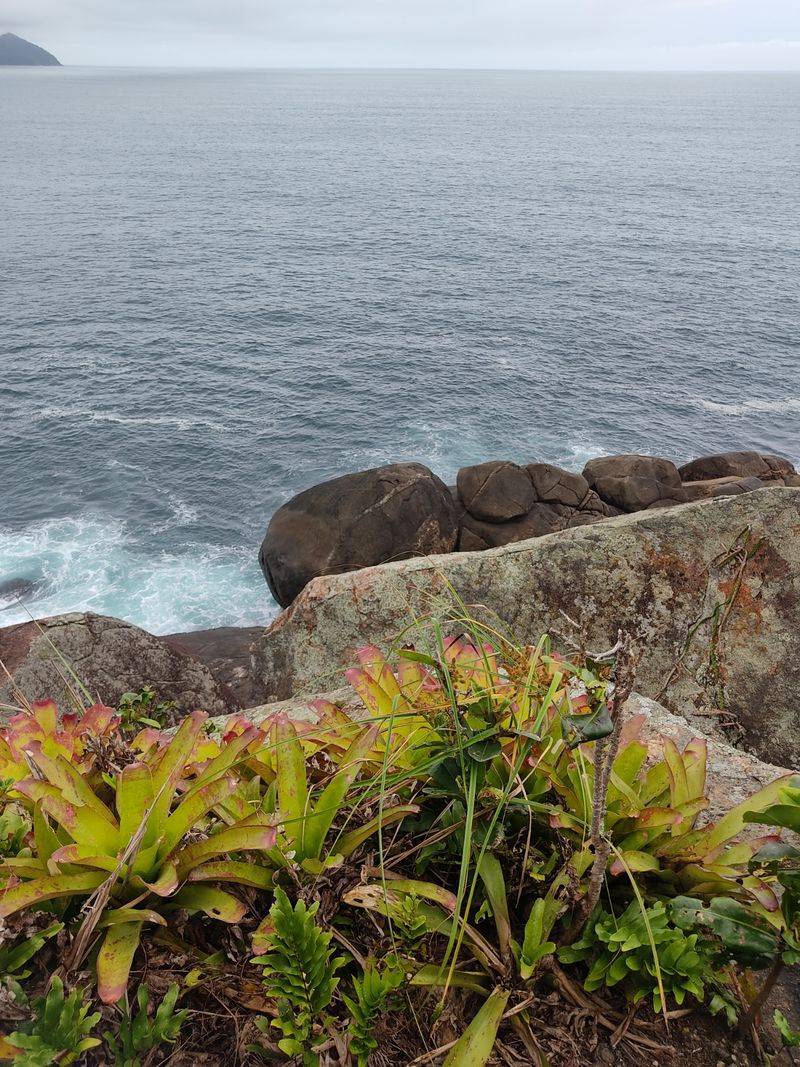
One palm tree leans so far it has become a celebrity. The coqueiro deitado, or lying coconut tree, is the signature sight at Praia do Aventureiro on Ilha Grande.
It bends over the sand as if posing for photos.
This beach lies inside a maritime biological reserve zone in Angra dos Reis. Standard vehicles cannot reach it, and access is strictly regulated to protect nature.
That is why the shoreline feels unspoiled and wild.
Surf breaks add some energy to the scene. The waves here can be strong, so swim with care and watch the water before you wade in.
Spectators will have a fine time just watching the surf roll in.
Plan ahead, because rules and boat access can change with conservation needs. Ask local operators what is allowed before you travel.
Bring water, a camera, and respect for the reserve, and you will leave with great photos and a clear conscience.
Barra dos Remédios
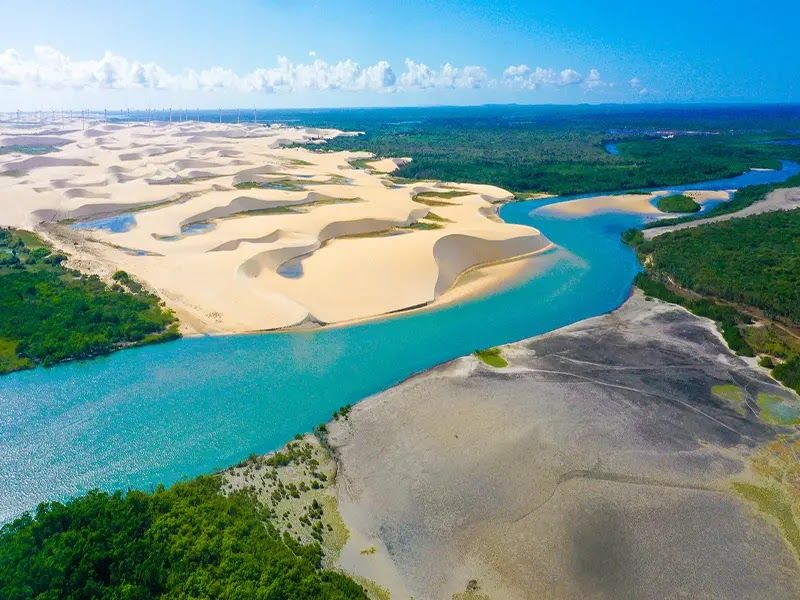
Buggy engines, sand spray, and a big grin: that is how many visitors reach Barra dos Remédios. This beach in Camocim, on the remote coast of Ceará, sits where rolling desert dunes meet river waters.
The mix of sand and water makes the view unusual.
Most people arrive on off-road 4×4 or buggy excursions across untouched dunes. Local companies run tours, and booking tickets in advance is recommended.
It is a smart move, especially on busy days.
The beach is open all day, and it welcomes families. It is also known as an LGBTQ+ friendly spot and a safe space for transgender visitors.
Crowds peak on Sunday mornings and some afternoons, while Thursday mornings and Tuesday nights are quieter.
Bring sunglasses, because wind and sand can sting. A hat, water, and sunscreen are also useful.
Ask your driver for photo stops along the dunes, then relax at the water’s edge before heading back.
Praia do Cedro
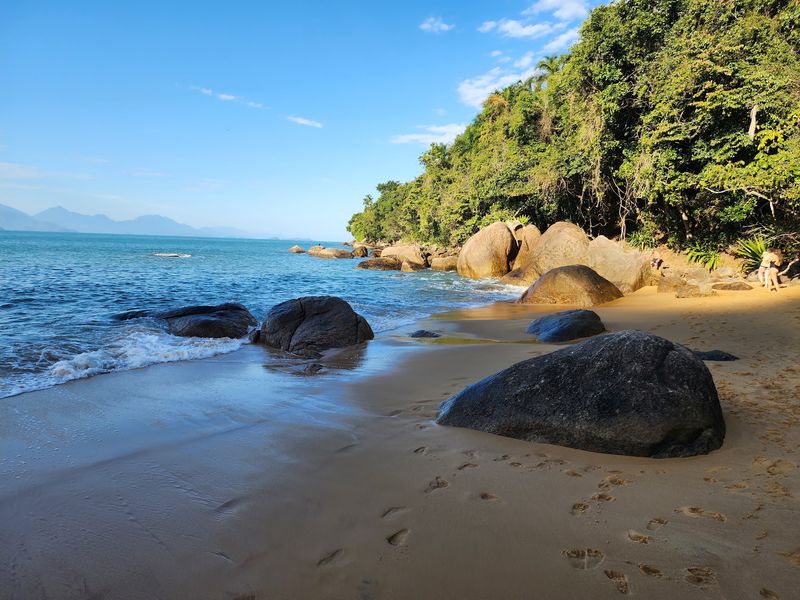
Silence is the loudest thing at Praia do Cedro. This remote beach on the coast of Ubatuba, São Paulo, feels calm from the moment you arrive.
The sea has a deep, dark green color, and boulders ring the shore.
You can get here by boat or by a steep downhill trail. The path is short on distance but tough on knees, especially on the way back up.
Good shoes and a bit of patience will help.
Once you settle in, the beach is clean, the water is clean, and nobody is trying to sell you anything. That makes it a peaceful place for reading, swimming, and doing nothing at all.
Bring everything you need, including water and snacks. Take your trash home so the beach stays tidy.
For local travel information, the Ubatuba tourism website is a handy place to check before you go.
Praia do Sono
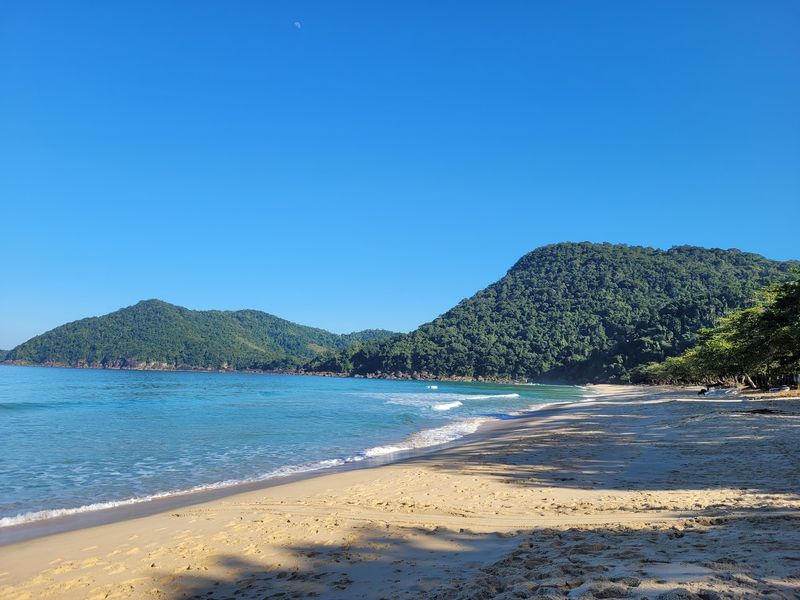
Its name means sleep beach, and the pace here lives up to it. Praia do Sono lies on the coastal trail network of Paraty, in Rio de Janeiro state.
White sand, calm water, and green mountains make it a peaceful stop.
Small boats carry visitors to this secluded spot, and hiking trails lead there as well. The Serra da Bocaina mountains rise behind the shore, giving the beach a dramatic backdrop.
It is the kind of view that makes people slow down.
Trails are a fun way to arrive if you like walking. Boat trips make the trip easier if your legs need a break.
Either way, check conditions first, because weather and sea can change travel plans.
You can visit the beach’s website to learn more before heading out. Pack water, sunscreen, and a light snack, and bring a bag for trash.
Then pick a spot on the sand, kick off your sandals, and let the name do its work.
Share this story