If your ideal vacation never includes packing a heavy jacket, these destinations deserve a spot on your travel list. Thanks to tropical latitudes, ocean currents, or consistently mild climates, these places enjoy warm temperatures throughout the year, making them perfect for beach vacations, outdoor adventures, and sunshine in every season.
Whether you love surfing at sunrise, exploring colorful streets, or simply relaxing under a palm tree, warm-weather destinations offer something special no matter when you visit. Get ready to discover ten incredible places where winter is basically just a word in the dictionary.
Honolulu, Hawaii, USA
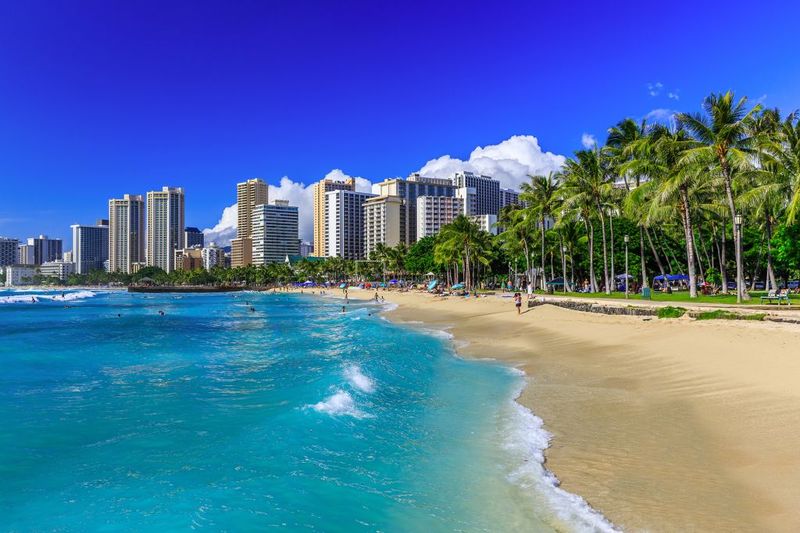
Waking up in Honolulu feels like the weather forgot to add a “bad day” setting. This Hawaiian capital sits in the middle of the Pacific Ocean and enjoys one of the most stable tropical climates on the planet.
Daytime temperatures hover comfortably between the upper 70s and mid-80s Fahrenheit all year long.
Diamond Head, the famous volcanic crater, watches over golden beaches like Waikiki, where swimmers and surfers share the same warm, crystal-clear water in January and July alike. The city blends Polynesian culture, American convenience, and stunning natural scenery into one unforgettable package.
You can hike a volcano in the morning and snorkel a coral reef by afternoon.
Rain showers do pop up occasionally, but they tend to be brief and refreshing rather than the soaking kind that ruins a day. The northeast trade winds keep things breezy and comfortable even during the warmest months.
Honolulu also hosts some of the world’s best farmers markets, food trucks, and oceanfront restaurants. For travelers chasing endless summer, this city delivers it with a flower lei and a smile.
San Diego, California, USA
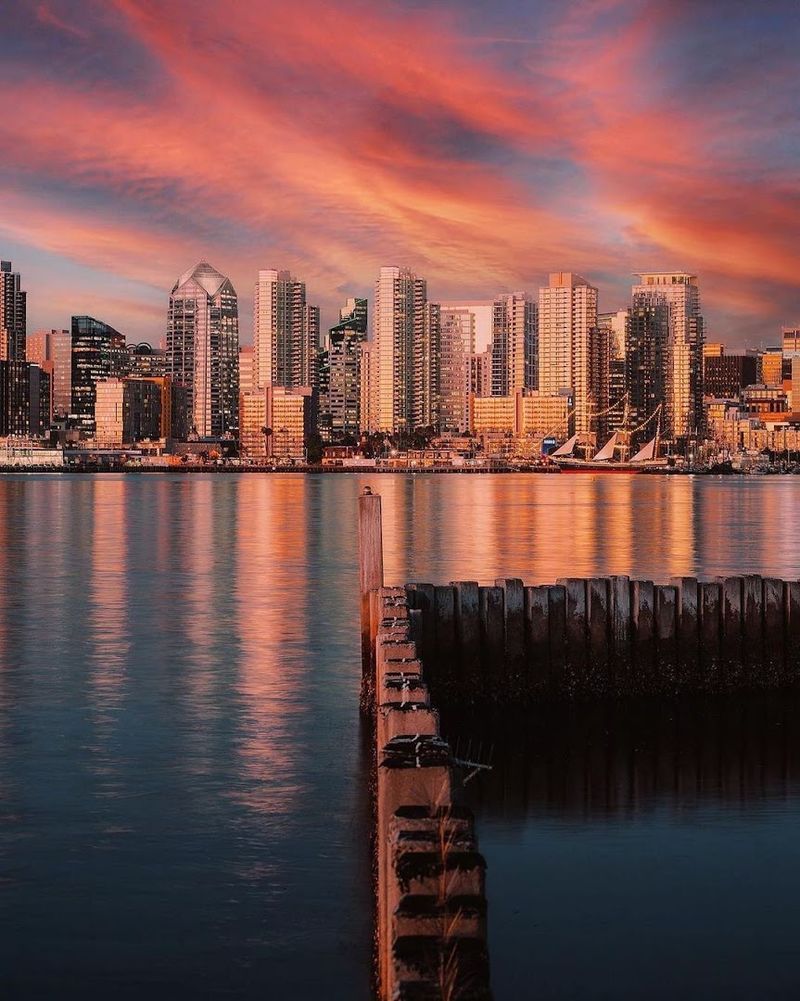
San Diego has a reputation so good that locals jokingly call its weather “the reason everyone moves here.” Sitting along Southern California’s coast, this city experiences mild temperatures almost every single day of the year, rarely dipping below 50°F in winter or climbing past 85°F in summer. That kind of consistency is genuinely rare.
The Pacific Ocean acts like a giant natural thermostat, cooling hot summer air and warming cool winter breezes. Neighborhoods like Pacific Beach, Ocean Beach, and La Jolla offer surfers, paddleboarders, and sunbathers the same gorgeous conditions in February as they do in August.
The city also boasts world-class attractions like the San Diego Zoo and Balboa Park.
Foodies love San Diego for its incredible taco scene, fresh seafood, and thriving craft beer culture. The city’s outdoor dining scene practically never closes because the weather almost never gives a reason to stay inside.
Hikers enjoy trails through Torrey Pines State Natural Reserve, where coastal bluffs meet the ocean in dramatic fashion. San Diego proves that perfect weather and a great city can absolutely coexist without compromise.
Canary Islands, Spain
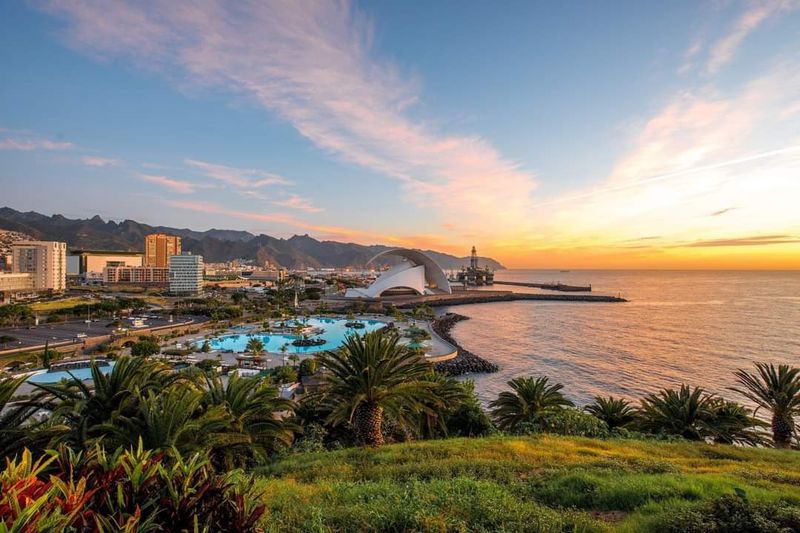
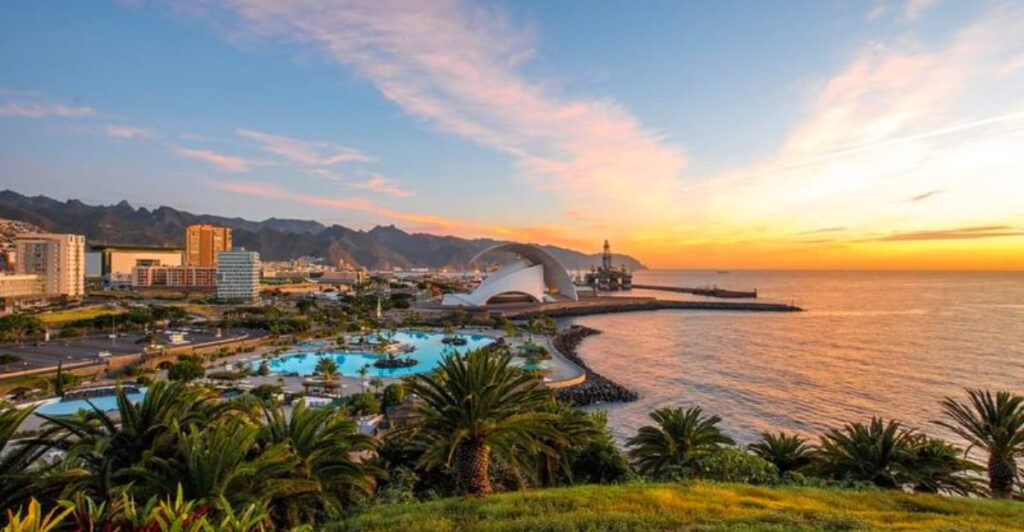
Nicknamed the “Islands of Eternal Spring,” the Canary Islands pull off a climate trick that most European destinations can only dream about. Perched off the northwest coast of Africa but technically part of Spain, this archipelago enjoys warm, sunny weather every month of the year.
Average temperatures sit between a comfortable 64°F in winter and 82°F in summer.
Tenerife is home to Mount Teide, Spain’s tallest peak and a UNESCO World Heritage Site that looks like it belongs on another planet. Gran Canaria offers dramatic sand dunes that feel straight out of the Sahara, while Lanzarote features black volcanic landscapes unlike anything else in Europe.
Each island has its own personality, making the whole group worth exploring.
Kitesurfers flock to Fuerteventura, widely considered one of the world’s top windsurfing spots thanks to reliable Atlantic trade winds. The food scene blends Spanish and African influences into something wonderfully unique, with fresh seafood dominating nearly every menu.
Because these islands sit south of the typical storm track, extreme weather is genuinely rare. Europeans have been escaping here for decades, and once you visit, the appeal becomes immediately obvious.
Bali, Indonesia
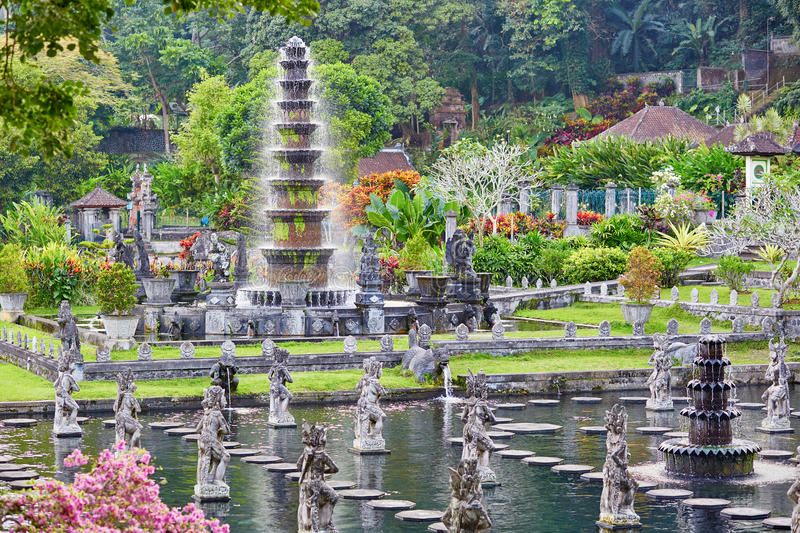
Bali smells like incense, frangipani flowers, and salt air all at once, and somehow that combination perfectly captures what this island is all about. Temperatures on this Indonesian gem stay warm year-round, typically ranging between 80 and 89 degrees Fahrenheit.
Even during the wet season, mornings are usually sunny before afternoon showers cool everything down briefly.
The dry season runs from May through September and is considered the best time to visit for beach lovers and surfers chasing consistent waves at spots like Uluwatu and Seminyak. However, the wet season brings lush, intensely green rice terraces and fewer tourists, which has its own appeal.
Bali genuinely rewards visitors no matter the month.
Beyond beaches, Bali offers ancient Hindu temples, world-class yoga retreats, and one of the friendliest local cultures anywhere in Southeast Asia. Ubud, the cultural heart of the island, sits inland among jungle-covered hills and is packed with art galleries, healing centers, and excellent restaurants.
The food scene here is extraordinary, blending traditional Balinese cooking with international influences. Budget travelers and luxury seekers both find Bali welcoming, affordable, and endlessly photogenic from the first day to the last.
Cartagena, Colombia

Cartagena is the kind of city where the walls themselves tell stories. This Colombian Caribbean gem is wrapped in centuries-old colonial fortifications, painted in every shade of yellow, pink, and turquoise imaginable.
It also happens to enjoy some of the most consistently warm weather in all of South America, with daytime highs regularly reaching 86 to 90 degrees Fahrenheit.
The city sits close enough to the equator that seasonal temperature swings are almost nonexistent. Visitors exploring the cobblestone streets of the walled city, known as Ciudad Amurallada, quickly discover why UNESCO gave it World Heritage status.
Horse-drawn carriages, flower-crowned vendors called palenqueras, and live salsa music around every corner create an atmosphere that feels completely alive.
Just outside the city, the Rosario Islands offer some of Colombia’s clearest turquoise water and best snorkeling. The local food scene is a Caribbean-Colombian fusion that leans heavily on coconut rice, fresh fish, and fried plantains.
Nightlife here is legendary, with open-air bars and rooftop clubs that run well past midnight every weekend. Cartagena somehow manages to be a history lesson, a beach vacation, and a party destination all at the same time, without breaking a sweat.
Cape Verde
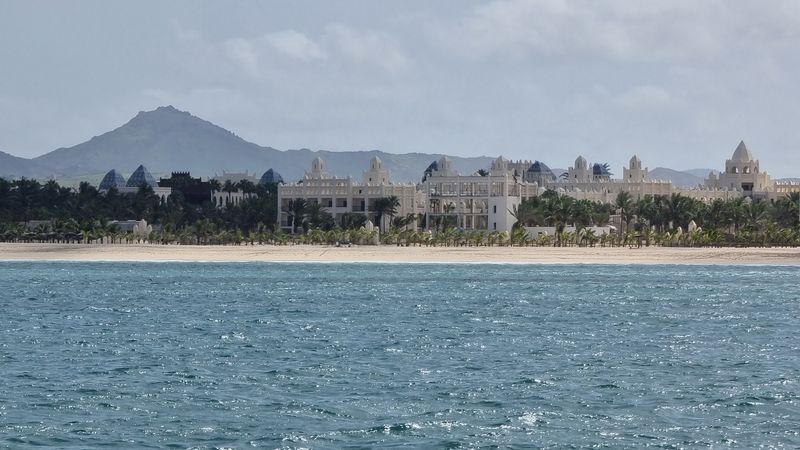
Floating in the Atlantic Ocean about 570 kilometers off the coast of West Africa, Cape Verde is one of those destinations that feels like a well-kept secret even though it absolutely should not be. This archipelago of ten volcanic islands enjoys sunshine for roughly 350 days a year, with temperatures staying between a pleasant 72°F in winter and 86°F in summer.
The constant northeast trade winds make even the hottest days feel manageable.
Sal and Boa Vista are the most popular islands for beach lovers, offering mile after mile of white sand beaches that would look completely at home in the Caribbean. Kitesurfers and windsurfers travel from all over the world to ride the reliable Atlantic winds, particularly around Santa Maria on Sal Island.
The conditions here are genuinely world-class for wind sports.
For hikers and adventure seekers, the island of Santo Antao offers dramatic mountain valleys, lush green gorges, and challenging trails that feel worlds away from the sandy beach islands. The local music style called morna, a soulful and melancholic genre, is the heart of Cape Verdean culture and worth experiencing live.
Seafood, grogue (local rum), and warm hospitality round out an island experience that stays with visitors long after they leave.
Koh Lanta, Thailand
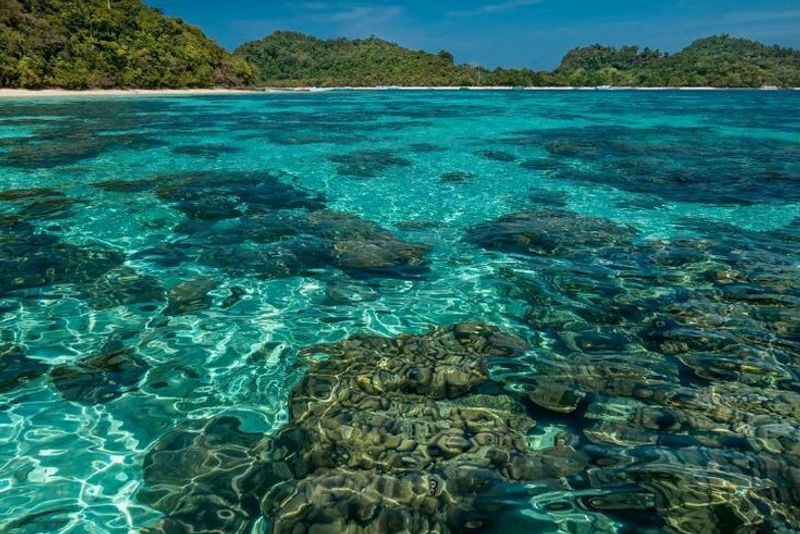
Thailand has no shortage of beautiful islands, but Koh Lanta has a relaxed, unhurried energy that sets it apart from its more crowded neighbors. Located in the Andaman Sea off Thailand’s southern coast, this island keeps temperatures at a tropical 87 degrees Fahrenheit on average, making it warm enough for beach days virtually every month.
Even during the shoulder season, sunny mornings are common before afternoon clouds roll in.
Long Beach and Klong Dao Beach are favorites among families and couples looking for calm, swimmable water and plenty of space to spread out. The island’s laid-back vibe means you are more likely to find a hammock strung between palm trees than a noisy beach club blasting music.
That said, the restaurant scene punches well above its weight, with fresh seafood, Thai curries, and smoothie bowls lining the main road.
Koh Lanta is also a fantastic base for exploring nearby islands and dive sites, including the famous Koh Ha and Hin Daeng underwater pinnacles. Sea kayaking through mangrove forests and visiting the Old Town area, a charming village with stilted wooden shophouses over the sea, add cultural depth to what could easily be a pure beach holiday.
The island earns its loyal repeat visitors every single year.
Mirissa, Sri Lanka
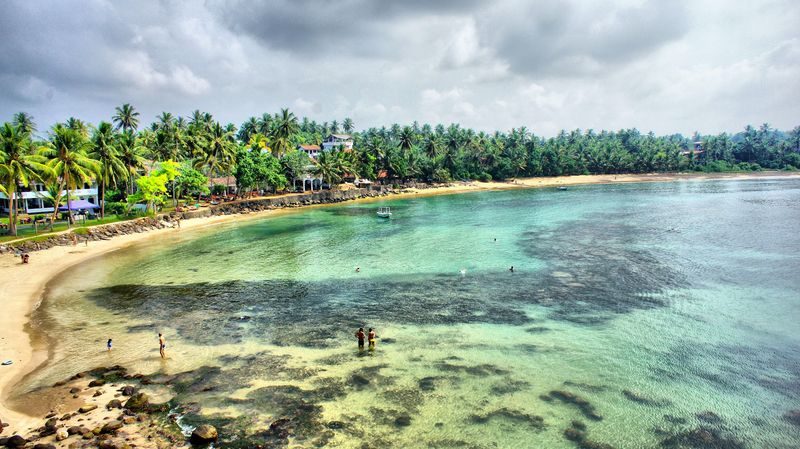
There are very few places in the world where you can surf in the morning and watch blue whales breach offshore in the afternoon, but Mirissa, Sri Lanka, is one of them. This small beach town on the island’s southern coast stays warm and tropical all year, with temperatures typically sitting between 84 and 89 degrees Fahrenheit.
The Indian Ocean wraps around it like a warm blanket in every season.
Sri Lanka’s southern coast is divided into two overlapping tourist seasons, meaning Mirissa rarely has a true off-season. When the southwest monsoon brings bigger swells from May through October, surfers love the waves near the famous Parrot Rock.
During the calmer months from November through April, whale-watching boats head out at dawn to spot blue whales and sperm whales in the open ocean.
The beach itself is a crescent of golden sand lined with palm trees and small guesthouses serving fresh coconut and grilled fish. Sri Lankan cuisine in this region leans heavily on coconut milk, curry leaves, and incredibly fresh seafood, making every meal an event.
The town also has a genuinely welcoming local community that makes travelers feel comfortable without being overwhelmed. Mirissa is the kind of place that quietly turns a one-night stopover into a week-long stay.
Singapore
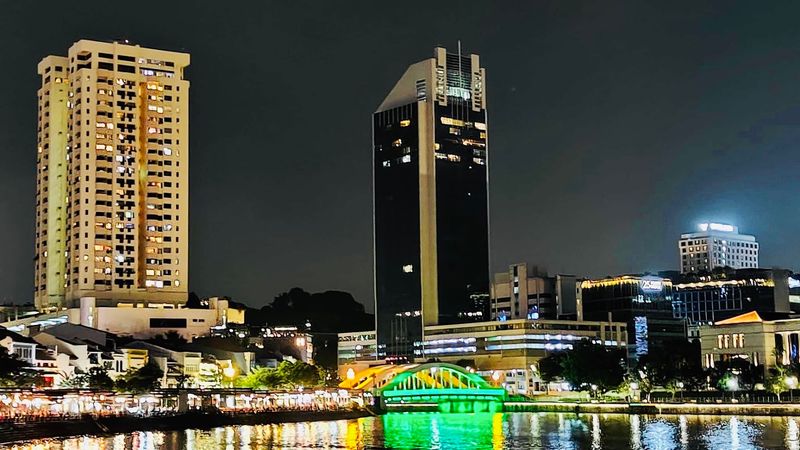
Singapore sits just one degree north of the equator, which means the concept of winter is entirely theoretical here. Temperatures hover between 77 and 91 degrees Fahrenheit every single day of the year, and the city is warm, humid, and lush in every month without exception.
Brief tropical rainstorms pass through regularly, but they rarely last more than an hour before the sunshine returns.
What makes Singapore extraordinary is how it pairs that tropical warmth with one of the world’s most impressive urban environments. The futuristic Gardens by the Bay, with its towering Supertree structures and climate-controlled biomes, is one of the most jaw-dropping attractions in all of Asia.
The famous Marina Bay Sands hotel, with its rooftop infinity pool, has become one of the most recognizable skylines on earth.
Food is practically a religion in Singapore, with hawker centers serving some of the most affordable and delicious meals anywhere in Southeast Asia. Dishes like Hainanese chicken rice, laksa, and char kway teow are must-tries that locals and tourists argue passionately about.
Despite being one of the world’s most expensive cities for expats, budget travelers can eat incredibly well for just a few dollars. Singapore rewards curious visitors who look beyond the glittering skyscrapers to find its vibrant cultural neighborhoods.
Aruba
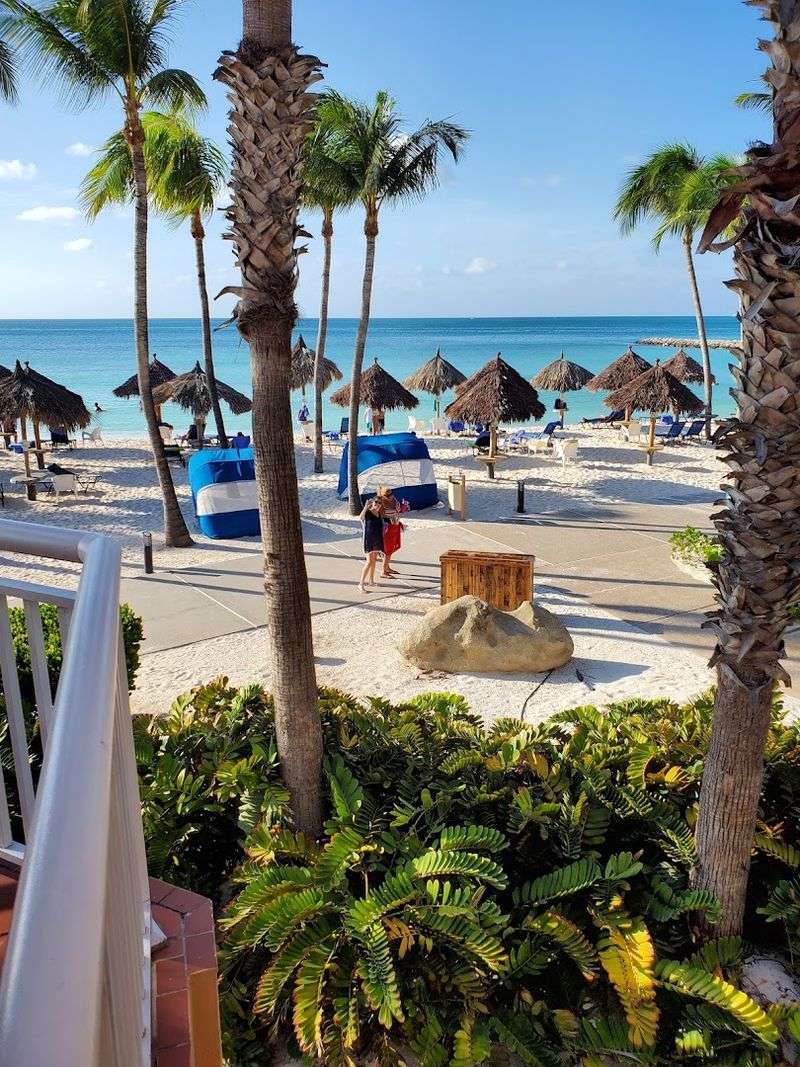
Aruba wears its nickname, “One Happy Island,” with complete confidence, and the weather is a big reason why. Sitting outside the Caribbean hurricane belt, this Dutch island territory enjoys warm temperatures averaging around 82 degrees Fahrenheit every month of the year.
Rainfall is minimal, sunshine is abundant, and the constant northeast trade winds keep the tropical heat from ever feeling oppressive.
Eagle Beach is regularly ranked among the best beaches in the entire Caribbean, offering powder-soft white sand and calm, crystal-clear water that looks almost too blue to be real. Unlike many Caribbean islands, Aruba’s dry climate means the landscape is dotted with cacti and divi-divi trees rather than dense jungle, giving it a surprisingly unique desert-meets-ocean personality.
Watching the divi-divi trees all lean in the same direction due to the trade winds is one of those small, memorable details that sticks with visitors.
Aruba’s nightlife scene in Oranjestad is lively without being overwhelming, with casinos, open-air restaurants, and waterfront bars drawing a happy mix of honeymooners, families, and solo adventurers. Water sports like kitesurfing, snorkeling, and parasailing are available year-round thanks to the dependably calm conditions.
The island’s multicultural mix of Dutch, Caribbean, and Latin influences creates a food and cultural scene that is genuinely hard to find anywhere else in the region.
Share this story