Montana has a way of keeping its history right out in the open. Long before the state had paved roads or a capital city, prospectors were scrambling through its mountains, gulches, and creek beds chasing one thing: gold.
The discoveries they made in the 1860s changed the region so dramatically that entire towns sprang up in a matter of weeks, drawing thousands of people from across the country. Some of those towns became ghost towns.
Others became cities that are still thriving today. What makes Montana special is that so many of the physical traces of that era are still standing, still visible, and still genuinely fascinating.
Old storefronts, mining equipment, reshaped landscapes, and preserved cabins all tell parts of the same big story. The 10 places on this list are among the best spots in the state to connect with that story, each one offering something a little different from the rest.
1. River of Gold, Nevada City, Montana
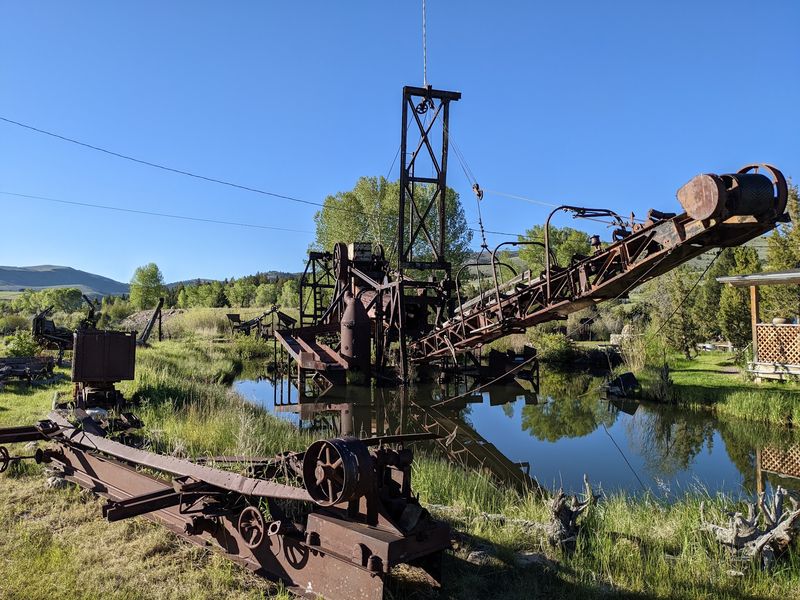
Not all gold rush history fits neatly inside a building, and the River of Gold area near Nevada City makes that point better than almost anywhere else in Montana.
Outdoor displays showcase the machinery and methods miners used to pull gold from Alder Gulch, including the enormous Mount Vernon dredge, which stands as a striking reminder of how gold extraction eventually grew far beyond pans, picks, and simple sluice boxes.
Dredging operations in the gulch were particularly intensive between 1899 and 1922, and the effects are still visible in the landscape. Massive spoil banks and reshaped terrain stretch along sections of the gulch, turning the surrounding area into a kind of open-air record of industrial-scale mining.
For visitors who want to understand not just where gold was found but how it was extracted at different points in history, the River of Gold stop fills in a part of the story that preserved buildings alone cannot tell. The scale of the landscape changes here is genuinely surprising.
2. Nevada City, Nevada City, Montana
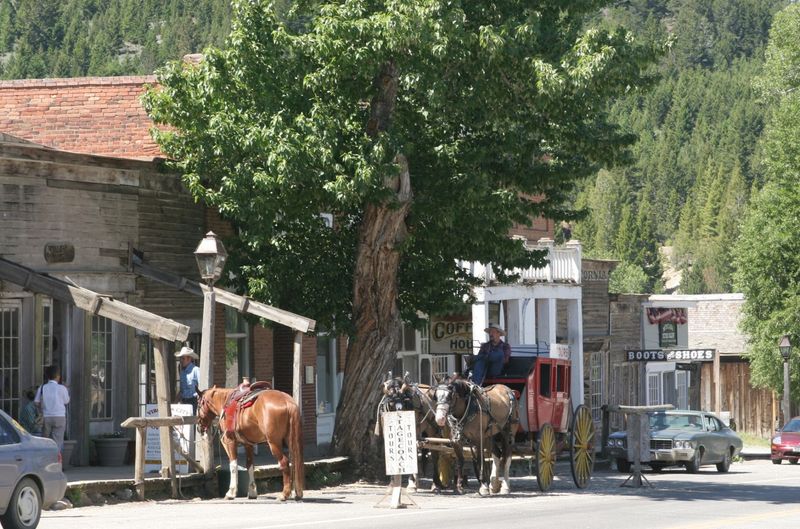
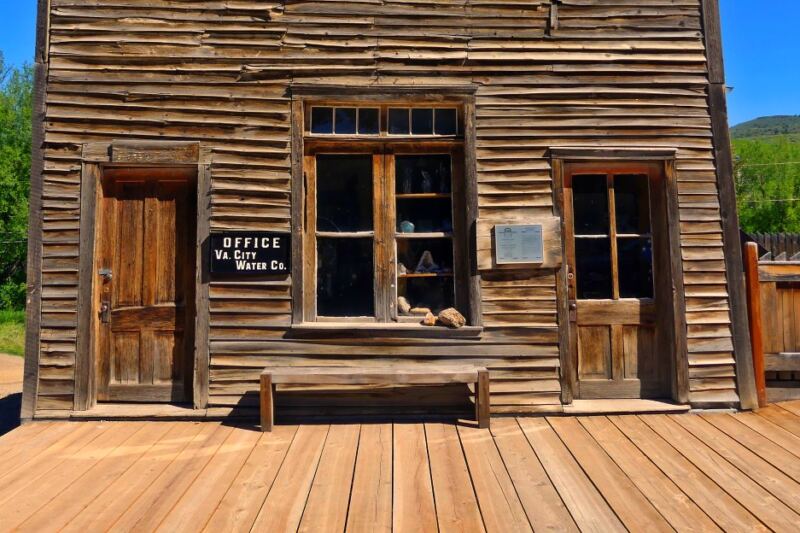
About a mile down Alder Gulch from Virginia City sits its smaller but equally fascinating neighbor, Nevada City, which grew out of the same spectacular 1863 gold strike that reshaped southwestern Montana almost overnight.
By the fall of 1863, an estimated 10,000 people were scattered among communities stretching along the gulch, and Nevada City was one of the more active settlements among them.
Much of the original Nevada City was lost to dredging operations in the early 1900s, but many historic cabins have since been relocated to the site, and the result is a townsite filled with period structures and artifacts that give visitors a genuine sense of 19th-century mining life.
Summer weekends bring living history programs at the Nevada City Museum, which add an interactive layer to the visit. Pairing Nevada City with Virginia City makes for one of Montana’s strongest gold-rush history day trips, covering more ground and more stories than either site could offer alone.
3. Marysville, Montana
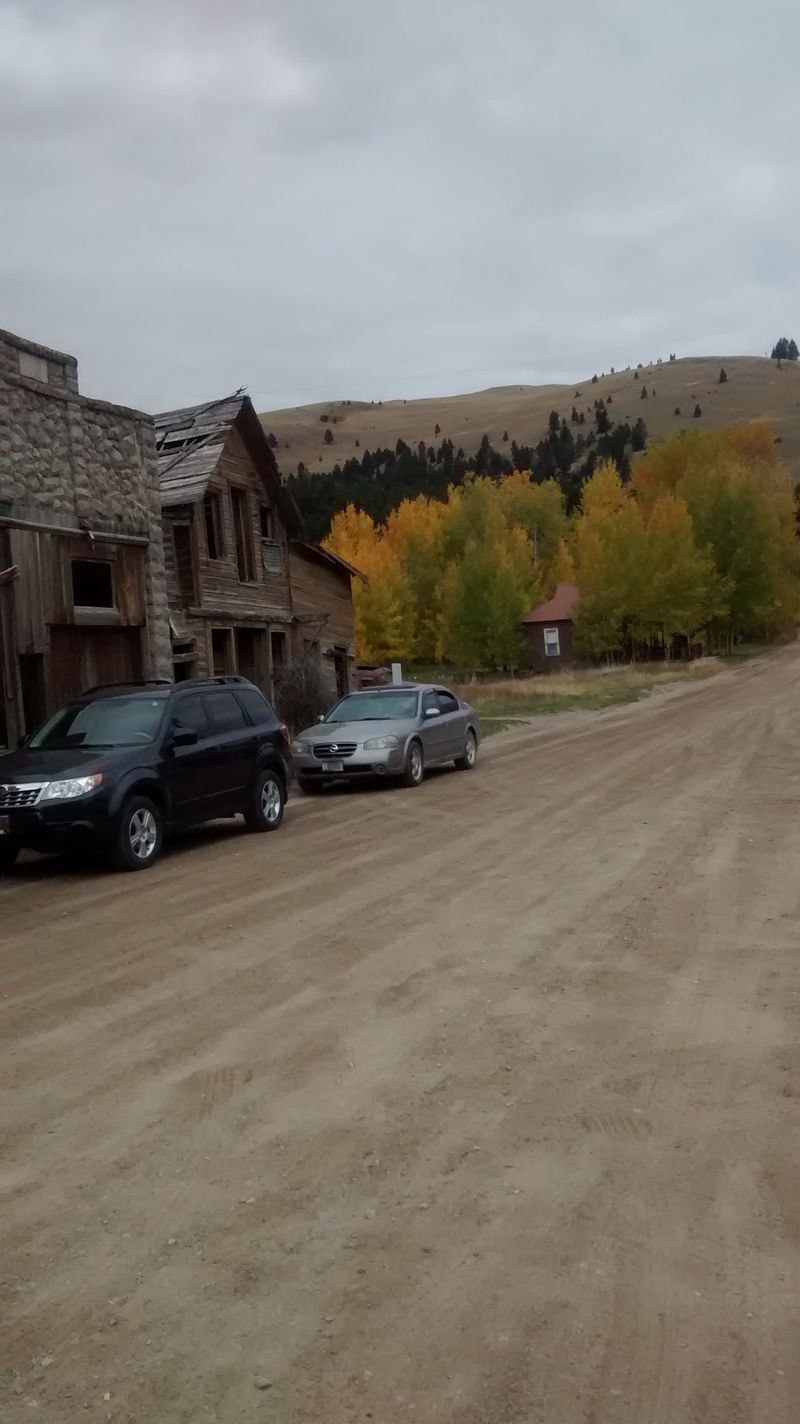
Placer gold was discovered along Silver Creek near Marysville as early as 1876, but the discovery that truly put the town on the map came a year earlier, when Irish immigrant Thomas Cruse staked his claim on the Drumlummon lode in 1875.
That single mine helped transform Marysville into one of the most productive hard-rock gold mining districts in the world by the turn of the 20th century. At its peak, the town supported an estimated 4,000 residents and 60 businesses, a scale that is hard to picture in the quiet community that exists there today.
Several historic buildings survive, including churches built in 1886 that are listed on the National Register of Historic Places. Marysville offers a different angle on Montana’s gold rush story compared to the more famous placer camps.
Instead of gulches and creek beds, the focus here is on underground hard-rock mining, a reminder that the search for gold eventually went much deeper than the surface of any stream.
4. Virginia City, Virginia City, Montana
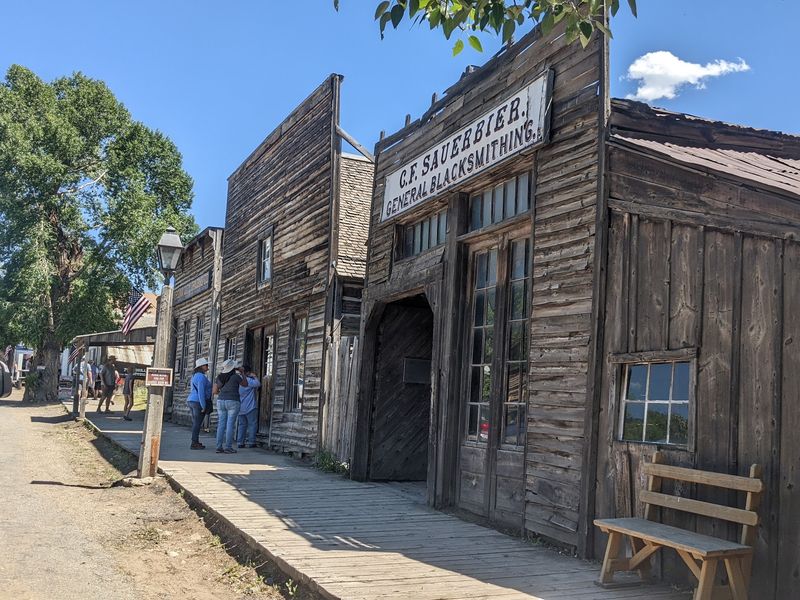
Gold was discovered in Alder Gulch on May 26, 1863, and what followed was one of the fastest population explosions in frontier history. Within weeks, thousands of fortune seekers were pouring into the area, and by 1864 the broader Alder Gulch region had an estimated 30,000 residents.
Virginia City became Montana’s territorial capital and served in that role from 1865 to 1875, giving it a political significance that went well beyond a typical mining camp.
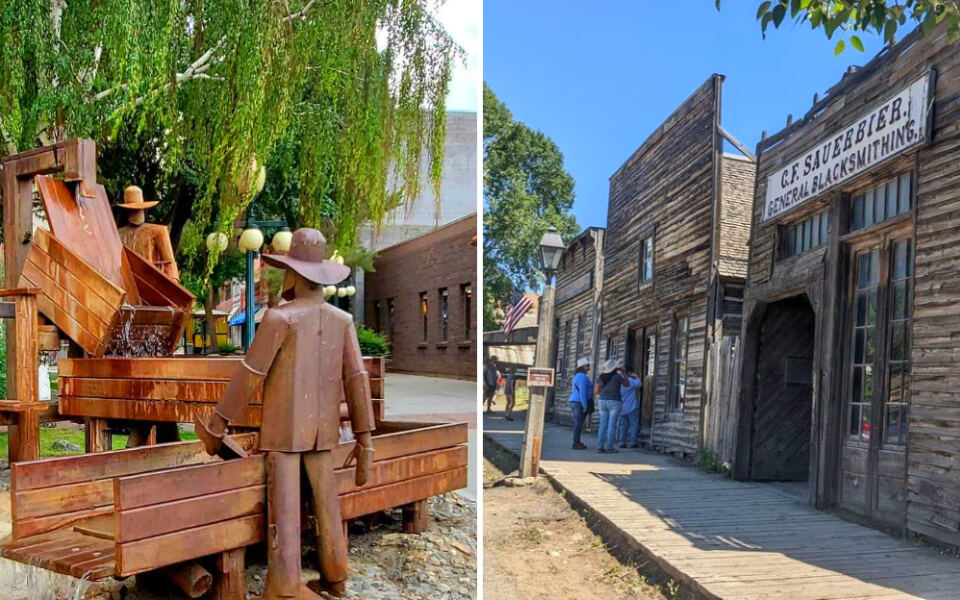
The town’s historic streetscape, featuring false-fronted commercial buildings, log cabins, and Victorian residences, has been remarkably preserved, largely thanks to conservation efforts that began in the 1940s. Virginia City was designated a National Historic Landmark District in 1961.
Unlike many gold rush settlements that simply faded away, Virginia City never fully emptied out. That continuity makes it one of the most convincing places in the American West to see how a boomtown could survive its own boom.
5. Pony, Montana
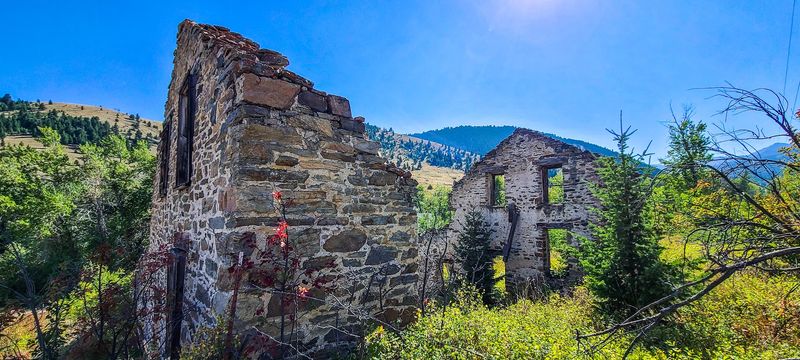
The town of Pony got its name from Tecumseh “Pony” Smith, a prospector who found gold in a local creek around 1866, and that origin story sets the tone for a place that has always had more personality than its small size might suggest.
Lode deposits were actively mined through the 1880s and 1890s, and the community grew to somewhere between 2,500 and 5,000 residents near the turn of the century, supported in part by a railroad spur from the Northern Pacific Railway that reached town in 1889.
Today, Pony is a living community rather than a ghost town, which gives it a different kind of appeal. A remarkable 95 buildings in Pony are listed on the National Register of Historic Places, making the town one of Montana’s more underrated historic destinations.
Visitors who enjoy finding history in unexpected places will appreciate Pony’s combination of surviving structures, mountain scenery, and the general sense that this small community has been quietly holding onto its story for a very long time.
6. Goldcreek, Montana
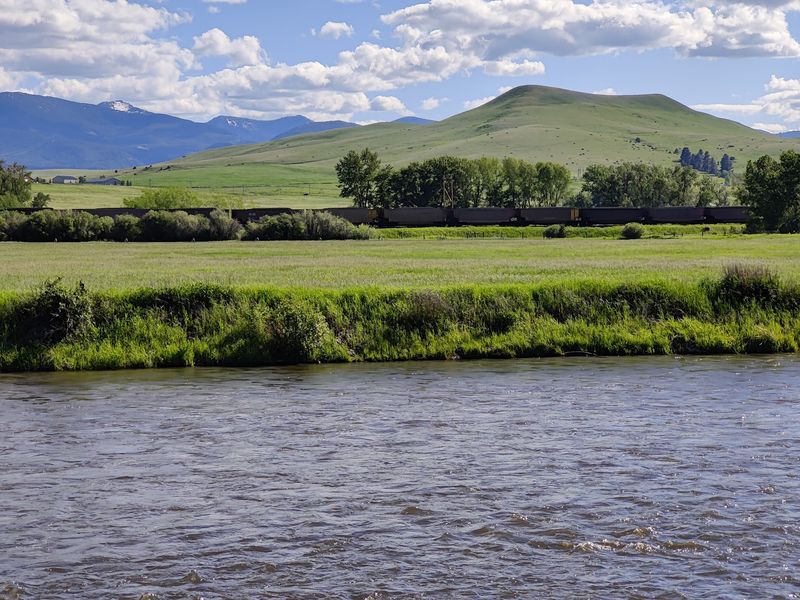
Before Bannack, before Alder Gulch, before any of Montana’s famous rushes, there was Gold Creek, where a fur trapper named Francois “Benetsee” Finlay found gold as early as 1852, making it one of the earliest recorded discoveries in the region.
In 1858, prospectors James and Granville Stuart and Reese Anderson also found gold in the creek, though they lacked the equipment for large-scale work until 1862. Those early findings helped draw attention to western Montana’s mineral potential and set the stage for everything that followed.
There is no sprawling preserved boomtown at Goldcreek today, and that absence is actually part of what makes a stop here interesting. The surrounding landscape offers a quieter, more contemplative look at the very beginning of a story that would soon grow into one of the most significant chapters in Montana’s history.
For anyone tracing the gold rush from its roots outward, Goldcreek is the logical and historically honest place to start the journey.
7. Last Chance Gulch, Helena, Montana
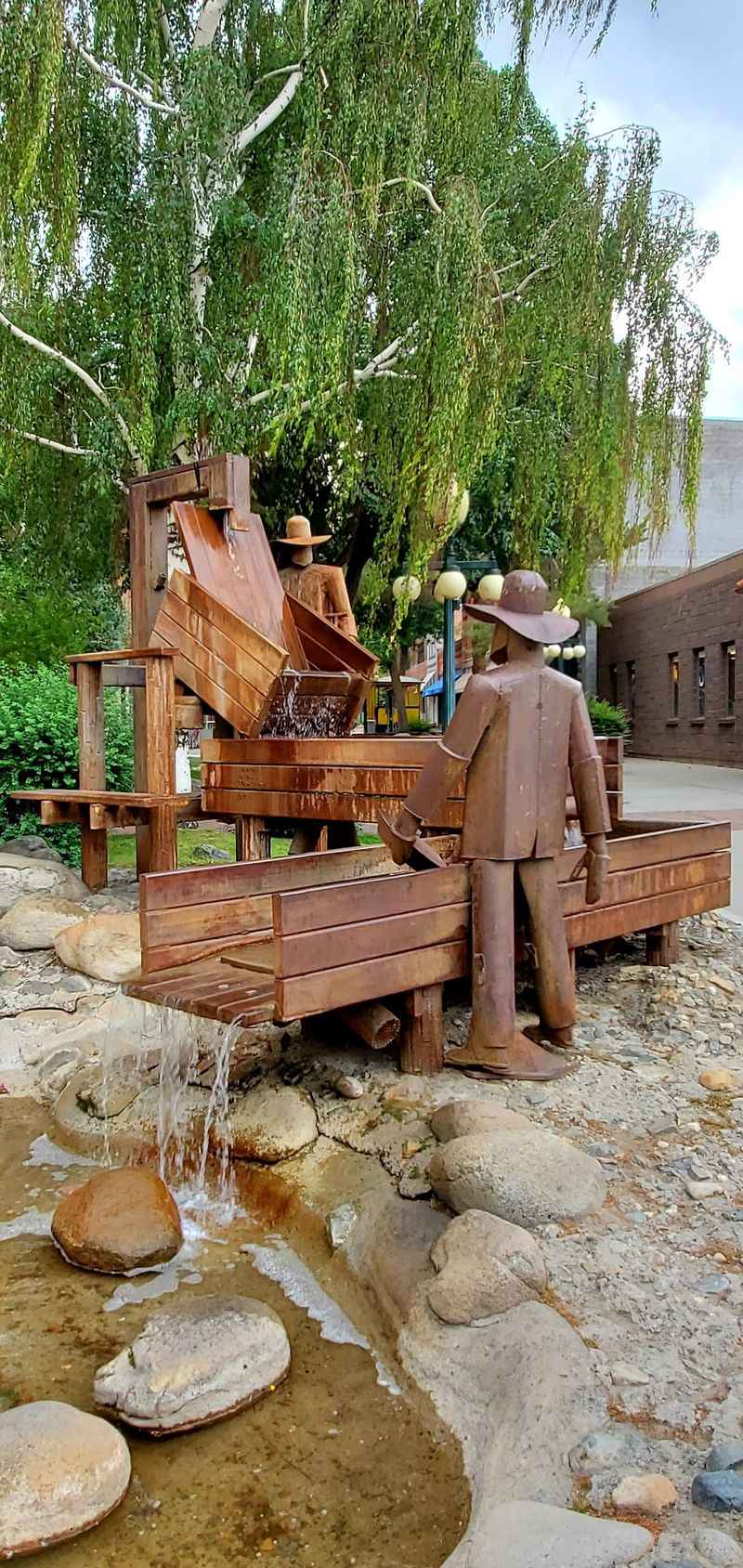
Four prospectors known as “the Four Georgians” struck gold in Last Chance Gulch in 1864, and that single discovery set in motion the founding of what would eventually become Montana’s state capital.
The strike drew miners away from other camps, including Virginia City, and helped establish Helena as a major population center during Montana’s rapidly shifting territorial years. By the time Montana achieved statehood in 1889, Helena had become one of the wealthiest cities per capita in the entire country, largely on the strength of its gold-rush origins.
Today the gulch runs directly through the heart of downtown Helena as a pedestrian mall, creating one of the more striking contrasts in any American city: a modern capital built on top of a 19th-century mining camp.
The location makes Last Chance Gulch one of the best places in Montana to see how a gold rush settlement could grow rather than disappear. The streets themselves carry the history, even if the buildings around them have changed considerably over 160 years.
8. Montana Heritage Center, Helena, Montana
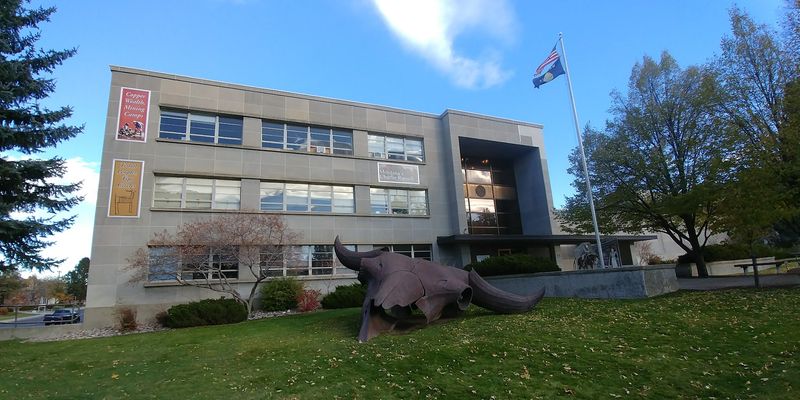
Gold did not just create boomtowns in Montana. It created the conditions for Montana to become a territory at all, and the Montana Heritage Center in Helena is one of the best places to understand that larger picture.
The center’s exhibits trace how the influx of prospectors during the 1860s rapidly reshaped the region, drawing tens of thousands of people into an area that had previously seen only a fraction of that population. Gold discoveries contributed directly to Montana’s designation as a territory in 1864, a political milestone that set the state on its path toward permanent settlement and governance.
A visit to the Montana Heritage Center pairs especially well with a walk along Last Chance Gulch, where the broader historical narrative can be connected to specific streets and blocks in modern Helena.
Together, the two stops make a compelling argument that Montana’s gold rush was about more than the gold itself. It was about the communities, institutions, and lasting infrastructure that the rush left behind, many of which are still very much in use today.
9. Bannack State Park, Dillon, Montana
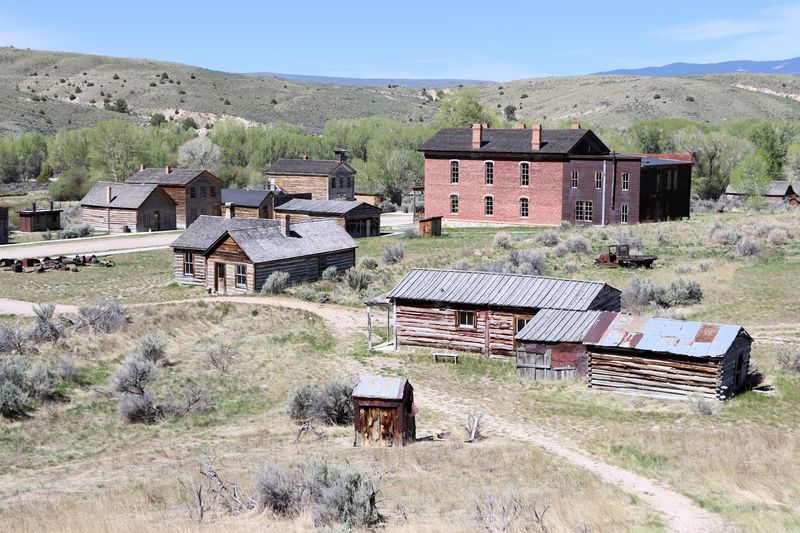
Montana’s gold rush has a clear starting point, and it happened right here on July 28, 1862, when gold was discovered at Bannack and triggered one of the most dramatic population surges the region had ever seen.
Within a year, more than 3,000 people had crowded into the settlement, turning a quiet valley into a bustling and sometimes lawless mining camp.
Today, Bannack is recognized as Montana’s best-preserved ghost town and holds the status of a National Historic Landmark. More than 50 historic log and frame structures still line Main Street, and the town is preserved rather than restored, meaning what you see is genuinely what was left behind.
Empty storefronts, weathered cabins, and the surrounding mountains create a setting that feels more like a frozen moment in time than a curated exhibit.
Bannack State Park is open year-round, and the annual Bannack Days event each July brings the site to life with living-history demonstrations that make the 1860s feel remarkably close.
10. Garnet Ghost Town, Drummond, Montana
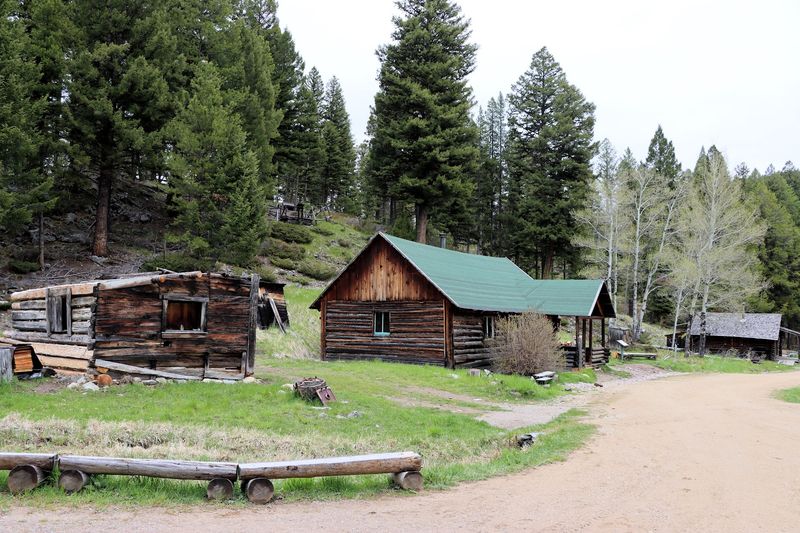
Reaching Garnet Ghost Town requires a drive up a rough mountain road, and that trip alone tells you something about what it took to build a community here in the first place.
High in the Garnet Mountains east of Missoula, this remarkably intact ghost town once had a population of roughly 1,000 residents who worked the surrounding mountains for gold during the late 19th and early 20th centuries.
When the deposits became harder to work economically, Garnet gradually emptied out, and the Bureau of Land Management now manages the site, preserving a collection of historic cabins and commercial buildings that have survived in their mountain setting.
The remoteness is a big part of what makes Garnet compelling. There are no gift shops crowding the main path, no polished signage softening the edges of history.
What you get instead is a cluster of authentic structures surrounded by forest, sitting quietly in a place where imagining an isolated 19th-century mining community requires very little imagination at all.
Share this story