Some camping trips are all s’mores and stargazing, but others push you right to the edge of what you can handle. Across the United States, there are wild places where the weather, wildlife, and terrain can flip a fun adventure into a fight for survival.
These destinations are breathtaking, exciting, and genuinely dangerous all at the same time. Whether you are a seasoned outdoorsman or a curious first-timer, knowing what you are walking into could make all the difference.
Death Valley National Park – California & Nevada
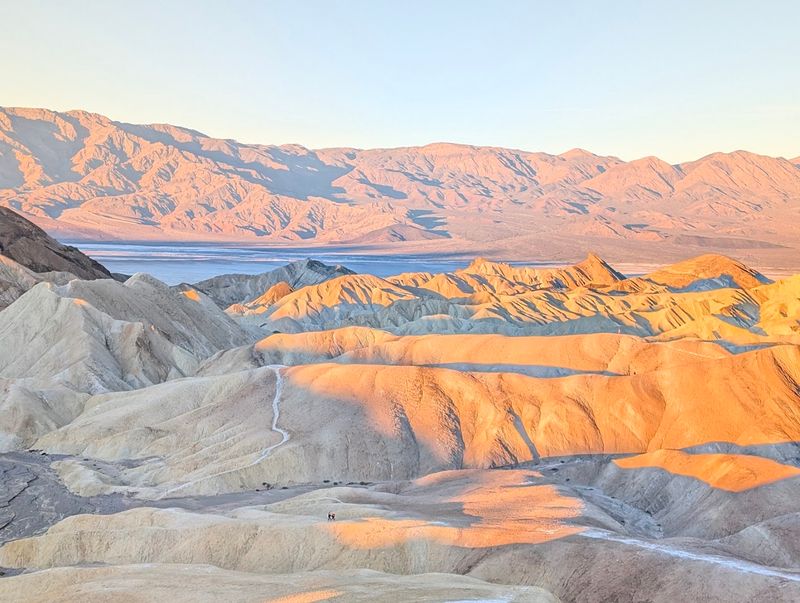
The thermometer at Death Valley once hit 134 degrees Fahrenheit, making it the hottest place ever recorded on Earth. Summer temperatures routinely blast past 120 degrees, and the ground itself can reach 200 degrees.
Heatstroke can set in within minutes if you are not prepared.
Water evaporates faster than you expect here, and dehydration sneaks up on even experienced hikers. There are vast stretches with zero shade, little cell service, and no one around to help.
Carrying at least a gallon of water per person per day is not optional, it is survival math.
Venomous rattlesnakes and scorpions patrol the rocky terrain, especially at night when temperatures finally drop. Flash floods can roar through narrow canyons without any warning, even when skies look clear.
Planning your visit for cooler months like November through March is the smartest move you can make. Death Valley rewards the well-prepared with jaw-dropping beauty, but it has zero patience for carelessness.
Denali National Park – Alaska
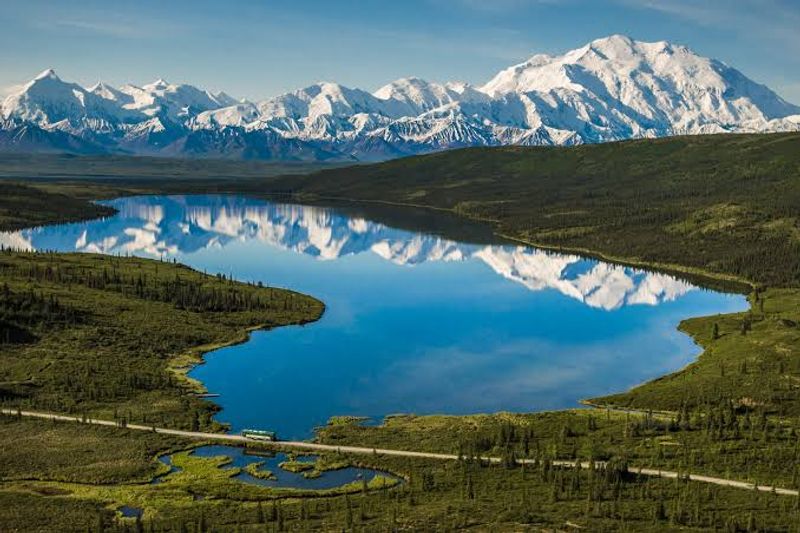
Standing at 20,310 feet, Denali is the tallest mountain in North America, and it does not exactly roll out the welcome mat. The weather here changes so fast that a sunny morning can become a whiteout blizzard by afternoon.
Temperatures at higher elevations can plummet to minus 40 degrees even in summer.
Grizzly bears roam freely throughout the park, and there are no fences between you and them. Campers must store food in bear-resistant containers and stay constantly alert on the trail.
The park spans six million acres, meaning a wrong turn can put you miles from help with no cell signal.
Glaciers crack and shift underfoot, crevasses hide beneath thin layers of snow, and river crossings are dangerously unpredictable. Rescue teams may take hours or even days to reach remote backcountry zones.
Serious climbers train for months before attempting routes here. For campers who want raw, unfiltered wilderness, Denali delivers in every dramatic, demanding way imaginable.
Glacier National Park – Montana
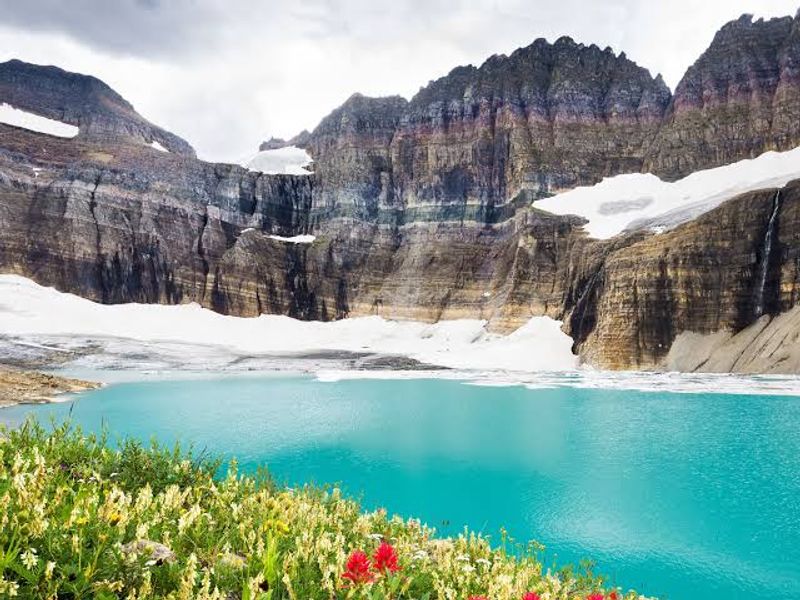
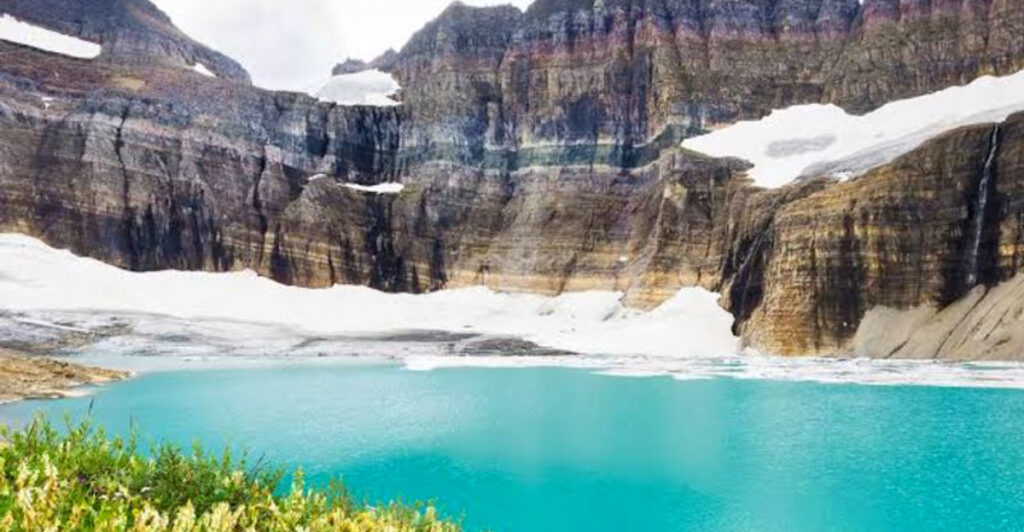
Glacier National Park has one of the highest concentrations of grizzly bears in the entire continental United States. Encounters happen regularly, and rangers take bear safety so seriously that carrying bear spray in backcountry zones is expected, not just suggested.
A surprised grizzly is one of nature’s most dangerous situations.
The terrain itself adds another layer of challenge. Steep switchback trails cling to cliff edges, and rockfalls are a genuine hazard on many popular routes.
Sudden alpine storms can roll in within minutes, dropping temperatures fast and turning dry trails into slippery, icy paths.
Snow lingers on high passes well into July, and some trails remain closed until late summer. Flash flooding in lower valleys is common after heavy rain or rapid snowmelt.
Campers need to plan carefully, check conditions daily, and never underestimate how quickly a blue-sky hike can turn miserable. The scenery here is absolutely worth it, but Glacier demands that you show up ready.
Pack layers, carry bear spray, and always tell someone exactly where you are going before heading out.
Mount Rainier National Park – Washington
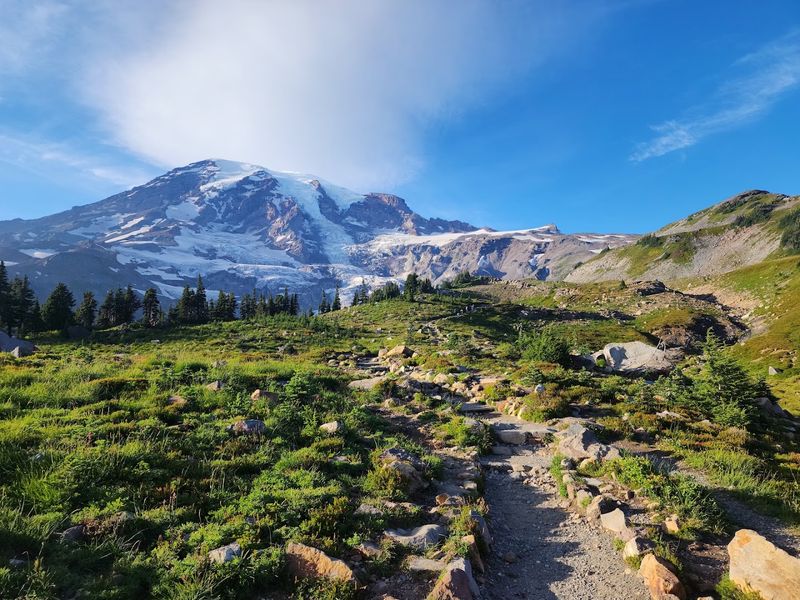
Mount Rainier is an active stratovolcano draped in more glacial ice than any other peak in the contiguous United States. Even on a clear July day, the mountain can generate its own violent weather systems with almost no warning.
Winds at higher elevations have been clocked at over 100 miles per hour.
Avalanches are a constant threat on the upper slopes, and crevasse falls have claimed lives even among experienced climbers. Rockfalls triggered by melting glaciers send debris crashing down without any warning.
The mountain simply does not care about your schedule or your experience level.
Lower campsites face their own challenges, including slippery log bridges, river crossings swollen by glacial melt, and dense fog that can disorient hikers within minutes. Hypothermia is a real risk even in midsummer because wet, cold air cuts right through clothing.
Layering up, carrying emergency shelter, and checking avalanche forecasts before every outing are non-negotiable habits here. Rainier is stunning, powerful, and deeply humbling all at once.
Great Smoky Mountains National Park – Tennessee & North Carolina
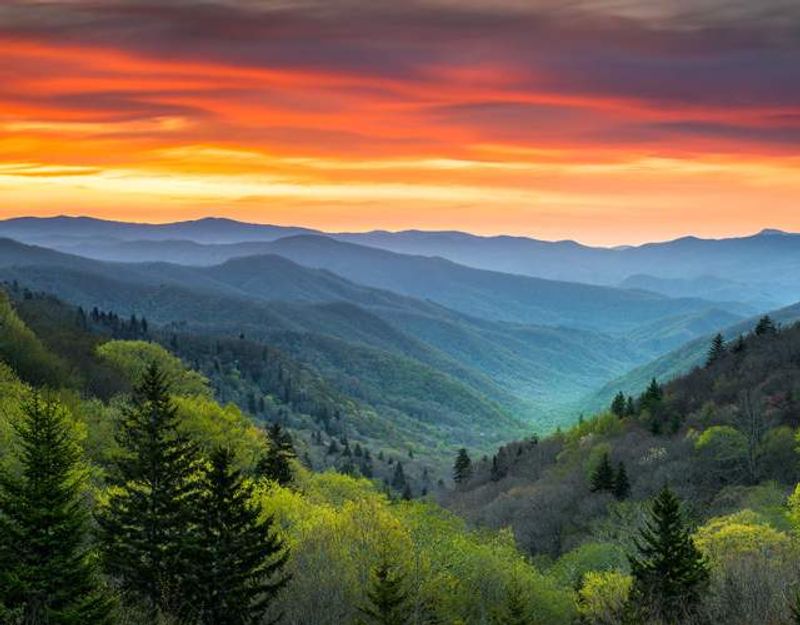
America’s most visited national park welcomes over 12 million people each year, and yet it still manages to catch plenty of those visitors completely off guard. Dense fog rolls in without warning and can drop visibility to nearly zero on mountain roads and trails.
Disorientation sets in faster than most people expect.
Black bears are everywhere in the Smokies, with an estimated 1,500 living inside park boundaries. They are bold, curious, and surprisingly fast.
Improper food storage has led to countless close encounters and expensive property damage to vehicles and tents.
Flash floods are another serious threat, especially in narrow creek gorges where water can rise several feet in just minutes. Slippery rocks along stream crossings send hikers to the emergency room regularly.
The winding mountain roads that lead to trailheads are genuinely hazardous in wet or foggy conditions. Add in unpredictable thunderstorms that arrive almost daily in summer, and the Smokies reveal themselves as far more demanding than their postcard-pretty image suggests.
Preparation and situational awareness are everything here.
Organ Pipe Cactus National Monument – Arizona
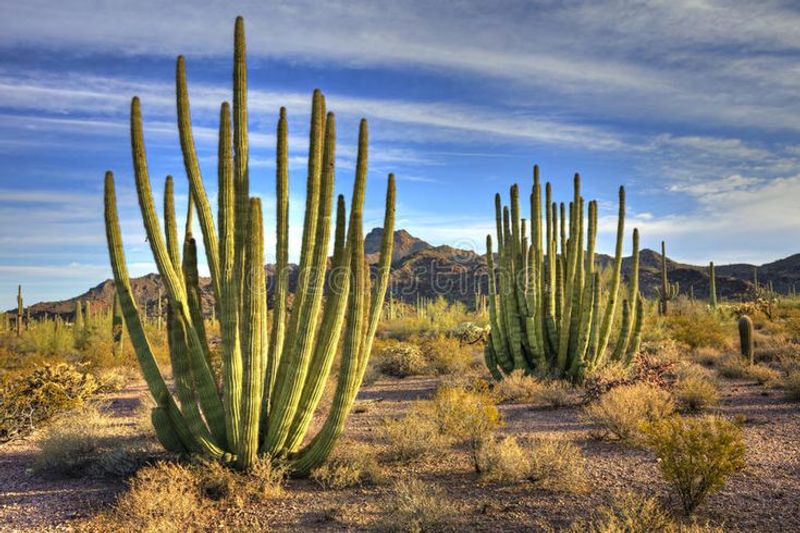
Temperatures at Organ Pipe regularly top 110 degrees Fahrenheit in summer, and water sources in this remote Sonoran Desert monument are nearly nonexistent. Dehydration can become dangerous within just a couple of hours of activity in peak heat.
The sun here is relentless, and there is almost nowhere to hide from it.
The monument sits along the U.S.–Mexico border, adding a layer of complexity that most national parks simply do not have. Visitors occasionally encounter unexpected situations in remote areas, making awareness of your surroundings extra important.
Staying on marked routes and letting someone know your itinerary is always smart practice.
Rattlesnakes, Gila monsters, and scorpions are common across the park’s rocky terrain. Javelinas, which are pig-like mammals with sharp tusks, travel in groups and can be aggressive if they feel cornered.
The roads into backcountry camping areas are rough enough to require a high-clearance vehicle. Cell service is virtually nonexistent throughout most of the monument, so a satellite communicator is worth every penny.
Organ Pipe is raw, beautiful, and unforgiving in equal measure.
The Wave – Coyote Buttes North, Arizona & Utah
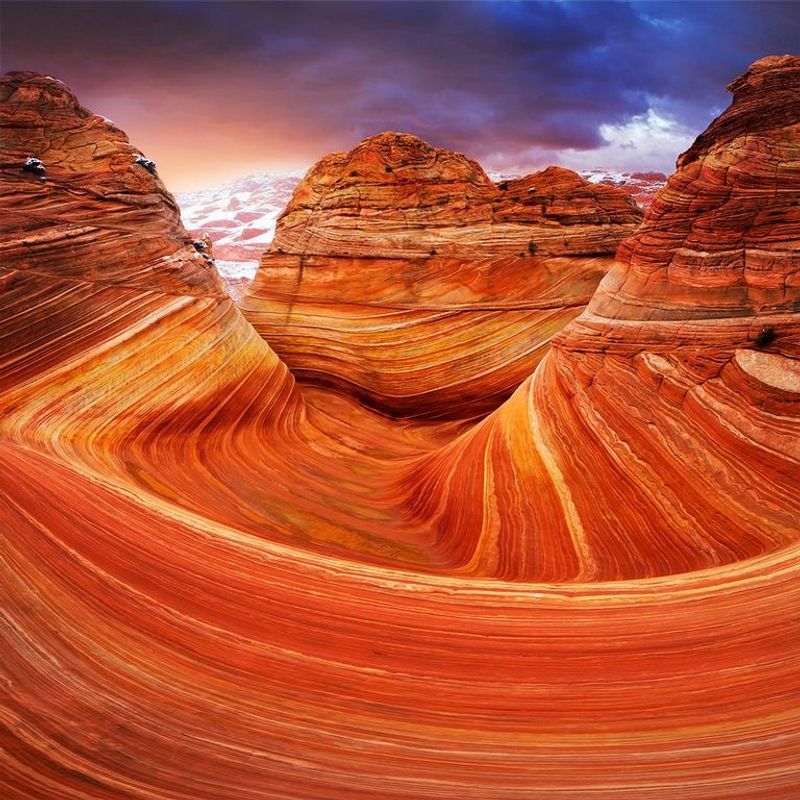
Only 64 people per day are allowed to visit The Wave, and getting a permit feels like winning a lottery. But the difficulty does not end at the permit office.
The three-mile route to this iconic sandstone formation has no marked trail, no signs, and no shade whatsoever. Navigating it requires a downloaded map, a compass, and genuine confidence in your route-finding skills.
Heat emergencies here are shockingly common. Temperatures in the canyon regularly exceed 105 degrees in summer, and the curved sandstone walls act like a solar oven, radiating heat back at you from every direction.
Rangers strongly advise against visiting between late May and early September.
Several fatalities have occurred at The Wave due to heat exhaustion and dehydration, and rescues happen almost every season. Cell service is completely absent, so calling for help is not an option once you are out there.
Carrying at least four liters of water per person is the minimum recommendation. The Wave is one of the most photographed geological features in the American Southwest, but it has earned its reputation as a place that demands serious respect.
Glen Canyon National Recreation Area – Arizona & Utah
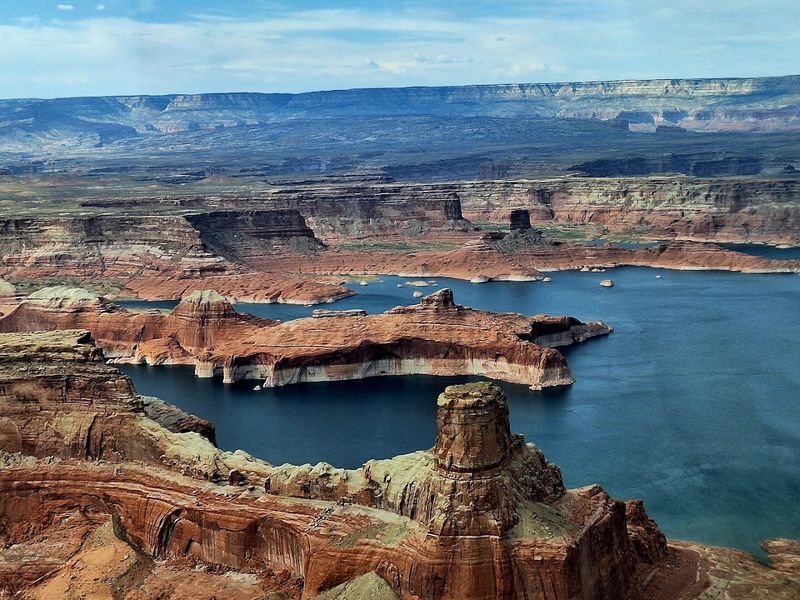
Glen Canyon looks like paradise, and on a calm day it genuinely is. Lake Powell stretches across nearly 2,000 miles of shoreline, surrounded by soaring red sandstone walls and hidden coves perfect for camping.
But that beauty hides a series of hazards that catch visitors off guard every single season.
Boating accidents on Lake Powell are among the highest in the National Park System. Cold water temperatures cause rapid hypothermia if someone falls overboard, even in summer.
Afternoon thunderstorms can whip the lake into dangerous whitecap conditions faster than most boaters can reach shore.
Flash floods are a serious and underappreciated danger in the slot canyons that feed into the recreation area. Water can surge through a narrow canyon in seconds, even when the sky above you looks perfectly clear, because a storm miles away is sending its runoff straight toward you.
Cliff edges throughout the park are often unstable, and steep drop-offs have no guardrails. Staying back from edges, monitoring weather forecasts constantly, and wearing a life jacket on the water are the basics that keep a Glen Canyon adventure from becoming a tragedy.
Gates of the Arctic National Park – Alaska
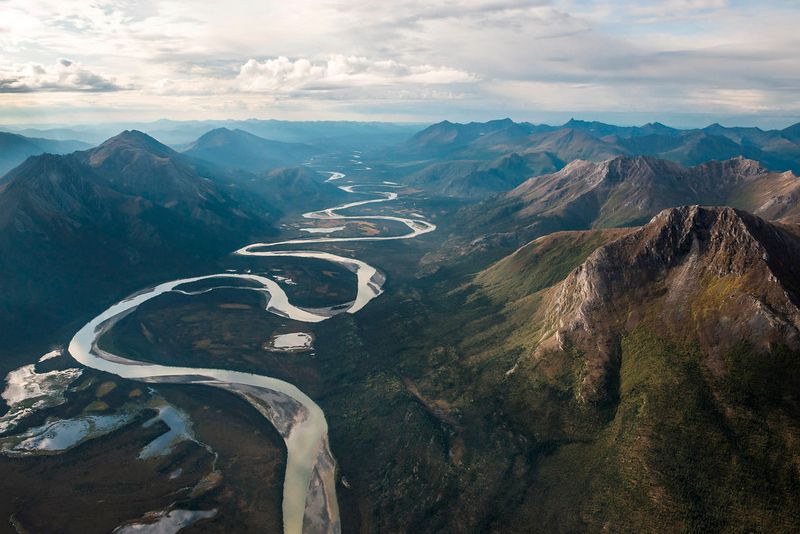
Gates of the Arctic has no roads, no developed trails, no campgrounds, and no visitor center inside its boundaries. It is, without question, one of the most remote places in the entire United States.
Getting there requires a bush plane flight from a small Alaskan town, and once you land, you are entirely on your own.
River crossings are one of the biggest dangers. The park is laced with fast-moving, glacier-fed rivers that are impossible to bridge and extremely difficult to read from the bank.
Hypothermia from a failed crossing can kill within minutes in water that cold. Campers must study hydrology, practice river-reading skills, and always scout crossings thoroughly before committing.
Grizzly bears and wolves roam the area in healthy numbers, and food storage and bear awareness are critical daily routines. Arctic weather can shift from pleasant to brutal within an hour, with freezing rain, heavy winds, and near-zero visibility arriving without any formal warning.
Mosquitoes in summer are legendary, nearly forming clouds thick enough to inhale. Every single item you bring in, you carry back out.
Gates of the Arctic is wilderness in its purest, most uncompromising form.
Isle Royale National Park – Michigan
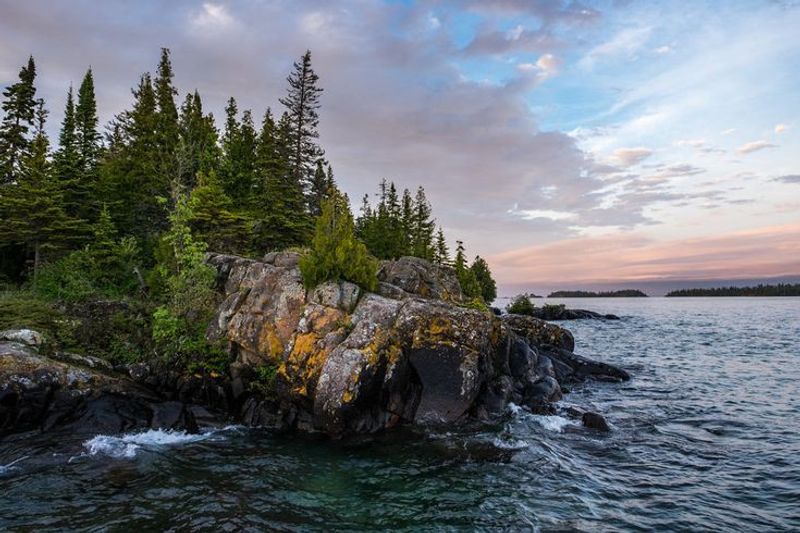
Getting to Isle Royale already feels like a commitment. Visitors must arrive by ferry or seaplane across Lake Superior, the largest and coldest of the Great Lakes.
Once you step off that boat, the island’s 571 square miles of rugged wilderness are yours to navigate, and help is a long boat ride away.
Lake Superior is notorious for its violent, unpredictable storms that can ground ferries for days at a time. Campers have been stranded on the island longer than planned simply because the weather refused to cooperate with anyone’s schedule.
That is not a minor inconvenience when supplies run low.
Moose are the island’s most iconic residents, and they are enormous, unpredictable, and occasionally aggressive, especially cows with calves. A small population of wolves also calls Isle Royale home, making it one of the only places in the Lower 48 where you might spot one in the wild.
Trails are rocky, root-covered, and relentlessly muddy after rain. Hypothermia is a genuine risk because the lake keeps air temperatures surprisingly cold even in midsummer.
Isle Royale rewards patience, preparation, and a genuine love for wilderness that pushes back.
Share this story