Nature has a way of surprising us, and hybrid animals are one of its most fascinating tricks. When two different species breed together, the result can be a creature that combines traits from both parents in unexpected ways.
Some of these hybrids happen naturally in the wild, while others occur in captivity under human care. Here are 10 real hybrid animals that scientists have actually documented.
1. Pizzly (Grolar) Bear
Climate change may be reshaping the animal kingdom in ways nobody predicted. As warming temperatures push polar bears further south and grizzly bears further north, the two species are crossing paths more often than ever before.
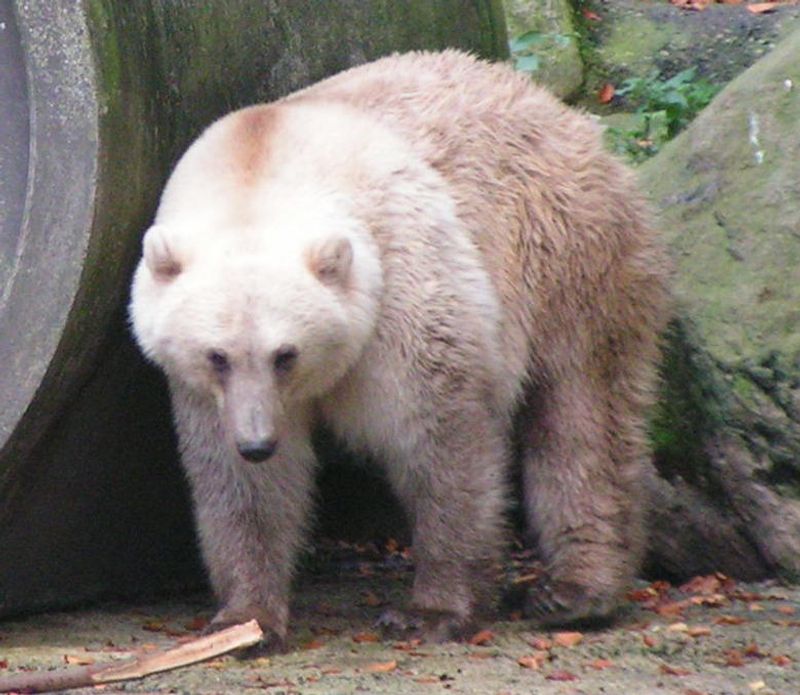
The result is the pizzly bear, sometimes called the grolar bear, a real hybrid that carries traits from both parents.
Pizzly bears tend to have a mix of creamy white and brownish fur, a body shape somewhere between the two parent species, and partially hollow hairs like a polar bear. Scientists first confirmed a wild pizzly in 2006 through DNA testing.
Since then, several more have been spotted across the Canadian Arctic.
What makes this hybrid especially interesting is that it is not just a lab experiment. It is happening naturally because of environmental change, making the pizzly bear a living symbol of how wildlife adapts to a shifting world.
2. Narluga
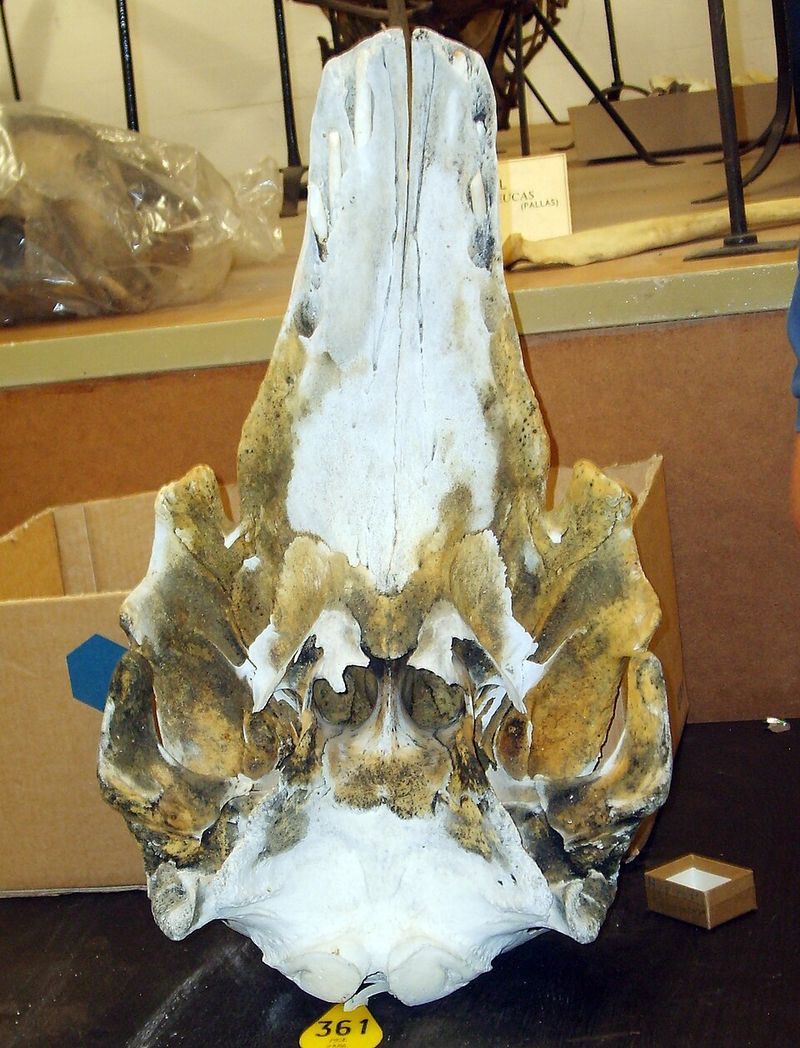
Somewhere in the icy waters of the Arctic, a truly unusual whale was born. The narluga is a hybrid between a narwhal and a beluga whale, two species that share the same frigid habitat but look and behave quite differently from each other.
For years, the existence of this hybrid was based mostly on a strange skull found in Greenland in the 1980s.
That skull sat in a museum for decades before scientists finally ran a DNA test in 2019. The results confirmed it belonged to a first-generation hybrid, meaning one parent was a narwhal and the other was a beluga.
The animal had unusual, horizontally oriented teeth, unlike the spiral tusk of a narwhal or the small curved teeth of a beluga.
This discovery showed that even in remote, frozen corners of the planet, nature finds ways to blend species together in surprising and scientifically important combinations.
3. Wholphin
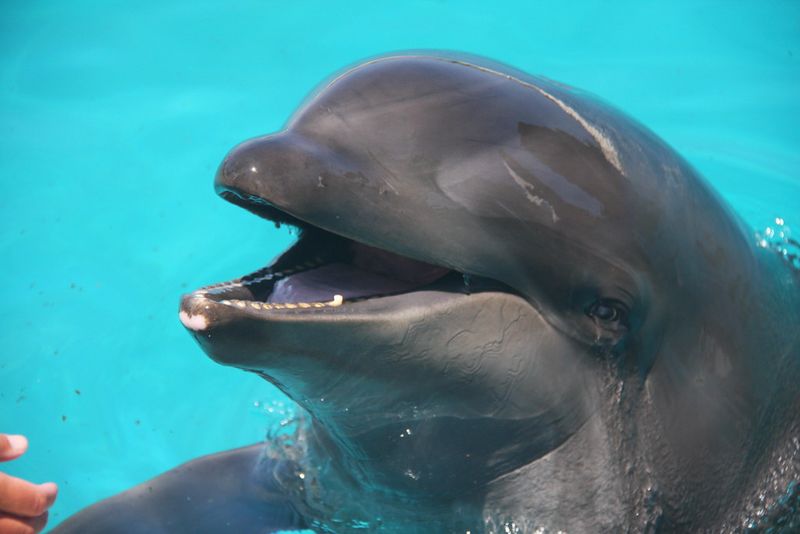
Most people have heard of dolphins and whales, but very few know about the wholphin. This rare hybrid is the offspring of a false killer whale and a bottlenose dolphin, two animals that are actually both members of the dolphin family despite their names.
The wholphin sits right in the middle of its two parents in terms of size, color, and even the number of teeth it has.
The most famous wholphin in the world was named Kekaimalu, born in 1985 at Sea Life Park in Hawaii. She was not the result of a planned breeding program.
Her parents simply chose each other, and the result was a one-of-a-kind animal that shocked marine biologists at the time.
Kekaimalu eventually had offspring of her own, proving that wholphins can reproduce. That fact alone makes this hybrid biologically remarkable, since many hybrids are sterile and unable to pass on their genes.
4. Coywolf
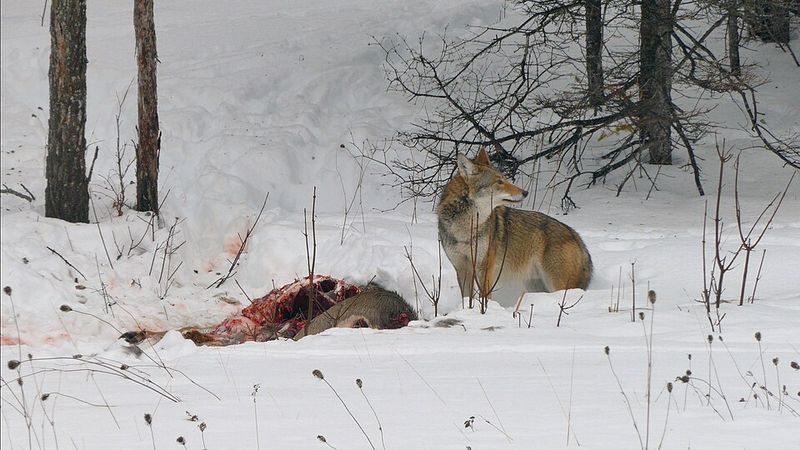
Walk through the woods near many North American cities and you might spot something that looks like a coyote but feels a little off. It may be bigger, bolder, or move differently than you expect.
Chances are you could be looking at a coywolf, a hybrid that carries genes from coyotes, gray wolves, and sometimes even domestic dogs.
Coywolves emerged over the past century as Eastern wolves faced population pressure and began breeding with coyotes moving into new territories. The result is an animal that is remarkably adaptable.
Coywolves can thrive in forests, suburbs, and even dense urban environments where a pure wolf or coyote might struggle.
Studies show that coywolves in the northeastern United States carry about 60 to 75 percent coyote DNA, with the rest split between wolf and dog. Their flexibility in diet, habitat, and behavior makes them one of the most successful hybrid animals on the planet today.
5. Beefalo
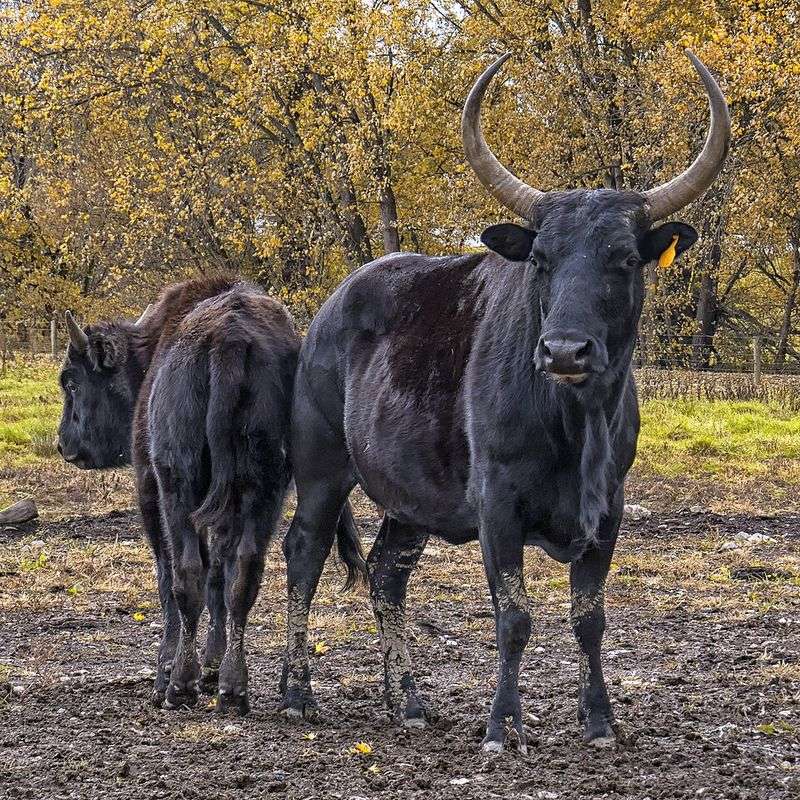
Farmers looking for a hardier, more efficient meat animal landed on an unlikely solution: cross an American bison with domestic cattle. The result is the beefalo, a hybrid that has been officially recognized as a breed by the American Beefalo Association since the 1970s.
To qualify as a true beefalo, an animal must be three-eighths bison and five-eighths domestic cattle by genetics.
Beefalo are known for producing meat that is lower in fat and cholesterol than standard beef, which has made them popular with health-conscious consumers. They are also easier on the land than typical cattle, since they retain the bison’s natural instinct to roam and graze more efficiently.
Ranchers appreciate beefalo for their toughness in cold weather and their ability to thrive on grass without as much supplemental feed. It is a practical hybrid that serves a real agricultural purpose while honoring the genetic legacy of North America’s iconic bison.
6. Cama
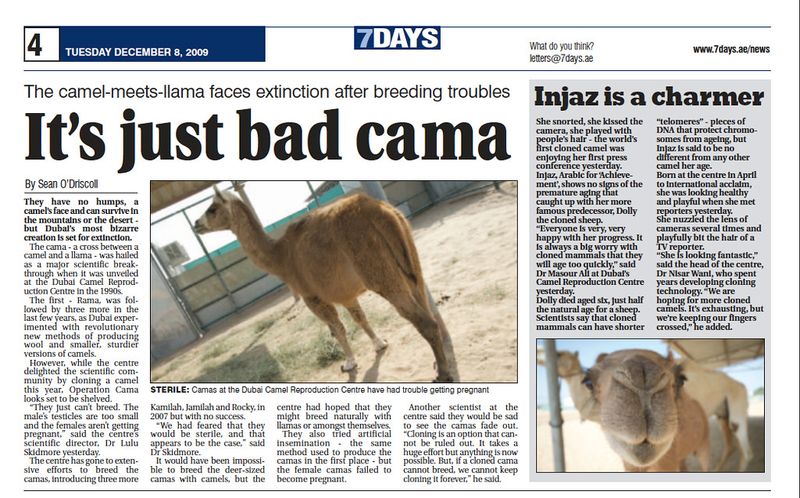
Scientists at the Camel Reproduction Centre in Dubai had a bold idea back in 1995: combine the size and strength of a dromedary camel with the cooperative personality and fine wool of a llama. Since the two animals are very different in size, natural breeding was not possible.
Instead, researchers used artificial insemination to make it happen.
The first cama, named Rama, was born in January 1998. He had no hump, shorter ears than a camel, and a camel-like face with a llama-sized body.
His personality reportedly leaned more camel than llama, which meant he was not exactly easy to handle in his early years.
The goal was to create an animal that could carry loads across desert terrain while also producing usable wool. While camas have not become widespread, the experiment proved that two species separated by thousands of miles of evolution could still produce viable offspring under the right scientific conditions.
7. Zorse
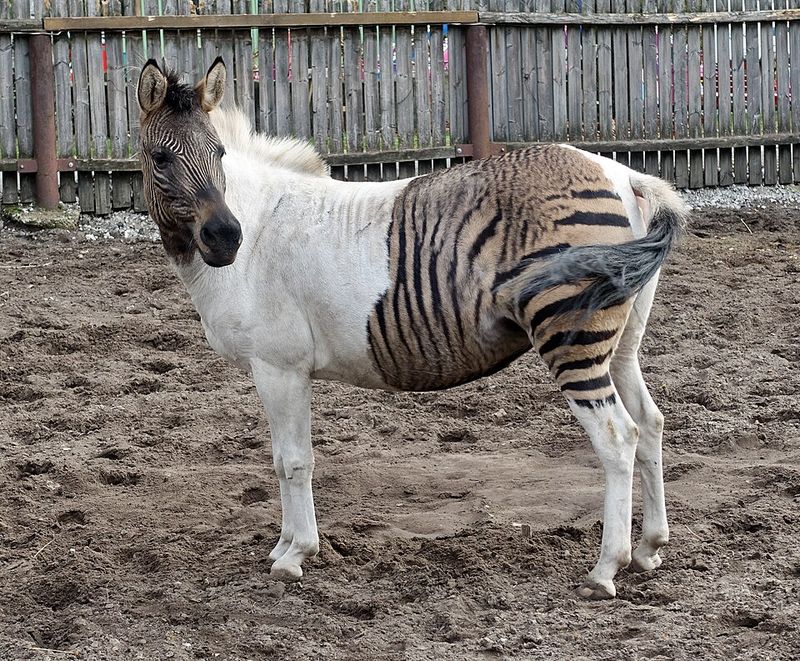
Zebras are known for being wild, fast, and nearly impossible to tame. Horses, on the other hand, have been human companions for thousands of years.
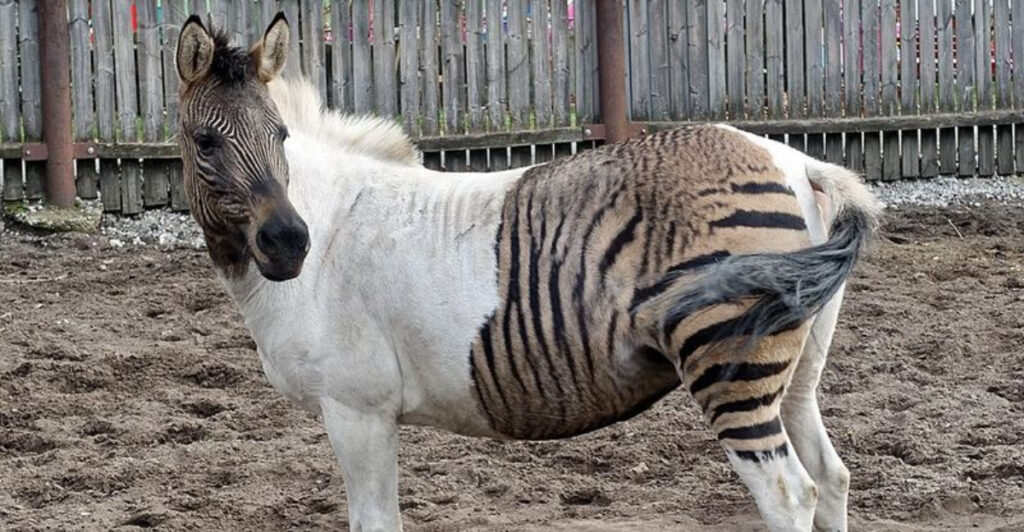
Cross the two, and you get the zorse, a hybrid that is as striking in appearance as it sounds. Zorses typically have a horse-shaped body covered with zebra-style stripes, especially on the legs and lower body.
Zorses are not just a curiosity. In some parts of Africa, breeders have explored using them as working animals because they may carry a natural resistance to certain diseases that affect domestic horses in the region.
That practical angle gives the zorse more than just novelty appeal.
Like most equine hybrids, zorses are almost always sterile, meaning they cannot reproduce on their own. Their bold striped patterns make them instantly recognizable, and they are occasionally kept in zoos and wildlife parks where visitors never fail to stop and stare.
8. Zonkey (Zedonk)
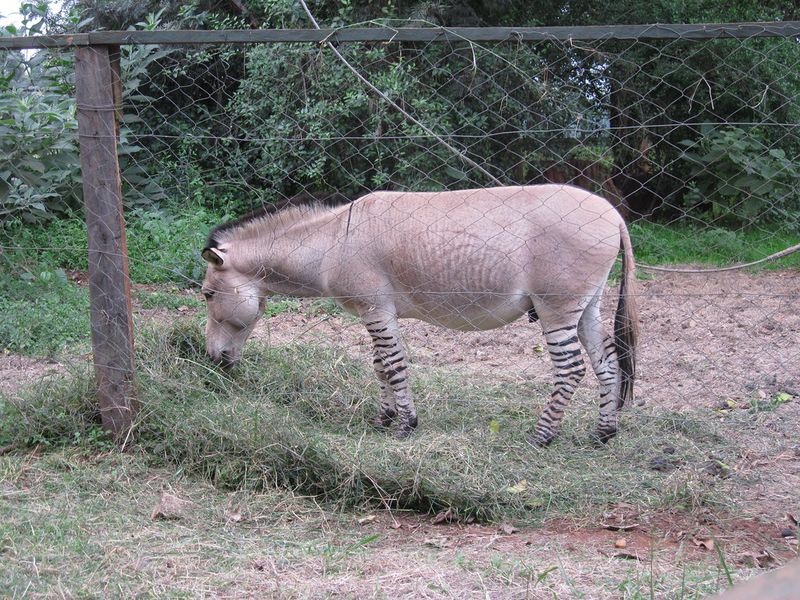
Picture a donkey with zebra stripes on its legs and you have a pretty good mental image of the zonkey, also called a zedonk. This hybrid is born when a zebra and a donkey breed together, and the results are always visually striking.
The striped pattern typically shows up most clearly on the lower body and legs, while the rest of the coat often takes on the donkey parent’s coloring.
One well-known zonkey named Ippo was born in 2013 at an animal reserve in Florence, Italy, after a zebra named Martin escaped his enclosure and found his way to a female donkey named Giada. The pairing was unplanned, but the result was an instant media sensation around the world.
Zonkeys share the sterility that comes with most equine hybrids, so they cannot produce offspring. But their cheerful, curious personalities and unforgettable appearance make them favorites at wildlife sanctuaries and educational animal programs.
9. Geep
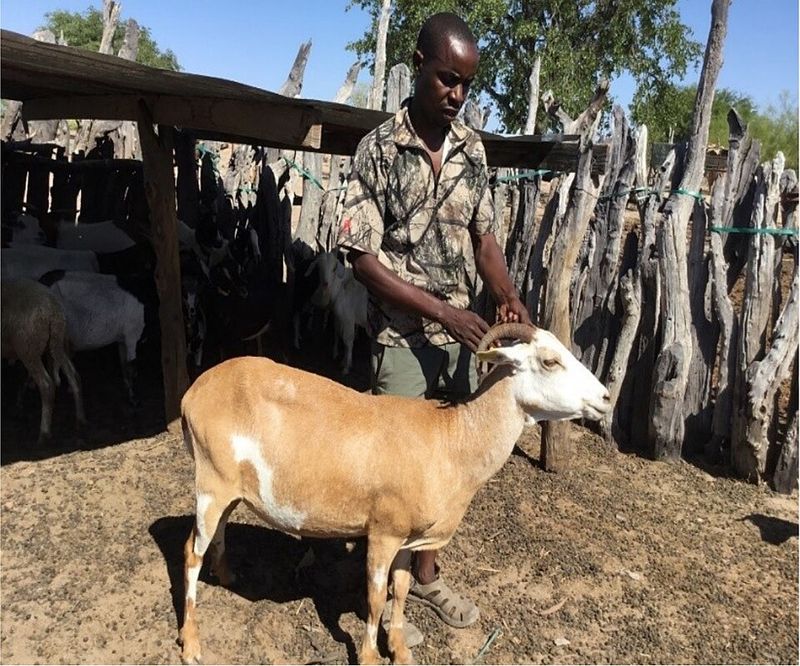
Goats and sheep seem similar enough that you might wonder if they could produce offspring together. In reality, it is extremely rare because the two species have different numbers of chromosomes.
Goats have 60 chromosomes and sheep have 54, which makes successful hybridization very unlikely but not entirely impossible.
A small number of true geeps, born from a goat and a sheep, have been documented over the years. Most have been born with physical features that blend both parents, including a mix of woolly and coarse fur, goat-like legs, and a sheep-shaped body.
Many do not survive long after birth due to the significant genetic differences between the parent species.
In 1984, researchers at the Institute of Animal Physiology in Cambridge created a geep through a laboratory technique that combined embryo cells from both species. That scientific achievement opened new doors in understanding how closely related but genetically distinct animals can interact at the cellular level.
10. Sturddlefish
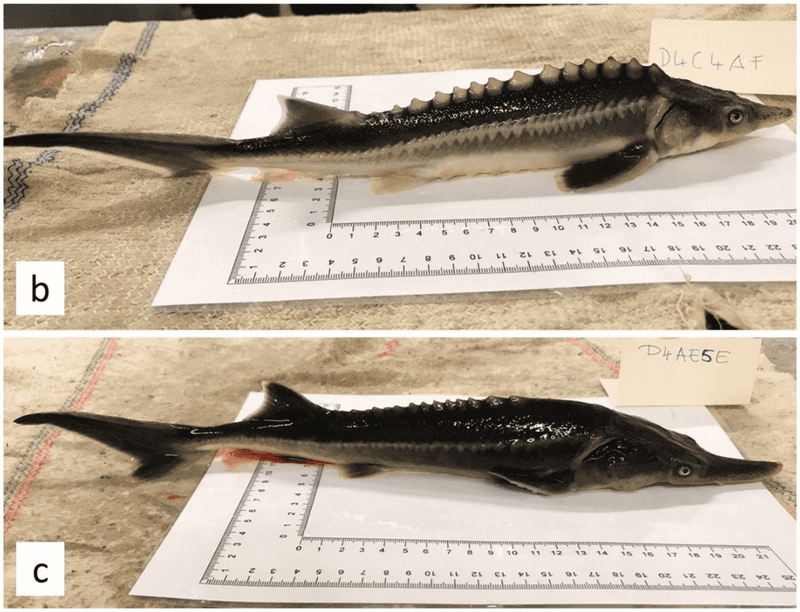
Nobody planned for the sturddlefish to exist. Hungarian researchers were simply trying to help the American paddlefish reproduce using sperm from a Russian sturgeon, expecting the sturgeon DNA to only trigger egg development without actual fertilization.
What happened instead was something science had never seen before: a genuine hybrid between two ancient fish species that had been separated by millions of years of evolution.
The results, published in 2020, described sturddlefish that inherited physical traits from both parents. Some looked more like sturgeons, others more like paddlefish, and some fell right in between.
The fish were described as healthy and growing normally, which shocked researchers given how distantly related the two parent species are.
Russian sturgeons and American paddlefish both belong to an ancient group of fish that dates back to the age of dinosaurs. Their unexpected hybrid stands as proof that evolution still holds surprises, even for scientists who think they know what to expect.
Share this story