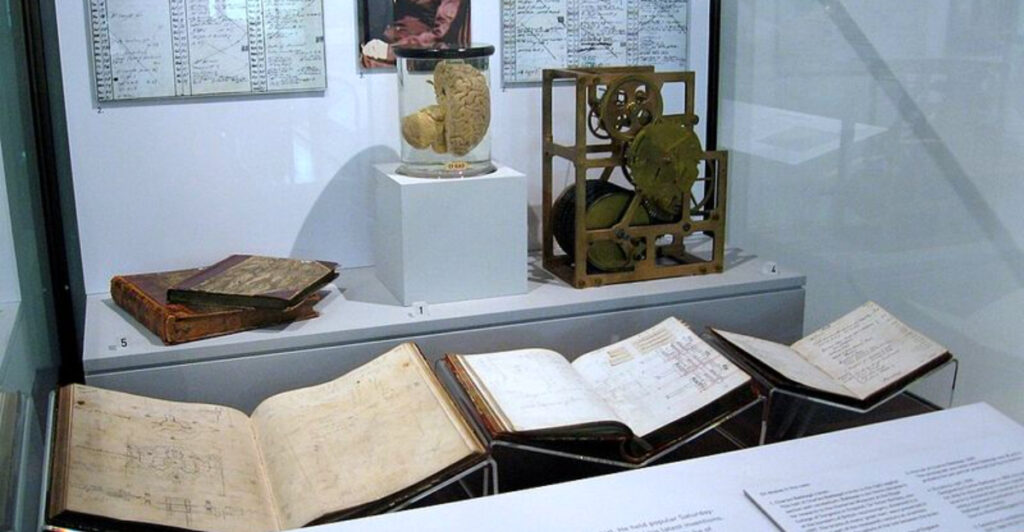
History has a way of holding on to its most fascinating figures, sometimes quite literally. Across museums, churches, and universities around the world, you can find actual preserved body parts from some of the most famous people who ever lived.
These relics range from religious treasures to scientific curiosities, each with a story that stretches back centuries. If you have ever wondered what remains of history’s greatest minds and most notorious figures, this list will take you on a genuinely unforgettable journey.
1. Galileo Galilei’s Middle Finger – Florence, Italy
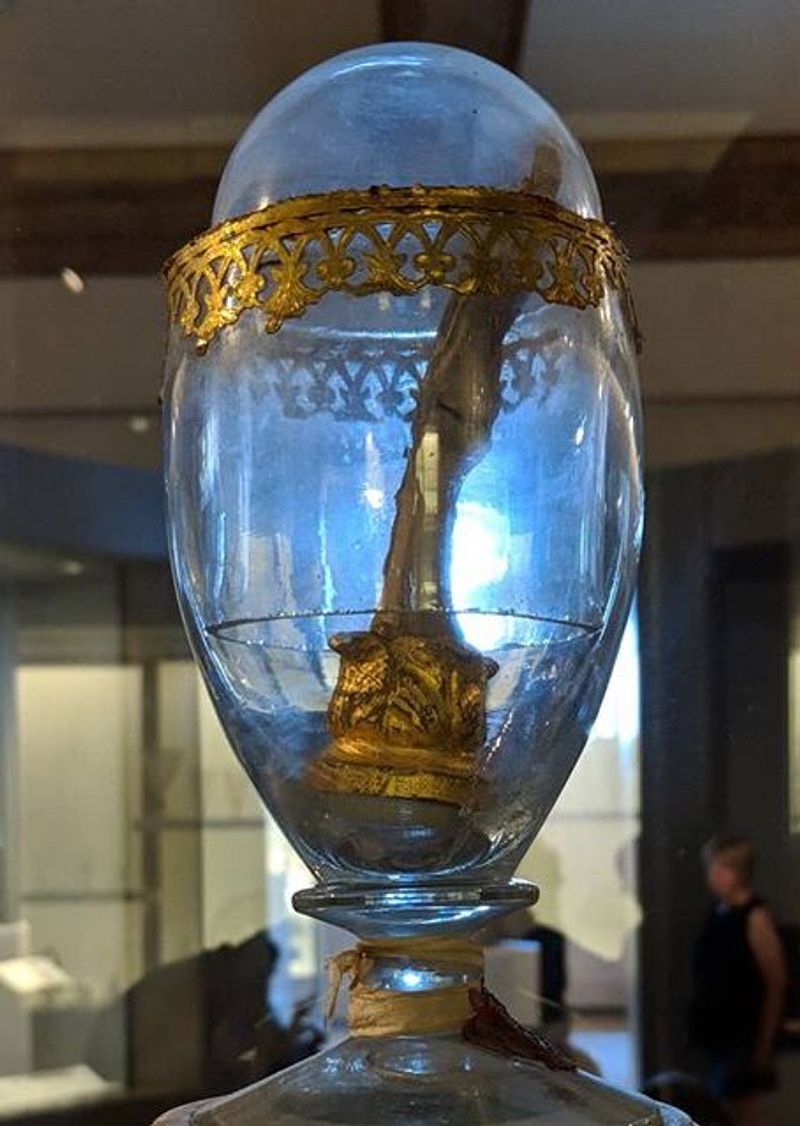
Few museums can claim to house the literal finger of a scientific legend, but the Museo Galileo in Florence does exactly that. Galileo died in 1642, and when his remains were moved to a grander tomb in 1737, devoted admirers removed several pieces of his body as keepsakes.
His right middle finger was among them, and today it sits in an elaborate decorative container in Room VII of the museum.
The gesture preserved in history is hard to miss. Many visitors find it both strange and oddly fitting that the man who challenged the Catholic Church’s view of the universe now points skyward for eternity.
The museum openly confirms both the finger’s authenticity and its exact location within the collection.
Visiting is straightforward, as the museum is centrally located near the Ponte Vecchio. Admission fees are reasonable, and the collection covers Galileo’s instruments and discoveries alongside this remarkable relic.
2. Galileo Galilei’s Thumb and Index Finger – Florence, Italy
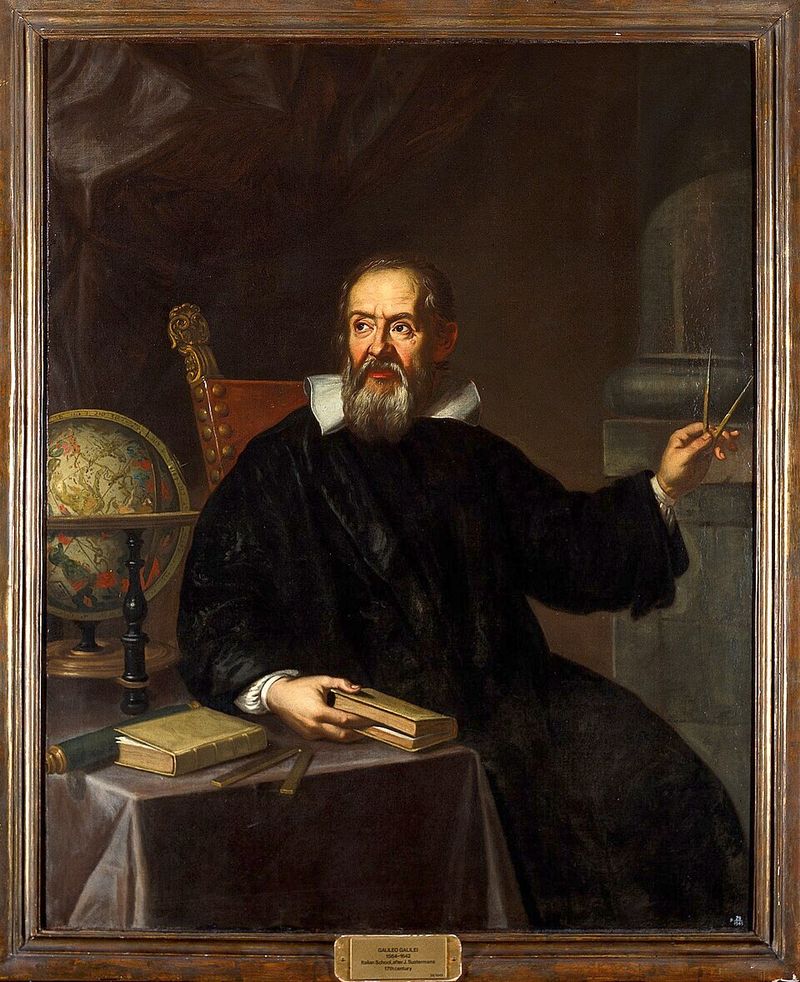
Most people do not realize that Galileo’s middle finger is not the only part of him on display in Florence. His thumb and index finger, also from his right hand, are exhibited right alongside the middle finger in Room VII of the Museo Galileo.
All three were taken from his body during the 1737 transfer of his remains.
The museum’s official catalogue lists all three fingers among the Galileo relics, leaving no question about their authenticity. Together, the fingers represent one of the most unusual groupings of human remains in any scientific museum anywhere in the world.
It is a peculiar form of tribute to a man whose observations changed the course of science.
Travelers visiting Florence often combine a trip to the Museo Galileo with nearby attractions like the Uffizi Gallery. The museum is family-friendly and offers context that makes the relics feel educational rather than unsettling.
3. Galileo Galilei’s Tooth – Florence, Italy
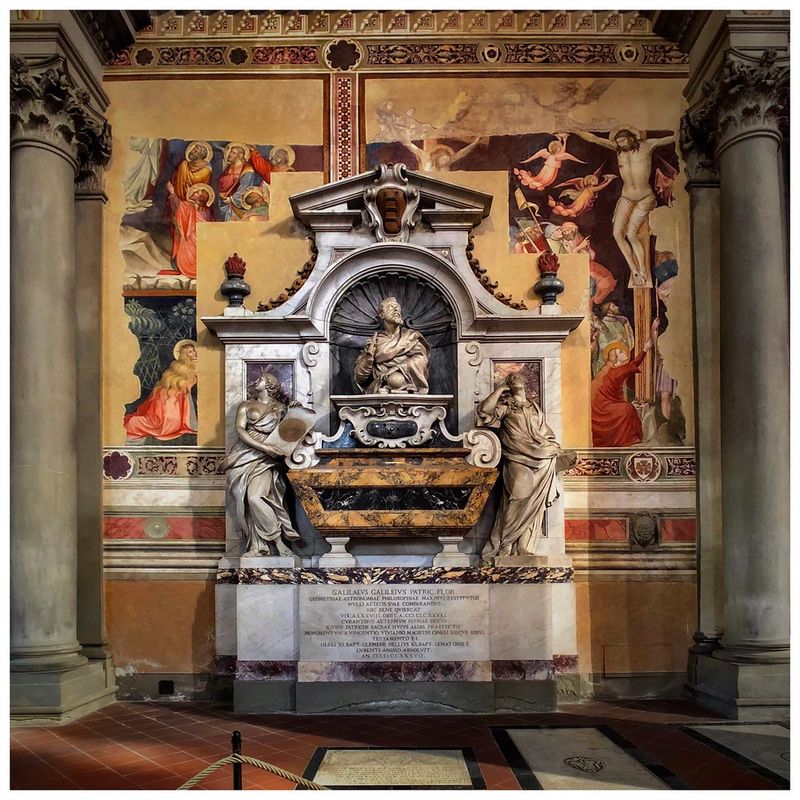
Beyond his fingers, a tooth was also removed from Galileo’s body during the 1737 transfer of his remains. This tooth is exhibited right alongside the three fingers in Room VII of the Museo Galileo, making the display a surprisingly complete collection of Galileo’s physical remains.
The museum confirms that all four items, three fingers and one tooth, were taken at the same time.
It might seem strange that admirers would preserve a tooth, but in the 18th century, collecting relics from revered figures was a well-established tradition. Scientists were sometimes treated with the same reverence as saints, and Galileo certainly inspired that level of admiration.
The tooth serves as a quiet but powerful reminder of how much he was respected.
The Museo Galileo is a must-visit for science enthusiasts traveling through Tuscany. Even younger visitors find the combination of historic instruments and personal relics genuinely engaging and thought-provoking.
4. Jeremy Bentham’s Skeleton – London, England
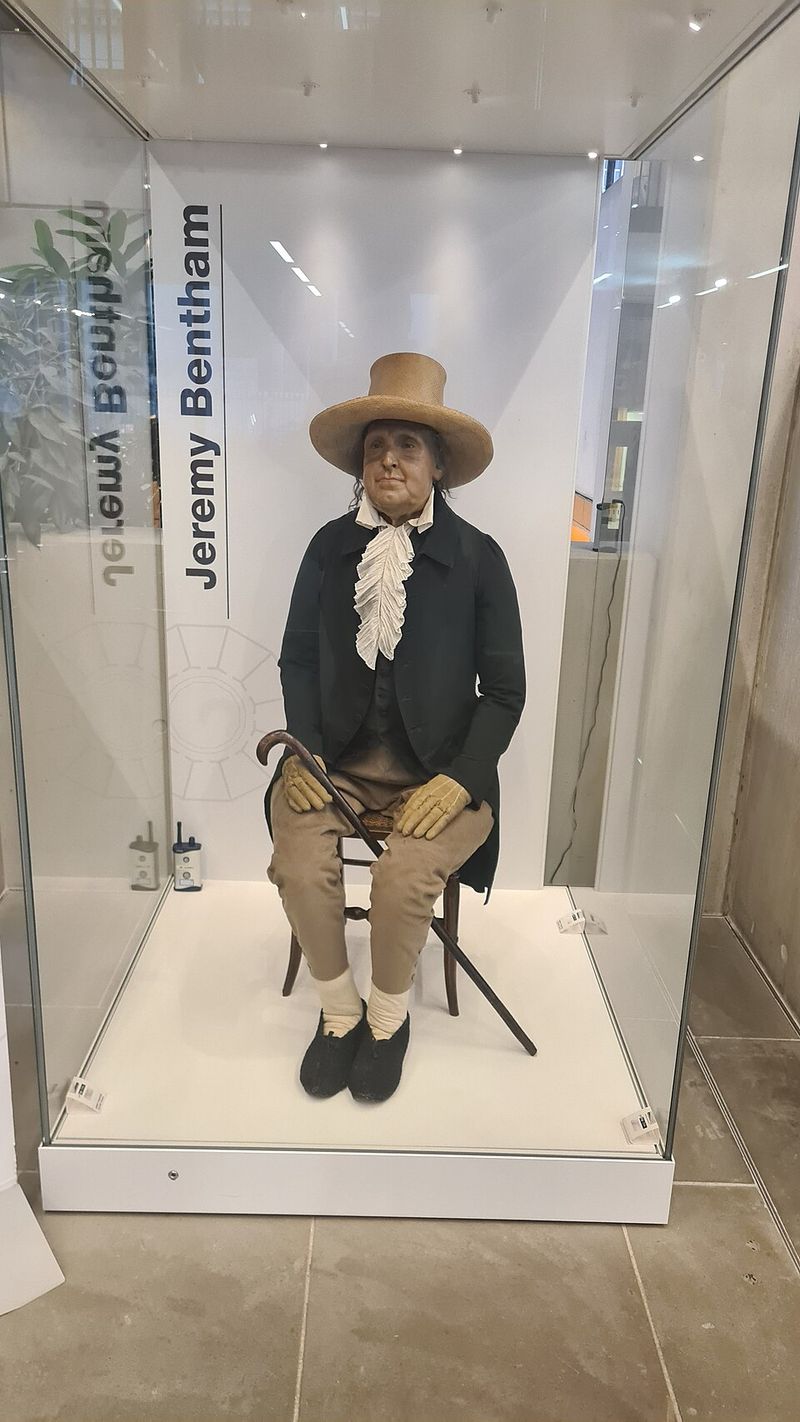
Jeremy Bentham had very specific ideas about what should happen to his body after he died in 1832, and his wishes were carried out in remarkable detail. His skeleton was preserved and dressed in his own clothes, creating what he called his Auto-Icon.
The figure sits in a wooden cabinet at University College London’s Student Centre, where it has become one of the institution’s most talked-about attractions.
The genuine skeleton remains inside the seated figure, which gives the display an authenticity that reproductions simply cannot match. Bentham believed that preserved bodies could serve as useful memorials, and his own Auto-Icon was meant to demonstrate that idea in practice.
For a philosopher who spent his life thinking practically, it was a fittingly practical final act.
UCL occasionally wheels Bentham’s Auto-Icon into special meetings, where he is officially recorded as present but not voting. That tradition alone makes this one of the quirkiest preserved relics in all of Britain.
5. Phineas Gage’s Skull – Boston, Massachusetts
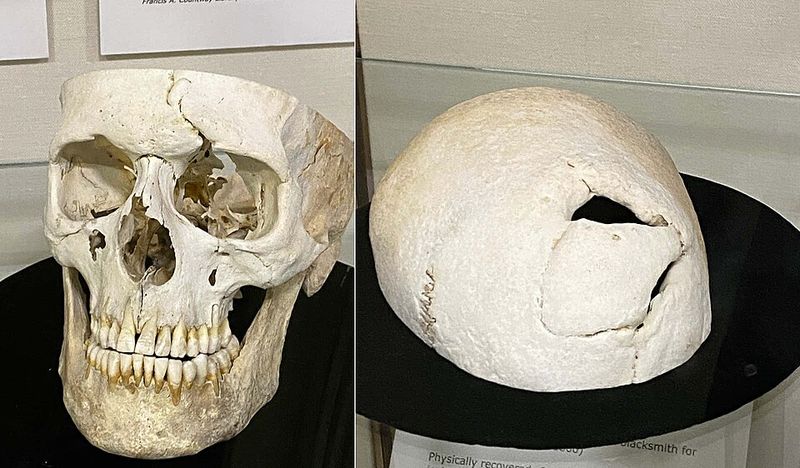
In 1848, a railroad worker named Phineas Gage survived one of the most extraordinary accidents in medical history. An iron tamping rod, over three feet long, was accidentally propelled through his skull during a blasting mishap.
Remarkably, Gage survived, though the injury dramatically changed his personality and behavior, making him a landmark case in neuroscience.
After Gage died years later, his skull and the original iron rod were donated to Harvard University. Both are now preserved in Harvard’s Warren Anatomical Museum, where they remain among the collection’s most significant items.
The pairing of the skull and the rod that passed through it gives the display an immediacy that photographs simply cannot replicate.
The Warren Anatomical Museum is accessible to the public, though visiting typically requires advance arrangements through Harvard Medical School. For anyone interested in the history of brain science, this is one of the most important physical artifacts in existence.
6. Chang and Eng Bunker’s Conjoined Liver – Philadelphia, Pennsylvania
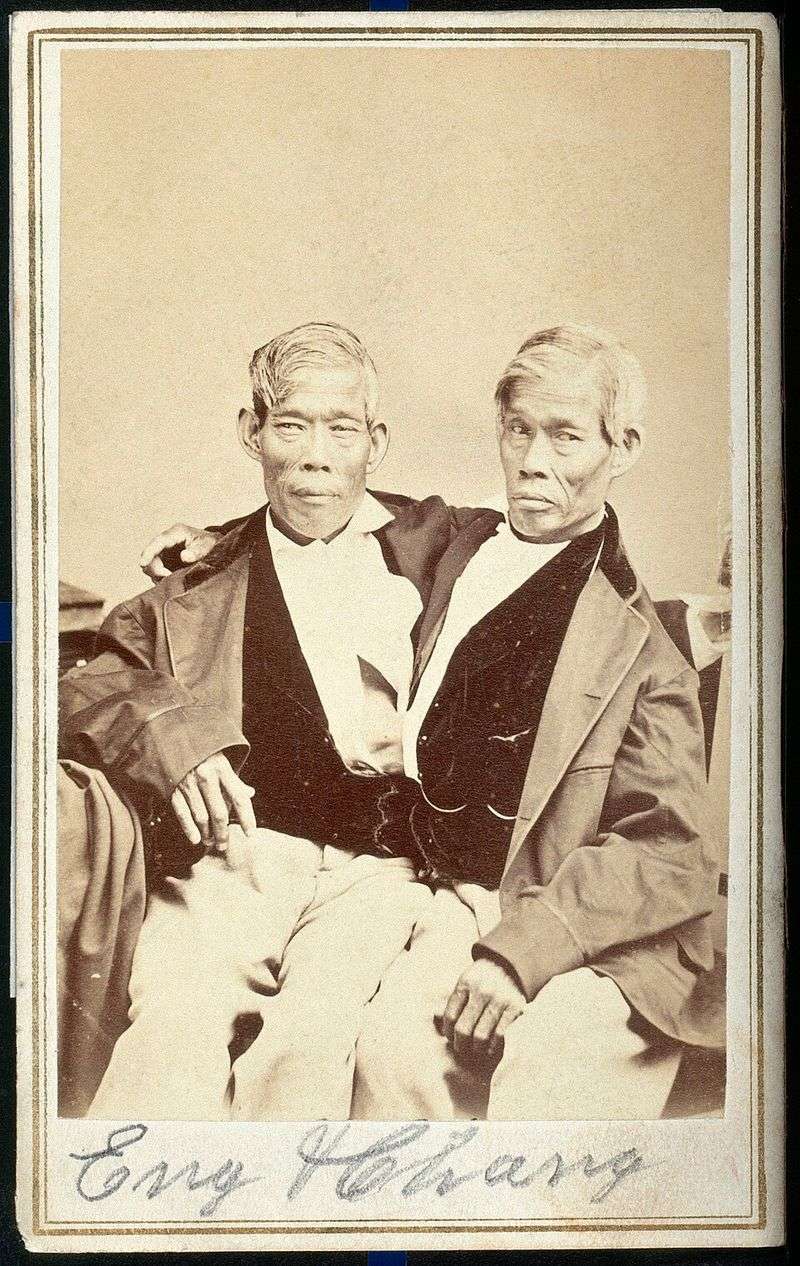
Chang and Eng Bunker, the original Siamese twins, became world-famous during the 19th century for their extraordinary life. Born in Siam in 1811 and joined at the chest by a band of tissue, they traveled the world, married two sisters, and fathered more than twenty children.
When they died in 1874, an autopsy revealed that their livers were actually connected by tissue within that joining band.
The preserved liver specimen became part of the Mutter Museum’s collection in Philadelphia, accompanied by a plaster cast of their conjoined torsos. Together, these items give visitors a rare and medically significant look at the anatomy that defined their lives.
The Mutter Museum is known for its thoughtful presentation of medical history, and the Bunker display is treated with genuine respect.
Philadelphia’s Mutter Museum is one of the finest medical history museums in the United States. A visit offers real insight into how 19th-century medicine understood and studied the human body.
7. Albert Einstein’s Brain Tissue – Philadelphia, Pennsylvania
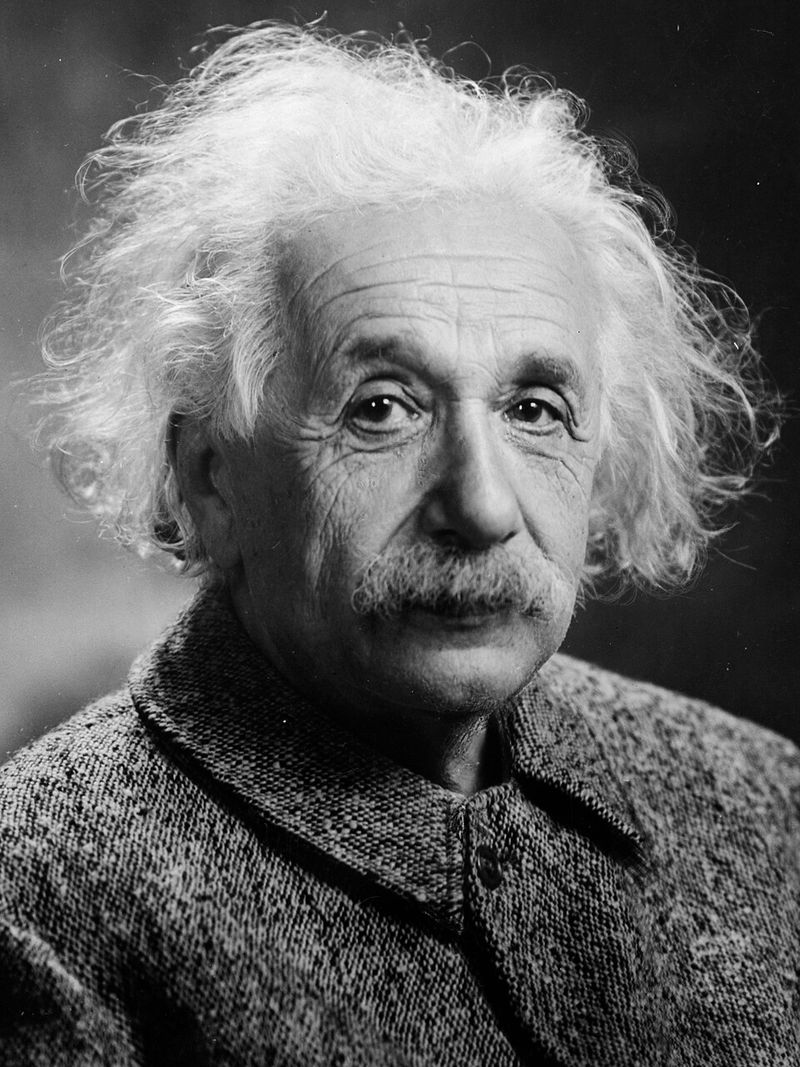
When Albert Einstein died in 1955, pathologist Thomas Harvey removed his brain during the autopsy without the family’s prior consent, setting off decades of controversy. Harvey kept the brain for years, eventually sharing small portions with researchers studying its structure.
The story of Einstein’s brain became one of the strangest chapters in modern scientific history.
Decades later, 46 microscope slides containing actual sections of Einstein’s brain were donated to Philadelphia’s Mutter Museum. These are genuine brain tissue samples, not models or reproductions, which makes the display genuinely one of a kind.
Visitors can see the slides up close, offering a connection to one of the greatest scientific minds in human history.
The Mutter Museum presents the slides alongside clear explanations of what researchers have learned from studying Einstein’s brain. Whether or not his brain holds any secrets to his genius remains debated, but the opportunity to stand near that tissue is undeniably remarkable.
8. Charles Babbage’s Brain – London, England
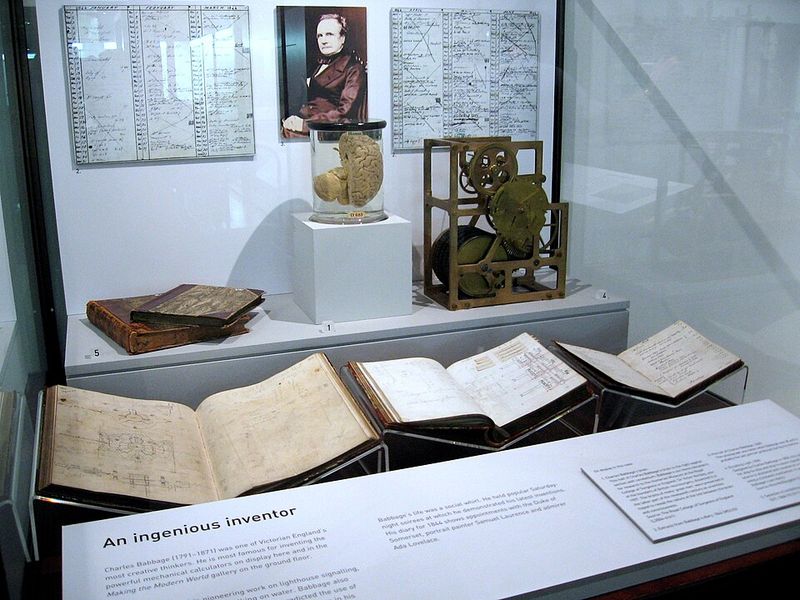
Charles Babbage is widely credited as the pioneer of the modern computer, having designed mechanical calculating engines in the 19th century that laid the foundation for computing as we know it. When he died in 1871, his brain was preserved rather than buried, which was not entirely unusual for prominent scientists of the era.
What happened next, however, was decidedly unusual.
His brain was divided into two portions. One half ended up in the collection of London’s Science Museum, while the other went to the Hunterian Museum.
This means that pieces of one of history’s most important analytical minds are split between two different institutions in the same city, which feels like something Babbage himself might have found logically interesting.
The Science Museum in London is free to enter and draws millions of visitors each year. Babbage’s computing engines are also on display there, making a visit feel like a complete portrait of the man who imagined the digital future.
9. St. Oliver Plunkett’s Preserved Head – Drogheda, Ireland
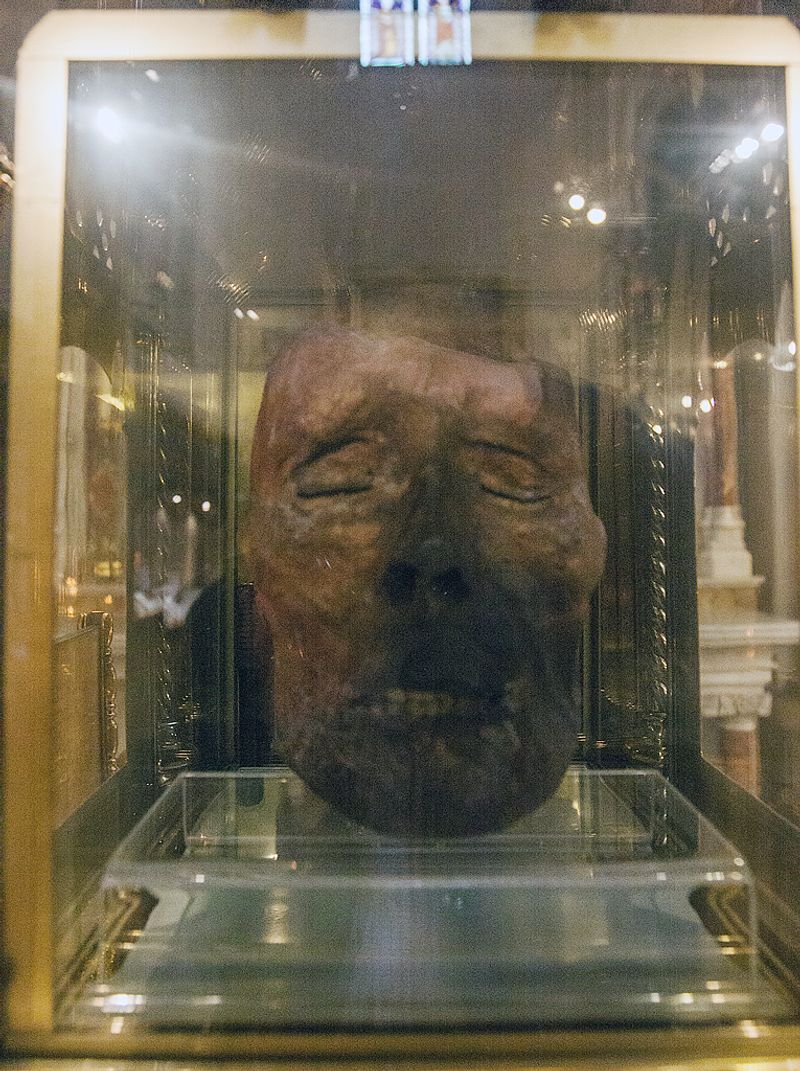
Oliver Plunkett served as the Catholic Archbishop of Armagh during one of the most dangerous periods for Catholics in Ireland and England. In 1681, he was executed in London on charges of treason, becoming the last Catholic martyr to die at Tyburn.
His death was politically motivated, and he was later canonized as a saint by the Catholic Church in 1975.
After his execution, his head was preserved as a religious relic and eventually made its way back to Ireland. Today it is displayed at St. Peter’s Church in Drogheda, where it has been a site of pilgrimage for centuries.
The head rests within an ornate reliquary, surrounded by the full atmosphere of a working Catholic church.
Drogheda is easily reached from Dublin, making it a practical stop for visitors to Ireland’s east coast. The shrine draws both religious pilgrims and history enthusiasts, and the church itself is a beautiful example of Irish Catholic heritage.
10. John Wilkes Booth’s Vertebrae – Maryland
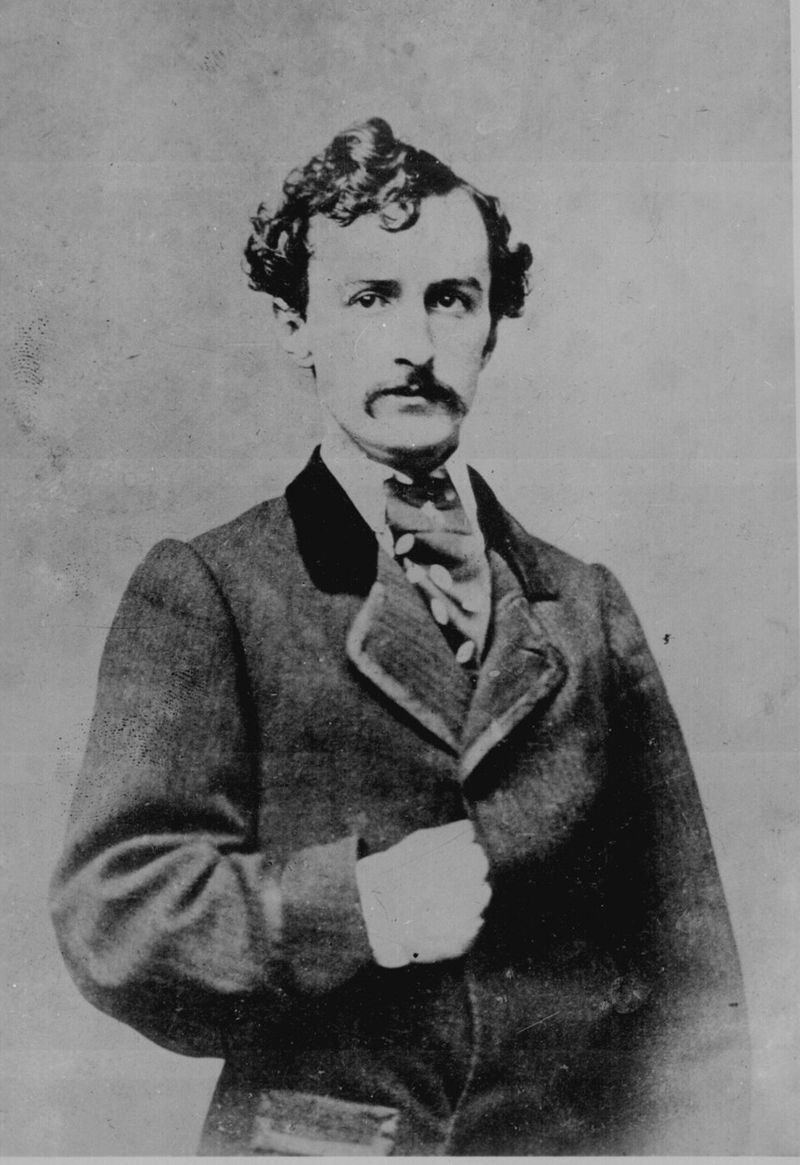
John Wilkes Booth assassinated President Abraham Lincoln on April 14, 1865, and was himself shot and killed less than two weeks later while hiding in a Virginia barn. His body was brought aboard the USS Montauk, where an official autopsy was conducted to confirm his identity and document the cause of death.
That examination yielded more than just a report.
Portions of Booth’s cervical vertebrae were retained specifically because they showed the path of the bullet that killed him. These bone specimens have survived more than 150 years and are now part of the collection at the National Museum of Health and Medicine in Maryland.
The museum holds one of the most significant collections of Civil War-era medical and forensic artifacts in the country.
The National Museum of Health and Medicine is open to the public and offers a sobering look at military medicine through American history. Booth’s vertebrae represent a direct, physical connection to one of the most consequential moments in United States history.
Share this story