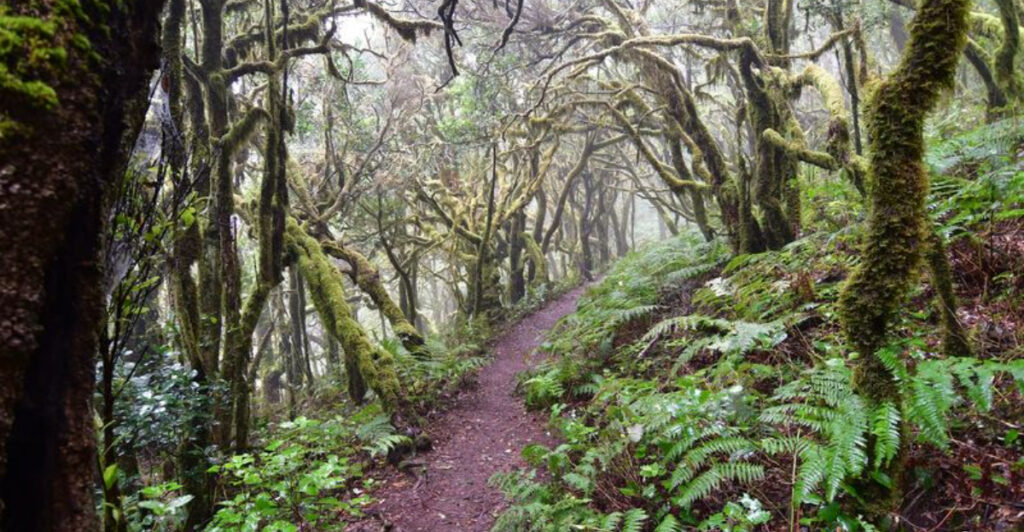
Spain is hiding some seriously wild secrets behind its sunny beaches and cobblestone streets. From volcanic moonscapes to misty ancient forests, the country’s national parks pack enough drama to make your jaw drop.
Whether you’re an avid hiker, a wildlife lover, or just someone who appreciates jaw-dropping scenery, Spain’s protected landscapes have something remarkable to offer. Get ready to discover ten of the most spectacular natural parks the country has to offer.
Picos de Europa National Park
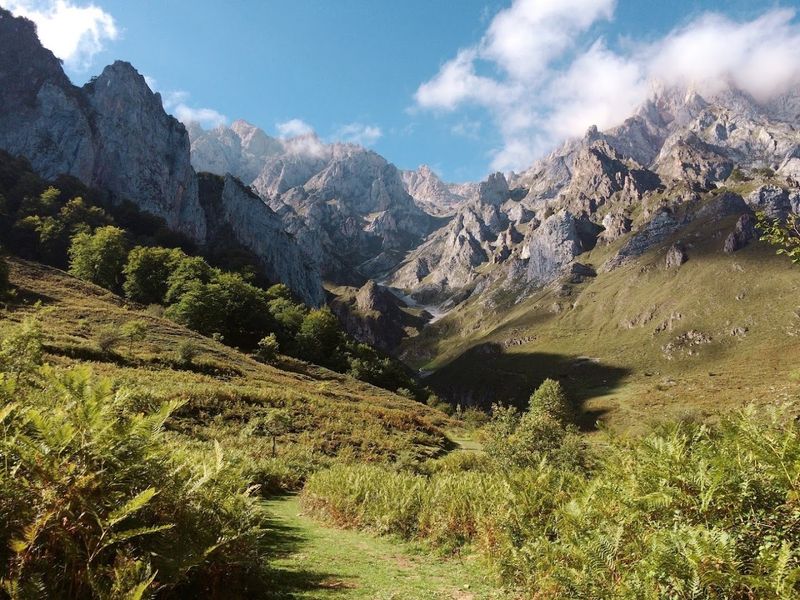
Stand at the edge of a gorge in Picos de Europa and you’ll understand immediately why this place earned its dramatic name. The towering limestone peaks rise so sharply they look almost carved by hand.
This park sprawls across three Spanish regions: Asturias, Cantabria, and Castilla y Leon, making it one of the country’s most geographically diverse protected areas.
Hikers here have more than 30 self-guided routes to choose from, ranging from easy valley strolls to serious mountain climbs. The Cares Gorge trail is legendary, cutting 12 kilometers through sheer rock walls above a rushing river far below.
Wildlife watchers will spot chamois, wolves, and golden eagles if they’re patient enough.
Mountain villages tucked into the valleys add a human touch to the wildness. Many offer traditional Asturian cider houses and local cheese that’s been made in these hills for centuries.
Picos de Europa is genuinely one of those places where nature feels completely in charge, and honestly, that’s exactly the point.
Ordesa y Monte Perdido National Park
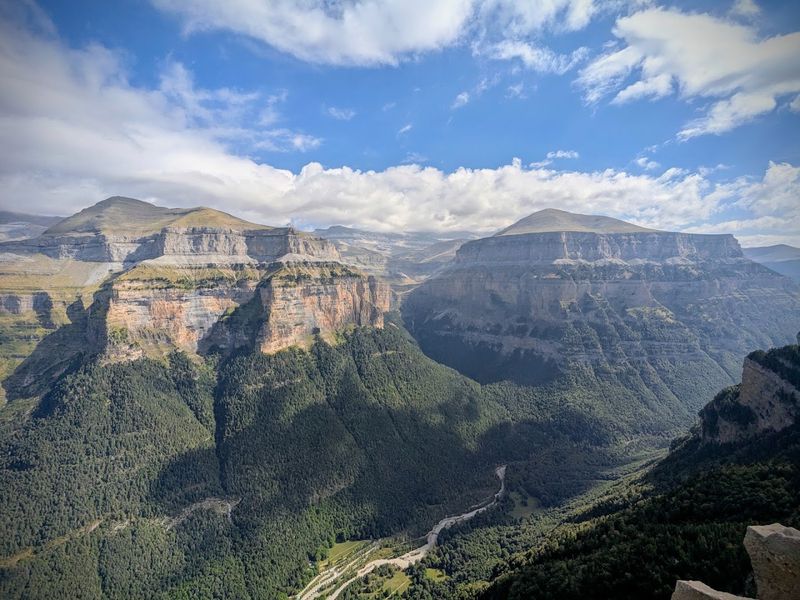
Ordesa y Monte Perdido has been called the Grand Canyon of the Pyrenees, and once you see those colossal cliff walls rising above the valley floor, it’s hard to argue. The park sits in the Aragonese Pyrenees and protects an extraordinary mix of glacial canyons, alpine meadows, beech forests, and snow-capped summits.
Monte Perdido itself reaches 3,355 meters, making it the third-highest peak in the entire Pyrenees range.
UNESCO recognized this landscape as a World Heritage site, sharing the designation with France’s neighboring Parc National des Pyrenees. The famous Soaso Cirque trail leads hikers past waterfalls, including the stunning Cola de Caballo, which drops dramatically from high granite walls.
Spring is especially spectacular when snowmelt sends water crashing down every cliff face in sight.
Wildlife here includes griffon vultures, brown bears, and the rare Pyrenean chamois. The park gets busy in summer, so arriving early in the morning rewards visitors with quieter trails and better wildlife sightings.
Ordesa is the kind of place that makes you feel genuinely small in the best possible way.
Donana National Park
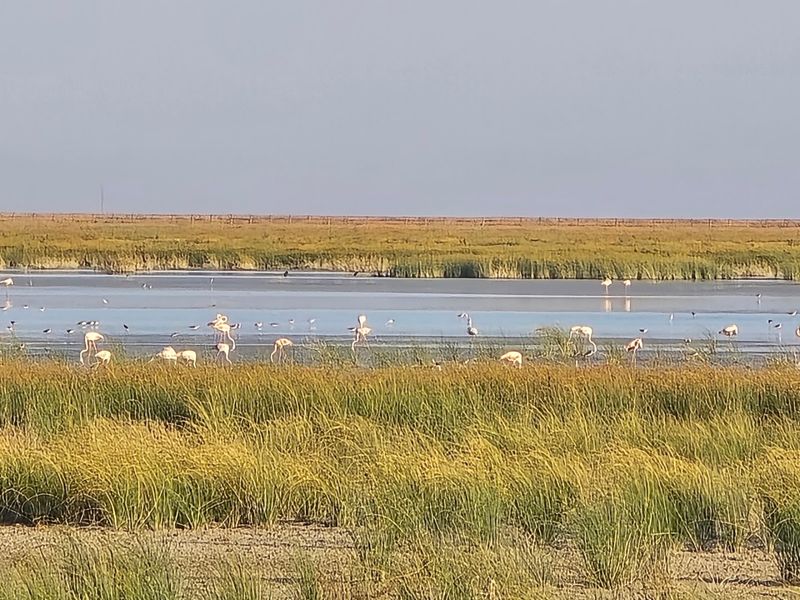
Somewhere between the Atlantic Ocean and the Guadalquivir River, Donana holds one of Europe’s most important wildlife secrets. This park near the Gulf of Cadiz protects a remarkable patchwork of wetlands, shifting sand dunes, pine forests, and seasonal marshes that change dramatically with the seasons.
Over 300 species of birds have been recorded here, which makes it an absolute paradise for birdwatchers.
Donana is home to some seriously rare animals, including the Iberian lynx, one of the world’s most endangered wild cats. Spanish imperial eagles also breed here, and the park plays a critical role in keeping this species from disappearing entirely.
During autumn and winter, the marshes fill with hundreds of thousands of migratory birds arriving from Africa and northern Europe.
Access to the core protected zone is restricted to guided tours, which actually helps preserve the fragile ecosystems inside. Visitors can explore the park’s buffer zones independently on marked trails and boardwalks.
The best time to visit is late winter or spring, when the wetlands are full and wildlife activity peaks. Donana rewards patience like almost no other park in Spain.
Teide National Park
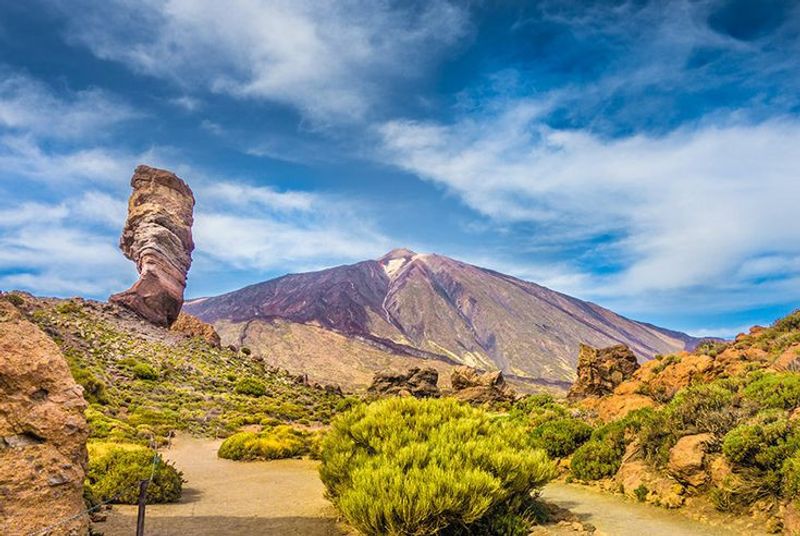
Visiting Teide feels less like a hike and more like stepping onto the surface of another planet. Mount Teide rises to 3,715 meters, making it the highest peak in Spain and the third-largest volcano on Earth measured from its oceanic base.
The surrounding landscape of hardened lava flows, alien rock formations, and volcanic craters looks like something out of a science fiction film.
UNESCO designated Teide a World Heritage site, partly because its geology tells a clear and dramatic story of volcanic activity that shaped the Canary Islands over millions of years. The park sits at the center of Tenerife and can be reached easily from most resort areas on the island.
A cable car carries visitors most of the way up the mountain, though reaching the summit crater requires a special permit.
Stargazing at Teide is among the best experiences in Europe, thanks to the high altitude and minimal light pollution. On clear nights, the Milky Way stretches visibly overhead in a display that’s genuinely breathtaking.
Whether you visit by day for the volcanic scenery or by night for the stars, Teide delivers something completely unforgettable every single time.
Timanfaya National Park
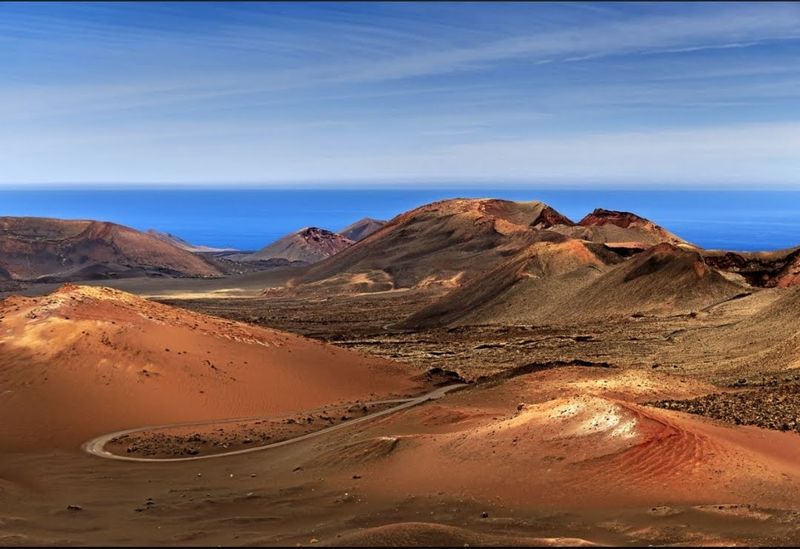
Black lava stretches in every direction at Timanfaya, creating one of the strangest and most striking landscapes you’ll ever walk through. This park covers a large section of Lanzarote and owes its dramatic appearance to a series of massive volcanic eruptions that occurred between 1730 and 1736.
Those eruptions lasted six full years and buried entire villages under lava, permanently reshaping the island’s character.
The ground at Timanfaya is still geothermally active. Park rangers demonstrate this by pouring water into a small hole in the earth, which instantly shoots back out as a geyser of steam.
Visitors can also watch a bush burst into flame when held over a natural vent, which sounds alarming but is completely controlled and endlessly impressive.
A bus tour called the Ruta de los Volcanes winds through the park’s most dramatic terrain, since private vehicles are not allowed inside the protected core area. The colors across the landscape shift from jet black to deep rust, burnt orange, and pale ochre depending on mineral content and light conditions.
Timanfaya is raw, volcanic, and absolutely unlike anywhere else in Europe. It’s worth every minute of the journey to get there.
Aiguestortes i Estany de Sant Maurici National Park
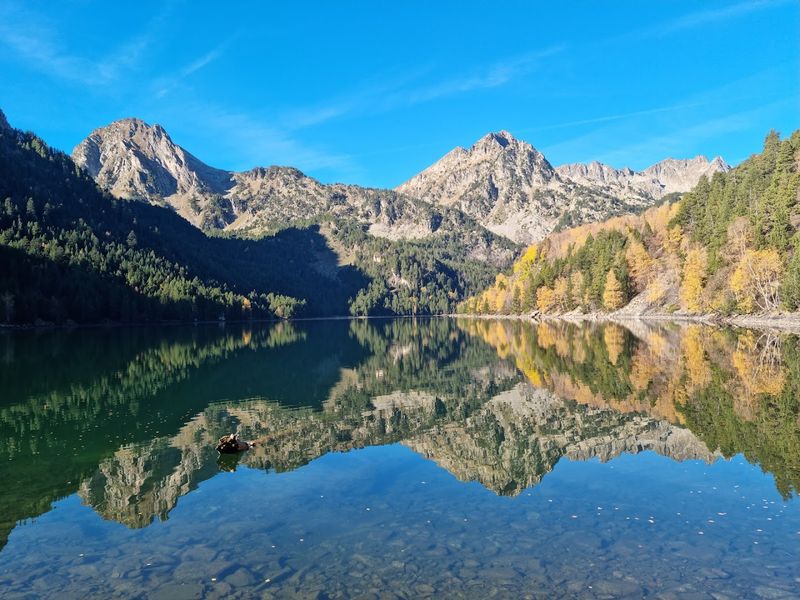
More than 200 lakes are scattered across this Pyrenean park like shards of mirror dropped from the sky. Aiguestortes i Estany de Sant Maurici is Catalonia’s only national park and one of the most visually stunning protected areas in the entire country.
The name translates roughly to “winding streams and lake of Saint Maurice,” which gives you a pretty accurate preview of what awaits inside.
Granite peaks frame the landscape on all sides, while crystal-clear rivers and waterfalls connect lake after lake through pine and fir forests. The park covers nearly 14,000 hectares and rises to over 3,000 meters at its highest points.
Hiking trails range from gentle lakeside paths to demanding high-altitude crossings that require proper preparation and experience.
Wildlife includes otters, golden eagles, chamois, and the elusive capercaillie, a large forest grouse that few visitors are lucky enough to spot. Autumn turns the forests into a spectacular blaze of gold and amber, making it one of the most photogenic seasons to visit.
Jeep taxis operate from the park entrances to reach the interior more quickly, which is especially handy for families or those with limited hiking time.
Sierra Nevada National Park
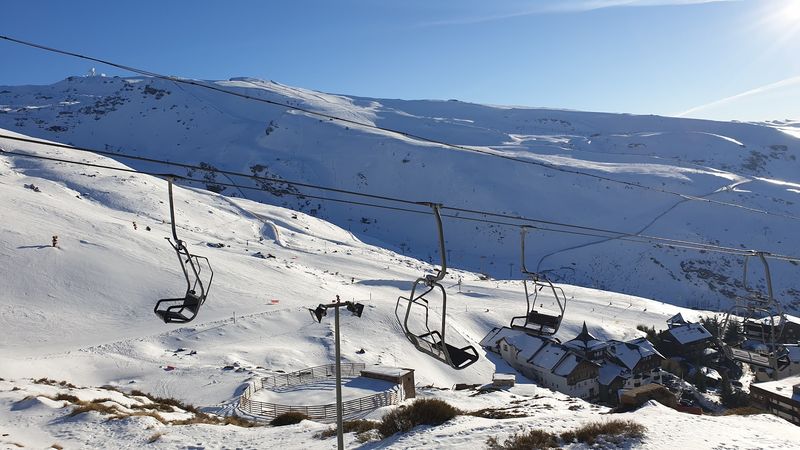
Sierra Nevada holds a record that surprises many visitors: Mulhacen, its highest summit, rises to 3,479 meters, making it the tallest mountain on the entire Iberian Peninsula. The park sits in Andalusia, just a short drive from the beaches of Granada province, creating one of Europe’s most dramatic elevation contrasts.
You can genuinely ski in the morning and sunbathe at the coast by afternoon.
The park protects more than 15 peaks above 3,000 meters, along with a remarkable variety of plant species found nowhere else on Earth. As elevation changes, so does the entire character of the landscape, from Mediterranean scrubland and oak woodland at lower levels to bare rocky ridges and glacial lakes higher up.
Over 2,000 plant species have been recorded within the park’s boundaries.
Spring brings an extraordinary wildflower bloom across the high meadows, drawing botanists and photographers from across Europe. The GR7 long-distance trail crosses through the park, connecting it to a network of walking routes that extend all the way to Greece.
For anyone who assumes Andalusia is just flamenco and sunshine, Sierra Nevada offers a genuinely eye-opening alternative worth exploring.
Garajonay National Park
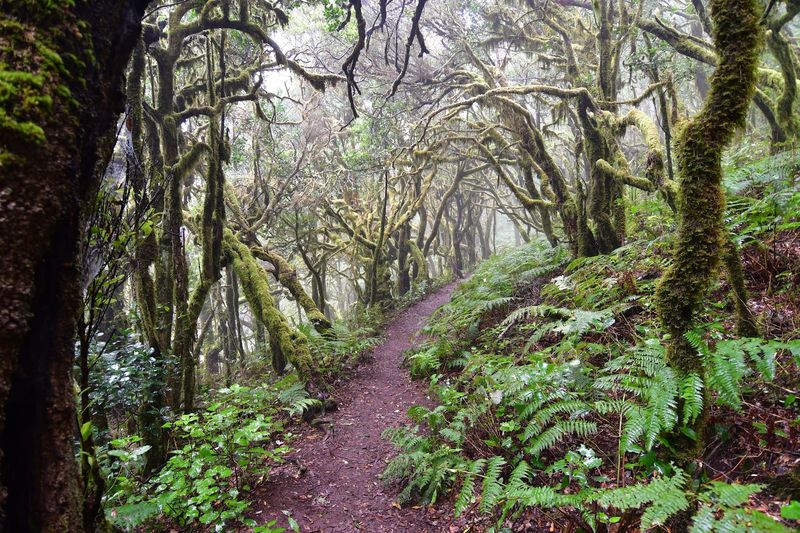
Walking through Garajonay feels like stepping back 10 million years, because in a very real sense, you actually are. The laurel forests that blanket most of this park on La Gomera are relics of a subtropical woodland that once covered much of southern Europe and North Africa before the ice ages wiped it out.
This is living, breathing prehistoric vegetation, and it’s genuinely extraordinary.
Clouds drift through the forest almost constantly, keeping the air cool and damp and coating every branch in thick green moss. The effect is dreamlike and slightly eerie, especially on foggy mornings when visibility drops to just a few meters between the ancient trees.
UNESCO added Garajonay to its World Heritage list in 1986, recognizing it as one of the most significant natural forests remaining anywhere in the world.
The park covers about 40 percent of La Gomera’s total surface area, which is remarkable for a small island. Marked trails wind through ravines, across ridgelines, and into the forest’s quietest corners, where the only sounds are birdsong and dripping water.
La Gomera itself is refreshingly uncommercial compared to its larger Canary Island neighbors, making Garajonay feel genuinely undiscovered even today.
Monfrague National Park
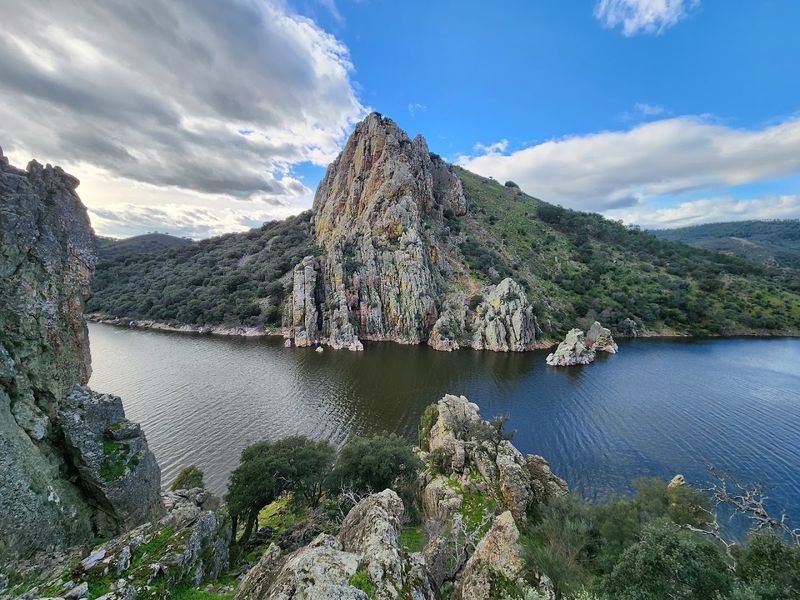
Look up at the cliffs above the Tagus River in Monfrague and you might count dozens of griffon vultures circling lazily on the thermals. This park in Extremadura is widely considered one of the best places in Europe to watch large birds of prey, and that reputation is fully deserved.
Black vultures, Spanish imperial eagles, black storks, and eagle owls all breed within the park’s boundaries.
The famous Salto del Gitano viewpoint offers a front-row seat to one of nature’s most impressive daily performances. Vultures launch themselves from the cliff face just meters away from where visitors stand, riding updrafts with barely a wingbeat.
The experience is dramatic, close, and completely free to enjoy.
Beyond the birdlife, Monfrague protects a rugged landscape of cork oak woodland, Mediterranean scrub, and granite outcrops that feels genuinely remote. The park is relatively small compared to others on this list but packs an outsized wildlife punch into every kilometer.
Visiting in spring means witnessing courtship flights, nest building, and the general frantic energy of breeding season. Monfrague is proof that you don’t need towering mountains or dramatic coastlines to create a truly unforgettable natural experience.
Sierra de las Nieves National Park
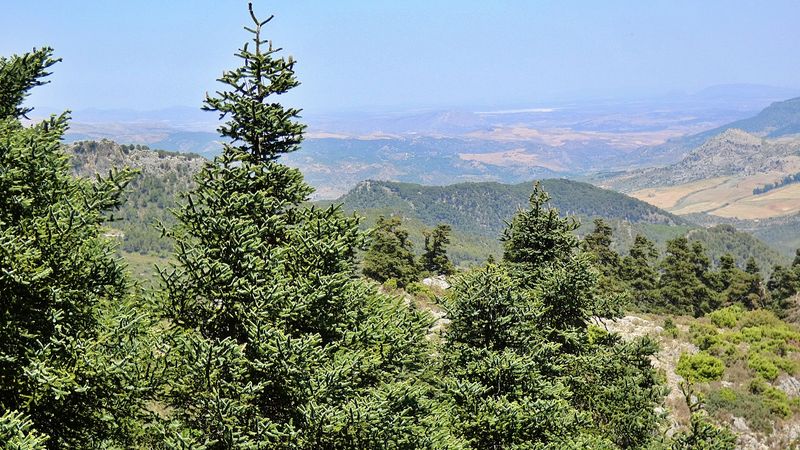
Just a short drive from the crowded resorts of the Costa del Sol, Sierra de las Nieves feels like a completely different world. Spain’s newest national park, designated in 2021, protects a mountainous interior of limestone peaks, deep ravines, ancient forests, and traditional white villages that seem frozen in a quieter century.
The contrast with the coast is almost comically extreme.
The park is home to one of the world’s largest surviving forests of Spanish fir, a tree species that dates back to before the last ice age. These trees, known locally as pinsapos, cling to steep slopes at high elevations and create dense, cathedral-like woodland that feels genuinely ancient.
Birdwatchers can spot golden eagles, peregrine falcons, and the rare Bonelli’s eagle within the park’s boundaries.
Outdoor activities here are seriously varied. Visitors can hike, go canyoning, try horse riding, paddle through river sections, or explore the area on rural tourism routes connecting traditional villages.
The town of Ronda, perched dramatically above a deep gorge, sits nearby and makes an excellent base for exploring the park. Sierra de las Nieves is the kind of hidden gem that makes you wonder why more people aren’t talking about it.
Share this story