Mexican culture has shaped the United States in ways that go far beyond food and music. From the names of cities to the languages spoken at home, its influence runs deep across many states.
Some of these connections go back hundreds of years, long before the U.S. even existed as a nation. Here are ten states where Mexican culture is not just present but truly part of daily life.
1. New Mexico
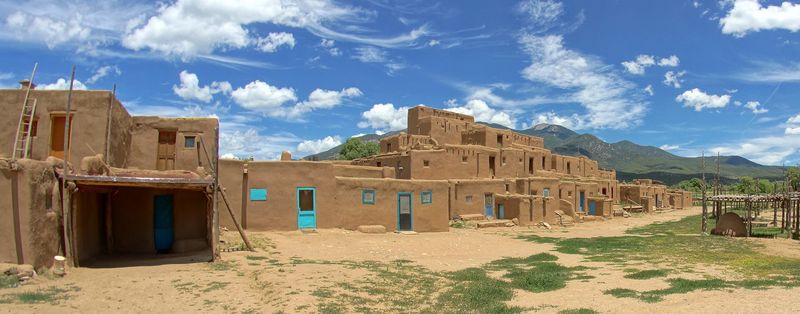
New Mexico stands in a category all its own. Much of its Hispanic culture actually predates U.S. statehood, rooted in centuries-old Spanish and Mexican traditions that never disappeared.
Walking through Santa Fe or Albuquerque, you feel history layered into the very streets.
The state’s official language policy recognizes Spanish alongside English, and traditional foods like red and green chile are practically a religion here. Local festivals, art styles, and architecture all carry the unmistakable stamp of Mexican and Indigenous heritage blended together over generations.
New Mexico is the only U.S. state where Hispanic residents make up the majority of the population. That is not a recent trend but a reflection of deep, unbroken cultural roots.
If you want to understand how Mexican culture truly lives in America, New Mexico is the place to start.
2. Texas
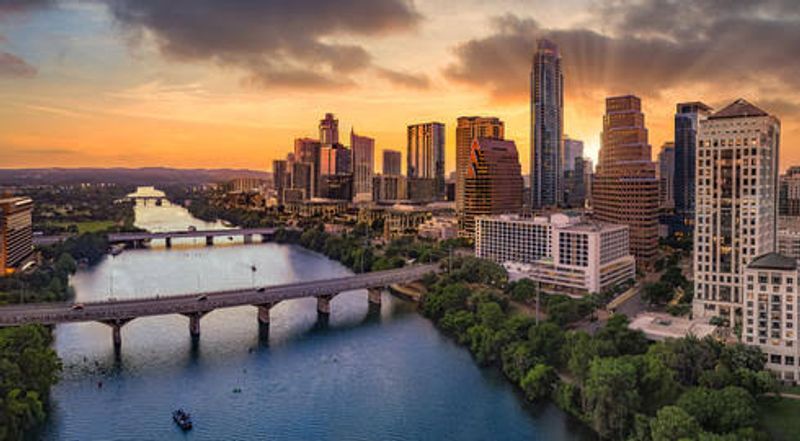
Everything is bigger in Texas, and that includes its Mexican cultural footprint. The state shares nearly 1,300 miles of border with Mexico, and that closeness shapes everything from the food on the table to the music on the radio.
Tex-Mex cuisine is its own proud culinary tradition born right here.
San Antonio’s historic districts tell stories of a time when Texas was part of Mexico, and Spanish-language media thrives across major cities. Millions of Mexican-American families have called Texas home for generations, building communities, businesses, and traditions that are now inseparable from Texas identity.
Festivals like Fiesta San Antonio draw hundreds of thousands of visitors each year and celebrate that rich cultural blend. The influence is not confined to border towns either.
From Houston to Dallas, Mexican culture shows up in neighborhoods, schools, and everyday conversations across the entire state.
3. California
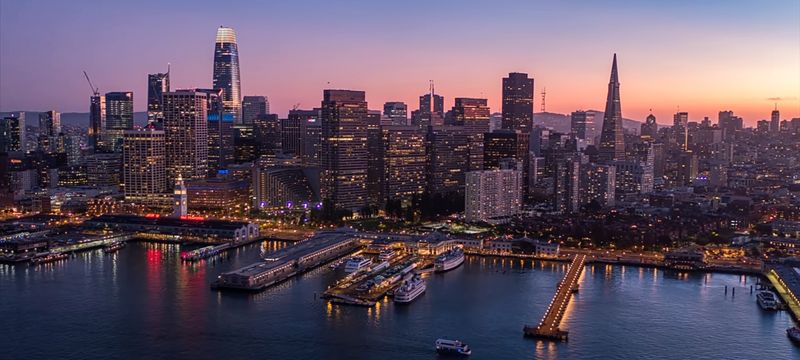
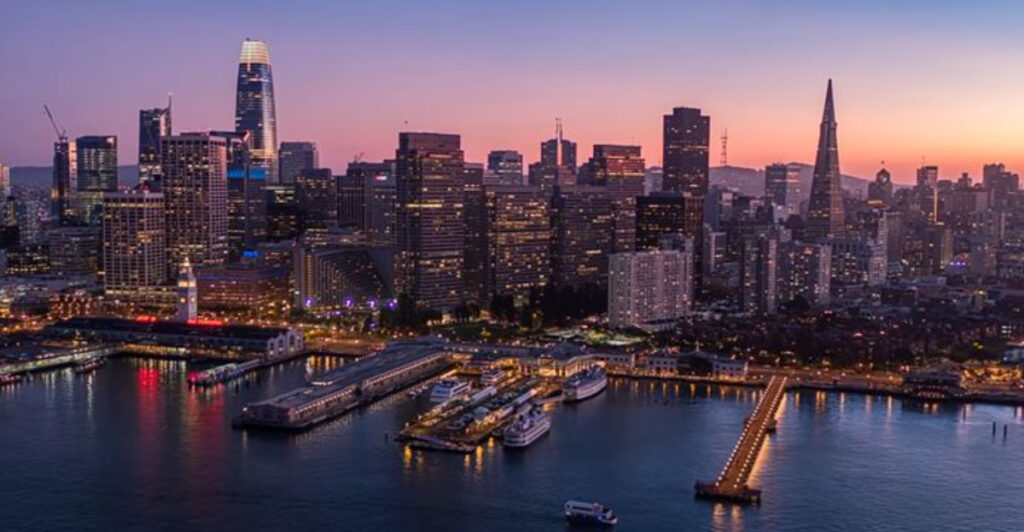
California was literally part of Mexico until 1848, and that history never faded. Cities like Los Angeles, San Diego, and San Francisco carry Spanish and Mexican names as a daily reminder of their origins.
The Mission District in San Francisco is one of the most well-known Mexican-American neighborhoods in the entire country.
California is home to one of the largest Mexican-American populations in the world, with millions of families maintaining language, food, and traditions passed down through generations. Murals celebrating Mexican heritage decorate city walls, and Dia de los Muertos events draw massive community participation each fall.
Agricultural communities throughout the Central Valley also have deep ties to Mexican labor history, honoring figures like Cesar Chavez who fought for farmworkers’ rights. California’s Mexican cultural presence is visible, celebrated, and deeply embedded in the state’s social and political fabric every single day.
4. Arizona
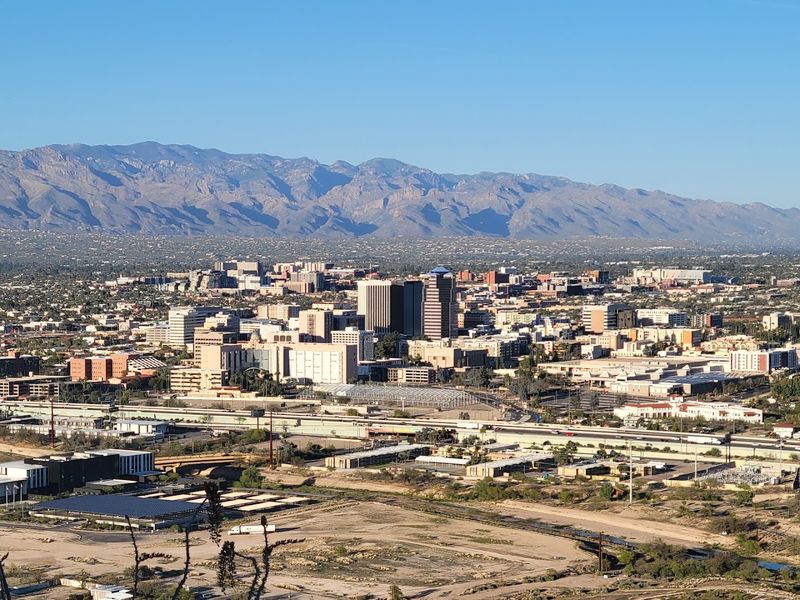
Arizona was Mexican territory before it became a U.S. state, and that history shows up everywhere. Tucson, one of its oldest cities, has a Mexican-American population with roots stretching back centuries.
The city even hosts the Tucson Meet Yourself festival, a beloved celebration of regional folk and ethnic traditions including Mexican culture.
Spanish is widely spoken throughout Arizona, and Mexican cuisine is not a novelty but a staple. Restaurants, bakeries, and markets serving traditional Mexican food are found in nearly every city and town across the state.
The borderlands culture of southern Arizona creates a natural blending of both sides, where families often have relatives in both countries. Architecture, music, and community celebrations all reflect that ongoing connection.
Arizona is a state where Mexican culture is not something imported from outside but something that has been growing from the ground up for a very long time.
5. Nevada
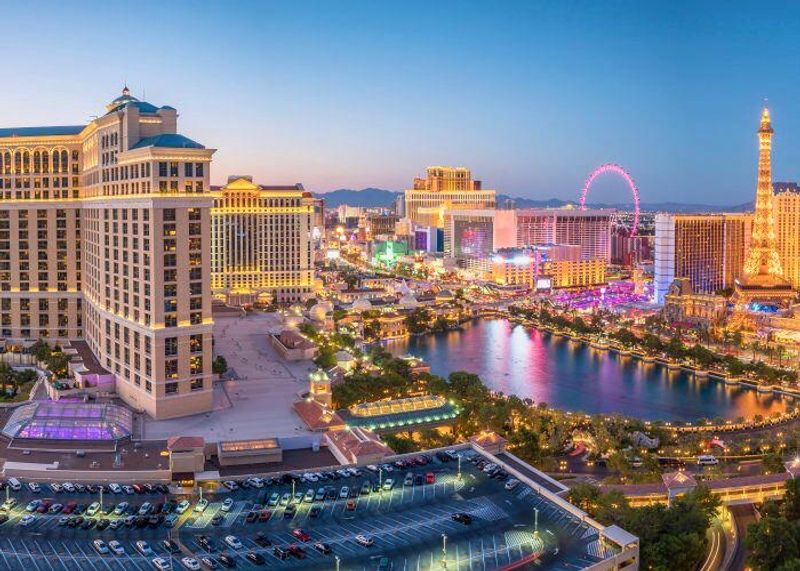
Nevada might be best known for casinos and desert landscapes, but its Mexican-American community has quietly built one of the most culturally rich presences in the American West. Southern Nevada, particularly the Las Vegas metro area, has seen its Mexican-American population grow significantly over the past few decades.
Spanish-language radio stations, Mexican restaurants, and cultural events are woven into everyday life in neighborhoods throughout the region. Mexican Independence Day celebrations in Las Vegas draw large, enthusiastic crowds each September, filling parks and plazas with music, food, and pride.
The construction and hospitality industries that built modern Las Vegas were largely powered by Mexican and Mexican-American workers whose contributions are now recognized in community murals and local history projects. Northern Nevada cities like Reno also have established Mexican-American communities with their own festivals and traditions.
Nevada’s cultural story is incomplete without acknowledging this deep and growing influence.
6. Colorado
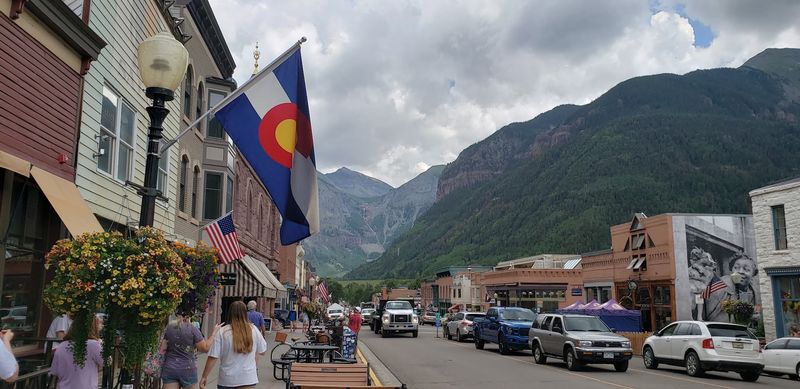
Long before Colorado became a U.S. state in 1876, its southern regions were part of New Spain and later the Mexican Republic. Hispanic communities in places like Pueblo, Trinidad, and the San Luis Valley trace their ancestry back hundreds of years, making Colorado one of the oldest continuous centers of Mexican cultural heritage in the country.
The San Luis Valley in particular is home to some of the oldest Spanish-speaking communities in North America, where traditional acequia irrigation systems, Catholic feast days, and folk art traditions are still very much alive. These are not recreated customs but living practices passed from grandparent to grandchild.
Denver also has a vibrant and growing Mexican-American population that supports a thriving food scene, Spanish-language media, and cultural organizations. Colorado’s connection to Mexican culture is both ancient and modern, rooted in history but very much present in daily life today.
7. Illinois (Chicago)

Chicago might seem like an unlikely place for Mexican cultural influence, but the city’s Pilsen neighborhood tells a different story entirely. Pilsen is one of the most vibrant Mexican-American communities in the entire Midwest, with streets lined by bold murals, authentic taquerias, and community centers that keep traditions alive far from the border.
Mexican immigrants began arriving in Chicago in large numbers during the early 20th century, drawn by factory and meatpacking jobs. Over generations, they built a community so strong that Pilsen became a cultural anchor for Mexican identity in the Midwest.
The National Museum of Mexican Art, located in Pilsen, is the only Latino museum accredited by the American Alliance of Museums.
Chicago’s Mexican-American population now numbers in the hundreds of thousands, spread across multiple neighborhoods. Their influence on the city’s food, politics, art, and community organizing makes Chicago a true Midwestern hub of Mexican culture.
8. Washington
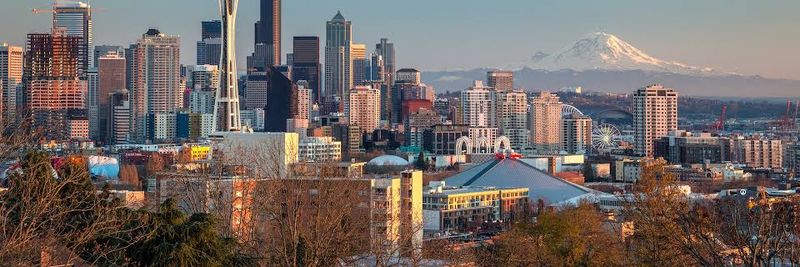
Washington State may not be the first place that comes to mind when thinking about Mexican culture, but the agricultural heartland of the state tells a compelling story. The Yakima Valley and surrounding regions depend heavily on Mexican and Mexican-American farmworkers who have built permanent communities over decades of hard work and dedication.
Towns like Sunnyside, Toppenish, and Wapato have Mexican-American majorities, with Spanish-language churches, schools, businesses, and media serving the community every day. Toppenish is especially known for its outdoor murals, many of which celebrate Mexican and Native American heritage side by side.
Seattle has also developed a growing Mexican-American population, with restaurants, cultural events, and advocacy organizations adding to the city’s diverse fabric. Washington’s connection to Mexican culture is shaped by both rural agricultural history and urban community building, creating a rich and layered presence throughout the state.
9. Oregon
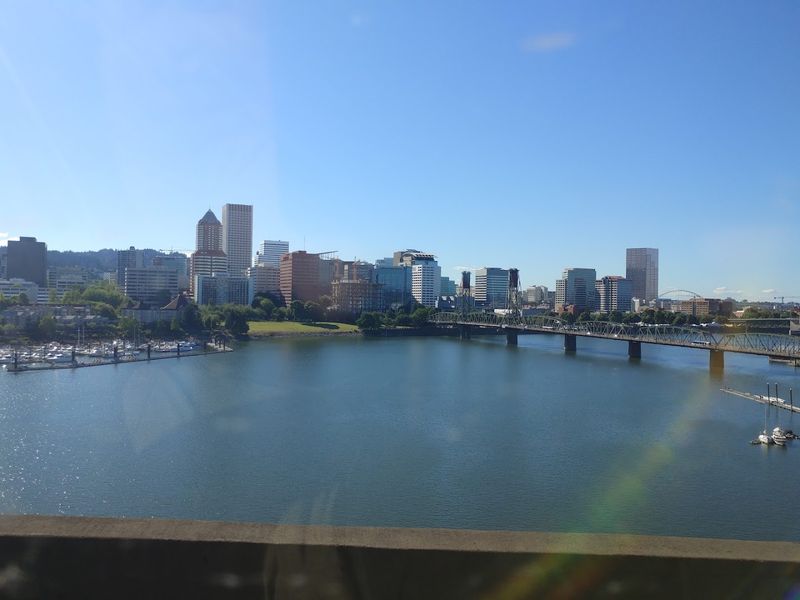
Portland, Oregon, hosts one of the largest Cinco de Mayo festivals in the entire United States, drawing hundreds of thousands of visitors each year to Tom McCall Waterfront Park. That fact alone signals just how significant Mexican cultural presence has become in a state not typically associated with it.
Like Washington, Oregon’s agricultural regions attracted Mexican and Mexican-American workers throughout the 20th century, and many settled permanently in the Willamette Valley and along the coast. Communities in cities like Salem and Woodburn have strong Mexican-American identities, with local businesses, schools, and churches reflecting that heritage.
Woodburn is sometimes called the most diverse small city in Oregon, with a Mexican and Mexican-American population that shapes its character in visible, everyday ways. Oregon’s Mexican cultural presence has grown steadily and is now recognized through community programs, bilingual education, and cultural celebrations that bring residents together year-round.
10. Kansas
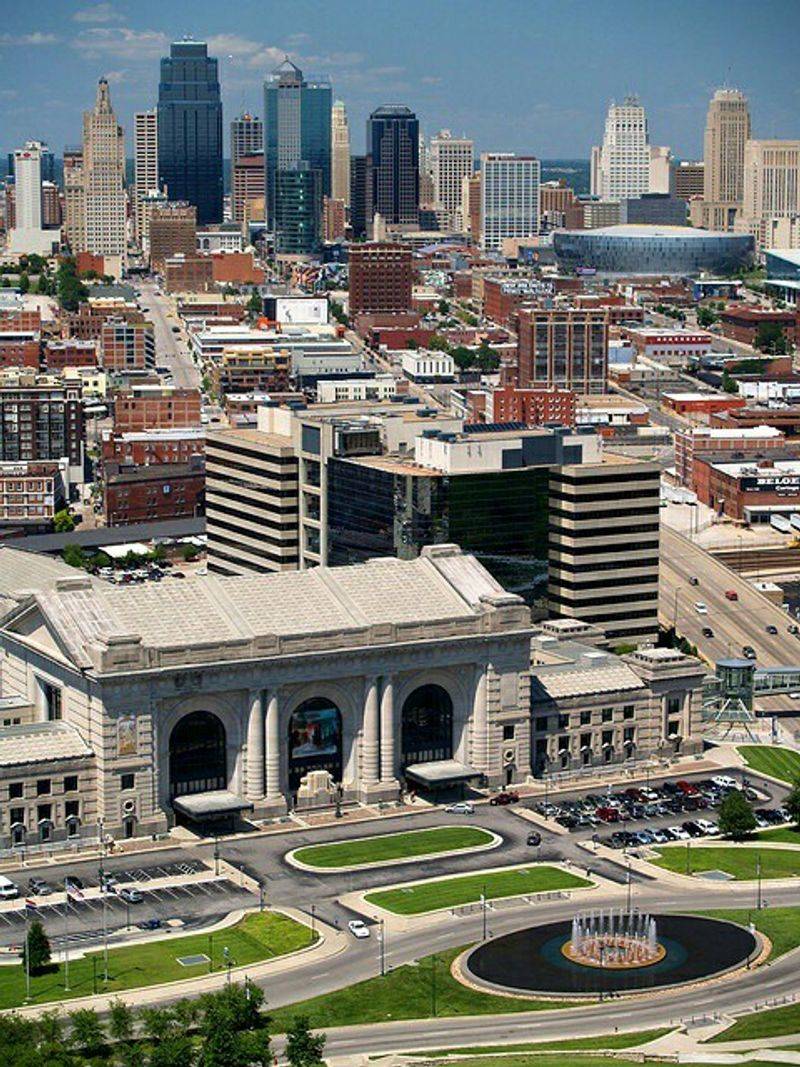
Kansas might surprise people on this list, but its connection to Mexican culture goes back further than most expect. During the early 1900s, Mexican workers came to Kansas to help build railroads and work in meatpacking plants, especially in cities like Kansas City, Emporia, and Garden City.
Many stayed and planted roots that grew into thriving communities.
Garden City in particular has become a notable example of how Mexican-American culture has reshaped a small Midwestern town. Roughly a third of its population is Hispanic, and the community supports Spanish-language services, Mexican restaurants, and cultural events that reflect a proud heritage.
Kansas City has long had a Mexican-American neighborhood known as the West Side, where families have maintained traditions, opened businesses, and built community organizations for over a century. Kansas is proof that Mexican cultural influence in America is not limited to border states but has traveled deep into the heartland.
Share this story