Power can bring out the best in people, but history shows it often brings out something much darker. Some of the world’s most famous leaders treated the people working closest to them in ways that ranged from deeply disrespectful to outright dangerous.
Whether through public humiliation, constant firings, or outright fear tactics, these leaders made working for them anything but ordinary. From the Oval Office to authoritarian palaces, the stories behind these powerful figures reveal a side of leadership that rarely makes the history books but absolutely should.
Donald Trump
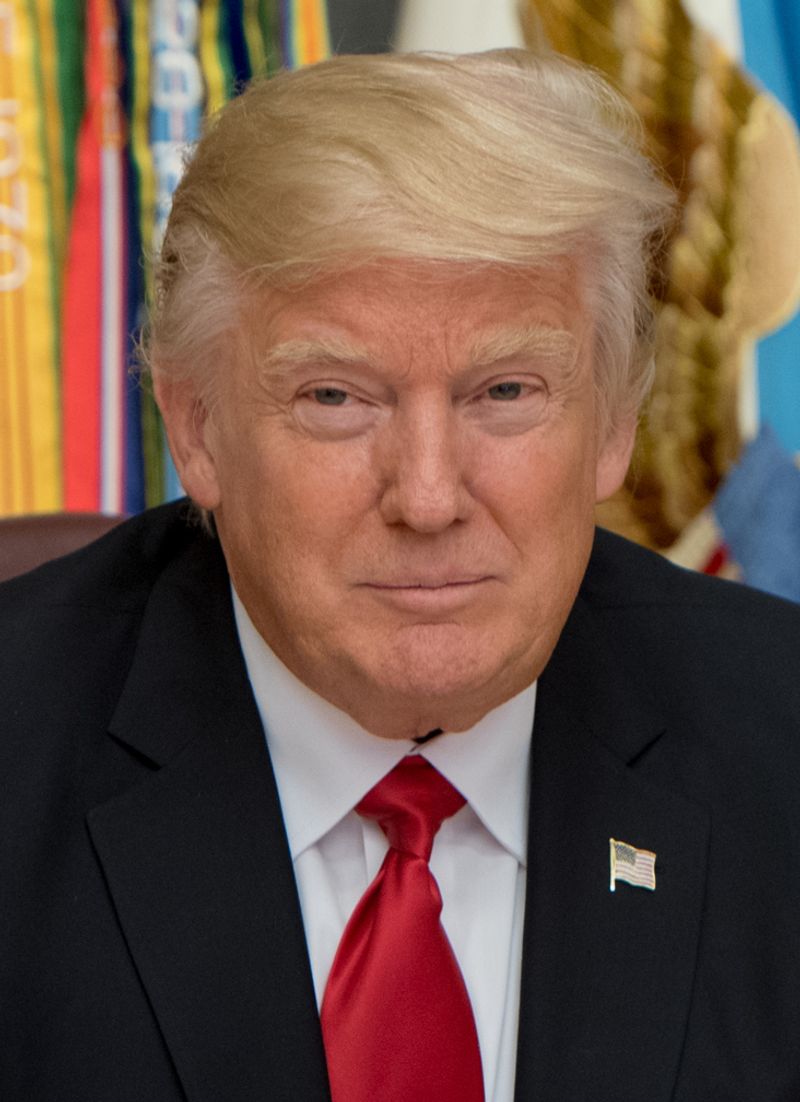
Running the Trump White House was not exactly a smooth career move. During his first presidential term, Trump cycled through four chiefs of staff, including Reince Priebus and John Kelly, at a pace that made Washington insiders dizzy.
The Associated Press noted that the chief-of-staff role under Trump was unusually difficult because of his strong resistance to conventional White House discipline.
Former senior officials did not stay quiet after leaving. Former Defense Secretary Mark Esper and former National Security Adviser John Bolton both went public with sharp criticisms of Trump’s temperament and his fitness for office.
Their accounts painted a picture of a workplace where disagreeing with the president could end a political career almost overnight.
The rapid turnover was not just a management quirk. It reflected a working environment where loyalty was valued above almost everything else, and where even experienced officials found it hard to last for long.
Nicolae Ceausescu
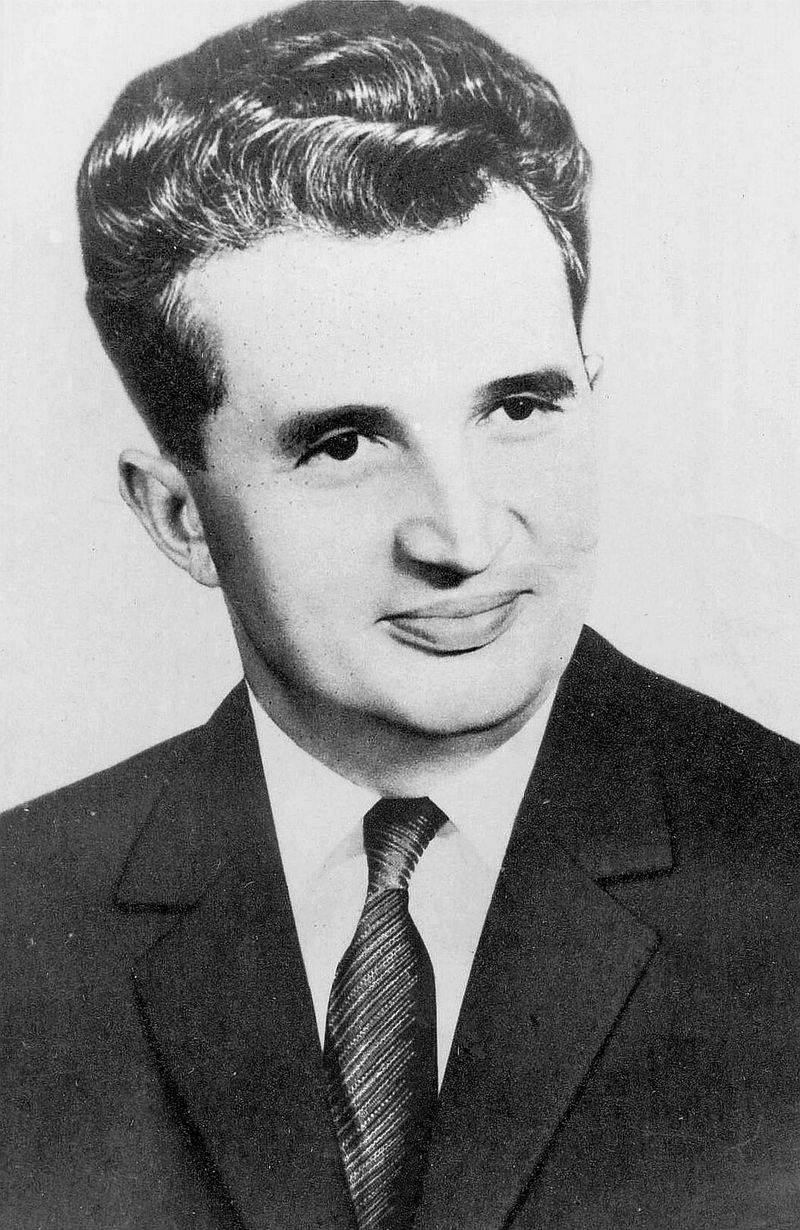
Working near Romanian dictator Nicolae Ceausescu was not just stressful. It was genuinely dangerous.
His communist regime relied on the Securitate, Romania’s feared secret police, as the central tool for keeping order and crushing any sign of disloyalty inside or outside the government.
The Securitate did not just watch ordinary citizens. It kept close tabs on officials, ministers, and anyone with access to the inner circle.
TIME described the organization after the regime’s collapse as deeply feared, with members trained to tie their own survival directly to Ceausescu’s continued power.
For officials working inside that system, political missteps carried consequences far beyond losing a job title. The environment was one of constant surveillance and quiet intimidation, where trust was essentially impossible and saying the wrong thing to the wrong person could have life-altering results.
Few authoritarian workplaces in modern history have been quite so suffocating.
Boris Johnson
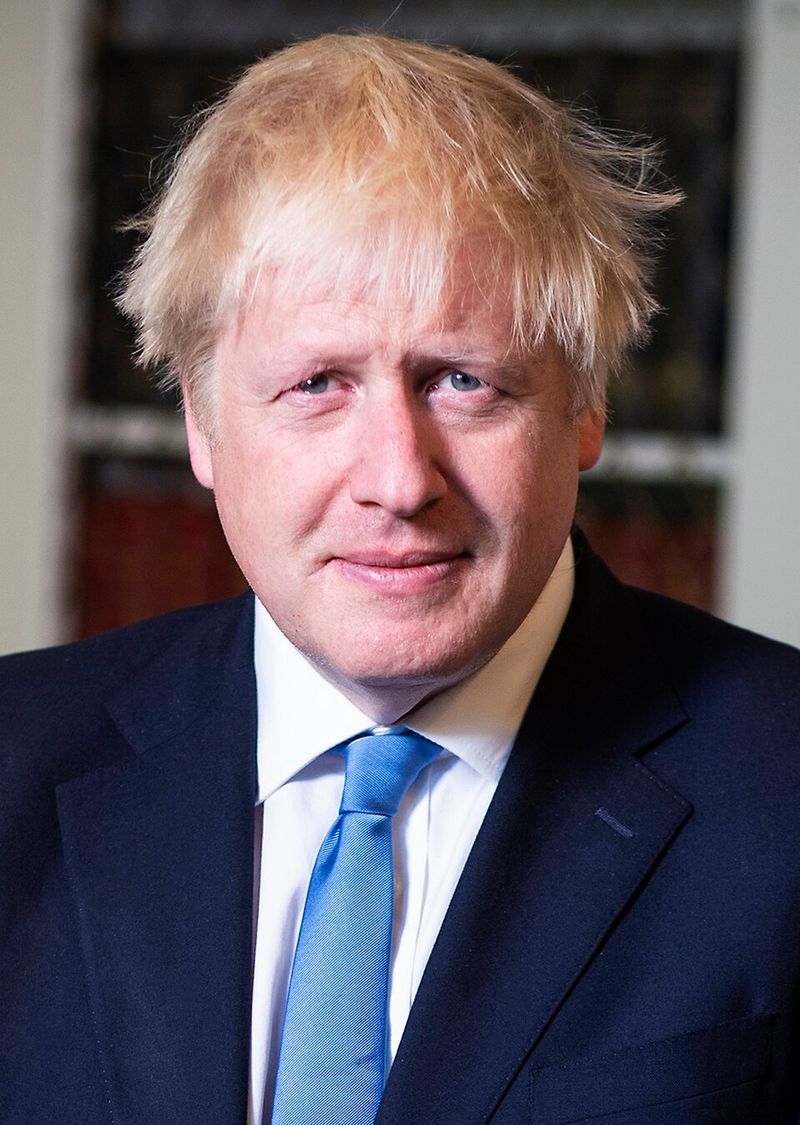
Downing Street under Boris Johnson became almost synonymous with chaos. Staff turnover was already a talking point before the COVID-era gathering scandals broke, but February 2022 made things dramatically worse.
Four senior aides left within hours of each other, including longtime policy chief Munira Mirza, signaling just how fractured the internal culture had become.
The official Sue Gray investigation did not mince words. It found serious problems with the culture inside Downing Street and concluded that senior leadership bore direct responsibility.
The report also uncovered troubling examples of poor treatment directed at security and cleaning staff, which Johnson said he had been unaware of and later apologized for.
Britain’s COVID inquiry added another layer, criticizing the hostile and chaotic atmosphere surrounding the administration. The influence of adviser Dominic Cummings featured heavily in those findings.
For staff trying to do their jobs, the environment was frequently described as unpredictable and exhausting.
Richard Nixon
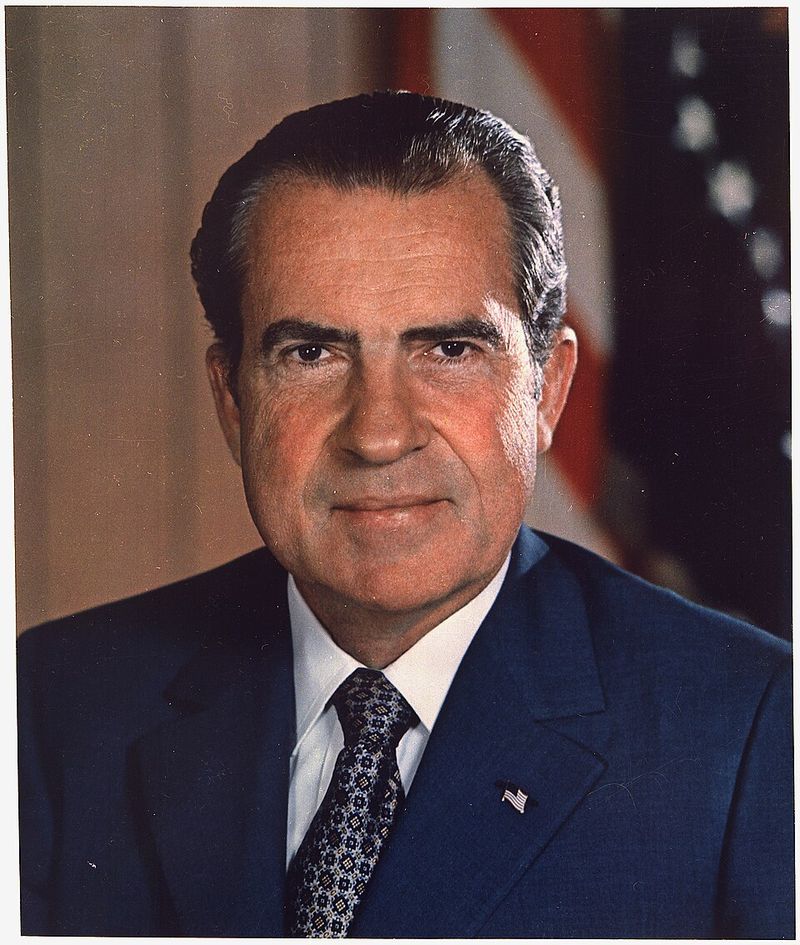
Few leaders have left behind as much unfiltered evidence of their private behavior as Richard Nixon. The recording system installed throughout the Nixon White House captured conversations that revealed an administration frequently consumed by paranoia, enemy lists, and the desire to retaliate against critics and journalists.
National Archives records document Nixon directly instructing chief of staff H.R. Haldeman to have the FBI investigate journalist Daniel Schorr.
That episode was just one example of how willing the administration was to use government resources against people Nixon viewed as threats.
For the advisers working around him, that atmosphere was not abstract. They operated beside a president whose suspicions ran deep and whose impulse to punish opponents eventually became inseparable from the Watergate scandal that brought his administration down entirely.
Working in Nixon’s White House meant navigating a climate of distrust that touched nearly every corner of the building, from senior officials to junior staff.
Kim Jong Un
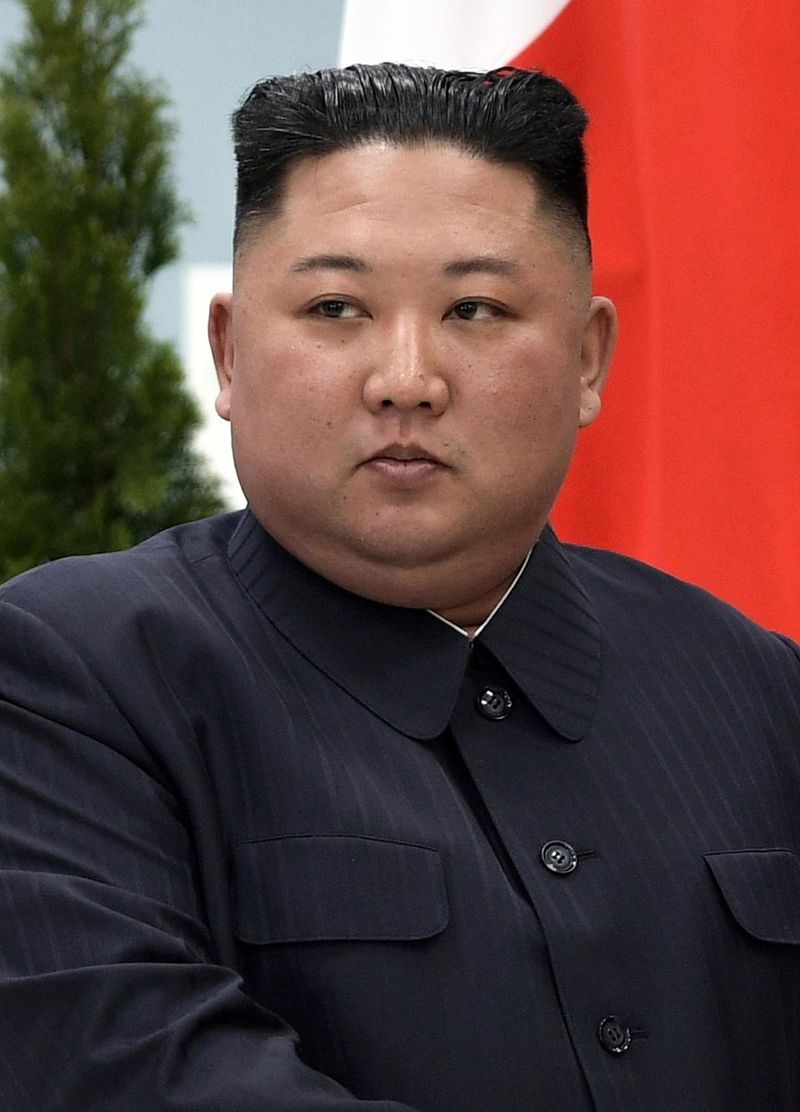
Disappointing a boss is rarely a good experience. Disappointing Kim Jong Un operates on a completely different level.
North Korea remains one of the world’s most closed authoritarian systems, and credible reporting over the years has consistently documented purges and removals of senior officials who fell out of favor.
Verifying specific stories about individual punishments is genuinely difficult given how restricted access to the country remains. That caution is worth keeping in mind when reading the most dramatic headlines about North Korean officials.
Even so, the broader political structure is not in serious dispute.
Senior officials in Pyongyang operate inside a system where open disagreement with Kim is essentially not an option. The relationship between the leader and his subordinates is fundamentally different from anything found in a democratic government.
The pressure to perform, to agree, and to never visibly falter makes this one of the most extreme working environments any official could find themselves in.
Margaret Thatcher
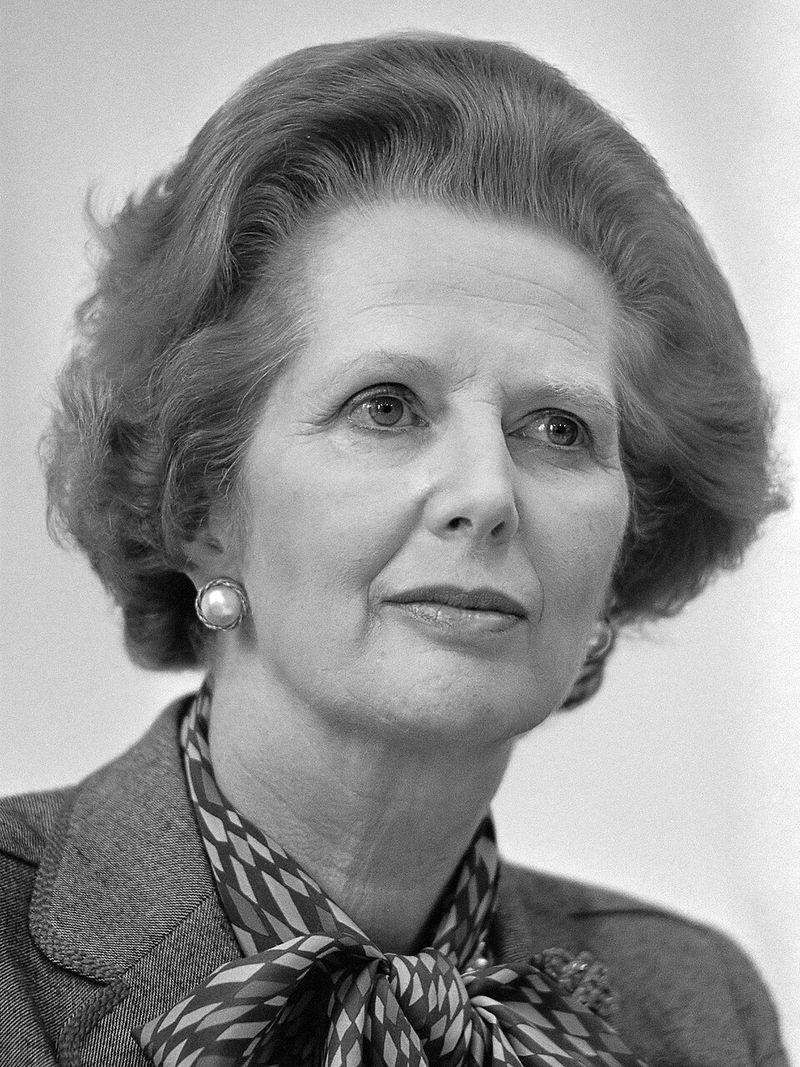
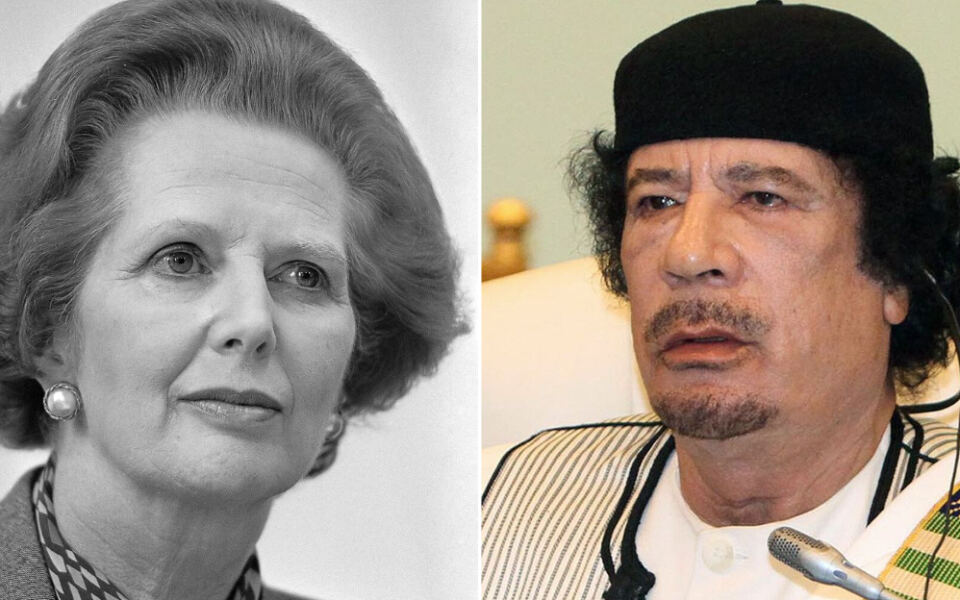
Margaret Thatcher never ran a regime built on fear. Her place on this list comes from a different kind of intensity, one rooted in relentless political pressure and a near-complete unwillingness to soften her approach when she disagreed with someone, even a cabinet colleague.
Her relationship with Employment Secretary Jim Prior is a good example. When Prior resisted the pace and scope of her trade-union reforms, the disagreement did not stay polite for long.
Thatcher eventually moved him to another government position rather than continue working around his objections. She was not someone who tolerated resistance gracefully.
The “Iron Lady” image was not just a nickname. For ministers and officials in her orbit, meetings could involve blunt challenges, direct criticism, and intense scrutiny of their positions.
That demanding style was genuinely difficult to work under, though placing it alongside the treatment seen in authoritarian regimes on this list requires a careful sense of proportion.
Jair Bolsonaro
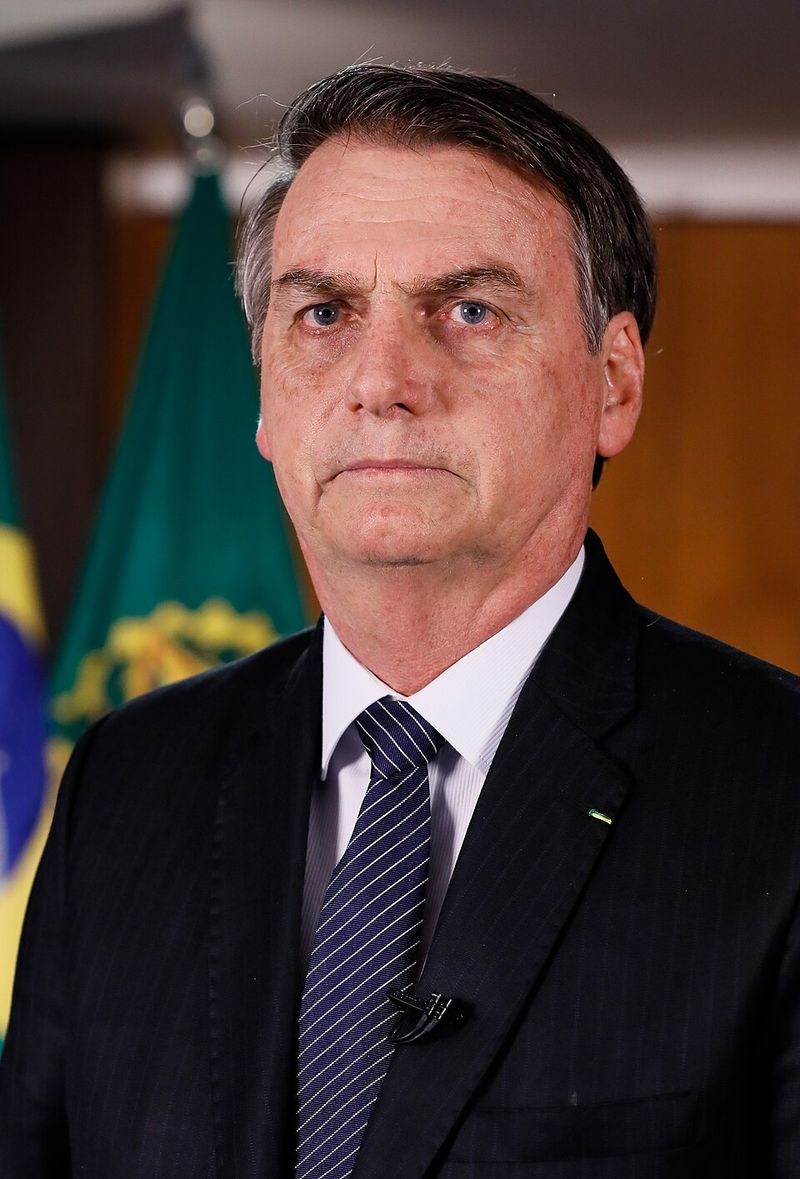
Brazil’s Jair Bolsonaro did not run what anyone would describe as a calm administration. His presidency was marked by repeated public clashes with ministers, senior officials, and anyone who appeared to be drifting away from his preferred positions.
People came and went from his inner circle at a pace that made continuity inside the government genuinely difficult.
What stands out about Bolsonaro is how often those internal disputes spilled into public view. In many administrations, disagreements between a president and a minister get managed quietly behind closed doors.
Under Bolsonaro, the friction was frequently visible, which made the political environment feel unstable even from the outside.
Ministers who openly broke with him often found their positions becoming untenable almost immediately. Staying close to Bolsonaro required a level of personal alignment that left little room for independent judgment.
The volatility was not occasional. It was a consistent feature of how his administration operated from beginning to end.
Muammar Gaddafi
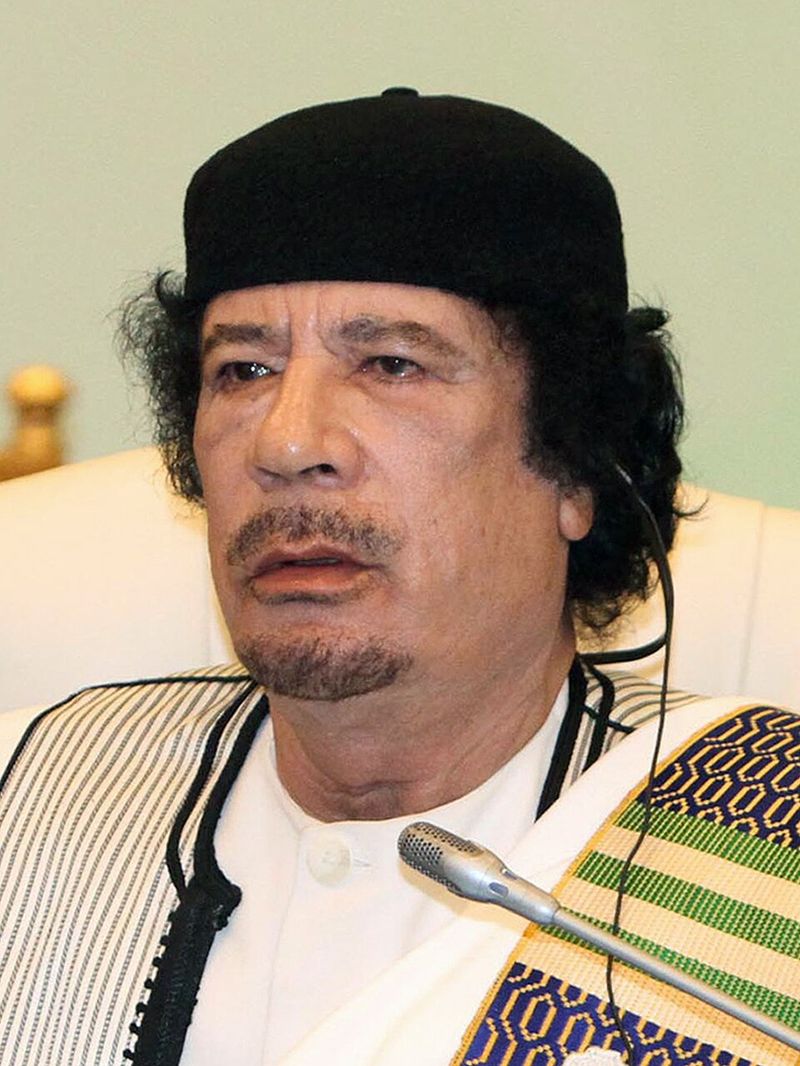
The allegations surrounding Muammar Gaddafi go far beyond a difficult boss with a short temper. As his government collapsed in 2011, former members of his inner circle and security apparatus described a regime where intimidation, imprisonment, and violence were used routinely against those who worked within it.
Particularly disturbing accounts emerged from women connected to Gaddafi’s female security units, sometimes called the Amazonian Guards. The Guardian published interviews with women who described coercion and abuse within the organization, with the glamorous public image of the units bearing little resemblance to what many of them actually experienced.
Separate accounts alleged sexual abuse by Gaddafi or members of his family against some female bodyguards. These remain allegations from survivors rather than findings from a formal criminal proceeding, but they were documented by multiple journalists and investigators.
International human-rights organizations also extensively recorded torture and arbitrary detention carried out by Gaddafi’s broader security apparatus.
Shinzo Abe
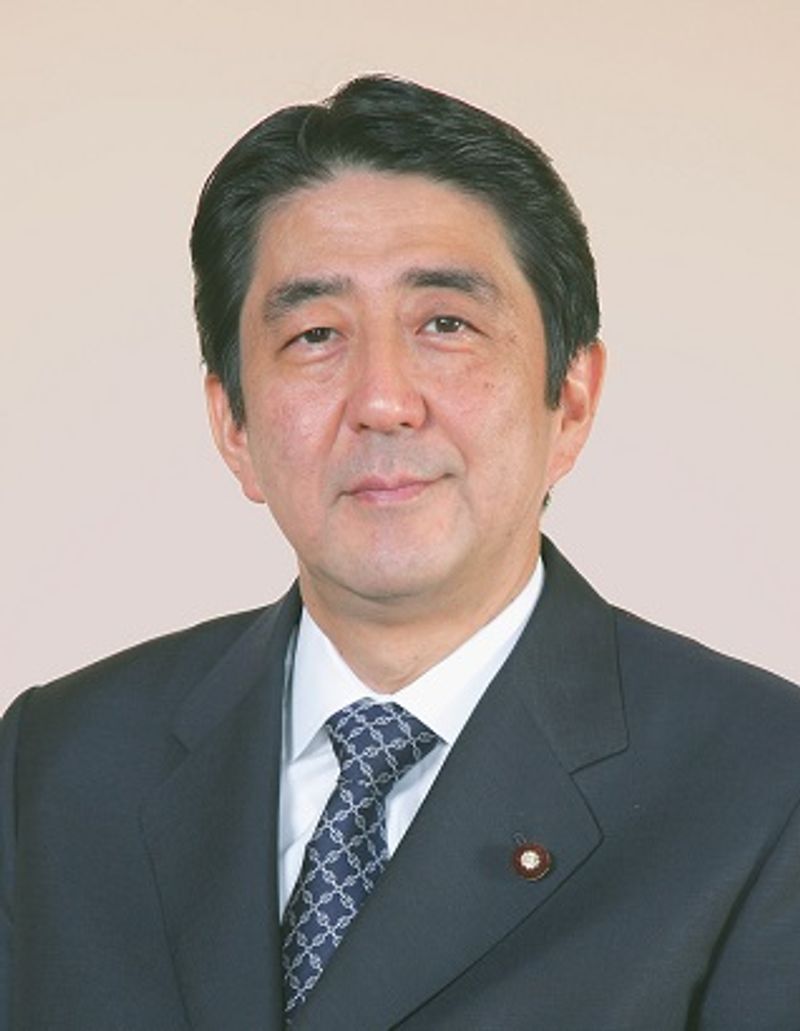
Shinzo Abe is probably the most debatable entry on this list, and that is worth saying plainly. The case against him does not rest on documented personal cruelty or the kind of systemic abuse seen with authoritarian leaders elsewhere on this list.
His inclusion is based largely on a reputation for running an intensely hierarchical and high-pressure political environment.
During his lengthy time as prime minister, Abe significantly strengthened the influence of the prime minister’s office over Japan’s broader political and bureaucratic structure. That consolidation of power created real pressure on officials to meet demanding expectations, which is not a trivial thing to work under.
Still, pressure and demanding leadership are not automatically the same as abusive treatment. Abe appears here mainly because he was included in the original reporting that inspired this list, rather than because historical evidence places him in the same category as Ceausescu or Gaddafi.
That distinction matters.
Imelda Marcos
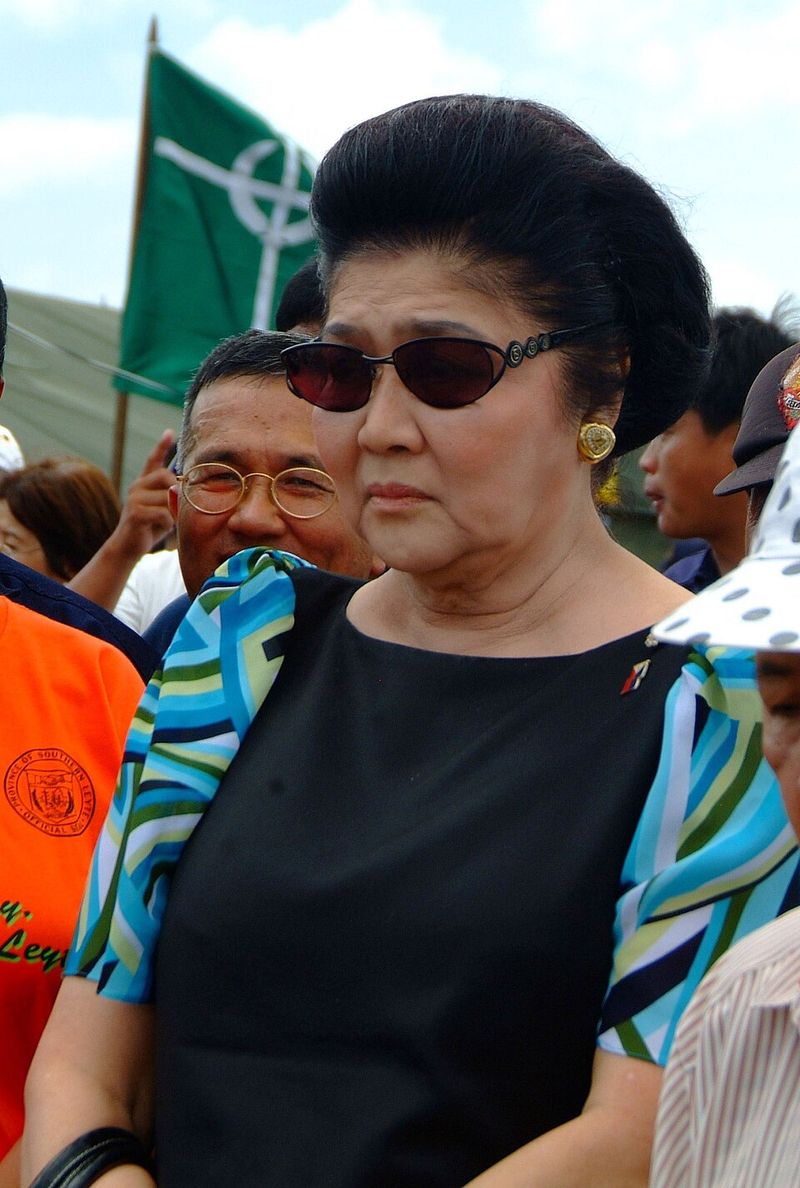
Imelda Marcos held the title of First Lady, but calling her a mere ceremonial figure would miss the full picture entirely. During the Marcos dictatorship in the Philippines, she wielded political authority and occupied government positions that gave her real power over people’s lives, not just influence at state dinners.
She became globally associated with extraordinary spending, including thousands of pairs of shoes, monumental building projects, and extravagant travel, all of it happening while many Filipinos lived in poverty. The contrast between her lifestyle and the conditions around her became one of the defining symbols of the Marcos era.
Accounts of how she treated household staff and employees describe a woman who expected immediate compliance and reacted poorly when her expectations were not met. Some of the more colorful anecdotes are hard to verify decades later, but her documented extravagance and the broader abuses of the Marcos regime are thoroughly supported by historical record.
Share this story