Some cities get lucky with sunshine a few months a year. Others seem to have made a permanent deal with the sun, collecting thousands of hours of clear blue skies every single year.
From the baking deserts of the American Southwest to the ancient banks of the Nile, a handful of cities around the world make cloudiness look like a rare event. If you love warm light, open skies, and that feeling of endless summer, these ten cities were practically built for you.
Yuma, Arizona
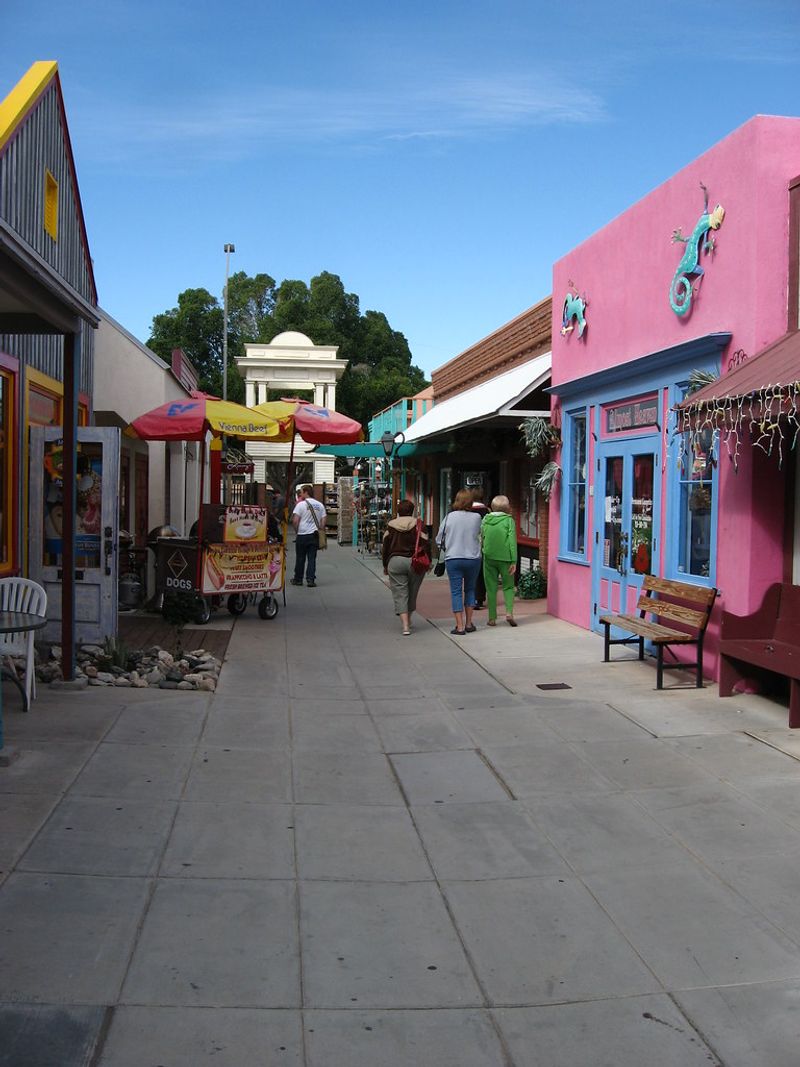
Guinness World Records did not just hand Yuma a certificate for being pleasant. The Arizona desert city earned recognition for capturing sunshine during roughly 91% of possible daylight hours, with annual totals approaching 4,000 hours of bright sun.
That works out to nearly 11 hours of sunshine per day, averaged across every month of the year.
June is the showstopper, averaging more than 12.5 hours of direct sunshine daily. Even January, usually the weakest month, still clocks in close to nine hours.
Yuma sits in the Sonoran Desert near the California and Mexico borders, where rainfall barely reaches 3.5 inches a year. There simply is not enough moisture in the air to build the clouds that would block the sun.
Summer temperatures can push into brutal territory, so most smart visitors time their trips for late autumn through early spring. You get the same legendary skies without needing to carry a personal cooling unit.
For sheer solar dominance, no city on this list has a stronger documented claim to the top spot.
Aswan, Egypt
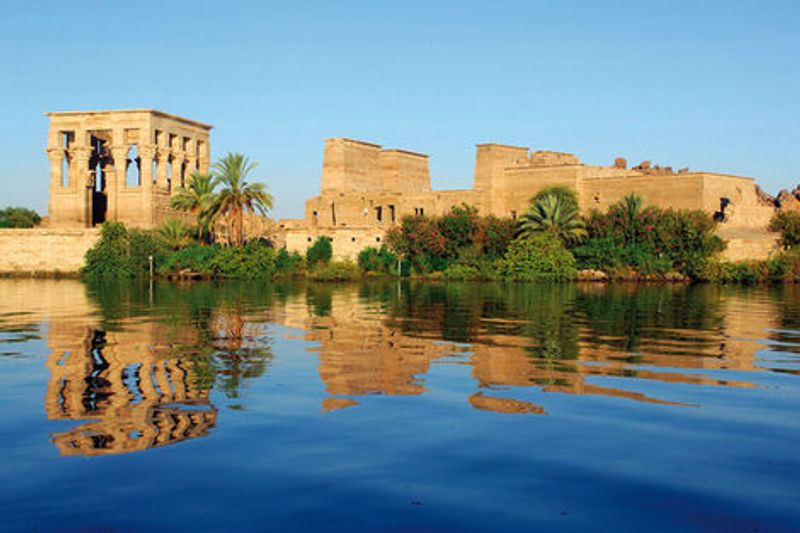
Picture the Nile cutting through a landscape so dry that average annual rainfall rounds down to essentially zero. That is Aswan, a city where the Sahara does not feel like a distant concept but like your immediate neighbor.
Long-term climate summaries place Aswan close to 4,000 hours of sunshine per year, with remarkably little variation between summer and winter compared to cities at higher latitudes.
What makes Aswan visually stunning is the contrast. Brilliant blue skies sit above golden desert hills, while below, the Nile supports lush palm groves, colorful felucca sailboats, and quiet garden islands.
The combination feels almost theatrical, like a movie set designed to look impossibly beautiful.
August heat is genuinely intense, averaging around 34 degrees Celsius, so most visitors wisely plan for the cooler months between October and March. Winter sunshine in Aswan is warm, golden, and seemingly endless, making it one of the world’s great destinations for anyone who wants history, river scenery, and reliable blue skies all in one package.
Few ancient cities serve up sunshine quite this consistently.
Phoenix, Arizona
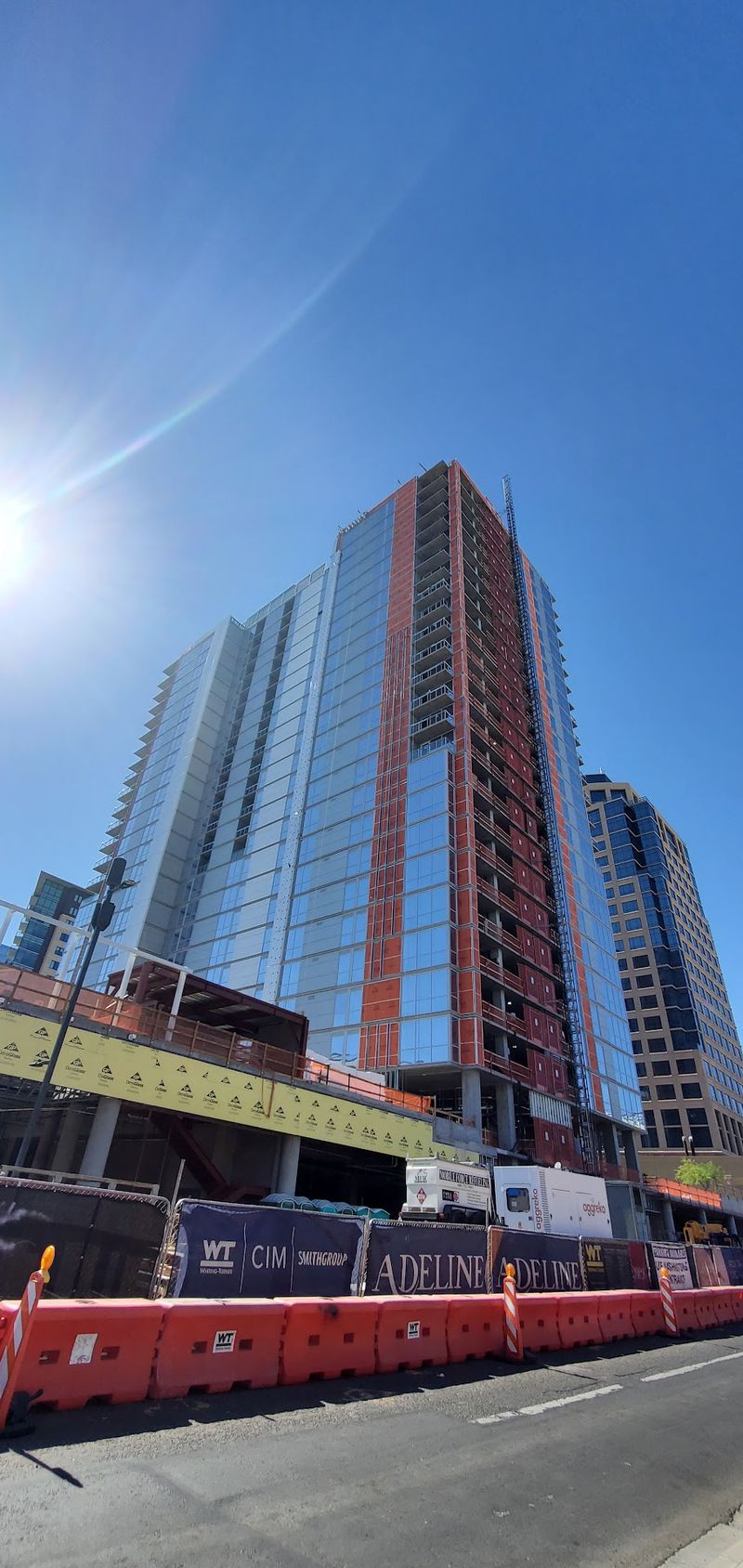
Phoenix has quietly turned sunshine into a civic identity, and the numbers back it up completely. Climate data estimates roughly 3,900 hours of sunshine per year, placing Phoenix among the sunniest major metropolitan areas anywhere on the planet.
June delivers about 12.6 hours of bright sunshine daily, but even the shortest days of winter still average more than 8.5 hours of direct sun.
The surrounding Sonoran Desert is the real engine behind those numbers. Weather systems capable of producing meaningful cloud cover are genuinely uncommon here, and annual rainfall sits around 258 millimeters.
When you remove the clouds, you get a city bathed in almost uninterrupted light for most of the calendar year.
Autumn through spring is when Phoenix shines in every sense of the word. Temperatures drop into genuinely comfortable ranges, hiking trails through the desert become irresistible, and the light takes on that warm golden quality that makes everything look better than it actually is.
Summer delivers even more solar intensity, but most visitors find the heat a bit too enthusiastic. Phoenix rewards those who visit at the right time with some of the best weather on the continent.
Las Vegas, Nevada
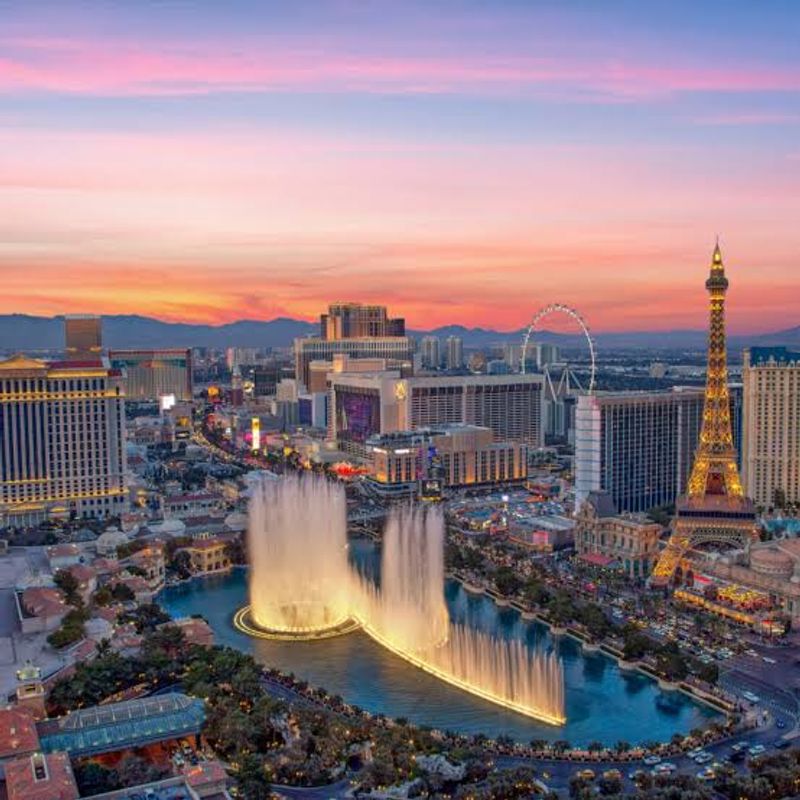
Las Vegas keeps its famous lights blazing all night long, but nature handles the daytime shift with zero effort. The Mojave Desert city logs approximately 3,891 hours of sunshine per year, with June averaging nearly 13 hours of bright sunshine every single day.
That is a lot of solar energy for a city already known for excess.
Rain barely shows up to the party. Annual precipitation sits around 157 millimeters, which means weeks of uninterrupted blue skies are completely normal here.
Roughly 85% of possible annual sunshine hours are captured, putting Las Vegas right alongside Phoenix as one of America’s sunniest major cities. The desert air is so dry that even when clouds do appear, they often disappear before doing anything useful.
Beyond the casinos and the Strip, that relentless sunshine opens up a seriously impressive outdoor playground. Red Rock Canyon, Valley of Fire, and the wider Mojave Desert are all within easy reach.
July temperatures are extreme enough to make outdoor adventures feel inadvisable, but spring and autumn transform the surrounding desert into some of the most photogenic landscape in the American West. The sun here is not just weather.
It is an experience.
Tucson, Arizona
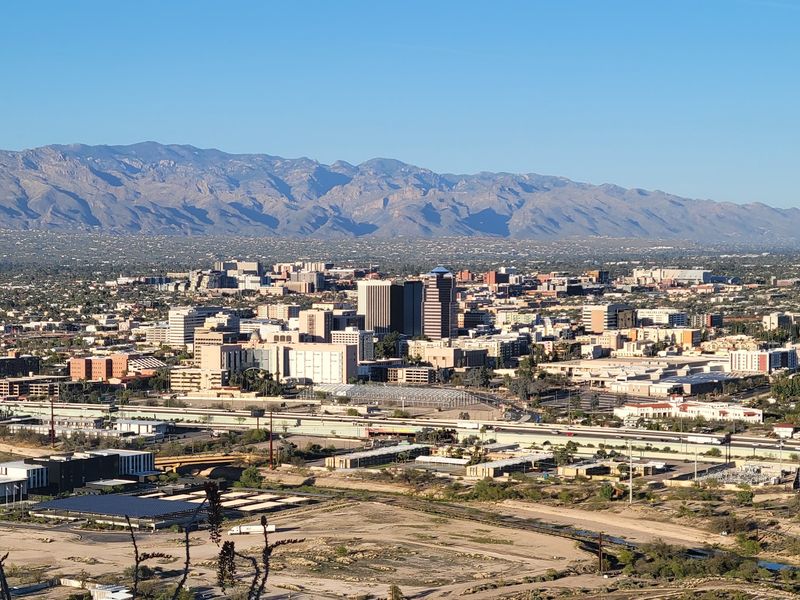
Arizona has a remarkable habit of producing world-class sunshine cities, and Tucson is the state’s third entry on this list. Approximately 3,880 hours of sunshine fall on Tucson every year, with June averaging around 12.8 sunny hours per day.
January, the quietest month, still delivers more than eight hours of direct light daily. The sun here is not seasonal.
It is structural.
What separates Tucson from its Arizona siblings is the setting. The city sits surrounded by mountain ranges on multiple sides, with the Sonoran Desert filling the spaces between.
Giant saguaro cacti dot the landscape in every direction, creating one of the most distinctive desert backdrops anywhere in North America. The slightly higher elevation also gives Tucson a somewhat different feel from lower, hotter Phoenix.
A summer monsoon season does arrive each year, and August is the rainiest month on record. However, “rainiest” in a desert climate still only means annual precipitation of about 259 millimeters total.
The rest of the year leans heavily toward clear skies and golden light. For travelers who want dramatic desert scenery, excellent hiking, and sunshine that feels almost guaranteed, Tucson delivers without the overwhelming scale of larger desert cities.
El Paso, Texas
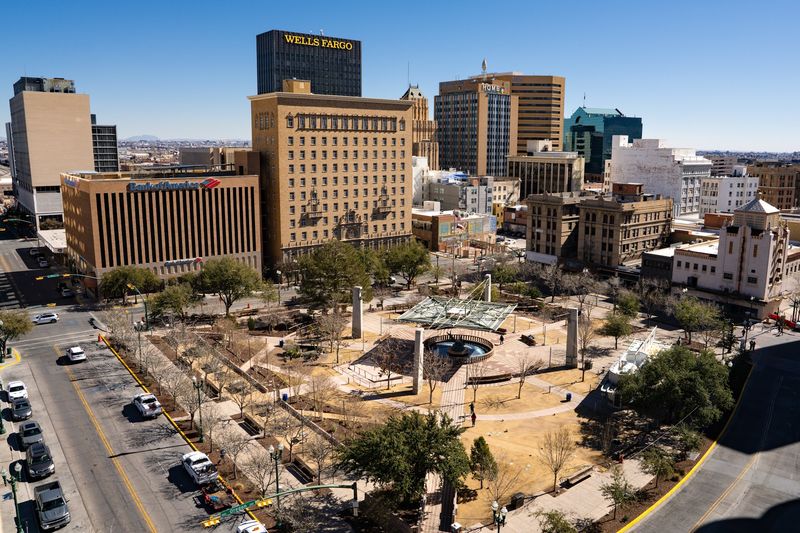
El Paso calls itself the Sun City, and honestly, it is not bragging. Climate data estimates approximately 3,860 hours of sunshine per year, with June averaging more than 12 hours of bright sunshine daily.
January still produces more than eight hours of direct sun, making El Paso one of the most consistently lit cities in the entire United States throughout all four seasons.
Geographically, El Paso belongs to a completely different Texas than the humid, green east. Sitting in far western Texas along the Mexican border, surrounded by the Chihuahuan Desert, the city has more in common climatically with New Mexico and Arizona than with Dallas or Houston.
Annual rainfall is minimal, and the desert air keeps skies clear for long stretches at a time.
The Franklin Mountains rise directly through the city, giving the sunshine a dramatic backdrop that outdoor enthusiasts genuinely appreciate. Desert hiking, rock climbing, and wide open landscapes are all part of the El Paso experience.
Spring and autumn offer the best combination of generous sunshine and tolerable temperatures, since June also happens to be the hottest month of the year. For a sun-drenched city with serious mountain scenery, El Paso earns its nickname honestly.
Alice Springs, Australia
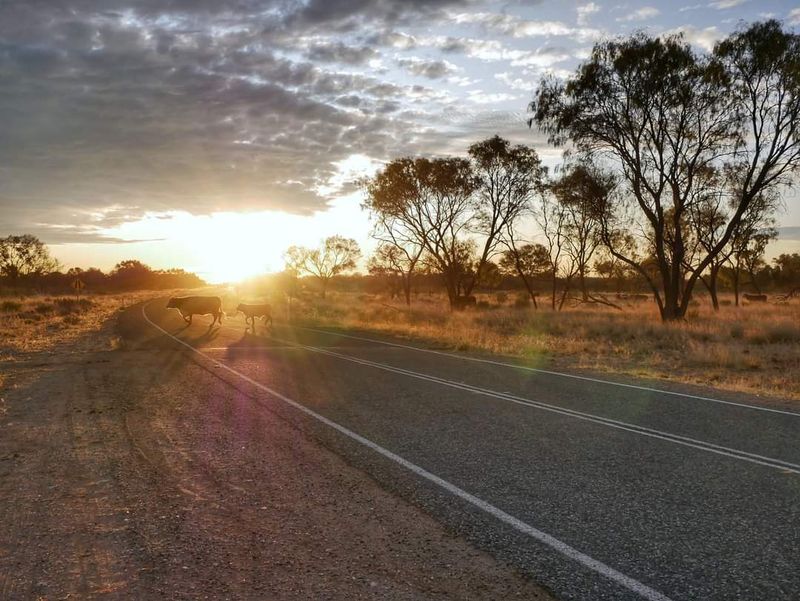
Head to the geographic heart of Australia and the sunshine numbers become extraordinary all over again. Alice Springs receives approximately 3,821 hours of sunshine per year, sitting comfortably among the sunniest cities on Earth.
The town has a hot desert climate with only around 230 millimeters of annual rainfall, leaving most of the year dominated by sky so blue it almost looks painted on.
One thing that makes Alice Springs genuinely different from the American desert cities is the seasonal flip. December falls in its sunniest period, averaging around 11.6 hours of bright sunshine per day.
The surrounding Red Centre landscape is extraordinary even by desert standards, with intensely colored red soil, rocky mountain ranges, and vast stretches of open country that make the sky feel even bigger than it actually is.
After sunset, Alice Springs offers something the city-heavy American entries cannot easily match. Sparse settlement and exceptionally dry, clean air make the central Australian interior one of the world’s great destinations for stargazing.
The same conditions that produce relentless daytime sunshine also deliver some of the clearest night skies on the planet. Alice Springs rewards visitors with beauty around the clock, not just during daylight hours.
Kharga Oasis, Egypt
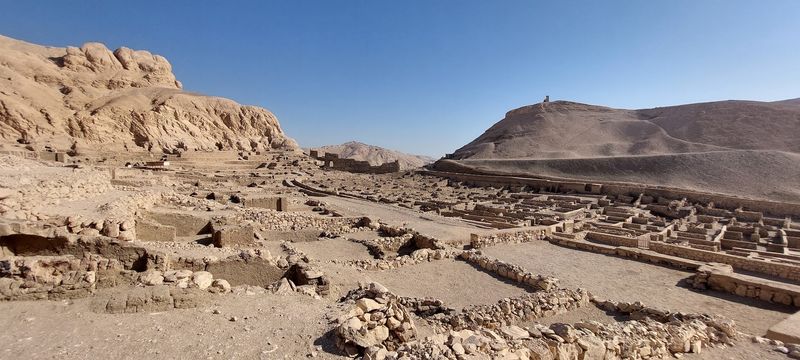
If Aswan sounds extreme, Kharga Oasis takes things even further into the desert. Located deep in Egypt’s Western Desert, Kharga records essentially no measurable average rainfall throughout the entire year.
Daily sunshine averages run from roughly 9.5 hours in January up to more than 12 hours in June and July, producing an annual sunshine total comfortably above 3,800 hours.
Humidity can drop below 20% during late spring and early summer, which is the kind of dryness that cracks lips and turns the landscape into a shimmering, golden abstraction. Average summer maximum temperatures approach 38 degrees Celsius.
The combination of zero clouds, zero rain, and extreme heat makes Kharga one of the most climatically intense places on this entire list.
Kharga is far less famous internationally than Cairo or Luxor, but for anyone interested in Egypt’s raw desert interior, it offers something those popular destinations cannot replicate. Ancient temples and necropolises sit in a landscape where blue sky is not a seasonal gift but a permanent fixture.
Cloudy days here are the local equivalent of a weather emergency. For pure, unfiltered desert sunshine with a side of genuine history, Kharga is quietly extraordinary.
Faya-Largeau, Chad
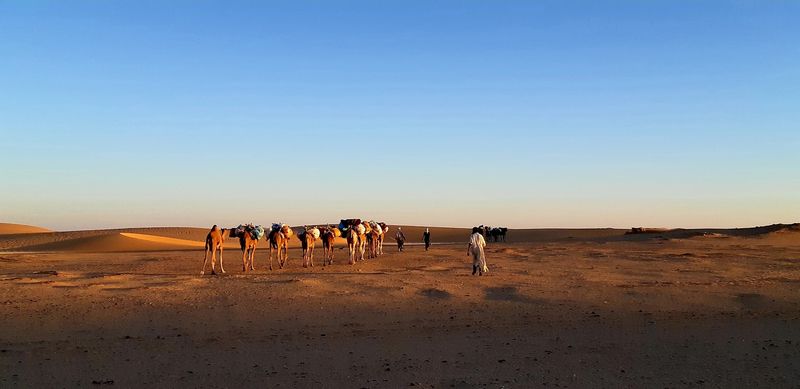
Few cities on Earth sit deeper inside the Sahara than Faya-Largeau, the main urban center of northern Chad. Its hot desert climate produces extraordinarily persistent sunshine, with very high temperatures, almost no rainfall, and prolonged stretches of perfectly clear sky.
Broader climatological research suggests that parts of northern Chad and neighboring Sahara regions may exceed 4,000 hours of sunshine annually, potentially putting Faya-Largeau in direct competition with Yuma for raw solar hours.
The catch is measurement. Long-running standardized sunshine records are far thinner across remote Sahara locations than in well-monitored American cities.
That data gap is the main reason Yuma holds the better-known documented title, while Faya-Largeau remains less precisely ranked despite its extreme climate credentials. The sun shines just as relentlessly whether or not someone is counting the hours.
For sheer climatic intensity, Faya-Largeau belongs in any serious global conversation about persistent sunshine. Summer temperatures are genuinely punishing, and the landscape is about as far from tourist-friendly infrastructure as a city can get.
But as a reminder that the world’s sunniest places are not always the most famous or most visited, Faya-Largeau makes a quietly compelling case. The Sahara does not need a marketing campaign.
It just needs clear skies, and it always has them.
Seville, Spain
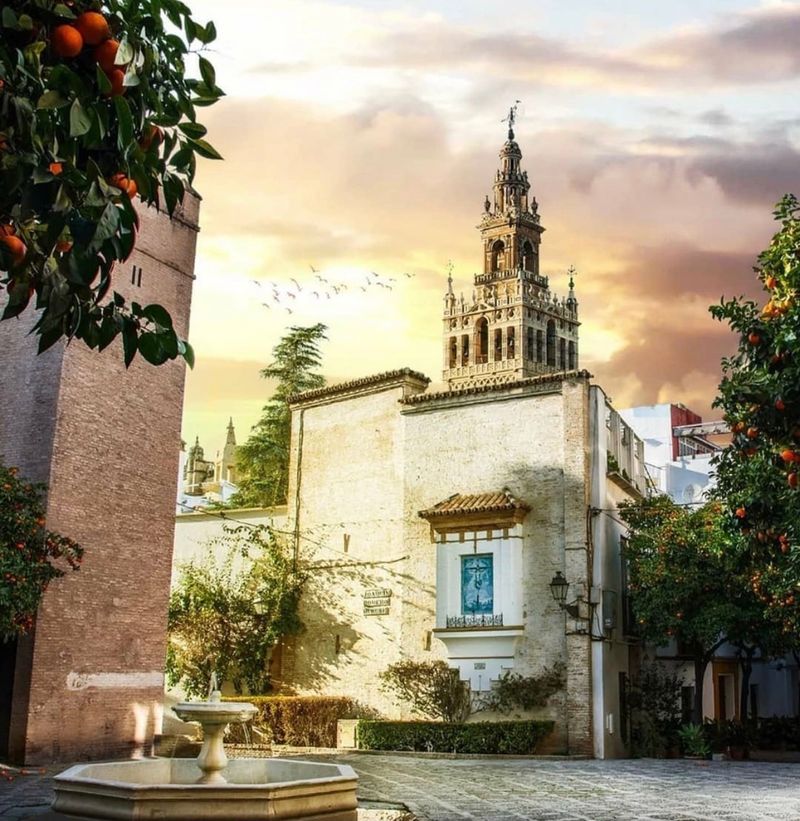
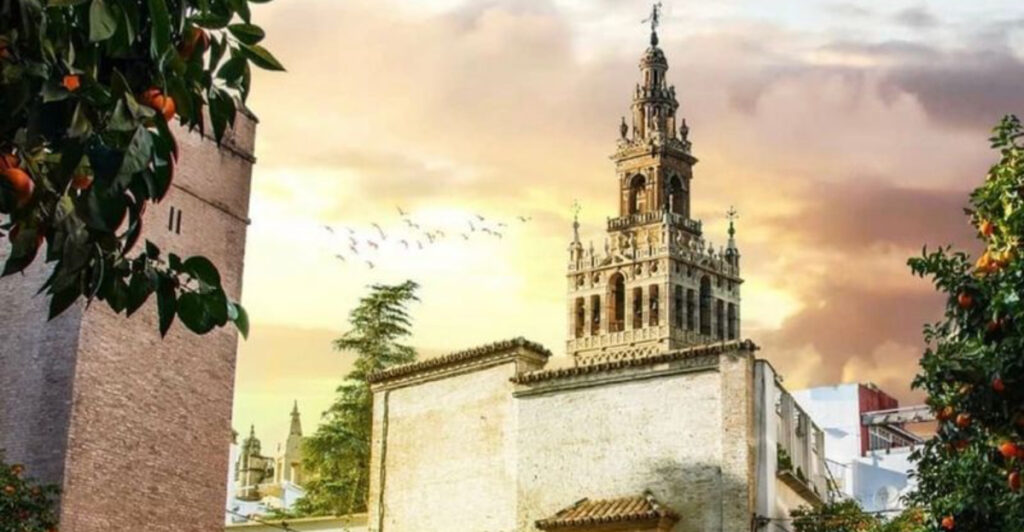
Seville cannot outrun the Sahara in raw sunshine hours, and it does not try to. What it does instead is offer around 3,433 hours of sunshine per year wrapped inside one of Europe’s most beautiful, historically layered cities.
July averages about 12.7 hours of bright sunshine daily, which helps explain why Seville’s plazas, courtyards, and riverside promenades feel so effortlessly alive during the warmer months.
The city’s outdoor culture makes complete sense once you factor in the climate. Shaded courtyards with trickling fountains, orange trees lining narrow streets, and long evening meals outdoors are not just charming traditions.
They are practical adaptations to a city that receives more sun than almost anywhere else in Europe. Seville figured out how to live beautifully in relentless heat centuries ago.
Summer sightseeing does come with a warning, though. Seville is among Europe’s hottest major cities, and the same sunshine that makes it gorgeous in April can make midday walks in July feel genuinely uncomfortable.
Spring and early autumn are the sweet spots, offering generous sunshine, warm but manageable temperatures, and a city that feels fully alive without the peak-season crowds. Among Europe’s great historic destinations, few offer a more reliably blue sky overhead.
Share this story