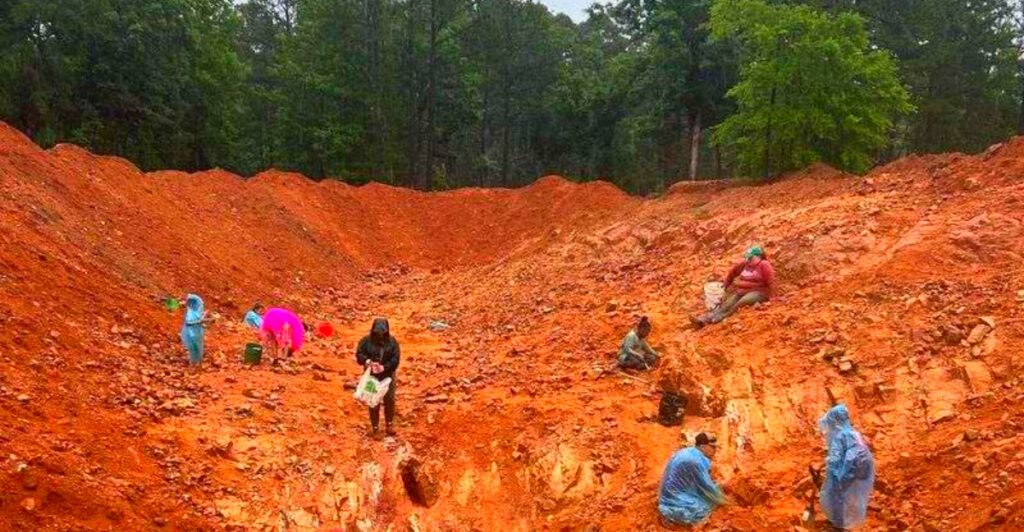
Arkansas has geology that can turn a casual roadside stop into a full-blown obsession. Beneath its mountains, fields, and riverbeds lies an extraordinary variety of minerals, from quartz crystals packed into ancient Ouachita ridgelines to actual diamonds hiding in a plowed field near Murfreesboro. The state sits on some of the most geologically diverse ground in the entire country, and rockhounds have known this secret for decades. What follows is a tour of 11 real destinations where you can dig, browse, learn, and come face to face with the raw geological wealth that gives Arkansas its reputation.
Some of these spots will get dirt under your fingernails. Others will simply make your jaw drop at what the earth has been quietly building for hundreds of millions of years. Either way, pack a bag and clear your trunk because you are almost certainly going home with rocks.
1. Crater of Diamonds State Park, Murfreesboro, Arkansas
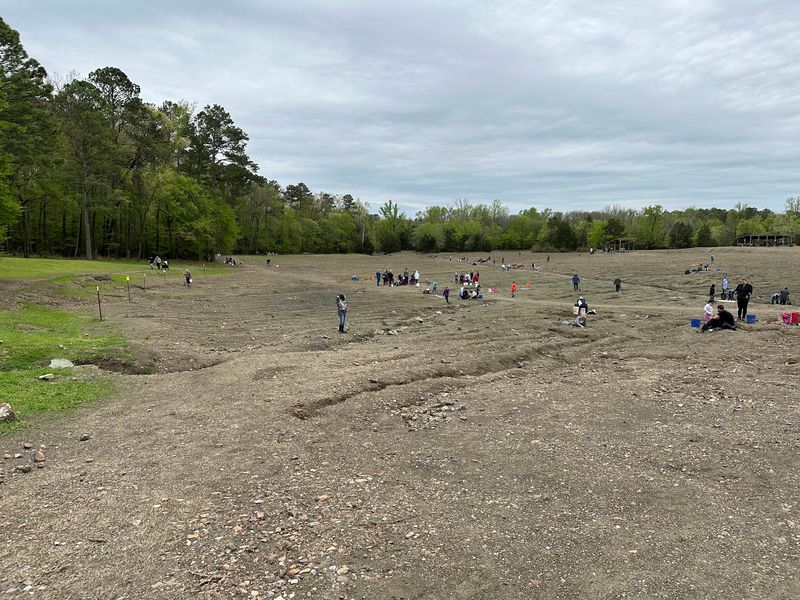
There is exactly one place on the planet where the public can search for real diamonds, keep what they find, and pay a modest park entrance fee for the privilege. Crater of Diamonds State Park in Murfreesboro sits on the eroded surface of an ancient volcanic pipe, and the diamond-bearing ground is open to anyone willing to put in the work.
Arkansas Geological Survey records confirm that more than 100,000 diamonds have been recovered from this site over the years. The 40.23-carat Uncle Sam Diamond, found in 1924, remains the largest rough diamond ever unearthed in the United States. The 15.33-carat Star of Arkansas turned up in 1956, adding to the park’s remarkable track record.
The park averages roughly two diamond finds per day, which means the odds are better than you might expect. Rangers offer free identification services, so visitors never have to wonder whether that small, waxy-looking pebble is worth a second look.
2. Ron Coleman Mining, Jessieville, Arkansas
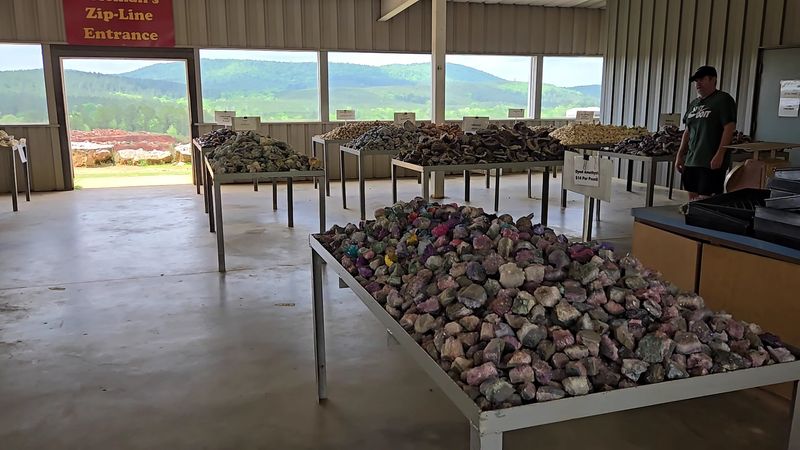
Ron Coleman Mining has been welcoming crystal hunters to Jessieville for over 30 years, and the operation has grown into one of the most comprehensive quartz experiences in the state. Public digging runs year-round with no reservations required, making it an easy addition to any Ouachita road trip.
The site is famous for producing massive specimens. One cluster pulled from the mine measured nine feet long and weighed 3,000 pounds, which puts the average souvenir-sized find in a rather humbling context. Guided mine tours take visitors into the working pit aboard army trucks, showing the enormous crystal veins up close and explaining how the mining process actually works.
Beyond the digging, the property includes zip-lining over the 250-foot commercial mine and an on-site RV park, so there is no real reason to rush. Families with young children consistently rank this among the most approachable crystal destinations in Arkansas, largely because the tailings piles deliver results even for beginners.
3. Wegner Crystal Mines, Mount Ida, Arkansas
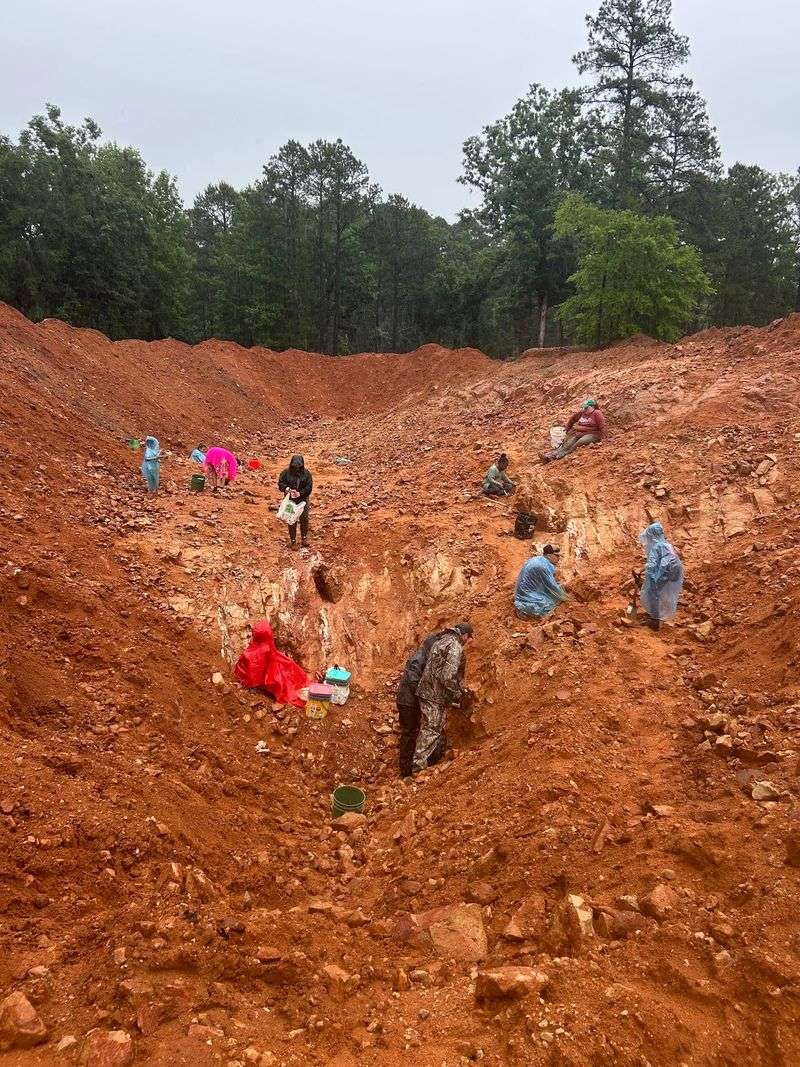
Mount Ida is widely considered the quartz capital of the world, and Wegner Crystal Mines gives visitors multiple ways to experience that reputation firsthand. The Crystal Forest Mine covers 40 acres of open-pit surface digging where clear quartz suitable for jewelry, clusters, and large points turns up regularly, sometimes simply lying on the surface after a good rain.
For collectors chasing something rarer, the Phantom Mine offers access to quartz crystals with dark mineral inclusions that appear as smaller crystals trapped inside larger, clear ones. That experience is available to groups by appointment and includes a guided component that makes the hunt feel more purposeful.
Safari-style vehicles transport visitors to the dig sites, adding a bit of adventure to the logistics. A 10,000-square-foot shop and a free museum round out the visit, ensuring that even non-diggers find plenty to engage with. Gemstone sluicing is also available, with a guaranteed find, which is a smart feature for younger visitors who need a sure thing.
4. Twin Creek Crystal Mine Ark, Mount Ida, Arkansas
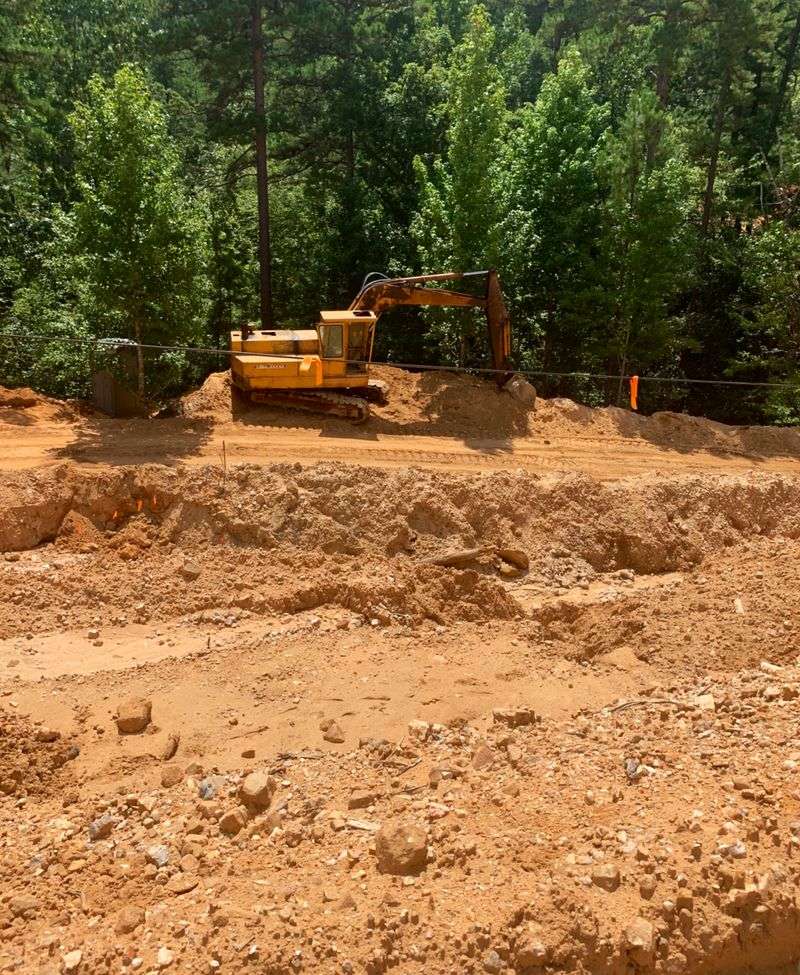
Twin Creek Crystal Mine runs 187 acres across the Ouachita Mountains and operates as a genuinely active commercial site, not just a tourist attraction dressed up to look like one. That distinction matters to serious rockhounds, who come here specifically for the dirt-under-the-fingernails version of Arkansas crystal hunting.
The mine sits squarely within the quartz belt that runs through the Ouachitas, one of the few regions globally where deposits are rich enough to support both commercial operations and public access simultaneously. Visitors can book all-day public digs or reserve private pocket digs, the latter giving access to virgin rock formations where crystals have never been disturbed.
Twin Creek is open year-round, closing only on Christmas Day, which makes it one of the more reliably accessible options in the region. Winter visits are quieter, and the cooler temperatures actually make extended digging considerably more comfortable. The personal thrill of spotting raw quartz embedded in undisturbed earth is the main draw, and the mine consistently delivers that moment.
5. Avant Mining Fisher Mountain Rock Shop and Public Dig, Mount Ida, Arkansas
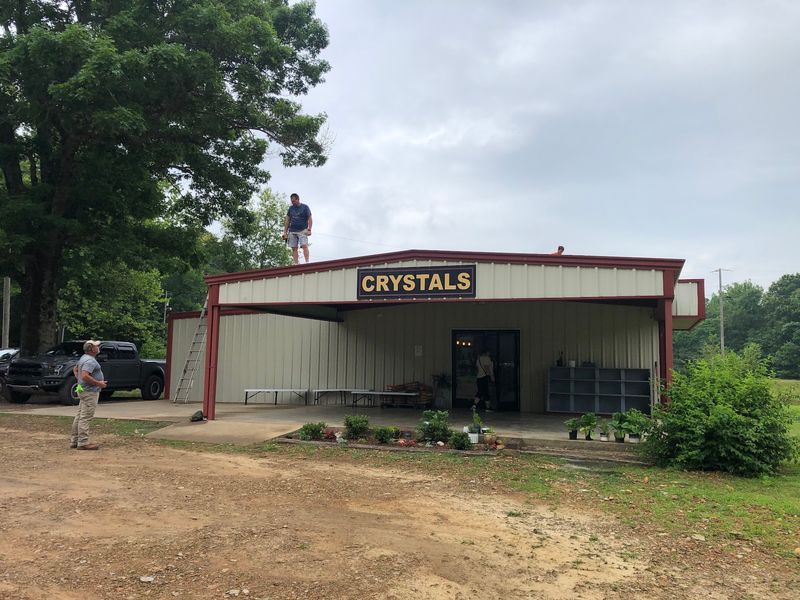
Fisher Mountain carries serious weight in the world of Arkansas quartz, and the numbers behind Avant Mining explain why. The company has grown into the largest quartz crystal mining operation on the planet, managing 23 mines across more than 12,000 acres in the Ouachita region.
The Fisher Mountain location, also known as the Garfield Lewis claim, holds the distinction of hosting the oldest public crystal dig in Arkansas. Specimens pulled from this site have ended up in the collections of the Smithsonian, Yale, and Harvard, which gives the public digging program an almost absurd level of geological credibility.
Visitors can choose between self-led public digs or private pocket digs, the latter pairing guests with a personal guide who assists in extracting crystals directly from virgin rock formations. The scale of the operation means fresh material is consistently available, and the quality of crystals found here regularly surpasses what visitors encounter at smaller sites. Arkansas tourism officials specifically identify Fisher Mountain as one of the state’s most significant quartz destinations.
6. Board Camp Crystal Mine, Mena, Arkansas
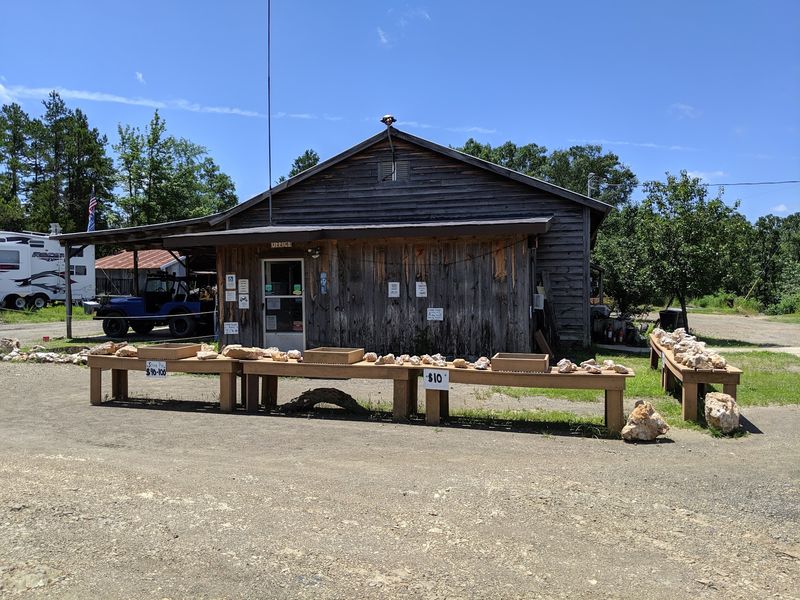
Board Camp Crystal Mine operates with an environmental philosophy that sets it apart from nearly every other dig site in the state. Owners Orville and Cheryl Murphy, with daughter Debbie frequently guiding visitors, use only hand tools throughout the property, keeping the impact on the surrounding Ouachita woodland minimal and the experience genuinely hands-on.
There are no massive tailings piles here. Guests dig directly into crystal-rich ground, finding quartz both on the surface and embedded below, which gives the whole experience a more exploratory quality than pile-sifting operations offer. The mine runs seasonally from March through October, and reservations are recommended to ensure a personalized visit.
Board Camp also gained national attention through television coverage on shows like Expedition Unknown, largely because of the unusual phenomena reported on the property. For visitors who want to extend the adventure, Crystal Cottages on-site provide themed lodging that turns a day trip into a full overnight retreat. It is one of the few places in Arkansas where the story of the land is as compelling as the crystals themselves.
7. Sweet Surrender Crystals, Story, Arkansas
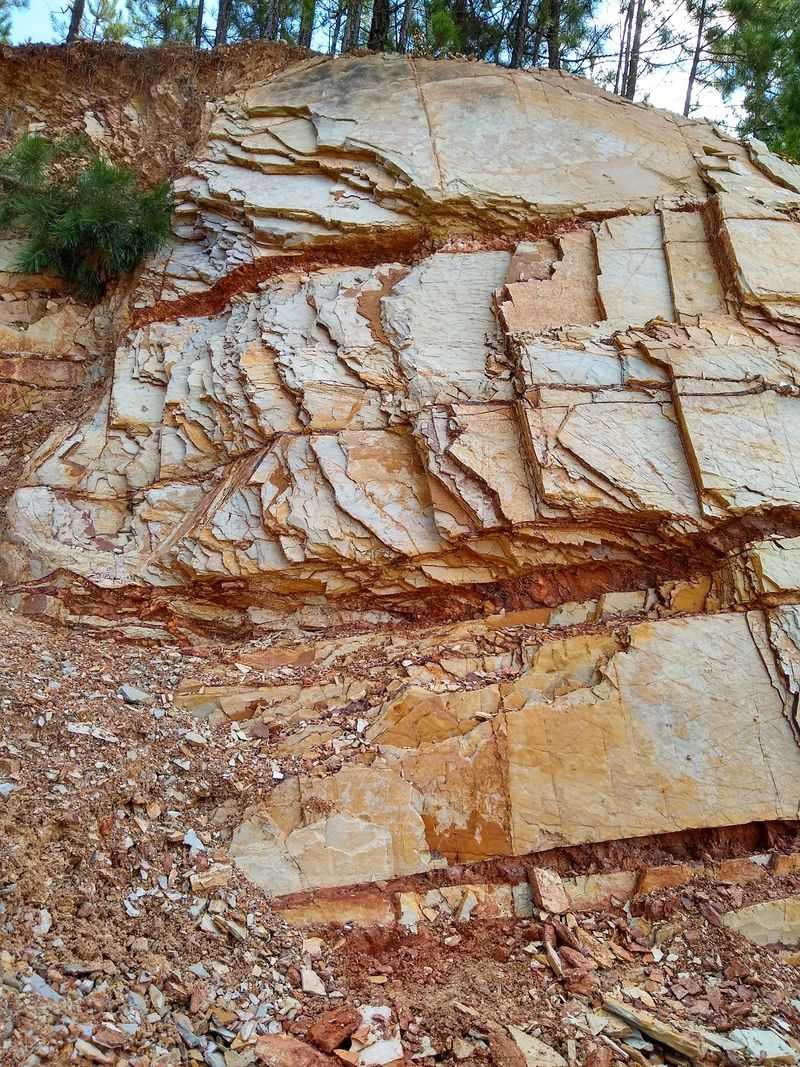
The name alone is worth the trip. Sweet Surrender Crystals in Story, Arkansas, sits in the Ouachita region and delivers a more rustic, intimate alternative to the larger operations clustered around Mount Ida, which suits rockhounds who prefer their adventures a little off the beaten path.
What makes this site geologically distinctive is its shale matrix. Most Arkansas quartz deposits sit in sandstone, but here the crystals form within shale, producing specimens coated in heavy iron oxides and other minerals. Once cleaned, those coatings can reveal iridescent rainbow effects and hematite crystallizations that look nothing like standard clear quartz points.
The mine provides access to both tailings piles and sections suitable for hard rock mining, giving visitors a varied experience within a single visit. Facilities are primitive, so guests should bring their own tools, containers, food, and water. Minerals like fluorite occasionally turn up alongside the quartz, adding an element of surprise to each session. This family-owned operation rewards patience with genuinely high-grade finds.
8. Coleman’s Rock Shop & Crystal Mines – Terri & Jim, Jessieville, Arkansas
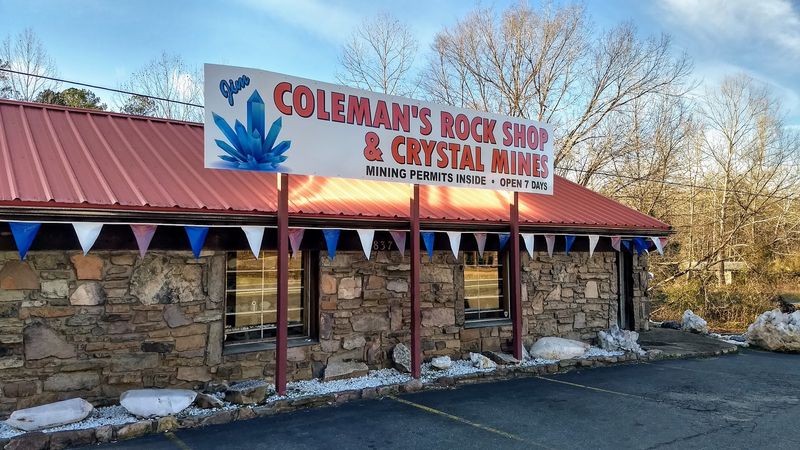
A proper rockhounding road trip needs at least one old-fashioned rock shop where shelves overflow with specimens and the cases invite you to linger far longer than planned. Coleman’s Rock Shop in Jessieville fits that role naturally, and it has been doing so long enough to earn a loyal following among Arkansas crystal enthusiasts.
The retail store carries an extensive range of crystals, glass, rocks, geodes, and stones, giving browsers plenty to evaluate before committing to a purchase. For visitors who want to get their hands dirty, public digging is available at the Coleman quartz mine located about 15 miles from the shop, where a modest fee covers an all-day session and everything unearthed goes home with the finder.
The digging area is regularly replenished with fresh material from the commercial open-pit operation, ensuring that return visitors consistently encounter new opportunities. Clear quartz single points, clusters, and larger landscaping-grade rocks are the most common finds. The combination of a well-stocked shop and an accessible dig site makes Coleman’s a versatile stop for collectors at every level.
9. It’s About Rocks, Hot Springs, Arkansas
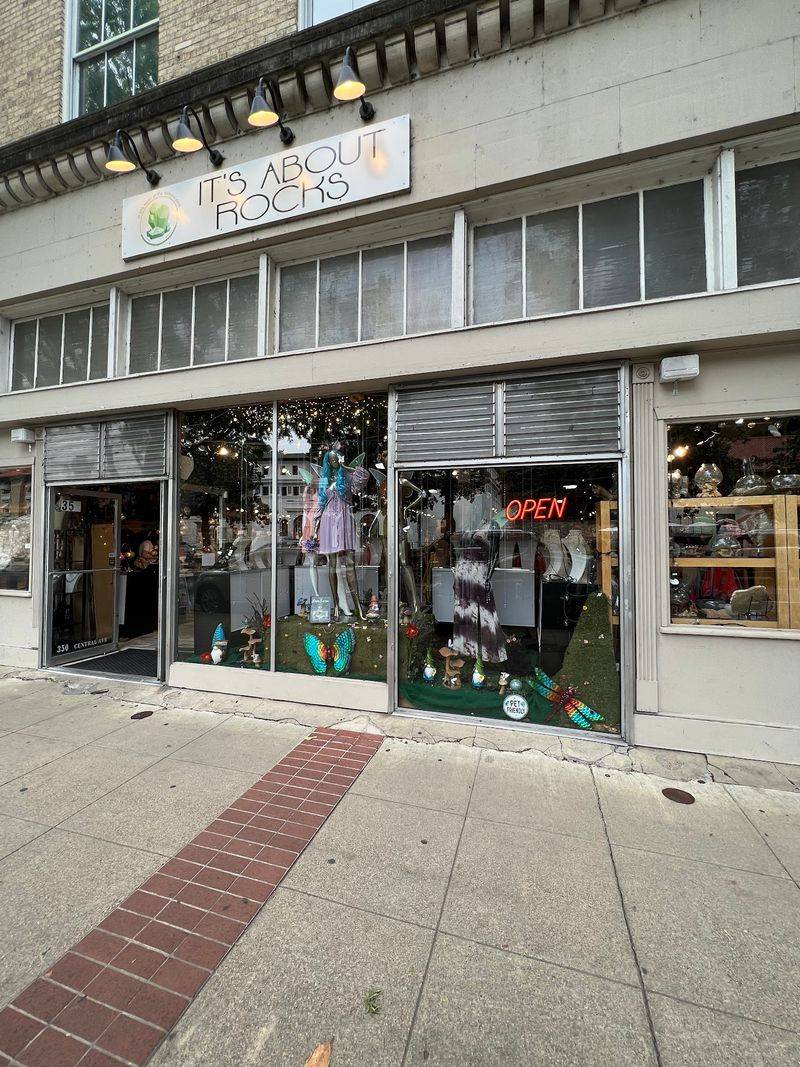
Downtown Hot Springs already has enough going for it with Bathhouse Row, historic architecture, and a national park at its doorstep, but rockhounds have their own reason to visit. It’s About Rocks is a bohemian crystal, stone, and gift shop nestled in the heart of the city, and it covers considerably more geological ground than a typical souvenir store.
The inventory includes a wide selection of quartz and semi-precious stones from central Arkansas, alongside locally made jewelry designed by Charles Miller, whose family history is directly tied to one of the state’s largest quartz mining operations. That personal connection to the source material gives the pieces a different kind of authenticity.
The shop also highlights two particularly Arkansas-specific geological finds: Wavellite, a rare stone with distinctive lime-green starburst formations found in nearby outcrops, and Arkansas Novaculite, historically used by Native Americans for tools and still valued today for sharpening blades. Metaphysical supplies, bohemian clothing, and home decor fill out the rest of the store, making it a worthwhile stop even for visitors who arrived in Hot Springs for entirely different reasons.
10. Hot Springs National Park, Hot Springs, Arkansas
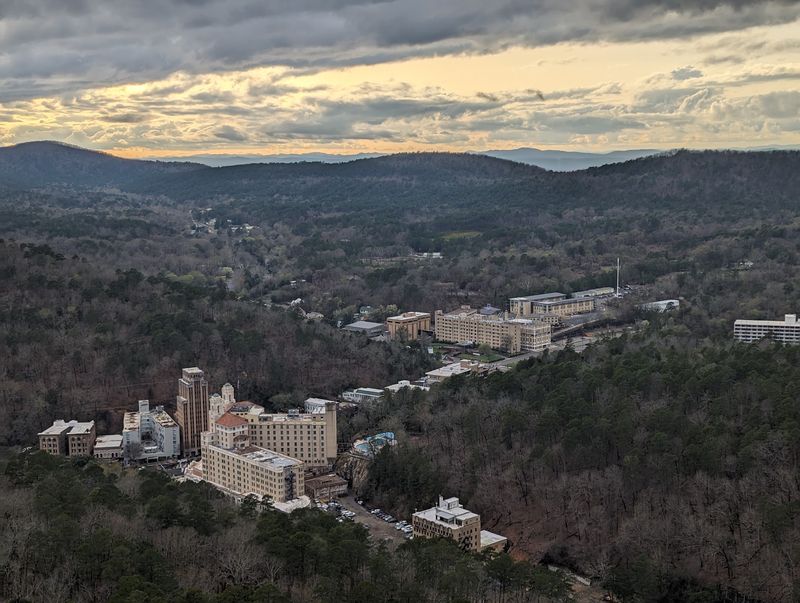
Most national parks protect landscapes. Hot Springs National Park protects a geological process that is still actively running. The thermal waters rising through the park travel a journey of roughly 4,000 years from surface rainfall down through fractured ancient bedrock and back up again, picking up dissolved minerals along the way before emerging at the surface.
The surrounding Zigzag Mountains are part of the Ouachita range and contain some of the most dramatically folded sedimentary rock in the American South. Arkansas Novaculite is the standout specimen here, a dense, fine-grained rock composed almost entirely of tiny quartz crystals. Native Americans prized it for arrowheads, and modern users still value it for whetstones, which makes it one of the more practically useful rocks in the state’s geological inventory.
The rocks visible throughout the park are approximately 400 million years old, and the thermal waters deposit tufa formations as they cool, creating small-scale geological features that are easy to observe up close. For rockhounds who appreciate context as much as specimens, this park provides an unusually clear picture of how heat, pressure, water, and time work together.
11. Bauxite Historical Association Museum, Bauxite, Arkansas
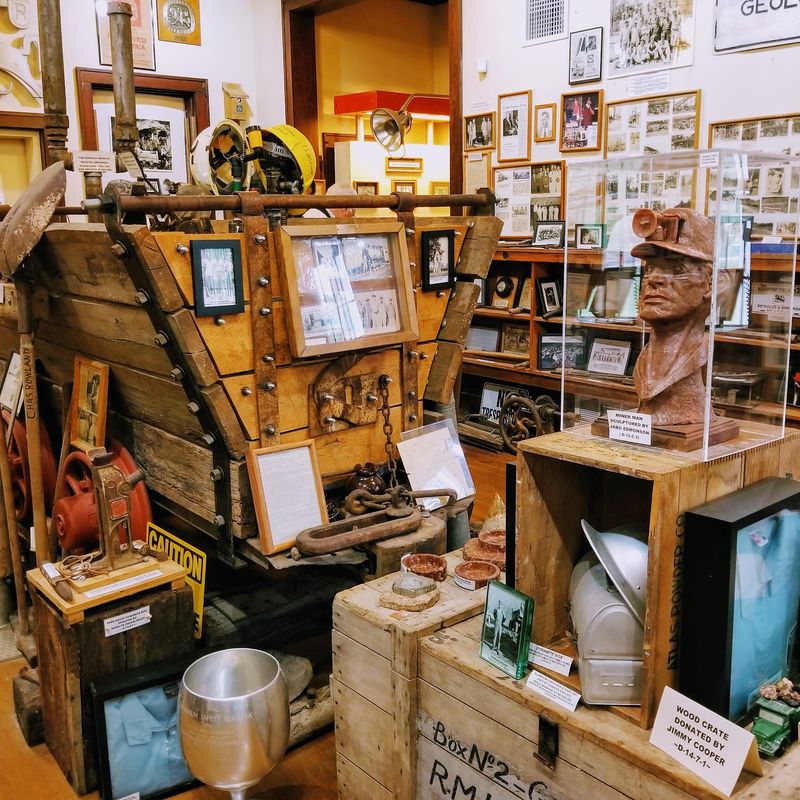
The town of Bauxite is proof that Arkansas’s mineral story did not begin and end with quartz and diamonds. Named directly for the aluminum ore discovered in central Arkansas in 1887, the community was founded in 1903 by the Pittsburgh Reduction Company, later known as Alcoa, to support industrial-scale mining operations that would eventually help build aircraft during World War II.
The Bauxite Historical Association Museum preserves that industrial heritage through photographs, documents, and mining equipment that chronicle what life looked like in a company town where Alcoa provided housing, schools, and essential services for its workforce. The exhibits give visitors a clear picture of how a single geological deposit can shape an entire community’s identity for generations.
Curiosities abound here, including the story of bauxite teeth, a condition caused by excess fluoride entering drinking water during early smelting operations. The museum also highlights the bronze Unsung Heroes statues that honor the workers who kept the operation running. For anyone interested in how geology influences human settlement as much as it produces collectible specimens, this museum makes a genuinely thought-provoking final stop on any Arkansas mineral tour.
Share this story