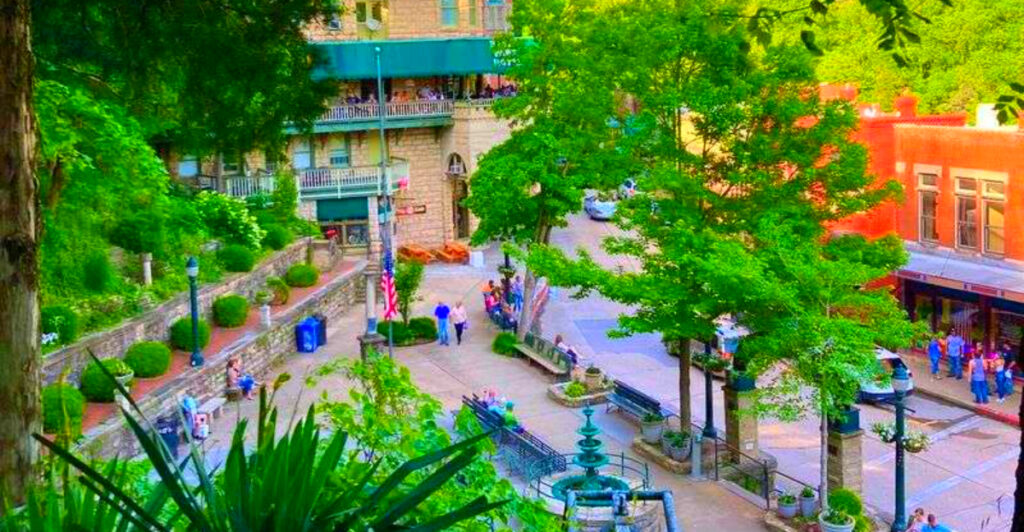
Arkansas has a quiet way of preserving the past. While the rest of the country rushes forward, certain small towns in the Natural State seem to have quietly agreed to keep things exactly as they were. Old courthouses still anchor town squares, brick storefronts still line main streets, and local traditions still run deep enough to pass on to grandchildren. Some of these towns have railroad roots, some have river histories, and a few are so well preserved they are listed on the National Register of Historic Places.
What they all share is a remarkable ability to make visitors feel like they have traveled back in time without needing a time machine. From the Victorian hillside streets of the Ozarks to a Delta town that looks straight out of a European postcard, each of these ten places tells a story that modern development has not yet managed to erase. Get comfortable, because this list is worth reading slowly.
1. Mountain View, Arkansas
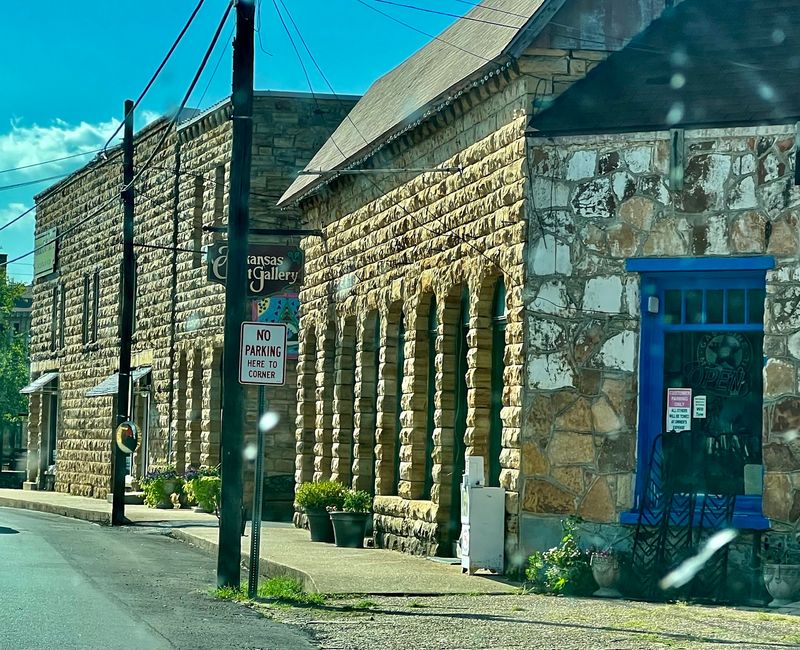
The self-declared Folk Music Capital of the World is not just a catchy title on a welcome sign. Mountain View actually backs it up. From spring through late fall, musicians gather around the courthouse square for informal pickin’ sessions that anyone can join or watch, no ticket required.
The tradition runs so deep that the local school district runs a program called Music Roots, which teaches students from 4th through 8th grade to play traditional instruments like fiddle, banjo, dulcimer, and mandolin. The program even provides the instruments, making sure the next generation stays connected to the music.
The Ozark Folk Center State Park, which opened in 1973, features more than 20 artisans demonstrating crafts alongside multiple stages showcasing regional music. The town itself was so isolated that paved roads did not arrive until the 1960s, which may explain why its traditions stayed so intact. Mountain View did not lose its past; it simply never let it go.
2. Calico Rock, Arkansas
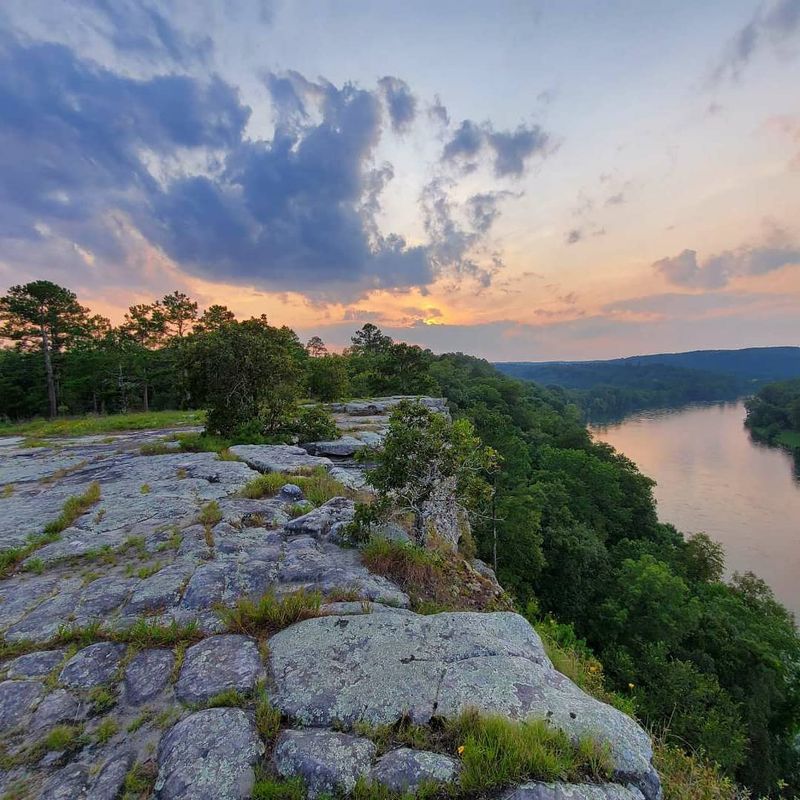
French fur traders named this place in the 1820s after the colorful patterned bluffs rising above the White River, and the name still fits perfectly today. The main street of Calico Rock is listed on the National Register of Historic Places and features 1920s brick and stone storefronts that replaced an earlier commercial district lost to fire.
Two major fires, one in 1897 and another in 1923 sparked by a locomotive, reshaped the town’s architecture. Builders responded with durable local stone and brick, which is why the streetscape looks the way it does now. The railroad arrived in 1902 and turned Calico Rock into a trading hub for three surrounding counties.
Just east of the main town sits Peppersauce, a preserved six-block ghost town from the original 1830s settlement that visitors can explore on a self-guided walk. Between the river bluffs, the historic storefronts, and the ghost town next door, Calico Rock offers more layers of history than its small size suggests.
3. Hardy, Arkansas
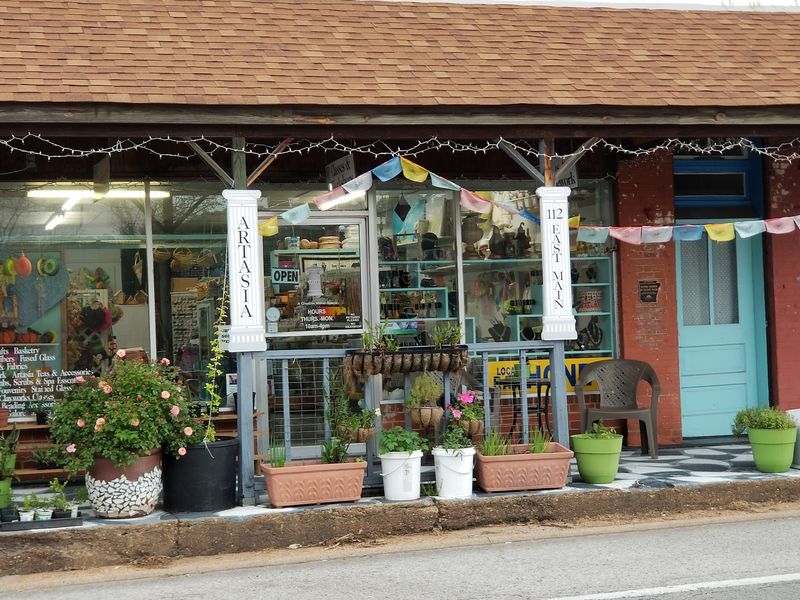
Hardy takes its antique shopping seriously enough to carry the unofficial title of Antiques Capital of Northeast Arkansas. The historic Main Street is lined with shops like Pickers Paradise, Purple Frog, and 3 Magi, each offering a different mix of collectibles, vintage furniture, and regional curiosities.
The Hardy History Museum rounds out the downtown experience with an extensive collection of memorabilia and artifacts that trace the town’s past. Early twentieth century buildings provide the backdrop for all of it, and most of them look remarkably unchanged from their original construction.
Just outside town, the Spring River has attracted generations of anglers and floaters who come for the clear, cool water and the unhurried pace that goes with it. Seasonal festivals bring extra visitors without disrupting the town’s easy rhythm. Hardy is the kind of place where slowing down feels less like a choice and more like a natural response to the surroundings.
4. Jasper, Arkansas
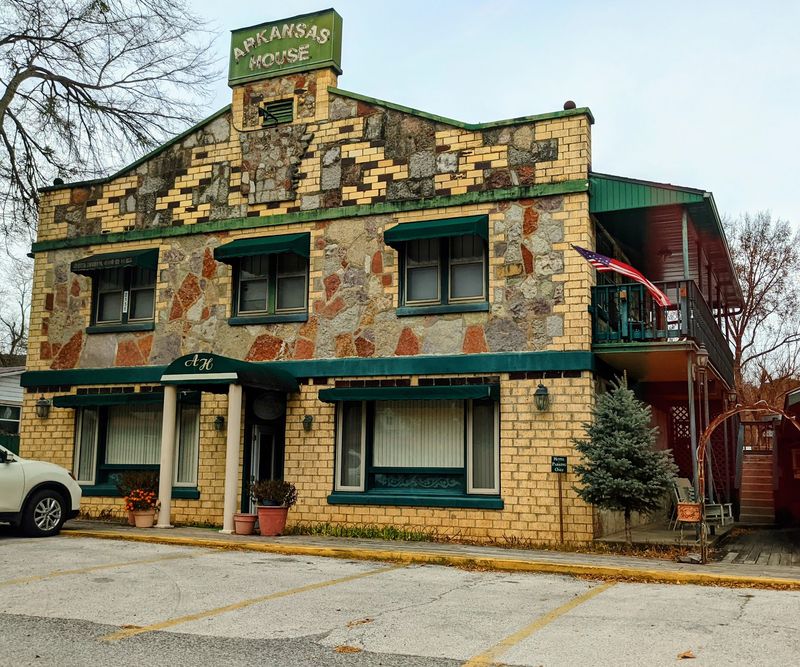
Tucked into the folds of the Ozark Mountains near the Buffalo National River, Jasper holds onto its classic small-town layout with quiet determination. The courthouse square still functions as the true center of community life, surrounded by locally owned businesses and historic buildings that have not been swapped out for chain stores.
The Buffalo National River, the first national river in the United States, flows nearby and draws hikers, canoeists, and photographers from across the country. Jasper itself sits close to the Arkansas Grand Canyon overlook, a dramatic viewpoint that surprises first-time visitors who did not expect scenery on that scale in the middle of the state.
Local cafes on and around the square offer straightforward food and conversation that feels genuinely unhurried. The town is small enough that a short walk covers most of it, but the surrounding landscape gives it a sense of scale that goes well beyond its population. Jasper is compact in size but generous in character.
5. Washington, Arkansas
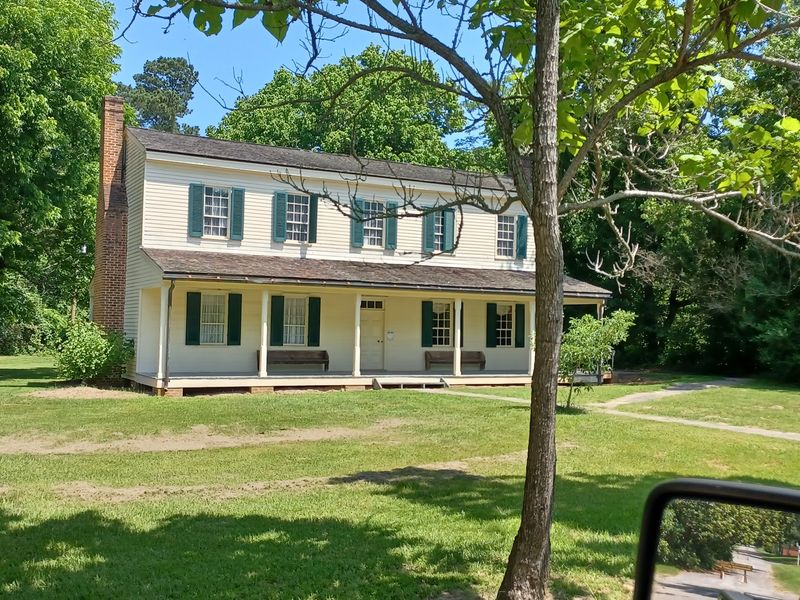
Historic Washington State Park is one of the most carefully preserved collections of 19th-century buildings in the entire South. Brick streets connect restored homes, government buildings, and artisan workshops across a compact area that functions more like a living museum than a typical town.
The working blacksmith shop is a genuine highlight. Visitors can watch demonstrations of traditional metalworking techniques using tools and methods that date back well over a century. It is one thing to read about frontier craftsmanship and another thing entirely to watch it happen in front of you.
Washington served as the Confederate capital of Arkansas during the Civil War and later became an important stop on the Southwest Trail. That layered history shows up in the architecture, the museum collections, and the guided tours that bring specific stories to life. The town rewards visitors who take their time and ask questions rather than rushing through. History here is not behind glass; it is out in the open.
6. Altus, Arkansas
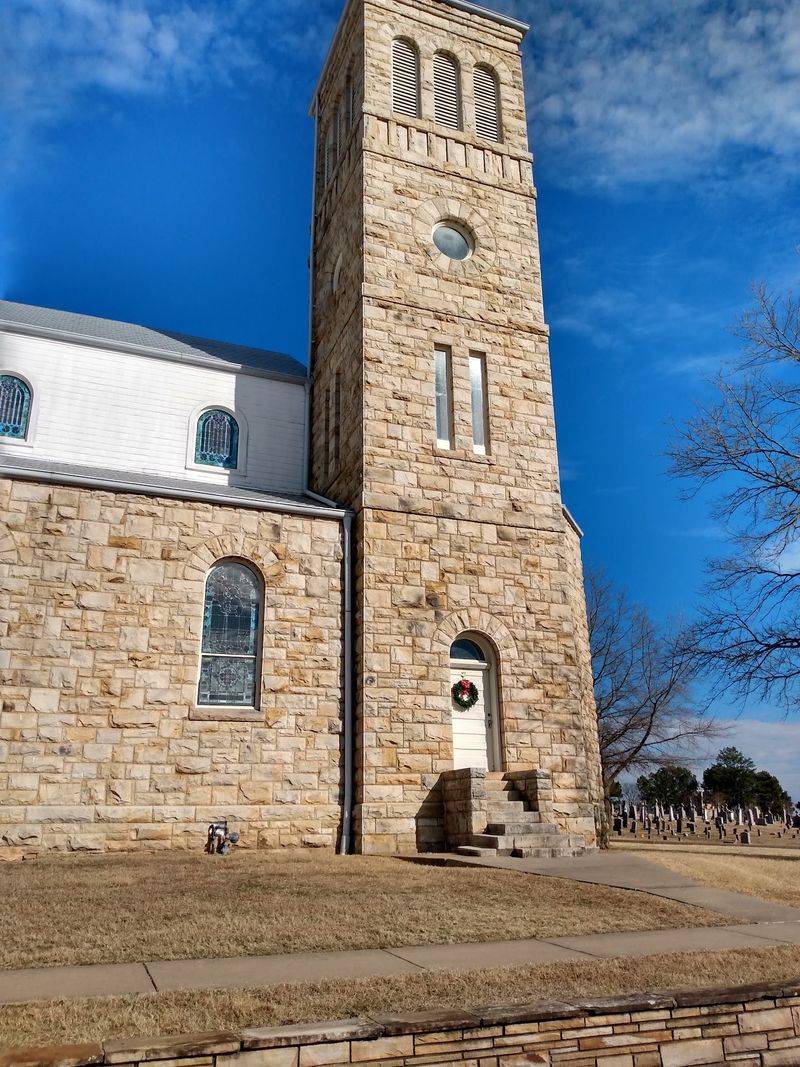
German and Swiss Catholic immigrants arrived in Altus in the 1880s and brought with them a tradition of winemaking that has outlasted nearly everything else from that era. The result is a town surrounded by vineyards and family-owned wineries that have been operating for well over a century.
Post Familie Vineyards and Winery, with roots going back to the 1880s, is now counted among the 100 largest wineries in the nation. Other family operations like Wiederkehr Wine Cellars, Chateau Aux Arc, Mount Bethel Winery, and Chateau Aux Arc each bring their own history to the region.
The walkable town square and historic churches give Altus a settled, unhurried quality that fits well with an afternoon of exploring the surrounding countryside. The pace here is genuinely slow, and that is the point. Altus does not compete with bigger destinations; it simply offers something those places cannot replicate: a community that has stayed true to its roots for over 140 years.
7. Eureka Springs, Arkansas
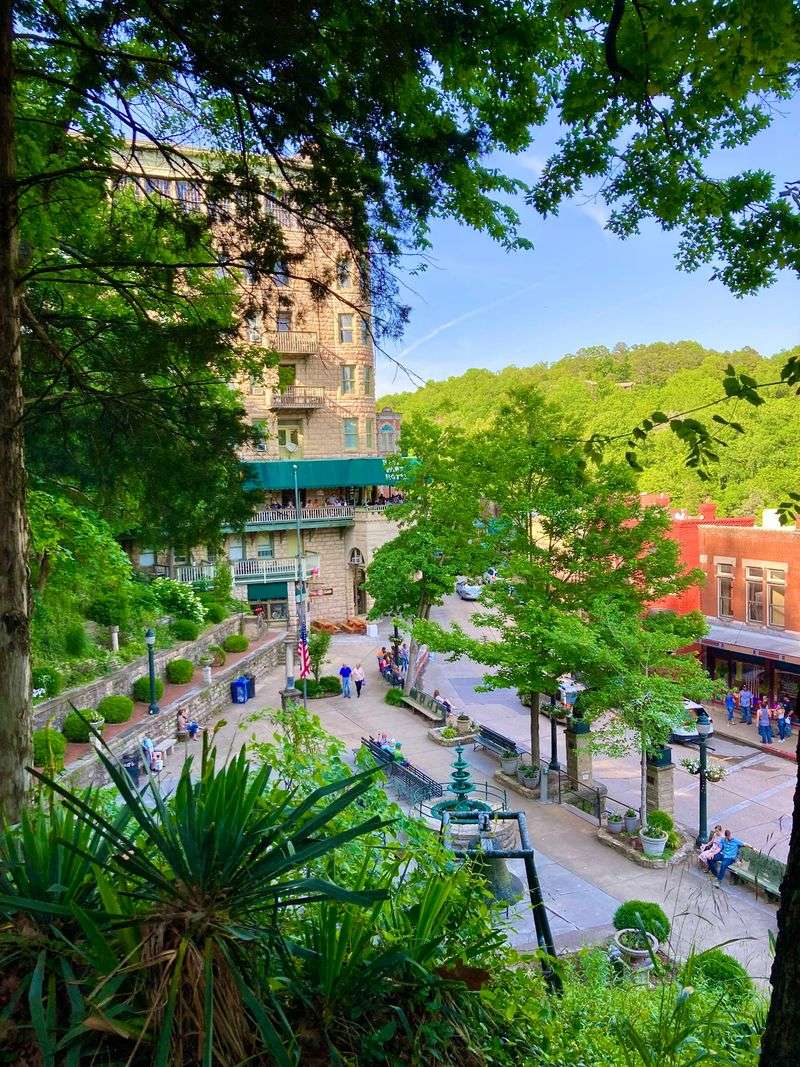
Few towns in America manage to make a hillside feel like a history lesson, but Eureka Springs pulls it off with style. Every street curves and climbs at its own angle, lined with Victorian buildings so well preserved that the whole downtown is listed on the National Register of Historic Places as a historic district.
Galleries, boutiques, and cafes occupy storefronts that have stood since the late 1800s, and there is not a single traffic light in the entire downtown area. The town grew rapidly after 1879 when visitors began arriving to use the natural springs, and that original energy never quite left.
Stone stairways connect different street levels, creating a layout that no urban planner would design today but that somehow works perfectly. Visitors frequently spend an entire afternoon just wandering without a map, discovering hidden courtyards and historic facades around every bend. Eureka Springs rewards curiosity more than almost any other town in Arkansas.
8. Wilson, Arkansas
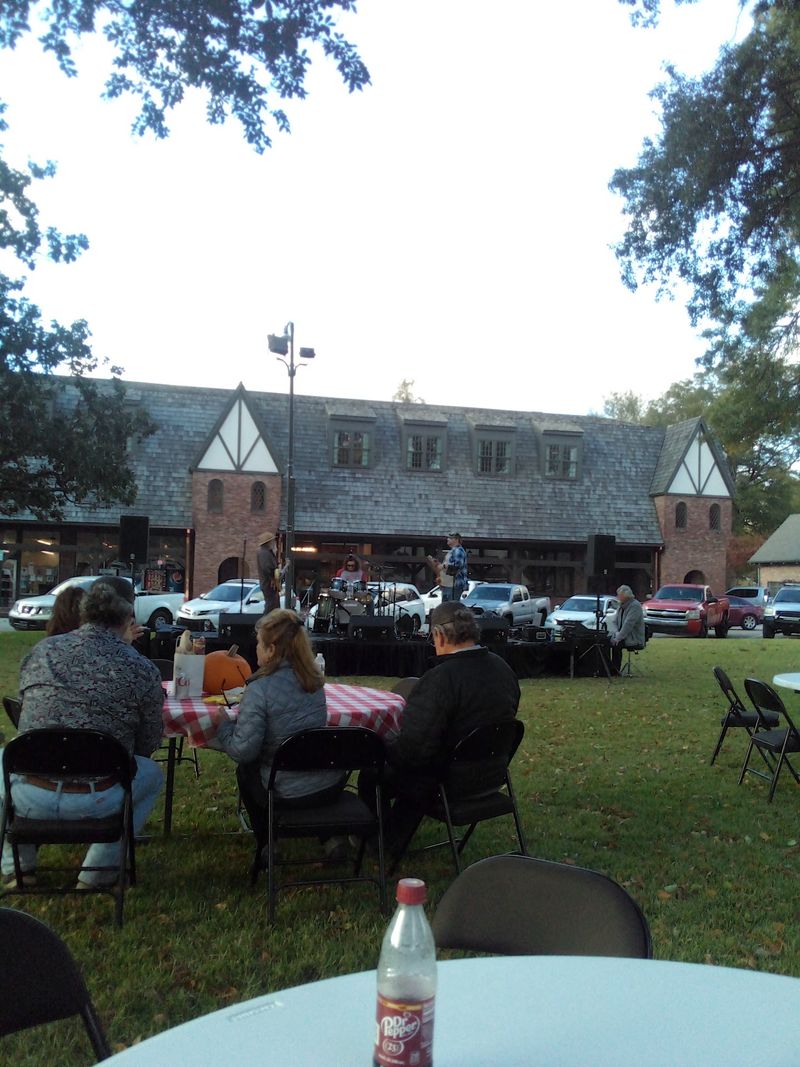
Most people do not expect to find Tudor Revival architecture in the middle of the Arkansas Delta, which is exactly what makes Wilson so memorable. The town square and surrounding buildings were developed in that distinctive style in the early 20th century, giving the whole place an appearance unlike any other Delta community in the state.
Careful restoration efforts have kept the buildings in excellent condition, and today they house restaurants, shops, and community gathering spaces that serve both residents and visitors. The contrast between the European-influenced architecture and the flat Delta landscape outside of town creates a genuinely surprising visual experience.
Wilson is also notable for its ongoing revitalization efforts, which have brought new businesses into historic spaces without altering their original character. The town proves that preservation and modern community life can work together rather than against each other. A walk around the square here takes maybe twenty minutes, but the impression it leaves tends to last considerably longer.
9. Cotter, Arkansas
Cotter earned the nickname Trout Capital, U.S.A. for good reason. The White River running through town produces world-class trout fishing, and anglers have been making the trip here for generations. The river defines the town’s identity as much as any building or street ever could.
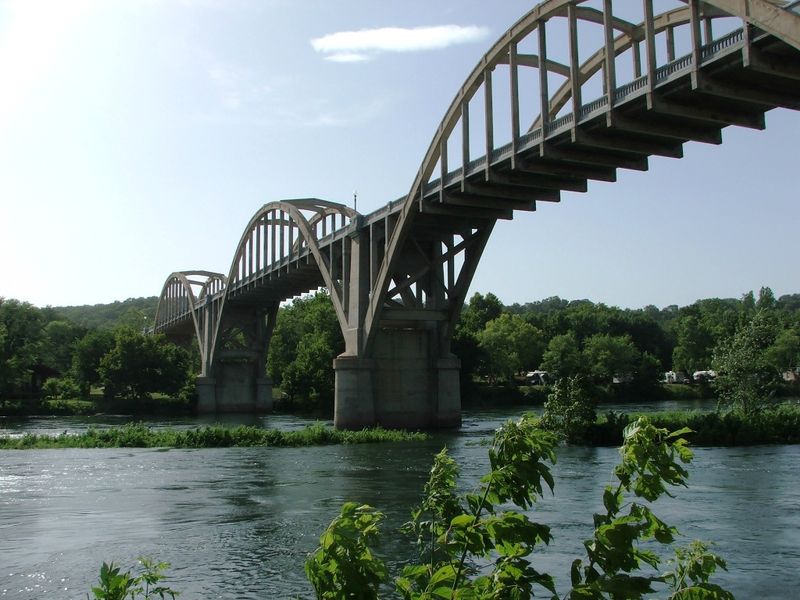
The historic Cotter Bridge, officially named the R.M. Ruthven Bridge, was completed in 1930 and remains one of the most significant engineering structures in Arkansas. Built using the patented Marsh Rainbow Arch design, it is believed to be the largest remaining bridge of its kind anywhere. In 1986 it became Arkansas’s first National Civil Engineering Landmark, and it was added to the National Register of Historic Places in 1990.
Cotter started as a railroad boomtown in 1902 and served as a division point and headquarters for the White River Railway. The last passenger train left in 1960, but the town found a new identity in tourism and retirement. The compact downtown still reflects that railroad-era heritage in its layout and architecture.
10. Cane Hill, Arkansas
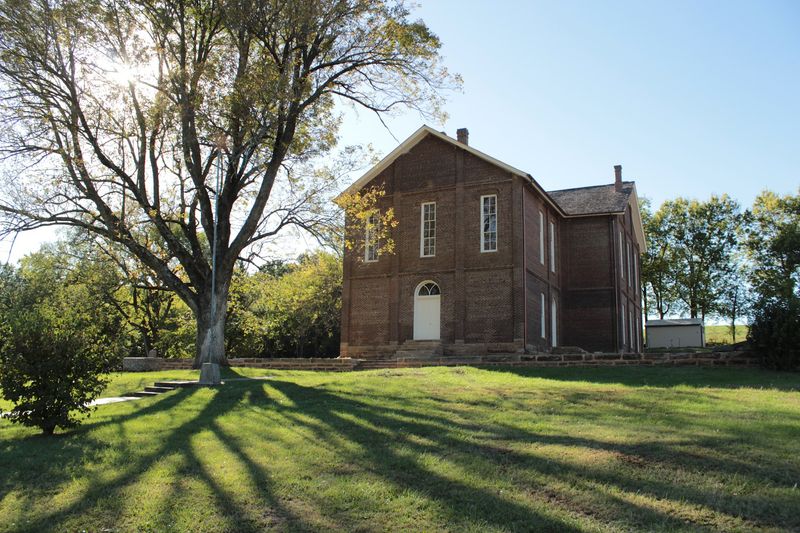
Cane Hill carries a remarkable amount of educational history for an unincorporated community most people have never heard of. The Cane Hill School, founded in 1834, was the first formally organized school in Northwest Arkansas and also housed the state’s first public library. That is a lot of firsts for a place with no traffic lights.
The school eventually became Cane Hill College, one of Arkansas’s earliest four-year degree-granting institutions. In 1875, it became the first co-educational college in Arkansas after absorbing students from the Clyde Female Seminary. The existing brick college building, constructed in 1886 in the Victorian Italianate style, still stands after previous buildings on the site burned.
Historic Cane Hill manages 17 buildings listed on the National Register of Historic Places, connected by walking trails that also pass through a cemetery dating to the 1830s. The 1891 Presbyterian Church and the museum in the former Shaker Yates Grocery add to the experience. The quiet rural setting makes every historic detail feel more significant.
11. Paris, Arkansas
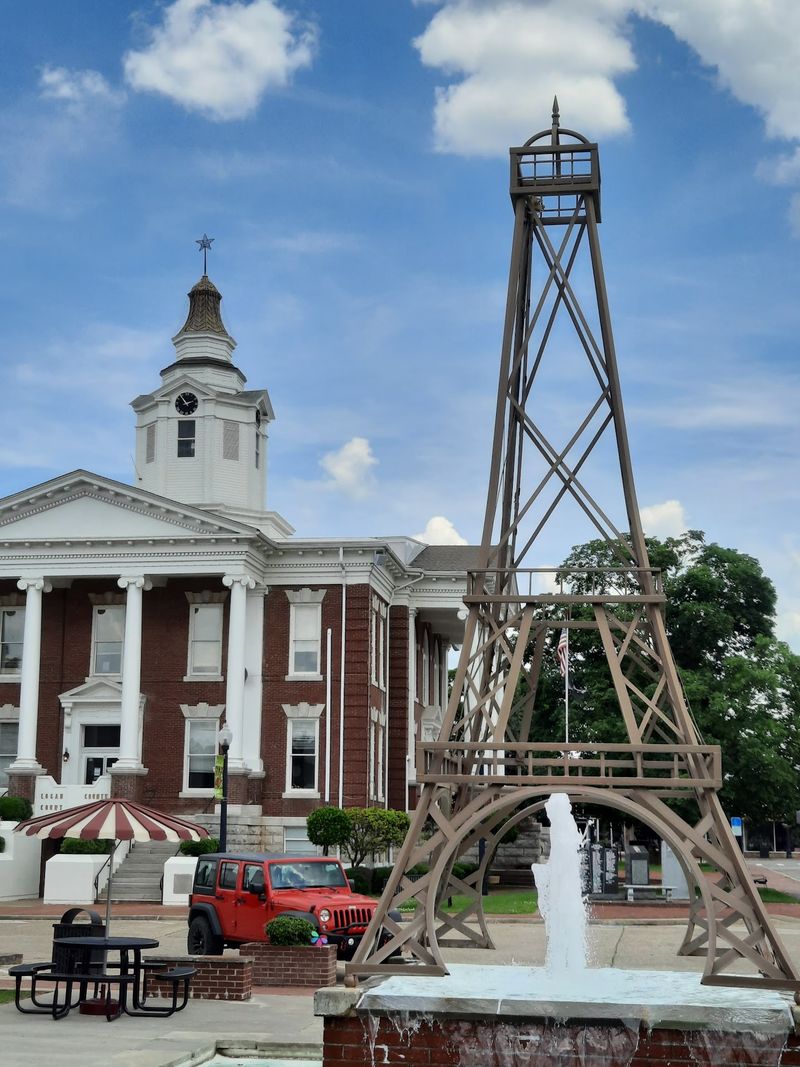
Paris, Arkansas, shares its name with the French capital but operates at a considerably more relaxed pace, which most visitors consider a feature rather than a flaw. The town is centered around a classic courthouse square that still functions as the community’s social and commercial anchor, surrounded by historic storefronts and locally owned businesses.
Nearby Mount Magazine adds a natural highlight that few small Arkansas towns can match. At 2,753 feet, it is the highest point in Arkansas, and it sits close enough to Paris to make a combined visit easy and worthwhile. The mountain offers hiking trails, scenic overlooks, and a state park lodge for those who want to extend the trip.
The community spirit in Paris is the kind that shows up in local cafes, seasonal events, and conversations with people who have lived here their whole lives. The town does not try to be a tourist destination so much as it simply continues being itself, which turns out to be more than enough reason to visit.
Share this story