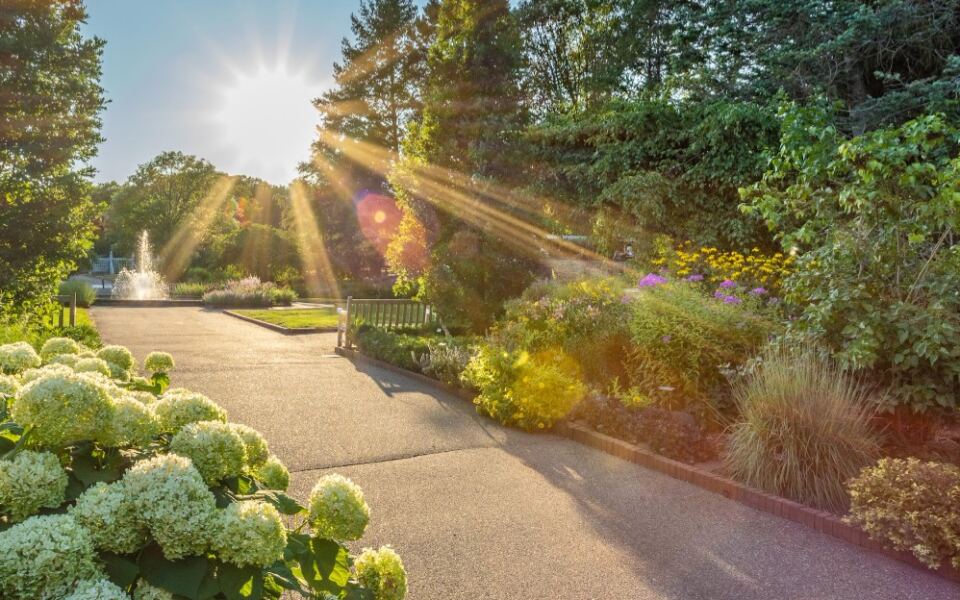
Some parks are made for a quick walk. Arboretums are built for slow wandering.
Across the country, these living tree museums hold thousands of labeled plants, quiet trails, lakes, gardens, and views that change with every season. Some cover a few hundred acres, while others stretch across thousands, so there is room to pick a short stroll or a full day outside.
This list moves from Kentucky forests to an Arizona desert and a Boston hillside shaped by Harvard scientists. Some offer free entry, some have canopy walks, and one even sits inside a historic cemetery.
Bring comfortable shoes, check the hours before you go, and give yourself more time than you think you need. Trees have a way of making an afternoon disappear.
Bernheim Forest and Arboretum, Clermont, Kentucky
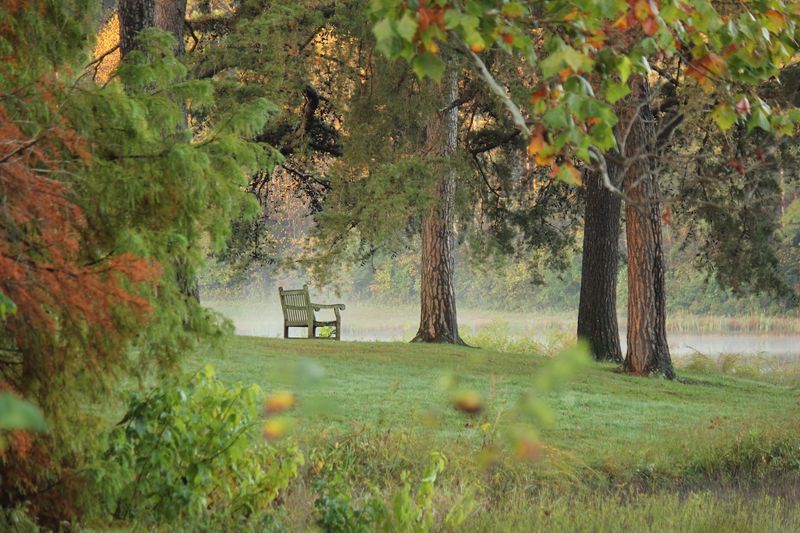
Size is the first thing to know about Bernheim. The property covers more than 16,000 acres south of Louisville, which makes it one of the largest private forest and arboretum properties in the country.
Only part of that land is the formal arboretum. The rest is protected forest, with hiking trails that give visitors plenty of choice, from short walks to longer outings.
The Canopy Tree Walk lifts guests up into the treetops, and large outdoor sculptures appear along the paths. Founded in 1929, Bernheim is also a major center for conservation and environmental education.
Each season brings a new look, from spring wildflowers to bright fall color. Hours change with the season and the property closes on certain holidays, so check the schedule before heading out.
Plan on a full day if you want to see more than one area, because the grounds are too large to rush through.
Holden Arboretum, Kirtland, Ohio
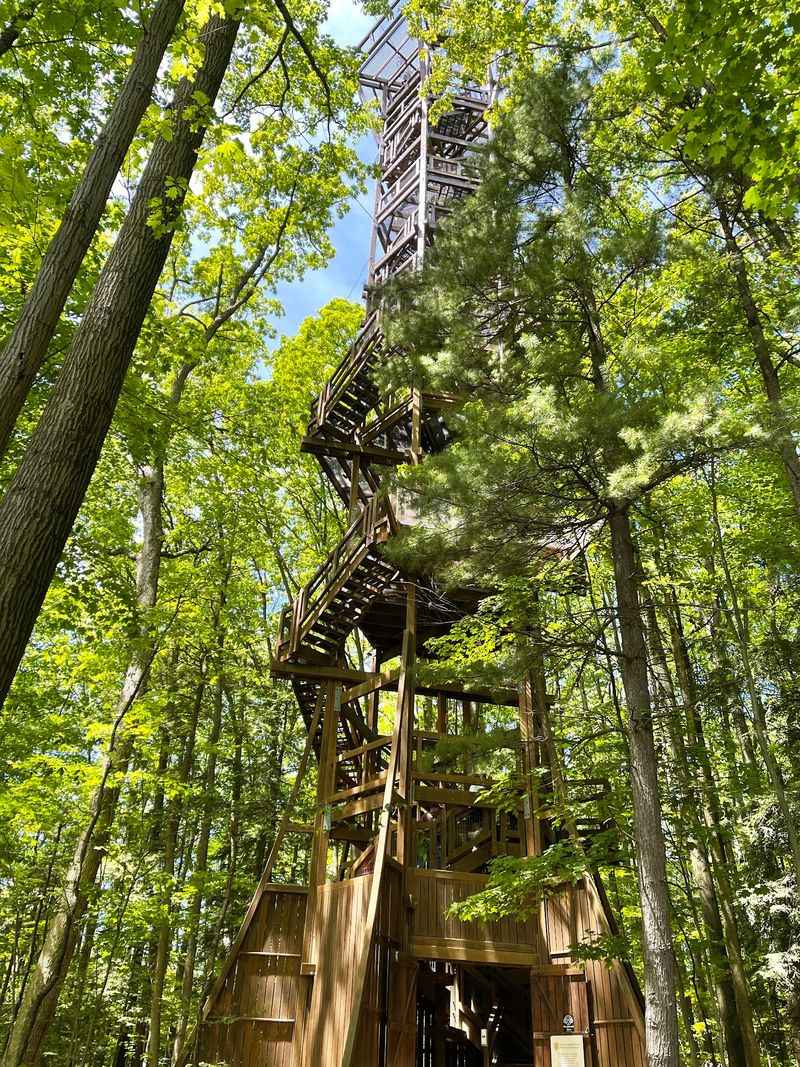
Walking among the treetops is the big draw at Holden. East of Cleveland, this arboretum spreads across roughly 3,500 acres of woodlands, gardens, and hiking trails.
The Murch Canopy Walk puts visitors up in the branches. The 120-foot Kalberer Emergent Tower adds sweeping forest views, though both are seasonal attractions, so check that they are open before you plan your visit.
Holden also protects important conservation areas where scientists study native plants and ecosystems. That research gives the grounds a purpose beyond pretty scenery.
Autumn color tends to get the most attention, but spring blooms and full summer greenery give you good reasons to visit at other times of year too. Admission tickets are available, and seasonal activities run throughout the year.
Wear sturdy shoes, since the trails cover a lot of ground and a single loop will not show you everything.
The Dawes Arboretum, Newark, Ohio
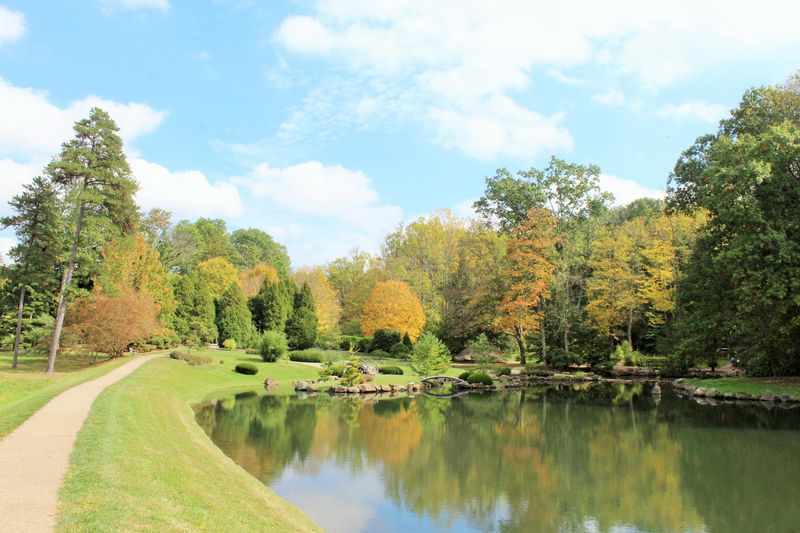
Look at this place from an airplane and the name is spelled out in giant hedge letters. The Dawes Arboretum designed that landmark to be seen from above, and it is one of its most recognizable features.
Beman and Bertie Dawes started the property in 1929 on 293 acres. Today it covers nearly 2,000 acres of Ohio countryside, filled with tree collections, gardens, lakes, and forested areas.
The Japanese Garden is a good stop when you want a calmer stretch of walking. Plenty of other paths lead past ponds and groves, so you can build a route as short or as long as you like.
Dawes stays active all year with educational programs and seasonal experiences. Check the current schedule before you go, since offerings change from one season to the next.
A first visit usually leaves people planning a second one.
The Morton Arboretum, Lisle, Illinois

Chicago has a major tree collection just a short drive from downtown. The Morton Arboretum, founded in 1922, covers 1,700 acres in Lisle and holds trees and plants from around the world.
The grounds include 16 miles of hiking trails and nine miles of roads, along with lakes, forests, prairies, and wetlands. That mix lets visitors pick a quiet woodland path or a wide-open prairie view.
Families can head to the Children’s Garden, while anyone who would rather skip the walking can book a seasonal narrated tram tour. It is a handy option for a first visit, since it gives you a quick overview of the layout.
Morton is also an internationally recognized center for tree science and conservation. It stays open year-round, so a short afternoon stop or a full day of exploring both work well here.
University of Wisconsin-Madison Arboretum, Madison, Wisconsin
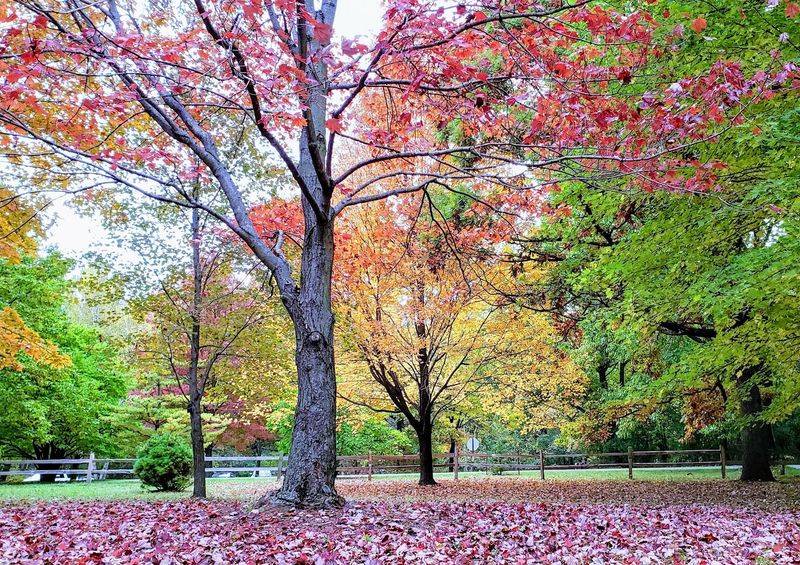
Free admission makes this one easy to say yes to. The University of Wisconsin-Madison Arboretum sits beside Lake Wingra and spreads across 1,200 acres of prairies, forests, wetlands, and oak savannas.
Its main story is restoration. Instead of focusing only on ornamental gardens, the arboretum shows how damaged landscapes can be brought back and protected.
Curtis Prairie is one of its most important ecological features, and it is a good place to see that work up close. The Longenecker Horticultural Gardens add a different feel, with a wide variety of trees and shrubs.
Walking trails make it simple to explore at your own pace, and birdwatchers will find plenty of places to stop and look. Visitors also get a closer view of Wisconsin’s natural heritage.
The arboretum remains open to the public, which makes it a flexible choice for a short walk or a longer outing.
Minnesota Landscape Arboretum, Chaska, Minnesota
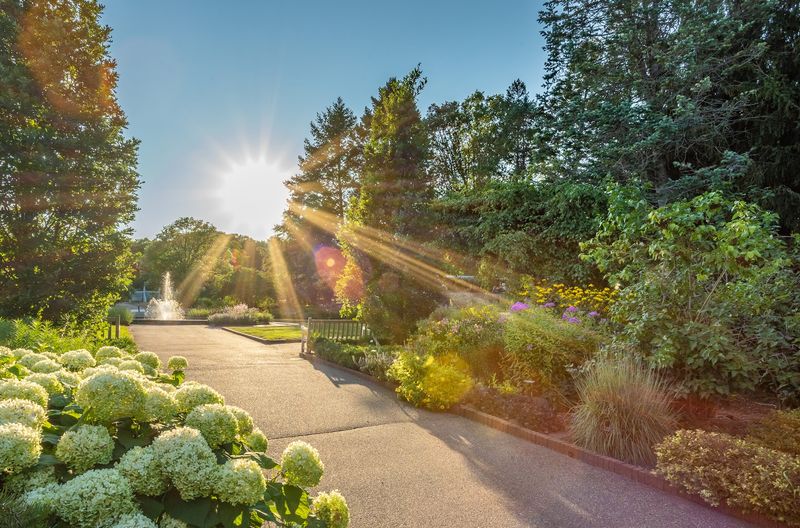
If your legs need a break, the Three-Mile Drive is a smart way to start. The Minnesota Landscape Arboretum, southwest of Minneapolis, lets visitors see a large part of the grounds without covering every step on foot.
More than 30 gardens and natural areas fill the 1,200 acres. Walking trails let you get closer to the plants, so you can drive first and then park for a stroll.
As a University of Minnesota property, the arboretum focuses on plants that handle Minnesota’s climate and supports horticultural research. That makes it useful for home gardeners looking for ideas.
The grounds change a lot through the year, from spring blossoms to bold autumn colors. The arboretum remains open to visitors, with admission tickets and seasonal educational programs available.
Check ticket details ahead of time so your visit goes smoothly.
Connecticut College Arboretum, New London, Connecticut
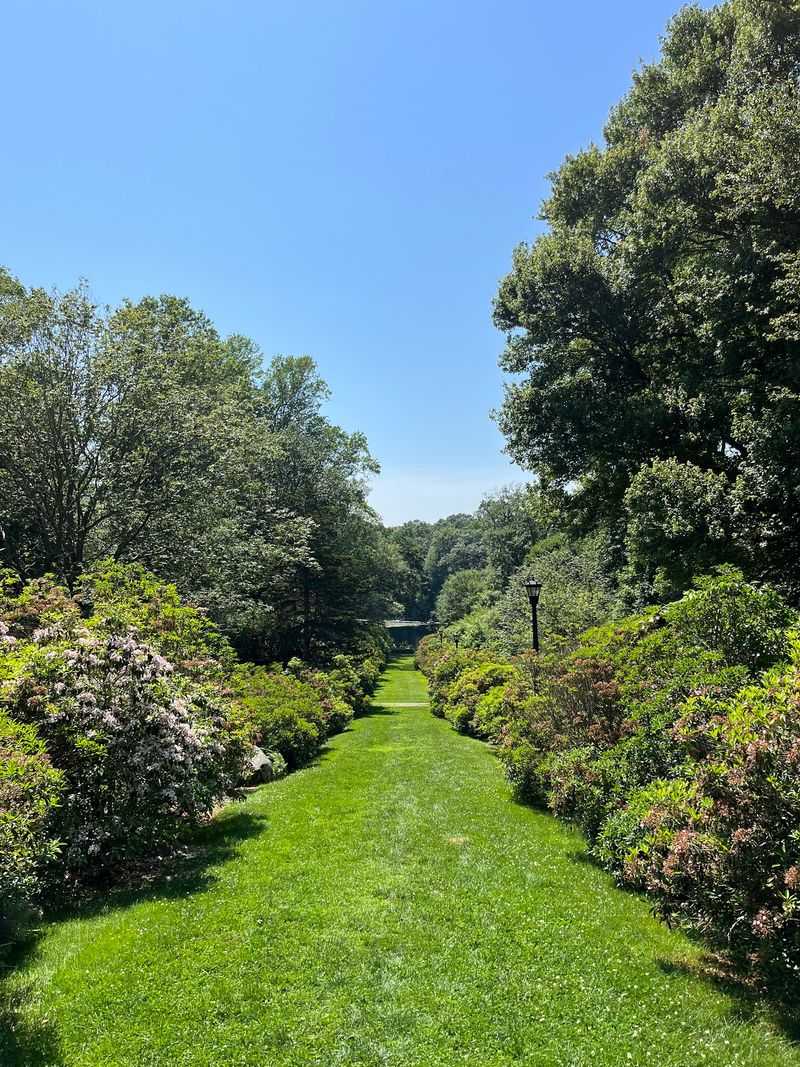
College students here have an outdoor classroom just steps from campus. The Connecticut College Arboretum, established in 1931, covers 750 acres in New London and also serves researchers.
Its areas include the Native Plant Collection, the Caroline Black Garden, and Mamacoke Island, along with other conservation lands. Together they give visitors a mix of landscaped spaces and protected habitat.
Walkers can stroll under mature trees, look for native plants, and follow quiet trails away from busy city streets. Nature fans will like how botanical collections sit beside wilder natural areas.
Admission is free, and the arboretum is open to the public every day from sunrise to sunset. That makes it an easy add-on to a trip through southeastern Connecticut.
Come in any season and the scenery will look a little different from your last visit.
Spring Grove Cemetery and Arboretum, Cincinnati, Ohio
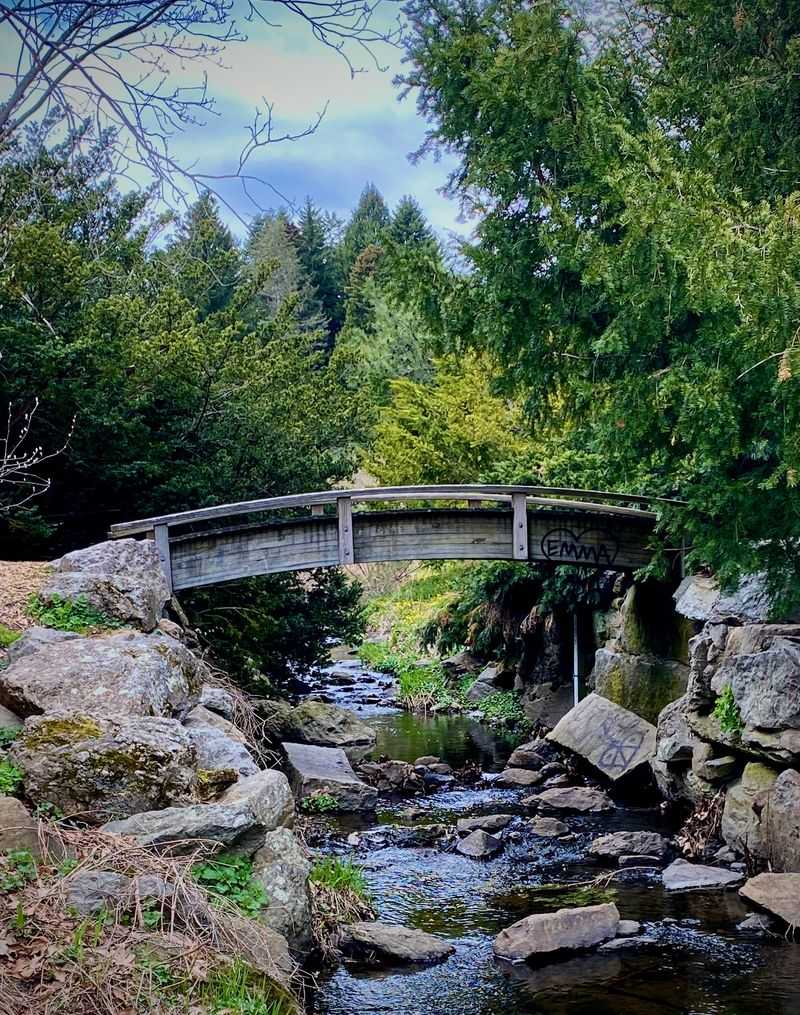
Here is an arboretum with an unusual address. Spring Grove was founded in 1845 and combines historic monuments, lakes, rolling land, and a serious collection of trees.
About 450 of its 733 acres are maintained as landscaped grounds. Winding roads make it easy to travel through the property and stop at tree specimens that catch your eye.
The collection includes both native and exotic plants, along with notable champion trees. That gives botanical visitors plenty to look for, even if they come mainly for the trees.
Spring Grove remains an active cemetery as well as an arboretum, so visitors should be respectful and keep a quiet pace. For many people, that setting adds to the appeal.
The grounds offer a calm place for remembrance, botanical appreciation, and a thoughtful walk in Cincinnati.
United States National Arboretum, Washington, D.C.
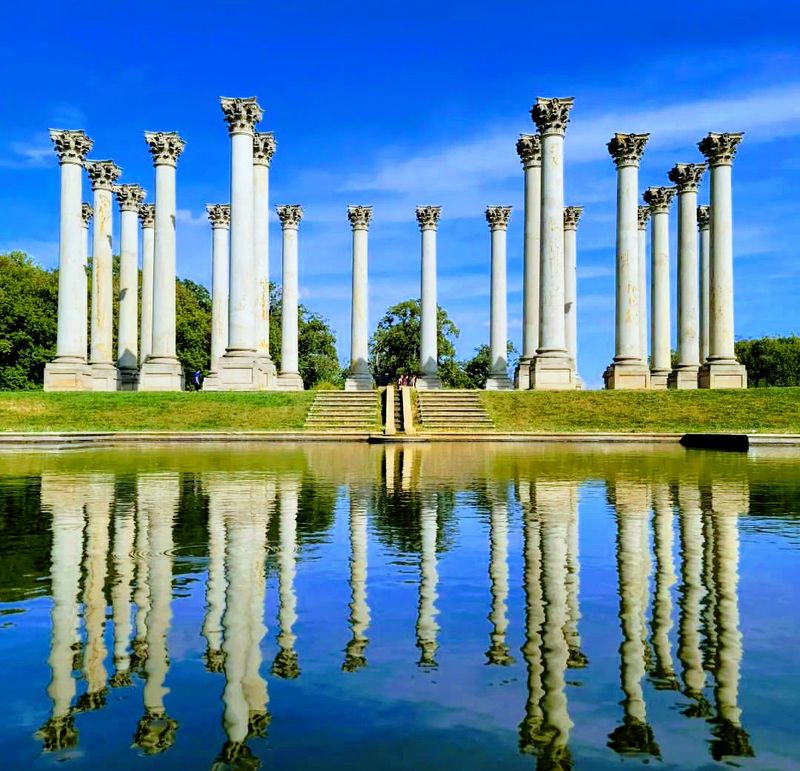
Tall stone columns stand in an open field in the middle of Washington, D.C. The National Capitol Columns are one of the best-known landmarks at the United States National Arboretum, and they make a striking photo stop.
The USDA manages the 451-acre property. Its grounds include large tree collections, colorful azaleas, magnolias, gardens, wooded areas, and walking paths.
The National Bonsai and Penjing Museum is also here, which gives visitors a chance to see tiny trees displayed as art. It pairs nicely with a longer walk through the larger landscape.
Plant science and conservation are part of the story too, so there is plenty to learn. Admission is free, and the grounds are open daily from 8 a.m. to 5 p.m., except Christmas Day.
Spring is a popular time, when the azaleas and magnolias are in bloom.
Boyce Thompson Arboretum, Superior, Arizona
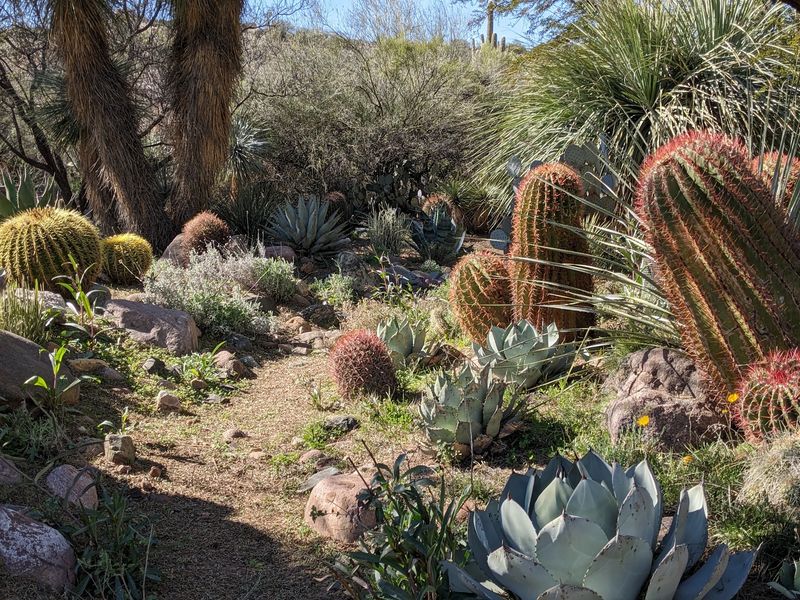
Desert plants take center stage at Boyce Thompson. This Arizona arboretum sits in the Sonoran Desert and looks nothing like the forested arboretums in the Midwest and Northeast.
Founded in 1924, it holds thousands of plants from dry regions across several continents. Cactus gardens are a highlight, and the surrounding desert views are dramatic.
Nearly five miles of trails wind through the property, so visitors can mix short strolls with longer walks. Towering rock formations, desert vegetation, and wildlife make it a favorite for photographers and outdoor fans.
It operates as a botanical garden with public visits, tours, and educational activities. Because this is the desert, bring water, wear a hat, and think about timing your walk for a cooler part of the day.
The 372 acres are compact enough to explore in a relaxed morning or afternoon.
Arnold Arboretum, Boston, Massachusetts

Smaller does not mean less important. At 281 acres, the Arnold Arboretum is the smallest on this list, yet it ranks among North America’s most historically significant public arboretums.
Harvard University operates it, and it was established in 1872. Frederick Law Olmsted contributed to the design, and the grounds are part of Boston’s Emerald Necklace park system.
Thousands of documented plants grow here, including especially strong collections of lilacs, conifers, and other woody species. Tree-lined paths make for easy walking, and seasonal blooms change the scenery from month to month.
Some spots also give beautiful views toward the city. If you visit in lilac season, expect to share the paths with plenty of other fans.
The arboretum is free and open daily from sunrise to sunset, so it fits easily into a day in Boston.
Share this story