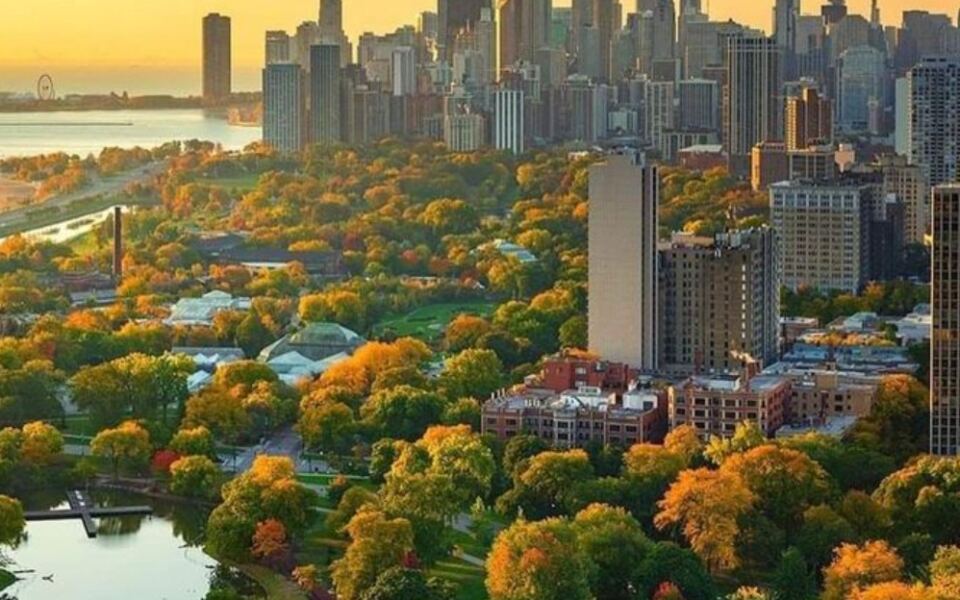
Fall has a way of making even familiar places feel brand new. Across the United States, certain cities transform into jaw-dropping showcases of color, crisp air, and seasonal charm that no other time of year can match.
From mountain towns wrapped in golden aspens to coastal cities where historic brick buildings glow against orange maples, the variety is stunning. Whether you are planning a weekend road trip or a longer getaway, these 11 cities are worth every mile when the leaves start to turn.
Asheville, North Carolina
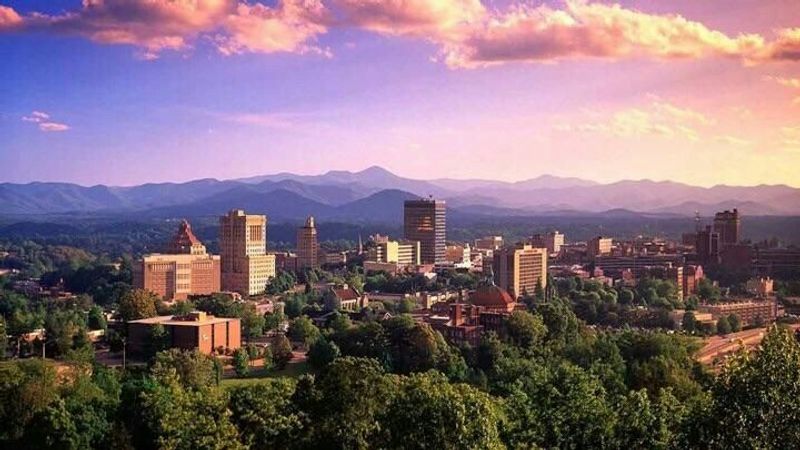
Asheville is one of those rare places where you can watch the mountains change color from your restaurant table. The Blue Ridge Mountains surrounding the city vary so much in elevation that the foliage season stretches across roughly six weeks, sometimes starting above 6,000 feet in late September and lingering into early November at lower elevations.
That extended window gives visitors plenty of time to catch peak color without obsessing over exact timing.
Downtown Asheville sits among wooded hills, so vibrant trees frame the skyline rather than just lining a few streets. A quick drive onto the Blue Ridge Parkway unlocks some of the most celebrated mountain views in the eastern United States.
Hiking trails, overlooks, and scenic pullouts are never far away.
After a morning on the Parkway, afternoons in Asheville reward visitors with craft breweries, farm-to-table restaurants, and a lively arts scene. The city has a personality that matches the season perfectly: relaxed, colorful, and full of things worth exploring.
Not many American cities make a mountain foliage trip feel this effortless.
Burlington, Vermont
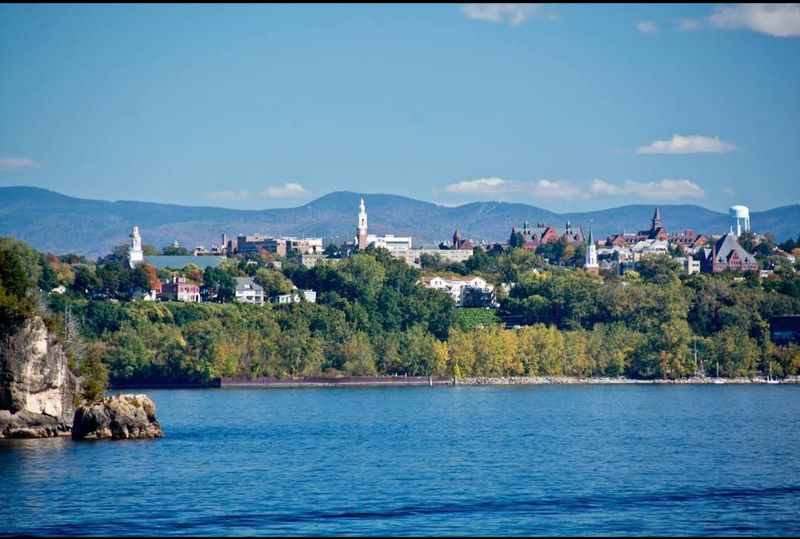
Somewhere between the gold of the maples and the deep blue of Lake Champlain, Burlington quietly becomes one of the most beautiful small cities in America. Vermont foliage is famous worldwide, but Burlington adds a lakefront dimension that pure mountain towns simply cannot offer.
Watching autumn color reflect off the water from Waterfront Park is the kind of experience that makes people rearrange future travel plans.
Color typically peaks in the Champlain Valley around early to mid-October, though the exact timing shifts a little each year. Visitors can cover a surprising amount of ground without a car.
The Burlington Bike Path, the Island Line Trail, and downtown Church Street all deliver strong fall scenery within easy walking or cycling distance.
Church Street Marketplace adds a genuinely fun layer to the trip. Cafes, local shops, and restaurants make it easy to warm up between outdoor adventures.
For travelers who want classic New England foliage without sacrificing urban comfort, Burlington hits a sweet spot that larger Vermont towns sometimes miss. The Adirondacks visible across the lake do not hurt the view either.
Boston, Massachusetts
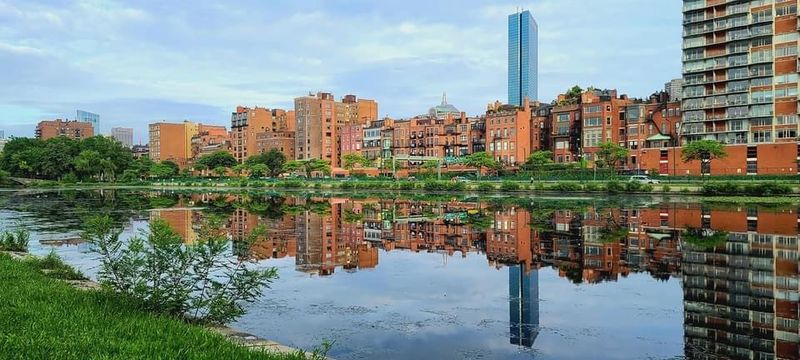
Few cities in America wear fall as naturally as Boston. The combination of centuries-old brick architecture and New England foliage creates a visual pairing that feels almost cinematic, especially along the Charles River Esplanade or through the winding streets of Beacon Hill.
Boston Common and the Public Garden put autumn color right in the middle of downtown, which means you do not have to plan a separate excursion just to see leaves.
The city has nearly 300 parks and open spaces, including Boston Common, which was established in 1634 as the country’s first public park. By October, that historic green space is absolutely layered in color.
Jamaica Pond, the Back Bay Fens, and Arnold Arboretum round out a list of green corridors that keep fall interesting across multiple neighborhoods.
Beyond the foliage, Boston in fall means college football energy, outstanding seafood, world-class museums, and a walkable urban core that rewards slow exploration. History fans can trace the Freedom Trail while surrounded by changing leaves.
That combination of American heritage and New England seasonal beauty is genuinely hard to beat anywhere else in the country.
Portland, Maine
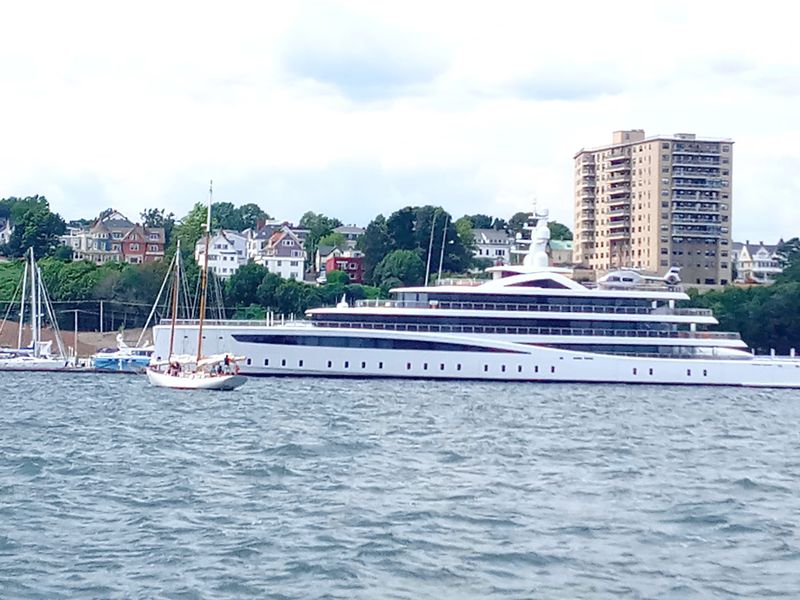
Portland, Maine is proof that foliage does not need mountains to be memorable. Here, autumn color meets a working waterfront, historic brick streets, and some of the best seafood restaurants in New England, creating a fall experience with its own distinct coastal personality.
The combination feels genuinely different from Vermont’s mountain valleys or New Hampshire’s White Mountains, and that contrast is exactly what makes Portland worth visiting.
Back Cove and the Eastern Promenade are two of the city’s best spots for foliage walks with views of Casco Bay. Nearby Mackworth Island and Bradbury Mountain offer easy escapes into denser autumn scenery without requiring a long drive.
The season fits the city’s laid-back, food-forward culture so naturally that it almost seems designed for October travel.
Cooler fall weather pairs perfectly with chowder, fresh-baked bread, local craft beer, and a slow wander through the Old Port’s cobblestone streets. Travelers can also use Portland as a base for coastal drives where autumn forests press right up against rocky shorelines.
That specific combination of sea air, colorful trees, and great food is something Portland does better than almost anywhere.
Pittsburgh, Pennsylvania
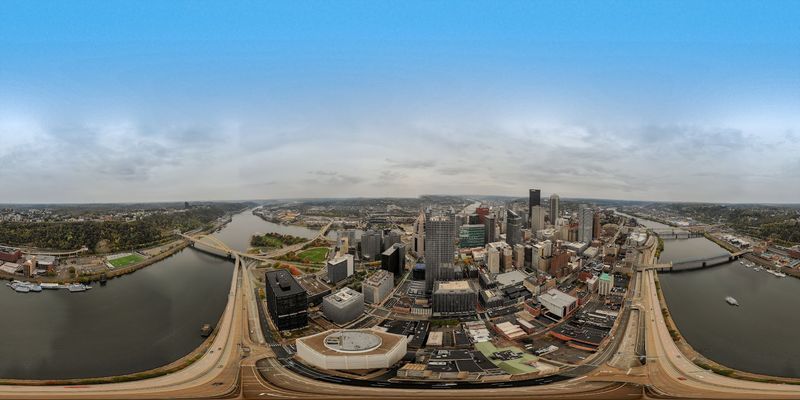
Pittsburgh might be the most underrated fall city in the entire country. The city’s famously hilly terrain gives autumn foliage a three-dimensional quality that flat or gently rolling cities simply cannot replicate.
Instead of trees lining a few streets, visitors look across entire slopes of changing leaves cascading down toward the Allegheny, Monongahela, and Ohio rivers. The effect is genuinely dramatic.
Point State Park sits right where the three rivers meet, offering a front-row view of wooded hillsides and the downtown skyline. Mount Washington provides an elevated perspective that makes the surrounding fall color even more impressive.
Pittsburgh’s collection of bridges adds strong architectural contrast against all that red, orange, and yellow.
One of Pittsburgh’s biggest advantages is that some of the season’s broadest foliage views appear directly across the rivers from downtown, meaning you never have to choose between city life and fall scenery. Museums, restaurants, and neighborhoods like Lawrenceville and Shadyside stay busy through October.
Travelers who have overlooked Pittsburgh in favor of more obvious fall destinations often leave wondering why they waited so long to visit.
Minneapolis, Minnesota
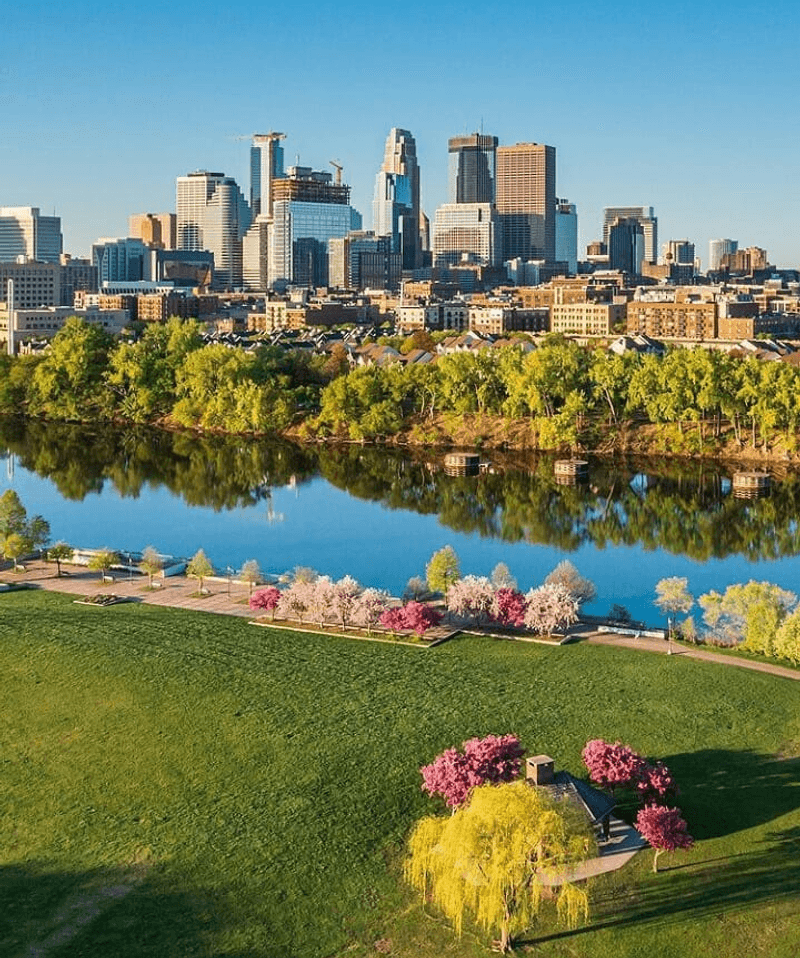
Minneapolis earns its fall reputation one lake at a time. When autumn color spreads along the Mississippi River and through the city’s famous chain of lakes, the whole urban landscape shifts into something warmer, softer, and genuinely stunning.
East and West River Parkway rank among the best fall drives in the Midwest, whether you cover them by car, bike, or on foot with a coffee in hand.
Mature trees line the riverbanks for miles, and bridges create elevated vantage points where you can look across foliage and water simultaneously. Minnehaha Falls is another standout, especially when surrounded by orange and gold trees in mid-October.
The city’s extensive parkway system connects these highlights in a way that makes a full day of outdoor exploration feel natural and unhurried.
Minnesota’s foliage season often arrives earlier than in many parts of the country, which makes Minneapolis a smart starting point for travelers planning a longer fall road trip. By the time you head south or east, you will have already experienced peak color.
Add great restaurants, live music, and a welcoming local culture, and Minneapolis becomes an easy fall favorite.
Chicago, Illinois
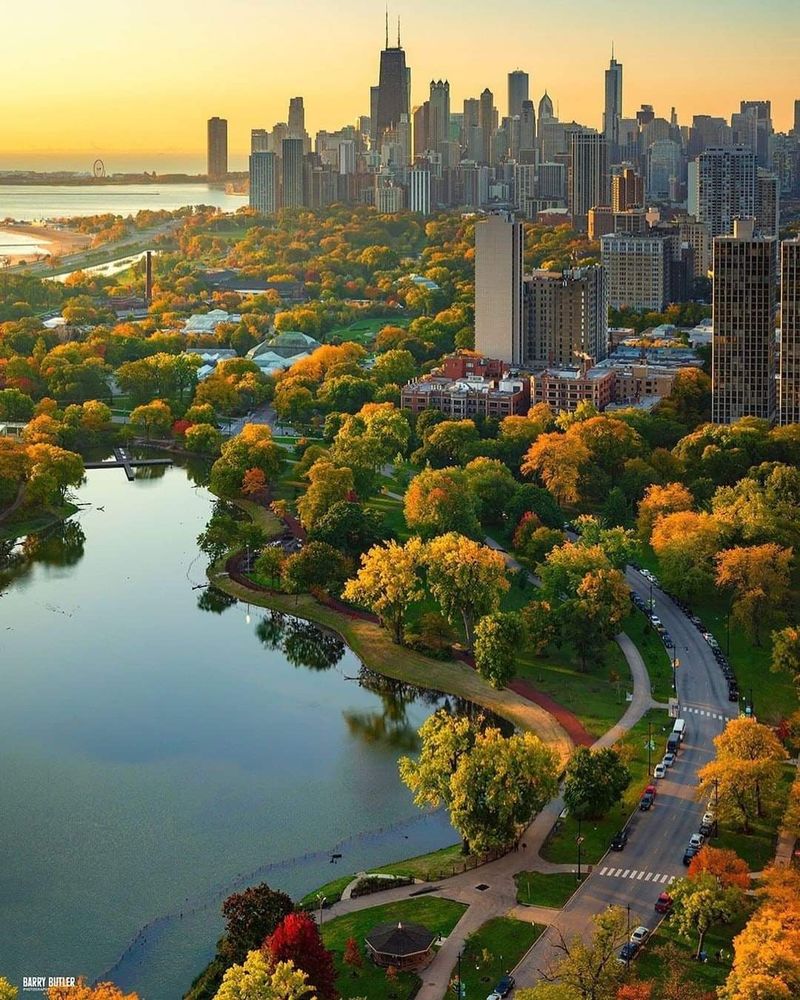
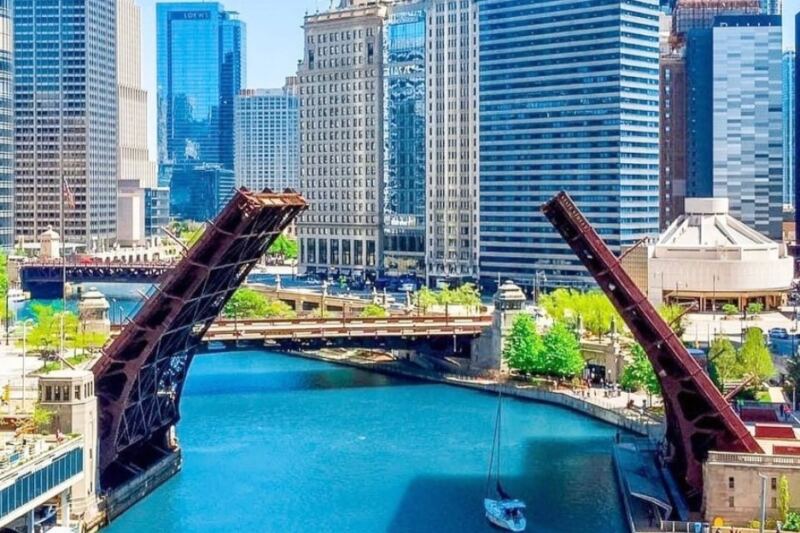
Chicago’s skyscrapers get most of the attention, but the city’s fall foliage scene is quietly one of the best in the Midwest. An enormous network of parks, lagoons, boulevards, and lakefront green space turns brilliantly colorful each October, creating a contrast between urban architecture and autumn leaves that few American cities can pull off at this scale.
The sheer size of Chicago’s park system means there is always somewhere new to explore.
Lincoln Park, Millennium Park, Jackson Park, and Humboldt Park all deliver strong color displays. The Nature Boardwalk in Lincoln Park pairs fall foliage with skyline views in a single frame.
Changing leaves surrounding Cloud Gate in Millennium Park create one of the most photographed autumn scenes in the entire city.
Lake Michigan adds a bold blue backdrop that intensifies the warm tones of fall color along the Lakefront Trail. For travelers willing to venture beyond downtown, Morton Arboretum showcases thousands of tree varieties at their seasonal peak.
Chicago rewards visitors who look past the obvious tourist landmarks, and fall is genuinely one of the best times to discover what this enormous, endlessly layered city has to offer.
Denver, Colorado
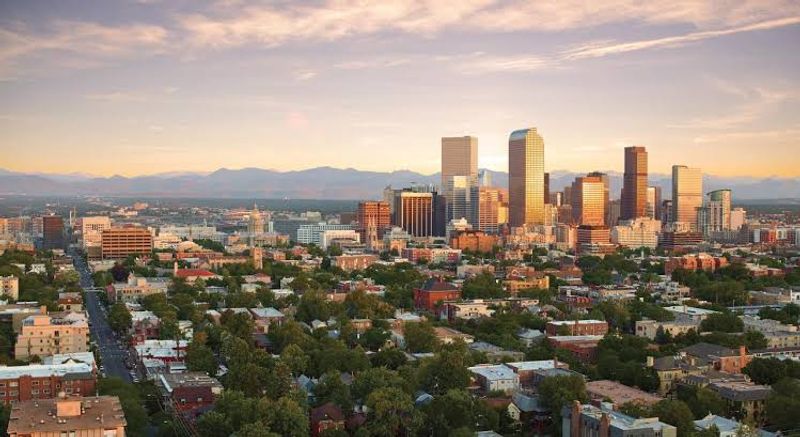
Denver gives fall travelers something genuinely special: a city that acts as a base camp for one of America’s longest and most spectacular foliage seasons. Because Colorado’s elevation changes so dramatically, the color moves progressively from high mountain aspens down toward city neighborhoods over a period of weeks.
Visitors can find peak foliage somewhere within roughly two hours of downtown from mid-September all the way into mid-November.
High-elevation aspens turn a brilliant, almost electric gold first. As those begin to fade, foothills and Denver’s own parks and residential streets reach their strongest color.
Cottonwoods brighten city blocks with warm yellow tones that feel distinctly western and different from the classic New England red-and-orange palette most people picture when they think about fall.
The real magic is how easily a Denver fall day can combine two very different experiences. A morning drive into the mountains delivers golden aspen groves and mountain scenery, while the afternoon brings museums, craft breweries, professional sports, and excellent restaurants back in the city.
Denver never forces you to choose between outdoor adventure and urban comfort, and fall might be the season that demonstrates that balance most clearly.
Salt Lake City, Utah
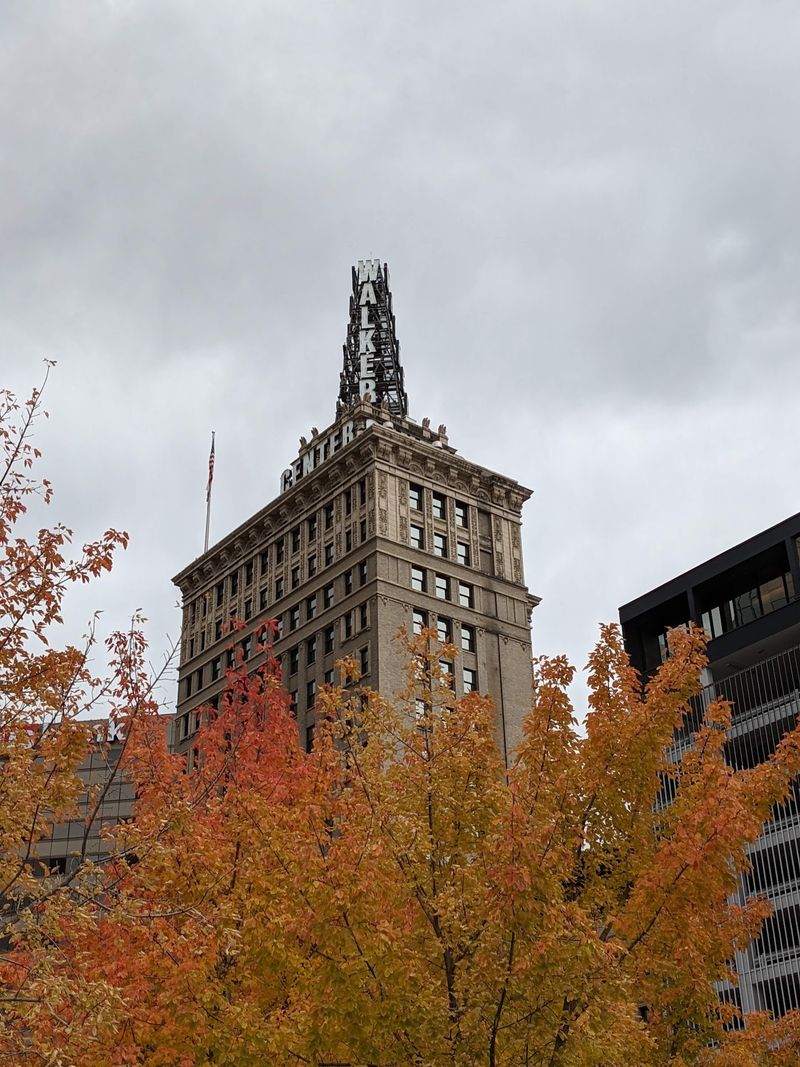
Salt Lake City has an autumn backdrop that most large American cities could only dream about. The Wasatch Mountains rise almost directly behind the urban area, turning nearby canyons into walls of yellow aspen, red maple, and orange scrub oak within a short drive of downtown.
Standing at the Utah State Capitol in October and looking up at those mountains, sometimes already dusted with early snow above the tree line, is a genuinely unforgettable sight.
City Creek Canyon and Memory Grove offer fall color within walking distance of the city center. Big Cottonwood Canyon, only about 35 minutes from downtown, delivers some of the most concentrated autumn scenery in the region.
Higher elevations change first, which means the season moves downhill toward the valley floor in a gradual progression that extends the overall window for good color.
Salt Lake City also benefits from abundant sunshine during fall, which makes the warm foliage tones pop against bright blue skies in a way that cloudy northeastern cities sometimes cannot match. The city’s food scene, arts district, and outdoor recreation culture give visitors plenty to do between canyon drives.
Few urban areas in the West offer this level of mountain access combined with genuine city amenities.
Philadelphia, Pennsylvania
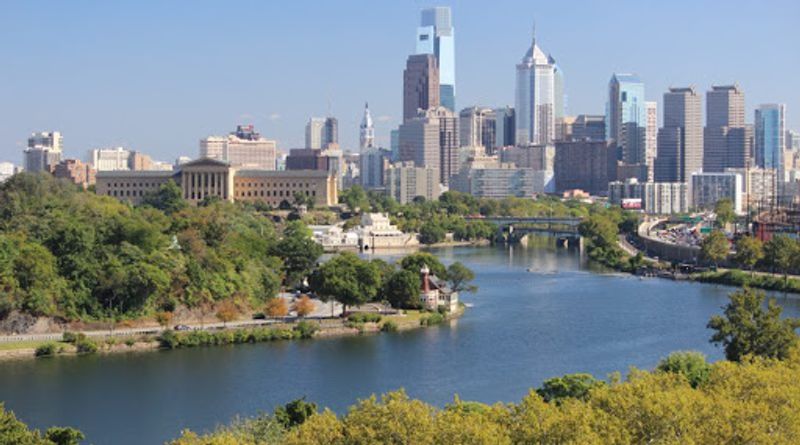
Philadelphia earns serious fall credibility through sheer square footage of wooded parkland combined with monumental architecture. The Benjamin Franklin Parkway stretches for about a mile toward the Philadelphia Museum of Art, lined with oaks, maples, and plane trees that turn the boulevard into a colorful corridor each October.
Walking that stretch on a crisp fall morning, with the museum steps ahead and the skyline behind, feels like a scene from a postcard.
Fairmount Park gives Philadelphia an unusually large amount of wooded landscape for a major American city. Historic neighborhoods add brick streets and colonial-era architecture to the seasonal backdrop, creating a layered visual experience that goes well beyond simple leaf-peeping.
Valley Forge, a short drive away, offers even stronger foliage displays in a setting loaded with American history.
Philadelphia works particularly well for travelers who want museums, world-class restaurants, and Independence Hall during the day without sacrificing classic northeastern fall scenery in between. The Reading Terminal Market is reason enough to visit any time of year, but fall harvest produce makes it even better.
Philadelphia often gets overshadowed by Boston and New York in fall travel conversations, which is a mistake that savvy travelers are slowly starting to correct.
Portland, Oregon
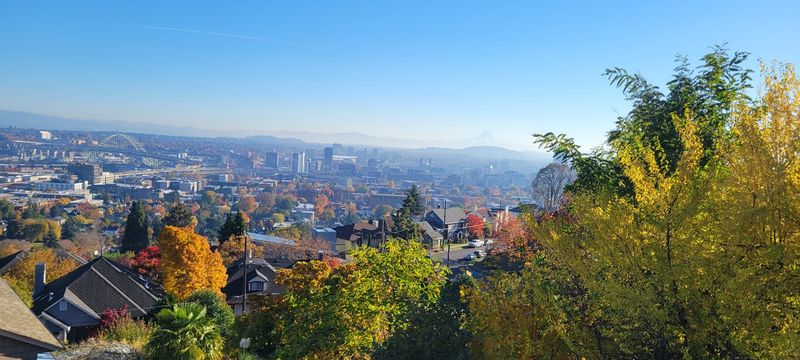
Portland, Oregon holds a quiet record that surprises most visitors: the city has more than 1.4 million trees, most of them deciduous. When October arrives, that enormous urban canopy transforms the entire city into a rolling tapestry of color that spreads through neighborhoods, parks, and gardens in every direction.
Unlike cities where fall foliage is concentrated in one or two parks, Portland’s color is genuinely everywhere you look.
The Portland Japanese Garden is one of the most beautiful places in the Pacific Northwest during fall, full stop. Hoyt Arboretum offers a more expansive woodland experience with hundreds of tree species hitting their seasonal peak simultaneously.
For travelers wanting to venture beyond the city, the Columbia River Gorge and Mount Hood region are both within easy reach and deliver scenery on a completely different scale.
Oregon’s statewide foliage typically peaks from mid-to-late October, though elevation and location shift the timing. Fall also coincides with Willamette Valley harvests, bringing apples, pears, pumpkins, and fresh-hop beer into the local food scene.
Portland’s combination of urban tree cover, outstanding gardens, nearby dramatic landscapes, and harvest-driven food culture makes fall one of the most rewarding seasons to explore this endlessly interesting city.
Share this story