Delaware is the second smallest state, but it had a surprisingly big role in the fight for American independence. Generals planned battles in a pacifist’s parlor here.
A crowd once tossed a royal portrait into a bonfire. One town even voted to break away from two governments on the same day.
Most history books skip these stories and hurry on to Boston or Philadelphia. That is a shame, because the First State has plenty of twists worth knowing.
Some of the best chapters happened in brick houses, courtrooms, and grassy town squares instead of on muddy fields. Many of these places still stand, and you can visit them on a weekend road trip.
Keep reading to find a battle site, a famous refusal, a royal fan club, and a few houses older than the country itself. Each stop comes with practical tips, so you can plan a visit that is fun and full of facts.
1. Hale-Byrnes House, Newark, Delaware
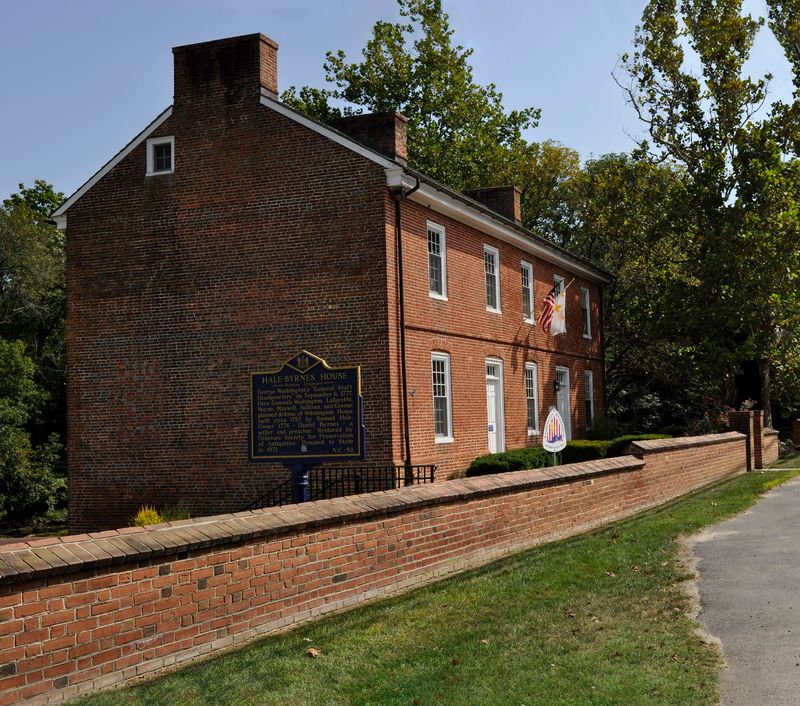
Just three days after the clash at Cooch’s Bridge, Washington held a Council of War here. His guest list was impressive.
The Marquis de Lafayette, Nathanael Greene, Henry Knox, and Anthony Wayne all crowded in to talk about defending Philadelphia.
The owner, Daniel Byrnes, was a Quaker. Quakers teach nonviolence, so hosting a military meeting was quite a twist.
Samuel Hale built the house in 1750, and Byrnes bought it in 1754. A giant sycamore tree, thought to be close to 300 years old, once shaded the generals outside.
The plans made here led straight to the Battle of Brandywine five days later. The house was also the first building in Delaware to receive a State Heritage Plaque.
Want to go inside? Doors open on the first Wednesday of each month from April through December.
You can also call ahead to book an appointment.
2. New Castle Court House Museum, New Castle, Delaware
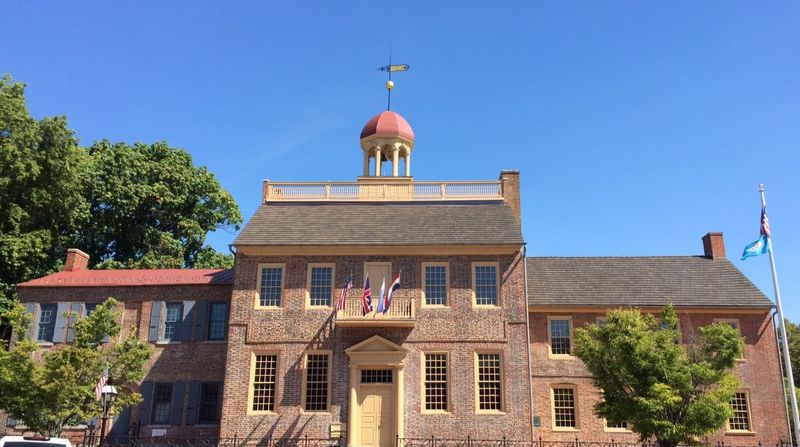
Delaware became its own state in a courtroom, not on a battlefield. On June 15, 1776, local leaders voted inside this building to split from Great Britain and from Pennsylvania at the same time.
Talk about a busy day. That vote happened before the Declaration of Independence was even signed.
A few months later, on September 20, 1776, Delaware’s first state constitution was adopted here too. That makes the assembly room one of the most important rooms in the whole state.
The courthouse dates to 1732. It was built on top of an older courthouse from the 1680s after a fire in 1729.
New Castle served as the capital until 1777. Leaders then moved the government to Dover because they worried the British could sail up the Delaware River and grab it.
Here is a quirky fact. The cupola on top marks the center of a 12-mile circle that forms Delaware’s curved northern border.
Guided tours are offered, and admission is free. Pair your visit with a stroll through the old town streets nearby.
3. John Dickinson Plantation, Dover, Delaware
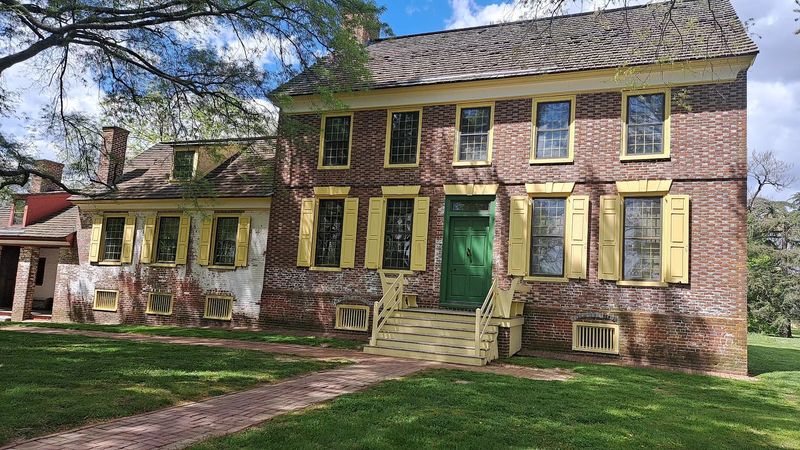
Some founders said yes to independence right away. John Dickinson said not yet, and he stuck to it.
People called him the Penman of the Revolution. His essays against British taxes helped fire up colonists across America.
Still, when the time came, he refused to sign the Declaration of Independence. He hoped peace with Britain was still possible and thought the colonies were not ready.
Plot twist. He later served as a militia officer and wrote the first draft of the Articles of Confederation, the country’s first set of rules.
His preserved plantation tells this layered story. It also shares the lives of enslaved people, tenant farmers, and servants who worked the land.
A newer visitor center features an exhibit called One Land, Many Voices. It covers Indigenous people, free and enslaved Black families, and others who lived here.
Costumed guides lead visitors through the Georgian house and rebuilt outbuildings. Plan at least an hour or two, and ask questions, because the interpreters know a lot.
4. The Green, Dover, Delaware
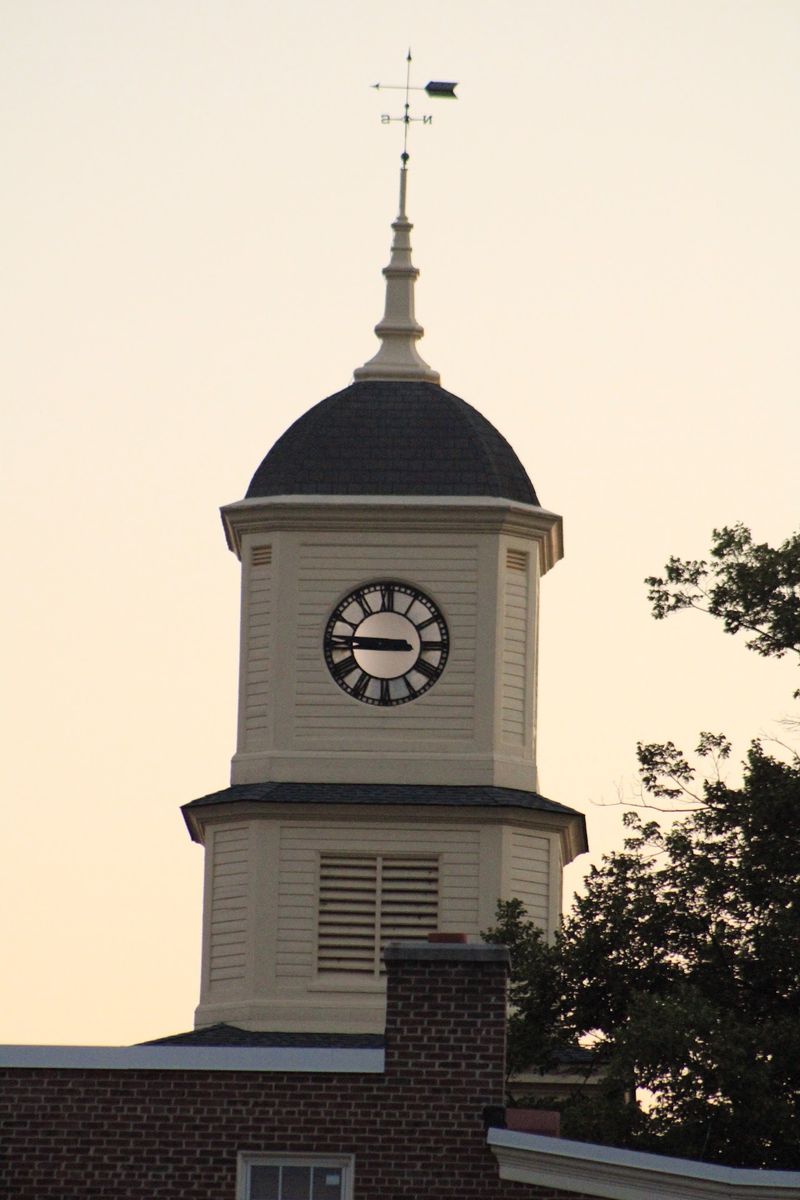
King George III probably never knew his portrait got a fiery send-off in Dover. On July 29, 1776, locals gathered on this grassy square to hear the Declaration of Independence read out loud.
Once the reading ended, the crowd burned a picture of the king. It was a loud and clear message that Delaware was done with royal rule.
The Green had another big job during the war. Delaware soldiers gathered here before marching off to join the Continental Army.
Many of those troops went on to fight in some of the hardest campaigns of the war. Delaware’s soldiers earned a strong reputation for toughness.
The square was laid out in the early 1700s, and it is still surrounded by historic buildings. Some date back to colonial days.
Visiting is easy and free. Bring a map from a nearby visitor center and try to spot which buildings were standing in 1776.
Kids especially enjoy hearing the portrait story while standing on the very same patch of ground.
5. Amstel House Museum, New Castle, Delaware
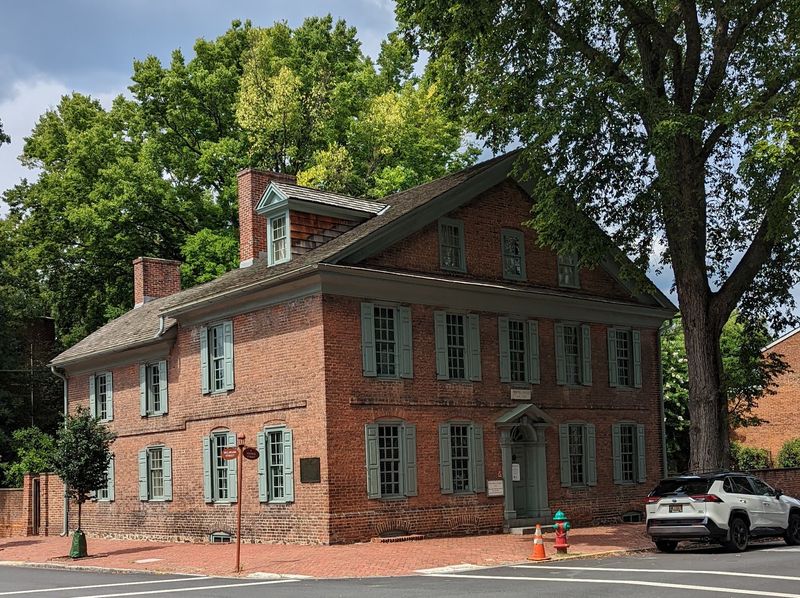
Wedding guest lists do not get much fancier than this one. In April 1784, George Washington himself showed up at this brick home to celebrate a marriage.
The house belonged to Nicholas Van Dyke, a strong supporter of independence. He later became Delaware’s governor, so his home was a popular spot for important people.
Washington came for the wedding of Van Dyke’s daughter. The war had just ended, and old friends were happy to gather for a happier reason.
That visit shows a side of the Revolution that textbooks often skip. Friendships formed during the war kept shaping Delaware long after the soldiers went home.
Inside, visitors find period furniture and family belongings. These items help show how a well-connected household lived in the 1700s.
The museum is run by the New Castle Historical Society. Check their schedule before you go, since hours can change with the seasons.
Combine this stop with the courthouse a few blocks away. Together they make an easy half-day history walk.
6. Cooch’s Bridge Historic Site, Newark, Delaware
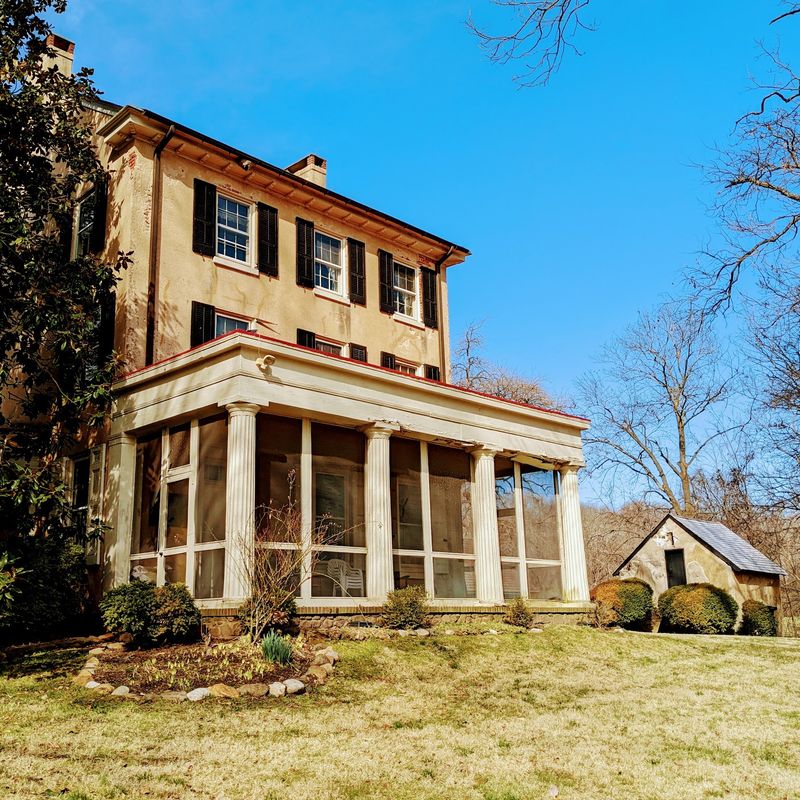
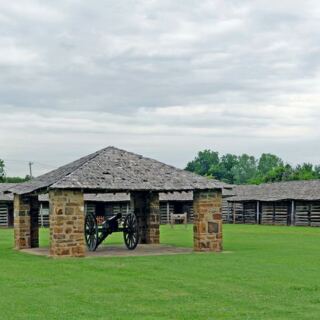
Only one Revolutionary War land battle ever took place on Delaware soil, and it happened near a sleepy creek crossing. On September 3, 1777, American troops led by General William Maxwell faced British and German soldiers marching toward Philadelphia.
George Washington had sent about 800 men to this spot on the road between Baltimore and Philadelphia. Their job was to gather information and slow the enemy down.
They were outnumbered, but they held on for hours before pulling back.
Here is a fun piece of local legend. Some people believe the Stars and Stripes flew in battle for the first time right here, though historians still argue about it.
After the fight, British General Lord Cornwallis moved into the Cooch family home for five days. That is one uninvited houseguest nobody wanted.
Today the site includes the old homestead and mill complex. It is still being preserved, so visits happen only during scheduled programs and registered tours.
Tours last about an hour and take place outdoors. Wear comfy shoes, check the weather, and sign up early.
7. Historic Belmont Hall, Smyrna, Delaware
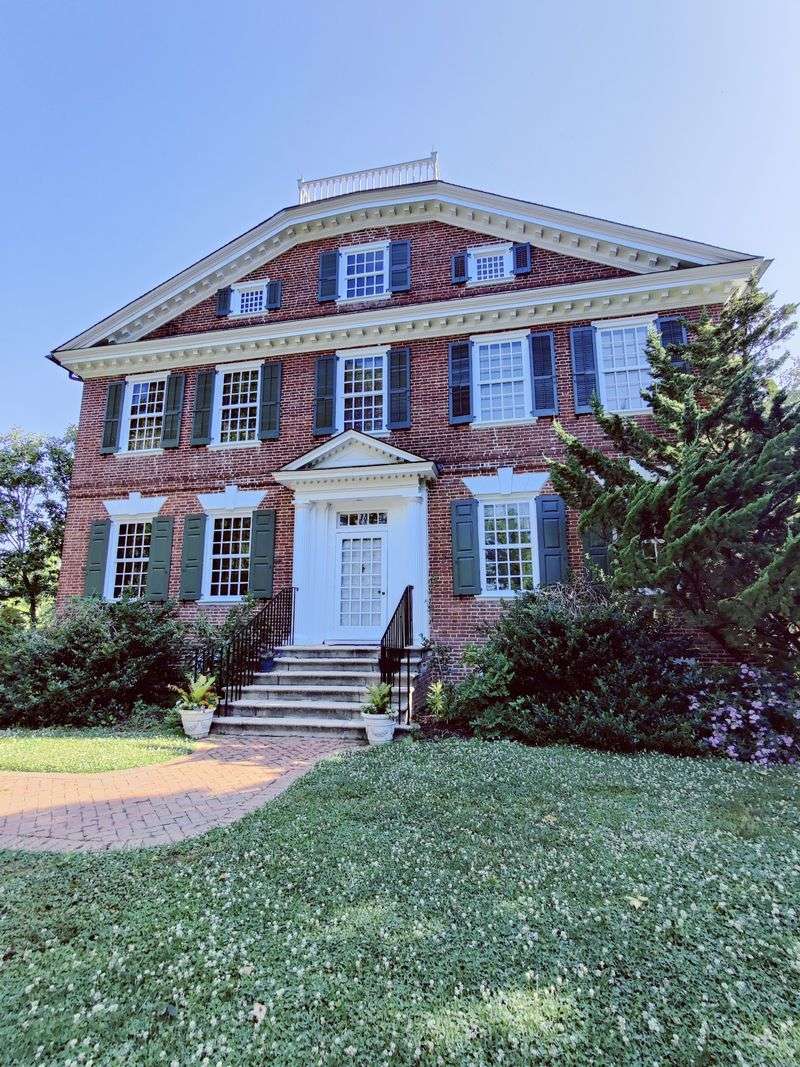
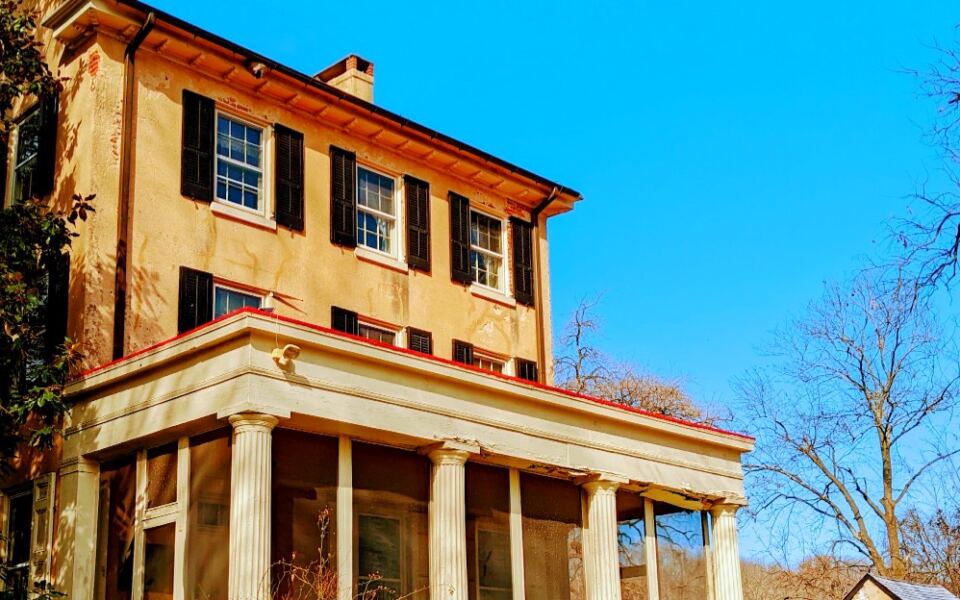
Back in the 1770s, the guest book at Belmont Hall read like a who’s who of Delaware patriots. Caesar Rodney, John Dickinson, and Thomas McKean all spent time at this mansion.
The house was finished in 1773 for Thomas Collins. He became a brigadier general during the war and later served as president of Delaware.
Back then, the state’s top leader was called president instead of governor. That fun detail surprises many visitors.
Because Collins was so involved in the cause, his home became a natural meeting place. Leaders came here to talk about how Delaware should respond to British rule.
The house shows classic Georgian style. Look for its balanced windows, sturdy brick walls, and neatly kept grounds.
Belmont Hall is not open every day. It welcomes the public mostly during special events and occasional tours.
Check the official schedule online before planning a trip. Smyrna sits about 15 minutes north of Dover, so you can easily pair this stop with the capital’s sites.
8. Zwaanendael Museum, Lewes, Delaware
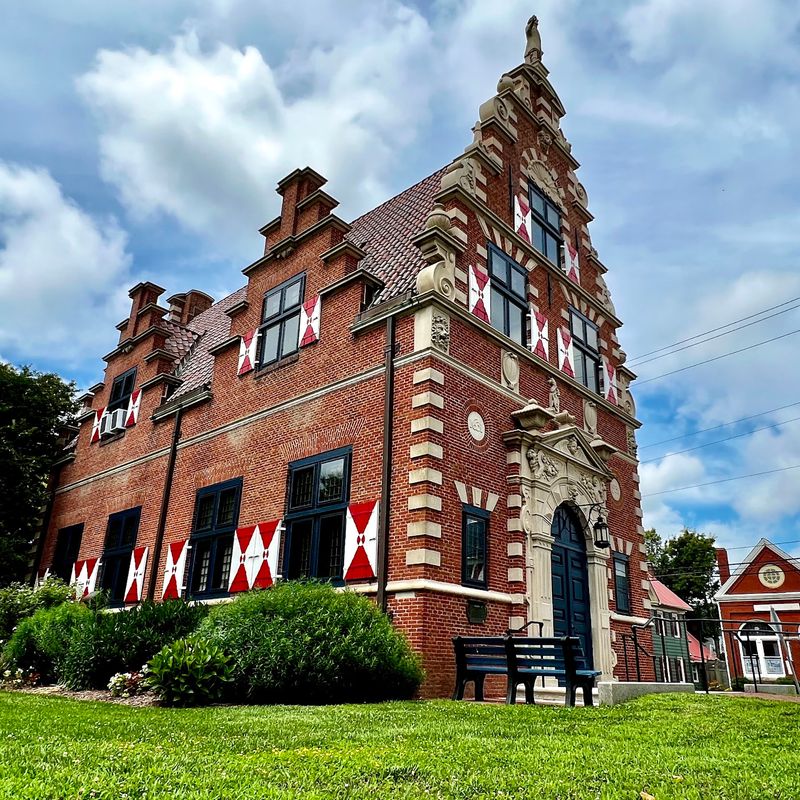
Not every Delaware family cheered for independence. Plenty of people stayed loyal to the king, and this museum helps tell their side.
These folks were called Loyalists. Some even joined British regiments while their neighbors signed up with the Continental Army.
The museum has hosted programs about these divided loyalties. Costumed demonstrations have shown the uniforms, gear, and daily routines of soldiers loyal to King George III.
The building itself is a showstopper. It was built in 1931 to look like a Dutch town hall, with a stepped roofline and decorative shutters.
It honors the Dutch settlers who arrived in Lewes back in 1631. That makes the town one of the oldest European settlements in the region.
Admission is free, and the museum sits right in downtown Lewes. Check the event calendar for special programs before your visit.
9. The Old State House, Dover, Delaware
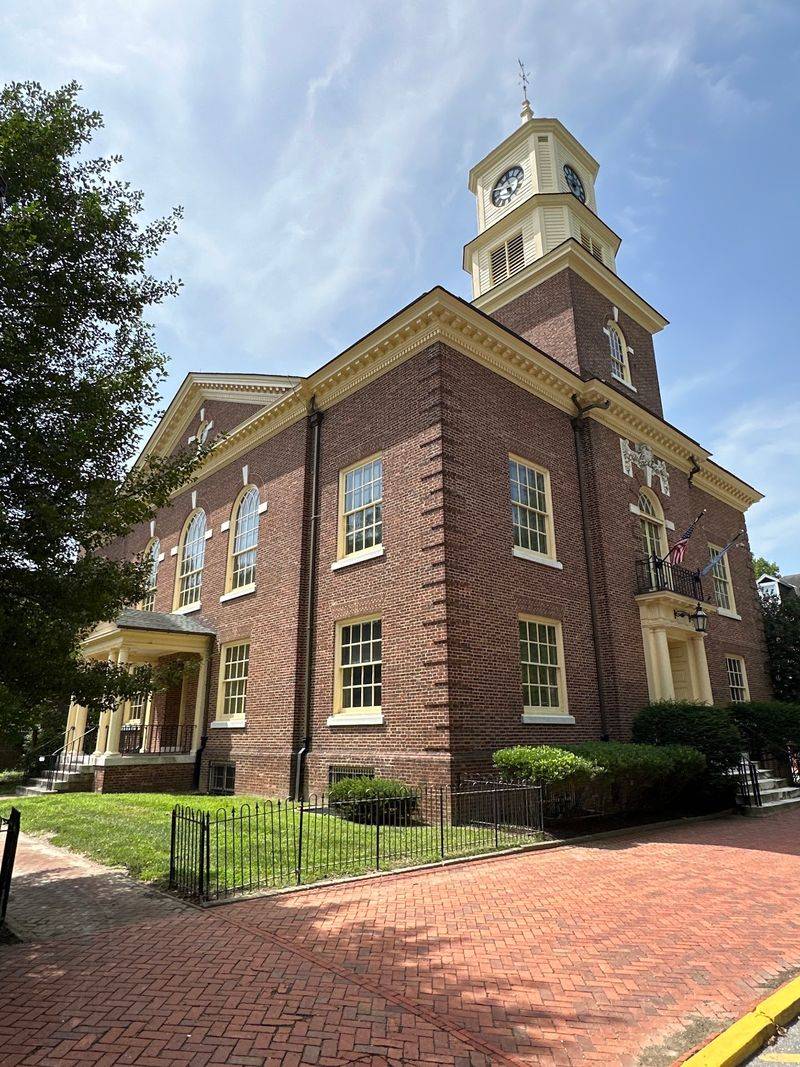
Winning independence was only step one. Next, Delaware had to figure out how to actually run itself, and this building tells that story.
Construction started in 1787 and wrapped up in May 1791. It became Delaware’s first permanent capitol in Dover.
The building pulled double duty. It housed the state government and also served as the Kent County Courthouse until 1873.
Lawmakers met here until 1933, when a new capitol building opened nearby. That is more than 140 years of decisions under one roof.
Head upstairs to the Senate chamber to see a large 1802 portrait of George Washington by Denis A. Volozan.
It shows how much the young nation admired its first president.
For the country’s 200th birthday in 1976, the building was restored to look as it did in the 1700s. The legislative rooms now feature historic furniture.
Tours are free, and the building faces The Green. Visit both together for a full picture of Dover’s early days.
10. Ryves Holt House, Lewes, Delaware
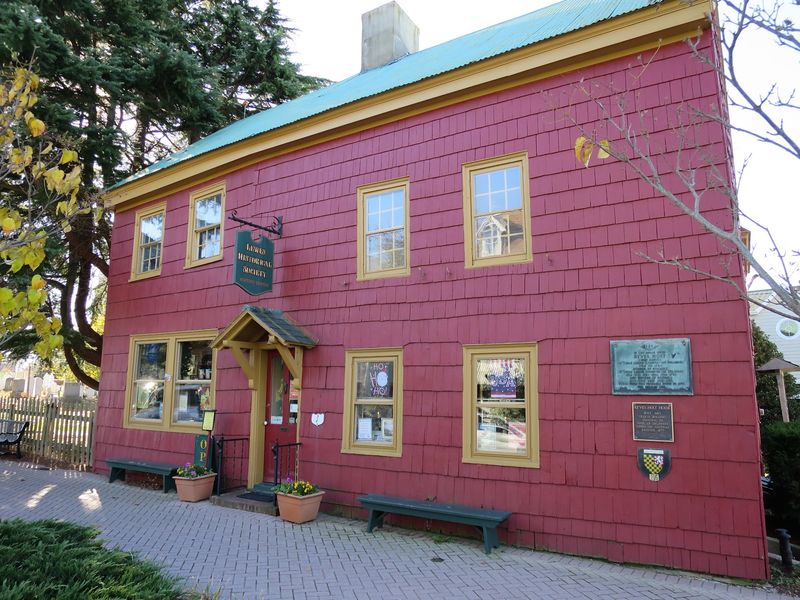
Older than the United States by about a century, this little house was already antique when the Revolution began. Some experts date it as early as the 1660s, while others point to the 1680s.
Either way, it is known as Delaware’s oldest house still standing in its original spot.
It first worked as an ordinary, which was a simple inn for travelers. Folks stopped here for meals and a place to rest.
In 1723, Ryves Holt bought the property. He held big jobs, including Naval Officer for the Port of Lewes and later Chief Justice of Delaware’s highest court.
So why include it on a Revolutionary list? It shows the colonial world that the Revolution changed forever.
Today it serves as the visitor center for the Lewes Historical Society. It is also part of the First State National Historical Park.
All of the society’s walking tours start here. Grab a map, ask for tips, and begin your exploration of old Lewes on the right foot.
11. First State Heritage Park, Dover, Delaware
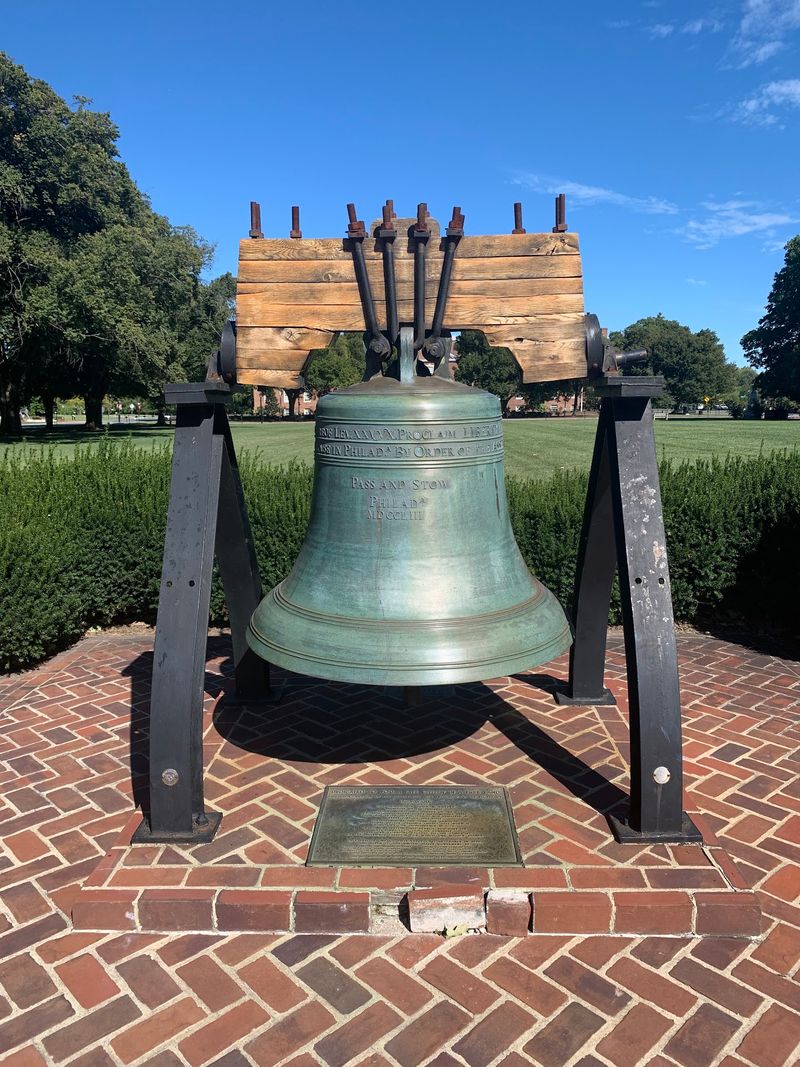
Most parks have trees and playgrounds. This one has courthouses, statehouses, and centuries of politics.
First State Heritage Park is not a single fenced spot. It is a collection of historic buildings and exhibits spread across downtown Dover.
Together they tell how Delaware went from colony to independent state. The story ends with a proud moment on December 7, 1787, when Delaware became the first state to ratify the U.S. Constitution.
That is where the nickname First State comes from. Locals still mention it every chance they get.
Many sites from this list fit inside the park. The Green, the Old State House, and nearby museums all connect through walking routes.
Guided tours and educational programs help link the places with the people who made history there. You can also explore at your own pace using maps and signs.
Start at the welcome center on The Green for free maps and advice. Wear good walking shoes, and leave a few hours to see everything without rushing.
Share this story