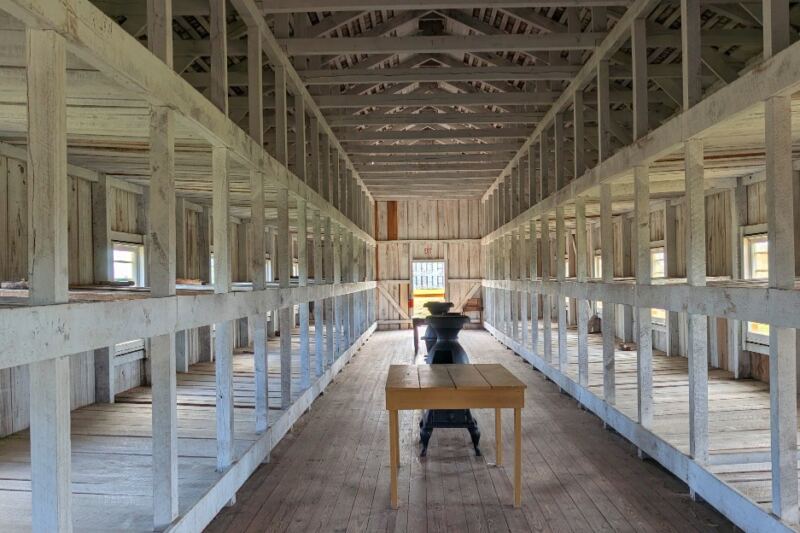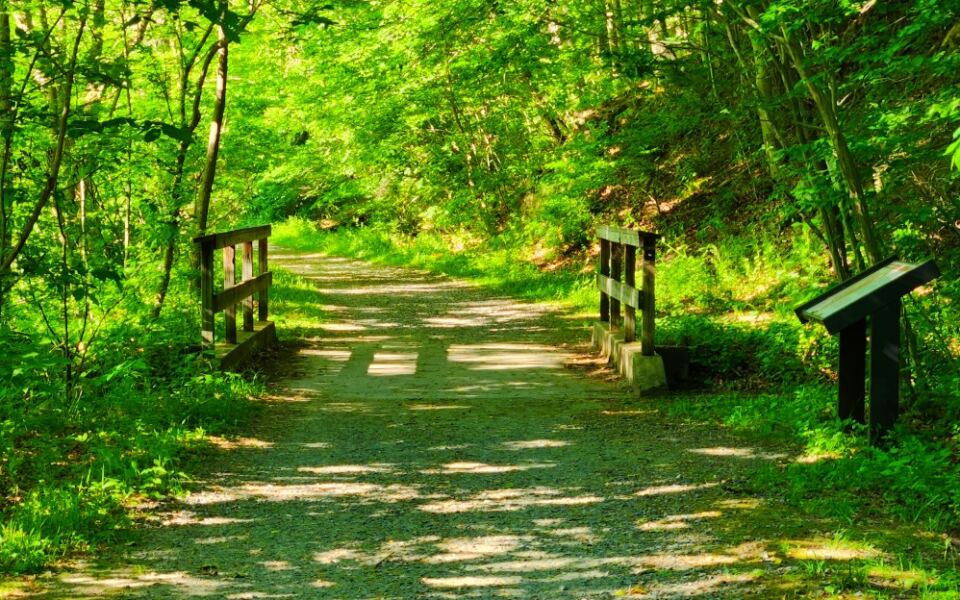
White Clay Creek State Park has roughly 37 miles of hiking trails, an old railroad route, and a creek protected under the National Wild and Scenic Rivers System. Just outside Newark, it offers everything from easy walks to longer hikes through northern Delaware’s rolling hills.
The Pomeroy Trail follows part of a former railroad corridor, while other routes take hikers along the creek and toward the Pennsylvania border. The connected trail system even offers access to historic boundary markers near the point where three states meet.
There’s more here than hiking, too. Trout fishing, mountain biking, and disc golf give visitors plenty of reasons to return.
Here’s what makes this Delaware state park worth exploring.
A Creek Valley Right Outside Newark
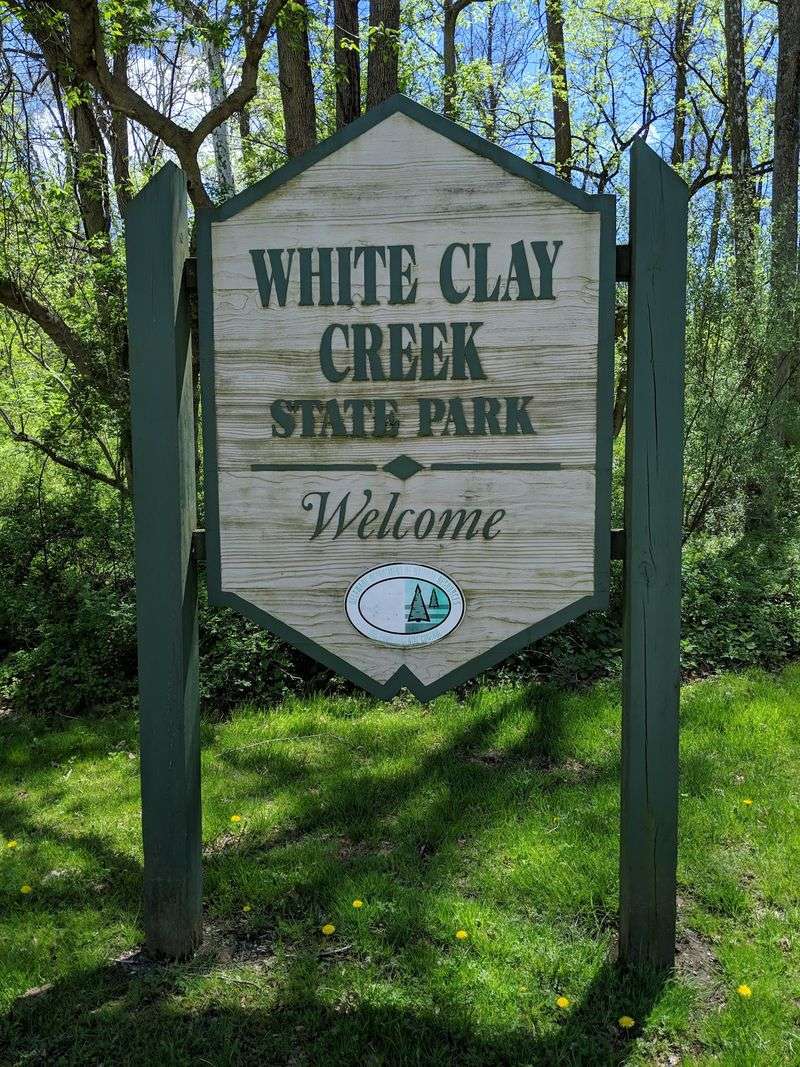
White Clay Creek State Park sits at 750 Thompson Station Road in Newark, Delaware, where the park office serves as a handy starting point. From there, a whole valley of forest, meadow, and water opens up just minutes from the University of Delaware.
The park covers thousands of acres in the northwest corner of the state. That size surprises a lot of first-time visitors, since Delaware is not exactly known for big wild spaces.
The creek itself runs through the middle, shaping the trails, the views, and the mood of almost every hike.
I like how quickly the setting changes here. One minute you’re near a parking lot, and the next you’re under tall trees with water moving below you.
Several trailheads and lots are scattered across the park, so you can pick a section that matches your plans.
Grabbing a printed map at the office is a smart first move. The trail system is large and connected, and knowing which lot you parked in saves a lot of guessing later.
Once you have your bearings, the real question becomes which of those many miles to walk first.
Thirty-Seven Miles and Counting
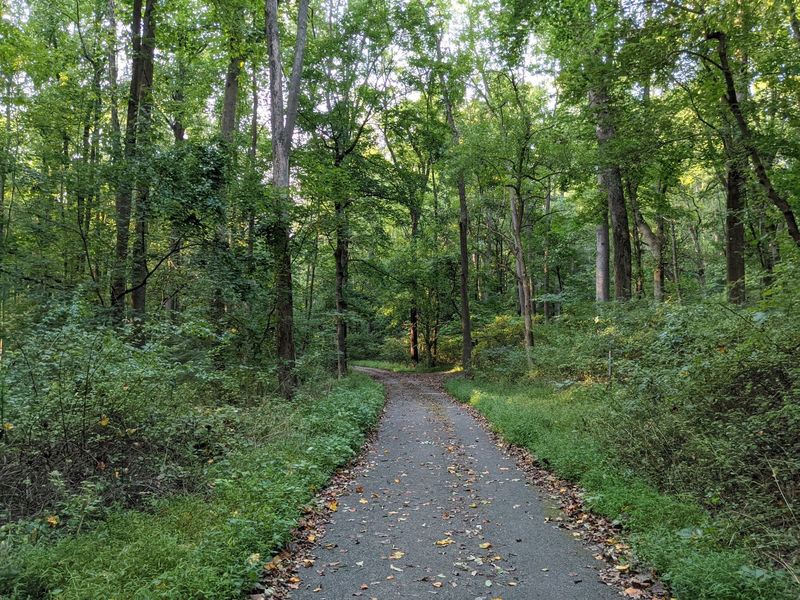
Roughly 37 miles of trails run through this park, and that number shapes everything about a visit. Short walkers and all-day hikers can both leave happy.
The paths come in many forms. Some are paved, some are gravel, and plenty are natural dirt that rolls through the woods.
Difficulty ranges from flat creekside strolls to climbs that will get your heart pumping.
Because so many routes link together, building a custom loop is easy. A quick hour on the trail works fine, but you can also stitch segments together for ten miles or more.
That flexibility is a big reason the park gets mentioned so often in conversations about hiking in northern Delaware.
Trail markings and maps posted at trailheads help a lot. Popular hiking apps also show the routes, which is useful since cell service can be spotty in parts of the park.
Downloading a map before you arrive is a simple habit that pays off.
Some trails are narrow and shared with bikers and runners. Staying alert around blind curves keeps everyone moving smoothly.
With so many options, picking a favorite trail might take several trips, and one route in particular has a reputation for its final climb.
Twin Valley Trail Saves a Climb for Last
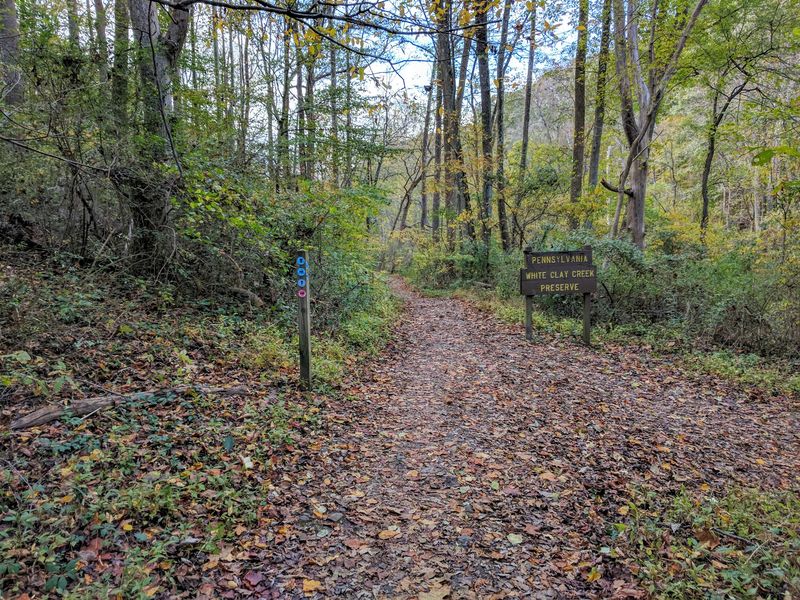
Hills are not the first thing most people link with Delaware. The Twin Valley Trail quietly changes that idea.
This route rolls through woods and open areas near the heart of the park. It connects with other paths, which makes it a popular piece of longer loops.
Some sections drop toward the valley floor before pushing back uphill, so your legs will notice the work.
I find that kind of trail satisfying. A steady climb near the end of a hike makes the finish feel earned, and the views through the trees help distract from tired calves.
It’s a good reminder that northern Delaware sits in rolling Piedmont country, not flat coastal plain.
Good shoes matter here. After rain, the dirt can turn slick and muddy, especially on slopes.
Shoes with solid grip will make the downhill parts far more comfortable.
Bring water too. Some parts of the park have limited facilities, and a long loop can take more time than expected.
Pacing yourself early leaves energy for that last push. Once you reach the top, you might start wondering where the flatter, easier routes are hiding, and an old railroad has the answer.
Riding the Ghost of the Pumpsie Doodle
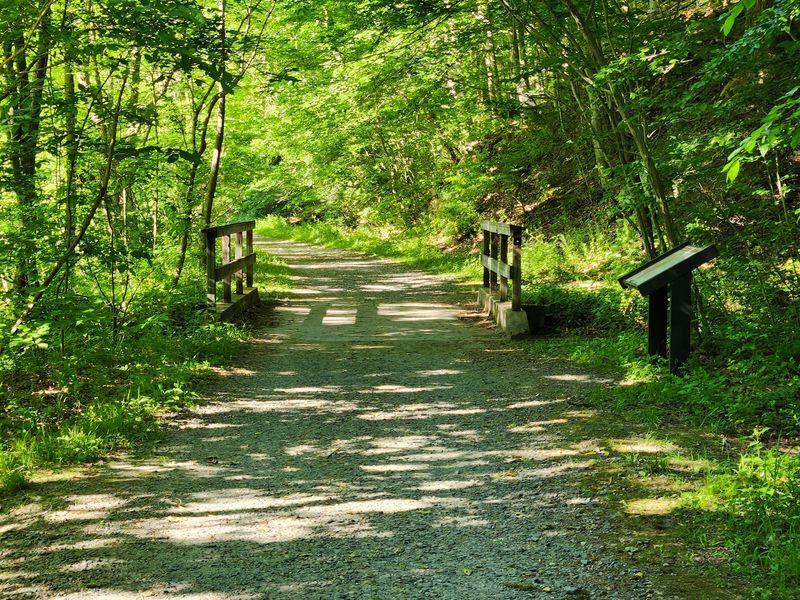
Trains once rolled through this valley. The old Pomeroy and Newark Railroad line, known locally by the fun nickname Pumpsie Doodle, carried passengers here starting in the 1870s.
Passenger service eventually ended, and much of the line was abandoned in the 1930s. Today part of that route lives on as the Pomeroy Trail.
Old rail beds tend to be gentle and level, which makes this path a friendly pick for families and casual walkers.
The trail follows the creek for a good stretch, so the water stays close by. Bikers use it too, along with plenty of people walking dogs.
It also links toward Newark, giving locals a way to reach the woods without much driving.
I enjoy trails with a backstory. Knowing that steam-era trains once followed this same line adds something extra to an ordinary stroll.
Keep an eye out for remnants of the old railroad as you go.
This is a great choice for stroller pushers or younger kids on bikes. The grade stays easy, and the scenery stays pleasant.
Of course, a creekside rail trail also leads to one big question for anglers: what’s swimming in that water?
Trout Swim in These Waters
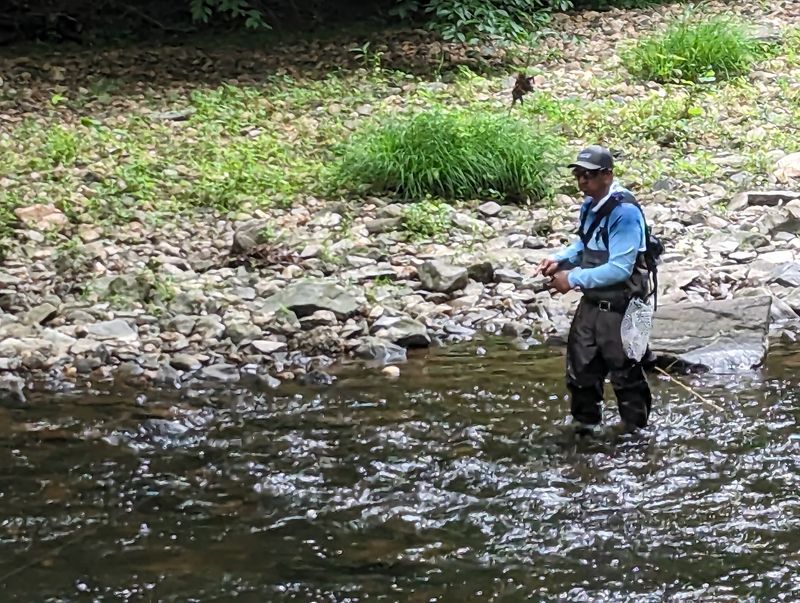
Early spring brings a different crowd to the creek. Anglers show up with waders and rods, hoping to land trout from the stocked waters of White Clay Creek.
Delaware stocks trout in this creek, and the season draws people from around the region. Several stretches inside the park give easy access to riffles and pools.
Fishing from the bank or wading are both common.
Before casting, check the current Delaware fishing rules. A state fishing license is required for most anglers, and trout waters often come with special regulations and seasons.
The state wildlife agency posts updated details each year.
Not into fishing? The creek still deserves your time.
Some visitors like to sift through the shallow water looking for pretty rocks, and kids love poking around the edges. Water levels rise after heavy rain, so calmer days are better for exploring.
I like that the creek gives everyone something to do, whether that means catching dinner or just watching the current. Shallow spots can be slippery, so careful footing is wise.
That same water also earned the creek a special national title, which says a lot about how valued it is.
A River With a National Title
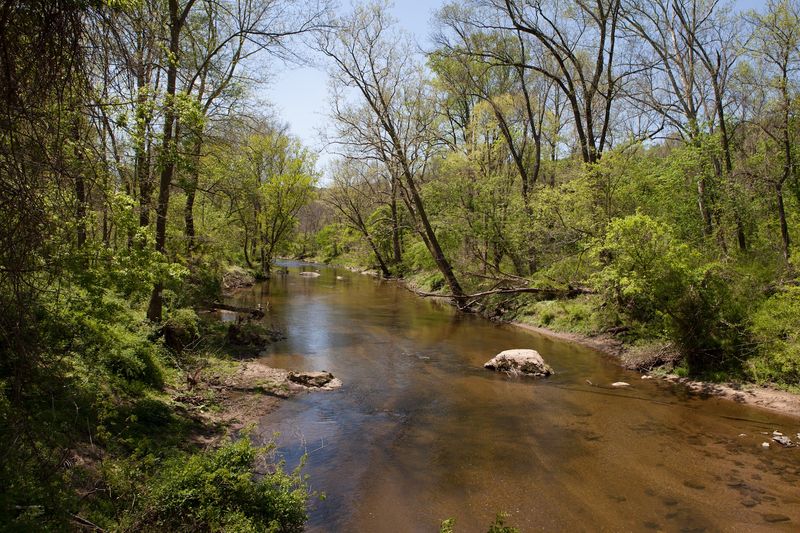
In 2000, White Clay Creek earned a title few waterways in the country hold. It was named a National Wild and Scenic River.
That designation covers the creek and its watershed across parts of Delaware and Pennsylvania. It was notable because the program usually focuses on whole river systems, and this one was protected with the help of local communities.
The goal is to keep the stream healthy and its surroundings special for the future.
Knowing that history changes how a walk along the bank feels. The trees, meadows, and clear riffles are not here by accident.
Neighbors, park staff, and conservation groups worked to keep this valley from turning into more pavement.
You’ll notice signs of that care in the park. Some forest areas have fenced sections set aside for native planting.
Those fences help young trees and plants grow without being nibbled down by deer.
Please stick to marked trails and pack out trash. Small habits like that help protect the creek that gives the park its name.
Follow the water upstream far enough, though, and you’ll reach a place where state lines start to blur.
Crossing Into Pennsylvania on Foot
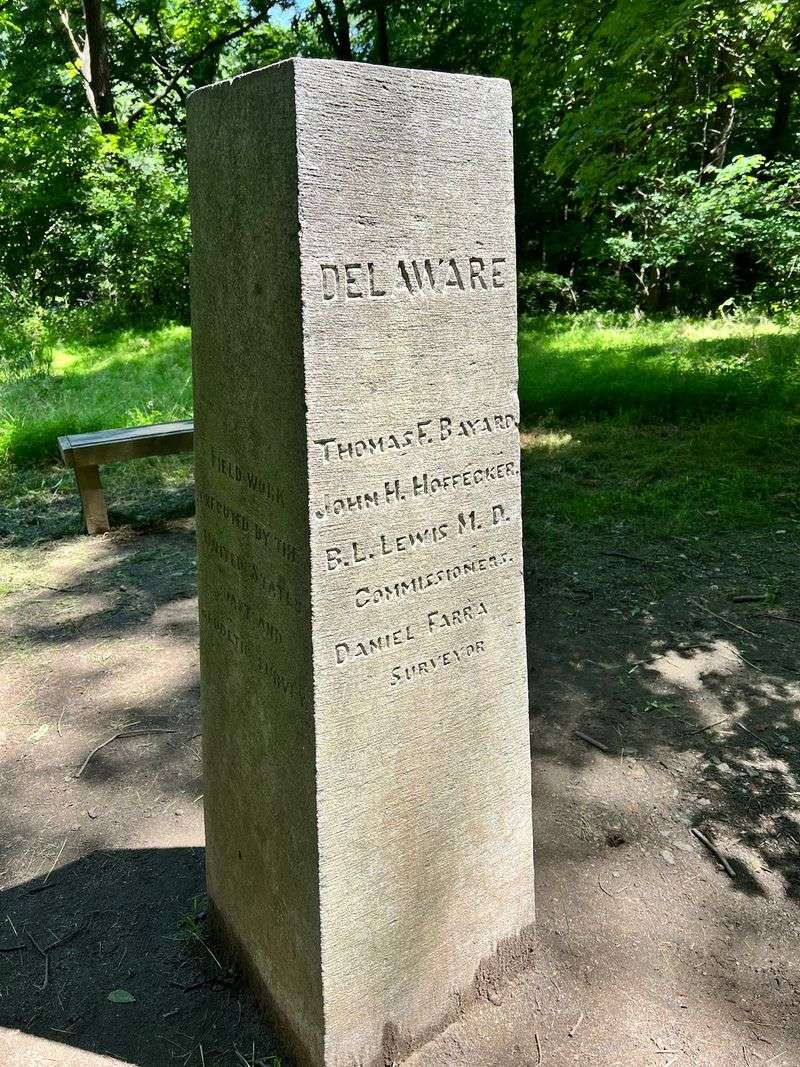
Here’s a fun detail: you can walk from Delaware into Pennsylvania without ever leaving the trees. The park borders White Clay Creek Preserve on the Pennsylvania side.
Together, the two protected areas create one long, connected stretch of land along the creek. That adds even more trail miles to explore.
Some hikers park in Pennsylvania and walk south, while others start in Delaware and head north.
One popular destination is Arc Corner, linked to the curved boundary that Delaware is famous for. A nearby marker sits close to where Delaware, Pennsylvania, and Maryland come together.
For map fans and history lovers, reaching that spot is a real treat.
Plan this hike carefully. The trails can get muddy after wet weather, and cell signal may come and go.
A downloaded map or a printed one from the park office keeps you on track.
I like the idea of telling friends I hiked through two states before lunch. It’s a small bragging right, but a fun one.
After that much walking, some people want a different kind of activity, and the park has one involving flying discs.
Discs, Bikes, and Something Besides Hiking
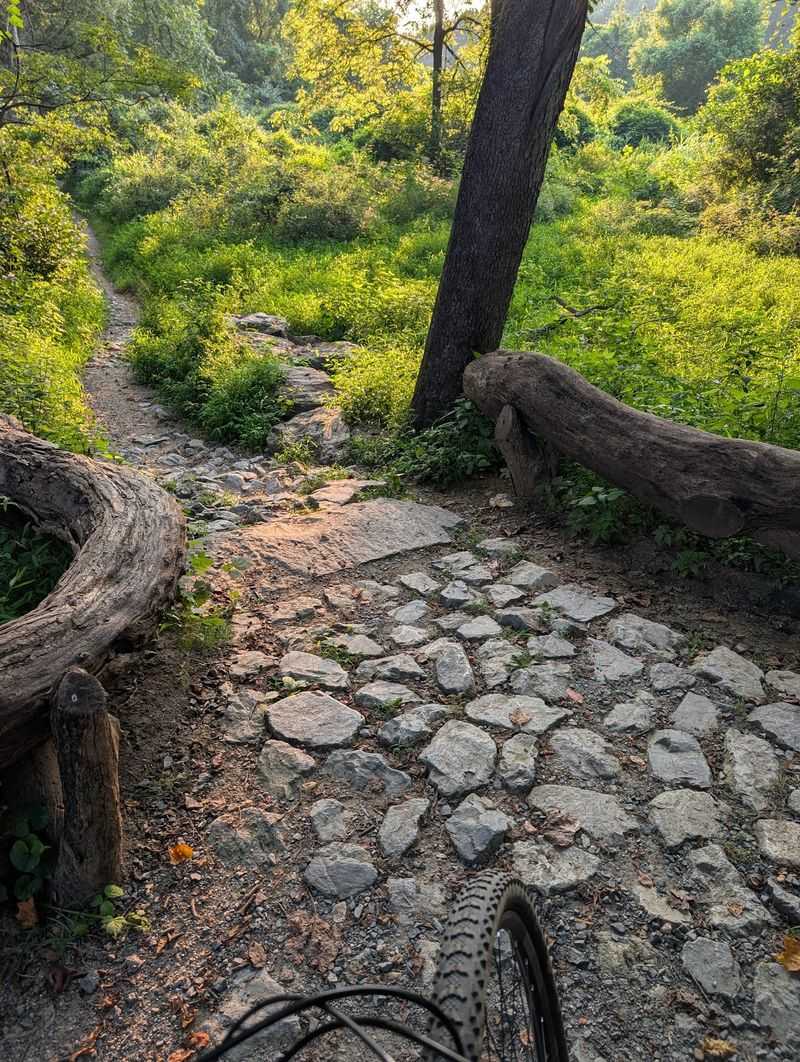
Not every visitor shows up in hiking boots. Plenty arrive with a bag of discs or a mountain bike strapped to the car.
The park has a disc golf course that draws a loyal group of players. Holes weave through grassy and wooded areas, which adds a little challenge to each throw.
Bringing your own discs is a good idea, since this is a play-on-your-own setup.
Mountain biking is another big draw. Many trails allow bikes, and riders can find everything from smooth gravel to rooty dirt sections.
Some routes are open to horses as well, though not every path allows bikes or horseback riding.
Check trail signs before heading out on wheels or hooves. Posted rules tell you which paths are open to which users.
Following them keeps trails in good shape and avoids surprises for walkers.
Courtesy goes a long way on shared paths. Bikers should call out when passing, and hikers can step aside on narrow sections.
A friendly hello costs nothing. All this activity makes the park lively, but it also has a quieter side, led by staff who know the woods well.
Naturalists, Night Walks, and the Nature Center
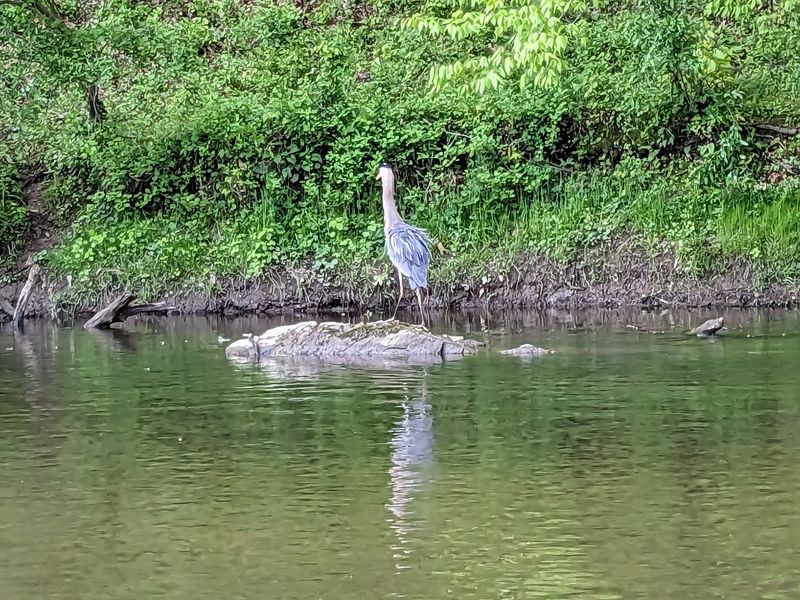
Learning about a forest is easier with a guide who knows its secrets. The park’s nature center and naturalist programs help visitors do exactly that.
Staff lead programs that cover local plants, animals, and the history of the valley. Past offerings have included evening walks timed with a full moon, where a naturalist points out trees and wildlife along the way.
Program schedules change, so check the Delaware State Parks events listings before you go.
I find guided walks especially useful for families. Kids ask great questions, and a naturalist usually has answers ready.
Adults tend to pick up new facts too, even on trails they’ve walked many times.
The nature center area also makes a good starting point for loop hikes. Several trails connect from there toward the creek and its bridges.
A short walk can lead to some of the prettiest scenery in the park.
Keep an eye out for birds, butterflies, and wildflowers in open fields. Spring and summer bring colorful blooms to many meadows.
Those changing seasons play a big role in how the park looks and feels, and each one offers its own reason to visit.
Smart Planning for Every Season
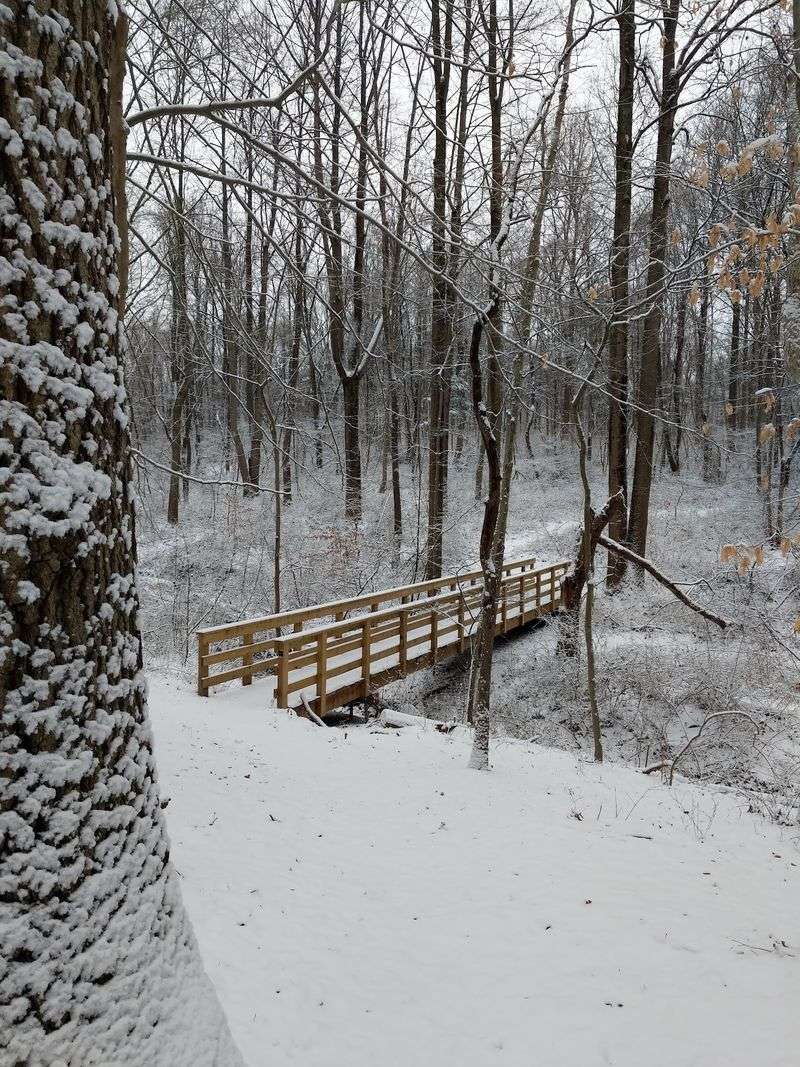
Fall foliage might be the most famous look here, but winter has its own fans. Bare trees open up views, and trails tend to feel quieter.
Timing also affects your wallet. Delaware State Parks charges an entrance fee from March 1 through November 30, with a higher rate for out-of-state plates.
Payment usually happens at a kiosk or through a QR code, and the off-season months are fee-free.
Facilities vary by area. Some lots have restrooms, while others only offer portable toilets.
Parking on the eastern side can fill up, so arriving early on nice weekends is a good plan.
Dogs are welcome on a leash, which makes this a favorite stop for pet owners. Bring water for both of you, since drinking fountains are not easy to find on many trails.
Bug spray helps in summer.
I’d suggest checking the official park page before any visit. Hours, closures, and events can shift with weather and season.
With a little preparation, the trails, creek, and quiet woods of this Newark park are ready whenever you are, and every season shows them in a new light.
Share this story