Missouri has a way of surprising people who think the Midwest is flat and uneventful. The state packs in ancient volcanic rock formations, crystal-clear spring-fed rivers, towering limestone bluffs, and dense Ozark forests that stretch as far as the eye can see. Campers here get to choose from some genuinely spectacular settings, each one with its own character and its own reasons to stay a little longer than planned. Some campgrounds sit beside springs that push out tens of millions of gallons of water every single day.
Others perch near caves, bluffs, and rivers that have been carving through rock for hundreds of millions of years. Read on to find your next favorite outdoor destination.
1. Johnson’s Shut-Ins State Park Campground, Middle Brook, Missouri
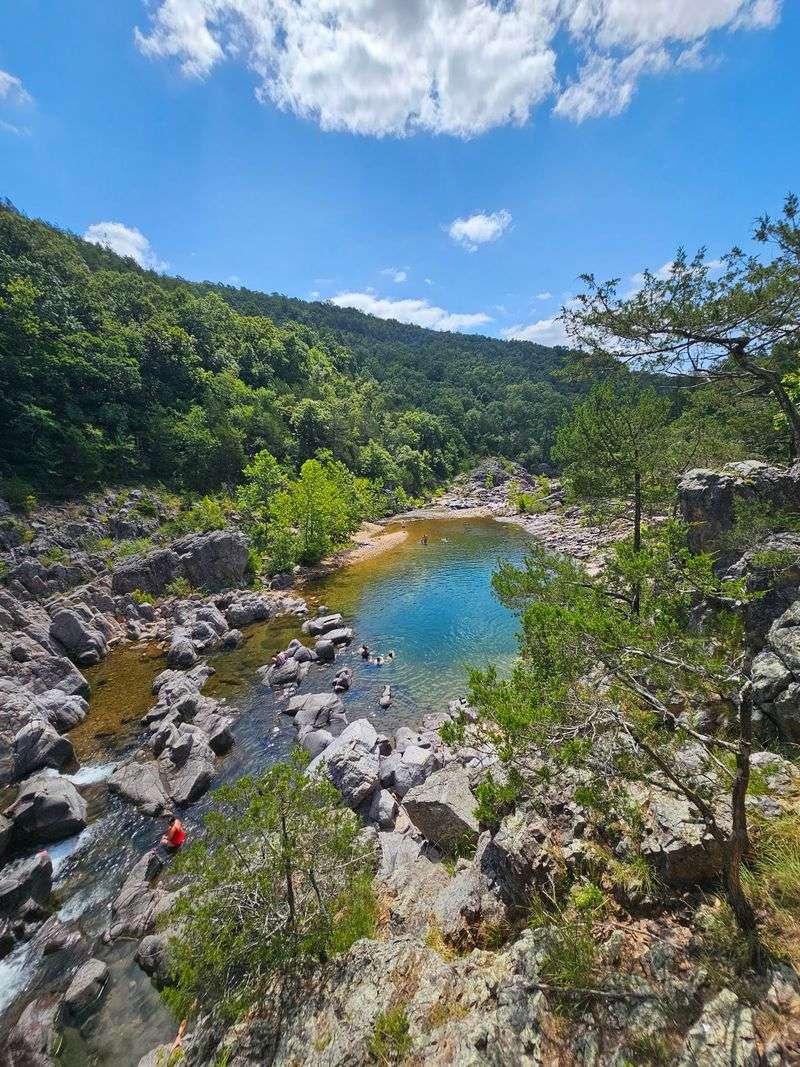
About a billion years of geological drama are packed into one of Missouri’s most jaw-dropping parks, and this campground puts you right at the doorstep of all of it.
The East Fork Black River has spent millions of years cutting through erosion-resistant rhyolite and pink granite bedrock, carving out narrow channels, potholes, and canyon-like gorges known as shut-ins. When water levels are safe, visitors wade and splash through these smooth-worn rock formations in a setting that looks almost too wild to be real.
The park covers over 9,400 acres within the St. Francois Mountains region and supports roughly 40 percent of Missouri’s plant species, totaling more than 850 different types. Hiking options range from a paved 2.3-mile Shut-Ins Loop with boardwalks to the demanding 10-mile Goggins Mountain Equestrian Trail.
Campsite options include walk-in, basic, electric, and full hookup sites, along with cabins. The campground serves as an ideal base for exploring this geologically significant corner of the Ozarks.
2. Echo Bluff State Park Campground, Eminence, Missouri
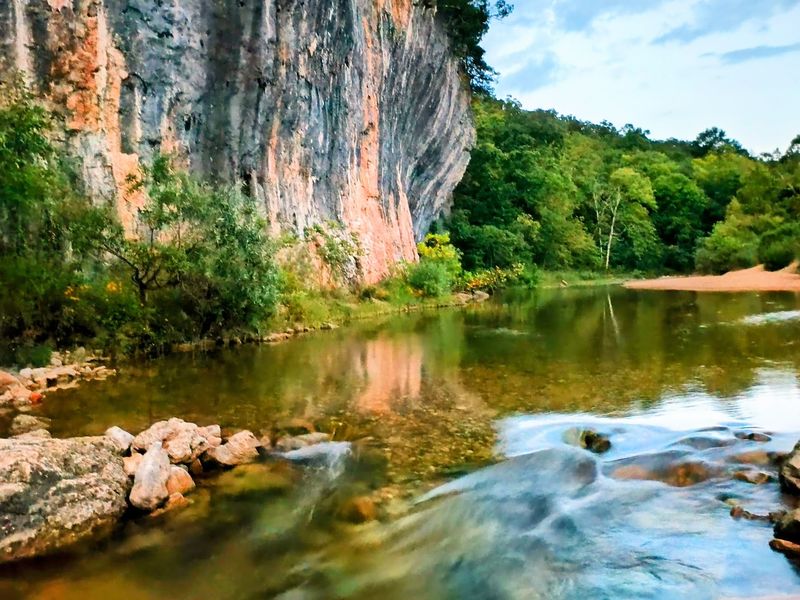
Wild horses occasionally wander through this campground, which is not something most state park brochures can claim as a selling point.
Echo Bluff State Park centers around its most dramatic feature: a towering sheer bluff of Eminence dolomite, carved by water into a concave shape that frames the valley below. Sinking Creek flows beneath it, serving as the second-largest tributary of the Current River. Because it has fewer springs than the Current River, Sinking Creek tends to run warmer, making it popular for swimming and wading.
The park covers 476 acres of hillsides thick with oak, hickory, and shortleaf pine. Over four miles of hiking and mountain biking trails connect to the Roger Pryor Pioneer Backcountry, unlocking more than 30 miles of wilderness routes beyond the park boundaries.
Campsite options include full hookup, electric and water, and walk-in tent sites with raised platforms. A lodge with a restaurant, a mercantile, and a playground with natural elements round out a campground that overdelivers on amenities.
3. Hawn State Park Campground, Ste. Genevieve, Missouri
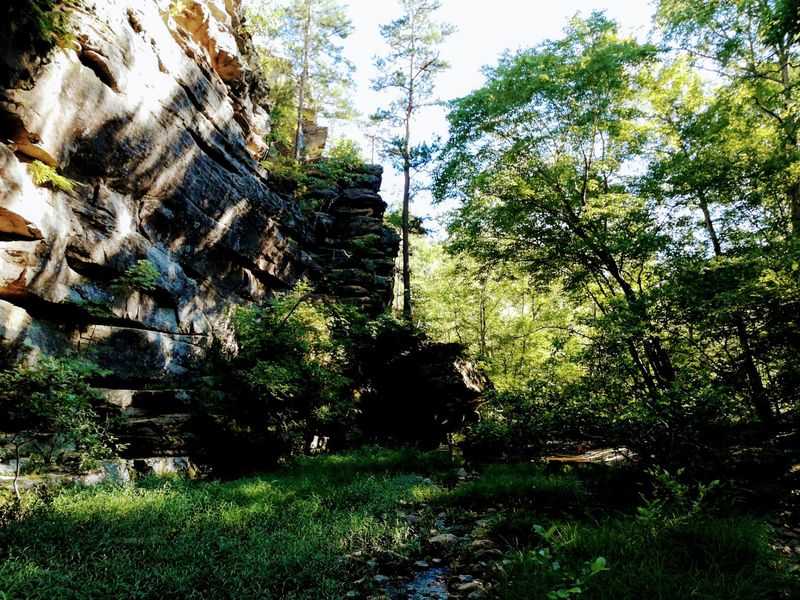
Most people do not expect to find sandstone canyons and wild azalea blooms in Missouri, but Hawn State Park quietly delivers both without making a fuss about it.
The park’s Lamotte sandstone bedrock has shaped a striking landscape of rounded knobs, vertical cliffs, and canyon-rimmed valleys. Pickle Creek, designated an Outstanding State Resource Water, winds through narrow sandstone passages and rushes over water-sculpted granite boulders, creating picturesque cascades along its path.
The surrounding forest features Missouri’s only native pine tree, the shortleaf pine, standing tall across upland woodlands. In spring, the acidic soil supports a vivid display of pink and white wild azaleas that draws photographers from across the region.
Much of the park falls within the Whispering Pine Wild Area, offering solitude and quality backpacking on trails like the nearly 10-mile Whispering Pines Trail, considered one of Missouri’s best backpacking routes. Campsites include basic, electric, and primitive walk-up options, some with creek access and good natural privacy throughout the season.
4. Sam A. Baker State Park Campground, Patterson, Missouri
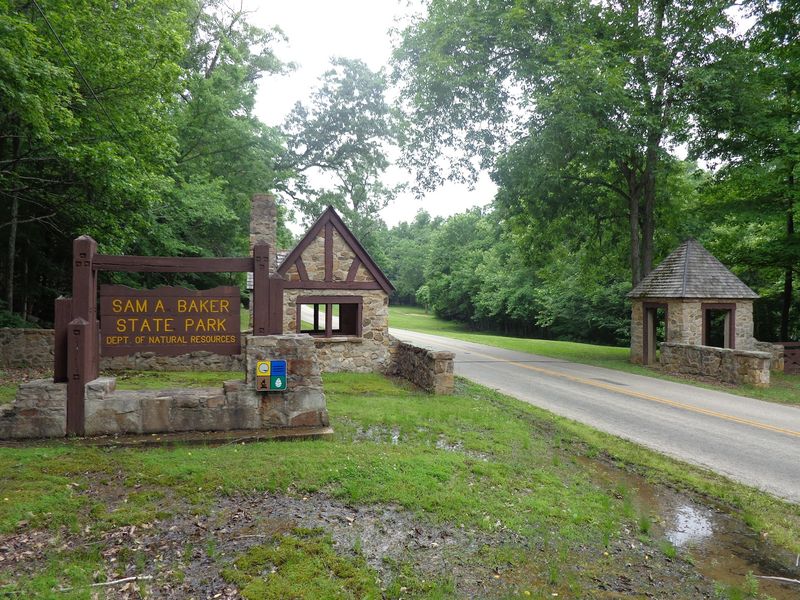
One of Missouri’s earliest state parks sits on some of the oldest exposed rock on the North American continent, which makes it a compelling place to set up camp even before you see the river views.
The park is built on a foundation of Precambrian igneous rock, including Mudlick Dellenite, a type of blue granite that forms massive boulders scattered across hillsides and tumbling into canyon streambeds. Mudlick Mountain rises to 1,313 feet, offering unobstructed views across the surrounding Ozark landscape from its igneous dome summit.
Big Creek holds Outstanding State Resource Water designation, and both it and the St. Francis River provide year-round opportunities for canoeing, kayaking, swimming, and fishing for smallmouth bass, crappie, and sunfish. The park’s 5,000 acres include igneous bluffs, dry rocky glades, and talus slopes accessible from miles of well-maintained trails.
Two campgrounds offer 185 sites, with more than two-thirds featuring electric hookups. Rustic cabins built from native stone and timber by the Civilian Conservation Corps in the 1930s add a historic character that newer parks simply cannot replicate.
5. Roaring River State Park Campground, Cassville, Missouri
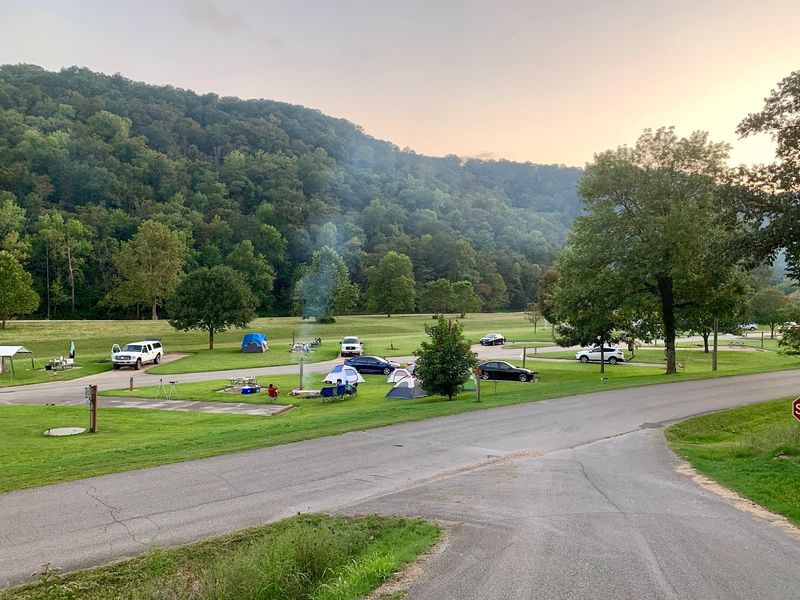
Over 20 million gallons of 57-degree water pour from Roaring River Spring every single day, which is an impressive number no matter how you look at it.
The spring emerges from a deep canyon-like gorge and creates an ideal cold-water habitat for rainbow and brown trout, establishing this as one of Missouri’s top trout fishing parks. A historic trout hatchery, established in 1910, stocks the river daily during trout season and welcomes visitors for tours.
The park occupies a deep valley surrounded by rugged Ozark mountains where steep-walled terrain exposes an unusual variety of rock formations. Over 600 plant species thrive here, including the rare Ozark chinquapin tree, across oak-hickory woodlands and dolomite glades.
Seven hiking trails cover roughly 10 miles, ranging from easy valley walks to the Fire Tower Trail, which climbs to a CCC-built lookout tower with expansive forest views. The campground offers basic, electric, and full hookup sites across three loops, some with direct river access, plus rustic cabins and a historic dining lodge.
6. Bennett Spring State Park Campground, Lebanon, Missouri
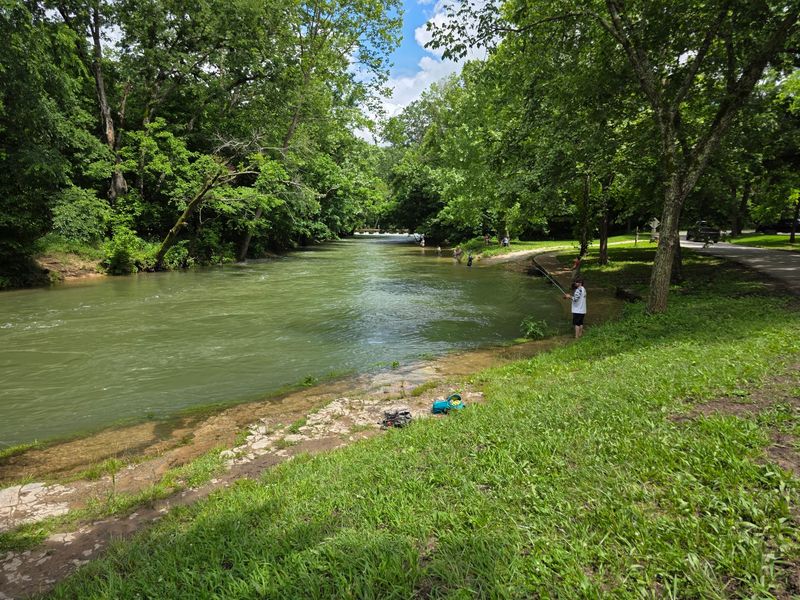
Bennett Spring has been drawing anglers and nature lovers to this corner of the Ozarks for generations, and it keeps earning that loyalty with over 100 million gallons of clear, cool water every day.
That water forms a spring branch regularly stocked with rainbow trout, supporting a fishing season that runs from March through October with winter catch-and-release options extending the calendar further. The spring valley features rich bottomland habitat that contrasts beautifully with the surrounding oak-hickory Ozark hills.
The park’s 3,338 acres support diverse wildlife including river otters, muskrats, bobcats, and bald eagles during cooler months. Seven hiking trails range from short nature loops to routes of up to 12 miles, and the Natural Tunnel Trail passes through a 296-foot-long S-shaped natural tunnel that stops most hikers in their tracks.
Five campgrounds tucked into wooded hills offer basic, electric, and full hookup sites. A rustic 1930s dining lodge, a nature center, a park store, and floating access on the adjacent Niangua River make this a well-rounded destination for all types of outdoor visitors.
7. Meramec State Park Campground, Sullivan, Missouri
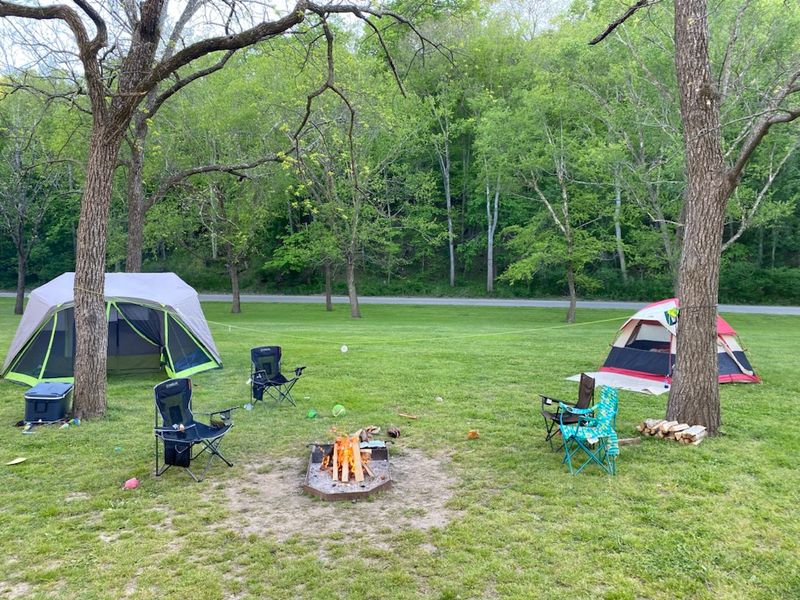
More than 40 caves lie beneath Meramec State Park, giving it one of Missouri’s highest concentrations of underground formations and a very good argument for staying at least two nights.
Fisher Cave, the park’s most accessible cavern, offers naturalist-led tours past intricate calcite crystal deposits, 30-foot columns, and ancient bear claw marks etched into the cave walls. Above ground, the Meramec River winds through steep forested hills and towering limestone bluffs, harboring over half of Missouri’s fish species in its waters.
The park’s nearly 7,000 acres include hardwood forests, pine stands, glades, and the 461-acre Meramec Upland Forest Natural Area, an undisturbed old-growth section rarely found this close to a major highway. Over 13 miles of hiking trails range from riverside walks to the rugged 10-mile Wilderness Trail, a figure-eight loop with backpacking campsites and views of Copper Hollow Spring.
Campsite options include basic, electric, electric and water, and full hookup sites. A park store with canoe and raft rentals, cabins, a motel, and seasonal interpretive programs keep visitors engaged well beyond the first afternoon.
8. Lake of the Ozarks State Park Campground, Brumley, Missouri
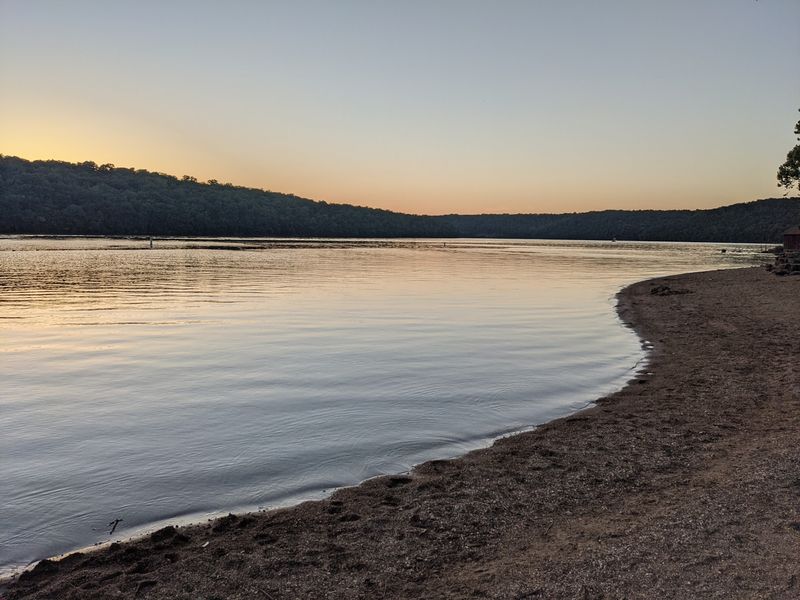
Missouri’s largest state park covers more than 17,000 acres and wraps around 85 miles of shoreline, which means finding a quiet spot here is far more achievable than the park’s famous name might suggest.
Oak-hickory forests, dry glades, and savannas define the landscape, with bluffs offering panoramic lake views that reward anyone willing to wake up early. Underneath the park lies Ozark Caverns, a wild cave accessible through guided tours and famous for its Angel Showers formation, where water appears to drip from the ceiling with no obvious source.
Hiking, biking, and equestrian trails range from 30 to 56 miles total, with popular routes like the Rocky Top Trail delivering scenic elevation changes and lake overlooks. Two public swimming beaches and two marinas with boat ramps support boating, water skiing, paddleboarding, and bass fishing throughout the warm season.
Camping options include basic, electric, and full hookup sites, plus family campsites, platform tent sites, cabins, and yurts. Many park structures developed by the National Park Service in the 1930s are listed on the National Register of Historic Places.
9. Onondaga Cave State Park Campground, Leasburg, Missouri
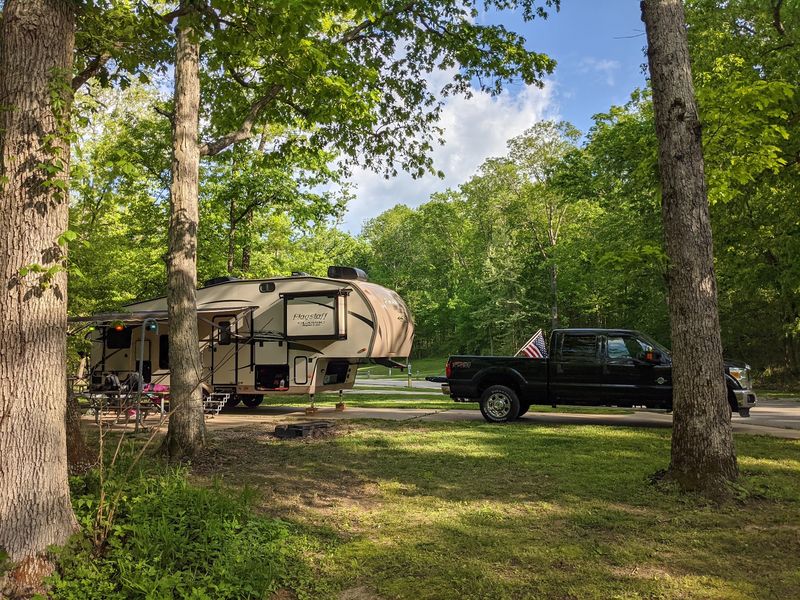
Not many campgrounds offer the option of spending your morning inside a National Natural Landmark, but Onondaga Cave State Park makes that a perfectly normal part of the itinerary.
Onondaga Cave is one of America’s most spectacular show caves, featuring towering stalagmites, active flowstones, intricate cave coral, and a stream that meanders through its passages at a constant 57 degrees. Guided tours take visitors past formations that took thousands of years to develop, making each trip through the cave a genuinely unhurried experience.
Above ground, the Meramec River flows through the park, providing clear water for paddling and productive fishing. The surrounding landscape includes hardwood forests, rocky glades, and Vilander Bluff Natural Area, which sits among the highest bluffs along the Meramec River valley and delivers sweeping views across the surrounding terrain.
Over six miles of hiking trails explore the park, including the Blue Heron Trail passing Onondaga Spring and the Deer Run Trail winding through river bluffs. The campground offers basic and electric and water sites shaded by mature hardwoods, with shower houses, laundry facilities, and a park store on site.
10. Table Rock State Park Campground, Branson, Missouri
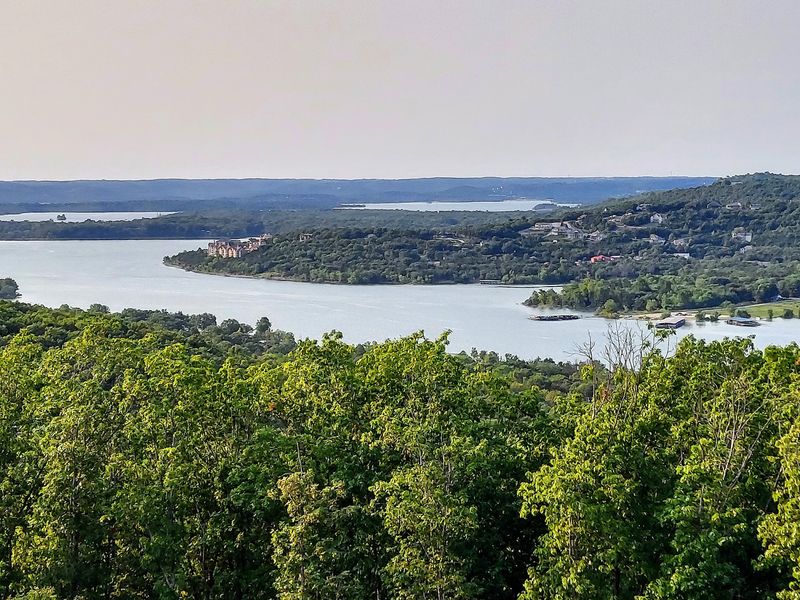
Table Rock Lake holds 43,100 acres of water so clear that it has earned a reputation as one of the best bass fishing lakes in the entire country, and the campground here sits right on its edge.
The lake was formed by damming the White River, creating over 800 miles of shoreline that wind through second-growth oak and hickory forests. The park itself covers 356 acres, with natural communities ranging from moist bottomland woodlands near the water to dry dolomite glades on the higher terrain.
White-tailed deer, wild turkey, and songbirds are regular sights throughout the year, while bald eagles, loons, and ospreys visit during winter months. Platform tent sites offer a canvas tent on a spacious deck, giving first-time campers a comfortable entry point without sacrificing the outdoor setting.
Two campgrounds provide basic, electric, and sewer, electric, and water sites, many running along the lake’s shoreline. Boating, water skiing, paddleboarding, and hiking on the Table Rock Lakeshore Trail keep the schedule full without any effort at all.
11. Montauk State Park Campground, Salem, Missouri
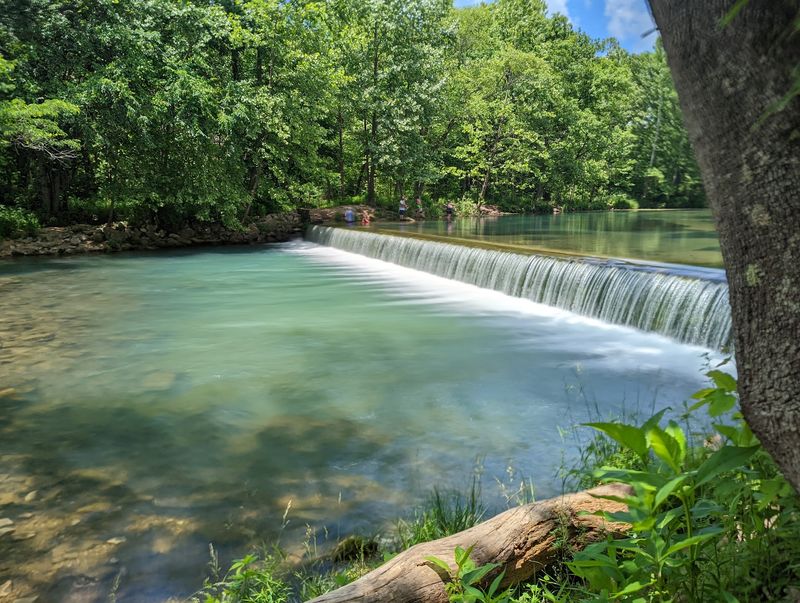
The Current River has to start somewhere, and Montauk State Park happens to be that place, with multiple natural springs combining to push out over 40 million gallons of 57-degree water daily right at the campground’s doorstep.
That cold, reliable flow creates exceptional conditions for rainbow and brown trout, earning Montauk a spot among Missouri’s four designated trout parks. A working hatchery on site offers tours and gives visitors a look at the full process from egg to stocking-ready fish.
The surrounding valley is lined with tall, pine-capped dolomite bluffs and a mature woodland of white oak, shortleaf pine, black oak, and red maple. The 40-acre Montauk Upland Forest Natural Area preserves a pine-oak-hickory woodland that has remained largely undisturbed, and three trails including the Pine Ridge Trail provide easy access to hilltops and wildlife viewing, with bald eagles appearing regularly in cooler months.
Campsite options include basic, electric, and family sites with paved pads and fire grills. A historic 1896 gristmill, CCC-built structures, a dining lodge, and rental cabins give Montauk an old-fashioned charm that newer parks rarely match.
Share this story