Montana is one of those rare states where wildlife does not just exist on the edges of civilization. It takes center stage. Across this vast landscape, you will find national wildlife refuges that protect everything from trumpeter swans and free-roaming bison to black-footed ferrets and bighorn sheep. Some of these places cover more than a million acres.
Others are quiet, little-known corners that most travelers drive right past without realizing what they are missing. Whether you are a serious birdwatcher with a life list to fill, a photographer chasing dramatic backdrops, or simply someone who wants to watch a herd of pronghorn cross an open plain, Montana has a refuge for you. This list covers 11 of the state’s most rewarding wildlife refuges, from remote wilderness sanctuaries to accessible spots with well-marked auto tour routes. Each one offers something genuinely worth the trip.
1. Charles M. Russell National Wildlife Refuge, Glasgow, Montana
At roughly 1.1 million acres, this refuge ranks as the second largest national wildlife refuge in the entire lower 48 states, and it earns that distinction honestly.
President Roosevelt established it in 1936 to protect a spectacular section of the Missouri River Breaks, and the landscape has changed very little since the Lewis and Clark Expedition passed through in the early 1800s.
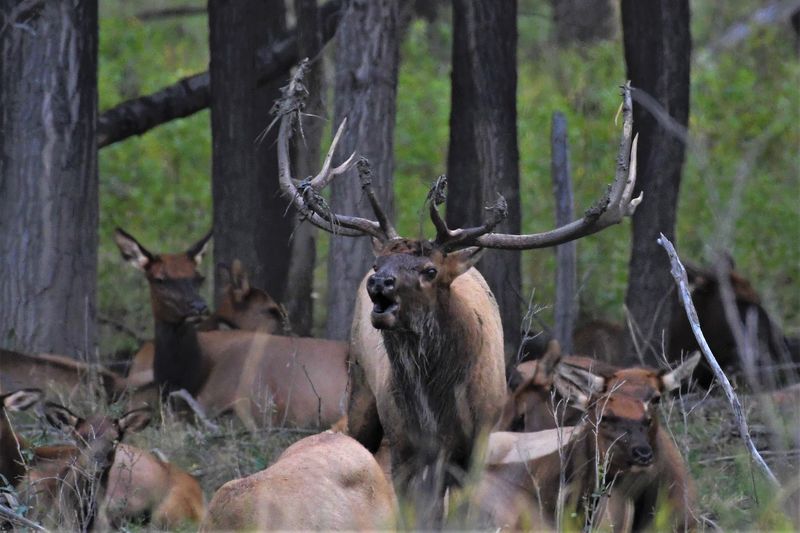
Elk, bighorn sheep, pronghorn, mule deer, prairie dogs, sharp-tailed grouse, and over 200 bird species call this refuge home. It also shelters one of the largest free-ranging populations of the endangered black-footed ferret in the country.
Visitors can follow a 20-mile auto tour route along U.S. 191 with interpretive stops covering geology, history, and wildlife. The Slippery Ann Wildlife Viewing Area is particularly good for spotting elk and deer during early mornings.
The Fort Peck Interpretive Center adds historical context that makes the visit even more worthwhile.
2. Lee Metcalf National Wildlife Refuge, Stevensville, Montana
Birdwatchers have been making the short drive from Missoula to this 2,800-acre refuge for decades, and the numbers explain why: roughly 250 bird species have been documented here, with more than 100 nesting annually.
Established in 1964 and renamed to honor Senator Lee Metcalf in 1978, the refuge sits about 2 miles north of Stevensville in the Bitterroot River Valley, which is recognized as an Important Bird Area.
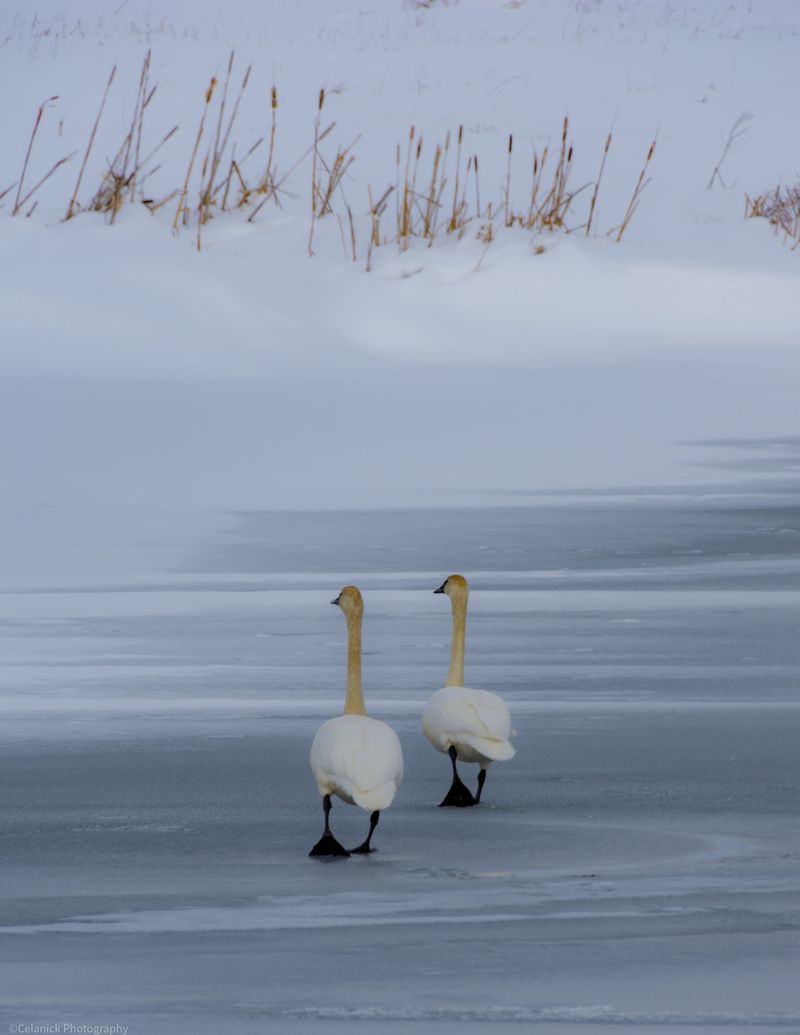
Trumpeter and Tundra Swans appear regularly during migration, joined by 33 waterfowl species, eagles, hawks, and a wide variety of songbirds. Beyond birds, the refuge also supports 37 mammal species, including American beaver, coyote, and white-tailed deer.
Two nature trails are available, including a 0.25-mile paved accessible path. The historic Whaley Homestead, an eight-room log house built in 1885, sits within the refuge grounds and adds a welcome slice of frontier history to any visit.
3. Red Rock Lakes National Wildlife Refuge, Lima, Montana
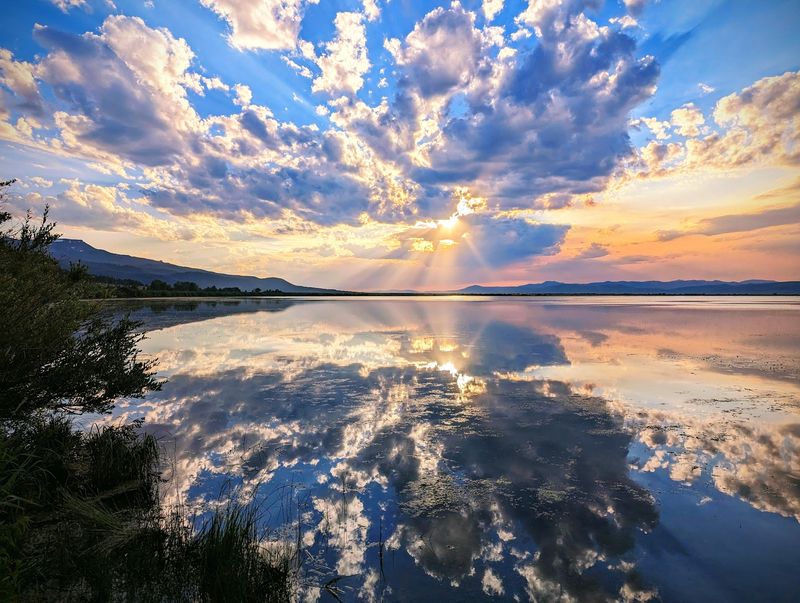
Trumpeter swans nearly vanished from North America in the early 20th century, and this refuge in extreme southwest Montana played a direct role in pulling them back from the edge.
Established in 1935, Red Rock Lakes protects 40,300 acres in the eastern Centennial Valley and contains the largest wetland complex in the entire Greater Yellowstone Ecosystem. These massive birds, with wingspans reaching up to 8 feet and body weights between 20 and 30 pounds, depend heavily on the refuge’s abundant aquatic plants.
Up to 2,000 Tundra and Trumpeter Swans gather here in early fall, alongside 50,000 ducks and geese and over 230 documented bird species. Moose, elk, pronghorn, wolverines, and bears round out the wildlife list.
Two primitive campgrounds are available for overnight stays. Roads can become impassable after summer rains, so checking conditions before the drive out from Monida is strongly recommended.
4. Benton Lake National Wildlife Refuge, Great Falls, Montana
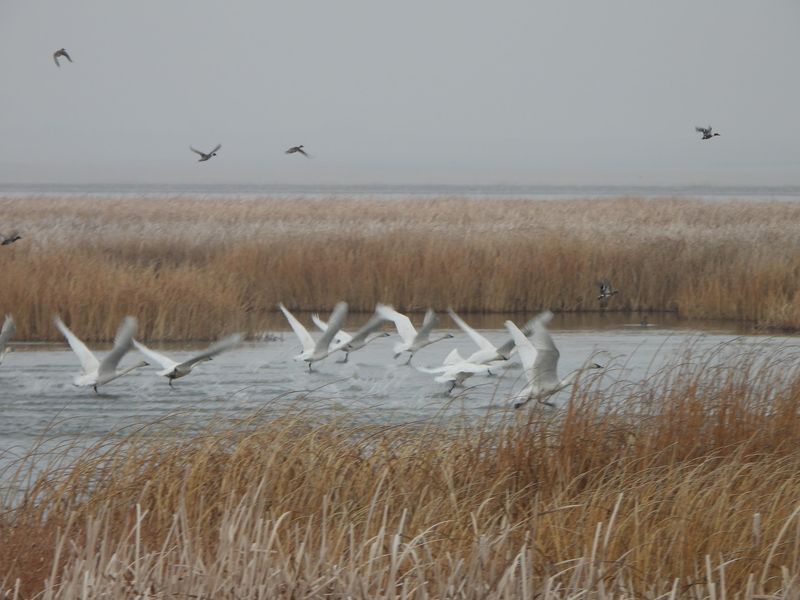
Just 12 miles north of Great Falls, this 12,383-acre refuge punches well above its weight during spring and fall migration, attracting numbers that can genuinely stop you in your tracks.
The centerpiece is a 5,000 to 6,000-acre shallow glacial wetland that draws up to 150,000 ducks, 40,000 snow geese, 5,000 tundra swans, and as many as 50,000 shorebirds during peak migration periods. Bald eagles are regular visitors, and peregrine falcons and prairie falcons show up often enough to keep any raptor fan alert.
Over 199 bird species have been recorded since 1961, and 28 mammal species inhabit the refuge, including badgers, coyotes, muskrats, and limited numbers of pronghorn. The 9-mile Prairie Marsh Wildlife Drive gives visitors a self-guided look at the full landscape.
A marsh boardwalk, a sharp-tailed grouse viewing blind, and a visitor center open weekdays add to the overall experience.
5. CSKT Bison Range, Charlo, Montana
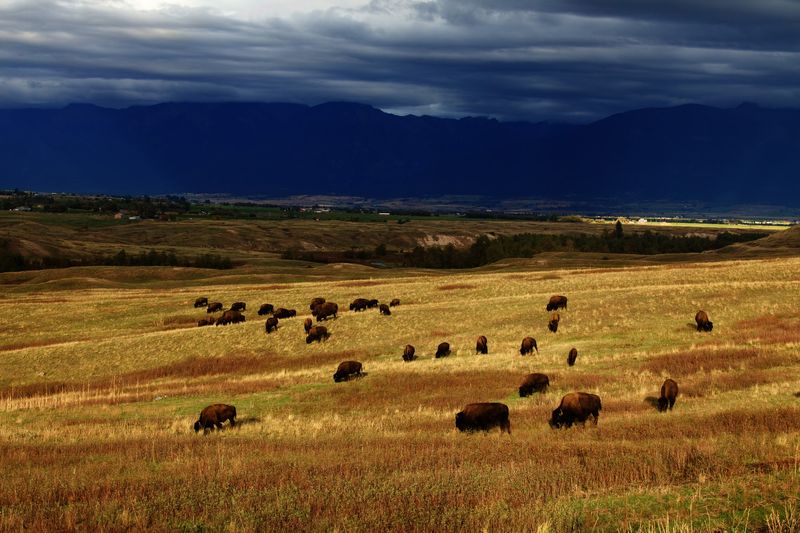
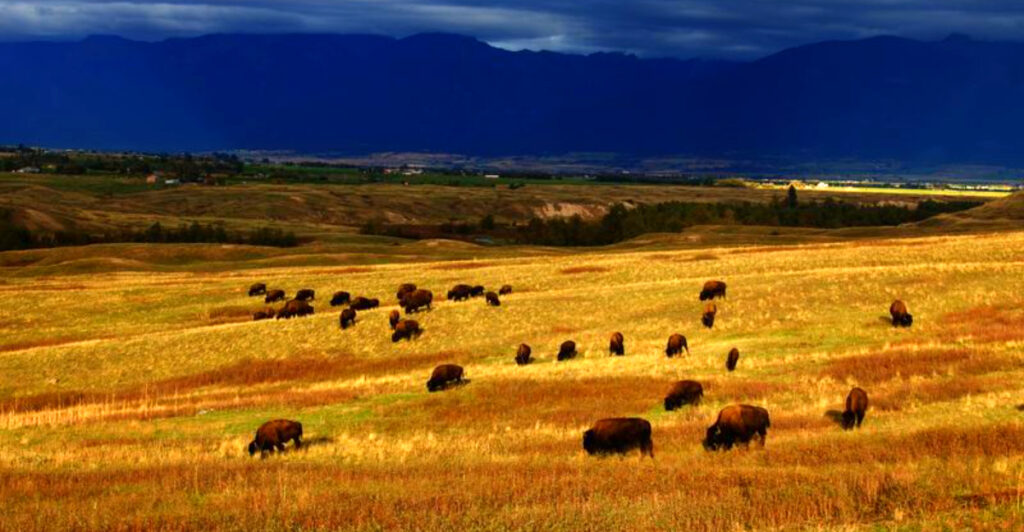
Around 350 bison roam freely across 18,800 acres on the Flathead Indian Reservation, and the story behind this place is as compelling as the animals themselves.
Originally established in 1908, the land was officially restored to the Confederated Salish and Kootenai Tribes by Congress in 2020. CSKT Tribal members played a central role in saving the American bison by starting their own herd in the late 1800s, long before conservation became a mainstream concern.
Two driving routes let visitors explore at their own pace. The Red Sleep Drive is a 19-mile seasonal loop that climbs Red Sleep Mountain and includes two short walking paths at the summit. Prairie Drive covers 14 miles along Mission Creek and tends to offer the best bison sightings, along with elk, deer, and pronghorn.
A day pass is required for entry, and federal park passes are not accepted. Pets must remain leashed at all times.
6. Medicine Lake National Wildlife Refuge, Medicine Lake, Montana
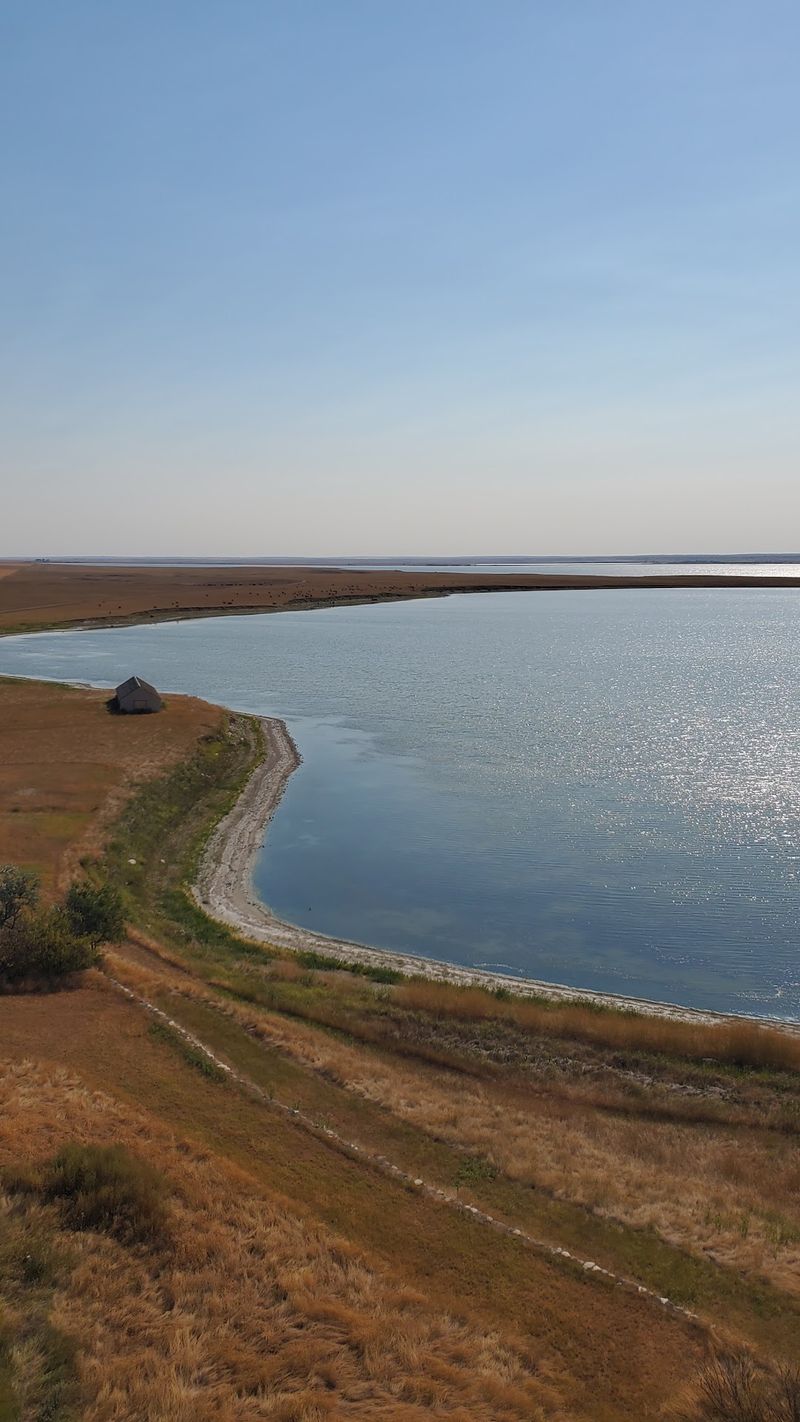
Very few wildlife refuges in the United States hold the title of Globally Important Bird Area, but Medicine Lake earned that designation from the American Bird Conservancy, and a visit makes it clear why.
Established in 1935 on the glaciated rolling plains of northeastern Montana, this 31,702-acre refuge includes the 8,218-acre Medicine Lake and dozens of smaller potholes. Its white pelican colony, in place since at least 1939, produces an estimated 3,000 to 5,000 nests annually, making it one of the largest such colonies in the entire country.
During migration, hundreds of thousands of birds pass through. Over a dozen duck species breed locally, alongside great blue herons, sandhill cranes, and grassland specialists like chestnut-collared longspurs.
A 14-mile self-guided wildlife drive along the north shore provides easy access to wetland and grassland habitats. A 100-foot observation tower and the Pelican Overlook platform with binoculars are practical highlights for any visitor.
7. Bowdoin National Wildlife Refuge, Malta, Montana
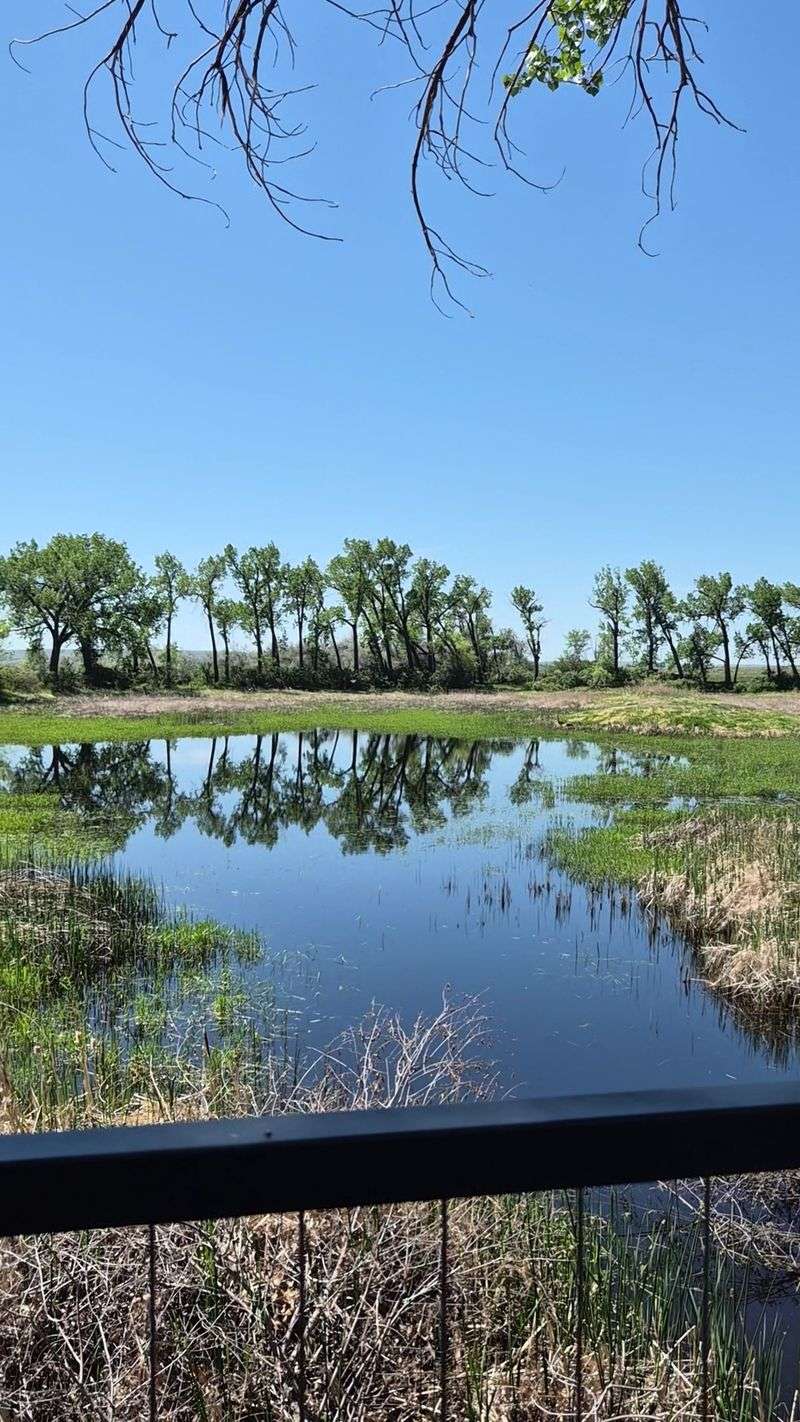
Lake Bowdoin has a geological backstory that most visitors never hear: it was once an oxbow of the pre-glacial Missouri River, which now flows 70 miles to the south.
Established in 1936, this 15,551-acre refuge near Malta blends saline and freshwater wetlands with native prairie and dense nesting cover, creating conditions that are highly productive for migratory birds. Thousands of waterfowl and shorebirds use the refuge during migration, while ducks, geese, and colonial water birds nest here in significant numbers.
Beyond birds, visitors can look for beaver, muskrat, coyotes, white-tailed deer, and pronghorn. Raptors and sharp-tailed grouse are year-round residents worth watching for.
A 15-mile self-guided auto tour route with 11 signed interpretive stops makes the refuge very accessible for first-time visitors. Early mornings and late afternoons in spring and fall consistently produce the best wildlife activity.
The refuge headquarters is well-signed from U.S. Highway 2.
8. Ninepipe National Wildlife Refuge, Charlo, Montana
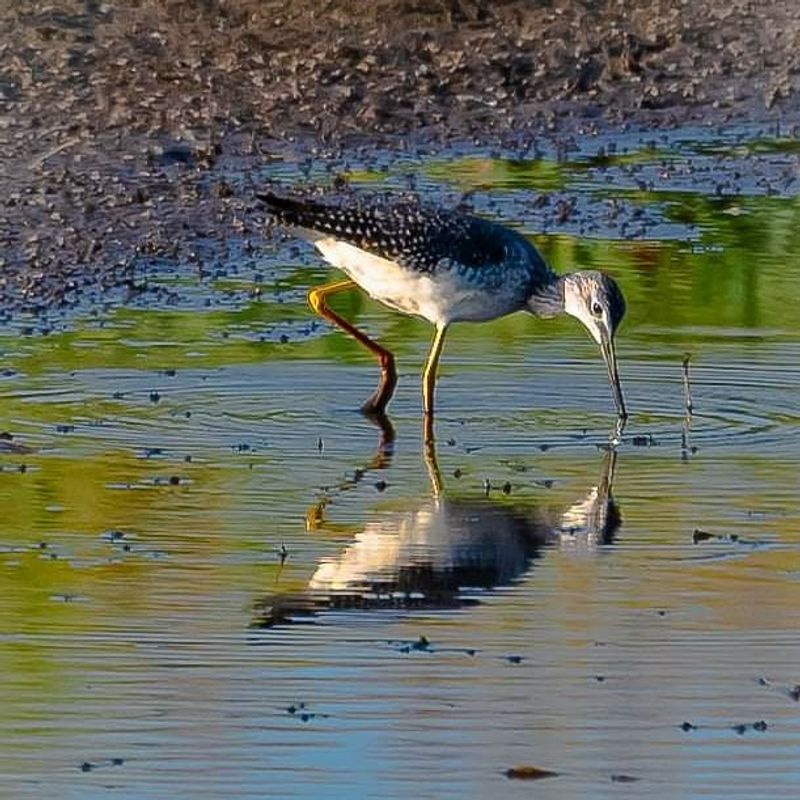
The glacial history of this place is genuinely remarkable: the entire Mission Valley once sat beneath 400 feet of water from Glacial Lake Missoula, and the dense cluster of small wetland ponds left behind makes Ninepipe one of the most productive waterfowl habitats in the Pacific Northwest.
Established in 1921, the refuge covers 4,027 acres and includes a 1,770-acre reservoir at its center. Over 200 bird species have been documented here, and the list includes trumpeter swan flocks, great blue heron rookeries, osprey and bald eagle nests, Forster’s tern colonies, and western grebes.
Grizzly bears occasionally wander in from the nearby Mission Mountains, adding a memorable element of unpredictability to any visit. Short-eared owls make winter visits especially worthwhile for raptor enthusiasts.
A paved, barrier-free trail off U.S. Highway 93 provides accessible wildlife viewing. The Mission Mountains create a dramatic eastern backdrop, particularly impressive when viewed from the top of the dam.
9. Swan River National Wildlife Refuge, Bigfork, Montana
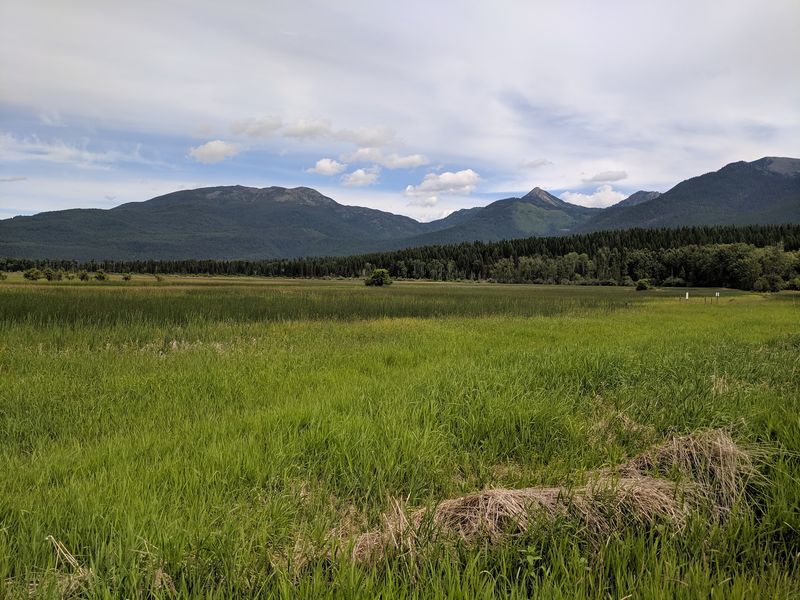
Grizzly bears regularly visit this refuge in early spring, and that single fact sets Swan River apart from most wildlife areas in the American West.
Acquired in 1973, the 1,568-acre refuge occupies the flood plain of the Swan River south of Swan Lake, tucked between the Swan and Mission Mountain Ranges. The valley’s glacial origins produced a flat floor edged by steep forested mountainsides, with oxbow sloughs, reed canary grass meadows, and mixed forests providing layered habitat.
Over 200 bird species use the refuge, including 23 waterfowl species such as trumpeter swans, cinnamon teal, and common goldeneye. White-tailed deer, elk, moose, beaver, bobcat, and black bear are all present year-round.
The refuge closes from March 1 to July 15 to protect nesting birds, so plan accordingly. Boating is permitted on the Swan River as a no-wake zone, and archery hunting for deer, elk, and black bear is allowed in designated areas.
10. Lost Trail National Wildlife Refuge, Marion, Montana
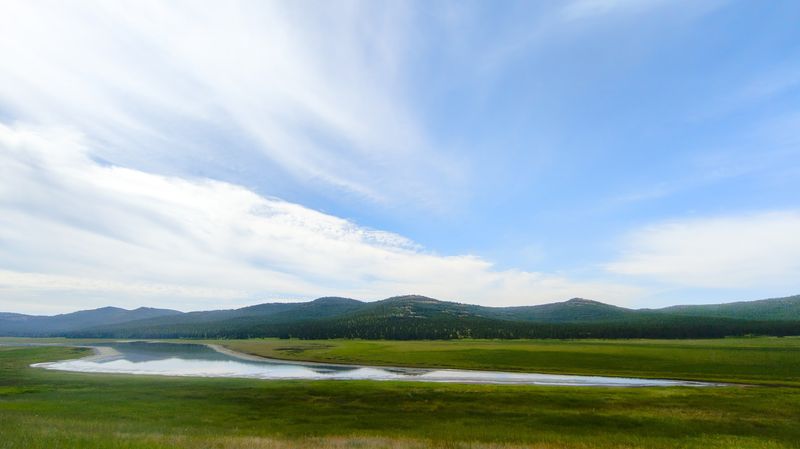
Few refuges in Montana can claim certification as a Dark Sky Sanctuary, but Lost Trail can, and that alone makes it worth a special trip for stargazers willing to combine wildlife watching with a night under the Milky Way.
Established in 1999 in Pleasant Valley west of Kalispell, this 8,905-acre refuge was carved by glaciers and centers on Dahl Lake, a shallow glacial lake surrounded by wetlands, streams, native prairie, and forest. The Salish Mountains frame the entire valley.
White-tailed and mule deer, elk, moose, black bears, and occasional grizzly bears inhabit the refuge. Rarer species like fisher, marten, Canada lynx, and wolverine move through the surrounding forests. More than a dozen duck and geese species use the wetlands, along with nesting sandhill cranes and trumpeter swans.
Hiking, cross-country skiing, and snowshoeing are permitted across most of the refuge. Access roads are gravel, and visitors should arrive fully self-sufficient, as no services are available nearby.
11. UL Bend National Wildlife Refuge, Lewistown Area, Montana
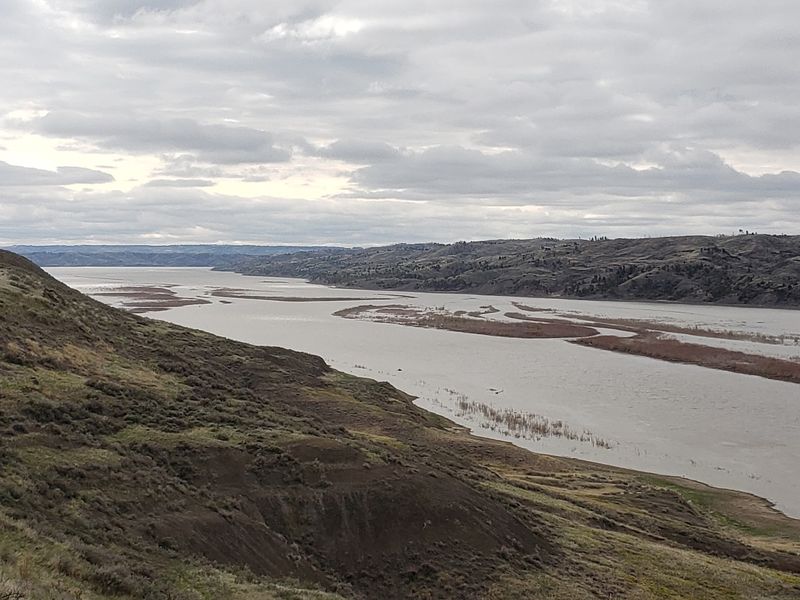
A refuge within a refuge sounds like a riddle, but that is exactly what UL Bend is: 20,862 acres of wilderness sitting entirely inside the boundaries of the Charles M. Russell National Wildlife Refuge.
Established in 1967 and designated as the UL Bend Wilderness in 1976, this area offers one of the most genuinely undeveloped wildlife experiences available in Montana. The landscape looks much as it did when the Lewis and Clark Expedition passed through in 1805, and that continuity is a significant part of its appeal.
Elk occupy their native prairie year-round here, one of the few places in Montana where that is true. Deer, pronghorn, bighorn sheep, prairie dogs, white pelicans, and mountain bluebirds are among the other species visitors may encounter.
Access requires navigating rough gravel roads that can become impassable in wet conditions. Check road and weather conditions before traveling, especially when approaching from Zortman or Malta. No developed facilities are available on-site.
Share this story