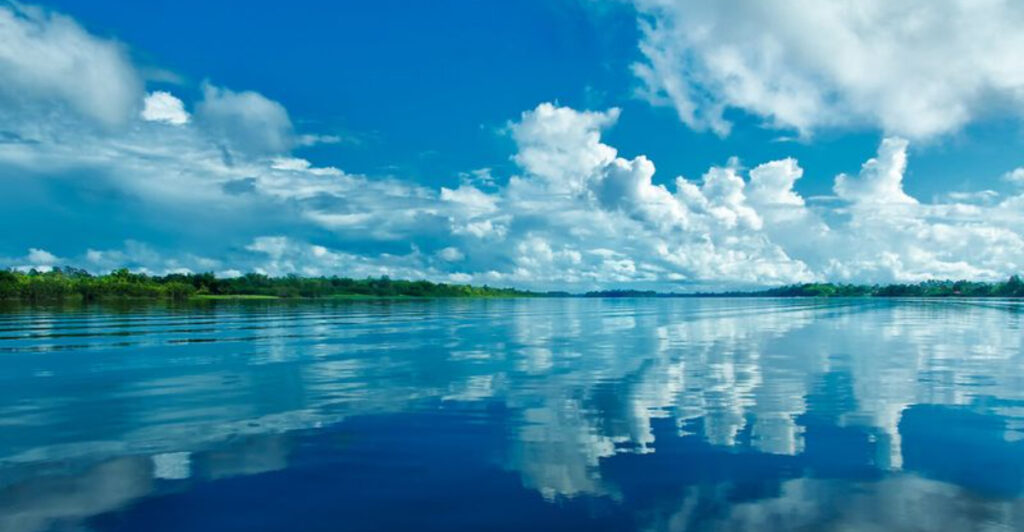
Some countries have so much space that you could travel for hours without seeing another person. Whether it’s vast deserts, endless forests, or frozen landscapes, these places feel like a world apart.
Population density tells a fascinating story about how geography shapes where people choose to live. Here are 11 of the loneliest countries on Earth, where wide-open spaces define everyday life.
1. Mongolia
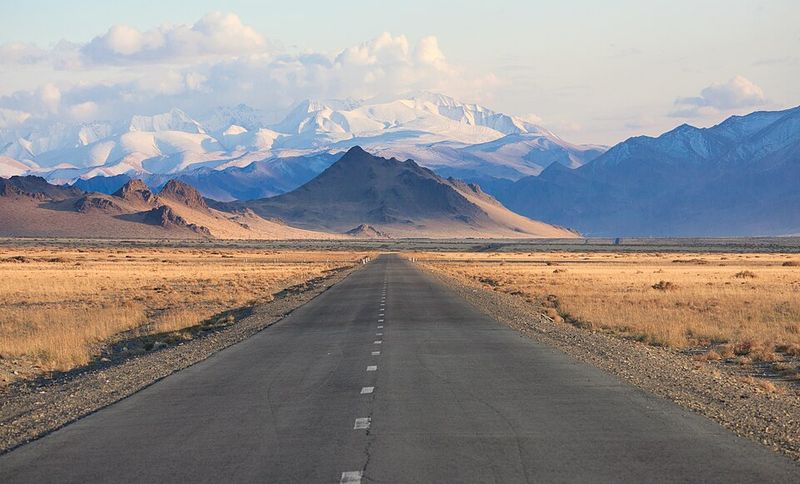
Picture riding a horse for an entire day across rolling grasslands without passing a single town. That is everyday life in Mongolia, the world’s least densely populated sovereign country.
With roughly 3.3 million people spread across a land mass roughly the size of Western Europe, the numbers speak for themselves.
Enormous stretches of steppe and the Gobi Desert separate small communities by hundreds of miles. Many Mongolians still live as nomadic herders, moving with their livestock across these open plains.
The capital city, Ulaanbaatar, holds nearly half the country’s entire population, making the surrounding countryside feel even more remote.
Winter temperatures can plunge to minus 40 degrees Fahrenheit, which adds another layer of isolation to rural life. Mongolia’s breathtaking emptiness draws adventurous travelers from around the world who want to experience true, unfiltered solitude.
2. Australia
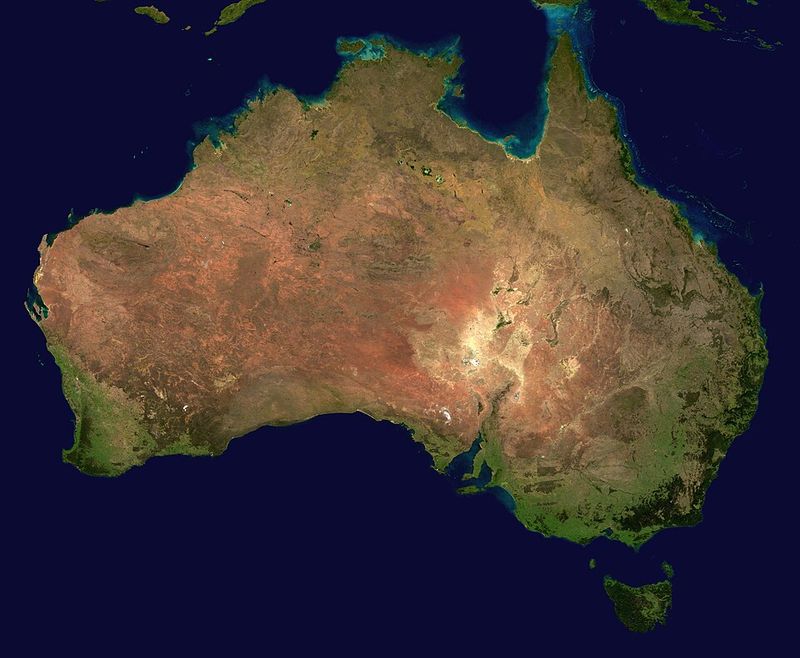
Australia is the world’s sixth-largest country by area, yet most of its 26 million residents are packed into a thin coastal strip. The vast interior, known as the Outback, is one of the emptiest places on the planet.
Some parts of the Outback have a population density of less than one person per square mile.
The harsh conditions explain a lot. Scorching heat, scarce water, and unpredictable flooding make the interior extremely difficult to settle permanently.
Indigenous Australian communities have lived in these remote areas for tens of thousands of years, developing remarkable skills for surviving in such a demanding environment.
Small towns in the Outback can be separated by several hours of driving on straight, sun-baked roads. Flying doctors and remote schools via radio once kept isolated families connected.
Australia’s loneliness is not a flaw; it is a defining feature of its wild, rugged character.
3. Namibia
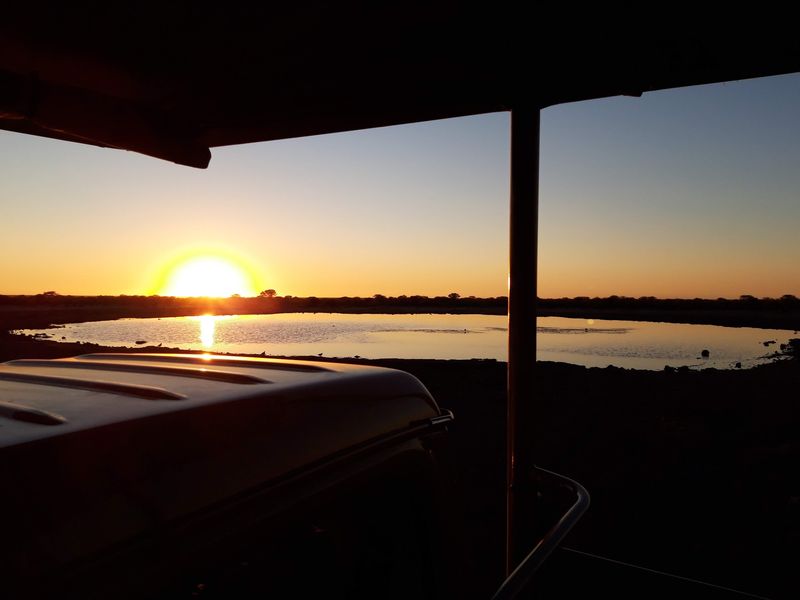
Namibia holds the title of one of Africa’s most sparsely populated countries, and its landscape makes it easy to understand why. The Namib Desert, one of the oldest deserts on Earth, stretches along the entire Atlantic coastline.
Inland, rocky plateaus and semi-arid savanna cover much of the remaining land.
With a population of around 2.6 million people in a country roughly the size of Texas and Oklahoma combined, personal space is never in short supply. Wildlife, however, thrives here.
Namibia is home to the world’s largest free-roaming population of cheetahs, along with elephants, lions, and oryx adapted to desert conditions.
The country has made conservation a national priority, protecting enormous tracts of wilderness. Stargazing in Namibia is extraordinary because light pollution is almost nonexistent across most of the country.
For anyone craving raw, uninterrupted natural silence, Namibia delivers it in spectacular fashion.
4. Iceland
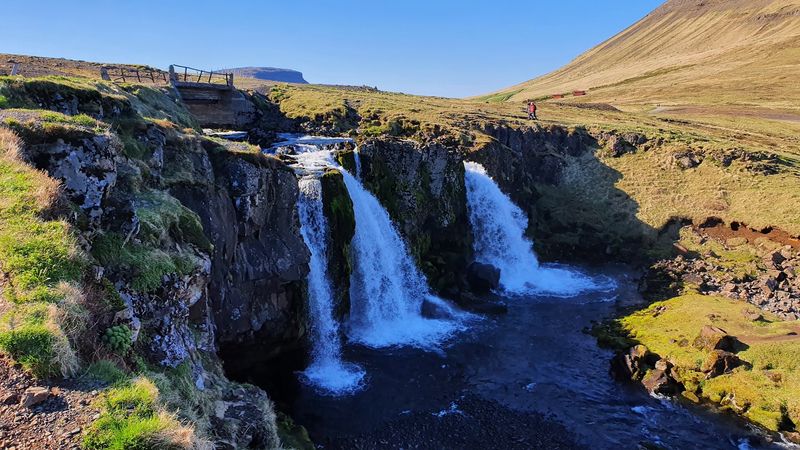
A country of fire and ice, Iceland sits in the North Atlantic with a population of only about 380,000 people. Most residents cluster around the capital, Reykjavik, while the rest of the island remains strikingly empty.
Lava fields, glaciers, volcanoes, and geothermal hot springs cover enormous portions of the interior.
Iceland’s highlands are essentially uninhabited, even by Icelandic standards. Roads through the central plateau are only open during the summer months, and some areas are accessible only by four-wheel-drive vehicles or on foot.
The landscape can feel almost alien, beautiful but deeply remote.
Despite its small size and sparse population, Iceland has built a highly educated, connected society with a strong sense of community. Yet step outside the capital and the solitude arrives quickly.
The Northern Lights dance over empty valleys, wolves no longer roam here, but silence does, deep and constant, broken only by wind and geothermal steam.
5. Suriname
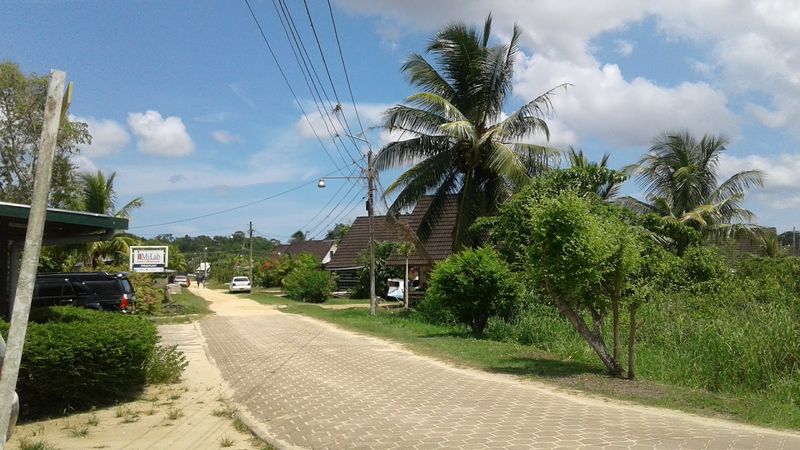
Suriname is South America’s smallest country by area, yet most of it is almost completely empty of people. Around 90 percent of the country is covered by dense, largely untouched tropical rainforest.
The vast majority of Suriname’s roughly 600,000 residents live along the narrow northern coastal strip near the capital, Paramaribo.
Venture south and the forest takes over entirely. Indigenous and Maroon communities, descendants of escaped enslaved Africans, live deep within the jungle interior, maintaining traditions that stretch back centuries.
Reaching some of these communities requires traveling by small boat along winding rivers for days at a time.
Suriname’s interior is one of the most biodiverse places on Earth, with species of plants and animals still being discovered by scientists. The country protects a remarkable share of its land as nature reserves.
For anyone who truly wants to disappear into wilderness, Suriname’s forested heart offers almost complete seclusion.
6. Guyana
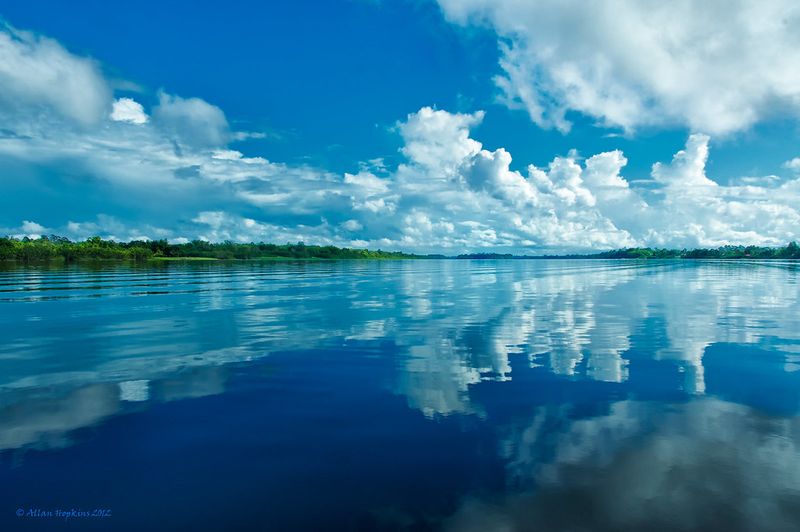
Guyana sits quietly on South America’s northeastern coast, sharing more cultural ties with the Caribbean than with its South American neighbors. Like neighboring Suriname, Guyana has a small population, roughly 800,000 people, concentrated almost entirely along the Atlantic coast.
The country’s enormous forested interior remains one of the least-visited and least-populated regions on the continent.
The interior is dominated by the Guiana Highlands, ancient tabletop mountains called tepuis that rise dramatically above the jungle canopy. These landscapes inspired Sir Arthur Conan Doyle’s novel “The Lost World,” and it is easy to see why.
Getting to some areas requires chartering small planes or traveling by dugout canoe.
Guyana is making global headlines for its recent oil discoveries, which may change the country’s future significantly. For now, though, vast stretches of pristine rainforest and savanna continue to define the nation’s identity.
Its wilderness is both its greatest challenge and its most remarkable treasure.
7. Canada
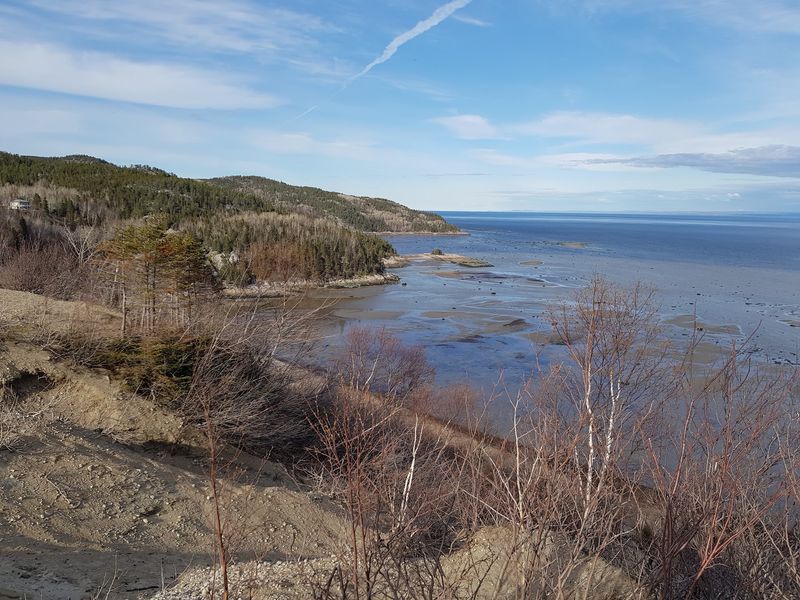
Canada is the second-largest country in the world by total area, yet it has a population smaller than California’s. Around 38 million Canadians live in a country that spans nearly 10 million square kilometers.
The majority are packed into a relatively narrow band along the southern border with the United States.
Head north and the emptiness becomes staggering. The boreal forest, tundra, and Arctic archipelago cover millions of square kilometers where almost no one lives permanently.
Some northern territories have fewer than 50,000 residents spread across areas the size of Western Europe. Communities are often connected only by small aircraft or seasonal ice roads.
Indigenous peoples have lived in these remote northern regions for thousands of years, with deep knowledge of the land and its rhythms. Canada’s north is wild, cold, and extraordinarily beautiful.
The sheer scale of its empty landscape is something most people struggle to fully imagine until they see it firsthand.
8. Libya
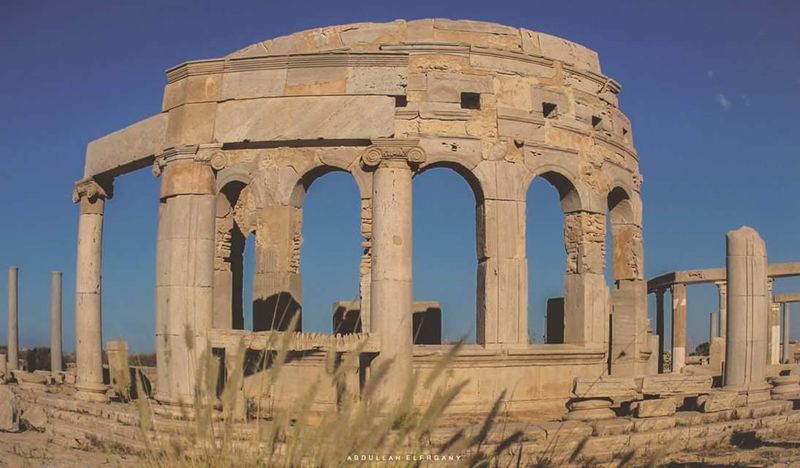
Nearly 90 percent of Libya is covered by the Sahara Desert, one of the harshest environments on Earth. This geographic reality pushes the country’s roughly 7 million people toward the Mediterranean coastline and a handful of oases scattered across the interior.
Cities like Tripoli and Benghazi hold the bulk of the population.
Travel into the Libyan Sahara and the sense of isolation becomes overwhelming. Sand seas, or ergs, stretch for hundreds of miles without a single road or settlement.
Ancient rock art left by prehistoric peoples who lived here before the desert expanded is scattered across remote canyons and plateaus.
Libya’s political instability over the past decade has made travel to many regions difficult and dangerous. Yet the country’s natural landscape remains one of the most dramatically empty on Earth.
The Sahara does not simply push people away; it swallows entire horizons whole, leaving nothing but sand, silence, and sky.
9. Botswana
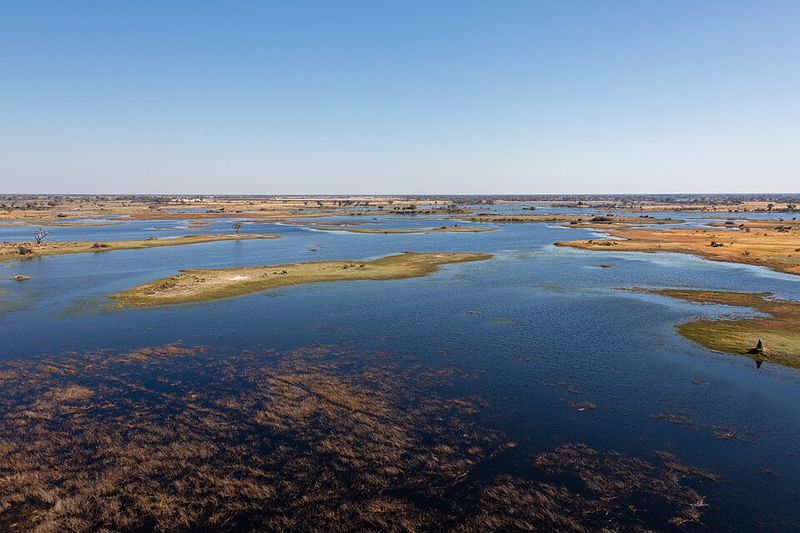
Botswana is a landlocked country in southern Africa, and much of it is covered by the Kalahari, a vast semi-arid sandy savanna. Despite being larger than France, Botswana has a population of only around 2.6 million people.
That makes it one of Africa’s most sparsely populated countries, with wide stretches of land between settlements.
The Kalahari is not a classic desert with towering dunes. Instead, it is a sea of red sand covered by grasses and shrubs, supporting surprising amounts of wildlife.
Elephants, lions, wild dogs, and meerkats roam across protected reserves that cover a significant portion of the country’s territory.
Botswana has channeled diamond revenues into conservation and community development, becoming a model for wildlife-friendly tourism in Africa. Small, exclusive safari camps cater to visitors seeking remote wilderness experiences.
The country’s sparse population is matched by its exceptional wildlife density, making it a genuinely extraordinary place to experience raw African nature.
10. Mauritania
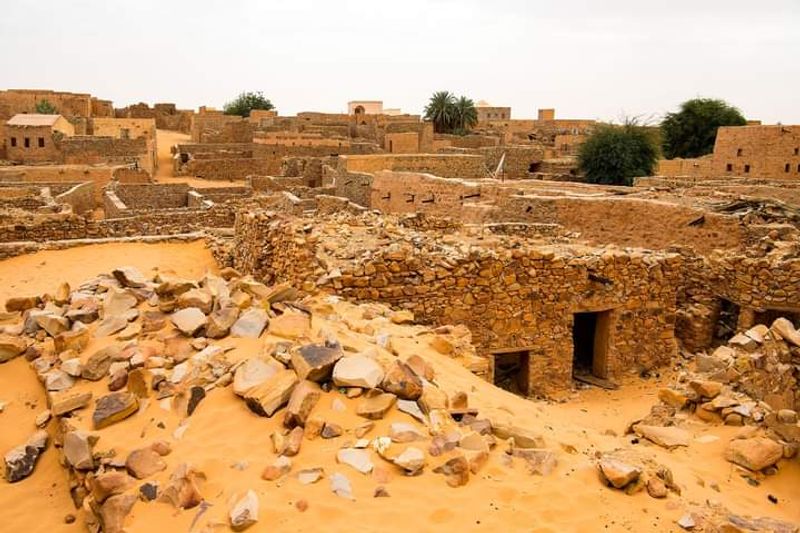
Mauritania is a West African country where the Sahara Desert covers more than three-quarters of the total land area. With roughly 4.6 million people spread across a country nearly three times the size of France, the population density is extremely low.
Most people cluster in the capital, Nouakchott, and along the Senegal River valley in the south.
The northern regions are among the emptiest places on the African continent. Ancient caravan routes once crossed these sands, connecting sub-Saharan Africa to North Africa and the Mediterranean world.
Today, the old trading city of Chinguetti still stands, slowly being swallowed by encroaching dunes, a haunting reminder of a busier past.
Desertification is an ongoing challenge in Mauritania, pushing more people toward already crowded southern towns. The country’s landscape is both beautiful and unforgiving.
Endless sand seas, dramatic rock formations, and star-filled night skies reward the rare traveler willing to venture into this remote corner of the world.
11. Kazakhstan
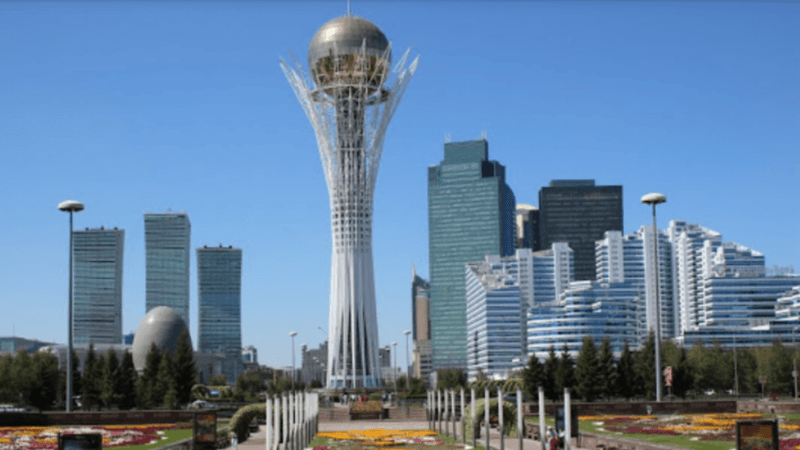
Kazakhstan is the world’s largest landlocked country and the ninth-largest country overall by land area. With a population of around 19 million people, it has one of the lowest population densities in Asia.
Enormous steppes, deserts, and semi-deserts stretch between the country’s main cities, creating vast corridors of emptiness.
The steppe was historically home to nomadic Kazakh tribes who roamed freely across the grasslands with their herds. Soviet-era policies forced many into settled communities, dramatically changing the relationship between people and land.
Today, cities like Almaty and the capital Astana are modern, bustling places, but they are islands in a sea of open space.
Kazakhstan also contains the Aral Sea basin, once one of the world’s largest lakes and now largely dried up, a stark reminder of human impact on fragile landscapes. The country’s sheer scale and its mix of ancient nomadic heritage with modern development make it one of the world’s most compelling and underappreciated destinations.
Share this story