Some of the most remarkable walks in America don’t happen on mountain trails or city boardwalks. They happen on top of massive dams, where you can stand hundreds of feet above a river and look out over reservoirs that stretch for miles.
These structures were built to hold back water, generate power, and shape entire regions, but they also happen to offer some of the most dramatic and memorable walks you can take without a hiking permit. From New Deal-era earthworks to towering concrete giants, these 11 dams across the country welcome visitors on foot, and each one has a story worth knowing.
Hoover Dam, Boulder City, Nevada
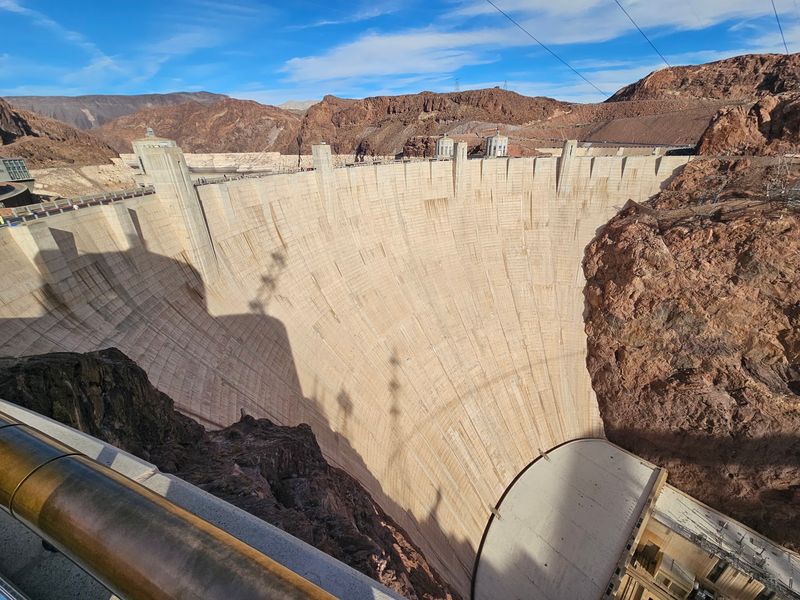
Standing on top of Hoover Dam and knowing one foot is in Nevada while the other is in Arizona is the kind of travel moment that actually lives up to the hype. Completed in 1936, this concrete arch-gravity dam stretches 1,244 feet across Black Canyon and rises 726 feet above the Colorado River below.
Visitors can walk freely along the dam’s crest, which serves as a public roadway connecting the two states. The views down into the canyon are genuinely striking, and the scale of the structure becomes real when you’re standing directly on top of it.
The dam remains an active federal facility managed by the Bureau of Reclamation, generating hydroelectric power for parts of Nevada, Arizona, and California. Free parking is available in the surrounding area, and tours of the interior are offered for a fee.
The dam itself is open daily to pedestrians.
Shasta Dam, Shasta Lake, California
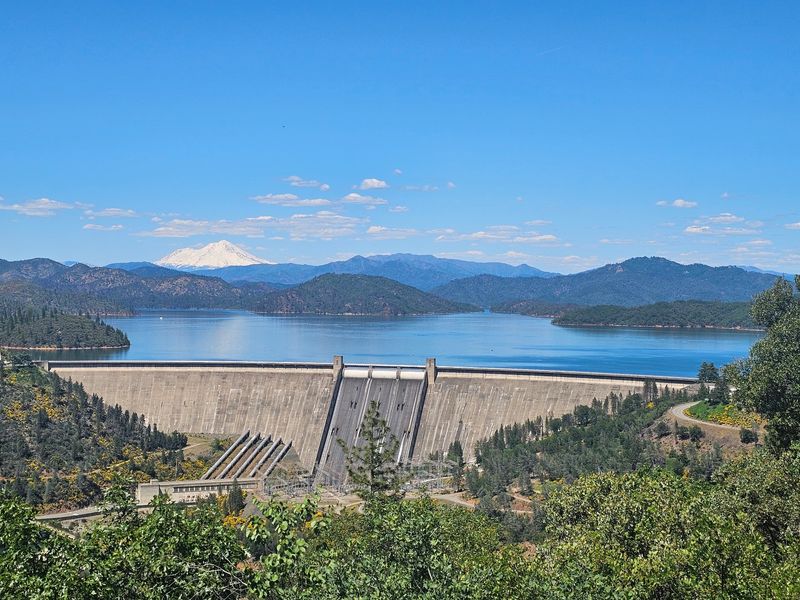
Shasta Dam is one of the largest concrete dams in the United States, and it gives visitors a rare chance to walk across the top and then descend into the structure itself on a guided tour. The dam was completed in 1945 as part of California’s Central Valley Project, and it still plays a central role in managing the state’s water supply.
The crest walk offers views over Shasta Lake, the largest reservoir in California, as well as the surrounding mountains and the Sacramento River canyon below. On a clear day, Mount Shasta is visible in the distance.
Guided tours run regularly and are offered free of charge by the Bureau of Reclamation. The tours take visitors inside the dam’s tunnels and galleries, which adds a layer of experience that most dam visits don’t include.
The visitor center near the dam provides background on its construction history and ongoing operations.
Hungry Horse Dam, Hungry Horse, Montana
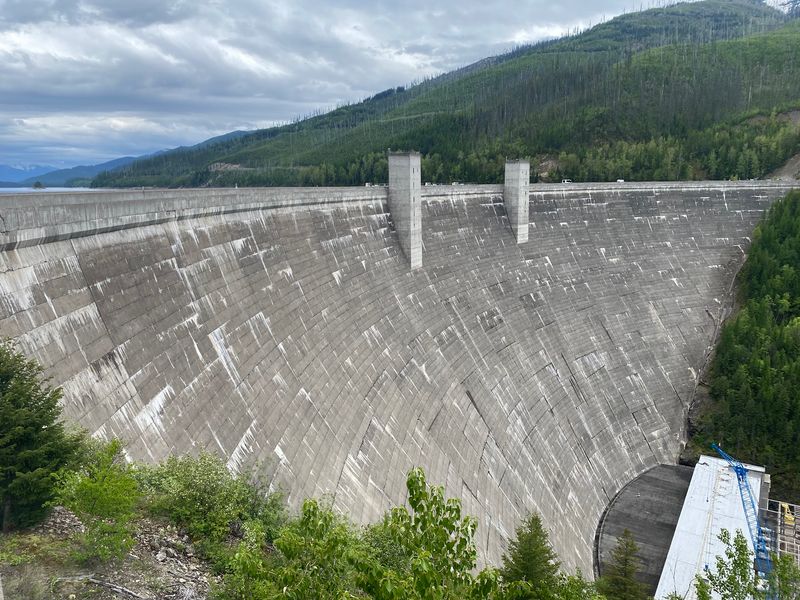
Hungry Horse Dam sits in a forested valley near Glacier National Park, and the drive out there alone makes the trip feel worthwhile. The Bureau of Reclamation confirms that the dam crest is currently open to pedestrians and vehicles, even while the visitor center remains closed for summer 2026.
The dam rises 564 feet above the Flathead River and stretches 2,115 feet across the canyon, making it one of the larger concrete arch dams in the country. Walking across the top puts you directly above the reservoir, with views stretching into the Swan Range and the surrounding Flathead National Forest.
Hungry Horse Reservoir is popular for boating and fishing, and the area around the dam sees steady traffic from people heading into the national forest. If you’re already visiting Glacier, this is a reasonable side trip that adds a different kind of perspective to the landscape.
Fontana Dam, Fontana Village, North Carolina
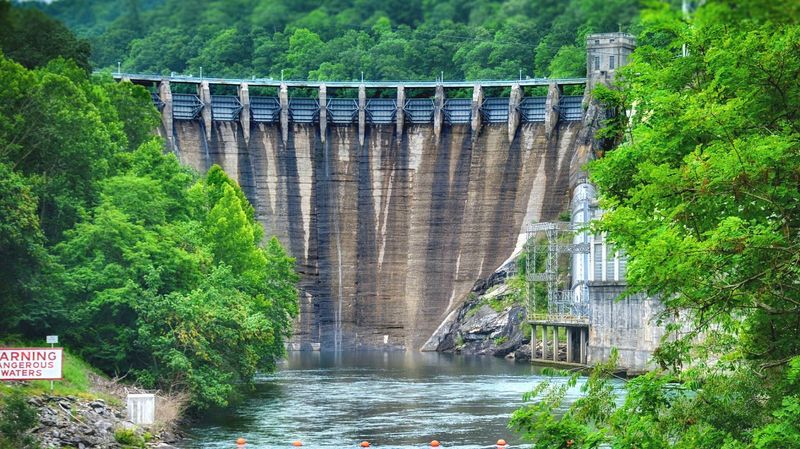
Fontana Dam has a detail that sets it apart from almost every other dam in the country: the Appalachian Trail crosses directly over its crest. Completed in 1945, this Tennessee Valley Authority dam rises 480 feet, making it the tallest concrete dam east of the Mississippi River.
Thru-hikers on the AT pass over Fontana Dam as part of the official trail route, heading toward Great Smoky Mountains National Park. Day visitors can also walk across the top, taking in views of Fontana Lake and the surrounding Nantahala National Forest ridgelines.
The TVA operates a visitor center at the site, and the Fontana Village Resort nearby offers lodging for those who want to spend more time in the area. The dam is located in a remote part of western North Carolina, so plan for a longer drive from most cities.
The reward is a dramatic, quiet setting that feels genuinely off the beaten path.
Buffalo Bill Dam, Cody, Wyoming
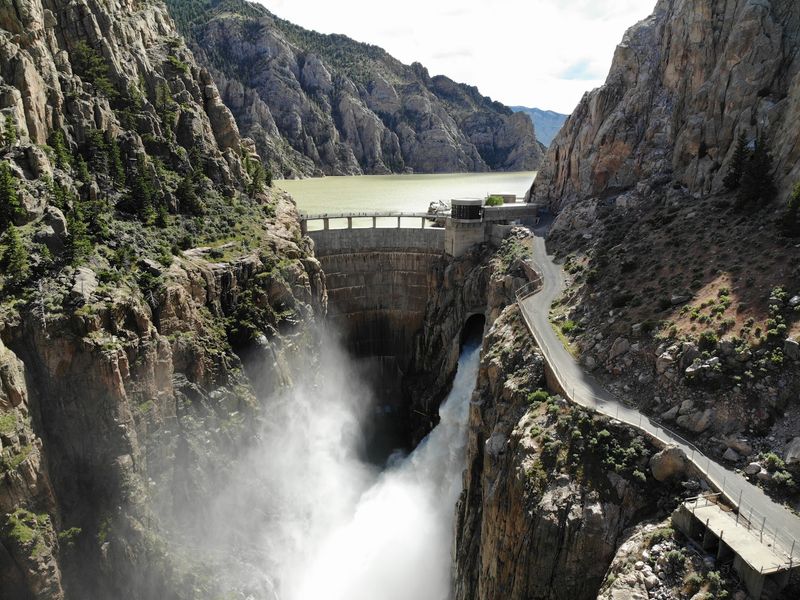
When Buffalo Bill Dam was completed in 1910, it was the tallest dam in the world. That record didn’t last forever, but the dam itself is still standing, still operating, and still welcoming visitors who want to walk across its narrow crest above the Shoshone River canyon.
The drop from the top to the river below is dramatic, and the canyon walls on either side close in tightly, which makes the walk feel more intense than the dam’s 325-foot height might suggest on paper. The visitor center at the site covers the dam’s construction history, its connection to the Bureau of Reclamation’s early irrigation projects, and its ties to the Buffalo Bill name.
Admission to the visitor center is free, and the dam is located just a few miles west of Cody along the road toward Yellowstone National Park. Many visitors stop here on the way in or out of the park, which makes it an easy addition to a Wyoming road trip.
New Germany Lake Dam, Grantsville, Maryland
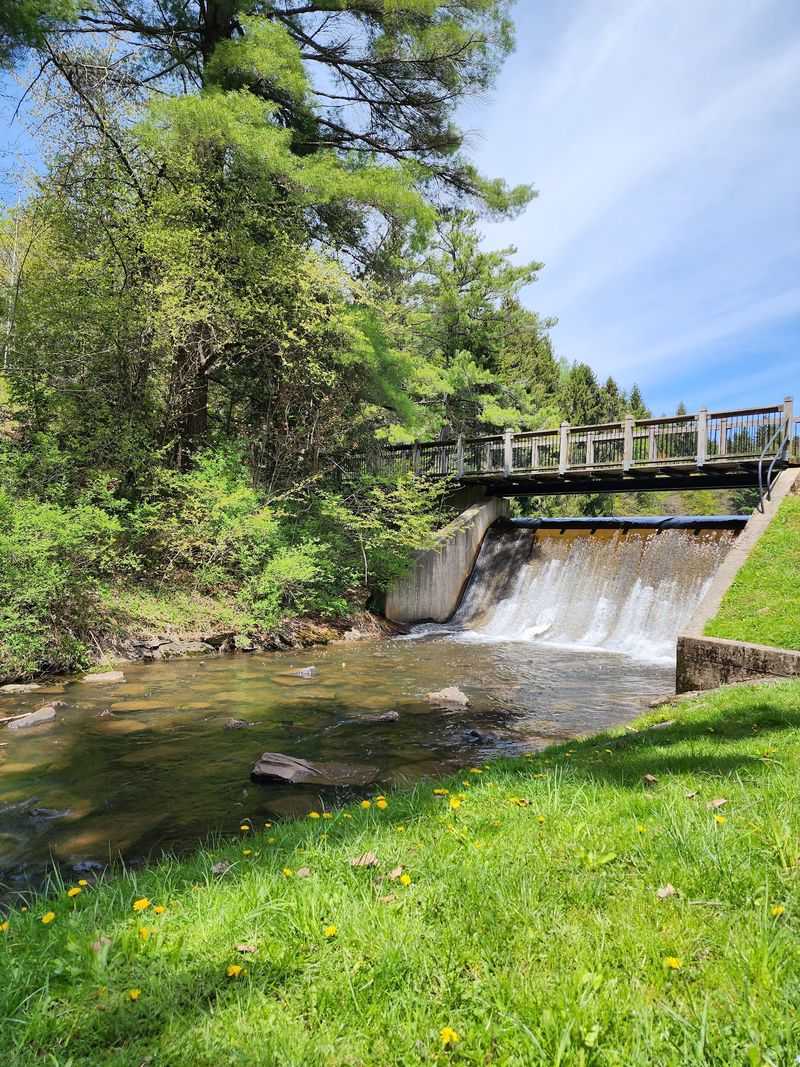
New Germany State Park in Grantsville, Maryland, has a self-guided walking tour that specifically routes visitors across the dam, from the Lake House area toward the beach on the opposite side. The Civilian Conservation Corps rebuilt this dam in 1933, and the park itself reflects much of the infrastructure the CCC left behind in the region.
The lake is a focal point of the park, offering paddling, fishing, and swimming during warmer months. The dam crossing is a short but pleasant section of the walk, with water visible on both sides depending on the season and water level.
New Germany is located in Garrett County in western Maryland, near the Pennsylvania border and not far from Deep Creek Lake. The surrounding Savage River State Forest adds significant hiking and mountain biking terrain for visitors who want to extend their stay.
The park is open year-round, though facilities and programs vary by season.
Holliday Lake Dam, Appomattox, Virginia
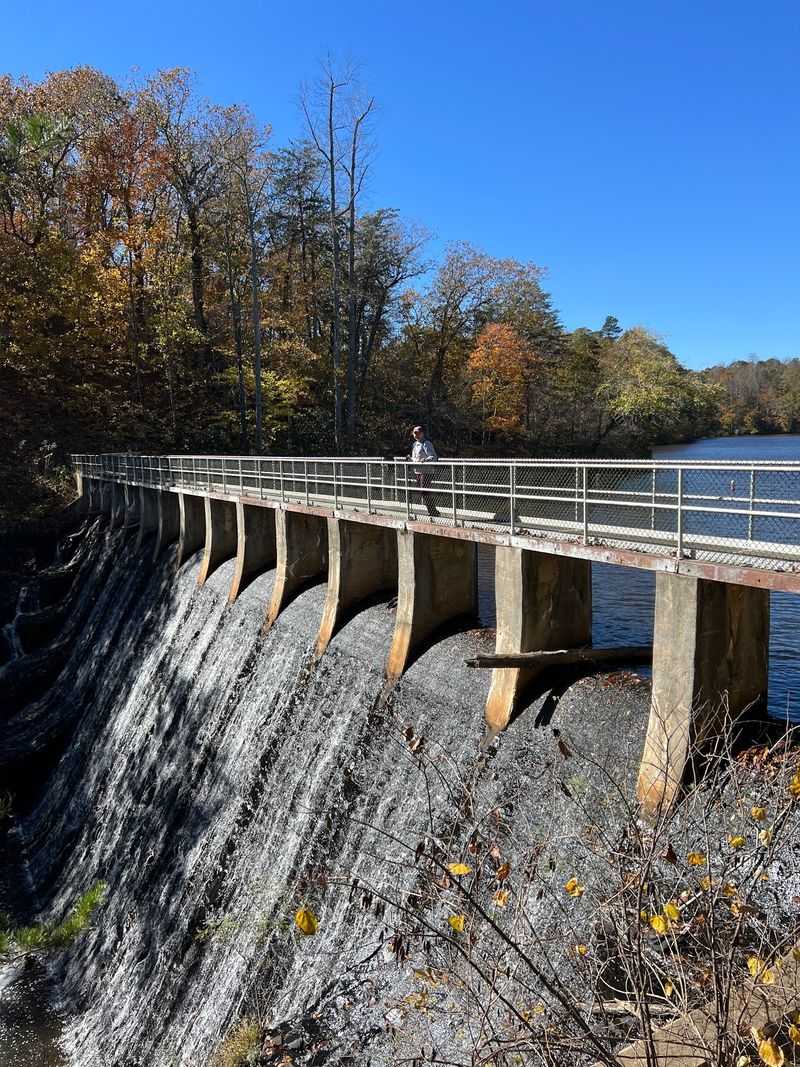
Holliday Lake was created in the late 1930s, and the park around it has been welcoming visitors ever since. The Lakeshore Trail at Holliday Lake State Park in Appomattox, Virginia, routes hikers directly over the dam walkway, which Virginia State Parks specifically describes as part of the trail experience.
The lake sits in a quiet, wooded section of the Appomattox-Buckingham State Forest, and the setting feels genuinely removed from busier parts of the state. Fishing is popular here, and the park offers a swimming beach and boat rentals during the summer season.
The dam crossing on the Lakeshore Trail gives hikers a brief open-air pause in an otherwise shaded woodland walk. Holliday Lake State Park is a smaller facility, which keeps the atmosphere relaxed and uncrowded on most visits.
For anyone exploring the Appomattox region, which already draws visitors for its Civil War history, the state park adds a natural counterpoint worth building into the day.
Grand Coulee Dam, Grand Coulee, Washington
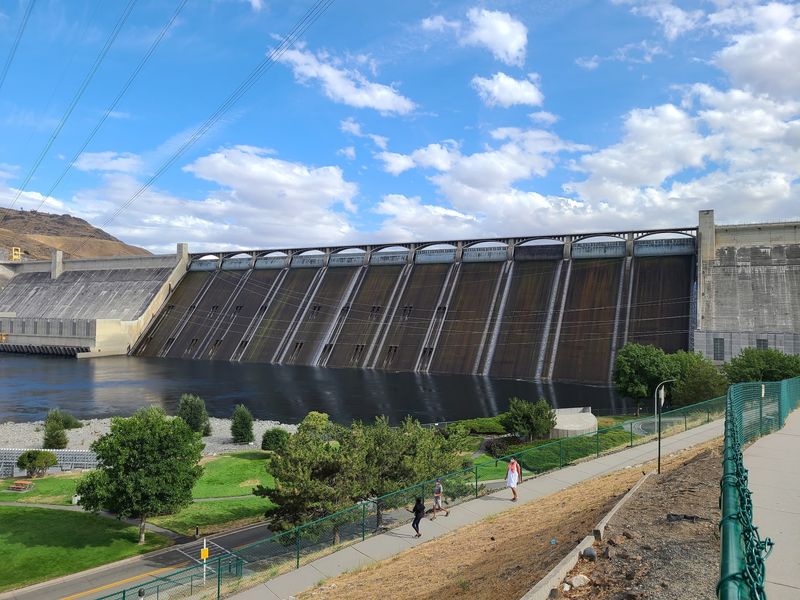
Grand Coulee Dam is the kind of place that makes your jaw drop before you even reach the overlook. Built during the Great Depression and completed in 1942, it is one of the largest hydroelectric dams ever constructed in the United States.
The dam stretches nearly a mile across the Columbia River and generates enough power to light millions of homes.
Visitors can walk along the top during guided tours offered by the U.S. Bureau of Reclamation.
Every summer evening, the dam hosts a free laser light show projected onto its face, making it one of the most unique after-dark attractions in the Pacific Northwest.
Glen Canyon Dam, Page, Arizona
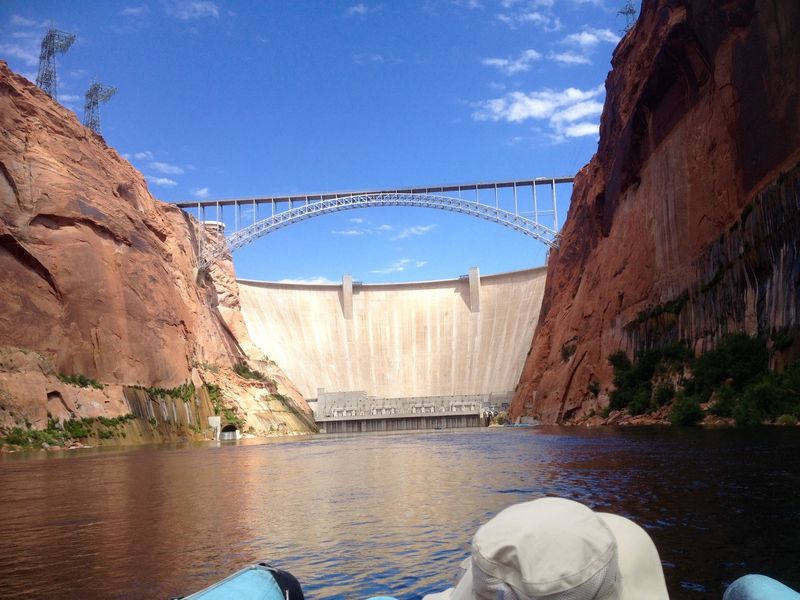
Few dam views on earth match the sheer color drama of Glen Canyon Dam, where turquoise Lake Powell presses against towering red sandstone walls. Completed in 1966, this 710-foot concrete arch dam sits on the Colorado River near the Arizona-Utah border.
A paved walkway on the Carl Hayden Visitor Center bridge lets you peer straight down into the canyon below.
Free guided tours take you inside the dam itself, through tunnels carved directly into the canyon walls. The surrounding Page, Arizona area also gives easy access to Antelope Canyon and Horseshoe Bend, making this a natural hub for an epic Southwest road trip.
Diablo Dam, Newhalem, Washington
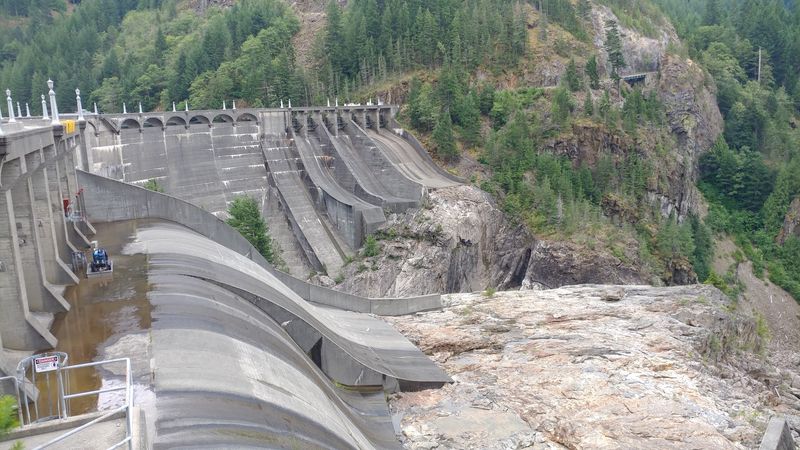
Tucked deep inside the North Cascades, Diablo Dam sits above one of the most strikingly colored lakes you will ever see. Diablo Lake glows a surreal turquoise blue year-round, a result of glacial flour suspended in the water.
The dam itself, completed in 1930, rises 389 feet and was once the tallest dam in the world.
Seattle City Light operates the dam and offers summer boat tours and guided hikes that let visitors walk across the structure. The surrounding North Cascades scenery adds layers of drama to every view.
Getting here requires a scenic drive through Newhalem that is worth the trip on its own.
Bonneville Lock and Dam, Cascade Locks, Oregon
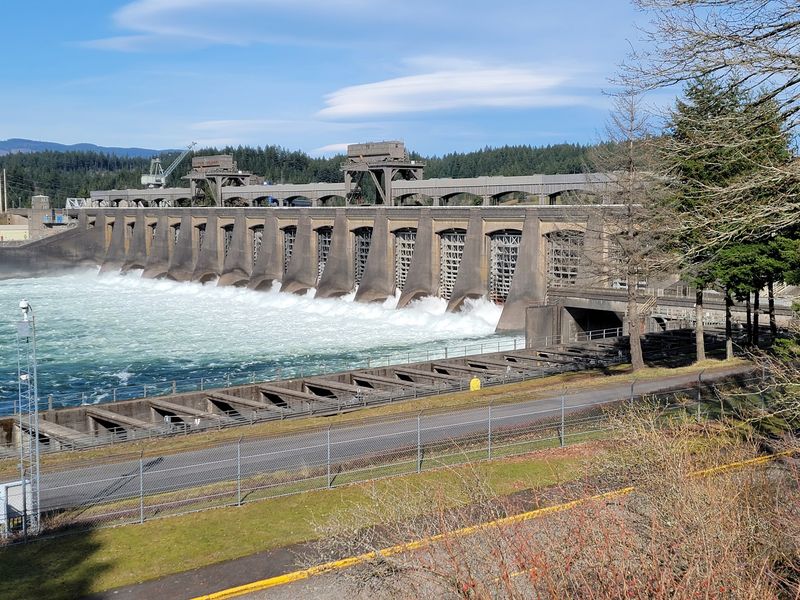
Bonneville Lock and Dam has a special place in American history as the first federal dam built on the Columbia River, completed in 1938 as part of the New Deal era. Straddling the Oregon-Washington border inside the scenic Columbia River Gorge, the dam complex includes free visitor centers on both sides of the river.
Walking across the Bradford Island facility gives you a close look at working navigation locks and fish ladders.
The fish ladders are a genuine highlight, letting visitors watch salmon and steelhead making their upstream journey through underwater viewing windows. Admission is free, and the interpretive exhibits make this a great family stop.
Share this story