Arkansas is full of surprises, and the best ones rarely cost much at all. Across the state, you can find ancient mound complexes, oil boom recreations, world-class art museums, and even a shrine to one of America’s most beloved childhood toys, all for under $10 a person.
Many of these spots charge nothing at all, which means your only real expense is the drive there. The range here is genuinely impressive: from a 12,000-year-old woolly mammoth to a restored 1872 courthouse sitting near two converging rivers.
Whether your interests lean toward archaeology, fine art, regional history, or just something different to do on a weekend, Arkansas delivers more than most people expect. This list covers 12 attractions that prove a great day out does not have to drain your wallet, and a couple of them might just become your new favorite places in the state.
1. Daisy Airgun Museum, Rogers, Arkansas
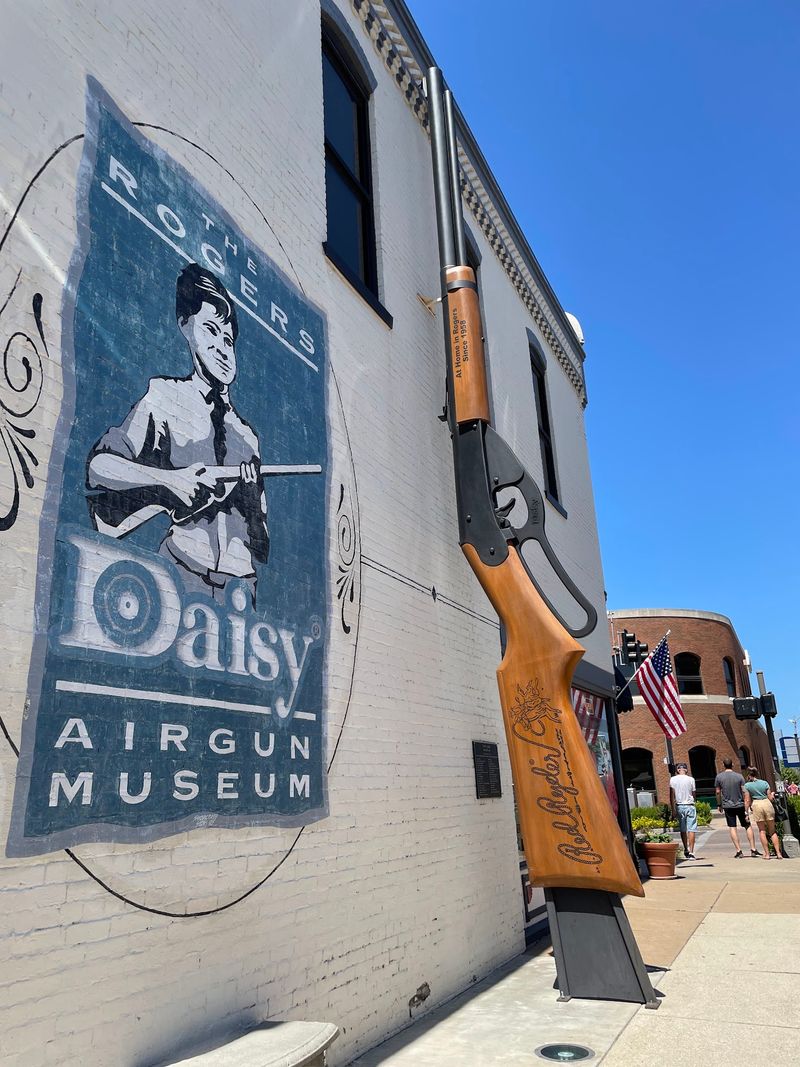
At just $2.50 for adults, few museums in Arkansas deliver this much nostalgic punch per dollar. The Daisy Airgun Museum in Rogers traces more than a century of Daisy’s history through vintage airguns, classic advertising materials, and a collection of memorabilia that most visitors do not expect to find so thoroughly assembled.
The Red Ryder name, familiar to generations of American kids, gets its full story told here, from the early days of the brand to the collectibles that followed. Children under 12 enter free, which makes this a genuinely budget-friendly stop for families.
Each paid admission often includes a limited-edition commemorative medallion, a small detail that gives the visit a tangible souvenir quality. The museum sits in historic downtown Rogers, so it pairs naturally with a walk around the neighborhood.
For anyone who grew up flipping through toy catalogs, this place lands somewhere between a museum and a time machine.
2. Historic Arkansas Museum, Little Rock, Arkansas
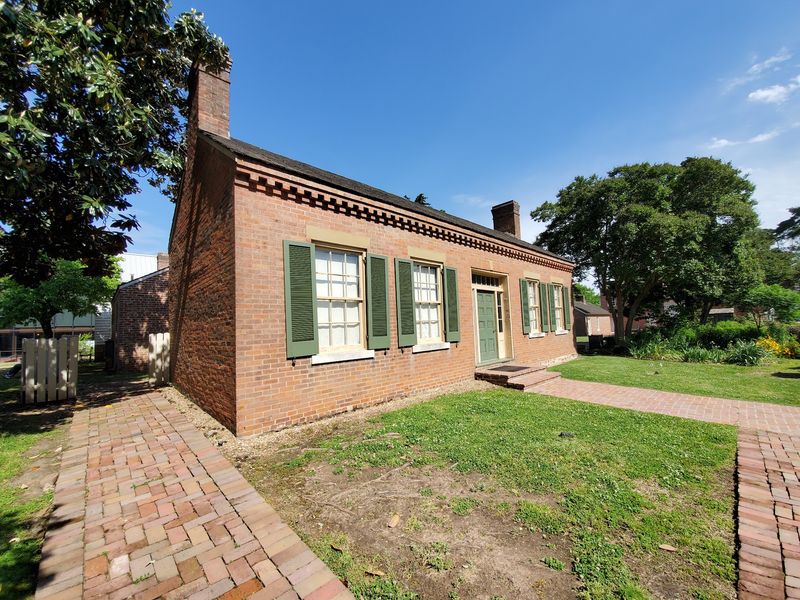
Downtown Little Rock holds an entire historic city block where Arkansas’s earliest urban story comes into focus, and the galleries are completely free to enter. The Historic Arkansas Museum occupies a site that includes the oldest building in Little Rock, an 1850s farmstead, and exhibit spaces dedicated to Arkansas art and frontier history.
Guided grounds tours are available for $2.50 for adults, $1.50 for visitors 65 and older, and $1 for those under 18, keeping costs low across the board. Among the permanent exhibits is “We Walk in Two Worlds,” which presents the history of the Caddo, Osage, and Quapaw tribes through objects and research.
There is also a gallery devoted entirely to the Bowie knife, which turns out to be a more fascinating subject than it first sounds. With restored structures sharing space alongside museum exhibits, the site rewards a slower visit rather than a quick walk-through.
3. Arkansas Museum of Natural Resources, Smackover, Arkansas
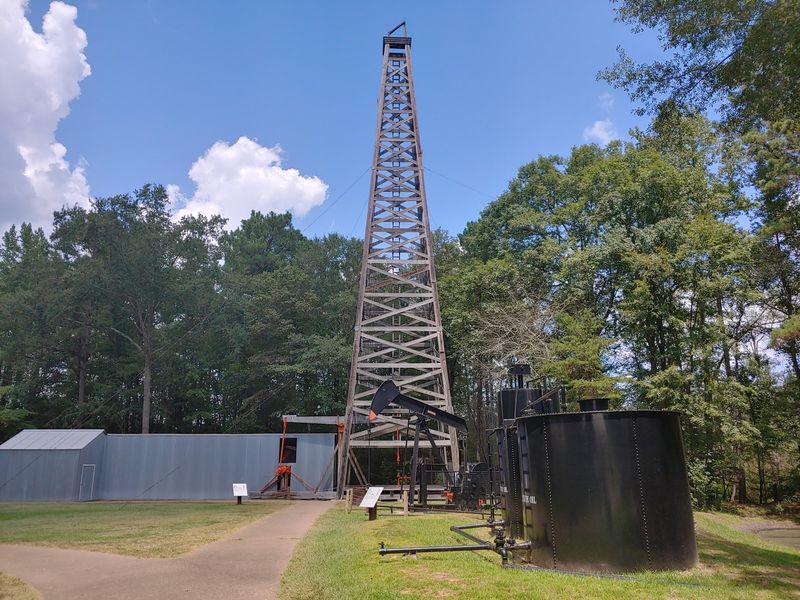
Arkansas had its own roaring oil boom in the 1920s, and this free museum in Smackover does an excellent job of making that history feel concrete rather than distant. Outside, visitors encounter working replicas of oil machinery, including an oil well, a pumping rig, and a 112-foot replica derrick that is genuinely hard to ignore.
Inside, the museum recreates a full boom-era street scene, complete with storefronts, a jail, a newspaper office, vintage vehicles, and mannequins in period clothing. The combination of towering outdoor equipment and a recreated indoor town gives the place an unusual depth for an attraction with no admission charge.
An elevator inside the museum simulates a journey through geological time, which sounds gimmicky but actually works well as an educational feature. Exhibits also cover the geological formations where oil and brine are found, rounding out the story beyond the drama of the boom years themselves.
4. Museum of Native American History, Bentonville, Arkansas
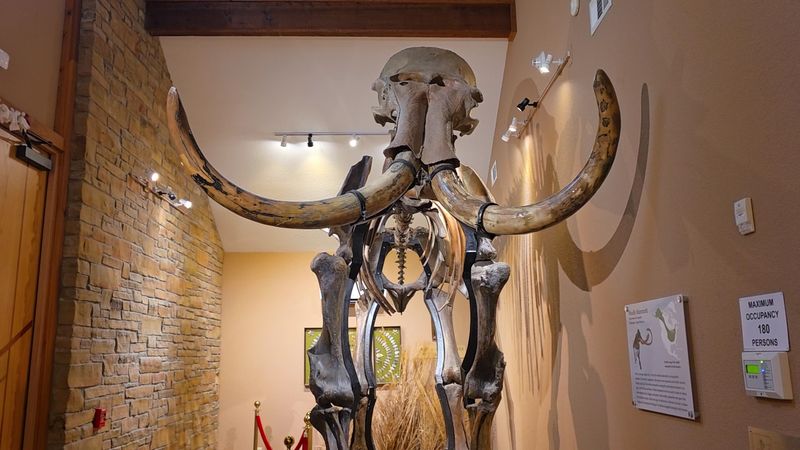
Ten thousand artifacts is a lot to fit into one building, but the Museum of Native American History in Bentonville manages it without feeling cluttered. Its galleries are organized chronologically, guiding visitors through thousands of years of Indigenous history across different eras and regions of the Americas.
One of the collection’s standout pieces is Tusker, a 12,000-year-old woolly mammoth that anchors the earliest section of the timeline. General admission is free for all visitors, which makes the sheer scope of the collection even more remarkable.
The museum’s approach to presenting Native American history is broad rather than narrowly regional, offering context that connects local artifacts to a much larger continental story. Families with curious kids tend to do well here, since the collection gives younger visitors something visually striking to anchor each historical period.
It is the kind of museum that earns a longer visit than most people plan for.
5. Plum Bayou Mounds Archeological State Park, Scott, Arkansas
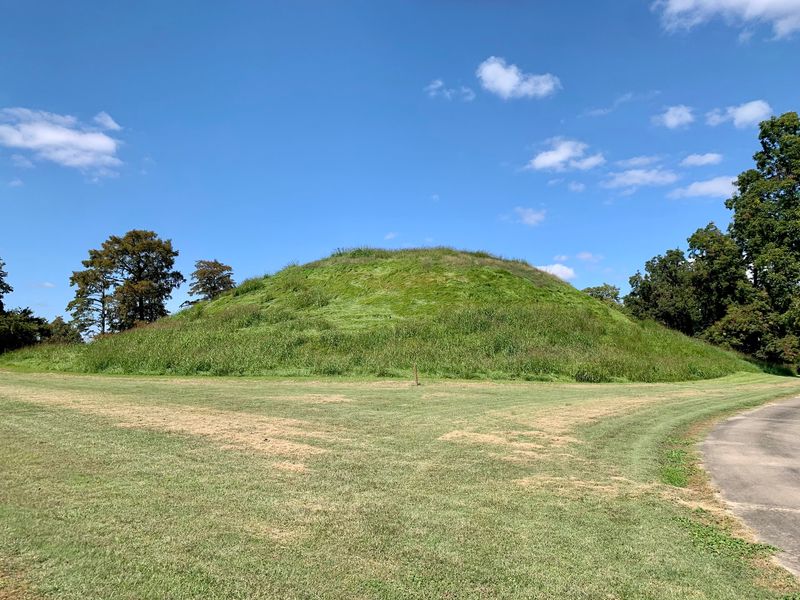
Rising from the Arkansas landscape with quiet authority, the earthworks at Plum Bayou Mounds are the largest and most complex mound site in the entire state. Built more than 1,000 years ago by the Plum Bayou culture, this ceremonial center preserves a chapter of Arkansas history that most visitors know very little about before they arrive.
Trails lead around the surviving mounds and archaeological areas, giving the visit a physical, exploratory quality that a traditional museum cannot replicate. Guided walking tours have been priced at $5 for adults and $4 for children ages 6 to 12, with younger children admitted free.
General park entry, including hiking and picnicking, follows the standard Arkansas State Parks policy of no charge. The scale of the earthworks tends to shift visitors’ sense of what pre-Columbian Arkansas actually looked like, which is exactly the kind of perspective shift that makes a site worth visiting in the first place.
6. Arkansas Museum of Fine Arts, Little Rock, Arkansas
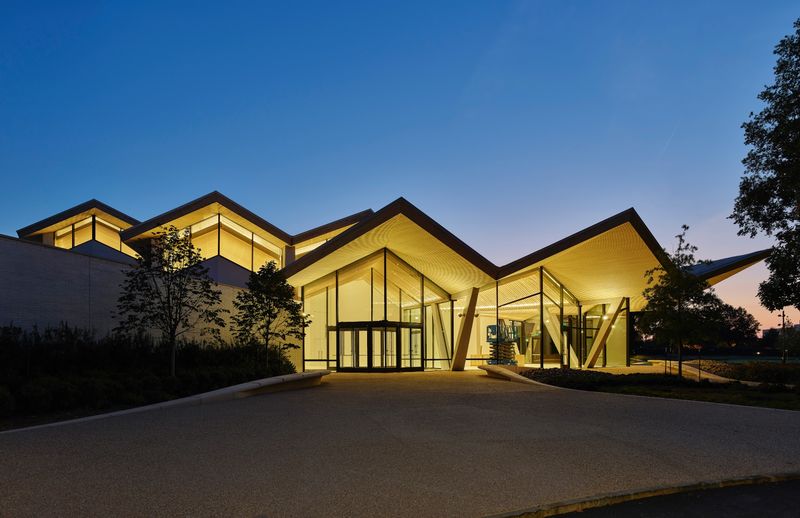
Not every free museum earns its place on a must-visit list, but the Arkansas Museum of Fine Arts in Little Rock genuinely does. Its contemporary building in MacArthur Park is itself a reason to show up, with architecture that makes the approach to the galleries part of the experience rather than just a preamble to it.
General admission is free, and the galleries rotate changing exhibitions alongside works from the permanent collection, which means repeat visits tend to turn up something new. The mix of established and emerging work keeps the programming from feeling static.
The museum works equally well as a deliberate cultural outing or as an easy addition to a broader day in downtown Little Rock. Groups tend to split naturally here, with some visitors spending time in the galleries while others settle into the park surroundings outside.
Either way, the price of admission makes any level of engagement feel like a good deal.
7. Hampson Archeological Museum State Park, Wilson, Arkansas
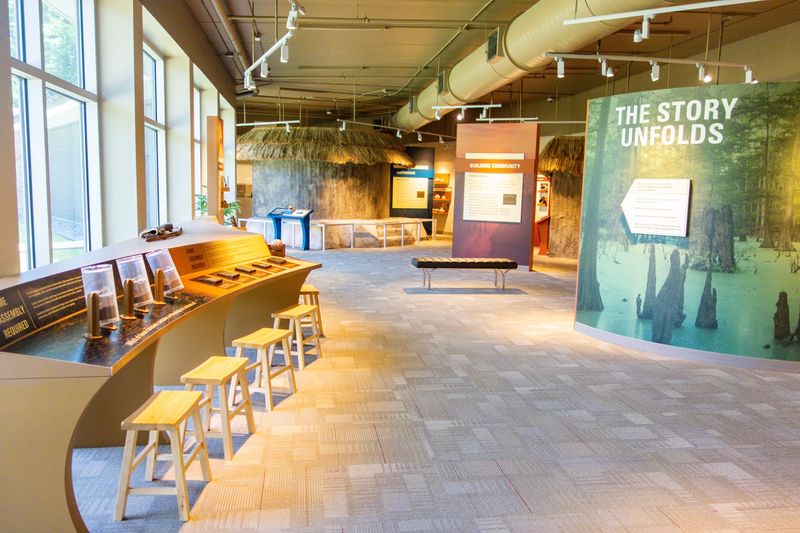
Wilson’s handsome town square is not the most obvious place to find a world-class archaeological collection, but that is part of what makes Hampson Archeological Museum State Park worth the detour. Built around artifacts recovered from the Nodena site, the museum interprets the lives of Indigenous people who lived along the Mississippi River in what is now northeast Arkansas.
Admission is free, consistent with Arkansas State Parks policy, and the compact setting means visitors can cover the collection thoroughly without a full-day commitment. The artifacts give the exhibits a strong sense of place, grounding the archaeology in a specific landscape rather than presenting it as something abstract or remote.
Wilson itself has undergone a thoughtful revitalization in recent years, so the museum pairs well with a walk around the square and a stop at one of the local businesses. For Delta road trip planners, this is one of those stops that punches well above its size.
8. Shiloh Museum of Ozark History, Springdale, Arkansas
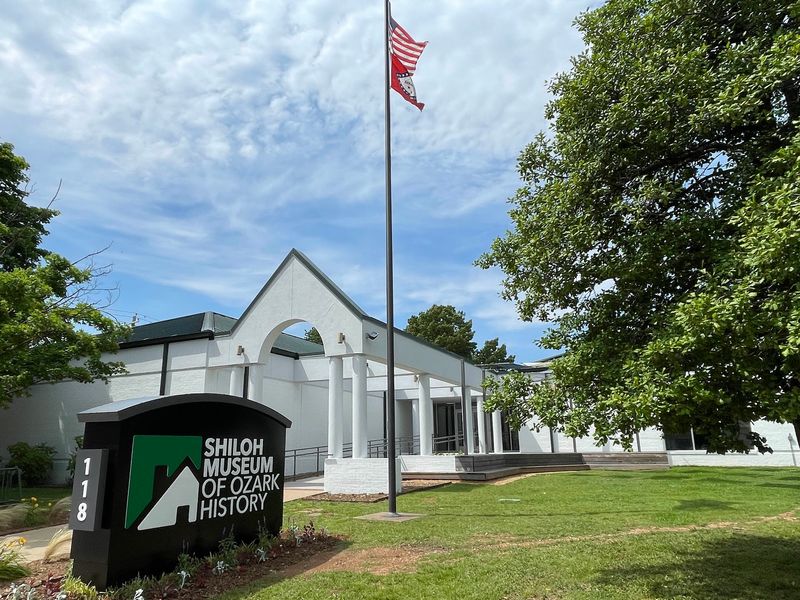
Northwest Arkansas gets plenty of attention for its modern art scene and culinary reputation, but the Shiloh Museum of Ozark History in Springdale makes a strong case for slowing down and looking at how the region actually developed. Admission is free, and the exhibits cover the people and industries that shaped the Arkansas Ozarks in ways that feel specific rather than generic.
The museum campus includes historic buildings that help put everyday regional life into physical context, moving the story beyond display cases and into actual structures. The collection behind the scenes is also substantial, holding more than half a million historic images, even if only a portion are on view at any given time.
Travelers who are already in the area for Crystal Bridges or a Razorbacks game often overlook this museum entirely, which is a missed opportunity. It offers a grounded, well-organized look at the Ozarks that complements the region’s more widely advertised attractions without competing with them.
9. Parkin Archeological State Park, Parkin, Arkansas
Archaeological sites connected to Hernando de Soto’s 1541 expedition are rare, and Parkin Archeological State Park may be one of them. Evidence suggests the 17-acre Mississippian village once located here beside the St. Francis River could have been a stop on that historic journey, adding a layer of historical intrigue that goes well beyond typical state park signage.
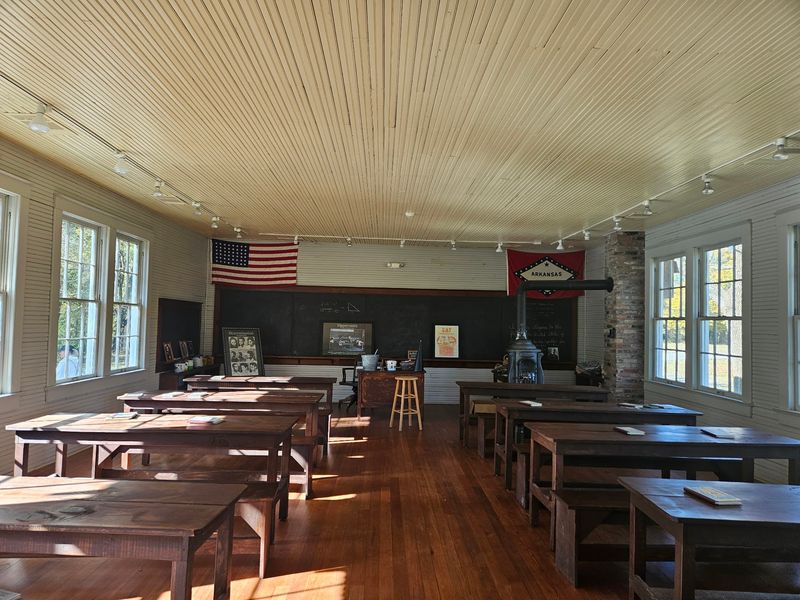
Museum exhibits and self-guided tours are available at no charge, making the site accessible without any planning around ticket prices. The park also preserves the Northern Ohio School, a historic one-room African American schoolhouse that adds a completely separate but equally important thread to the site’s story.
Having two distinct historical narratives coexist in one relatively small park gives Parkin an unusual depth. Visitors who arrive expecting only an archaeology site tend to leave with a broader picture of the community’s history than they anticipated.
That kind of layered storytelling is harder to find than it should be.
10. Jacksonport State Park, Newport, Arkansas
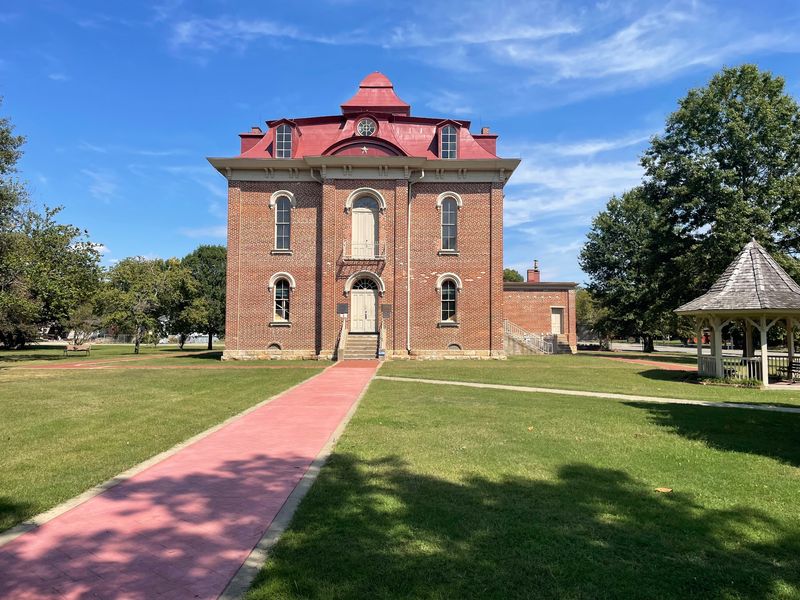
Before the railroads arrived and redirected commercial traffic, Jacksonport was a thriving river port, and its restored 1872 courthouse tells that story with more personality than most county history museums manage. The building now functions as a free museum, with exhibits covering the town’s steamboat era and its complicated role during the Civil War.
The park sits near the confluence of the White and Black rivers, which gives the setting a geographic logic that reinforces the historical narrative about why this location mattered commercially in the first place. A half-mile riverwalk makes it easy to extend the visit beyond the museum itself.
Newport is not a major tourist destination, which means Jacksonport tends to attract visitors who are genuinely curious rather than just checking a box on a regional itinerary. That relaxed atmosphere, combined with a free museum and a scenic riverside location, makes it an easy recommendation for anyone traveling through north-central Arkansas.
11. Lower White River Museum State Park, Des Arc, Arkansas
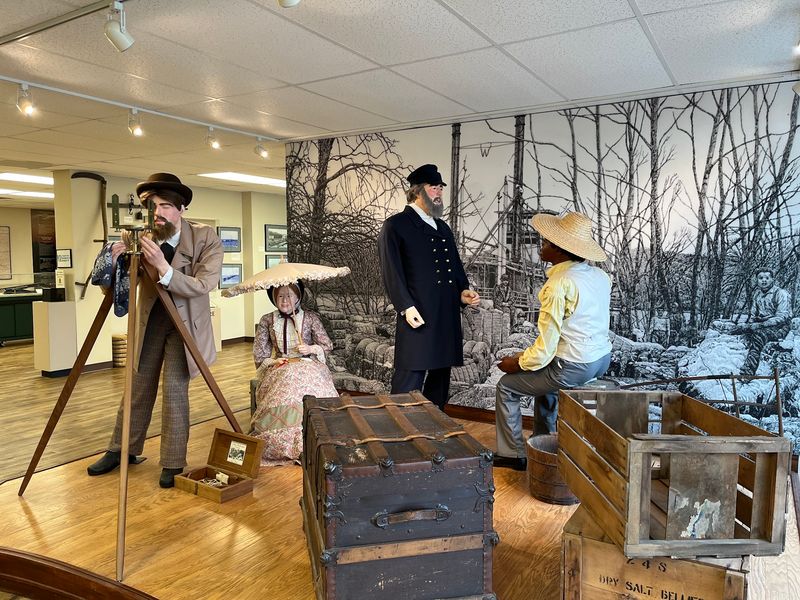
Button making is not a subject that comes up often in Arkansas history tours, but it shows up at the Lower White River Museum State Park in Des Arc, alongside steamboats, timber operations, fishing, and pearling. That range of topics reflects just how economically active the Lower White River corridor was during the state’s frontier period.
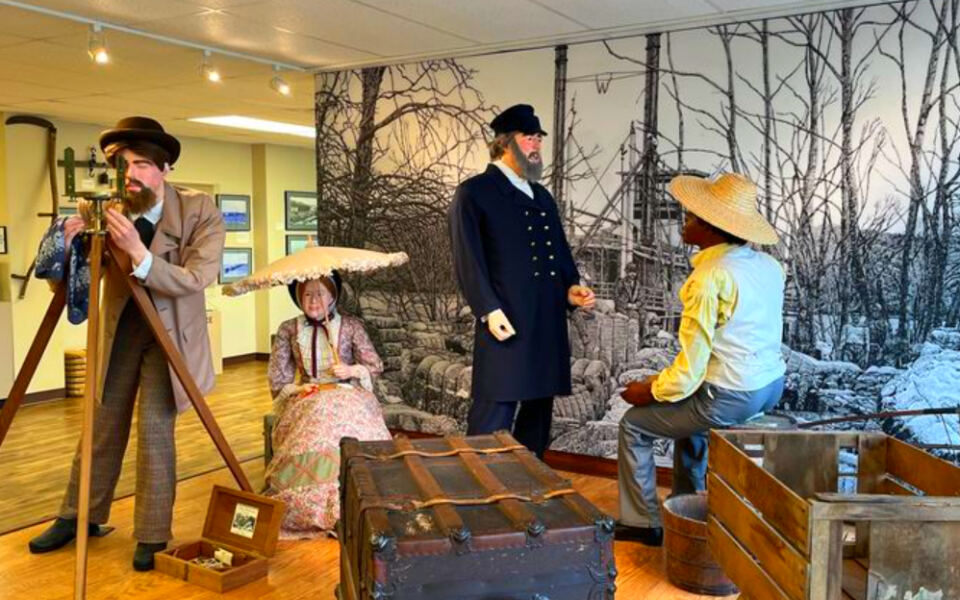
Admission is free, and the exhibits use life-size historical figures, including a steamboat captain, a schoolteacher, and a land surveyor, to give the displays a more immediate, human quality than flat panels alone can provide. The approach works well for visitors of all ages.
Des Arc is a small town, and the museum fits its scale without feeling underfunded or overlooked. Travelers who enjoy discovering how waterways shaped inland American communities will find the Lower White River’s story genuinely engaging.
The museum makes a clear argument that rivers were not just scenic features but the actual economic backbone of early Arkansas settlement.
12. Arkansas Post National Memorial, Gillett, Arkansas
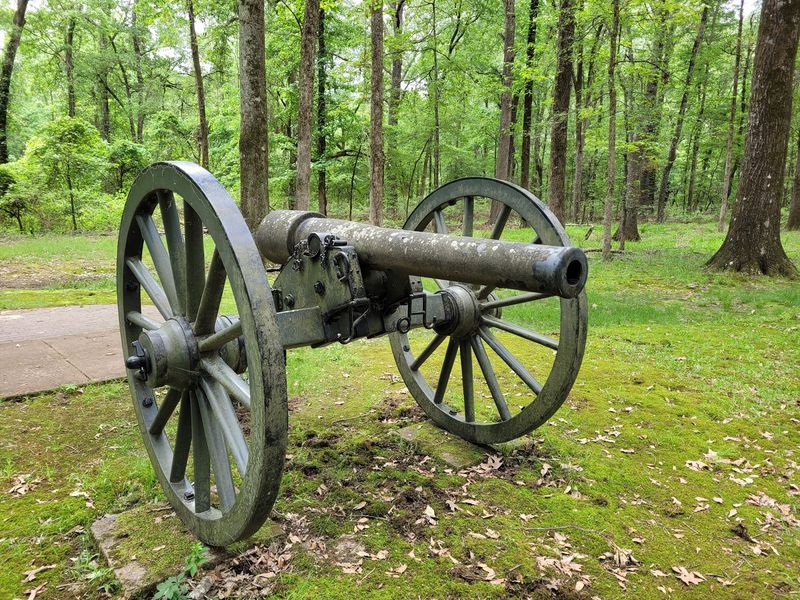
Few places in Arkansas layer as many centuries of history into a single landscape as Arkansas Post. The site traces its origins to a French trading post established in 1686, making it one of the oldest European settlements in the lower Mississippi Valley, and it later became the location of a significant Civil War engagement.
The National Park Service charges no entrance fee, so visitors can explore the trails and interpretive areas without purchasing a pass or planning around ticket costs. The open landscape gives the memorial a contemplative quality that enclosed museums rarely achieve.
Interpretive signage helps connect the different historical periods, which span French colonial activity, Spanish administration, American territorial governance, and the Civil War, into a coherent timeline rather than a confusing pile of dates. The setting near the Arkansas River region adds geographic context to why this particular location attracted repeated attention across so many different eras.
It rewards visitors who arrive willing to read and walk at their own pace.
Share this story