South America is home to lakes that sit high in the Andes, deep in Patagonia, and beside smoking volcanoes. Some are famous for their colors, while others stand out for their culture and wildlife.
Each one offers a different reason to plan a trip. Here are twelve lakes worth putting on your travel list.
1. Lake Titicaca, Peru and Bolivia
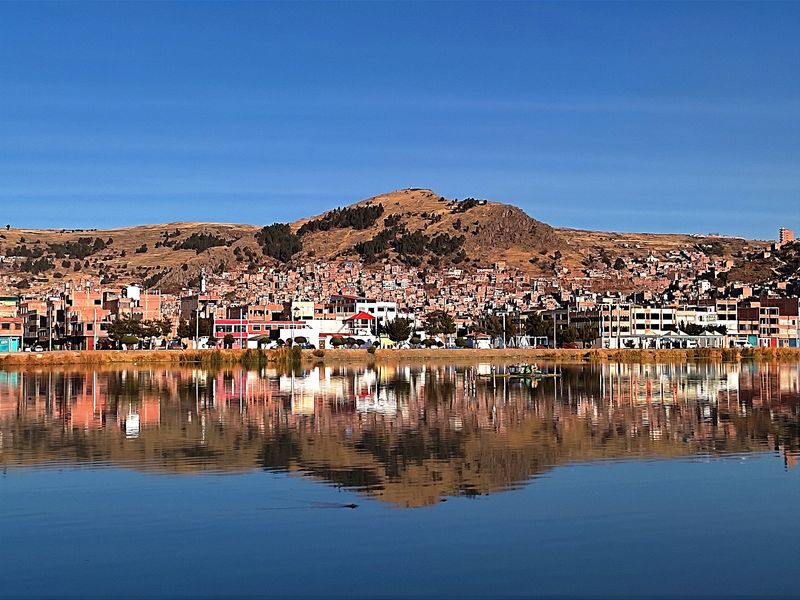
Sitting about 3,800 meters above sea level, Lake Titicaca is often called the highest navigable lake in the world. Its deep blue water stretches across the border between Peru and Bolivia, and the air feels thin and crisp.
Many visitors come for the islands. The Uros people build floating islands from reeds, while Taquile and Amantani offer homestays, terraced hills, and handwoven textiles.
Spending a night with a local family gives a closer look at daily life here.
Plan for the altitude. Spend a day or two in Puno or Copacabana before heading out on the water, drink plenty of fluids, and move slowly.
Pack warm layers, because evenings get cold even in summer. The best weather usually comes between May and September, when skies are clear and sunsets glow orange over the water.
2. Lake General Carrera, Chile and Argentina
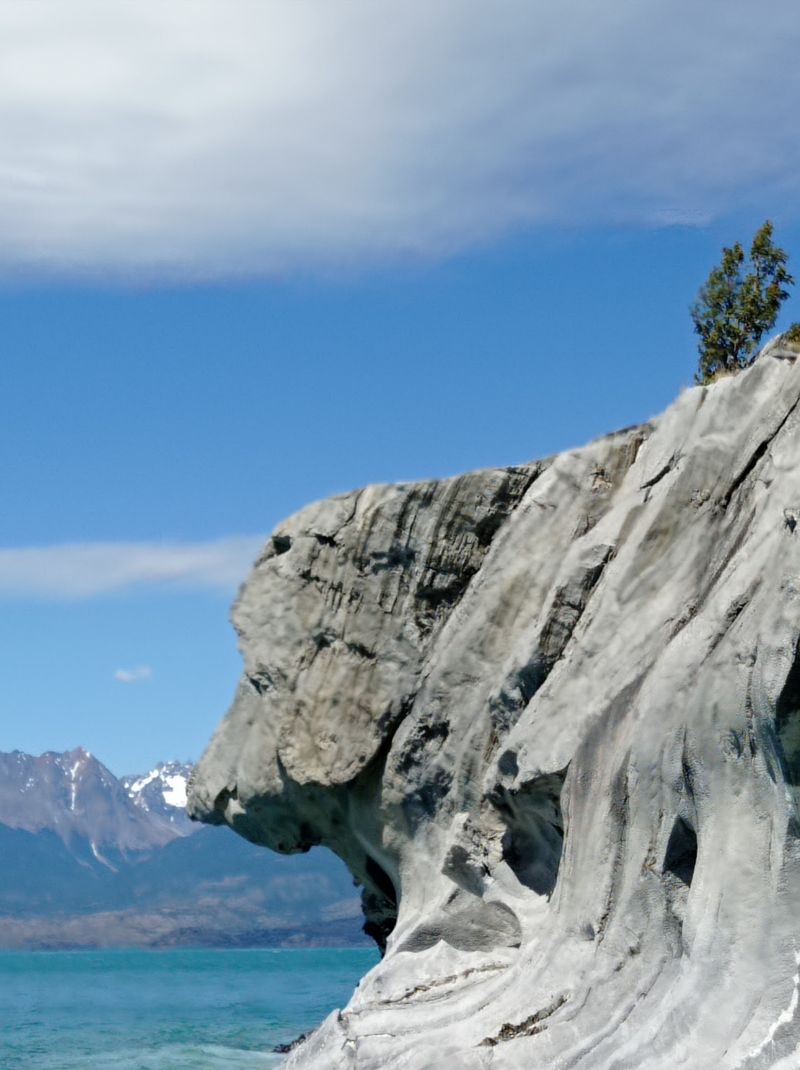
Few lakes change color as dramatically as General Carrera. Glacial silt gives the water a milky turquoise shade that shifts with sunlight and season.
On the Argentine side, the lake is known as Lago Buenos Aires.
The star attraction is the Marble Caves on the Chilean side, near Puerto Rio Tranquilo. Small boats glide through swirling chambers of blue and gray stone, and the reflections on the walls look almost painted.
Morning light is often the most vivid.
Getting here takes effort. The Carretera Austral is a long, partly gravel road, so allow extra days and book lodging early in summer.
Bring a windproof jacket, because Patagonian gusts can be strong. Kayak tours are available for those who want a slower, closer look at the cave walls.
3. Lake Nahuel Huapi, Argentina
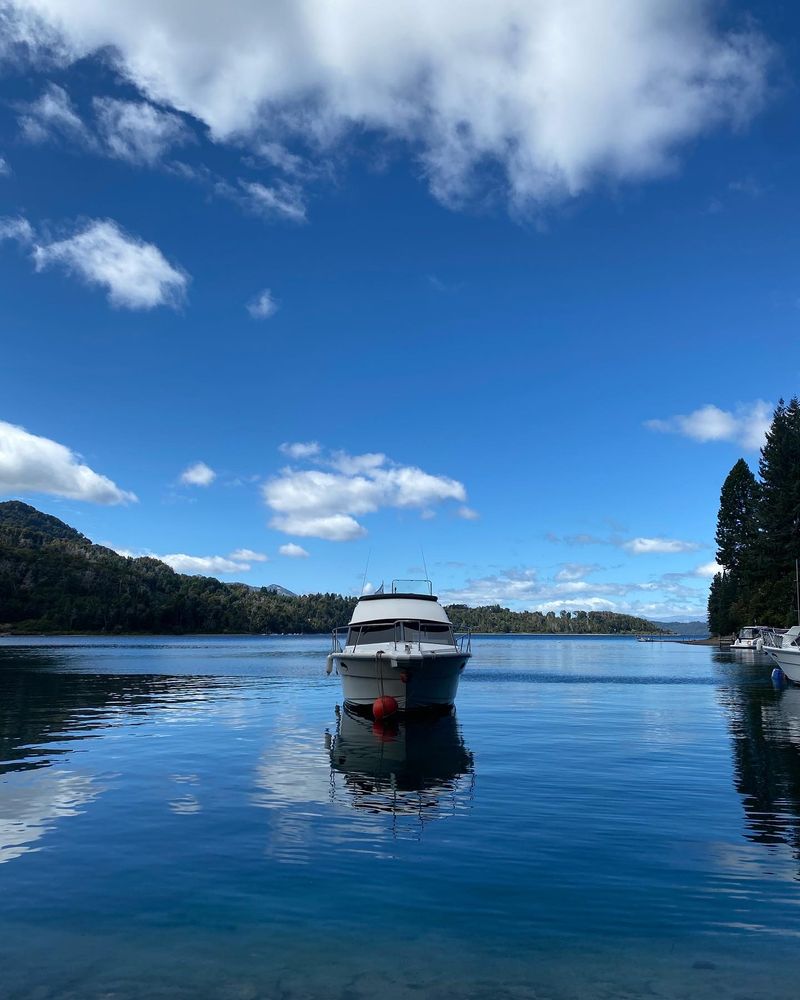
Bariloche travelers often say the lake is the real main attraction. Nahuel Huapi is a large glacial lake carved long ago by ice, and its arms reach into forests, valleys, and mountain slopes in northern Patagonia.
The lake lies inside Nahuel Huapi National Park, one of the oldest in Argentina. Visitors can take boat trips to Isla Victoria, hike to viewpoints, or ride the Circuito Chico, a scenic loop road with lake overlooks.
In winter, nearby Cerro Catedral draws skiers.
Summer is good for swimming in shallow coves, though the water stays cool. Spring and autumn bring fewer crowds and colorful trees.
Try local chocolate in town after a day outside. Weather can shift quickly, so carry a light rain layer whatever the season.
4. Lake Todos los Santos, Chile
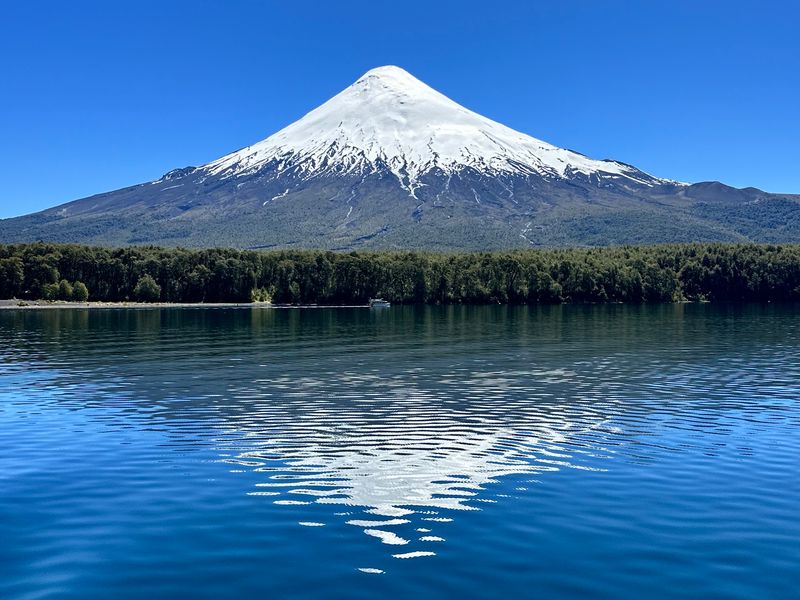
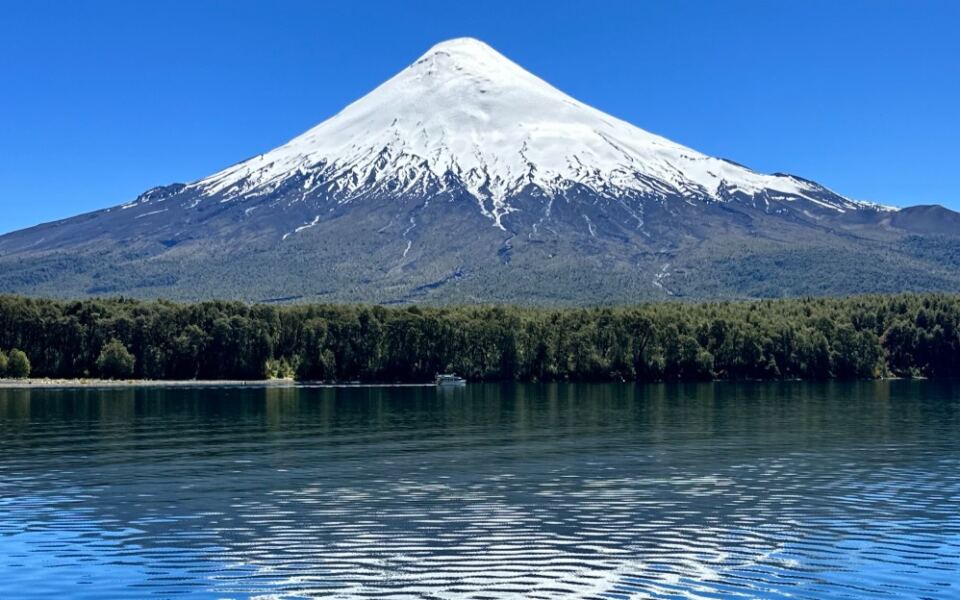
Emerald water and a snowy volcano make a striking pair here. Todos los Santos is the centerpiece of Vicente Perez Rosales National Park, Chile’s oldest national park, and its green color comes from fine glacial particles in the water.
Most trips start from Petrohue, where boats cross the lake toward Peulla. Along the way, Osorno Volcano rises above the shoreline, and Tronador often appears in the distance.
The surrounding rainforest is thick with ferns, bamboo, and tall native trees.
Nearby, the Petrohue Falls are an easy add-on, with short trails over dark volcanic rock. Visit between December and March for the most stable weather, though rain can show up at any time.
A waterproof jacket and sturdy shoes are smart choices. Book boat tickets ahead in peak summer months.
5. Lake Llanquihue, Chile
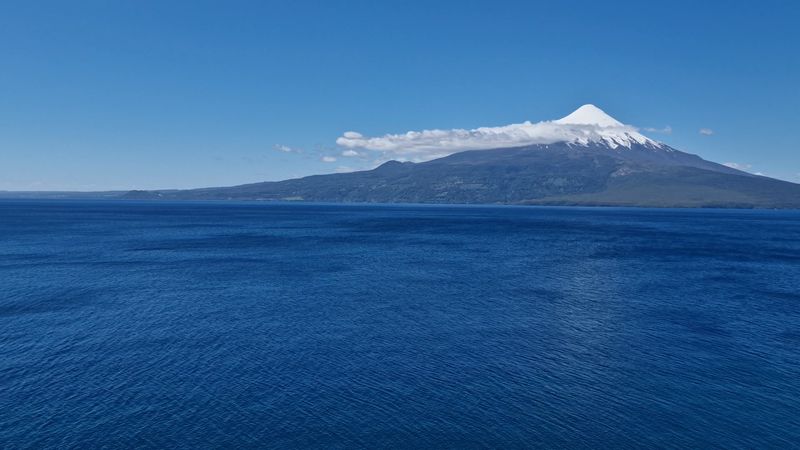
Chile’s second largest lake feels like a quiet seaside, only with volcanoes instead of waves. Llanquihue is wide and calm in the morning, and Osorno Volcano rises from the far shore like a perfect cone.
German settlers arrived here in the 1800s, and their influence is still visible. Frutillar is known for wooden houses, bakeries serving kuchen, and a lakefront theater that hosts music festivals.
Puerto Varas offers cafes, boat rentals, and a lively waterfront.
Drive the road around the lake for changing views, stopping at small beaches and viewpoints. Late afternoon is a lovely time for photos, when the sky turns pink behind the volcano.
Summer brings warm days, but the water remains brisk. A rental car makes it easy to explore at your own pace.
6. Lake Argentino, Argentina
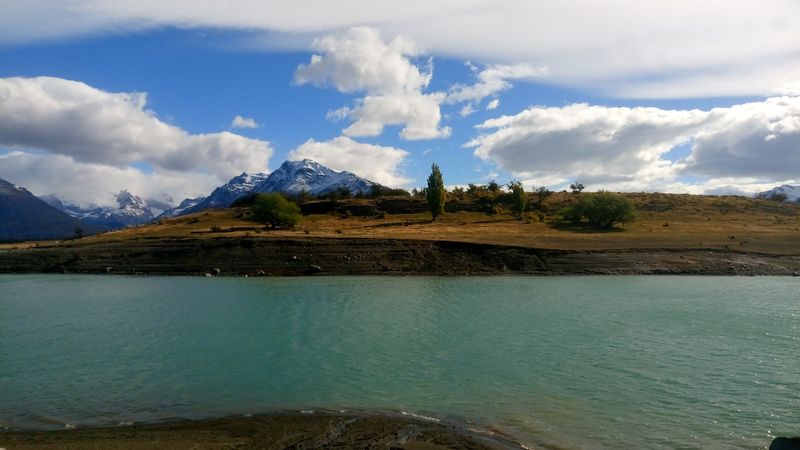
Here is a number worth remembering: Lake Argentino covers roughly 1,400 square kilometers, making it the largest lake in Argentina. Its milky blue water comes from rock flour carried down by glaciers in Los Glaciares National Park.
The lake feeds visitors straight to the Perito Moreno Glacier, where huge walls of ice sometimes crack and crash into the water. Walkways give safe views from across the channel, and boat tours bring you closer to the glacier face.
Other glaciers, such as Upsala and Spegazzini, can be seen on longer trips.
Most travelers base themselves in El Calafate, a small town with an airport and plenty of lodging. Pack layers, gloves, and a hat, since wind off the ice can be cold even in summer.
Early morning visits are often quieter.
7. Lake Paron, Peru
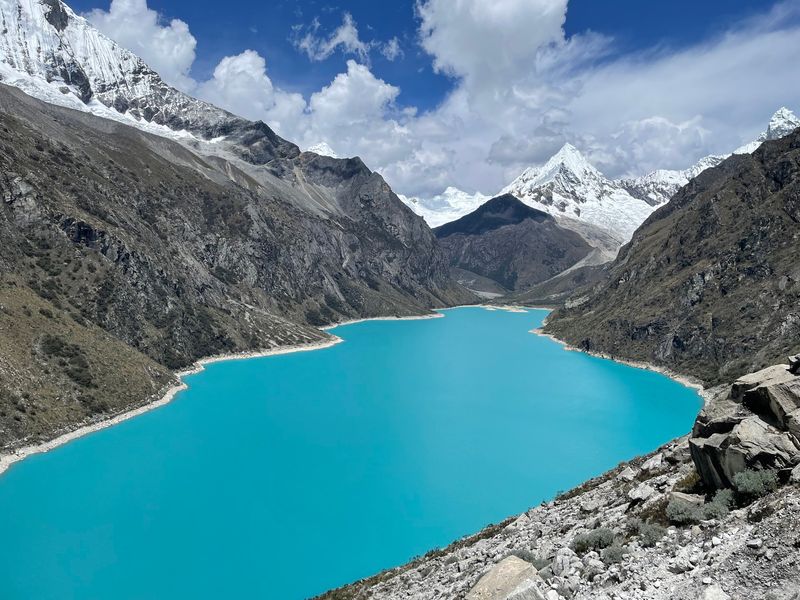
Turquoise so bright it looks edited, yet the color is real. Laguna Paron is the largest lake in the Cordillera Blanca, and mineral-rich glacial meltwater gives it that glowing shade beneath towering snow peaks.
Getting there involves a drive from Caraz, followed by a short walk along a rocky path. The lake sits near 4,200 meters, so take it slowly and carry water.
Peaks like Pyramide de Garcilaso rise above the far shore, and on clear mornings the reflections are sharp.
The dry season, from May to September, offers the best odds for blue skies. Bring sun protection, because the high-altitude light is intense, and a warm jacket for gusty wind.
Entrance fees are collected at the park gate, so keep a little cash. Arriving early helps you beat afternoon clouds.
8. Lake Pehoe, Chile
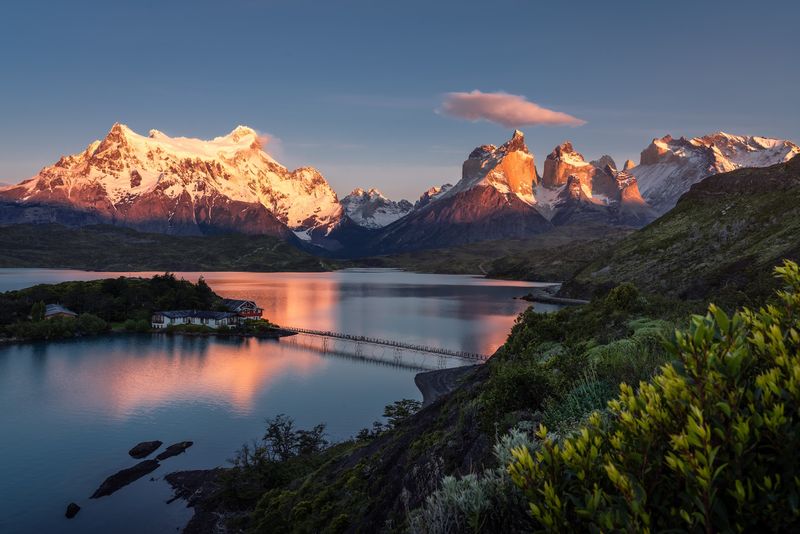
A small hotel perched on a tiny island, jagged peaks behind it, and water in a deep shade of blue: this is the classic Torres del Paine postcard. Lake Pehoe is compact, but the setting makes it unforgettable.
The Paine Massif rises directly behind the lake, including the Cuernos del Paine, whose dark tops sit above pale granite. A footbridge leads to the island, and a catamaran crosses to the trailhead for the Paine Grande area, a popular starting point for hiking routes.
Sunrise and sunset bring warm tones to the peaks, so the lakeshore viewpoint is worth visiting twice. Wind is common, sometimes strong enough to ripple the surface into waves.
Reserve park lodging and campsites well in advance, as spots fill quickly between November and March.
9. Lake Quilotoa, Ecuador
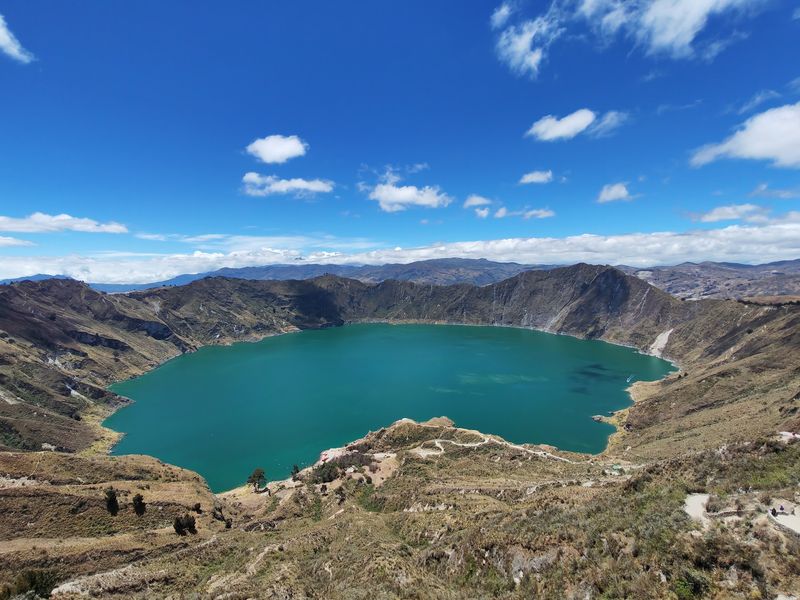
Standing on the rim of Quilotoa feels like peering into a giant bowl of jade. This volcanic crater lake formed after a major eruption collapsed the volcano’s summit, leaving a wide caldera filled with water.
A steep trail drops about 300 meters to the shore, where kayaks can be rented. The climb back up is the hard part, and many people hire a mule for the return.
At nearly 3,900 meters, the air is thin, so take breaks and drink water.
For a longer adventure, hike the Quilotoa Loop, which links small Andean villages with local markets and simple guesthouses. Mornings are usually clearest, before clouds roll over the rim.
Bring warm clothing, a rain jacket, and sun protection, since the weather can swing in a single afternoon.
10. Lake Tota, Colombia
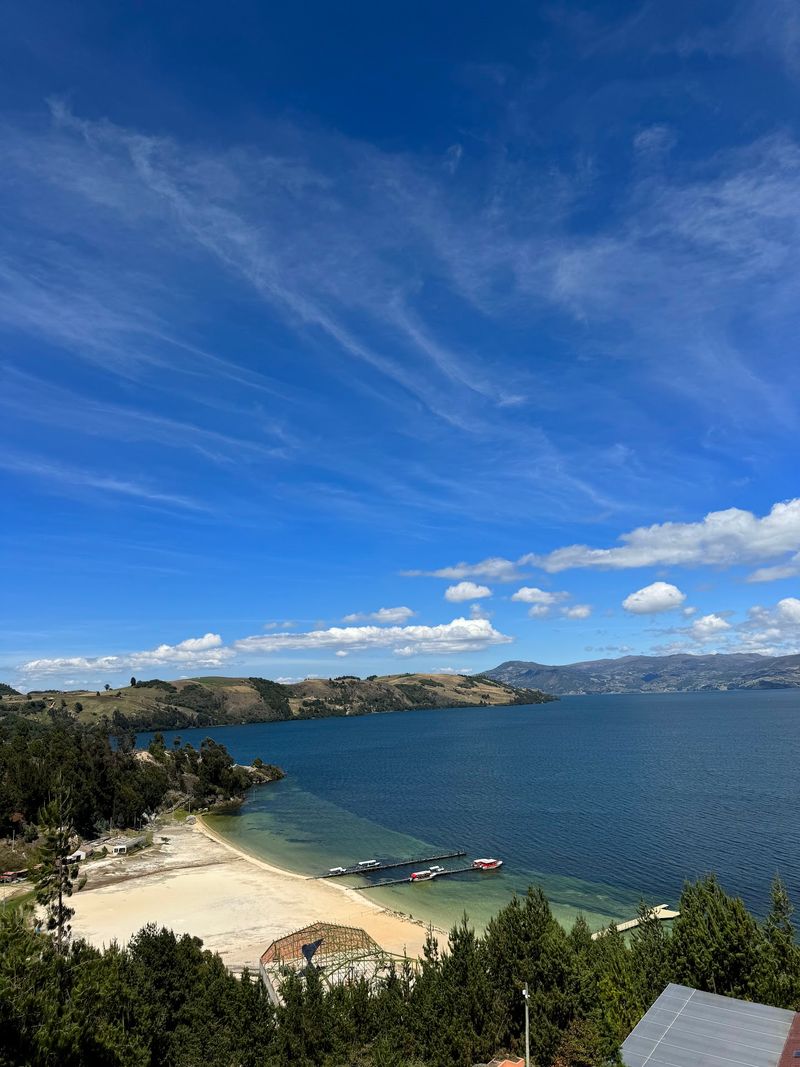
Colombia’s largest lake sits high in the mountains of Boyaca, at about 3,000 meters. Lago de Tota often surprises first-time visitors, because it has a pale sand beach more often linked with the coast.
That beach is Playa Blanca, where shallow, clear water laps against white sand. The water is chilly, so most people wade, walk, or rent a paddle boat rather than swim for long.
Green hills and onion fields wrap around the shoreline, adding patches of color.
Nearby towns such as Aquitania and Sogamoso offer traditional markets and hearty regional food. Trout is a common dish near the lake.
Bring warm layers and sunscreen, since the sun is strong at altitude. The drive from Bogota takes several hours, so many travelers stay overnight to enjoy the area without rushing.
11. Lake Chungara, Chile
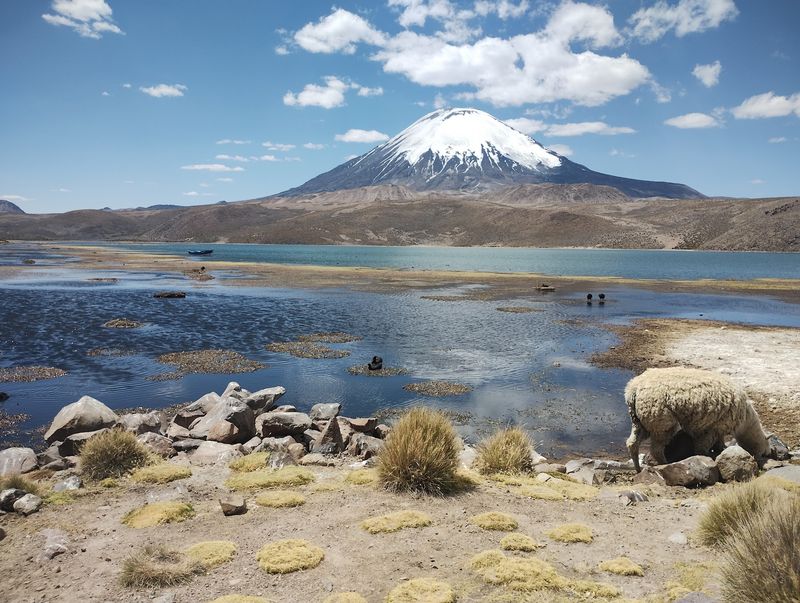
At more than 4,500 meters, Lake Chungara is one of the highest lakes in the world. The thin air makes every step feel slower, but the view rewards the effort: twin volcanoes, Parinacota and Pomerape, reflected on the surface.
The lake lies inside Lauca National Park, a protected area of high plains and wetlands. Wildlife is easy to spot.
Vicunas graze on the grasses, vizcachas bask on rocks, and birds such as flamingos and Andean geese gather near the shore.
Most visitors come from Arica, and a gradual climb helps the body adjust. Spend a night in the village of Putre first if possible.
Bring a warm hat, sunglasses, and plenty of water. Sunlight is strong, and temperatures drop quickly when clouds appear, so dress in layers for the day.
12. Lake Lacar, Argentina
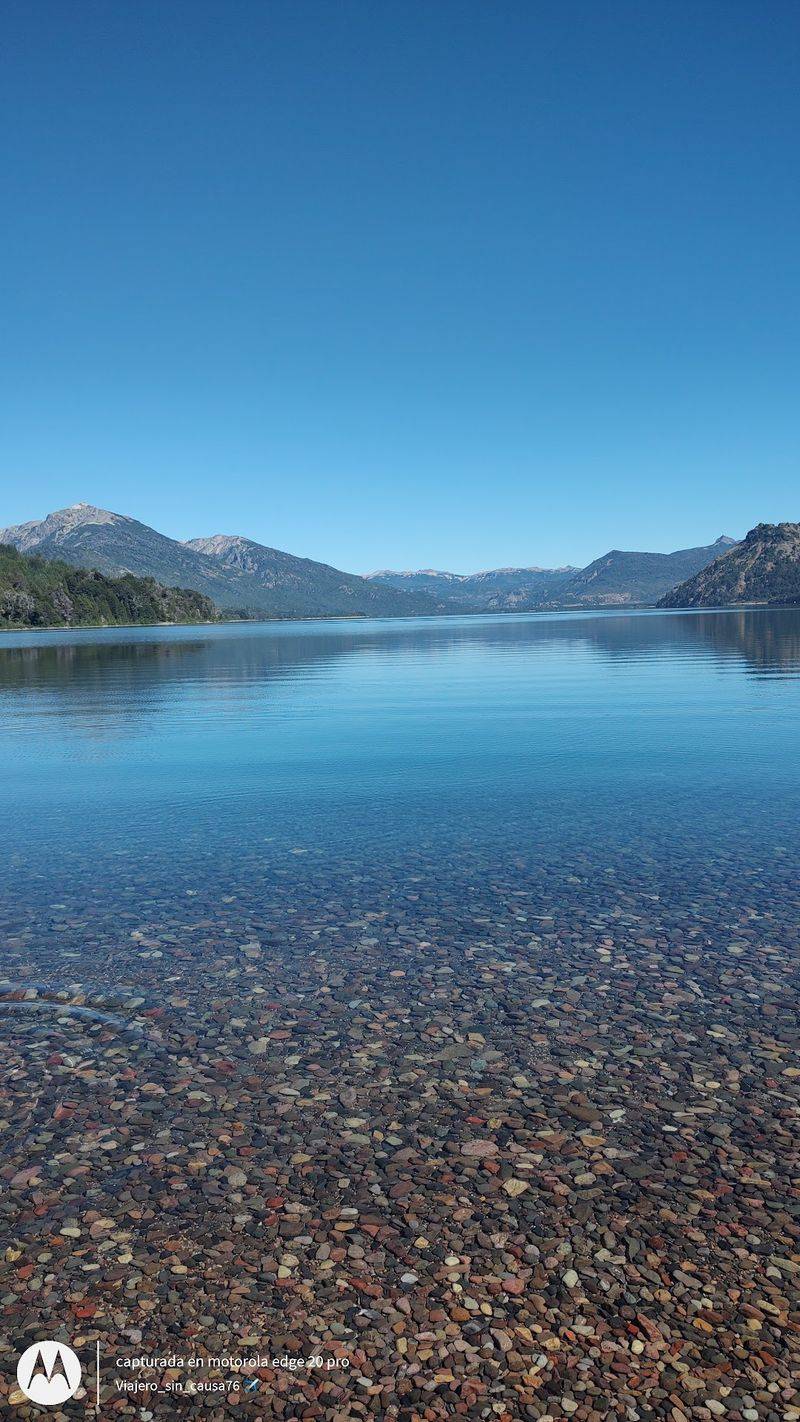
Picture a small mountain town where the main street ends at a beach. That is San Martin de los Andes, set on the shore of Lago Lacar, a glacial lake framed by forested slopes in Argentina’s Lake District.
The water is calm and clear, and summer days bring swimmers, paddleboarders, and families to the sandy shoreline. Boat trips cross to Hua Hum, a quiet spot on the far side with trails and waterfalls.
Scenic drives such as the Seven Lakes Road begin nearby.
The town itself is easy to explore on foot, with wooden buildings, chocolate shops, and relaxed cafes. Visit in January and February for beach weather, or in autumn for golden leaves.
Winter brings snow and skiing at Chapelco, a short drive away.
Share this story