Italy is one of those countries where every corner seems to compete for the title of most beautiful. Most travelers land in Rome, tick off the Colosseum and the Vatican, and head home feeling satisfied.
But the country stretches from snowy Alpine peaks all the way down to sun-scorched Mediterranean islands, and what lies between those two extremes is genuinely jaw-dropping. These 12 destinations prove that Italy’s greatest hits list is far longer than most people realize.
The Dolomites
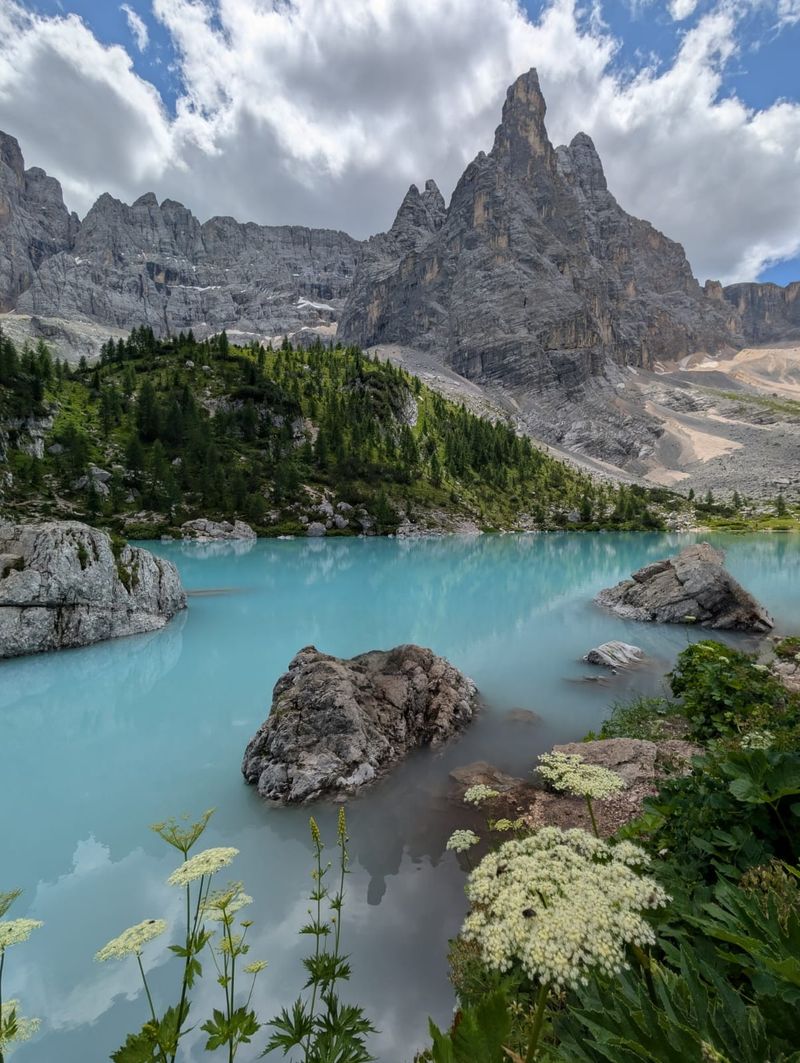
Standing beneath a wall of pale limestone that rises nearly straight up into a blue sky, you start to understand why the Dolomites earned UNESCO World Heritage status. This mountain range in northeastern Italy contains 18 peaks above 3,000 meters, and the scenery shifts from dramatic to almost unreal with every bend in the road.
Cortina d’Ampezzo and Val Gardena are popular base towns, but the area around Tre Cime di Lavaredo is the showstopper. Three iconic rock towers jut into the sky like something out of a fantasy novel, and the circular hiking trail around them takes only a few hours.
Summer is perfect for hiking, cycling, and staying in mountain huts called rifugios. Winter flips the whole region into one of Europe’s top skiing destinations, with well-groomed slopes connecting villages across multiple valleys.
The food up here leans Austrian, with hearty dumplings, smoked meats, and apple strudel appearing on menus alongside Italian pasta. Rome gave the world ancient stone monuments.
The Dolomites remind you that nature was doing impressive architecture long before the Romans showed up.
Lake Como
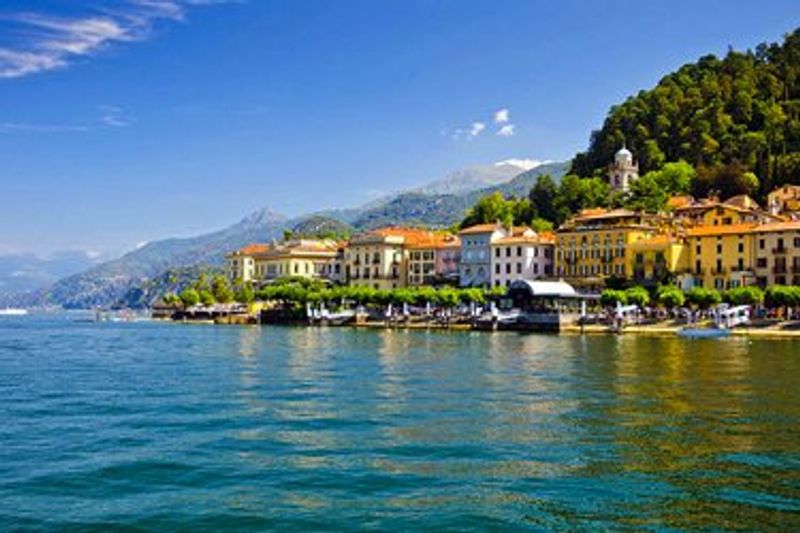
Few places in Italy carry the same effortless sense of elegance as Lake Como, and few places have earned it more honestly. The lake sits about 40 kilometers north of Milan, curling between steep green mountains like a narrow letter Y drawn by someone who takes their time.
Bellagio gets the most attention, and it deserves some of it, but Varenna and Menaggio offer nearly identical views with fewer tour groups blocking the waterfront. The smartest way to explore is by ferry, hopping between towns while the mountains rise almost vertically on both sides.
Hiking trails above the lake deliver panoramic views that photographs genuinely cannot do justice. Historic villas and their gardens, including Villa del Balbianello and Villa Carlotta, open to visitors during warmer months and reveal a side of the lake that goes beyond the famous postcard shots.
The surrounding peaks also have skiing in winter, making Como a genuinely year-round destination. Getting here from Milan takes under an hour by train, which means there is no good excuse to skip it.
Matera
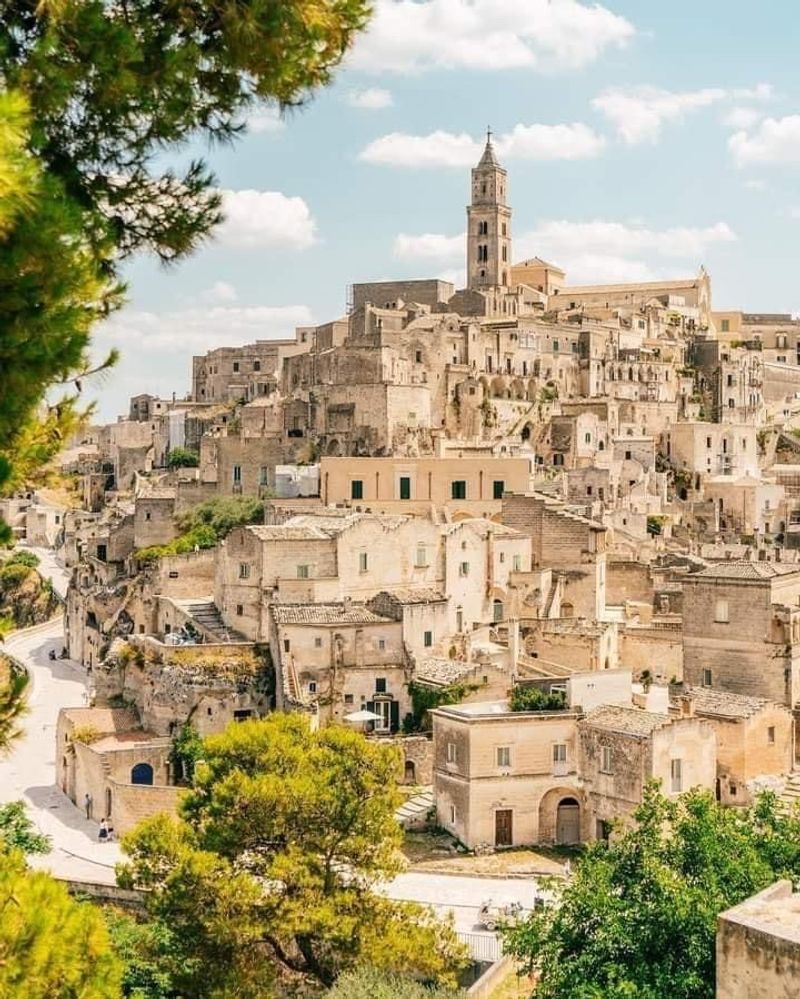
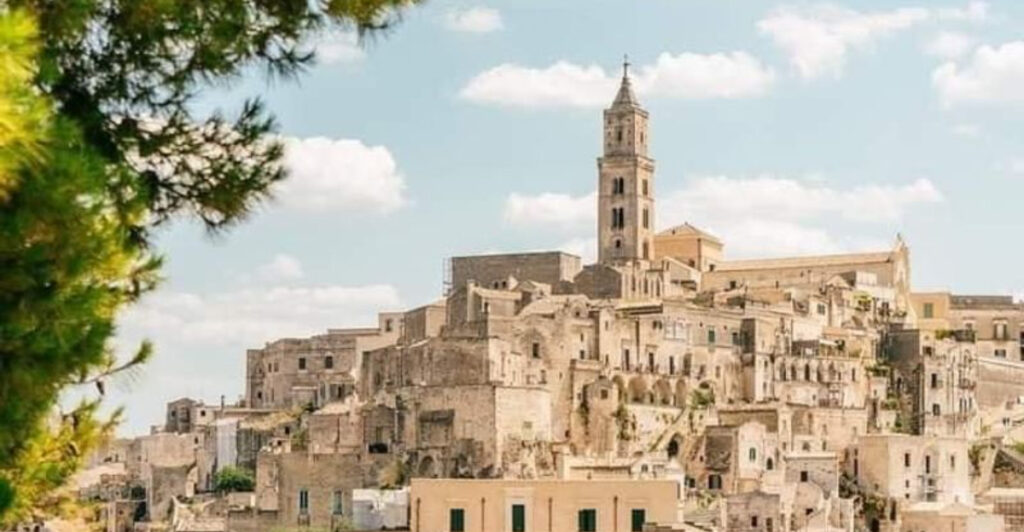
Matera looks like someone carved an entire city out of the inside of a mountain, because that is essentially what happened. Located in the southern region of Basilicata, this ancient city is built around the Sassi, a network of cave dwellings, churches, alleyways, and staircases that date back thousands of years.
UNESCO inscribed the Sassi on the World Heritage List in 1993, recognizing a place where humans and landscape became so intertwined that separating them stopped making sense. Walking through the two main districts, Sasso Caveoso and Sasso Barisano, feels like navigating a city that grew organically from the rock itself, because it did.
Sunset is the best time to be here. The limestone walls shift from pale cream to deep amber as the light drops, and the whole ravine glows in a way that makes every photograph look like a painting.
Many of the old cave dwellings have been converted into hotels and restaurants, so staying overnight is both comfortable and genuinely unforgettable. Matera served as a filming location for several major films, including scenes standing in for ancient Jerusalem.
It earns every bit of that cinematic reputation.
Cinque Terre
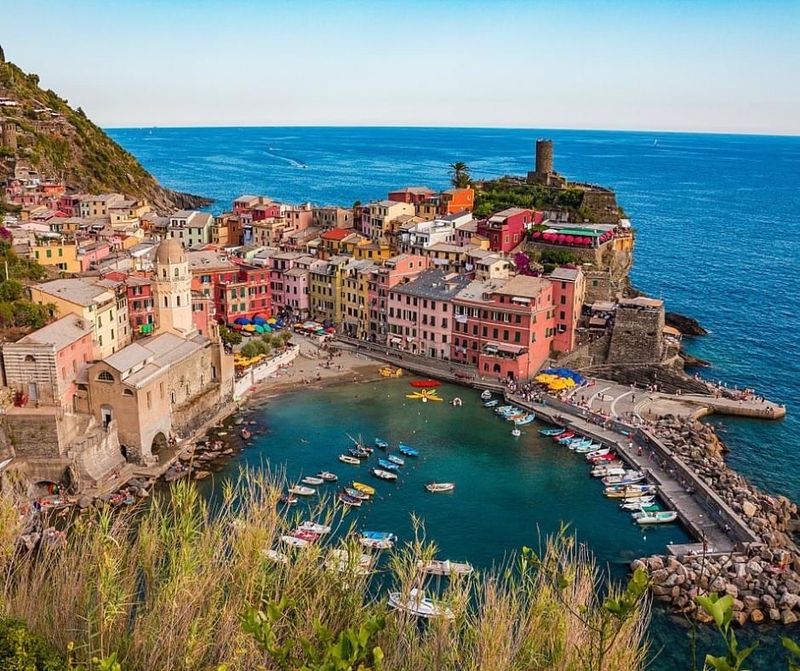
Painted houses stacked on cliffs above turquoise water sounds like something an artist invented, but Cinque Terre is entirely real and somehow even more colorful in person. The five villages, Monterosso al Mare, Vernazza, Corniglia, Manarola, and Riomaggiore, cling to an impossibly steep stretch of Ligurian coastline with zero regard for conventional town planning.
UNESCO listed the whole area in 1997, recognizing a landscape where centuries of terraced farming and fishing culture created something visually extraordinary. The terraces themselves are a feat of human stubbornness, cut into slopes so steep that most people would have given up and moved somewhere flat.
Getting around without a car is straightforward. Regional trains connect all five villages in minutes, and hiking trails link them for those who want to earn their views on foot.
The most famous trail, the Sentiero Azzurro, runs along the coast and offers some of the best scenery on the entire journey. Vernazza is widely considered the prettiest of the five, with a natural harbor and a watchtower that has been standing since the 15th century.
Go early in the morning or in the shoulder season to beat the crowds.
Venice
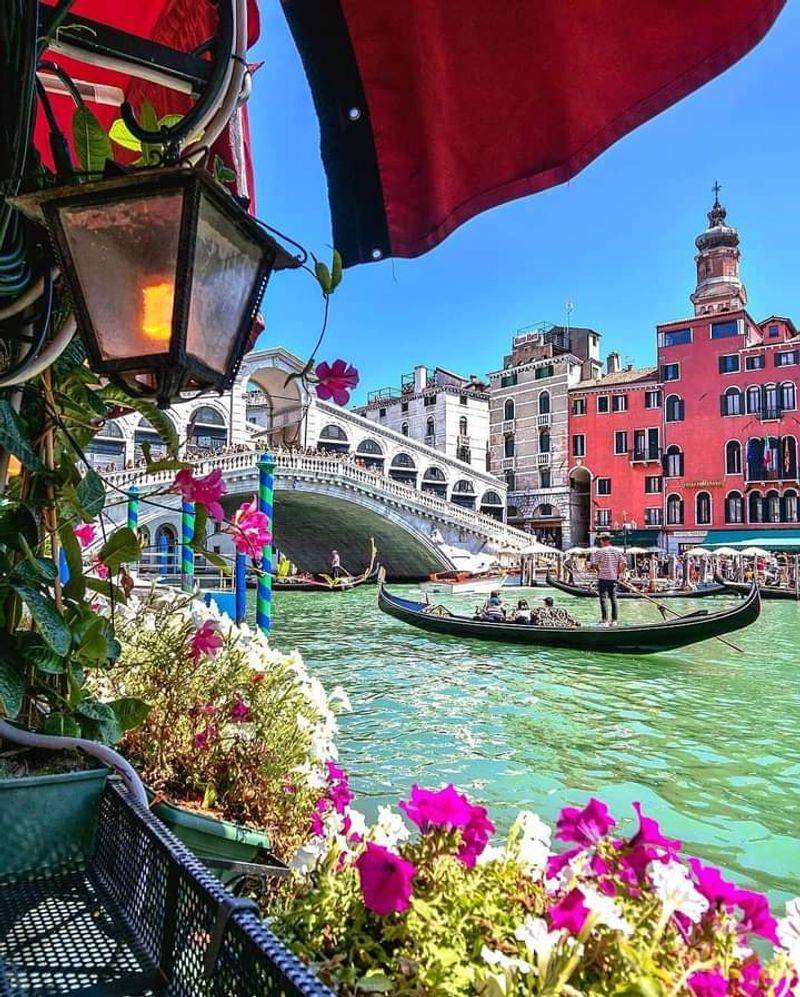
Venice is the one city in Italy that genuinely has no competition anywhere else on earth. Built across 118 small islands connected by more than 400 bridges, it runs entirely on water, with canals replacing streets and boats replacing cars in a way that never stops feeling slightly surreal.
The big sights, St. Mark’s Basilica, the Doge’s Palace, Rialto Bridge, and the Grand Canal, are all genuinely worth seeing. But Venice rewards curiosity more than any other Italian city.
Walk away from the main tourist routes into Cannaregio or Castello and the city transforms into quiet lanes, local bars, laundry lines strung between windows, and small squares where nobody is posing for a photo.
The Arsenale, Venice’s historic shipbuilding complex, tells a different kind of story about the city: one of naval power, trade dominance, and engineering ambition that once made Venice the most powerful maritime republic in the Mediterranean. Arriving by water from the airport on the public vaporetto is one of those travel moments worth planning for, because the city’s first impression from the lagoon is unforgettable.
Stay at least two nights to scratch the surface properly.
Val d’Orcia, Tuscany
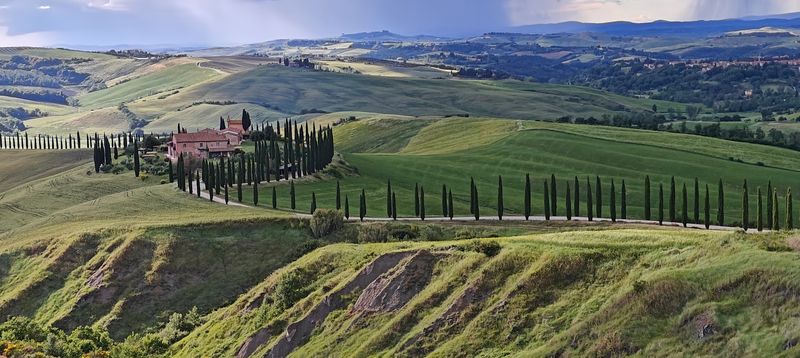
Val d’Orcia is the Italy that lives in people’s imaginations before they ever book a flight. Gentle hills roll in every direction, topped by isolated farmhouses, rows of cypress trees, and medieval hilltop villages that have barely changed their skylines in five centuries.
UNESCO recognized the valley as a cultural landscape in 2004, acknowledging that the Renaissance-era landowners who shaped this terrain essentially turned farming into an art form. The results, visible from almost every road in the valley, are some of the most photographed countryside in the world.
Pienza is the obvious starting point, a perfectly preserved Renaissance town perched above the valley with views that justify the stop on their own. Montalcino sits nearby, producing Brunello wine that serious collectors travel specifically to taste at the source.
The landscape shifts with the seasons: vivid green in spring, golden in summer, hazy and warm-toned in autumn. Driving slowly between these towns, stopping at viewpoints and small wineries, is the correct approach.
There are no wrong turns in Val d’Orcia, only unexpected views waiting around the next bend.
The Amalfi Coast
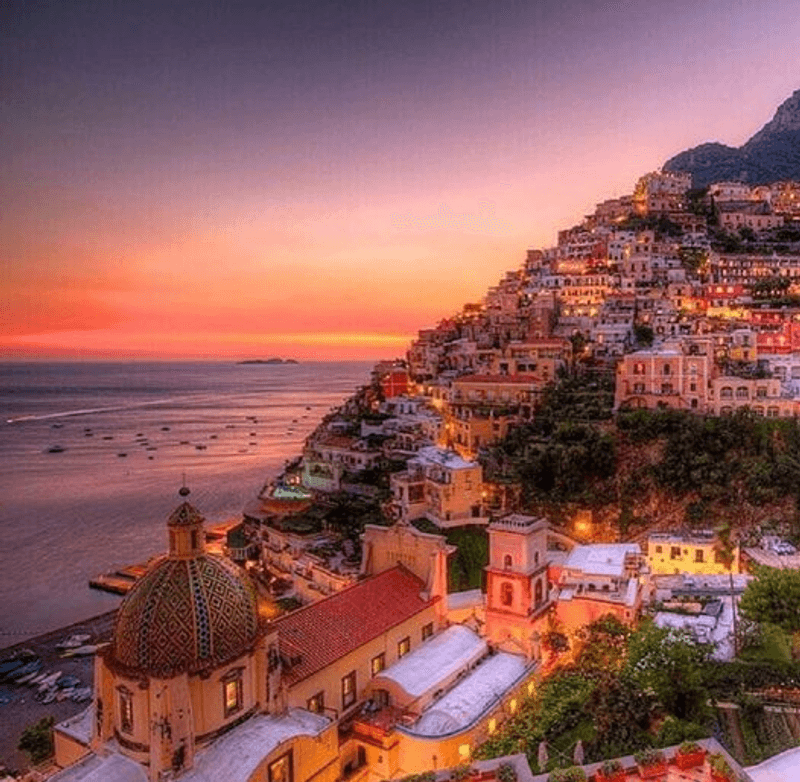
Roads so narrow that buses fold their mirrors in, cliffs dropping straight into the clearest water imaginable, and villages that seem to defy basic physics by clinging to vertical slopes above the sea. The Amalfi Coast operates by its own rules, and those rules are spectacular.
UNESCO lists the coastline as a cultural landscape of outstanding value, shaped by centuries of interaction between people and a terrain that gave them very little flat ground to work with. Positano delivers the famous cascading-houses view.
Amalfi itself has a cathedral, historic maritime streets, and a paper-making tradition that dates back to the 13th century. Ravello sits high above the sea with gardens and views that feel almost theatrical.
The coast gets very busy between June and August, so visiting in May or September gives you most of the beauty with a fraction of the crowds. Traveling by ferry between towns avoids the famously nerve-wracking coastal road and adds a sea-level perspective that makes the cliffs look even taller.
Cetara is worth a stop for its famous tuna and anchovy dishes, proving that the food here is as dramatic as the scenery.
Alberobello
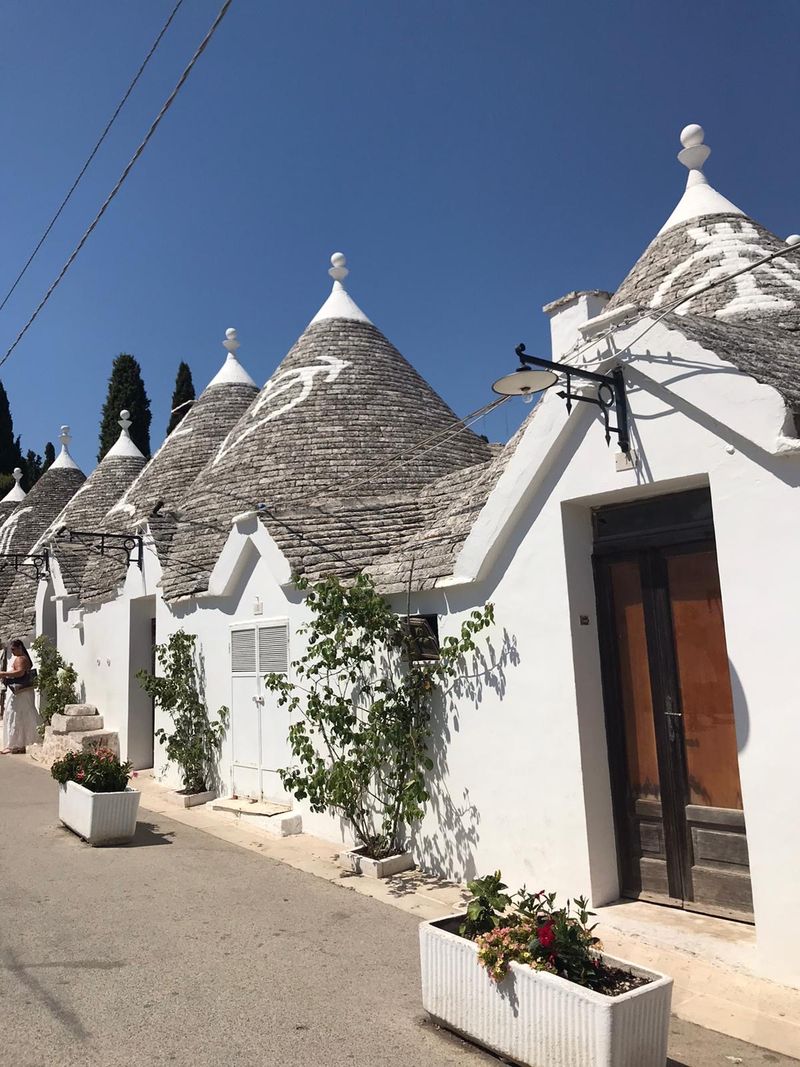
Alberobello looks like a fairy tale town that forgot to stay fictional. The streets of this small Puglian town are lined with trulli, ancient dry-stone buildings topped by conical limestone roofs, and there are more than 1,500 of them packed into a compact area that takes less than an hour to walk across.
UNESCO inscribed the trulli of Alberobello in 1996, recognizing a building tradition unique to this part of southern Italy. The structures were originally built without mortar, which supposedly allowed them to be quickly dismantled to avoid property taxes under old feudal laws.
Whether that story is completely true or not, it makes the architecture considerably more interesting.
Rione Monti holds the densest concentration of trulli and attracts most visitors, while Rione Aia Piccola has a quieter, more residential character worth exploring. Look for the painted symbols on some rooftops: primitive, mystical shapes that nobody fully agrees on the meaning of, which makes them even better conversation starters.
Alberobello pairs well with a wider Puglia road trip through the Itria Valley, where trulli also appear scattered among olive groves and vineyards.
Bologna
Bologna is the Italian city that food lovers talk about in hushed, reverent tones. As the capital of the Emilia-Romagna region, it gave the world tagliatelle al ragu, tortellini, mortadella, and Parmigiano-Reggiano, which is a curriculum vitae that most cities could only dream of matching.
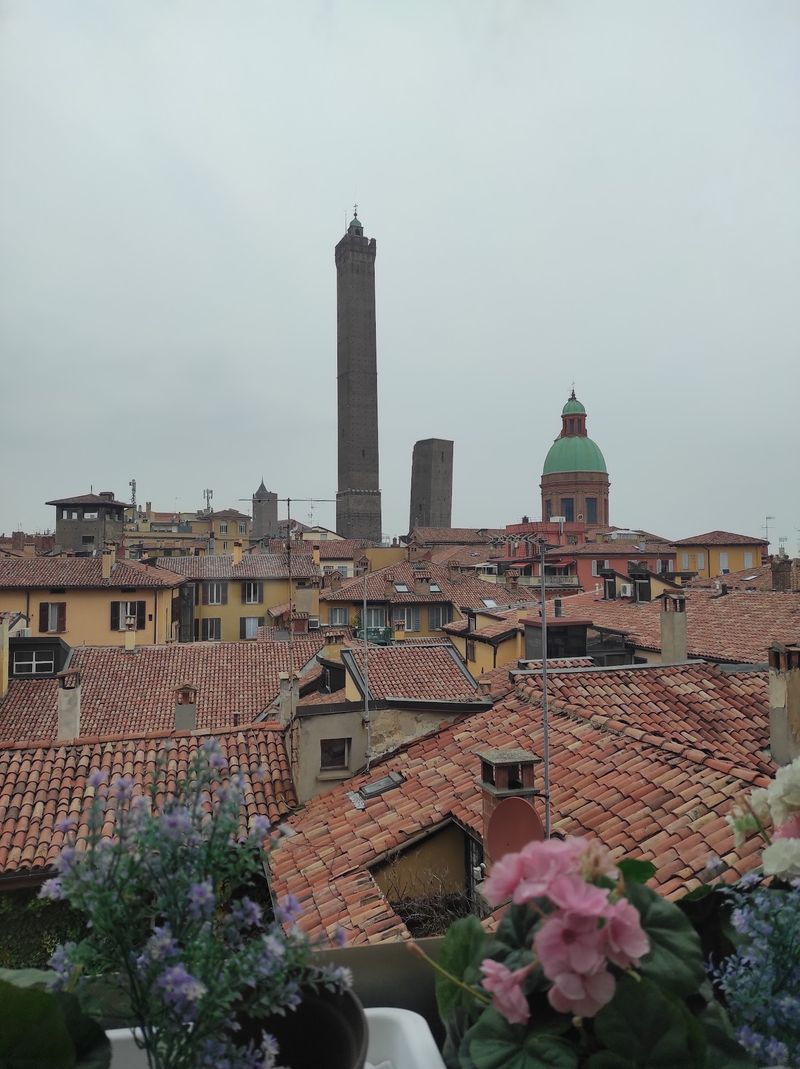
But Bologna is not just a meal. It has one of the oldest universities in the world, founded in 1088, and a medieval center full of towers, terracotta palaces, and a distinctive red-orange color palette that photographers find endlessly useful.
The city also holds a UNESCO-listed feature that most visitors do not expect: around 62 kilometers of covered porticoes, with 42 kilometers inside the historic center alone.
The Portico di San Luca stretches nearly 3.8 kilometers uphill, containing 666 arches, and leads to a hilltop sanctuary with views across the city. Walking it is both a workout and a genuinely beautiful experience.
The Due Torri, two leaning medieval towers rising from the city center, offer another perspective from the top. Bologna rewards the kind of slow, unhurried travel where the afternoon plan is simply finding somewhere excellent for lunch.
Costa Smeralda, Sardinia
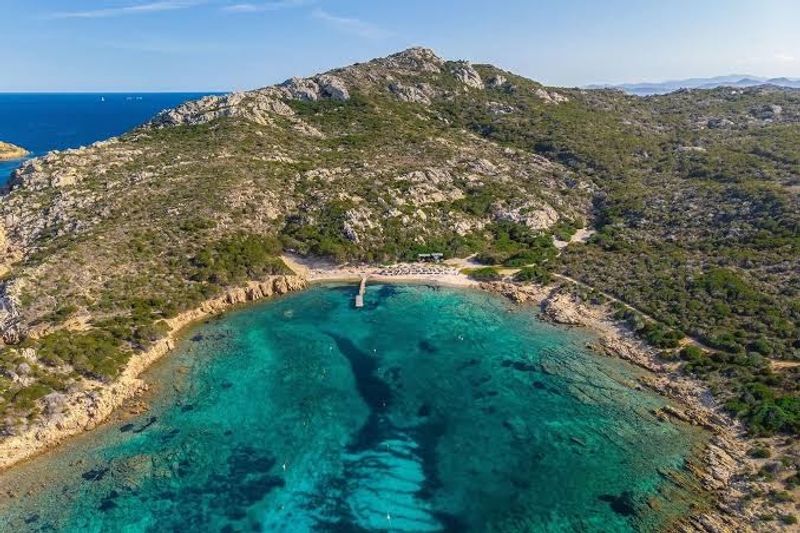
Water so transparent you can count the rocks on the seafloor from a moving boat. That is what Costa Smeralda in northern Sardinia actually looks like, and it is not a filter or a travel brochure exaggeration.
The emerald coast stretches along Sardinia’s northeastern shore, combining pale beaches, granite outcrops, and a sea color that sits somewhere between turquoise and impossible.
Porto Cervo is the area’s most famous resort hub, drawing yacht owners and luxury travelers in summer. But Sardinia becomes far more interesting when you venture past the marina crowd.
Boat trips reach offshore islands like Budelli, famous for its pink-tinged beach, and Spargi, where the water is calm enough to feel like a swimming pool.
The Gallura interior adds another dimension entirely: cork oak forests, cycling routes, small villages, and ancient nuragic stone towers that predate the Roman Empire. Sardinia has its own language, its own food traditions, and a cultural identity distinct enough that it rarely feels like a simple extension of mainland Italy.
If Rome is dense with history measured in monuments, Sardinia is dense with history measured in landscapes that have barely changed in millennia.
Siena
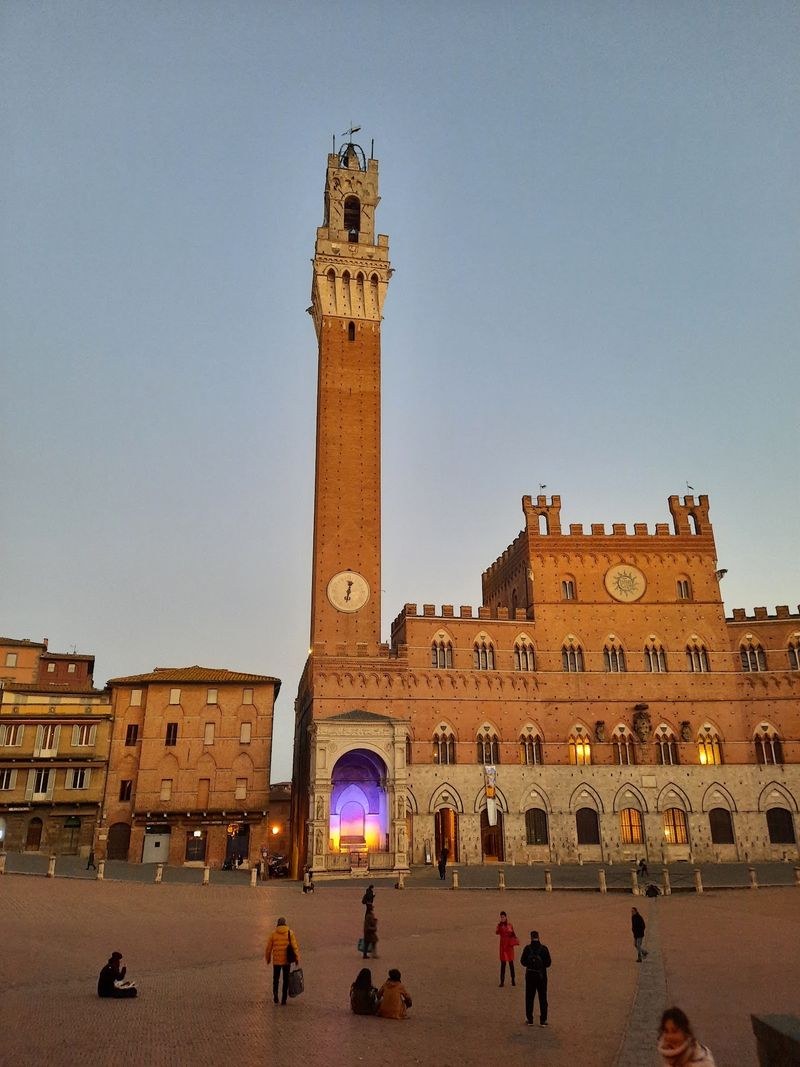
Twice a year, Siena’s central square transforms into a horse racing track, and ten riders representing the city’s ancient districts tear around a dirt-covered Piazza del Campo at speeds that seem genuinely unsafe. The Palio di Siena has been running since the 17th century, and the passion surrounding it is so intense that some districts have been bitter rivals for longer than most countries have existed.
Outside of Palio season, Piazza del Campo is simply one of the most beautiful medieval squares in Europe. The shell-shaped piazza slopes gently toward the Palazzo Pubblico, and the Torre del Mangia rises above it all with views that stretch across the Tuscan hills.
Siena’s historic center is a UNESCO World Heritage Site, recognized for a cityscape that has preserved its medieval character with remarkable consistency.
Siena Cathedral is worth at least an hour on its own, with a striped marble interior, an extraordinary inlaid floor, and a library full of illuminated manuscripts. The city is compact enough to explore comfortably on foot, and its position in Tuscany makes it a natural gateway to Val d’Orcia.
Florence gets the Renaissance spotlight, but Siena offers something more enclosed and quietly magnificent.
Sicily
Sicily is not a destination you add as a footnote to an Italy trip. It is a destination that deserves its own itinerary, its own week, and possibly its own obsession.
Italy’s largest island has been invaded, settled, and shaped by Greeks, Romans, Arabs, Normans, and Spanish rulers, and every one of them left something behind that is still standing.
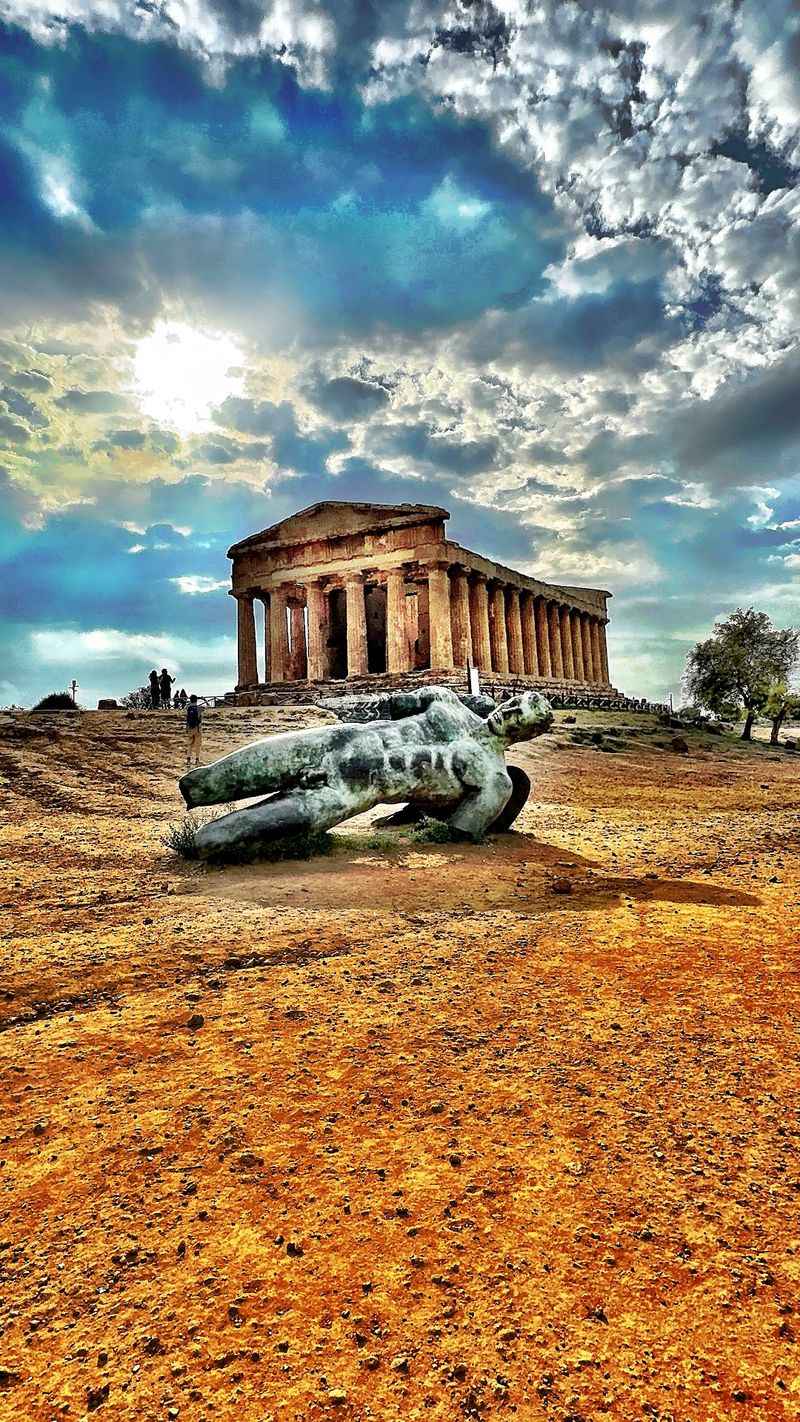
Palermo alone contains enough to fill several days: a street food market that has been running for centuries, Arab-Norman churches with golden Byzantine mosaics inside, and a chaos-energy that feels entirely different from any other Italian city. Agrigento’s Valley of the Temples contains some of the best-preserved ancient Greek ruins outside of Greece itself, which is a fact that genuinely surprises most visitors.
Taormina pairs a perfectly preserved ancient theater with views of Mount Etna steaming in the distance. The Baroque towns of Noto, Ragusa, and Modica in the southeast offer a completely different architectural register, all golden stone facades and dramatic staircases.
Etna itself can be hiked in summer or explored by cable car, offering a volcanic landscape that looks nothing like the rest of the island. Sicily rewards travelers who stay long enough to stop comparing it to everywhere else.
Share this story