Archaeology is not just something that happened in the past. Right now, all around the world, teams of researchers are carefully brushing dirt off walls, bones, and objects that have not seen daylight for thousands of years.
From ancient Roman forts in England to prehistoric salt towns in Bulgaria, active excavations are uncovering stories that rewrite what we know about early human life. What makes this list especially exciting is that many of these sites welcome curious visitors, and some even let everyday travelers join the dig.
Whether you are a history fan, a curious traveler, or someone who just wants to see real archaeology in action, these 12 countries are worth putting on your radar.
Vindolanda, Bardon Mill, England
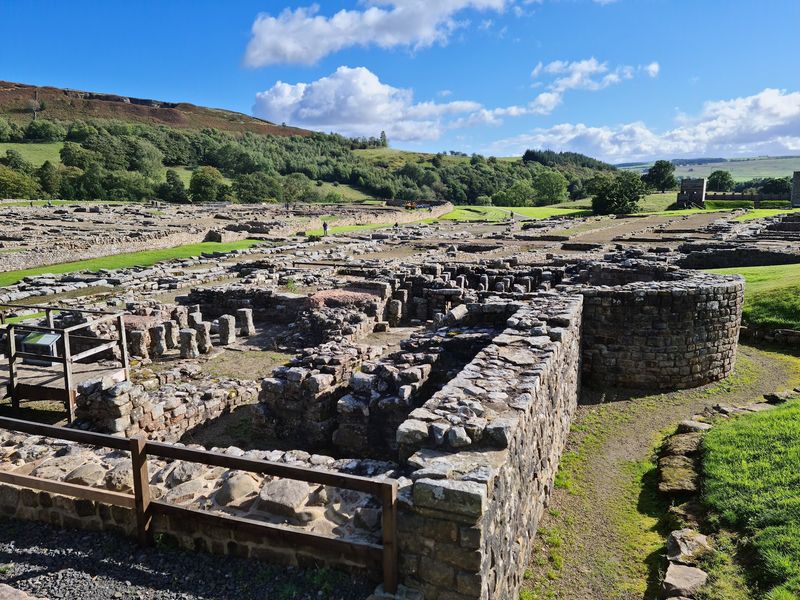
Just south of Hadrian’s Wall, Vindolanda has been producing remarkable finds for decades, and the work is far from over. The site’s ongoing Castrum research project is focused on the northeastern quadrant of the fort and is scheduled to run through 2028.
That kind of long-term commitment is rare, and it shows just how much the site still has to offer.
During the 2026 excavation season, which runs from August 3 through September 25, visitors are specifically welcomed to approach the dig area and watch archaeologists work up close on weekdays. There is no glass barrier or velvet rope separating you from the action.
Vindolanda is already famous for its collection of Roman writing tablets, which are among the oldest handwritten documents found in Britain. Seeing the place where those objects came from, while new discoveries are still being made, gives the whole visit a completely different energy.
Sierra de Atapuerca, Burgos, Spain
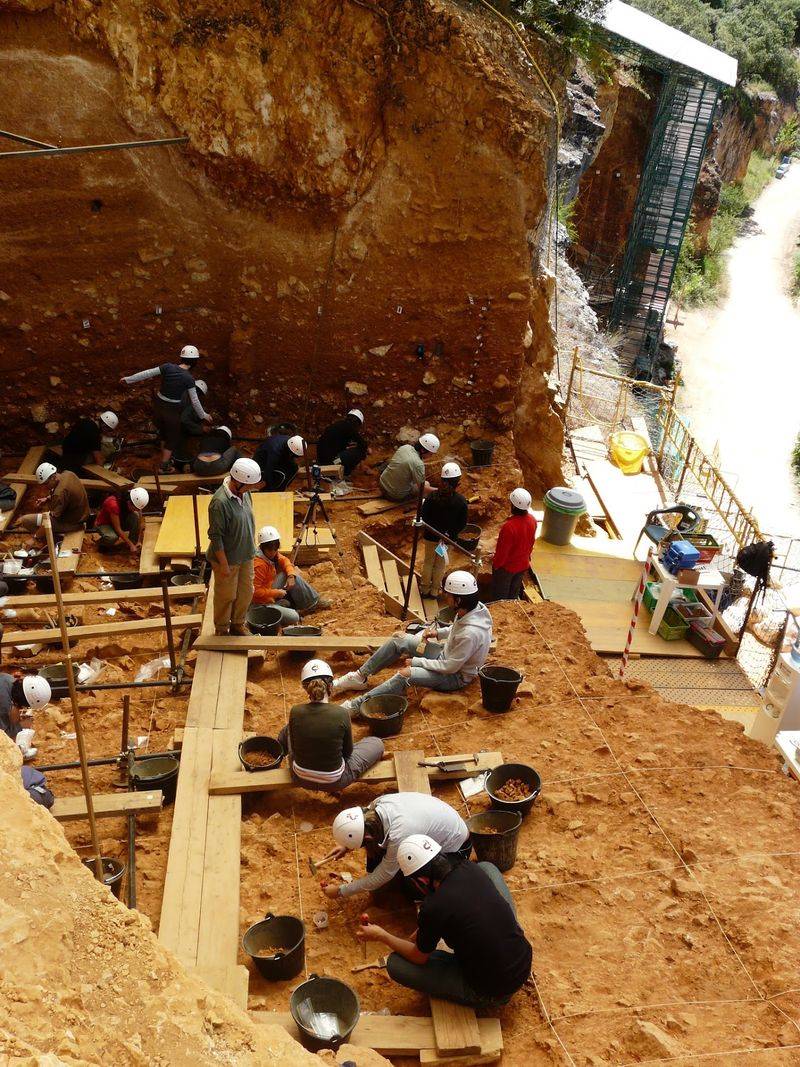
Some archaeological sites change how scientists understand human origins, and Atapuerca is one of them. Systematic excavations have been running here since 1978, and the site has produced fossil evidence of some of the earliest human populations in Europe.
The scale of the research operation is impressive, with hundreds of researchers involved during the annual campaign each summer.
The excavation season generally runs through the second half of June and into July. During that window, guided public visits continue, though tours follow a route that overlooks the active work areas rather than cutting directly through them.
That design keeps the science protected while still giving visitors a genuine view of the process.
The visitor centers and archaeological sites have confirmed operating schedules throughout 2026. For anyone traveling through northern Spain, Burgos is already worth the stop for its cathedral alone, and Atapuerca adds something that very few destinations can offer.
Bibracte, Saint-Léger-sous-Beuvray, France
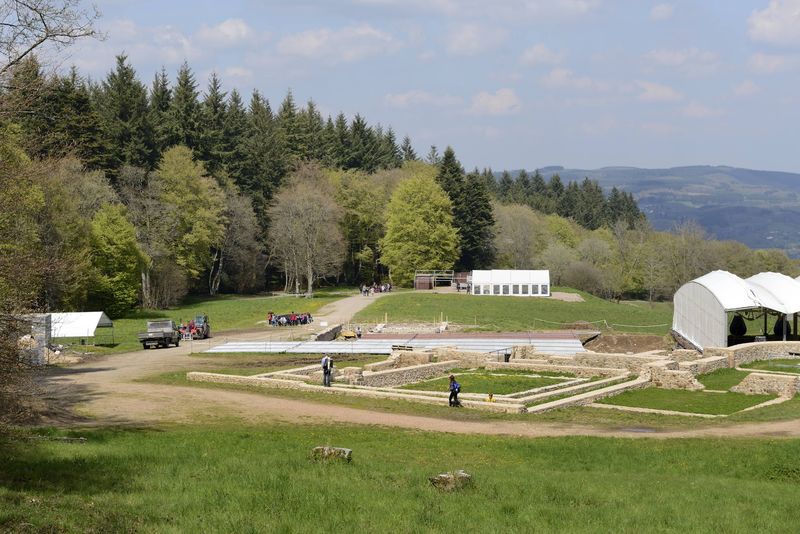
About two thousand years ago, Bibracte was one of the most powerful cities in Gaul. It served as the fortified capital of the Aedui people before the settlement was eventually abandoned.
Today, that enormous hilltop in Burgundy is still being carefully studied by archaeologists from across Europe who return each season to continue excavations.
Visitors can walk through the archaeological zone on their own or join guided tours that explain what the newest digs have uncovered. The landscape itself is striking, with earthwork boundaries and structural remains spread across a wide forested plateau.
The museum on site provides useful context before or after exploring the grounds.
The archaeological zone stays accessible throughout the year, while organized tours and museum programming operate on a seasonal schedule. Bibracte does not get nearly as much international attention as some Roman sites in France, which actually works in the visitor’s favor.
The crowds are manageable, and the setting feels genuinely remote and historic.
Augusta Raurica, Augst, Switzerland
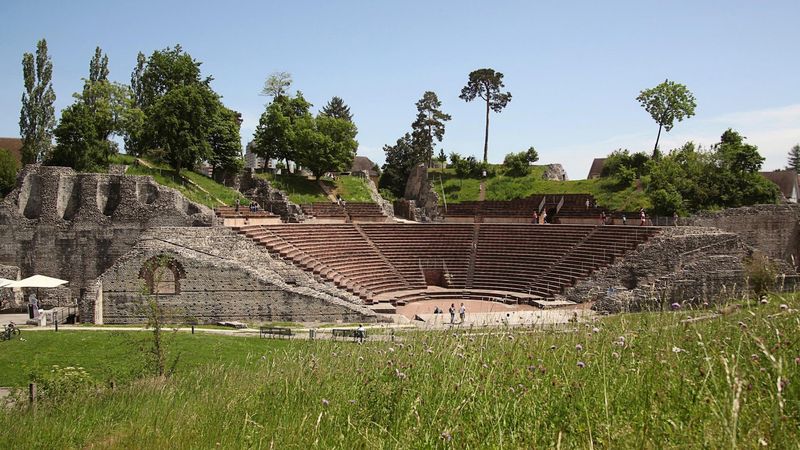
Augusta Raurica holds the distinction of being one of the best-preserved Roman cities north of the Alps, and it is still an active research site. Excavations continue as archaeologists investigate surviving sections of the ancient settlement, working alongside the infrastructure that already welcomes thousands of visitors each year.
During Switzerland’s 2026 European Archaeology Days, the site organized tours specifically focused on a current excavation, giving visitors a chance to watch the Augst team at work in real time. Events like that are not always available, so timing a visit around them adds a layer of experience that a standard tour cannot match.
Outside of special excavation events, the archaeological park, museum, reconstructed Roman house, and theater remain genuinely worth the visit. Augusta Raurica is just a short drive from Basel, which makes it easy to combine with a broader trip through the region.
The combination of preserved ruins, ongoing research, and accessible facilities is hard to find anywhere else in Switzerland.
Herculaneum, Ercolano, Italy
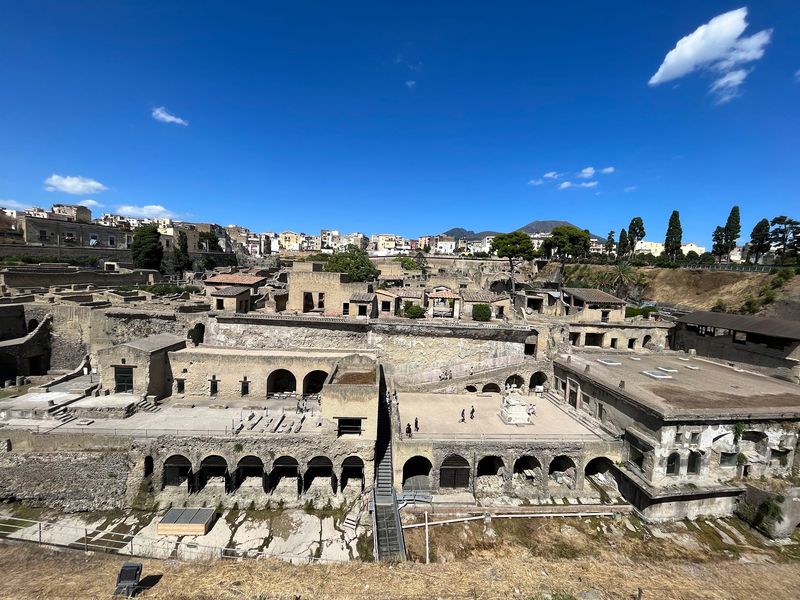
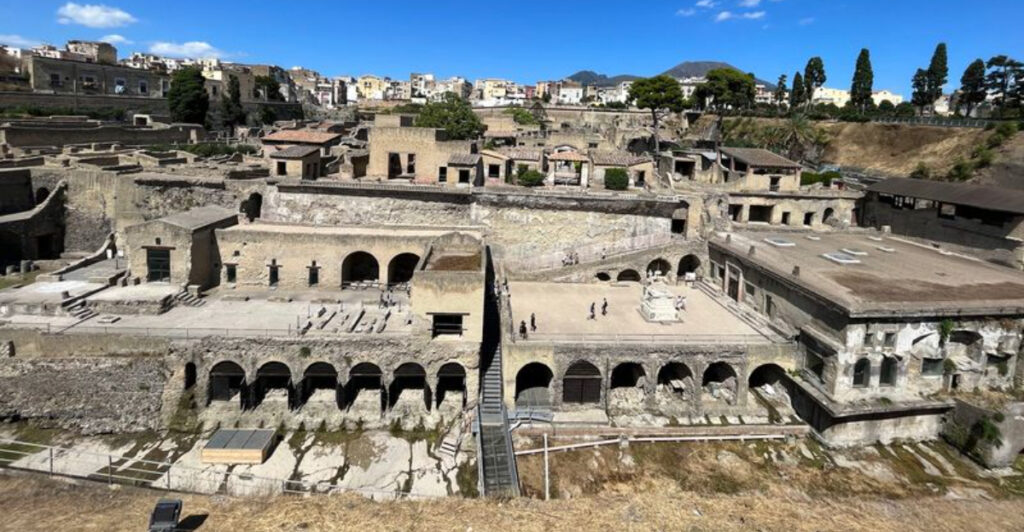
Pompeii gets most of the attention, but Herculaneum is where some of the most detailed and ongoing archaeological work is actually happening. The Roman city was buried by Mount Vesuvius in AD 79, and excavation, conservation, and research continue across parts of the site today.
The level of preservation here is extraordinary, with wooden furniture, food remains, and building materials surviving in ways that stone alone cannot capture.
In 2026, the park’s Archaeology in the Making program opened active excavation and restoration areas to visitors, offering a transparent look at how the science actually works. Nearby research at Villa Sora has also been producing new information about Roman villa life in the region, keeping the academic output from this area consistently active.
Herculaneum Archaeological Park is open daily except December 25 and January 1. For anyone who has already visited Pompeii and wants a site that feels quieter, more detailed, and still genuinely in progress, this is the logical next stop.
Provadia-Solnitsata, Provadia, Bulgaria
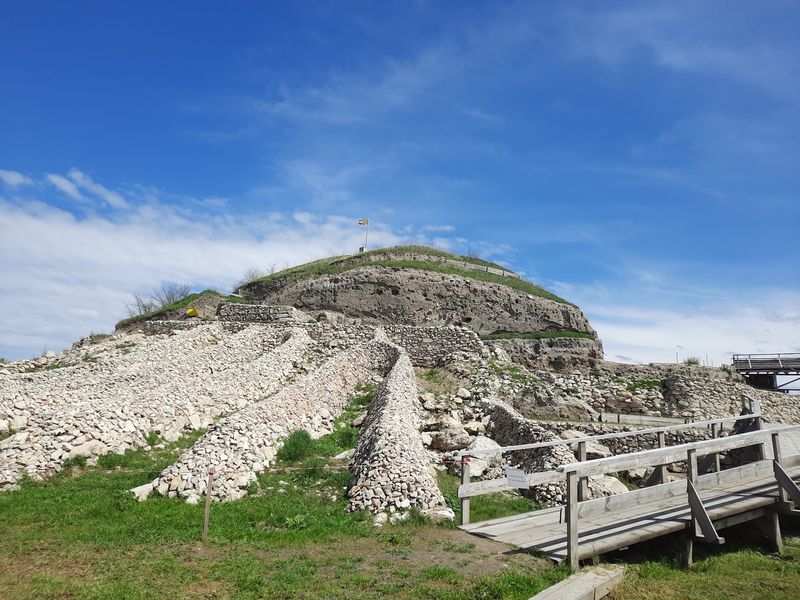
Salt does not sound like the foundation of an ancient civilization, but at Provadia-Solnitsata in Bulgaria, it was exactly that. This prehistoric complex is one of the oldest salt-production sites in Europe, and the settlement that grew around it became surprisingly large and fortified for its era.
Archaeologists believe the control of salt resources made this community uniquely powerful in prehistoric southeastern Europe.
Excavations are continuing at the site, and the 2026 archaeological campaign officially began in July. The site remains open to visitors for much of the year, with guided tours running most frequently during the August and September excavation season when activity on the ground is highest.
Provadia-Solnitsata is not a household name for most international travelers, and that is part of what makes it genuinely interesting. Bulgaria has a deep and often underappreciated archaeological heritage, and this site sits at the center of it.
Coming here during the active season means watching real research unfold rather than simply reading plaques about it.
Viminacium, Stari Kostolac, Serbia
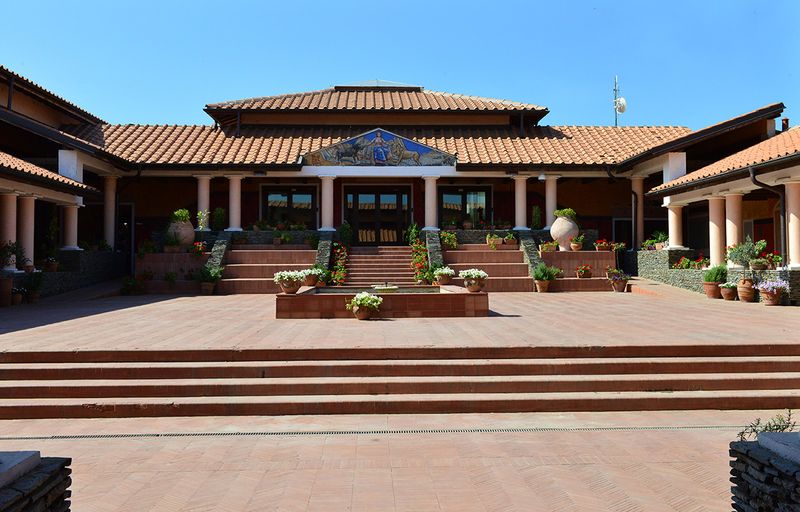
Viminacium was once one of the largest Roman cities and military bases on the Danube frontier, with a population that may have reached fifty thousand at its peak. Decades of archaeological investigation have uncovered only a portion of the ancient settlement, which means the site still holds an enormous amount of undiscovered material.
That ongoing potential keeps the research momentum going year after year.
Visitors can explore the archaeological park through guided tours covering locations such as the imperial mausoleum, Roman baths, and amphitheater. A dedicated research center on site also gives the place a working, scientific feel rather than just a preserved ruin atmosphere.
The park operates throughout the year, and a public archaeology program lists a new excavation session at Viminacium from September 27 to October 4, 2026, which opens participation to interested travelers. Serbia is not always at the top of European travel itineraries, but Viminacium is the kind of place that earns its spot on any list about archaeology that is genuinely still in progress.
Ancient Salona, Solin, Croatia
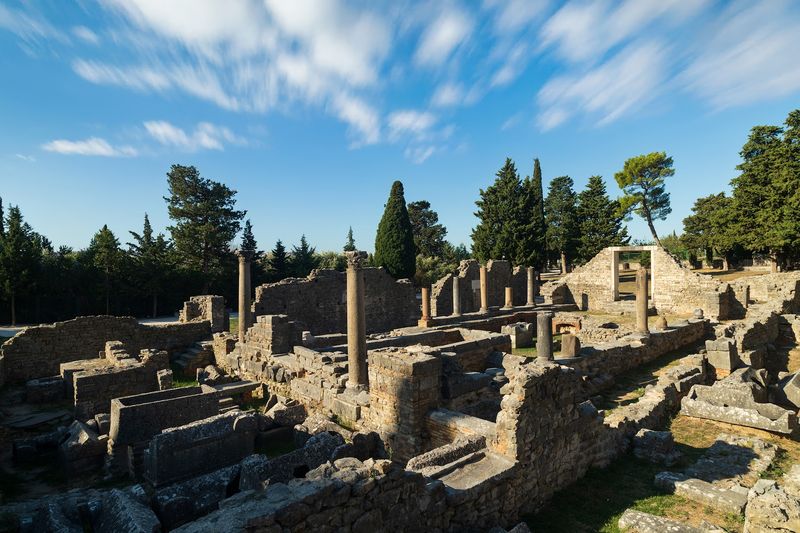
Just a few kilometers from Split, the ruins of Salona stretch across a surprisingly large area that most tourists simply drive past on their way to the coast. Salona was once the capital of the Roman province of Dalmatia, and its walls, basilicas, amphitheater, and cemeteries still hold a great deal of unexcavated material.
Archaeological research here is ongoing and well-organized.
A 2026 excavation program, organized with the University of Zagreb and the Archaeological Museum of Split, runs from September 20 through October 4. What sets this particular program apart is that it actively welcomes not just students but also curious travelers who want hands-on archaeological training.
Participants can get involved in excavation, recording, restoration, and documentation.
That kind of open-door approach to fieldwork is relatively rare, and it makes Salona one of the more accessible active digs on this list. If your visit to Croatia is timed right, this is a genuinely different way to experience a country that most travelers know only for its beaches and medieval walled towns.
Gurktal, Carinthia, Austria
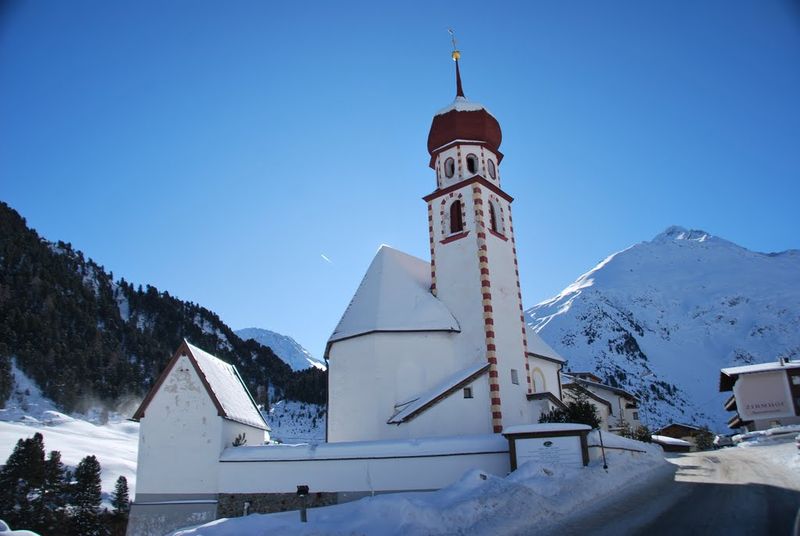
Austria tends to appear on travel lists for its mountain scenery and classical music heritage, but Carinthia’s Gurktal offers something that puts the country in a different category entirely. A 2026 public archaeology program scheduled excavation work in the valley from July 6 through July 17, focused on a fortified site with occupation layers spanning from Late Antiquity into the Middle Ages.
Programs like this go well beyond simply watching professionals work. Participants engage directly with the process of fieldwork in a setting that is both historically significant and visually striking.
The Alpine surroundings make the experience feel unlike any dig you might join in a flat, urban, or coastal environment.
Additional Austrian excavation projects were also scheduled across the 2026 field season, which suggests that public participation in archaeology is becoming a more organized and accessible option in the country. For travelers who want to do something genuinely hands-on rather than just tour another castle, Gurktal is the kind of opportunity worth planning around.
Grakliani Gora, Near Tbilisi, Georgia
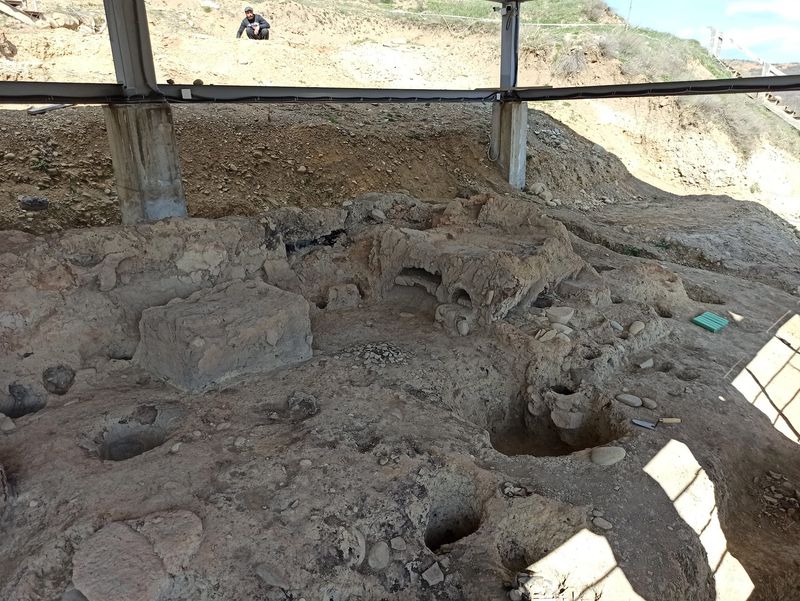
Georgia sits at a crossroads between Europe and Asia, and its archaeological landscape reflects thousands of years of that position. Grakliani Gora is one of the country’s most actively studied prehistoric sites, with occupation layers reaching from the Early Bronze Age through the Late Iron Age.
The depth of the stratigraphy here means each season of fieldwork has the potential to add meaningfully to what researchers already know.
A field expedition scheduled for August 16 through August 25, 2026 focuses on those prehistoric periods and accepts archaeology enthusiasts through an organized participation program. That structure makes it accessible to travelers who are genuinely curious but have no formal training in the field.
Getting to Georgia from Western Europe or North America requires some planning, but Tbilisi has become a much more visited destination in recent years, and the country’s food, architecture, and landscape make the trip worthwhile on its own. Adding a stint at an active Bronze Age excavation turns a good trip into a memorable one.
Huaca Pucllana, Lima, Peru
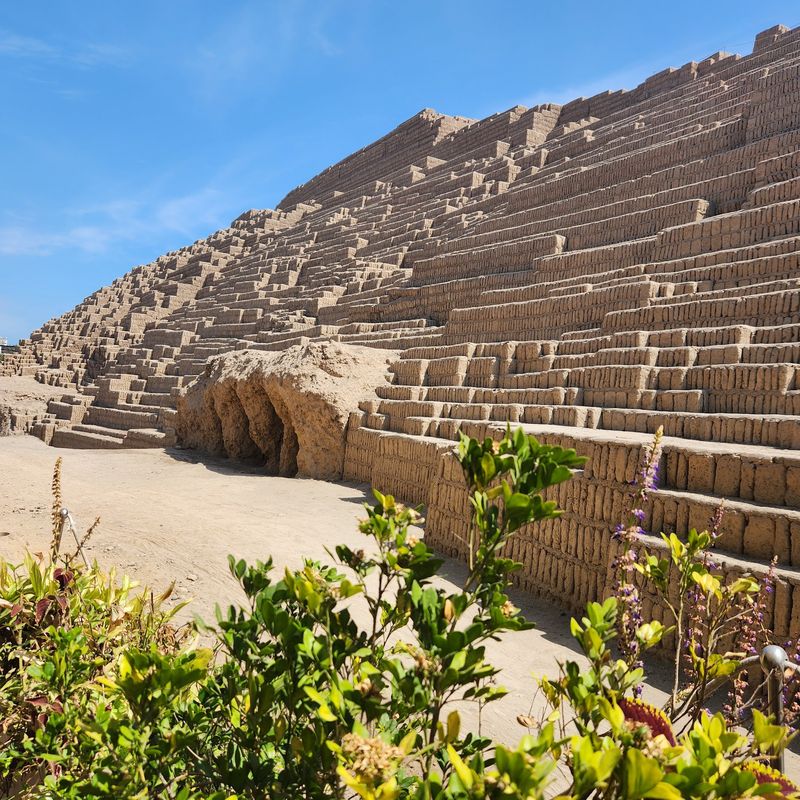
Standing in the middle of Lima’s Miraflores district, Huaca Pucllana looks almost surreal. The enormous adobe pyramid rises out of one of the city’s most modern and densely built neighborhoods, and active archaeology continues around it even as tourists walk guided paths through the established sections of the site.
The contrast between ancient construction and surrounding high-rise buildings is something photographs do not fully capture.
In August 2026, archaeologists announced the discovery of a roughly 1,400-year-old human burial in a ceremonial water channel near the pyramid. Finds like that are a reminder that even well-studied sites can still produce significant new material when researchers keep digging carefully and methodically.
Huaca Pucllana is associated with the Lima culture, which predates the Inca by several centuries. The site offers guided tours in multiple languages, and evening visits are also available.
For travelers spending time in Lima who want to experience something beyond the standard city itinerary, this site delivers both history and active science in the same visit.
Mount Lykaion, Arcadia, Greece
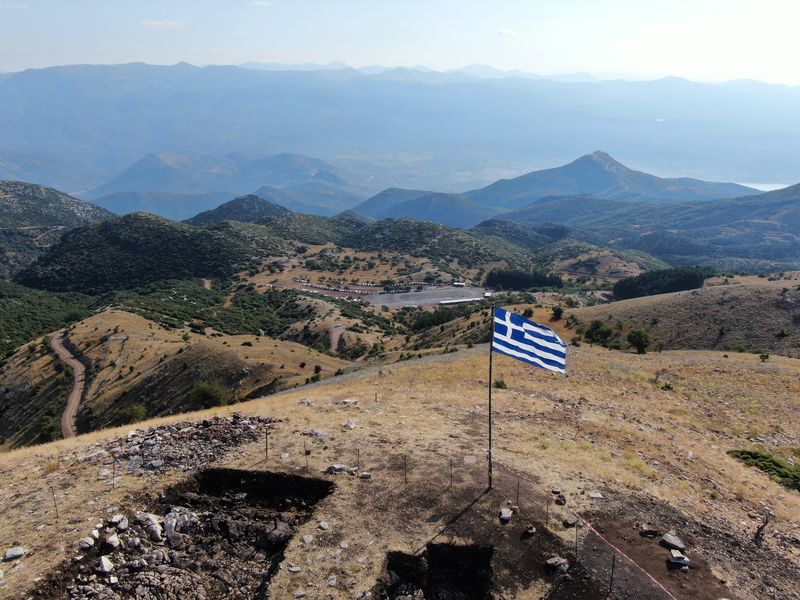
High in the mountains of the Peloponnese, Mount Lykaion carries a long and layered history. Systematic archaeological investigation has been running here since 2004, examining an ancient sanctuary associated with Zeus as well as a nearby Sanctuary of Pan.
The altitude, the isolation, and the religious significance of the location make it a site that stands apart from better-known Greek ruins closer to the coast.
The 2026 excavation season ran from June 15 through August 1, with teams returning to areas studied in previous campaigns and continuing to analyze what those digs produced. Greece’s Ministry of Culture also lists dozens of active excavation and research projects across the country in 2026, reinforcing just how much archaeological work is currently underway throughout the Greek world.
For travelers who have already visited Athens and the major island sites, the Arcadian highlands offer a quieter and more scholarly version of Greek antiquity. Mount Lykaion is not easy to reach, but the combination of landscape and living archaeology makes the effort genuinely rewarding.
Share this story