Missouri has one of the most remarkable jazz histories in the United States, and much of it is still visible, audible, and very much alive today. Kansas City helped shape the entire direction of American jazz during the 1930s and 1940s, producing musicians whose influence reached every corner of the world.
St. Louis, meanwhile, built its own parallel tradition that continues to thrive in concert halls, intimate listening rooms, and neighborhood clubs. Together, these two cities give Missouri a musical depth that few states can match.
This list covers 12 places where that history is not just preserved behind glass but actively celebrated through live performance, public art, and community engagement. Whether you are a lifelong jazz devotee or simply curious about one of America’s greatest original art forms, these landmarks offer something genuinely worth your time and attention.
1. American Jazz Museum, Kansas City, Missouri
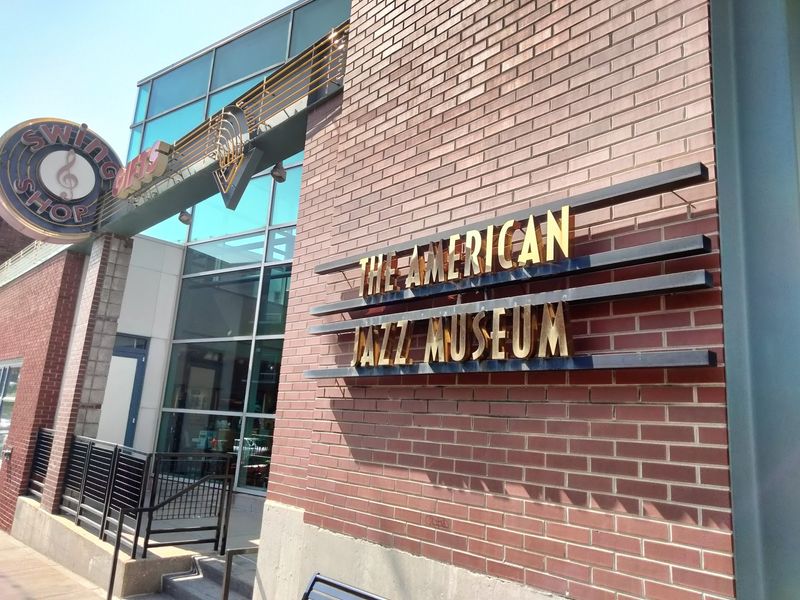
Opened on September 5, 1997, this 10,000-square-foot institution sits at the heart of Kansas City’s 18th and Vine Historic Jazz District and remains one of the most complete jazz museums in the country.
Exhibits spotlight legends including Charlie Parker, Duke Ellington, Ella Fitzgerald, and Louis Armstrong, with artifacts ranging from Parker’s Grafton alto saxophone to one of Armstrong’s personal trumpets and a sequined gown worn by Fitzgerald herself.
Interactive stations let visitors experiment with harmony, melody, and rhythm, making the collection accessible to people who have never read a note of sheet music in their lives.
As a Smithsonian Affiliate, the museum carries serious institutional weight, but its hands-on design keeps the experience from feeling academic. The New York Times called its offerings an “interactive paradise,” and that description holds up well for anyone willing to spend a proper afternoon exploring every corner of the building.
2. Mutual Musicians Foundation, Kansas City, Missouri
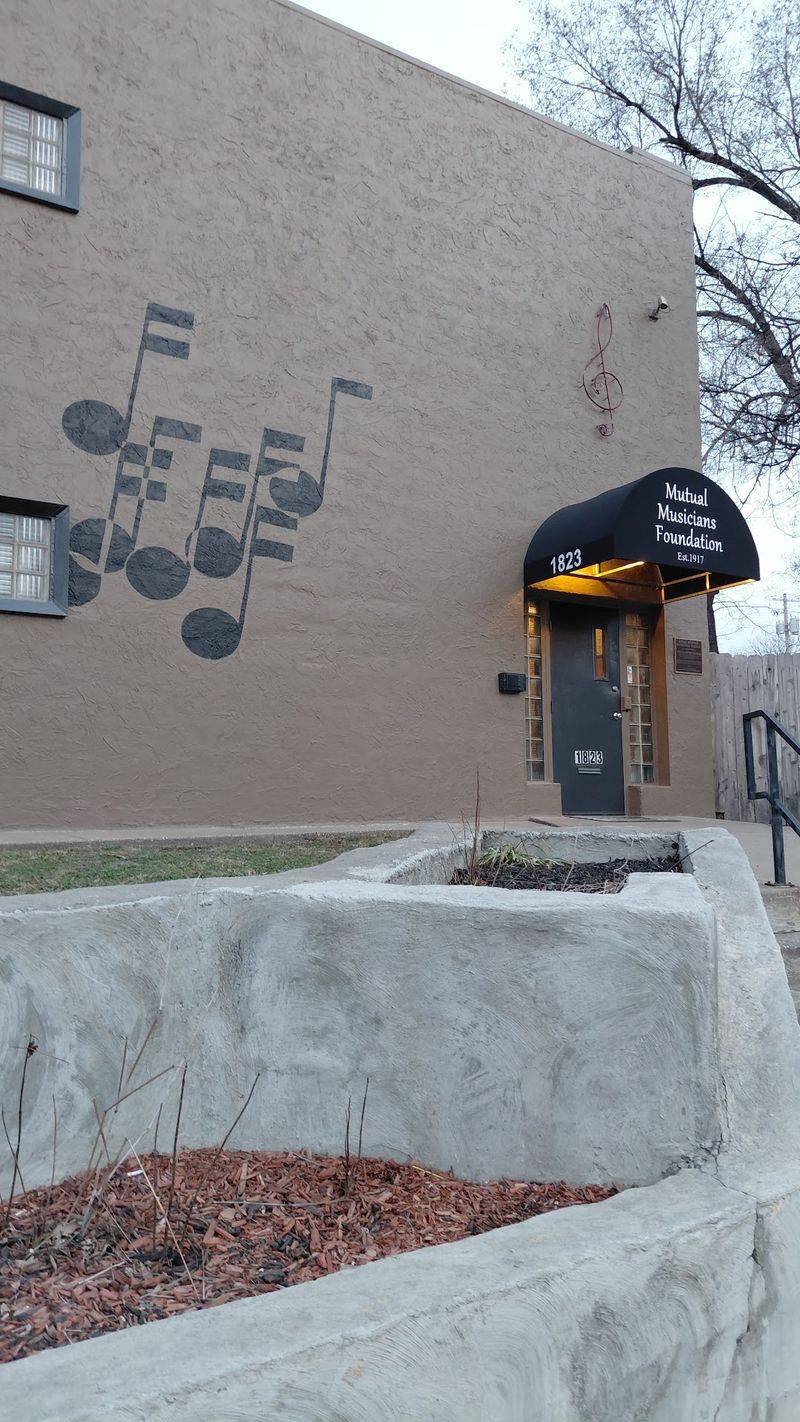
National Historic Landmark status does not come easily, and the Mutual Musicians Foundation Building at 1823 Highland Avenue earned it honestly. Originally established in 1917 as the Colored Musicians Union, Local No. 627 of the American Federation of Musicians, the organization served as a social center, booking hub, and advocate for African American musicians at a time when those roles were urgently needed.
Count Basie, Lester Young, Big Joe Turner, and a young Charlie Parker all walked through this building. Local lore holds that Parker first spoke with bebop pioneer Dizzy Gillespie within these walls, which is either historically accurate or the best kind of jazz mythology.
Late-night jam sessions continue every Friday and Saturday from 1:30 AM onward, carrying on a tradition stretching back to the 1930s. Weekday tours run Tuesday through Thursday, and educational programs like the Next Gen Jazz Lab keep the building pointed firmly toward the future.
3. The Blue Room, Kansas City, Missouri
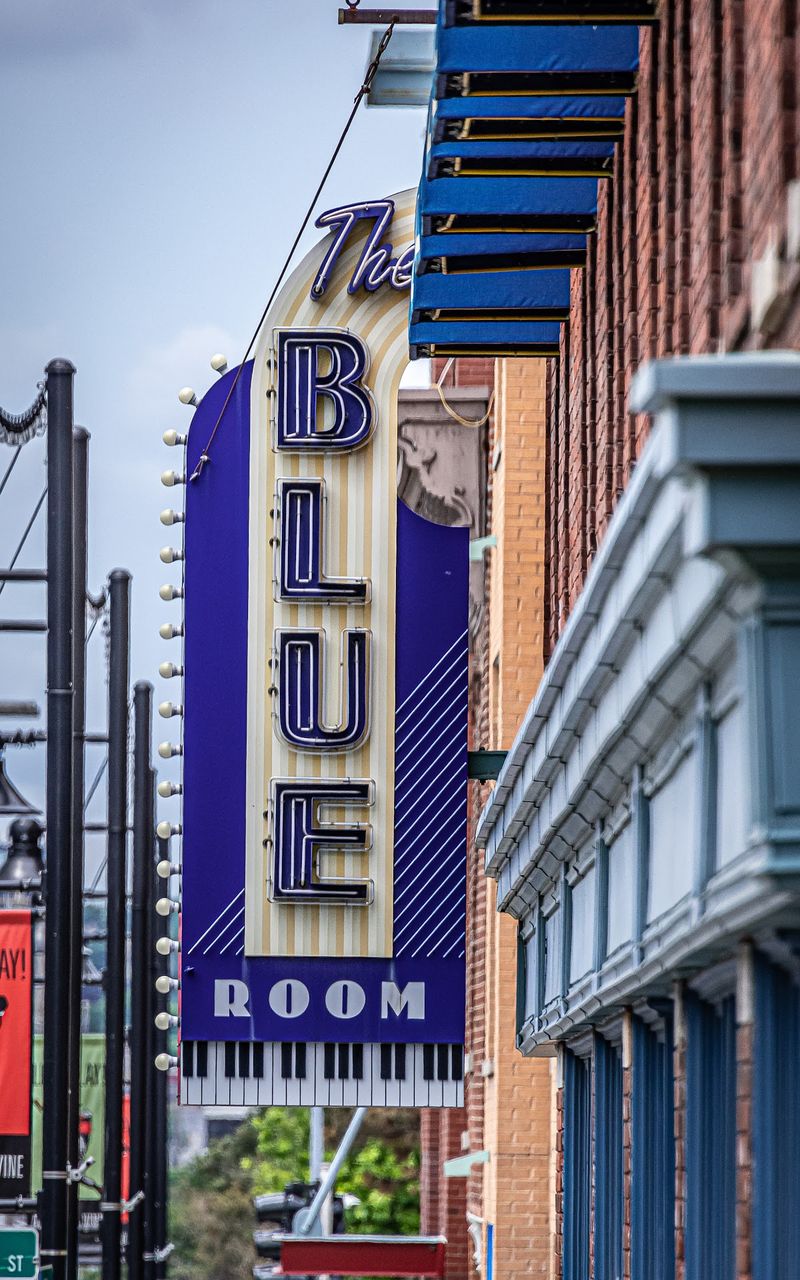
Named after the legendary Blue Room nightclub inside the historic Street Hotel, where Count Basie and Charlie Parker once performed, this intimate venue operates as both a working jazz club and a living exhibit attached to the American Jazz Museum.
More than 130 artifacts are built directly into the club’s design, including instruments, photographs, album covers, and union cards embedded into the round cocktail tables. Guests can examine pieces of jazz history while waiting for the next set to begin, which is a genuinely clever approach to museum curation.
Live music runs four nights a week, with Monday jam sessions open to musicians who want to bring their instruments and join in. The Indigo Hour on Fridays offers an affordable entry point, and Jazz at Noon on select Thursdays provides a midday option for visitors with packed evening schedules.
Capacity sits at around 120 to 150 guests, keeping the experience consistently close and personal.
4. Charlie Parker Memorial, Kansas City, Missouri
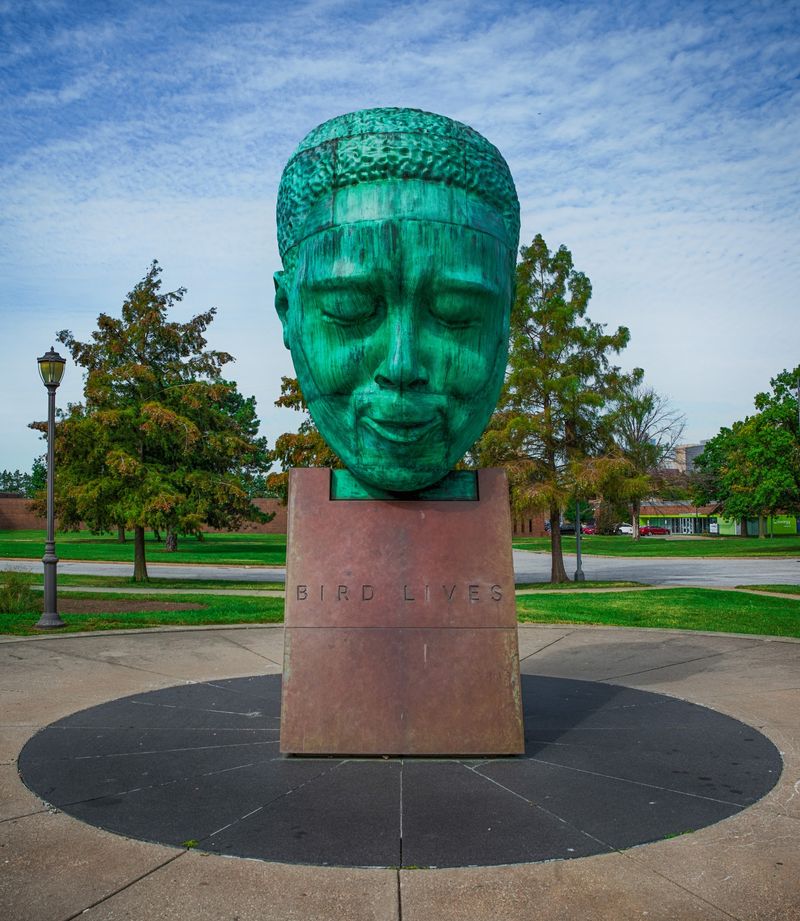
Robert Graham’s monumental bronze sculpture of Charlie Parker was unveiled on March 27, 1999, and it remains one of the most striking pieces of public art in Kansas City. The eighteen-foot depiction shows Parker’s face with eyes closed and lips pursed, frozen in the posture of someone completely absorbed in playing.
The surface carries a green patina on the face contrasting with the brown patina of the trapezoidal base, and the construction detail is worth noting: the face was assembled in a grid-like pattern rather than cast as a single piece. Etched into the base are two words that jazz fans will immediately recognize: Bird Lives.
Parker grew up in Kansas City and developed much of his early musical identity in the neighborhood surrounding 18th and Vine before helping invent bebop and changing jazz permanently. The memorial places him symbolically back in that neighborhood, funded by the Jules and Doris Stein and Oppenheimer Brothers Foundations, with Parker’s daughter Kim present at the dedication.
5. Gem Theater, Kansas City, Missouri
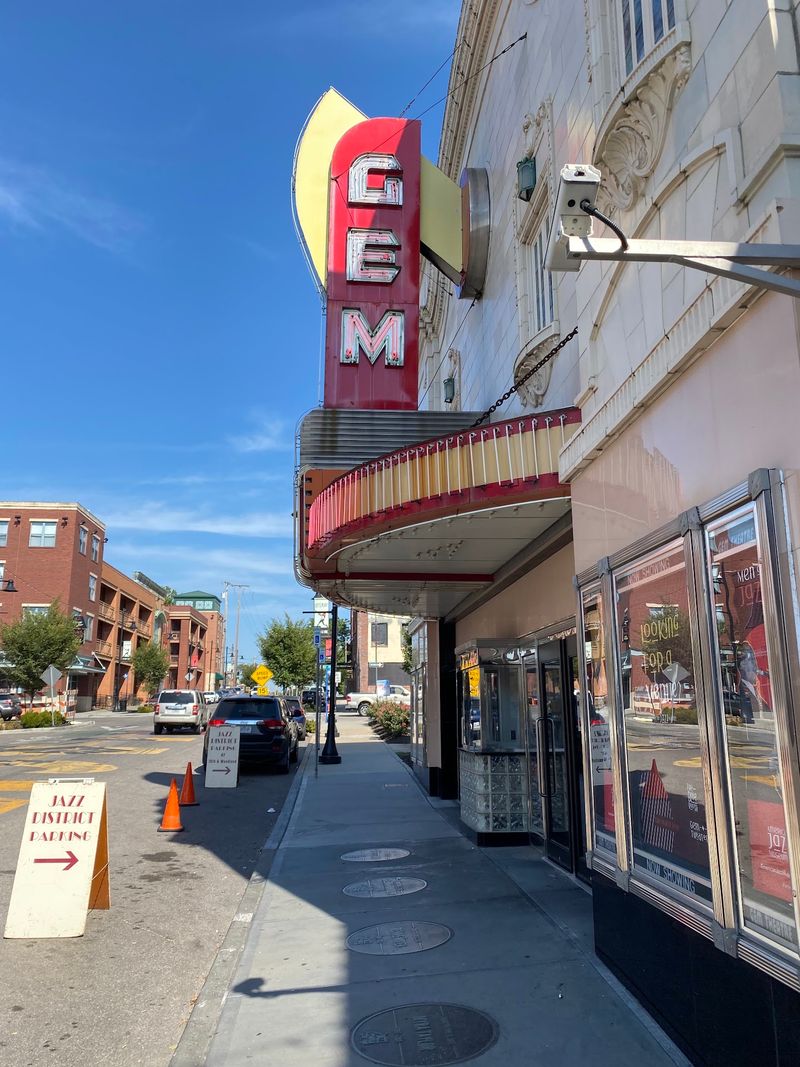
Originally opened as the Star Theater in 1912 and renamed the Gem in 1913, this building served African American audiences as a silent movie palace before evolving into a full sound theater by 1929. A 1924 renovation pushed seating past 1,200, making it one of the most significant entertainment venues in the area during its commercial run.
After closing as a movie house around 1960, the building sat in decline until city leaders designated it a cornerstone of the 18th and Vine revitalization effort. The restored Gem reopened in 1997 as a 500-seat performing arts center, with architects creating a building-within-a-building structure to achieve modern acoustics while preserving the original terra cotta and Vitrolite tile facade.
Today the theater operates alongside the American Jazz Museum and hosts a diverse calendar that includes the annual Jammin’ at the Gem jazz concert series, soul revues, film screenings, and stand-up comedy. Its neon marquee makes it one of the most photographed buildings in the district.
6. The Phoenix, Kansas City, Missouri
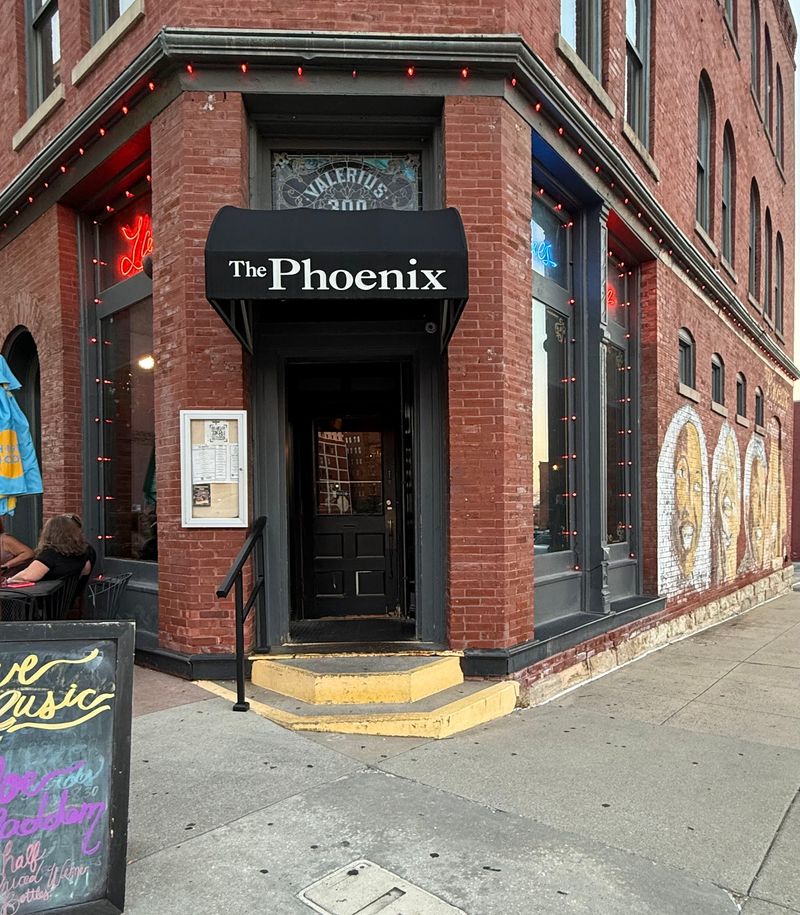
The building at 302 W. Eighth Street in Kansas City’s historic Garment District dates to 1888 and is listed on the National Historic Registry as part of the original Phoenix Hotel.
The stained glass above the front door still carries the etched name of Frank Valerius, who operated the Valerius Saloon here from 1905 onward.
Rebranded as The Phoenix in 1990, the club has since earned a reputation as one of the Midwest’s oldest and most consistently awarded jazz venues. Live music runs six nights a week, covering jazz, blues, soul, and rhythm and blues, with regular jam sessions including a Tuesday evening gathering and a Wednesday session hosted by Tim Reid Jr.
The Sunday Jazz Brunch is an all-ages event that pairs live music with a full food menu featuring dishes like buffalo mac and cheese and loaded fries. The informal atmosphere, where musicians and audience members often interact directly, is a significant part of what keeps loyal regulars coming back week after week.
7. Lonnie’s Reno Club, Kansas City, Missouri
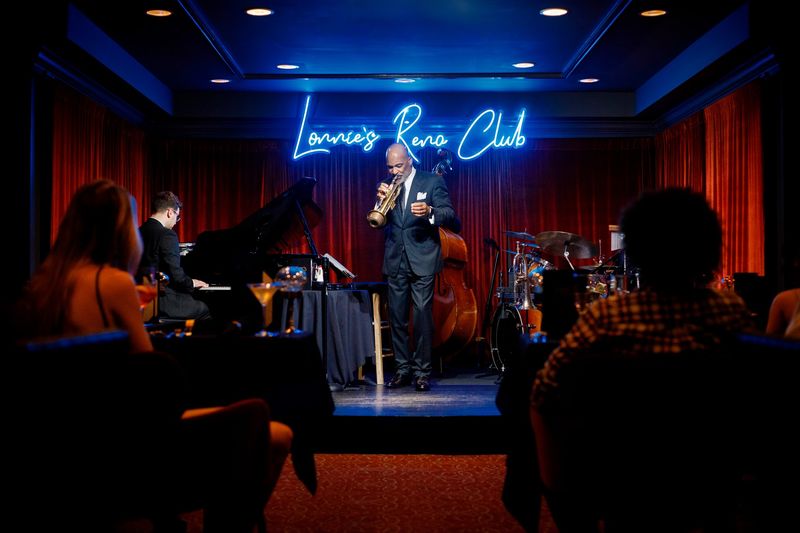
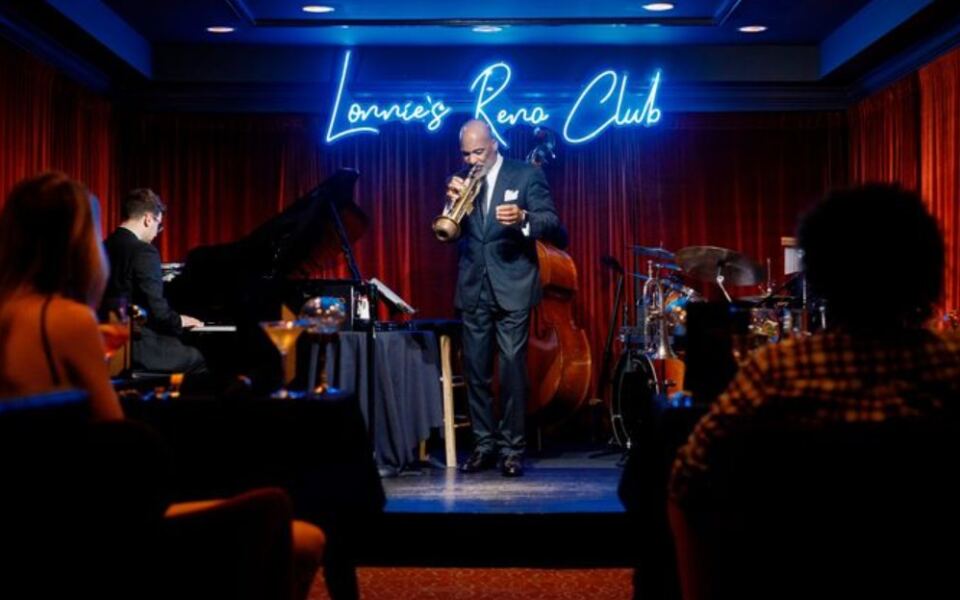
Count Basie formed his orchestra at the original Reno Club at 12th and Cherry Street in 1935, and early radio broadcasts from that venue introduced Kansas City jazz to audiences far beyond Missouri. Lonnie’s Reno Club, located in the lower level of the Ambassador Hotel at 1111 Grand Boulevard, was created as a deliberate tribute to that legacy.
Local musician Lonnie McFadden, a singer, trumpeter, and tap dancer whose father toured with jazz greats, collaborated with the hotel to design the space. The ceiling is finished in blacks and silvers, walls display black-and-white photographs of Kansas City legends including Parker and Mary Lou Williams, and a custom dance floor was built specifically for McFadden’s tap performances.
Dinner shows run Thursday through Sunday, featuring a three-course menu with options like Beef Wellington and Atlantic Salmon, crafted by Executive Chef Bryant Wigger. McFadden leads the house band personally on weekends, combining music, trumpet solos, and storytelling about Kansas City jazz history into a single evening package.
8. Black Dolphin, Kansas City, Missouri
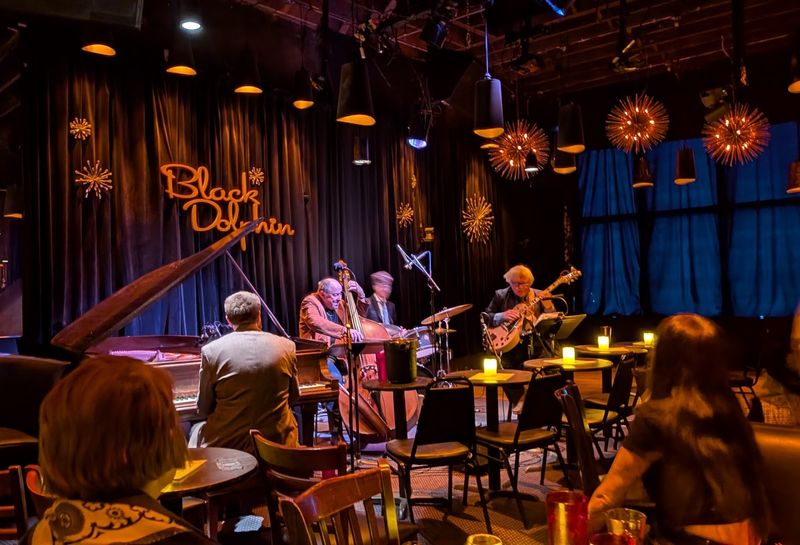
Grand Boulevard in Kansas City has a long association with the city’s cultural life, and Black Dolphin continues that tradition as one of the more deliberately focused jazz listening rooms in the area. The emphasis here is on proximity to live musicians rather than elaborate production or theatrical staging.
That approach reflects a genuine philosophy: jazz works best when the audience is close enough to notice every choice a musician makes in real time. Black Dolphin keeps its layout and atmosphere pointed squarely at that goal, making it a natural choice for visitors who have already toured the historic sites and want to hear the contemporary version of the Kansas City sound.
Missouri’s jazz heritage carries weight precisely because working musicians continue to build on it rather than simply repeat it. A night at Black Dolphin offers direct access to that ongoing creative process, placing the audience in the room where current Kansas City jazz is actually being made, not just remembered and celebrated.
9. Jazz St. Louis, St. Louis, Missouri
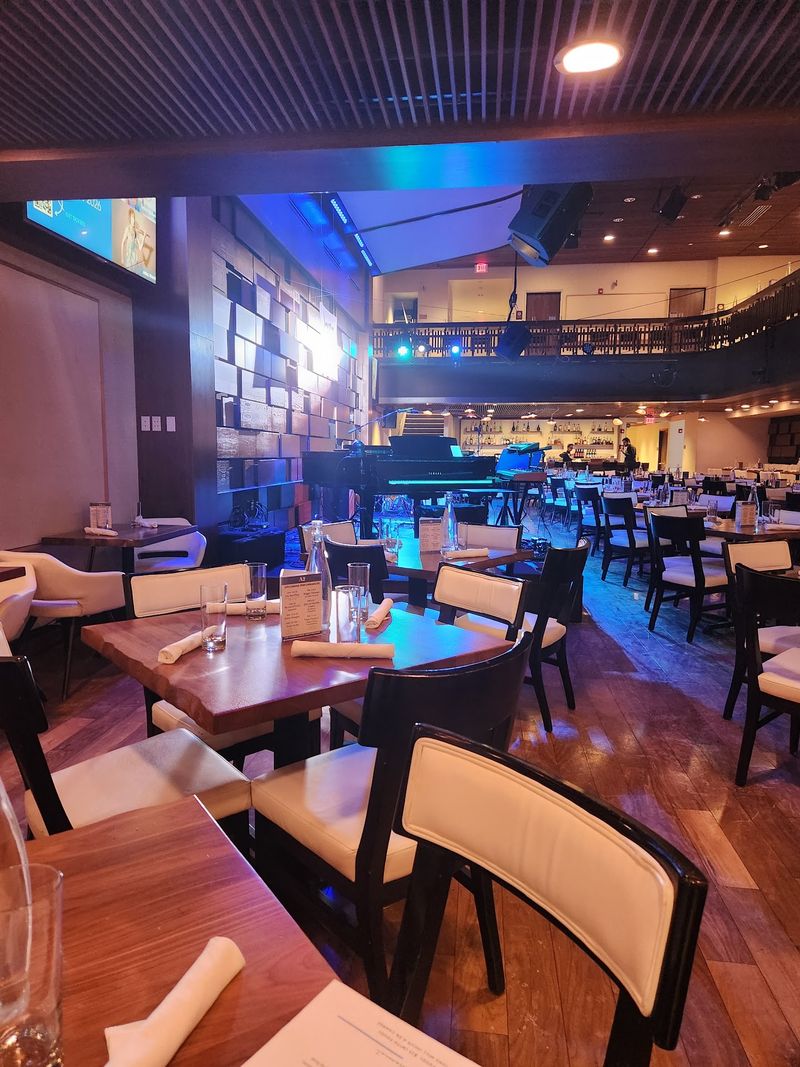
St. Louis has its own deep jazz tradition that runs parallel to Kansas City’s, and Jazz St. Louis is the organization most responsible for keeping that tradition in front of live audiences today. Its Steward Center on Washington Avenue functions as a dedicated listening room, designed specifically for audiences who want to pay full attention to the musicians rather than treating the performance as background noise.
The programming calendar spans local performers, regional touring acts, and internationally recognized jazz artists, giving the venue a range that keeps its audience engaged across multiple visits. Educational programming runs alongside the performance schedule, connecting students and younger audiences to the music in a structured way.
Jazz St. Louis has been presenting live jazz in the city since 1991, building a track record that makes it a reliable anchor for Missouri’s eastern jazz scene. For travelers arriving in St. Louis with serious musical intentions, the Steward Center is a natural first stop and often the highlight of the entire visit.
10. The Dark Room at The Grandel, St. Louis, Missouri
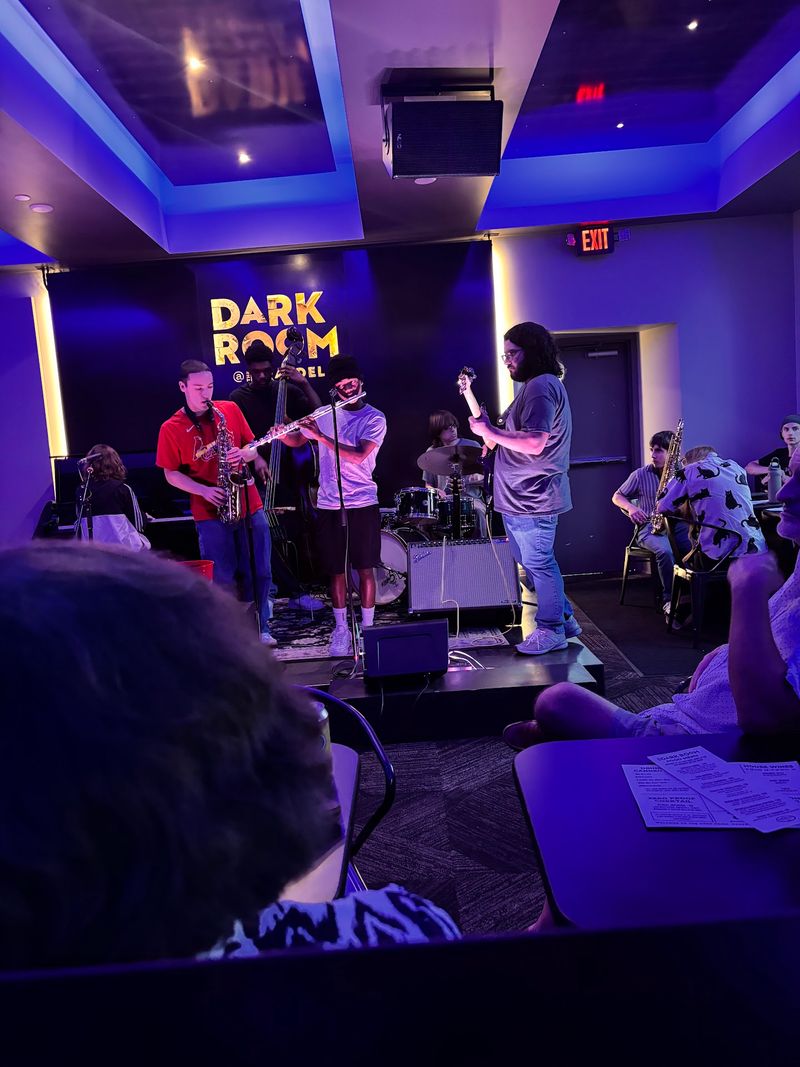
Grand Center is St. Louis’s designated arts district, and The Dark Room at The Grandel fits naturally into that environment by combining food, beverages, and live performance inside a single intimate space. The ongoing Wednesday Night Jazz Jam is the venue’s signature event, pairing a featured musician or group with an open stage session that invites additional performers to join as the evening progresses.
That jam format has a specific appeal for visitors who want to see how jazz actually develops as a social practice rather than a polished product. When musicians improvise together without a fixed set list, the results can go in directions nobody in the room anticipated, which is part of the original appeal of the Kansas City jam-session tradition that influenced the entire genre.
The Grandel building itself is a historic St. Louis structure with its own architectural interest, and The Dark Room makes creative use of the space. For anyone visiting Grand Center to explore its theaters and galleries, adding a Wednesday evening here creates a well-rounded cultural itinerary.
11. The Sheldon, St. Louis, Missouri
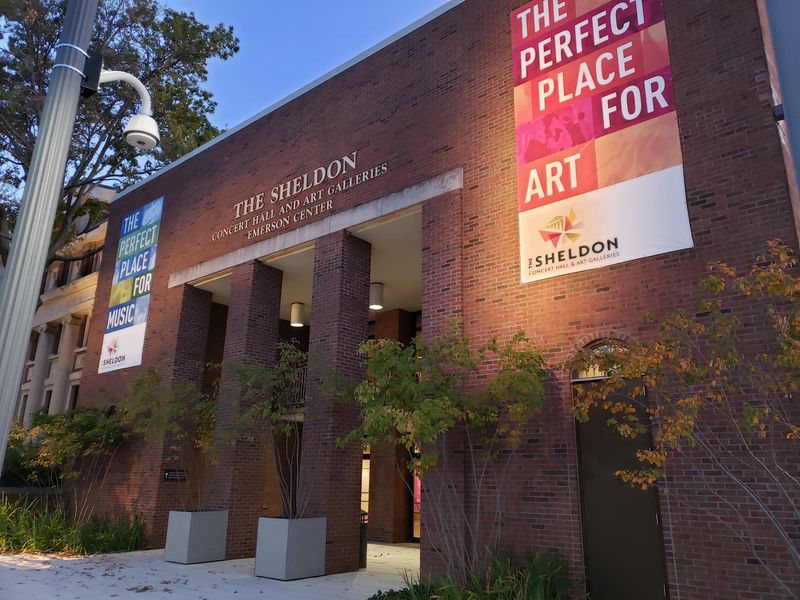
Built in 1912 and originally serving as a meeting hall for the Ethical Society of St. Louis, The Sheldon Concert Hall and Art Galleries has developed a reputation among musicians and audiences for acoustics that rival much larger and more expensive performance spaces. That reputation is not accidental: the hall’s design was carefully considered, and it shows in the quality of every performance presented there.
Jazz has long been part of The Sheldon’s programming mix, sitting alongside classical, folk, and world music on a calendar that reflects the hall’s commitment to serious listening rather than casual entertainment. Attached art galleries add a visual dimension to visits, making the building worth exploring before the music begins.
For jazz fans who prefer a formal seated concert experience over a late-night club setting, The Sheldon offers something distinct from every other venue on this list. The combination of genuine architectural beauty, proven acoustics, and thoughtfully curated programming makes it one of St. Louis’s most consistently rewarding cultural destinations regardless of the specific genre being performed.
12. BB’s Jazz, Blues and Soups, St. Louis, Missouri
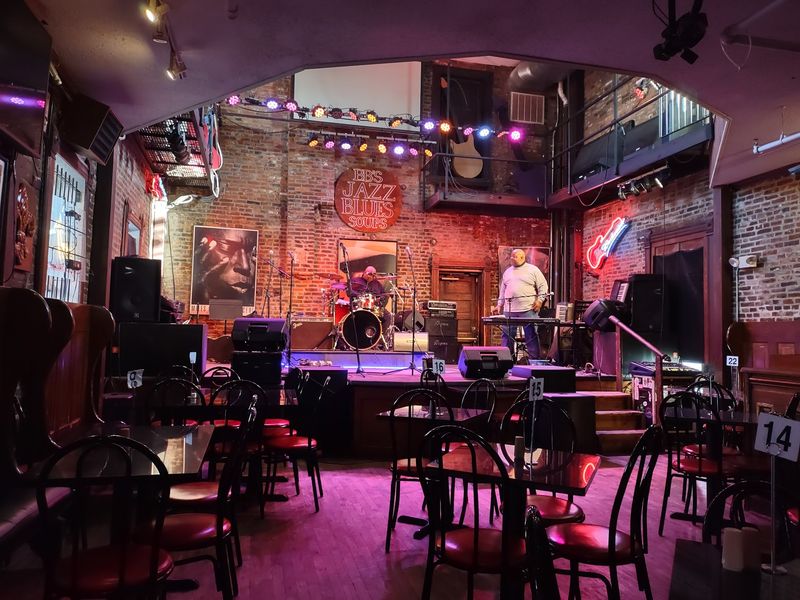
South Broadway in St. Louis is not the most obvious address for a jazz landmark, but BB’s Jazz, Blues and Soups has been making the case for its corner of the city since the 1980s. The name leaves nothing to the imagination: live music and food share equal billing, with jazz and blues rotating through a calendar that reflects the overlapping histories of both genres in St. Louis.
That overlap is genuine rather than marketing convenience. St. Louis has historically been a crossroads where jazz and blues musicians shared venues, audiences, and ideas, and BB’s programming reflects that reality without forcing an artificial distinction between the two.
The atmosphere is informal and unpretentious, which suits the South Broadway neighborhood and the music itself. Visitors who want a lively evening without the structured formality of a concert hall will find BB’s a satisfying alternative, and the soup menu has developed its own following among regulars who arrive as much for the food as for the musicians sharing the small stage at the front of the room.
Share this story