Montana did not get its Old West reputation by sitting quietly on a porch. Gold rushes pulled in miners by the thousands, cattle herds spread across the open range, and a few ambitious characters decided that robbing trains paid better than roping calves.
Vigilantes, sheriffs, trick ropers, cattle kings, and at least one famous frontierswoman all left real marks on the map. Plenty of those stories got bigger every time someone retold them around a campfire.
The good news is that you can still visit the actual spots where these legends lived, worked, and occasionally got into very big trouble. Some are tiny museums with surprising treasures, like a saddle once used in a Wild West show or a pistol tied to a famous train robber.
Others are entire ghost towns, working ranches, and even a prison where a member of a notorious gang once served time. Keep reading to find 12 places where Montana history still has its boots on, plus tips on what to look for at each stop.
1. Phillips County Museum, Malta, Montana
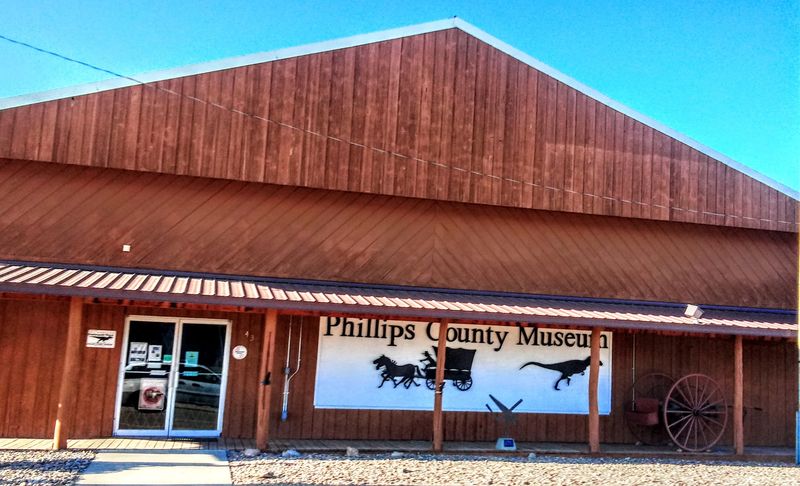
Wanted posters are usually meant to catch a criminal, but in Malta they catch curious visitors instead. The Phillips County Museum holds one of the best outlaw collections in the state, centered on Harvey Logan, better known as Kid Curry.
Kid Curry rode with the Wild Bunch, the gang made famous by Butch Cassidy. In 1901, he helped rob a Great Northern train just west of Malta, which makes this museum a hometown front-row seat to the story.
Inside, you will find photographs, old newspaper clippings, and wanted posters from the era. The star item is a pistol associated with Curry himself, displayed safely behind glass.
The exhibit also explains that his outlaw career began in 1894 after a showdown with a man named Pike Landusky. Remember that name, because it pops up again soon.
Plan at least an hour here. Staff members are usually happy to share local stories, and the museum also covers dinosaurs and homesteading, so the whole family stays entertained.
2. Bannack, Montana
Here is a fun trivia question for your next road trip. What was the very first territorial capital of Montana?
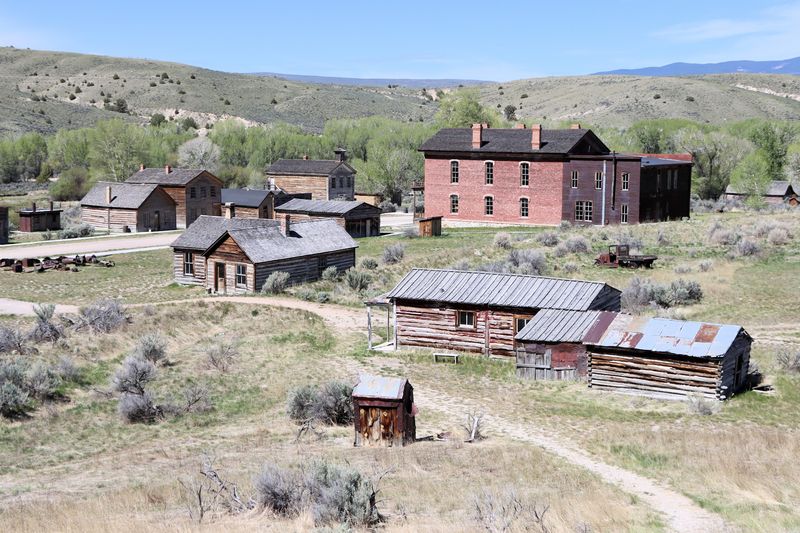
The answer is Bannack, a gold rush camp that is now one of the best-preserved ghost towns in the West.
Bannack is also home to one of the most argued-about outlaw tales in state history. Sheriff Henry Plummer was supposed to keep the peace, but vigilantes accused him of secretly leading a gang of road agents.
In January 1864, Plummer and two deputies faced vigilante justice here. Historians still debate whether he was truly guilty, so you get to play detective.
More than 60 buildings still stand along Main Street. You can walk inside many of them, including the old hotel, the schoolhouse, and the jail.
Bannack is now a state park with a small entrance fee. Each July, Bannack Days brings costumed reenactors, wagon rides, and old-time crafts, making it the liveliest time to visit.
3. Boot Hill Cemetery, Virginia City, Montana
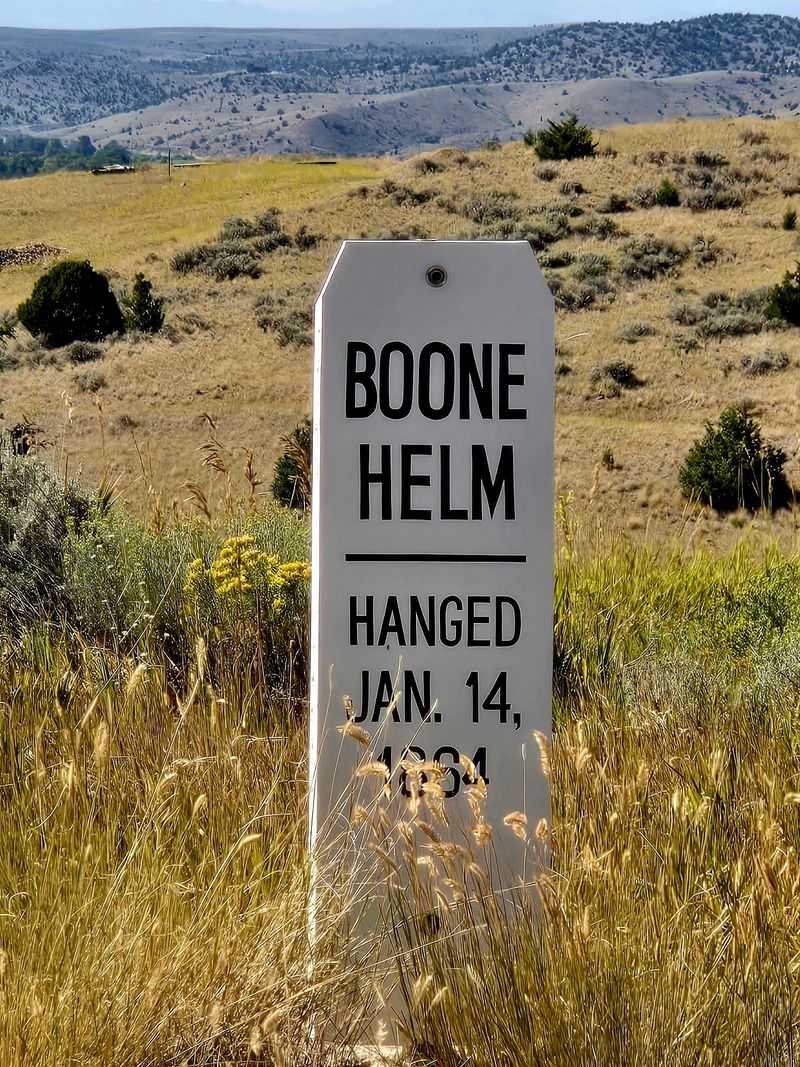
Five wooden markers sit on a hill above town, and they finish the story that started at the Hangman’s Building. Boot Hill is where Boone Helm, Jack Gallagher, George Lane, Haze Lyons, and Frank Parish were laid to rest in January 1864.
The name Boot Hill was common in Old West towns. It usually meant a burial spot for outlaws and drifters who had no family nearby.
There is nothing fancy here. The markers are simple, and the fenced area is small.
That plainness is exactly the point. Movies often make outlaw life look exciting and glamorous, but this hillside tells a much less flashy version of events.
The view is a bonus. From the top, you can see Virginia City spread out below and picture how the gold camp looked in the 1860s.
Wear sturdy shoes for the short uphill walk. Early morning or late afternoon visits are cooler in summer and usually less crowded.
4. Virginia City Historical Museum, Virginia City, Montana
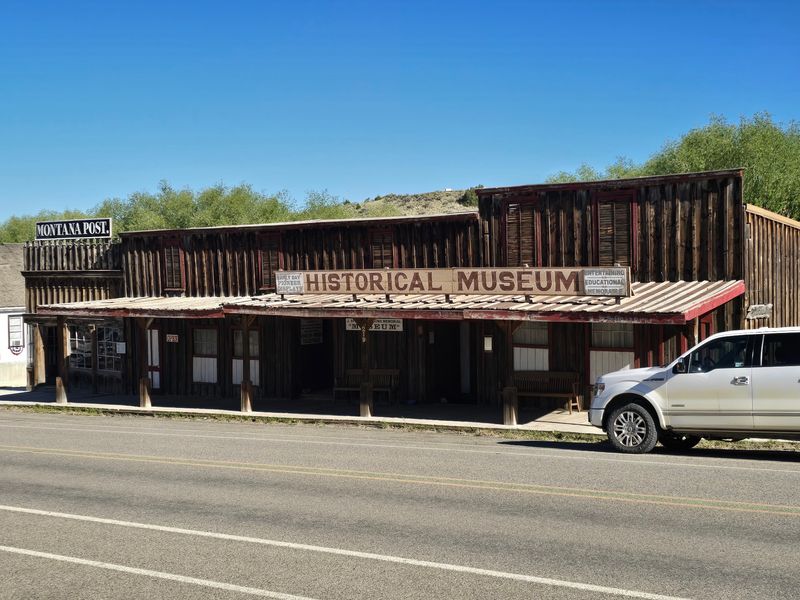
Think of this museum as the welcome desk for an entire Old West town. Virginia City exploded with miners after gold was found in Alder Gulch in 1863, and the museum helps make sense of that wild chapter.
Exhibits cover the gold rush, the road agents who preyed on travelers, and the vigilantes who decided to take matters into their own hands. Seeing all three groups together helps you understand why tempers ran so high.
What makes the visit special is the neighborhood. The museum sits among dozens of original nineteenth-century buildings, many still filled with old goods and furniture.
After your visit, the Hangman’s Building and Boot Hill are just a short walk or drive away. You can basically follow the vigilante story step by step.
Summer is the main season, so check opening hours before you go. Nearby Nevada City, just over a mile down the road, adds even more historic buildings and a vintage railroad to your day.
5. Polson Flathead Lake Museum, Polson, Montana
Calamity Jane told so many tall tales that even historians sometimes scratch their heads. Some of her stories were true, some were stretched, and a few were probably invented on the spot.
In Polson, though, there is one solid piece of evidence you can see with your own eyes. The museum displays a saddle identified as hers, used during her years performing in a Wild West show.
Wild West shows were traveling spectacles packed with sharpshooting, trick riding, and dramatic reenactments. Calamity Jane was a big draw because audiences loved her bold, rule-breaking personality.
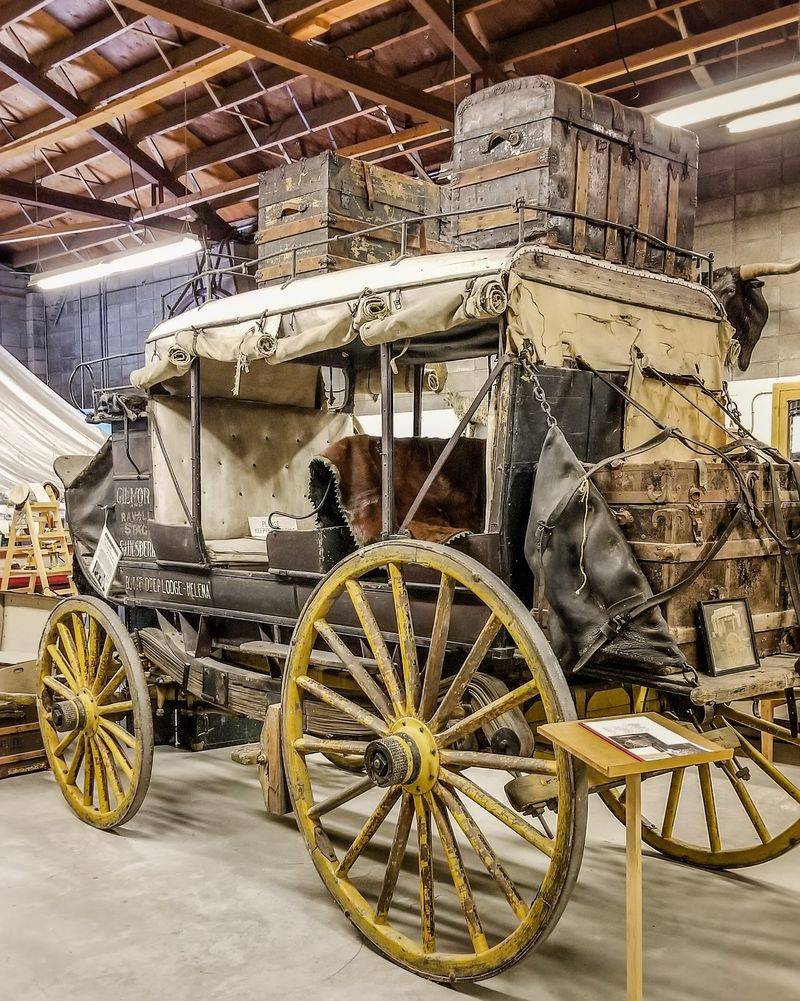
The saddle shares space with stagecoaches, wagons, firearms, and many other frontier objects. Together, they paint a broad picture of daily life on the Montana frontier.
The museum has a friendly small-town style, and it packs a lot into its rooms, so give yourself time to browse. Afterward, Flathead Lake is right next door, which makes this an easy stop on a summer vacation through northwest Montana.
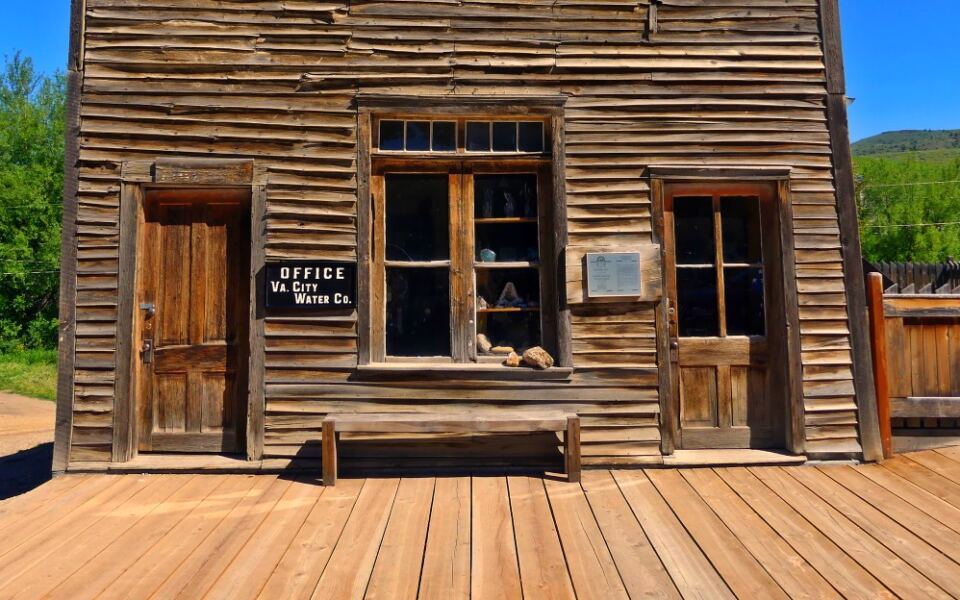
6. Hangman’s Building, Virginia City, Montana
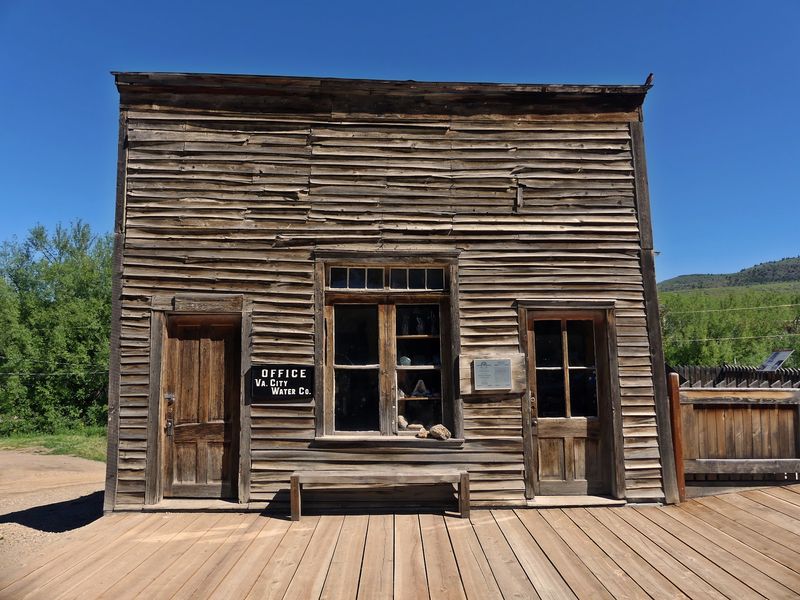
Not every famous building looks famous. On Wallace Street in Virginia City, a plain wooden structure holds a story that most visitors never forget.
On January 14, 1864, vigilantes used a heavy support beam inside this building to carry out sentences on five accused road agents. The building was still unfinished at the time.
One of the five was Boone Helm, a man with an extremely rough reputation across several territories. The others were Jack Gallagher, George Lane, Haze Lyons, and Frank Parish.
Reading about frontier justice in a book can feel far away. Standing in front of the real building makes the history much more concrete.
Signs nearby explain the vigilante movement and why it formed during the Alder Gulch gold rush. Miners carried gold dust on lonely roads, and robberies were a real worry.
Take a moment to look at the beam and read the plaques. Then think about the big question historians still ask: was this justice or a mob?
7. Central Montana Museum, Lewistown, Montana
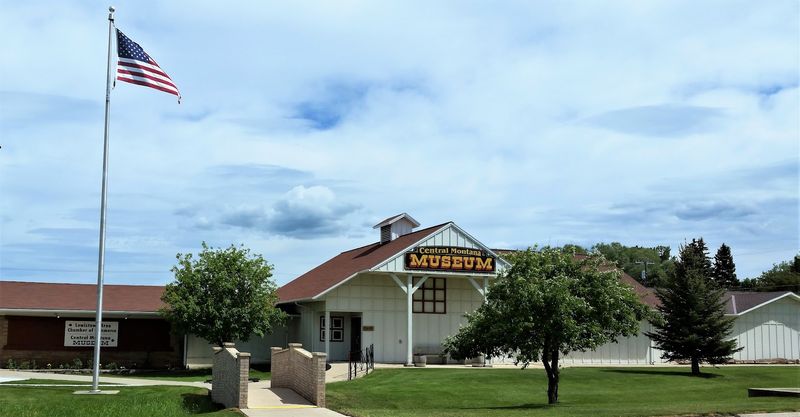
A guy nicknamed Rattlesnake Jake is probably not someone you would invite to a birthday party. He is, however, one of the colorful characters you will meet at the Central Montana Museum in Lewistown.
Rattlesnake Jake Owens was a troublemaking outlaw whose rowdy behavior led to a famous 1884 shootout in Lewistown. The museum shares his story alongside some very different neighbors.
Granville Stuart was a powerful cattleman and pioneer. Charles M.
Russell, the famous cowboy artist, spent time painting and working in this part of the state.
Then there is Jimmy Kaaro, a trick roper who also served as a lawman. Spinning a lasso and keeping the peace makes for an impressive resume.
The best part of this museum is seeing how all these lives overlapped. Ranchers, outlaws, artists, and lawmen were not in separate worlds, they were often in the same town on the same day.
Lewistown sits right in the center of the state, so it makes a handy stop on a cross-Montana drive.
8. C. M. Russell Museum, Great Falls, Montana
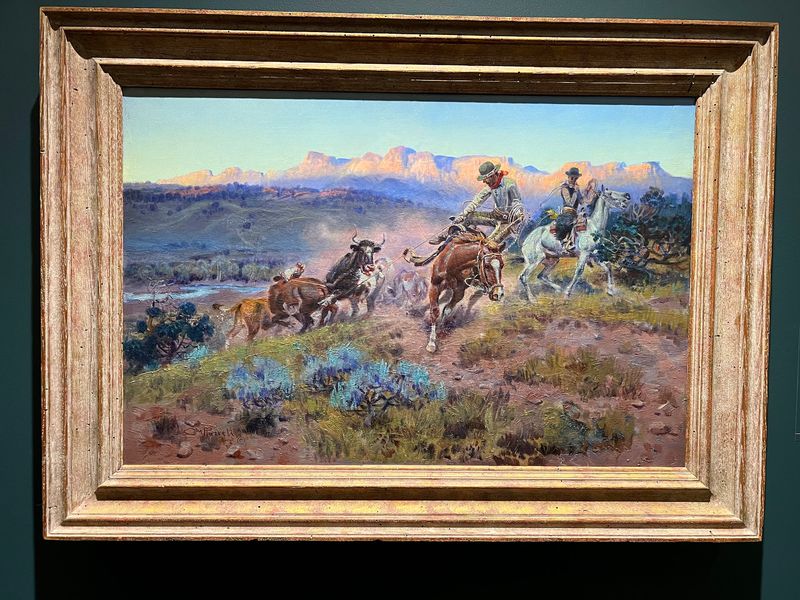
Charlie Russell did not learn about cowboys from a textbook. He moved to Montana at age 16 and spent years working around ranches and cow camps, including time as a night wrangler watching over horses.
Those years became the fuel for his art. Russell later created thousands of paintings, drawings, and sculptures showing cowboys, horses, Indigenous people, and wide Montana landscapes.
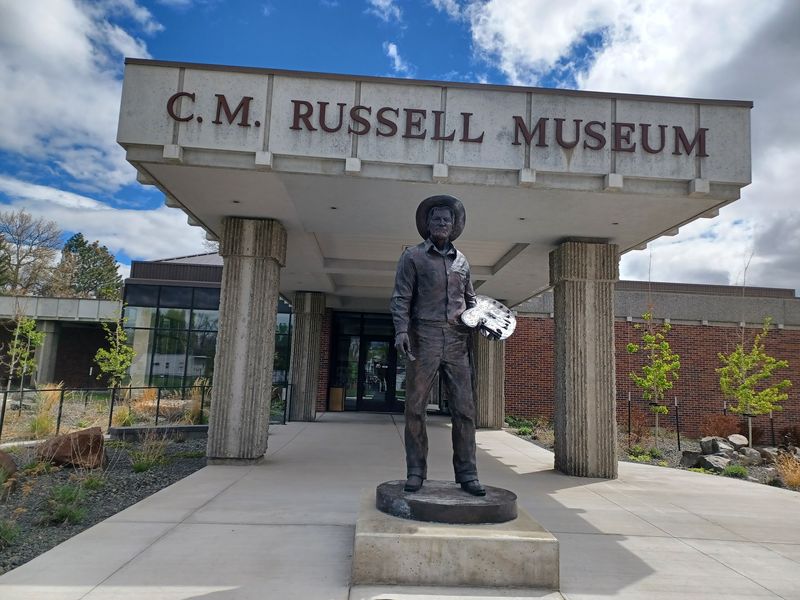
The C. M.
Russell Museum in Great Falls holds one of the biggest collections of his work anywhere. Look closely and you will notice tiny details, like the way a rope is coiled or how a horse shifts its weight.
Fans also get a real treat outside the main galleries. Russell’s original home and his log cabin studio still stand on the property.
The studio is packed with saddles, tools, and objects he used as models for his artwork. It shows how he worked as much as what he made.
Plan two to three hours, and check the calendar for special exhibits and family programs.
9. Montana Cowboy Hall of Fame Gallery, Great Falls, Montana
Famous names like Calamity Jane get all the headlines, but most of the real cowboy work was done by people you have never heard of. The Montana Cowboy Hall of Fame exists to fix that.
Each year, the organization honors people who shaped Montana’s ranching, rodeo, and Western traditions. Inductees include hardworking ranchers, skilled riders, rodeo performers, and others who kept the cowboy way of life going.
Many of these stories come from small towns and family ranches. Without a hall of fame, plenty of them would simply fade away as generations pass.
The gallery gives visitors a chance to learn about these local heroes up close. Some honorees were ranching long before Montana even became a state in 1889.
Here is a useful tip for families. Ask kids to pick one inductee and find out what made that person special, which turns the visit into a fun scavenger hunt.
Since it is also in Great Falls, pairing this stop with the Russell Museum makes for a perfect cowboy-themed day.
10. Range Riders Museum, Miles City, Montana
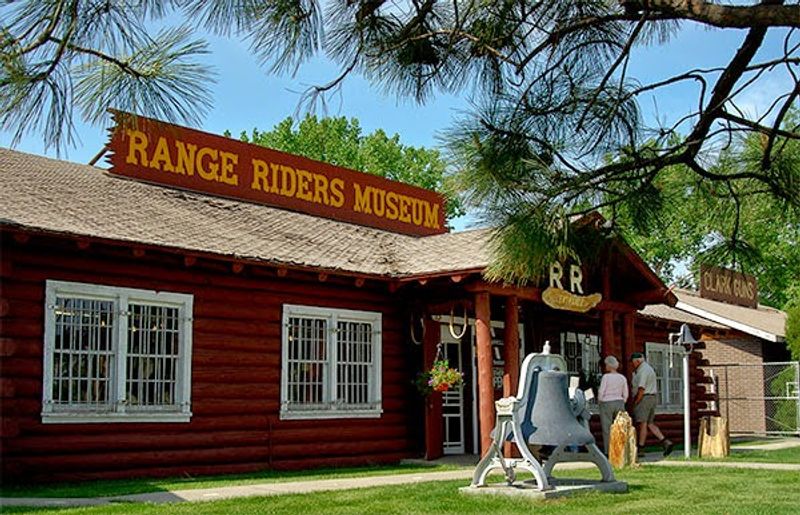
Miles City has worn its cowboy hat proudly since the 1880s. Big cattle herds came up from Texas to graze the northern plains, and this town became one of the busiest cattle centers in Montana.
The Range Riders Museum celebrates that era in a big way. Its grounds include several historic buildings, so the museum feels more like a small village than a single exhibit hall.
Inside, you will find firearms, saddles, ranching tools, wagons, and walls of photographs. Many pictures show real cowboys and pioneer families from eastern Montana.
The focus here stays on the working cowboy. Forget the movie version with flashy gunfights, because this museum shows long days, tough weather, and hard ranch labor.
Budget at least two hours, since there is a lot to see. Visiting in May?
The famous Miles City Bucking Horse Sale happens then, bringing rodeo action, parades, and a huge crowd of Western fans to town.
11. Grant-Kohrs Ranch National Historic Site, Deer Lodge, Montana
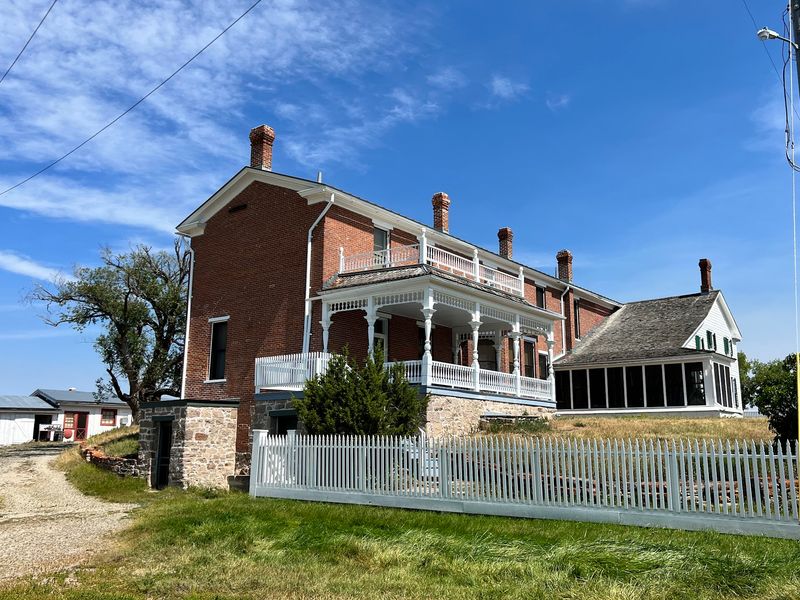
Behind every cowboy was a boss paying the bills, and in Montana the biggest boss was Conrad Kohrs. People called him the Cattle King, and his herds once grazed across millions of acres in several states and Canada.
Grant-Kohrs Ranch in Deer Lodge was the home base for that empire. Today it is run by the National Park Service, and entrance is free.
What makes this stop different is that it is still a working ranch. Cattle, horses, and ranch hands keep the place active, so you are not just looking at items behind glass.
You can tour the historic ranch house, which still holds much of the original family furniture. Barns, bunkhouses, and the blacksmith shop show where cowboys actually ate, slept, and worked.
Summer brings demonstrations like chuckwagon cooking, branding history, and blacksmithing. Kids can also earn a Junior Ranger badge by completing an activity booklet, which is a great way to keep young explorers busy.
12. Old Montana Prison & Auto Museum Complex, Deer Lodge, Montana
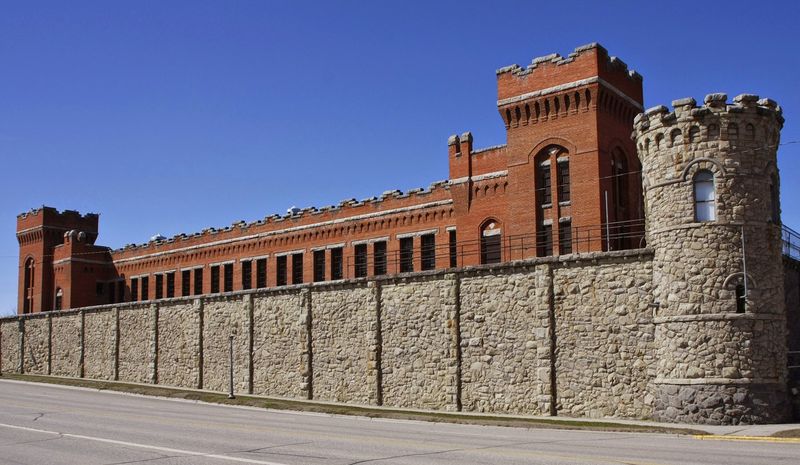
Every outlaw story has two possible endings, a clean getaway or a cell with a lock. The Old Montana Prison in Deer Lodge shows what the second option looked like.
One of its inmates was Orlando Camillo Hanks, also known as Deaf Charley Hanks or Charley Jones. He was sent here after taking part in an attempted Northern Pacific train robbery near Big Timber.
After his release in 1901, Hanks didn’t exactly choose a quiet life. He became connected to Butch Cassidy’s Wild Bunch, the same gang that included Kid Curry from the start of this list.
Visitors can walk through the cellblocks, the yard, and the tall stone walls built partly by inmates themselves. The cells are tiny, which makes for some very memorable photos.
The same ticket includes a huge auto museum with more than 100 classic cars. It is a fun switch from horses to horsepower.
Since Grant-Kohrs Ranch is just down the road, Deer Lodge makes a great final stop on this Old West trail.
Share this story