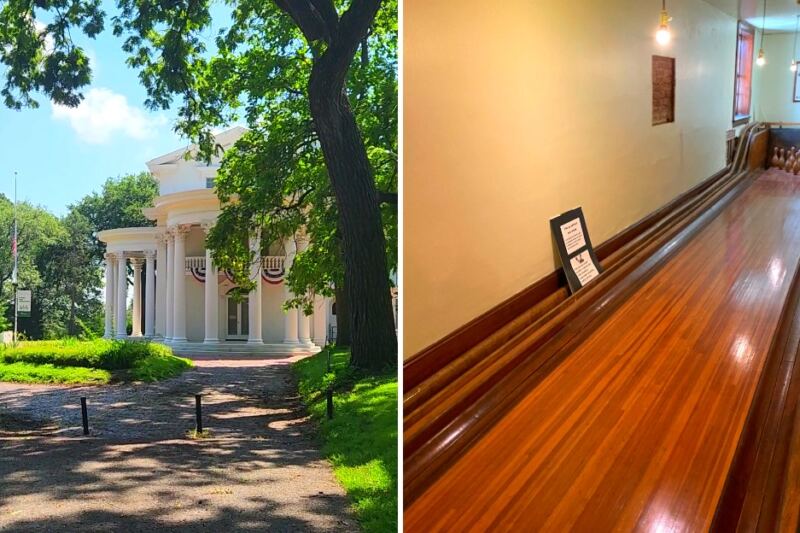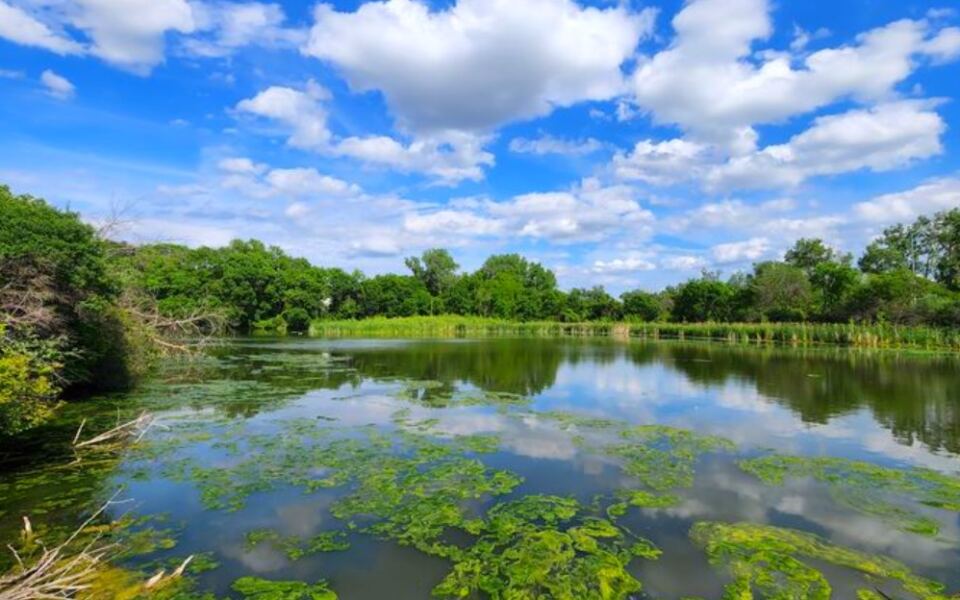
Nebraska offers a surprisingly diverse collection of wildlife refuges and sanctuaries, from sprawling Sandhills prairies and remote lakes to peaceful urban preserves near Omaha. These protected landscapes give pronghorn, birds, turtles, and countless other species valuable space to thrive.
These 12 Nebraska refuges and sanctuaries showcase the state’s quieter, wilder side. From birdwatching and photography to hiking peaceful trails, each offers a rewarding way to experience Nebraska’s wildlife and natural beauty.
1. Valentine National Wildlife Refuge, Valentine, Nebraska
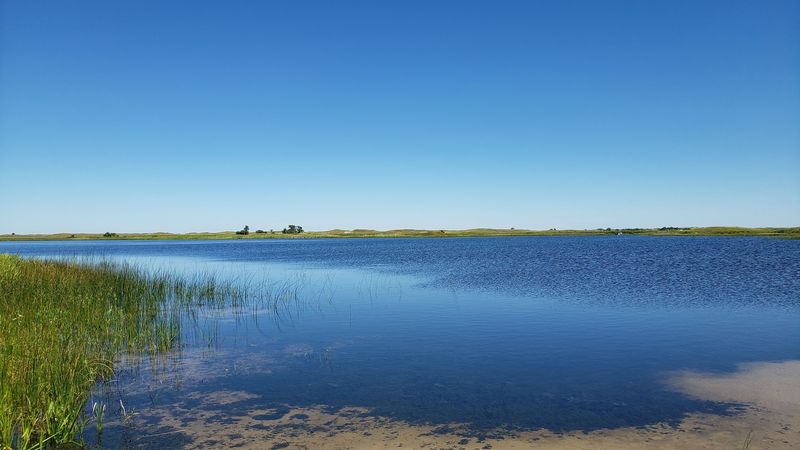
Few places in the continental United States offer as much breathing room as this refuge tucked deep into the Nebraska Sandhills. Valentine National Wildlife Refuge protects more than 71,000 acres of rolling prairie, marshes, and scenic lakes, all managed as part of the Sandhills National Wildlife Refuge Complex.
Hundreds of bird species use the refuge, along with mammals, reptiles, and amphibians, making it one of the most complete Sandhills ecosystems you can actually visit. The nine-mile Little Hay Road Wildlife Drive passes lakes, meadows, hills, and marshes, giving visitors a structured way to cover a lot of ground without leaving their vehicle.
Hikers and photographers can also explore on foot, and the refuge’s remoteness is a genuine selling point rather than an inconvenience. Out here, the horizon stretches in every direction, cell service is unreliable at best, and wildlife operates on its own schedule.
That combination is exactly what makes Valentine NWR worth the drive.
2. Crescent Lake National Wildlife Refuge, Ellsworth, Nebraska
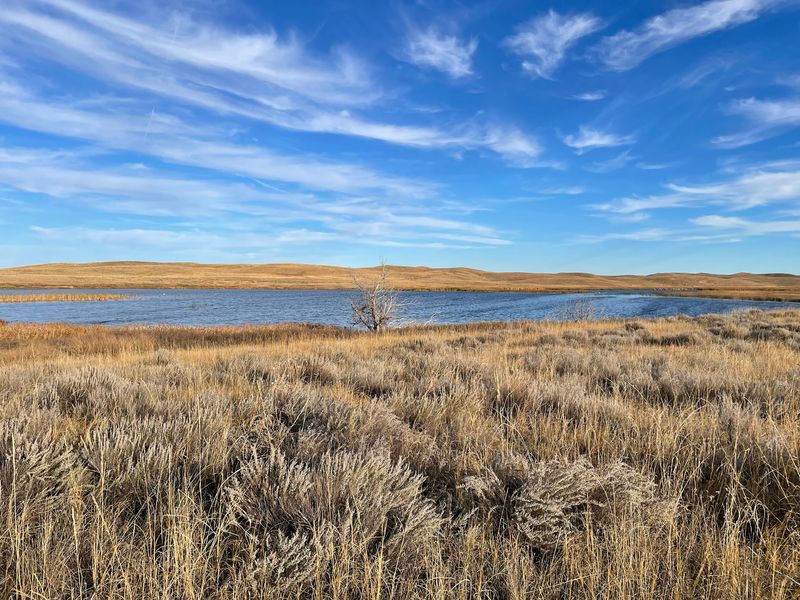
Established in 1931, Crescent Lake National Wildlife Refuge is considered one of the most remote refuges in the entire lower 48 states, and it earns that reputation honestly. Reaching it requires a long drive through the western Sandhills on gravel roads, but that journey is also part of the experience.
The refuge covers more than 45,000 acres of prairie dunes, wetlands, and shallow lakes, and over 270 bird species have been recorded here. Trumpeter swans, bald eagles, short-eared owls, and 31 species of waterfowl are among the documented residents and visitors.
The endangered blowout penstemon plant also grows within the refuge boundaries.
A self-guided auto tour route and a 2.2-mile nature trail with an overlook equipped with a spotting scope give visitors two good ways to explore. Pronghorn and prairie grouse add to the wildlife checklist.
No camping or fires are permitted, so plan your visit as a day trip from a nearby town.
3. North Platte National Wildlife Refuge, Minatare, Nebraska
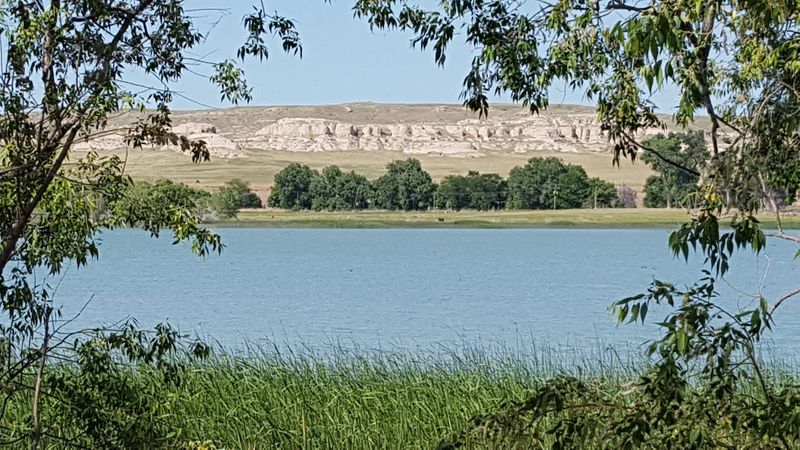
President Woodrow Wilson established this refuge by executive order back in 1916, making it one of Nebraska’s oldest federally protected wildlife areas. North Platte National Wildlife Refuge spans over 2,700 acres across four units near Scottsbluff: Lake Alice, Lake Minatare, Winters Creek Lake, and Stateline Island.
The refuge hosts over 200 bird species, and during peak migration, up to 250,000 Mallards and 11,000 Canada geese have been recorded moving through. Lake Alice is home to one of Nebraska’s oldest and most consistently active bald eagle nests, which alone makes it a draw for serious birders.
Beyond birds, 21 mammal species and 17 reptile and amphibian species have been documented across the units. Black-tailed prairie dogs, mule deer, and Northern Harriers are among the more commonly spotted residents.
Most units are open from sunrise to sunset, though some sections close seasonally to give wildlife an undisturbed refuge. Cameras and binoculars are strongly recommended.
4. Boyer Chute National Wildlife Refuge, Fort Calhoun, Nebraska
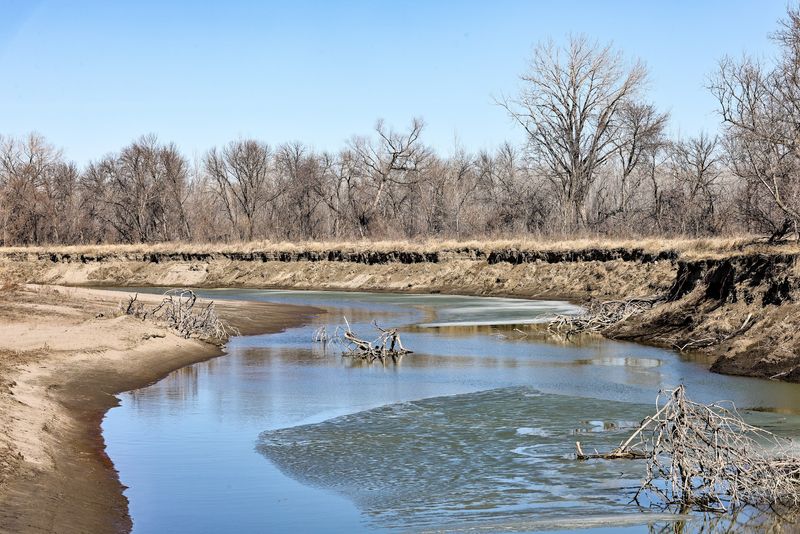
The story behind Boyer Chute is one of the more interesting conservation comebacks in Nebraska. The chute, a natural side channel of the Missouri River, was blocked in 1937 to help riverboat navigation, contributing to the loss of over 500,000 acres of floodplain habitat along the river.
Restoration work began in 1993, and the refuge was formally established in 1997.
Today the refuge covers approximately 3,350 acres of floodplain woodland, tallgrass prairie, and wetland habitat just north of Omaha. A 2.3-mile auto route and nearly eight miles of hiking trails allow visitors to move through grasslands, bottomland forests, and along Missouri River backwaters at whatever pace suits them.
Herons, kingfishers, beavers, bobcats, wild turkeys, and wintering eagles are among the wildlife visitors may encounter depending on the season. Spring and fall migrations bring especially large concentrations of waterfowl.
For anyone based in Omaha who wants a genuine wildlife experience without a long drive, Boyer Chute is a reliable choice.
5. John W. and Louise Seier National Wildlife Refuge, Bassett, Nebraska
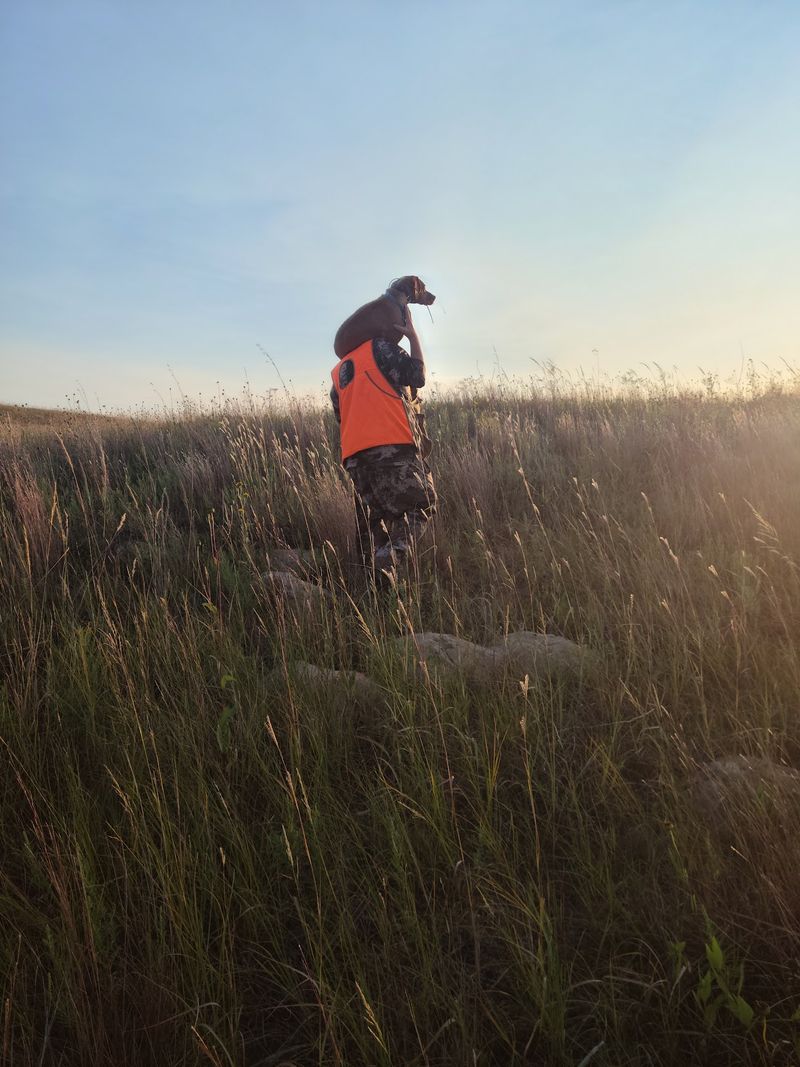
About 25 miles south of Bassett, this 2,400-acre refuge sits quietly within the Nebraska Sandhills, the largest remaining tract of mixed and tallgrass prairie in North America. Established in 1999, the Seier Refuge was created specifically to preserve, restore, and enhance ecological diversity for both migratory and resident wildlife.
Two creeks cross the property, adding wetland variety to a landscape otherwise defined by rolling grass-covered hills. There are no established trails or paved roads through the refuge, which means visitors navigate on foot across open terrain.
Anyone entering is required to close gates behind them, a small courtesy that keeps the refuge functioning as intended.
Wildlife observation and photography are the primary draws, and the lack of crowds gives the place a genuinely undisturbed character. Camping and fires are not permitted, and collecting natural items such as antlers or plants is prohibited.
For nature lovers who prefer their destinations without interpretive signage every hundred yards, this refuge is a refreshing find.
6. Niobrara Valley Preserve, Johnstown, Nebraska
Six major ecosystems converge at the Niobrara Valley Preserve, a fact that earned it the label of biological crossroads of the Great Plains. Managed by The Nature Conservancy, the preserve covers roughly 56,000 to 60,000 acres and protects a 25-mile stretch of the Niobrara River along with prairie, pine canyons, river habitat, and spring-fed draws.
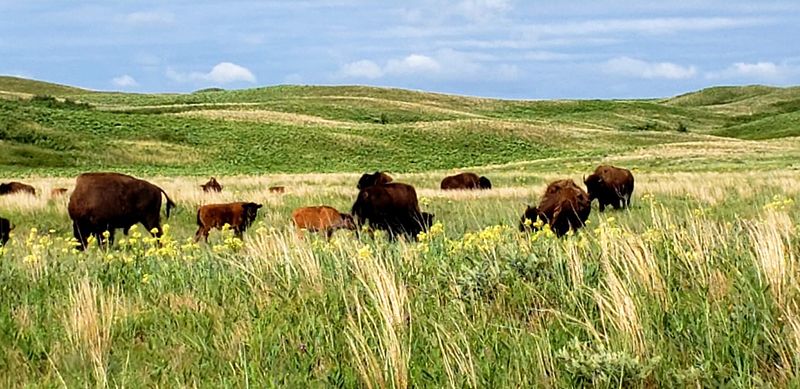
A bison herd of over 500 animals grazes across two large pastures totaling nearly 20,000 acres. Bison were reintroduced in 1985 after more than a century of absence, and the herd now serves as a working part of the grassland management system alongside cattle and prescribed fire.
The preserve has documented 581 plant species, 213 bird species, and 44 mammal species across its landscape.
Hiking trails include a route west of the preserve mailbox with both long and short loops offering views of the Niobrara River canyon. A visitor center and trailhead kiosk help orient first-time visitors.
Fishing with a Nebraska permit is allowed, and deer and turkey hunting are also permitted on the property.
7. Heron Haven Wetland Sanctuary, Omaha, Nebraska
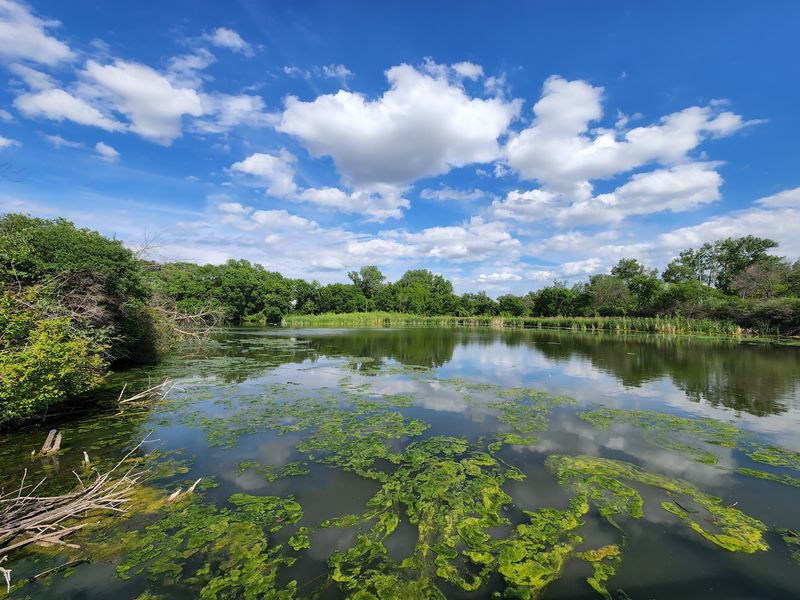
Most people do not expect to find a functioning wildlife sanctuary hidden inside a major city, but Heron Haven manages exactly that. This 17-acre spring-fed wetland in Omaha protects one of the last remaining oxbow wetlands connected to Big Papillion Creek within the city limits, and it takes that responsibility seriously.
The Main Trail, Boardwalk Trail, and Photo Blind Trail give visitors multiple ways to explore the property. Most trails are accessible for wheelchairs and strollers, and the Al Werthman Photo Blind provides an enclosed space with benches where visitors can watch wildlife without disturbing it.
A butterfly garden adds another point of interest beyond the wetland itself.
Great Blue Herons, Green Herons, Kingfishers, Wood Ducks, and hummingbirds are among the birds recorded here across different seasons. Mink, deer, and foxes also use the property.
Dogs, bicycles, and large groups are not permitted, keeping the sanctuary quiet enough to actually function as habitat. Trails are open from sunup to sundown every day of the year.
8. Neale Woods Nature Reserve, Omaha, Nebraska
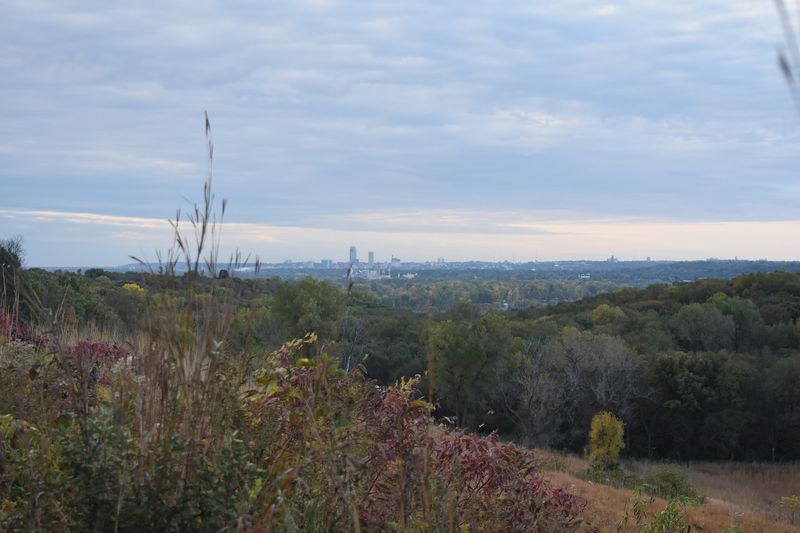
Neale Woods began with a 120-acre land donation by Edith Neale in 1971, and it has grown into one of the most substantial natural areas in the greater Omaha region. Now owned and operated by Fontenelle Forest, the reserve encompasses nearly 600 acres of forest and hilltop prairie in the Ponca Hills on Omaha’s northern edge.
Seven to nine miles of walking trails thread through woodland, forest, and prairie landscapes, with some routes offering clear views across the Missouri River Valley. Birding is a consistent draw throughout the year, and a seasonal butterfly garden provides an additional reason to visit during warmer months.
The reserve’s history of prairie restoration has added open habitat to what was once entirely forested terrain.
An admission fee is required, payable on-site or online. Trails are open daily from dawn to dusk, and facilities include an information kiosk, picnic tables, and composting toilets.
Dogs are not permitted on the property. For an urban forest experience with genuine wildlife value, Neale Woods holds up well against far more famous reserves.
9. Glacier Creek Preserve, Bennington, Nebraska
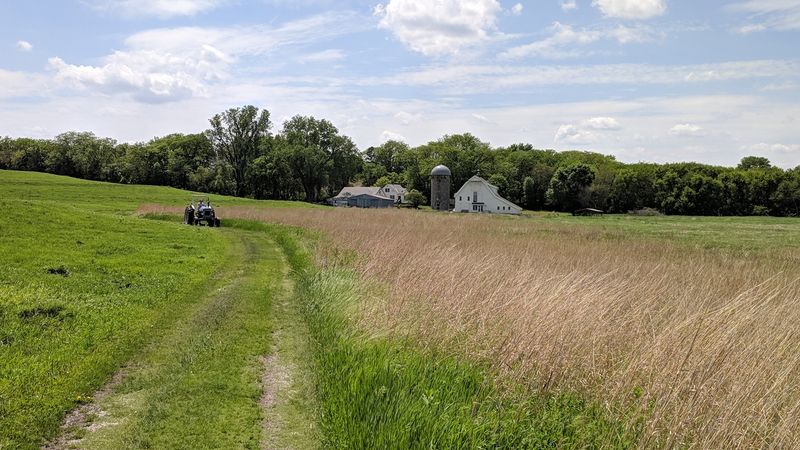
There is a pioneer cemetery dating to 1879 on the grounds of Glacier Creek Preserve, which gives the property a layer of history that goes well beyond its conservation work. The Kobs Pioneer Cemetery with marked graves of early immigrants sits within the 525-acre preserve managed by the University of Nebraska Omaha.
The centerpiece of the preserve is the Allwine Prairie Tract, a 140-acre restored tallgrass prairie that has been maintained with prescribed burning since 1970, making it one of the longer-running prairie restoration projects in eastern Nebraska. The preserve also encompasses the entire Glacier Creek drainage, which adds wetland and riparian habitat to the mix.
A historic 1900s barn was relocated to the preserve in 2012 and converted into an environmental education and research facility with a field lab and restrooms. No admission fee is charged for public use, and trails are accessible throughout the year.
The combination of restored prairie, creek habitat, historic structures, and active research makes Glacier Creek one of the more layered preserves on this list.
10. Prairie Pines Nature Preserve, Lincoln, Nebraska
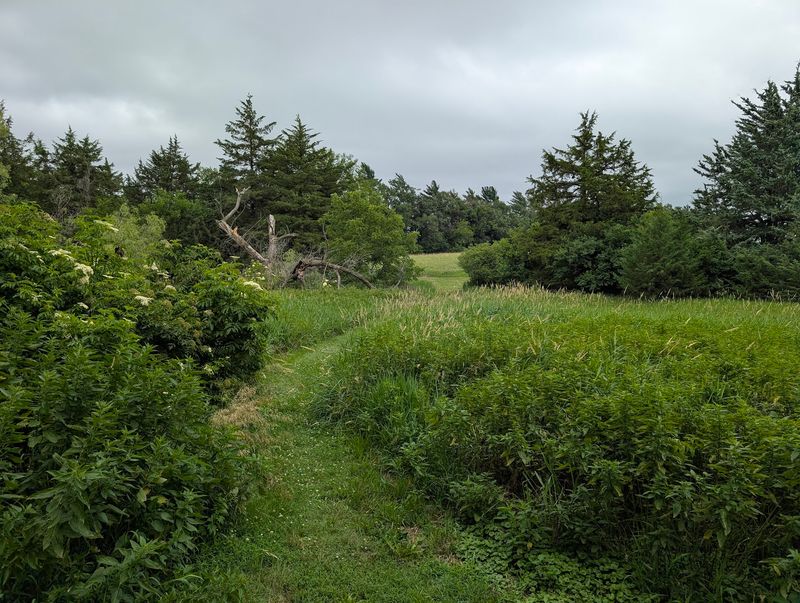
Prairie Pines has an unexpectedly layered backstory for a 145-acre preserve on the edge of Lincoln. Walter and Virginia Bagley established the property in 1959 as a choose-and-cut Christmas tree farm, and it later became home to Nebraska’s first raptor recovery program and the state’s first Conservation Easement.
Ownership transferred to Wachiska Audubon in December 2024.
The preserve blends woods, grassland, wetland, an arboretum, and a 10-acre remnant tallgrass prairie into a compact but diverse landscape. Grassed walking trails including the Bottomlands Trail and Prairie Trail allow visitors to move through each habitat type without covering enormous distances.
A children’s obstacle course built from fallen trees and a community garden add practical appeal for families.
Its mission focuses on sustaining habitat for all living things through conservation, education, and experience. That philosophy shows in how the property is managed, with an emphasis on keeping the land functional rather than manicured.
For a quiet morning walk close to Lincoln with genuine ecological value, Prairie Pines delivers consistently.
11. Lake Seldom Wildlife Refuge, Holdrege, Nebraska
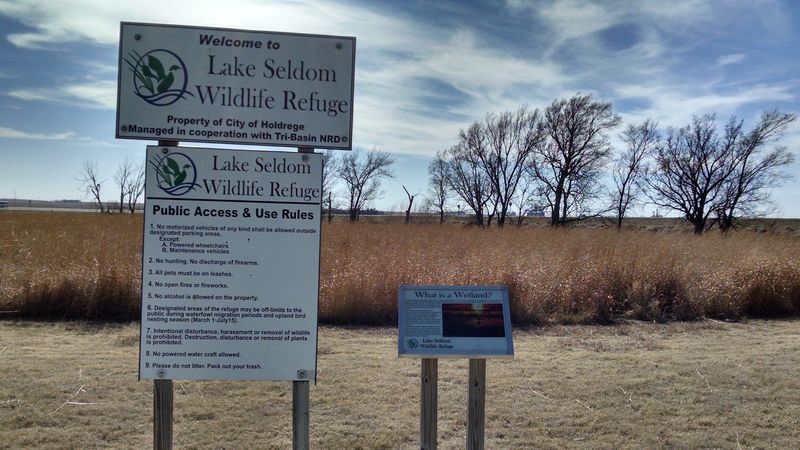
The name Lake Seldom might raise an eyebrow, but the wildlife that uses this 325-acre wetland on the south edge of Holdrege shows up reliably enough to make regular visits worthwhile. Owned by the City of Holdrege and managed by the Tri-Basin Natural Resources District, the refuge was developed through a partnership that pooled funds from multiple organizations for acquisition and restoration.
A limestone walking and biking trail circles the property, with picnic tables and educational kiosks placed along the route. The primary purpose of the refuge is to enhance habitat for migratory birds and other wildlife, and a citizen committee established restrictions to limit human disturbance during peak spring migration periods.
Waterfowl, shorebirds, and wetland species use the area in numbers that shift noticeably with the seasons, meaning two visits in different months can feel like two completely different destinations. The setting is deliberately unpolished, which is part of what makes it appealing to serious wildlife watchers rather than casual park visitors.
No formal admission is required to access the trail and viewing areas.
12. Lincoln Creek Prairie and Trail, Aurora, Nebraska
A 6-acre donation from Wilma Aalborg in 1983 started what eventually became Lincoln Creek Prairie and Trail, a 16-acre preserved prairie and trail corridor near the center of Aurora. Additional land leases and high-diversity prairie restoration work through the 1980s and 1990s expanded the property into the varied landscape visitors find today.
The trail connects with Streeter Park, the Leadership Center, and nearby residential areas, making it genuinely accessible for Aurora residents and passing travelers alike. Native grasses, prairie plants, birds, and insects define the character of the property, and the scenery shifts noticeably across the four seasons as different species come into prominence.
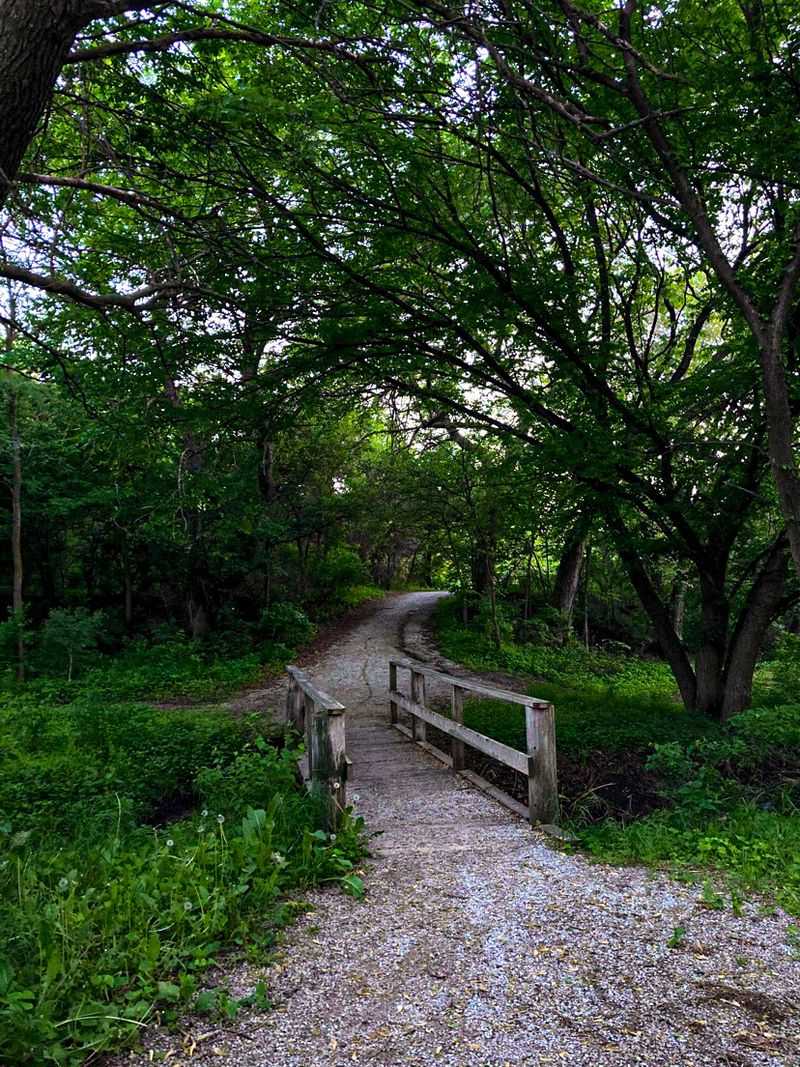
A collaborative project produced an experimental bridge across Lincoln Creek, adding a small but interesting engineering detail to an otherwise straightforward nature trail. The property covers both open prairie and wooded areas, giving walkers and runners two distinct habitat types in a compact space.
For anyone whose Nebraska trip has been heavy on lakes and forests, this small preserve offers a grounded look at what Great Plains prairie actually looked like before most of it was converted to farmland.
Share this story