Some of the best stories in Ohio are sitting quietly behind museum doors you have probably driven past a hundred times without a second thought. Step inside and you find old cockpits, hand-written letters, and machines that once shaped the world, all waiting right here in your home state.
A free afternoon suddenly becomes a trip you keep talking about for weeks. Here are twelve spots that prove a meaningful road trip does not have to cost a thing or take you far from home.
1. National Museum of the United States Air Force, Dayton
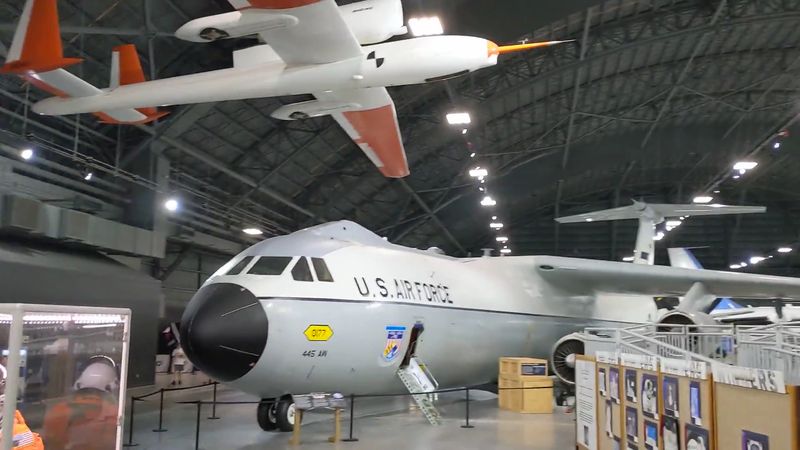
Few military museums can match the sheer scale of this Dayton landmark. Located at Wright-Patterson Air Force Base, the National Museum of the United States Air Force is the official museum of the U.S.
Air Force and holds an enormous collection of aircraft, missiles, spacecraft, uniforms, photographs, and other artifacts. Galleries trace aviation from the earliest military airplanes through World War II, Korea, Vietnam, the Cold War, and modern conflicts.
One of the biggest draws is the Presidential Gallery, where visitors can see aircraft used by American presidents, including the Boeing VC-137C known as SAM 26000. Other highlights range from the B-29 Bockscar to stealth aircraft and experimental machines.
Admission and parking are free, making this one of Ohio’s best-value history destinations as well as one of its most important.
2. Motts Military Museum, Groveport
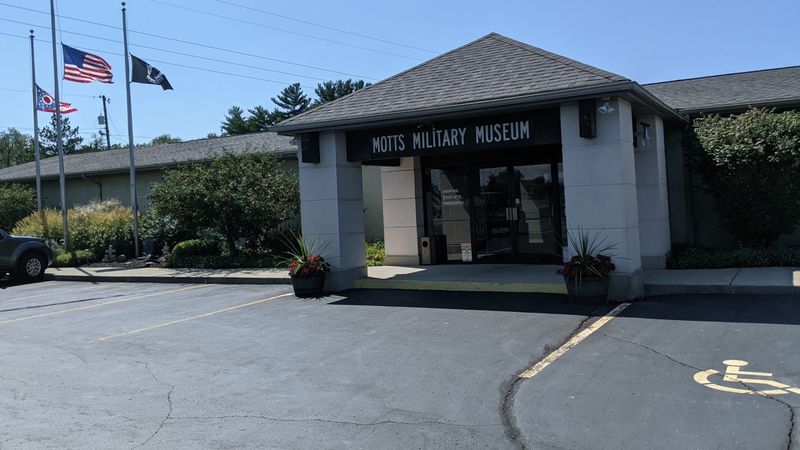
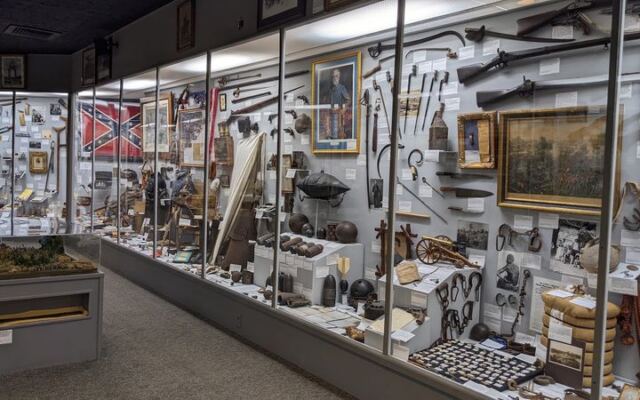
Motts Military Museum near Columbus takes a remarkably personal approach to American military history. Its collection covers conflicts from the Revolutionary era through more recent wars, with uniforms, weapons, vehicles, photographs, documents, and objects connected to individual service members.
The museum is particularly good at reminding visitors that military history is not simply a story of machines and battles. Many exhibits preserve the experiences of the people who served.
Among its best-known holdings are artifacts connected with Pearl Harbor, World War II, Vietnam, and the September 11 attacks. Large military vehicles and aircraft displayed around the grounds add another dimension to the visit.
Motts is privately operated and much smaller than Dayton’s Air Force museum, but that intimacy is part of its appeal. Allow time to read the labels and stories because many of the most memorable objects are surprisingly personal.
3. USS Cod Submarine Memorial, Cleveland
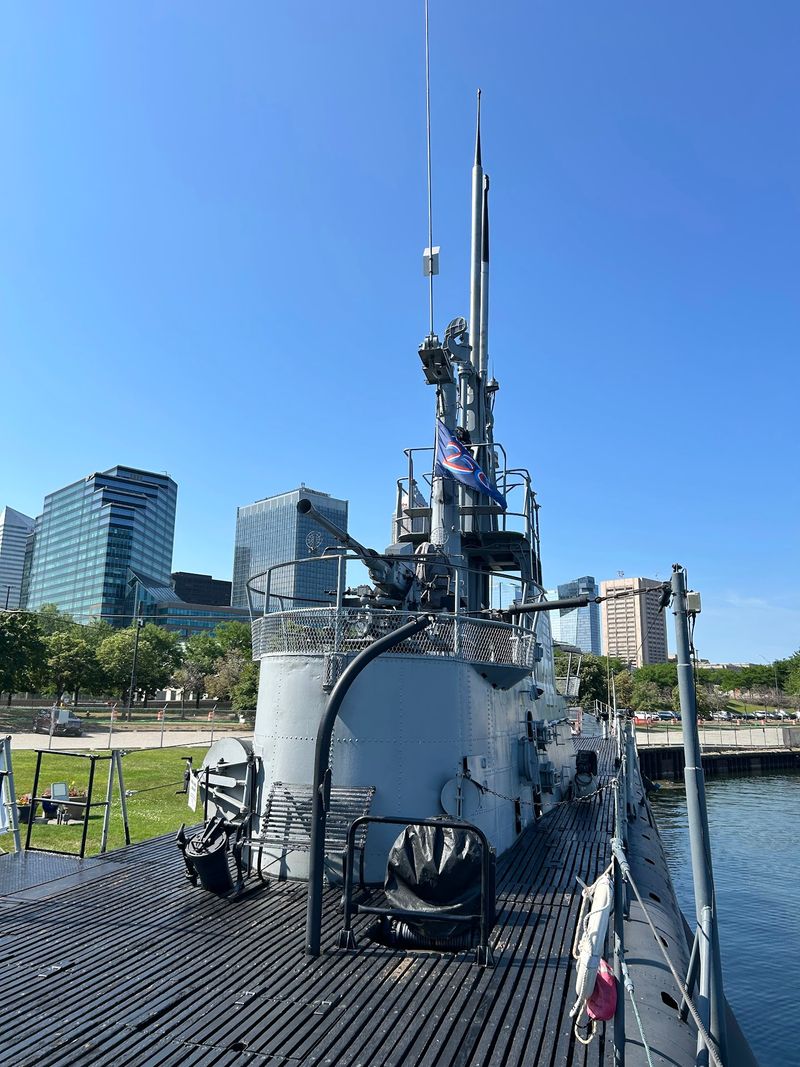
The USS Cod offers something no traditional gallery can reproduce: the chance to climb through an authentic World War II submarine. Moored on Cleveland’s Lake Erie waterfront, USS Cod is a Gato-class submarine commissioned in 1943 that completed seven war patrols during World War II.
The vessel retains an unusually authentic configuration, including its original vertical ladders and deck hatches. Visitors enter and leave through those hatches rather than using modern openings cut into the hull, so touring Cod requires some mobility.
Inside, the tight passageways reveal torpedo rooms, crew bunks, machinery, controls, and living spaces that demonstrate just how cramped submarine service could be. Cod is also a National Historic Landmark.
For visitors accustomed to seeing military artifacts behind glass, physically moving through a preserved submarine makes the realities of wartime service much easier to understand.
4. MAPS Air Museum, North Canton
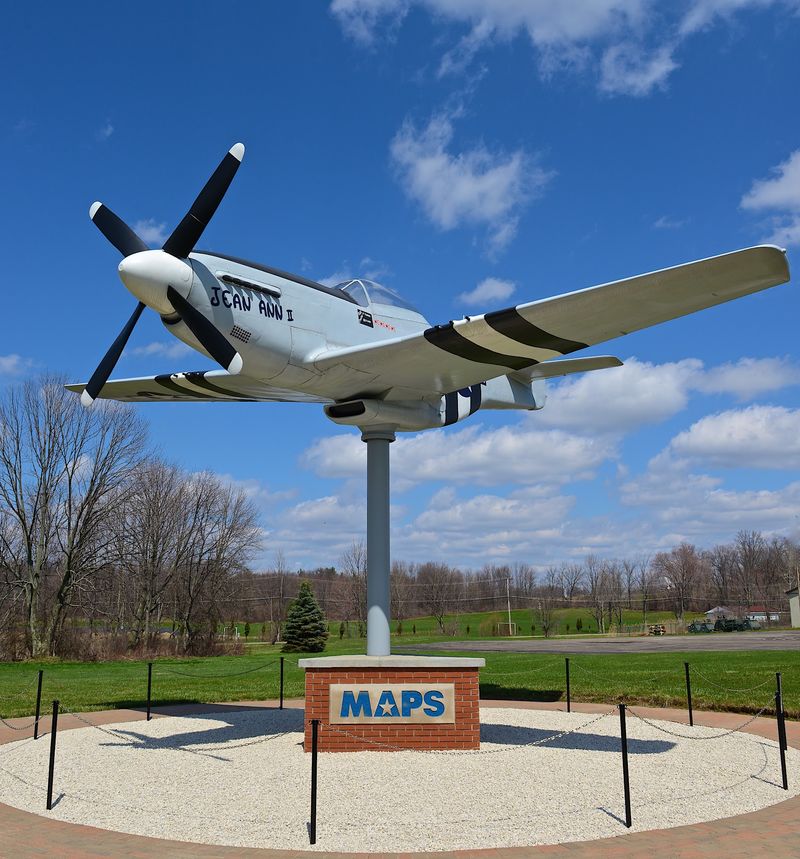
Sitting near Akron-Canton Airport, MAPS Air Museum has grown from a small aviation collection into one of northeastern Ohio’s most substantial aircraft museums. The nonprofit museum occupies a former military facility and displays aircraft both inside its hangar and across a large outdoor area.
The collection spans several eras and includes military jets, helicopters, transport aircraft, trainers, and other aviation artifacts. Visitors can also explore displays devoted to uniforms, equipment, veterans, and the people behind the aircraft.
One feature that gives MAPS its character is the role of volunteers, many of whom have aviation or military backgrounds and help preserve and restore the collection. The museum’s restoration work provides a reminder that keeping historic aircraft intact requires constant attention.
With so many full-size machines gathered together, MAPS is particularly rewarding for families, veterans, aviation enthusiasts, and anyone who enjoys getting close to historic aircraft.
5. Tri-State Warbird Museum, Batavia
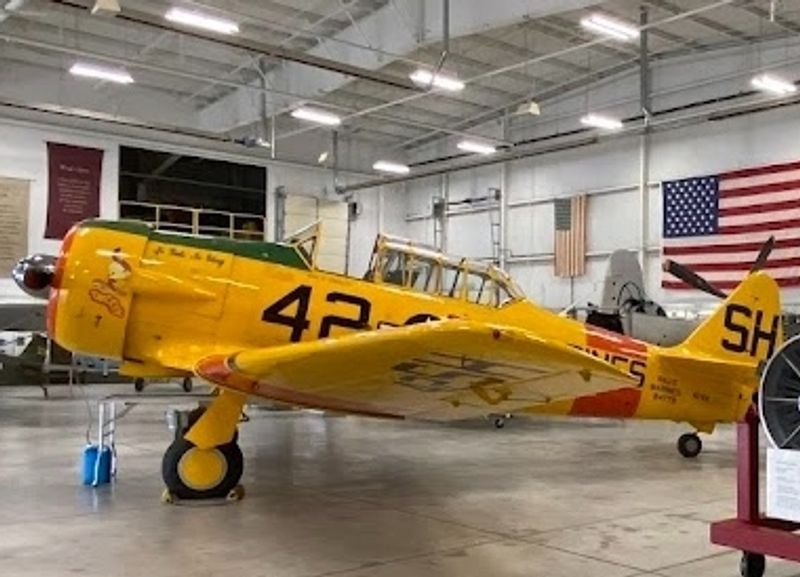
The Tri-State Warbird Museum in Batavia focuses on preserving the aircraft and stories of World War II, and many of its machines are maintained in flying condition. That distinction changes the atmosphere completely.
These are not simply aircraft parked permanently as static displays. The nonprofit museum restores, maintains, and operates historic airplanes while using them to teach visitors about the people who built, flew, maintained, and fought in them.
Its collection has included famous American types such as the P-51 Mustang, B-25 Mitchell, and other wartime aircraft. Exhibits also place the machines within the broader story of World War II rather than treating them only as engineering achievements.
Located east of Cincinnati, the museum makes an excellent destination for anyone fascinated by warbirds. Special events can provide opportunities to see historic aircraft outside the hangar, turning aviation history into something that can still be heard as well as seen.
6. Champaign Aviation Museum, Urbana
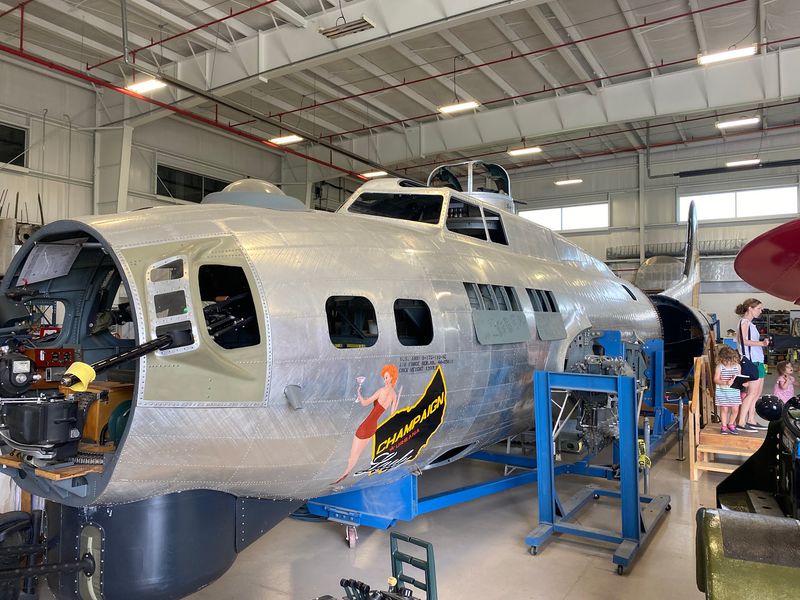
Champaign Aviation Museum is the kind of place where preservation happens in front of you. Located at Grimes Field in Urbana, the museum combines aviation exhibits with an active restoration program run largely by volunteers.
Its signature project has been the restoration of a B-17G Flying Fortress known as Champaign Lady. Rather than simply displaying a completed bomber, the museum allows visitors to see the long, complicated process required to rebuild one of World War II’s most recognizable aircraft.
Depending on the work underway, visitors may see components being fabricated, fitted, repaired, or assembled. Other aircraft and aviation artifacts broaden the collection beyond the B-17 project.
The volunteers are an important part of the experience, often providing context that a display label cannot. For anyone interested in how historic aircraft are actually preserved, Urbana offers a fascinating look behind the scenes of aviation history.
7. Fort Meigs Historic Site, Perrysburg

Fort Meigs takes visitors back to a much earlier chapter of American military history. Built during the War of 1812, the fort stood above the Maumee River and played a crucial role in American operations in the Northwest.
Today’s site features a large reconstructed fortification built on the original location, allowing visitors to walk among blockhouses, earthworks, stockade walls, and other structures while learning about the sieges fought there in 1813. A museum and visitor center provide additional context through artifacts and exhibits about soldiers, Native nations, civilians, and the wider conflict.
Fort Meigs is especially engaging during living-history programs, when interpreters demonstrate military drills, weapons, camp life, and period crafts. The setting overlooking the river helps make the strategic importance of the location immediately understandable.
It is one of Ohio’s strongest destinations for experiencing military history from before the Civil War.
8. Butler County Warbirds Museum, Middletown
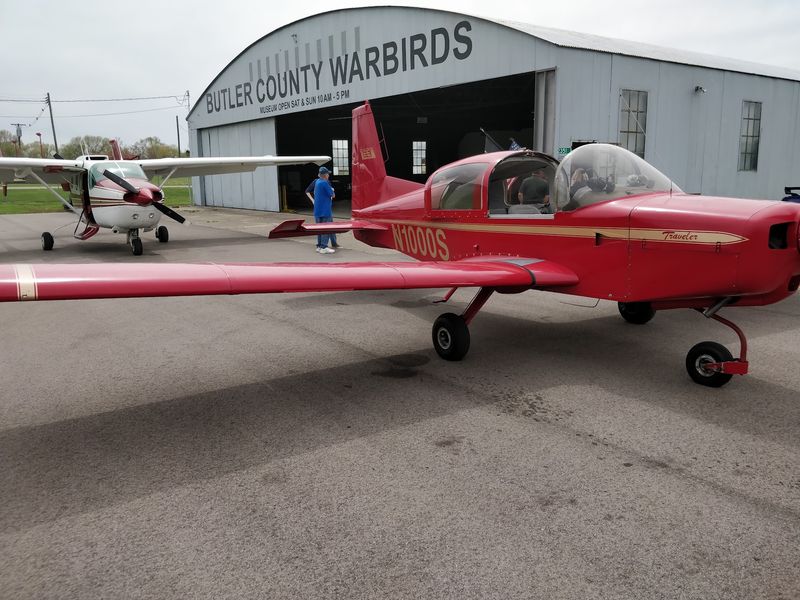
Butler County Warbirds offers a more intimate aviation experience than Ohio’s giant aircraft museums. Based at Middletown Regional Airport, the nonprofit organization is devoted to preserving military aviation history and honoring veterans through aircraft, artifacts, photographs, uniforms, and personal stories.
The museum’s setting at an active airport gives the collection an appropriate backdrop, and volunteers help connect the machinery to the men and women who served around it. Exhibits cover multiple periods of American military aviation rather than focusing exclusively on a single conflict.
Because the organization is relatively small, a visit can feel less like walking through a huge institution and more like being shown around by people genuinely enthusiastic about preserving local military history. Admission to the museum is free, although donations help support its work.
It is an easy addition to a southwestern Ohio road trip, especially for aviation enthusiasts visiting the Cincinnati-Dayton corridor.
9. Veterans Memorial Museum, Germantown
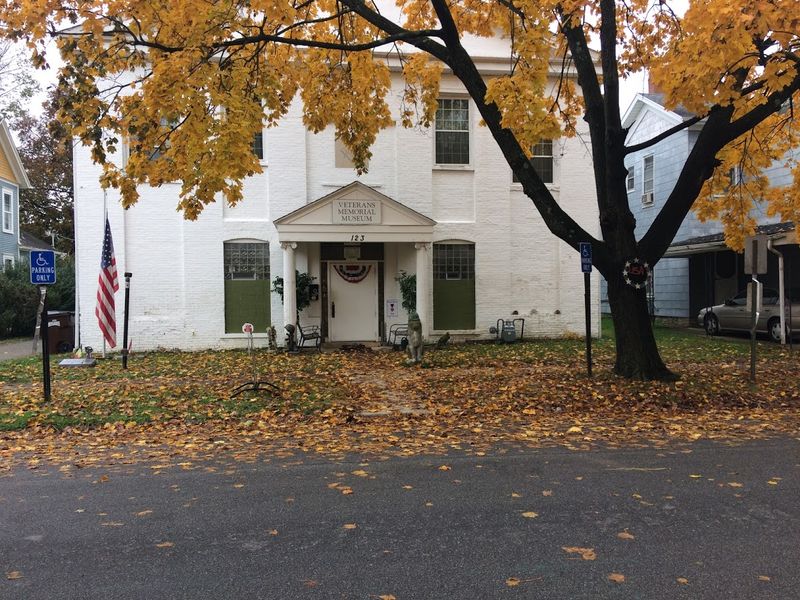
The Veterans Memorial Museum in Germantown is built around remembrance as much as military hardware. This southwestern Ohio museum preserves uniforms, photographs, documents, equipment, medals, and other artifacts associated with American veterans and the conflicts in which they served.
Its strength lies in connecting national events to individual experiences, giving visitors a chance to encounter military history through objects that once belonged to actual service members. Displays span different branches and periods, helping show how uniforms, technology, and military life changed across generations.
Compared with large museums dominated by aircraft or armored vehicles, Germantown provides a quieter and more personal experience. That makes it a worthwhile stop for visitors interested in family history and the human side of military service.
The museum also serves an important community role by keeping veterans’ stories visible for younger generations rather than allowing those memories and objects to disappear into private collections.
10. National Museum of the Great Lakes, Toledo
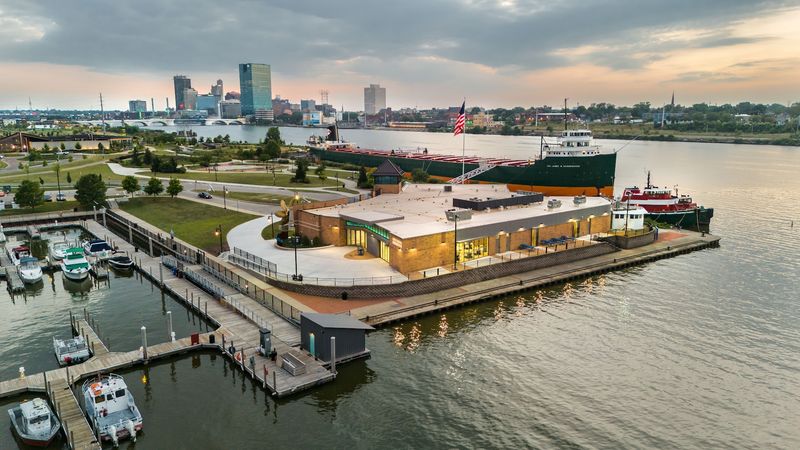
The National Museum of the Great Lakes is broader than a military museum, but Ohio’s wartime and naval history makes it a worthwhile addition to this route. Located along the Maumee River in Toledo, the museum explores centuries of Great Lakes shipping, shipwrecks, commerce, exploration, industry, and conflict.
Exhibits explain how control of the lakes influenced the development of both the United States and Canada and how Great Lakes shipyards, sailors, and shipping networks contributed during wartime. One of the biggest attractions is the museum ship Col.
James M. Schoonmaker, a massive former lake freighter that visitors can board seasonally.
The museum also interprets the tug Ohio. Walking through a real Great Lakes vessel adds scale to stories that can seem abstract in a gallery.
It is a particularly good choice for travelers who want military history placed within Ohio’s larger maritime and industrial story.
11. Armstrong Air & Space Museum, Wapakoneta
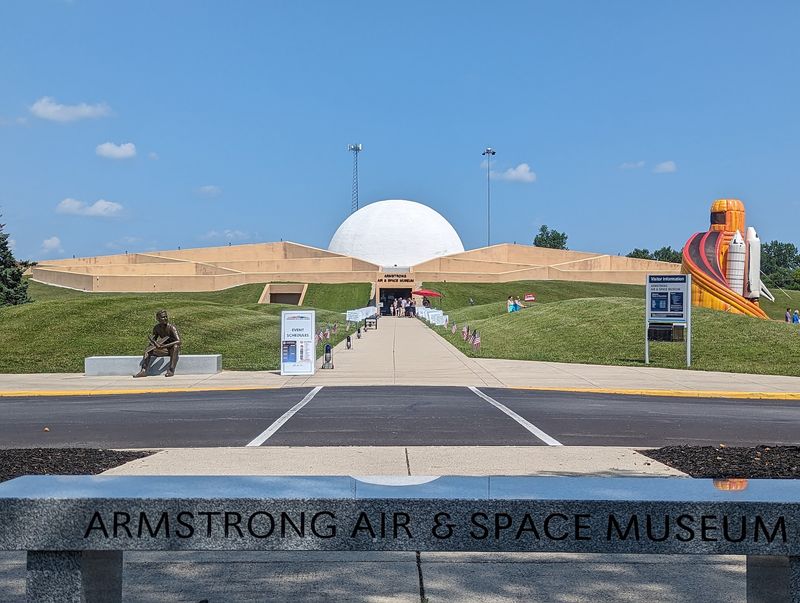
Armstrong Air & Space Museum celebrates one of Ohio’s most famous contributions to aviation history: astronaut Neil Armstrong. Located in Armstrong’s hometown of Wapakoneta, the museum focuses on his life, the space race, and Ohio’s broader connections to flight and space exploration.
Its distinctive building, completed shortly after the Apollo era, looks appropriately futuristic even decades later. Inside are spacecraft-related artifacts, spacesuits, photographs, interactive exhibits, and objects connected with Armstrong’s career.
A major highlight is the Gemini VIII spacecraft, flown by Armstrong and David Scott during the dramatic 1966 mission that achieved the first docking of two vehicles in space before suffering a dangerous malfunction. Although this is primarily an air-and-space museum rather than a conventional military museum, Armstrong began his aviation career as a U.S.
Navy pilot and flew combat missions during the Korean War. That connection makes Wapakoneta a useful bridge between military aviation and space exploration.
12. Fort Recovery State Museum, Fort Recovery

Fort Recovery tells the story of one of the most consequential military sites in early Ohio history. The community developed around the location where American forces suffered a devastating defeat in 1791 during the Northwest Indian War, when troops commanded by Arthur St. Clair were defeated by a confederation of Native warriors.
In 1794, General Anthony Wayne ordered Fort Recovery constructed on the site, and the fort later withstood an attack before Wayne’s victory at Fallen Timbers. Today’s museum interprets these events through archaeological finds, exhibits, reconstructed fort structures, and the stories of both American soldiers and Native peoples involved in the conflict.
The site is especially valuable because it explores a period that receives far less attention than the Civil War or World War II. A visit provides important context for understanding the violent struggle over land that shaped Ohio before it became a state.
Share this story