Railroads did not just move people and goods across America. They shaped cities, connected communities, and changed the country forever.
From the golden spike driven in Utah to the mountain tunnels carved through Pennsylvania, the story of American railroading is full of ambition, hard work, and remarkable engineering. These 12 museums and historic sites give you a real, up-close look at that story, whether you are a lifelong train enthusiast or just curious about how the country was built.
Golden Spike National Historical Park, Corinne, Utah
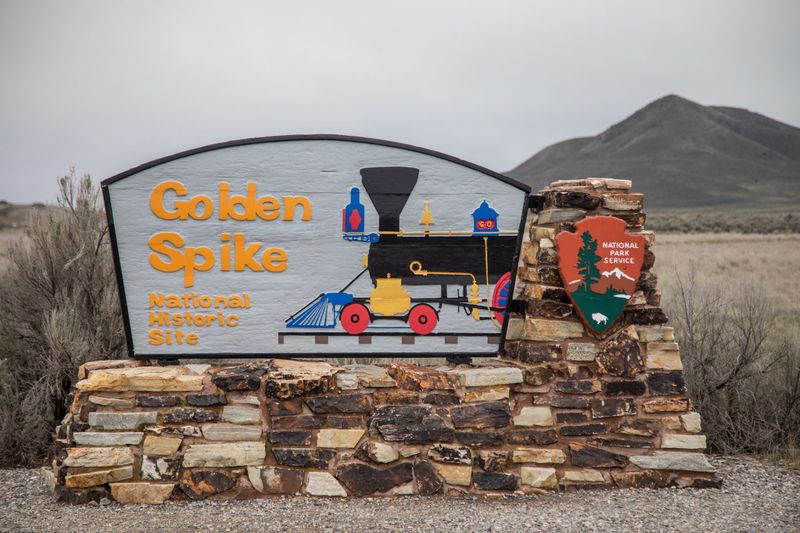
On May 10, 1869, two locomotives met at Promontory Summit and the country was never quite the same. Golden Spike National Historical Park preserves that exact location, where the Union Pacific and Central Pacific railroads joined to complete the first transcontinental railroad and cut cross-country travel time dramatically.
The park displays working Victorian-era replicas of the locomotives Jupiter and No. 119, which are operated during scheduled demonstrations. Beyond the famous ceremony, the interpretive programs do a thorough job of honoring the Chinese, Irish, Mormon, African American, and other workers who made the railroad possible, along with examining the serious effects railroad construction had on Native nations.
Visitors can walk portions of the original railroad grade and explore construction features that date back to 1869. Locomotive demonstrations tend to be seasonal, so confirming schedules before making the trip out to this remote but genuinely moving location is strongly recommended.
Nevada Northern Railway Museum, Ely, Nevada
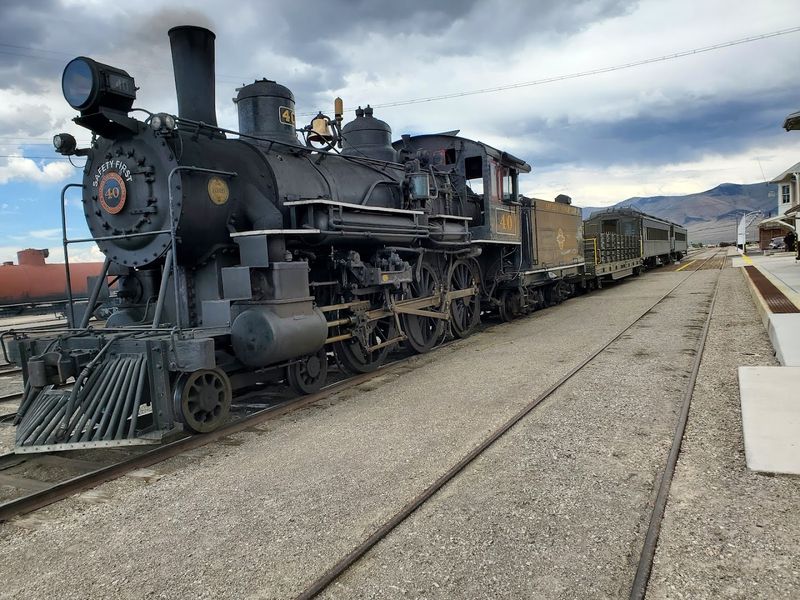
Most museums ask you to look but not touch. The Nevada Northern Railway Museum in Ely operates on a different philosophy entirely.
This is a preserved, fully functioning railroad complex where historic equipment still runs on actual tracks through the high desert of eastern Nevada.
The railroad was originally built to serve Nevada’s copper-mining industry, connecting mines and smelters near Ely with the national rail network. Today, visitors can explore the grounds, join guided experiences, and ride excursions pulled by historic steam or diesel locomotives on the same tracks the mining operations once depended on.
Special programs may let participants enter restricted areas or even operate a locomotive under professional supervision, which is a genuinely rare opportunity. The museum maintains regular operating hours, while train rides and themed excursions follow separate schedules.
Reservations for popular experiences are strongly recommended because availability can fill up quickly, especially during peak seasons.
Colorado Railroad Museum, Golden, Colorado
Building railroads through Colorado’s mountains was not an engineering problem. It was closer to an engineering argument with geography, and the mountains usually had the first word.
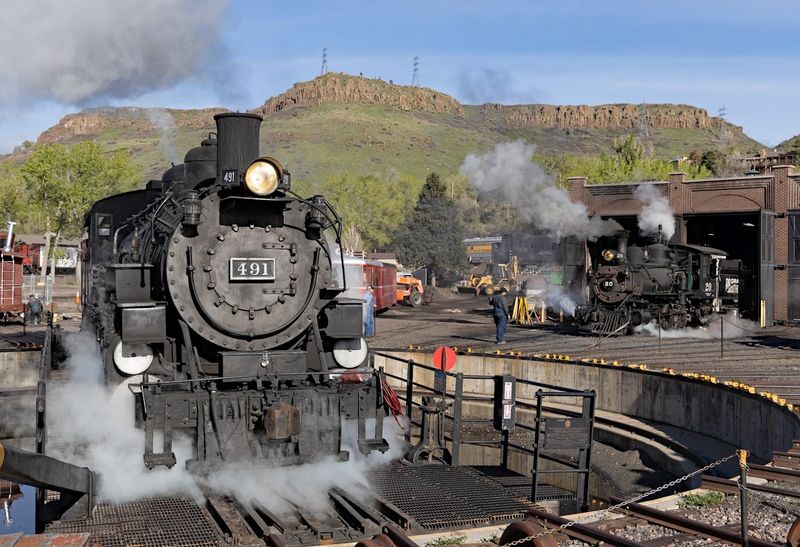
The Colorado Railroad Museum in Golden tells the story of how narrow-gauge lines, powerful locomotives, trestles, and tunnels finally connected mining camps and remote communities with larger markets.
The museum grounds hold a wide collection of historic locomotives, passenger cars, freight equipment, cabooses, and railroad structures representing companies that once operated across the Rockies. Indoor galleries add photographs, artifacts, models, and documents that round out the full-size equipment parked outside.
Train rides are offered on selected dates, sometimes behind an operating steam locomotive, which makes those days particularly popular with families and rail enthusiasts. Special events throughout the year focus on specific equipment types or historical periods.
The museum is open daily, though ride schedules and access to individual cars can shift, so a quick check of their calendar before visiting saves frustration.
Illinois Railway Museum, Union, Illinois
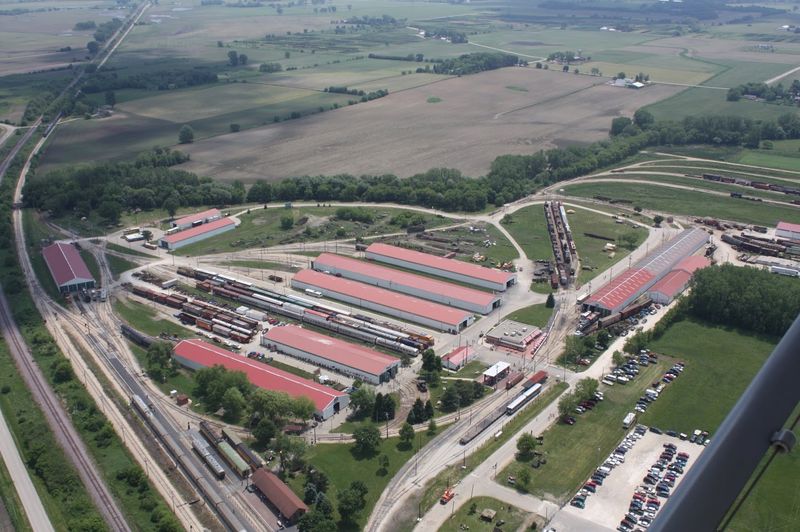
Calling the Illinois Railway Museum large is an understatement. Located northwest of Chicago in Union, this museum describes itself as the largest railway museum in the United States, and its collection backs up that claim with steam railroads, diesel power, electric interurban lines, streetcars, rapid transit cars, buses, and trolley coaches all represented.
What makes this place stand apart from a standard static collection is that on operating days, visitors can actually ride historic steam, diesel, or electric equipment along the museum’s demonstration railroad. The specific trains running on any given day depend on available crews, restoration work, and scheduled events, so each visit can feel different.
Large exhibit barns protect dozens of vehicles representing numerous eras and transportation companies, helping visitors understand how rail technology evolved as American cities and towns expanded. The museum operates on selected dates from spring through fall, so checking the operating calendar before making the drive from Chicago is a practical first step.
California State Railroad Museum, Sacramento, California
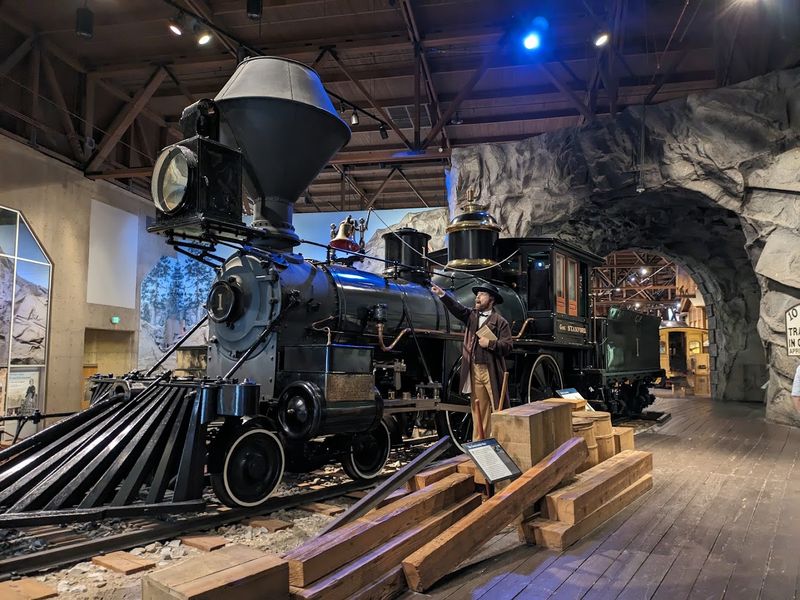
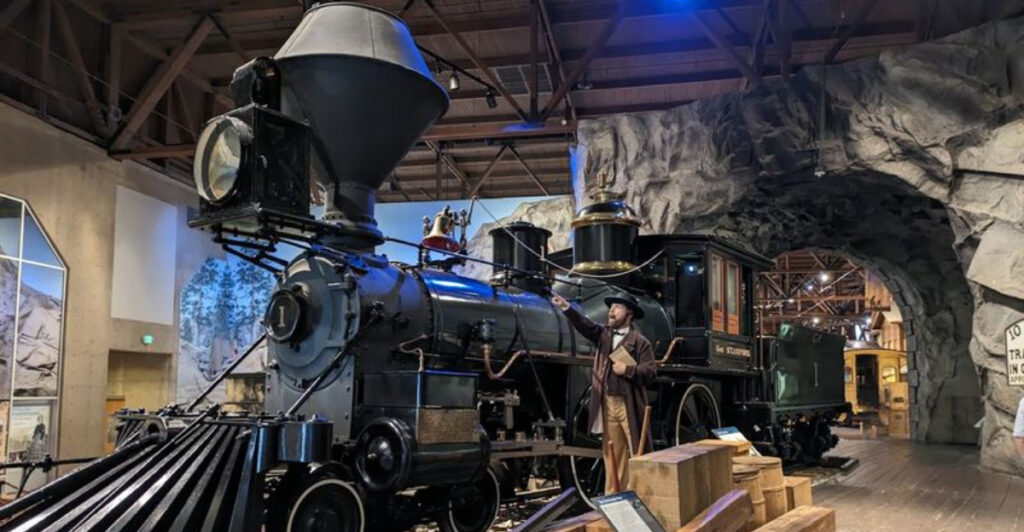
Old Sacramento is already packed with history, but the California State Railroad Museum takes that history and puts it on a grand scale. Spread across 225,000 square feet, this museum holds restored locomotives, passenger cars, and freight equipment that trace how railroads connected California with the rest of the country.
Stepping inside selected cars gives visitors a real sense of how different early rail travel was from what passengers enjoyed during the golden age of passenger service. One of the most important stories told here is the contribution of Chinese laborers who built the western half of the first transcontinental railroad under brutal conditions.
The museum also connects railroads to California’s agriculture, mining, and population growth in ways that are easy to follow. It is open daily, though holiday schedules and excursion train operations shift throughout the year, so checking ahead before you visit is a good idea.
National Railroad Museum, Green Bay, Wisconsin
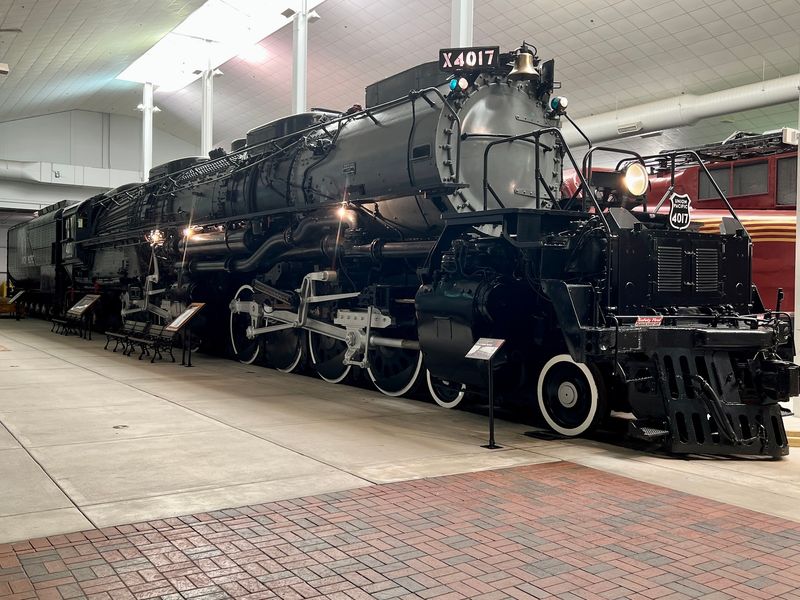
Founded in 1956, the National Railroad Museum in Green Bay is one of the oldest major railroad preservation institutions in the country, which gives it decades of accumulated collection depth. Its 33-acre property holds more than 70 pieces of rolling stock, indoor galleries, outdoor exhibits, operating tracks, and thousands of smaller artifacts that together tell a broad story of American rail history.
The collection includes locomotives, passenger cars, military railroad equipment, and vehicles representing different periods of travel. Exhibitions also explore the experiences of railroad employees, including Pullman porters and other workers whose contributions often went unrecognized for far too long.
Seasonal train rides circle the grounds, and educational programs add context that helps visitors of different ages connect with the collection. The museum maintains regular weekly hours through 2026, though individual rides, programs, and outdoor activities can be affected by weather or seasonal scheduling.
Arriving with a plan rather than winging it makes the visit more rewarding.
Union Pacific Railroad Museum, Council Bluffs, Iowa
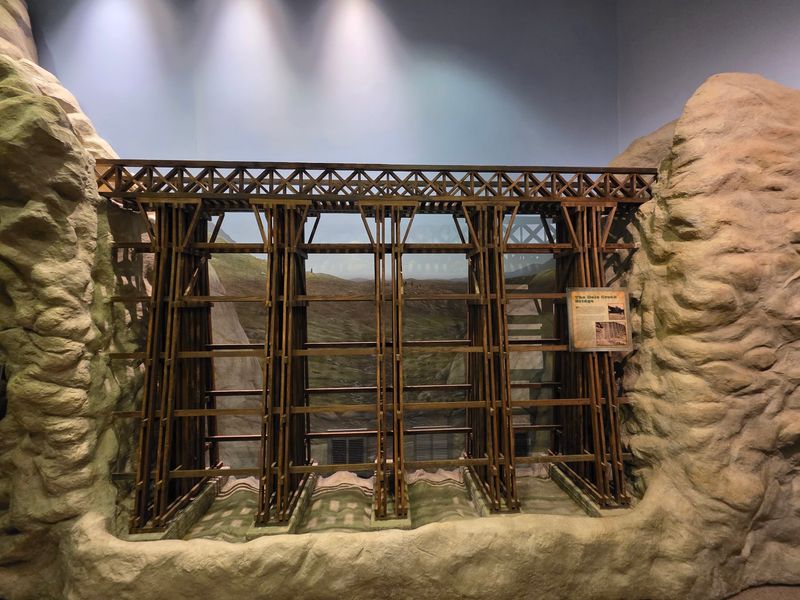
Council Bluffs, Iowa, was not a random starting point for the Union Pacific Railroad. The city sat at the eastern end of the transcontinental route, making it one of the most strategically important locations in 19th-century American transportation history.
The Union Pacific Railroad Museum honors that legacy inside a beautifully restored former Carnegie library in the city’s historic downtown.
The museum’s collections span photographs, documents, uniforms, tools, maps, and artifacts tied to more than 150 years of western American history. The Building America exhibition follows the construction of the transcontinental railroad in detail, covering the engineering, the workforce, and the politics that drove the project forward.
Other galleries examine passenger travel, working conditions, railroad advertising, and the experiences of company employees over multiple generations. A notable collection connected with Abraham Lincoln, whose administration championed the transcontinental railroad, adds a layer of national political history to the visit.
Current admission and hours are available through the museum’s official website.
National Museum of Railroad History and Innovation, Baltimore, Maryland
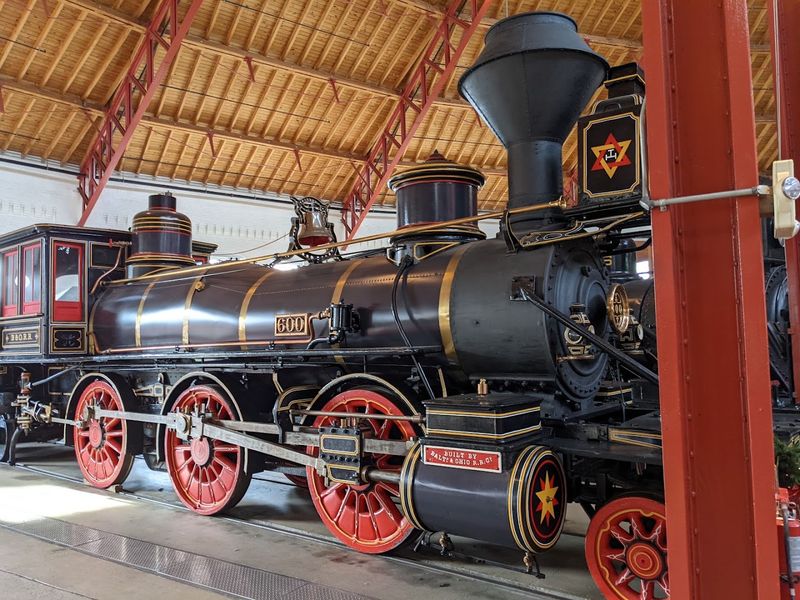
The Mount Clare site in Baltimore is not just a museum location. It is one of the birthplaces of commercial railroading in the United States, where some of the earliest chapters of American rail history were written in the 1820s and 1830s.
Now operating as the National Museum of Railroad History and Innovation, it carries the legacy of what was once the B&O Railroad Museum.
The collection includes early locomotives, passenger cars, freight equipment, and exhibits examining how the railroad industry shaped national development across more than a century. Visitors can also learn about the workers and travelers whose lives were transformed by the arrival of faster, more reliable transportation.
One of the most memorable experiences available is a train ride along the first mile of commercial railroad in the United States. Guided tours and restoration programs provide additional layers of context.
The museum is currently open and continues to operate exhibits, tours, educational programs, and scheduled train rides.
Steamtown National Historic Site, Scranton, Pennsylvania
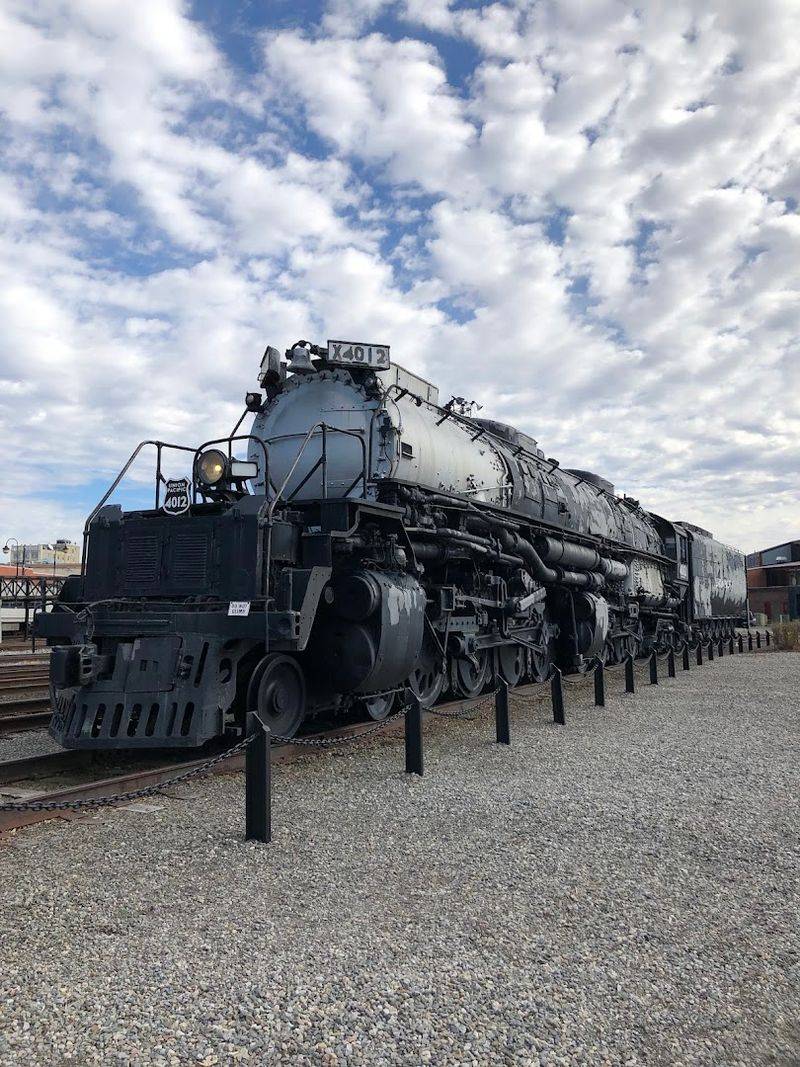
Scranton’s industrial history runs deep, and Steamtown National Historic Site sits right at the center of it. Managed by the National Park Service, this downtown Scranton site preserves steam locomotives, rolling stock, maintenance facilities, and the hands-on technical knowledge that once kept a major railroad running day after day.
The preserved roundhouse and turntable are among the most visually striking features on the property, giving visitors a concrete understanding of how locomotives were stored, rotated, inspected, and repaired between runs. Exhibits throughout the site explain how steam railroads influenced American industry, commerce, community development, and the daily routines of ordinary people.
Short train rides, longer excursions, demonstrations, and behind-the-scenes programs are offered on selected dates rather than every day, which means planning ahead is genuinely useful. The park remains open to visitors, but seasonal hours and the availability of train operations can shift, so confirming details through the National Park Service website before making the trip is a smart move.
Allegheny Portage Railroad National Historic Site, Gallitzin, Pennsylvania
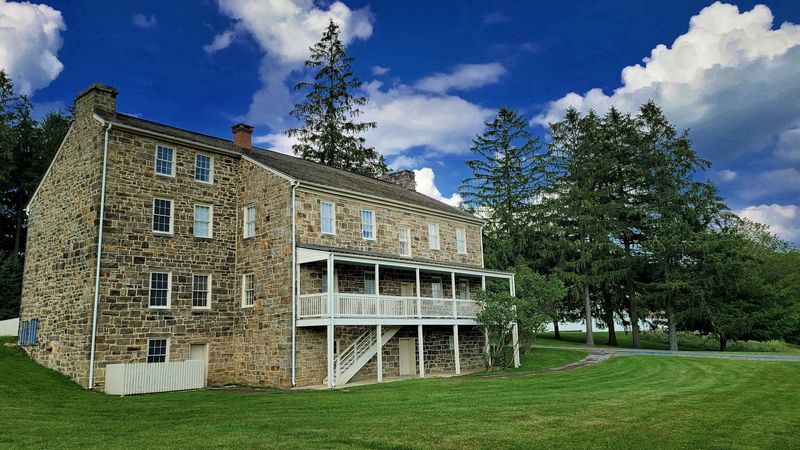
Before a continuous railroad crossed Pennsylvania’s rugged mountain terrain, engineers came up with a remarkably creative solution. The Allegheny Portage Railroad combined rail lines, stationary steam engines, inclined planes, and canal waterways to haul boats and cargo up and over the Allegheny range during the 19th century.
It was ambitious, complicated, and genuinely impressive for its era.
The national historic site preserves structures and landscapes connected with this early transportation project. Visitors can explore the historic Lemon House, view the reconstructed Engine House No. 6 exhibit, cross the Skew Arch Bridge, and walk trails through portions of the former transportation corridor.
The nearby Staple Bend Tunnel, built for the portage railroad and reached by a separate trail near Johnstown, adds another layer to the story of what Americans were willing to build before modern mountain railroads became possible. The grounds are open daily, while visitor buildings currently operate on a reduced weekly schedule, so planning around that is worthwhile.
Railroad Museum of Pennsylvania, Strasburg, Pennsylvania
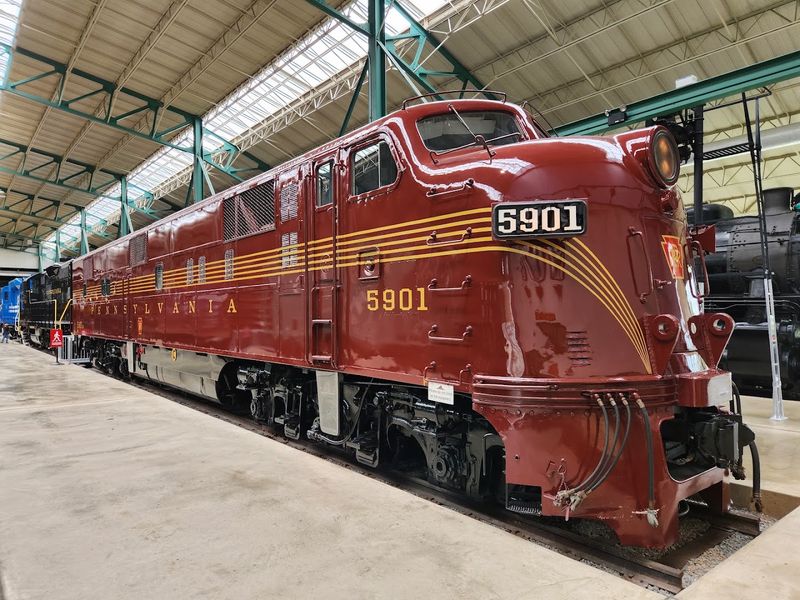
Pennsylvania’s role in American railroading was not a supporting part. It was central, and the Railroad Museum of Pennsylvania in Strasburg makes that case with one of the most significant collections of historic locomotives and railroad cars in the entire country.
The sheer scale of what is preserved here takes a moment to absorb when you first walk in.
Visitors can move among large steam, diesel, and electric locomotives alongside passenger cars, freight equipment, tools, uniforms, artwork, and railroad memorabilia representing both famous companies and the everyday workers who kept them running. Interactive displays and educational areas make the collection approachable for visitors who are not already railroad enthusiasts.
A restoration shop and outdoor yard offer a look at the ongoing, labor-intensive work required to preserve large industrial artifacts over the long term. The museum is currently open Wednesday through Sunday, with closures scheduled for certain holidays.
Strasburg itself is a great base for a full day of railroad-related exploration in Lancaster County.
Southeastern Railway Museum, Duluth, Georgia
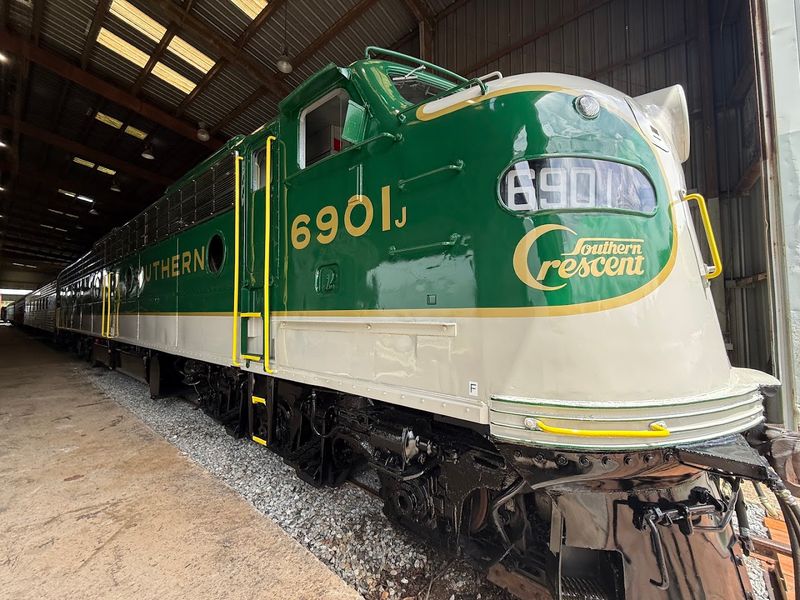
Georgia’s official transportation history museum is not in Atlanta. It is in Duluth, about 30 miles northeast of the city, and it has been quietly building one of the largest collections of rolling stock in the Southeast since the Atlanta Chapter of the National Railway Historical Society founded it in 1970.
The Southeastern Railway Museum holds full-size locomotives, passenger cars, freight equipment, cabooses, city buses, and other vehicles that trace transportation history across Georgia and the broader region. Walking through selected pieces of rolling stock gives visitors a tangible sense of how passenger accommodations, working conditions, and railroad technology evolved across different decades.
The displays connect railroads to regional industries, urban growth, and the everyday travel patterns that shaped Southern communities over more than a century. Train rides are normally available during operating periods, though schedules depend on staffing, weather, and maintenance.
The museum runs a spring-through-fall public schedule with hours on Thursday through Sunday, making weekend visits the most reliable option.
Share this story