Asia is home to some of the most beautiful railway routes on Earth. Many of them climb through tea farms, misty forests, deep gorges, and snowy highlands.
Riding these trains lets travelers see mountain life at a slower pace. Here are twelve journeys worth adding to a travel list.
1. Darjeeling Himalayan Railway, India
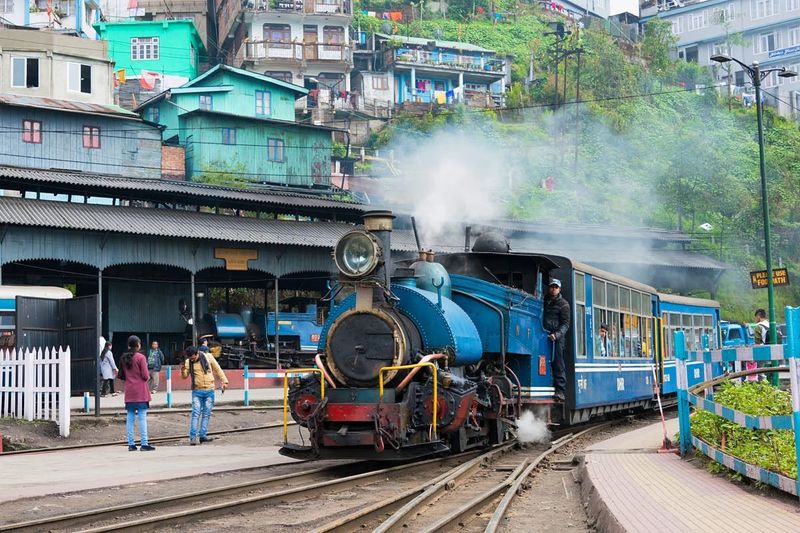
Few trains look as charming as the little blue engines of the Darjeeling Himalayan Railway. This narrow-gauge line is a UNESCO World Heritage Site, and it runs between New Jalpaiguri and Darjeeling.
The track climbs through tea plantations, forest, and busy hill towns. At one point it loops around itself at the Batasia Loop, where passengers can see the city spread out below and, on clear days, distant snowy peaks.
The train moves slowly, so there is plenty of time to watch village life roll by. Children wave from roadsides, and the track sometimes runs right beside shops and market stalls.
For the best views, book a seat on the joyride service from Darjeeling, which uses a steam engine. Go in the morning, when the air is clearer and the mountains are easier to spot.
2. Kalka-Shimla Railway, India
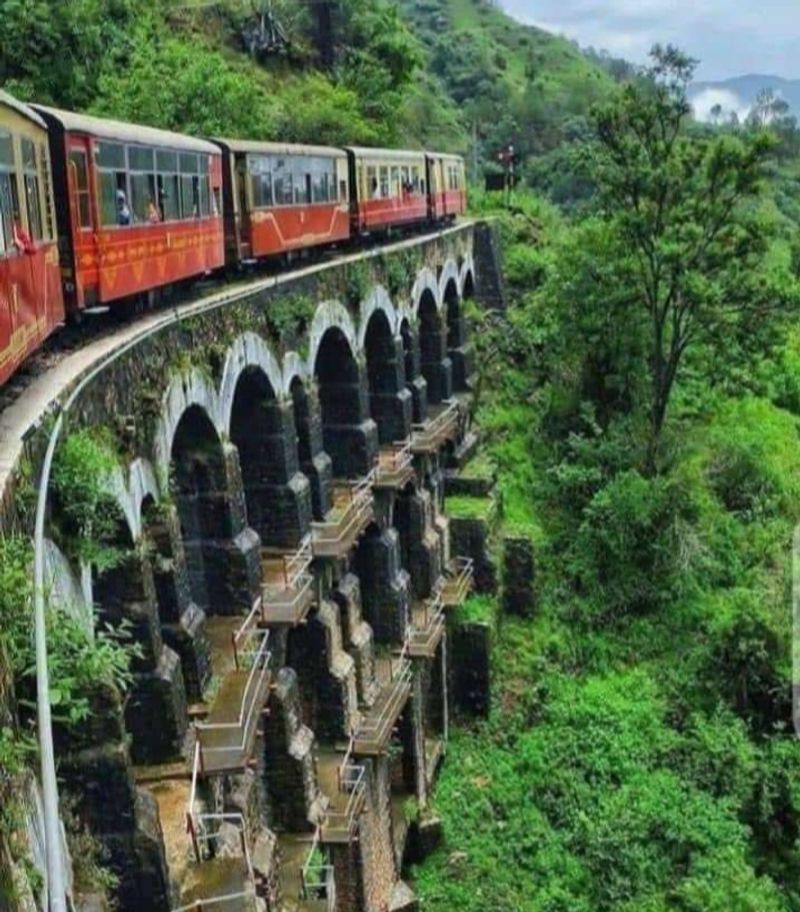
Imagine a train that passes through more than 100 tunnels on a single trip. That is the Kalka-Shimla Railway, a historic line built to carry British officials up to their summer capital in Himachal Pradesh.
The ride winds through pine forests, hillside villages, and over tall stone bridges with several arches. The longest tunnel, near Barog, is more than a kilometer long, and the little station there is a favorite stop for tea and snacks.
The trip takes about five hours, which is slower than the road but far more relaxing. Windows are large, so photos come easily.
Choose a seat on the left side when heading uphill if you want better valley views. Pack a light jacket, because the air cools quickly as the train gains height.
3. Qinghai-Tibet Railway, China
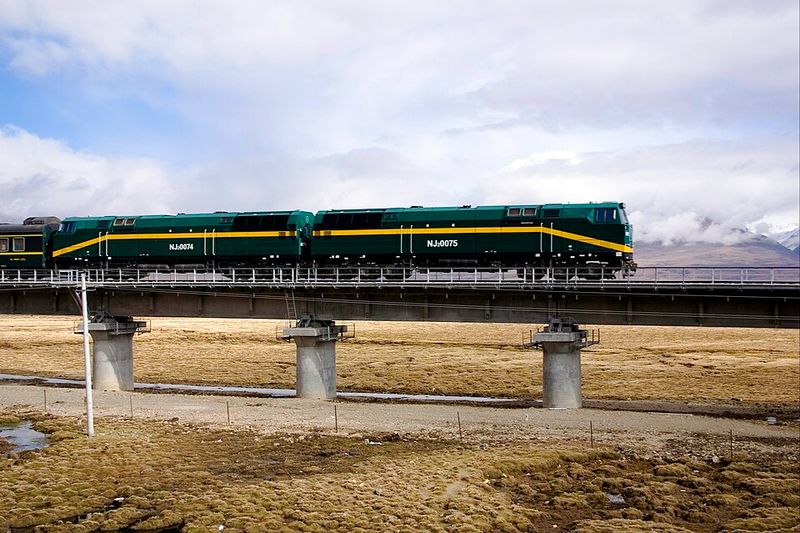
At its highest point, this railway reaches more than 5,000 meters above sea level, making it one of the highest train lines in the world. It links Xining in Qinghai Province with Lhasa in Tibet.
Out the window, the scenery changes slowly. Snow-covered peaks rise above wide grasslands, where yaks and Tibetan antelope sometimes graze, and bright blue lakes appear in the distance.
Because of the altitude, the train cabins are supplied with extra oxygen. Even so, travelers should drink water, rest, and move slowly once they arrive.
Foreign visitors need a Tibet Travel Permit before boarding, so plan well ahead. A window seat and a good camera are the only other things you really need.
4. Alishan Forest Railway, Taiwan
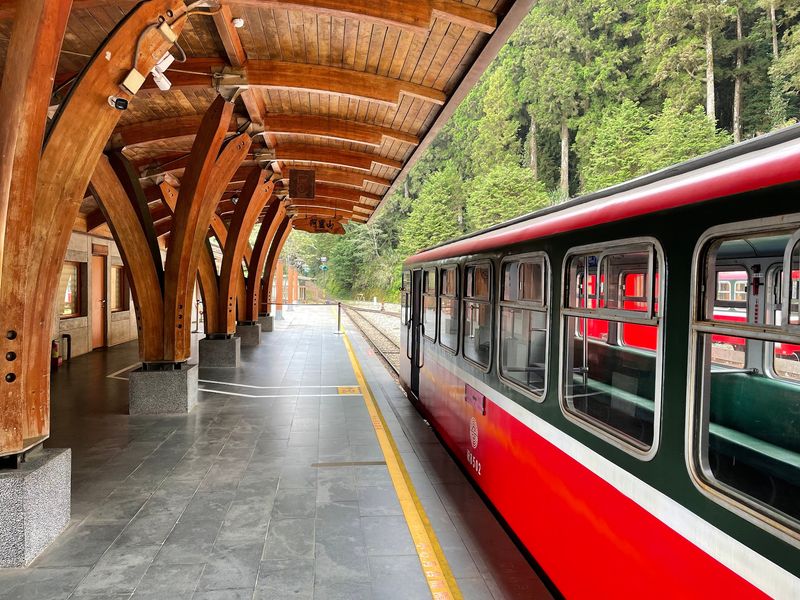
Built by Japanese engineers in the early 1900s to carry timber, the Alishan Forest Railway now carries visitors instead. Its small trains climb from lowland towns up to cool, cloudy highlands.
Along the way, the scenery shifts from warm subtropical forest to bamboo groves and then towering cedar and cypress trees. The line uses spirals, switchbacks, and dozens of tunnels to gain height.
Fog often drifts between the trees, giving the ride a quiet, dreamy feel. At the top, short walking paths lead to ancient trees and viewpoints.
Many people travel up early to catch the famous sunrise over a sea of clouds. Service on parts of the line has changed over the years, so check the latest schedule before booking.
5. Kandy to Ella Railway, Sri Lanka
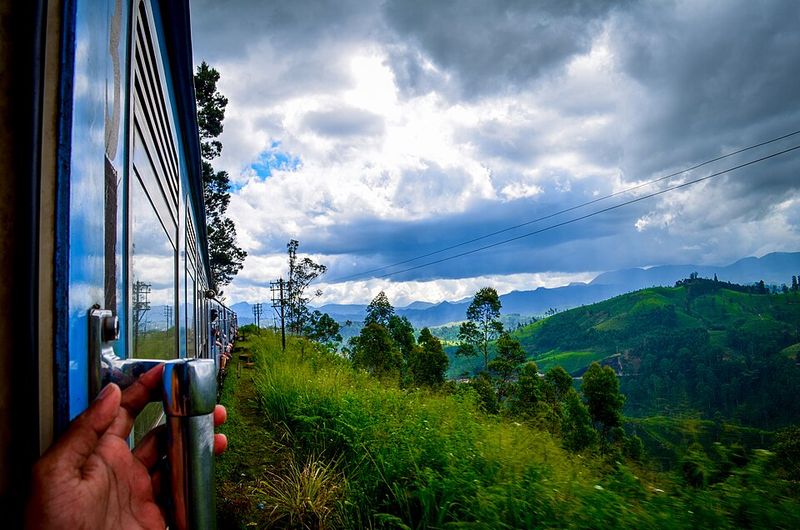
Hanging out of an open train door is almost a tradition on this route, though staying safely inside is the smarter choice. The line from Kandy to Ella runs through the heart of Sri Lanka’s hill country.
Green tea estates roll across the slopes, and white waterfalls drop through the forest. Mist often fills the valleys in the morning, and small villages sit tucked between the hills.
Near Ella, the train crosses the Nine Arch Bridge, a favorite spot for photographers. The trip takes about six to seven hours, depending on delays.
Tickets for reserved seats sell out quickly, so book early. Second-class carriages with open windows are popular, and bringing snacks and water makes the long ride more comfortable.
6. Sagano Scenic Railway, Japan
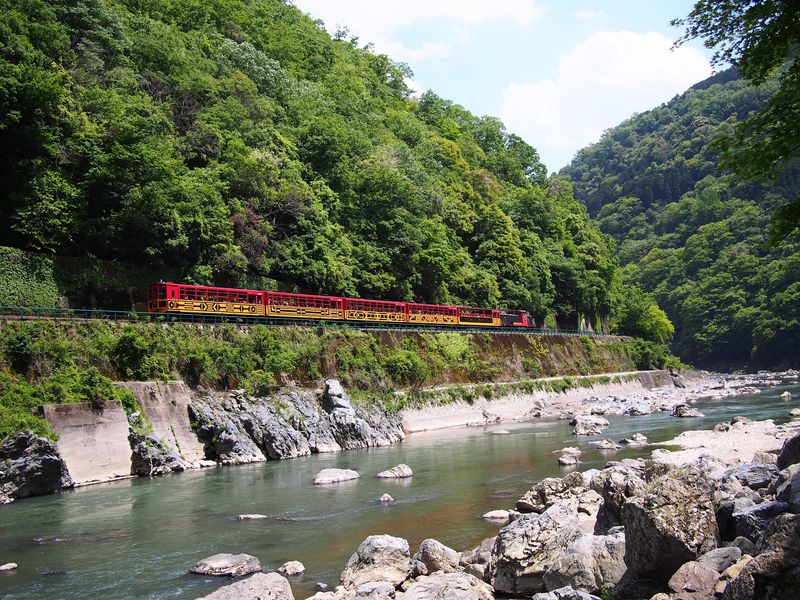
Autumn turns the Hozugawa River gorge into a painting of red, orange, and gold. The Sagano Scenic Railway, often called the Romantic Train, rolls through it slowly, just a short trip from Kyoto.
The ride lasts about 25 minutes and runs between Torokko Saga and Torokko Kameoka stations. Some carriages have open sides, so visitors can feel the breeze and hear the river below.
Spring brings cherry blossoms, and summer adds fresh green leaves. Each season gives the gorge a different mood.
Tickets can be bought in advance, and fall weekends are very busy. Pair the trip with a river boat ride back down the gorge for a different angle on the same scenery.
7. Nilgiri Mountain Railway, India
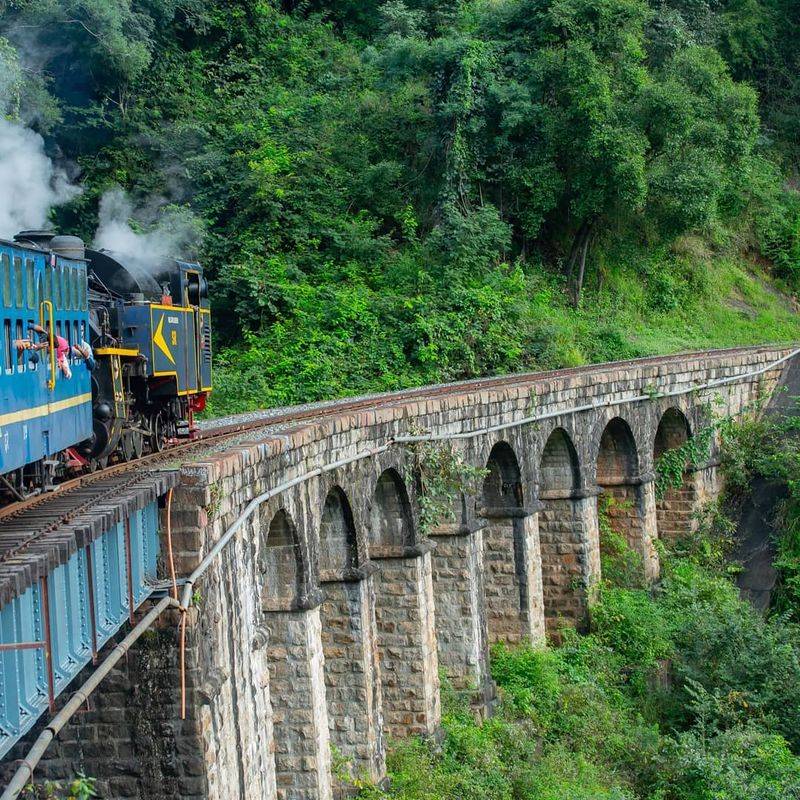
Steep slopes can stop most trains, but not this one. The Nilgiri Mountain Railway uses a special rack and pinion system, with a toothed rail that helps the engine grip the track on its way up from Mettupalayam toward Ooty.
It is a UNESCO World Heritage Site and the only rack railway in India. The route crosses mountain bridges and passes through tunnels, with views of tea gardens, eucalyptus trees, and forested slopes in the Western Ghats.
The full trip takes around five hours. Along the way, cool air replaces the warm lowland heat.
Reserve tickets ahead of time, since seats are limited. Wear layers, and keep a camera ready near the Coonoor stretch, where the views open wide.
8. Kurobe Gorge Railway, Japan
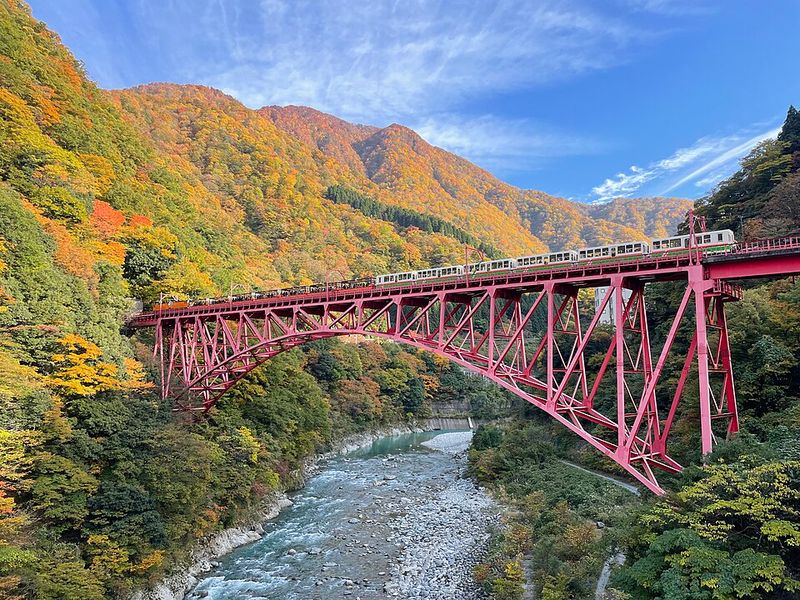
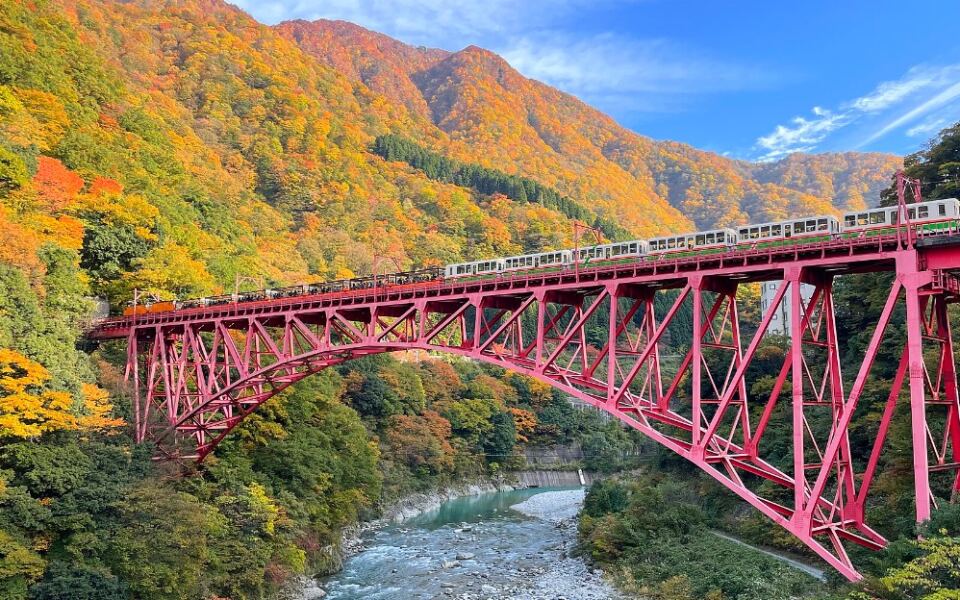
Sitting in an open carriage with the wind in your face is the signature feature of the Kurobe Gorge Railway. The little train runs through a deep Alpine gorge in Toyama Prefecture, close to steep cliffs and the green Kurobe River.
Bridges, tunnels, and narrow ledges keep the ride exciting. Forests cover the slopes, and the colors are especially bright in autumn.
Full-line service resumed in October 2026, though access beyond Keyakidaira Station remains restricted. That means visitors should confirm which sections are open before they plan their day.
Hot spring towns along the route make a relaxing stop after the ride. Check the operating season too, since the line usually closes during the snowy winter months.
9. Hakone Tozan Railway, Japan
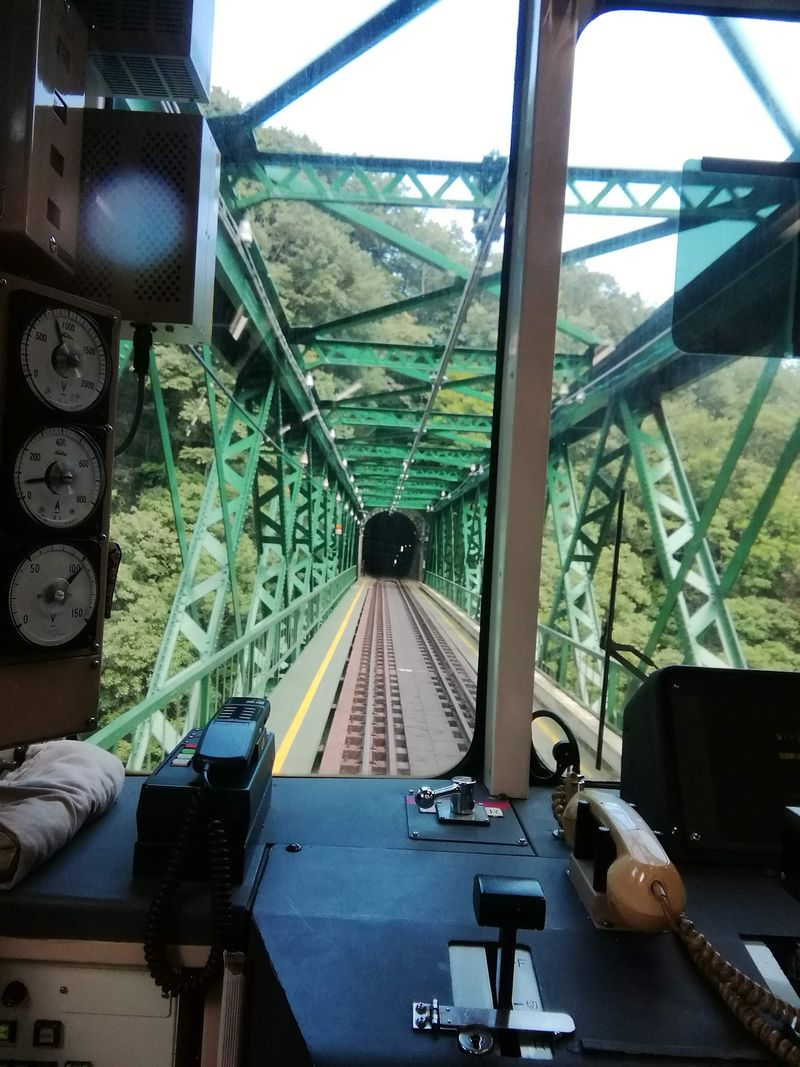
Zigzagging is the best word for this railway. The Hakone Tozan Railway climbs from Odawara toward Gora, and it uses three switchbacks where the train stops, reverses, and then heads up a new section of track.
Wooded hillsides press close to the windows, and the curves are sharp enough that the wheels squeal. It is one of the steepest railways in Japan that does not use a rack system.
In early summer, thousands of hydrangeas bloom beside the track, and the train is sometimes lit up in the evening so passengers can enjoy them.
From Gora, cable cars and a ropeway continue deeper into the Hakone region. A pass covering several kinds of transport can save money on a full day of exploring.
10. Araku Valley Railway, India
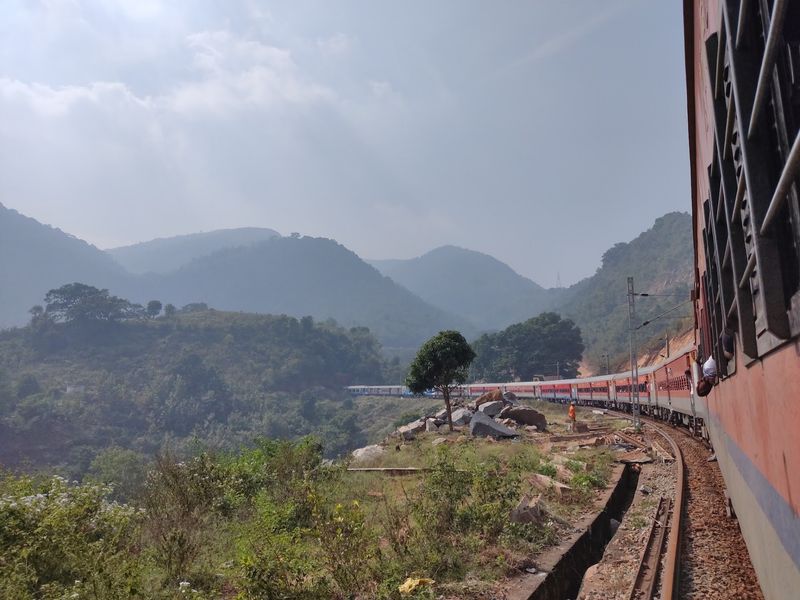
Early risers get the best rewards on the route from Visakhapatnam to Araku Valley. The train leaves in the morning and slowly climbs into the Eastern Ghats, where the air feels cooler and fresher.
More than 50 tunnels break up the trip, and some of them are long enough to give passengers a few moments of darkness before light floods back in. Waterfalls and forested hills line the track.
Araku itself is known for its coffee farms, and local cafes serve freshly brewed cups. A small tribal museum nearby shares the culture of the region.
Some trains have glass-roofed Vistadome coaches, which give a wider view of the hills. Book early, because these seats fill up fast.
11. Tadami Line, Japan
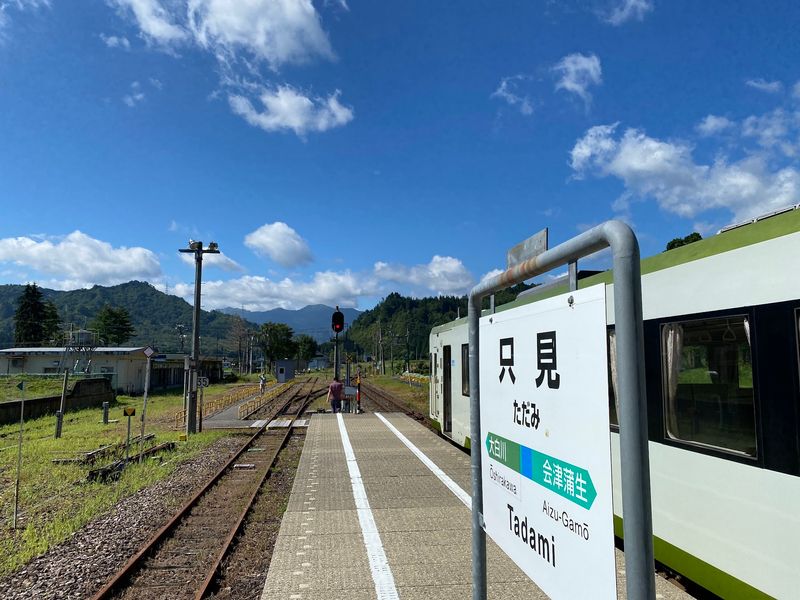
Photographers travel from around the world to catch one view: a small train crossing a river bridge with mist drifting through the valley. That scene happens on the Tadami Line, a rural route between Aizu-Wakamatsu and Koide.
The track follows the Tadami River through remote valleys in Fukushima and Niigata prefectures. Heavy rain damage in 2011 closed part of the line for years, and service was restored in 2022.
Winter is especially striking, as snow covers the hills and villages. Summer and autumn bring deep greens and warm colors.
Trains run infrequently, so check timetables carefully. The Tadami River View Point near Aizu-Kawaguchi is a popular stop for photos, and local buses can help fill gaps in the schedule.
12. Oigawa Railway’s Ikawa Line, Japan
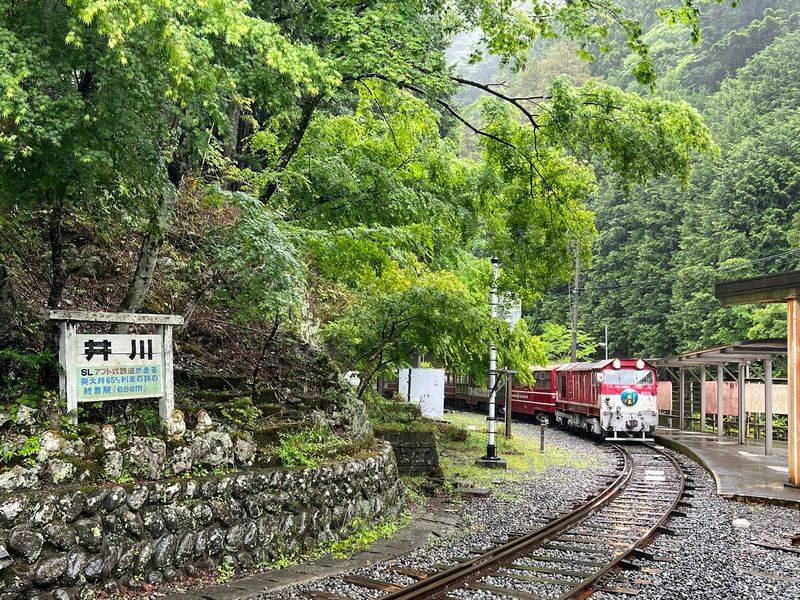
Some stations seem almost unreal, and Oku-Ōi Laketop Station is one of them. It sits on a small platform surrounded by turquoise water, and the only way to reach it is by train on the Ikawa Line.
This mountain route is run by the Oigawa Railway in Shizuoka Prefecture. It uses a rack system for steep gradients and climbs through river valleys toward the Southern Japanese Alps.
The ride is slow and full of curves, with forested slopes and narrow bridges. The color of the lake changes with light and weather.
Tourist services have required reservations since July 2026, so book before traveling. Wear comfortable shoes if you plan to walk across the nearby suspension bridges.
Share this story