Perfume is one of the oldest luxuries on Earth. People in ancient Egypt kept scented oils in tiny stone pots, and royal travelers once packed perfume kits the way we pack phone chargers.
Today, a handful of museums around the world guard this long story with real objects you can see up close. You will find copper stills taller than a grown-up, bottles made by famous glassmakers, and a perfumer’s desk called an organ that has no keys to play.
Some museums sit inside old palaces and family homes. Others hide inside working factories where soap and perfume are still made today.
A few even let you mix your own blend and walk out with a bottle and a diploma, which is a pretty fancy souvenir for an afternoon of fun. The list ahead covers famous stops in France, Germany, Italy, Japan, Morocco, Dubai, and even a private collection in the American Midwest.
Each entry shares quick history, standout objects, ticket tips, and workshop details so you can plan a smart visit. Keep reading, because one of these places has a fountain that pours cologne instead of water, and that is only the start of the surprises.
1. International Perfume Museum, Grasse, France
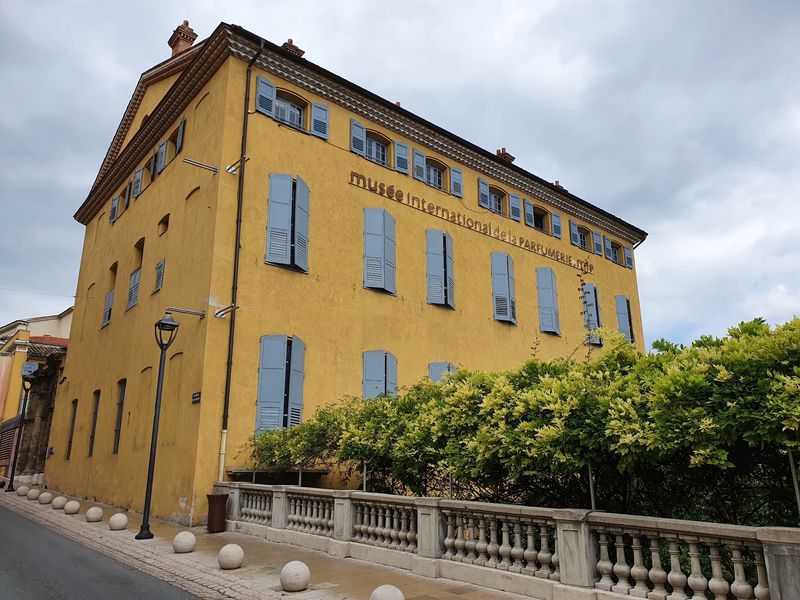
Four thousand years of perfume history fit under one roof in Grasse, the town many call the world capital of fragrance. The museum opened in 1989 and got a big makeover in 2008.
An idea from Francois Carnot back in 1918 started it all. He wanted a public collection that would protect perfume heritage from every corner of the globe.
The building wraps around a 14th-century rampart and an 18th-century mansion called the Hotel Ponteves. Architect Frederic Jung designed the modern parts, which cover about 3,500 square meters.
More than 50,000 objects belong to the collection, and around 2,500 are on display at any time. Some containers date back to 7,000 B.C., which makes your grandma’s vintage bottle look brand new.
Queen Marie-Antoinette’s personal travel kit is a crowd favorite. Displays also explain how Grasse went from making scented leather gloves to leading the perfume world.
Plant fans can visit the museum gardens in nearby Mouans-Sartoux, where perfume flowers grow in neat rows.
2. Fragonard Perfume Museum, Paris, France
Free admission in Paris is rare enough to feel like a small miracle. Fragonard offers just that, plus free guided tours in several languages.
The mansion near the Palais Garnier was built in 1860. Over the years it served as the Eden Theatre and even an English furniture store before Fragonard bought it in 2014.
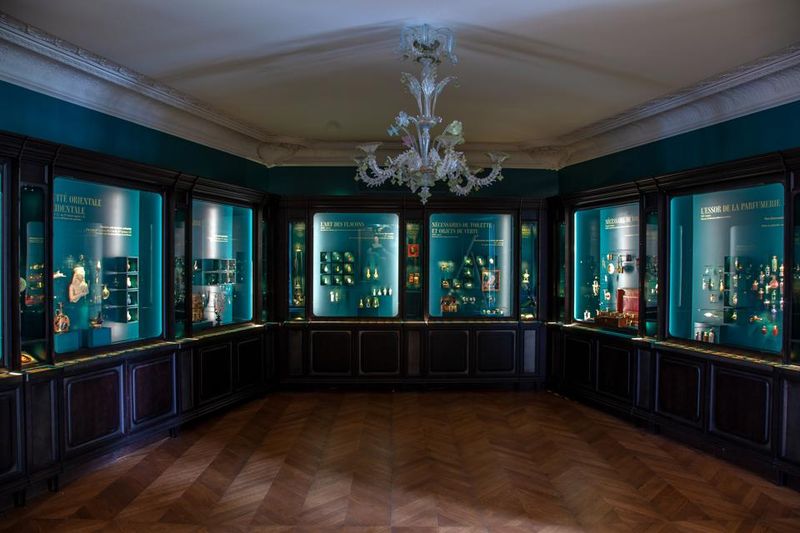
Inside, a glass roof, neoclassical columns, and fancy moldings set the stage for about 3,000 exhibits. They cover roughly 3,000 years of perfume history.
Look for ancient Egyptian kohl pots and small Greek oil flasks called aryballoi. Travel cases and decorated pomanders show how people carried perfume long before purse sprays.
The perfume organ is a must-see. Master perfumers used this tiered desk to line up hundreds of ingredients while composing a scent.
Tours last 30 minutes to an hour, so the museum fits easily into a busy day. Workshop guests blend their own eau de Cologne and take home a 100ml bottle with a diploma.
3. Farina Fragrance Museum, Cologne, Germany
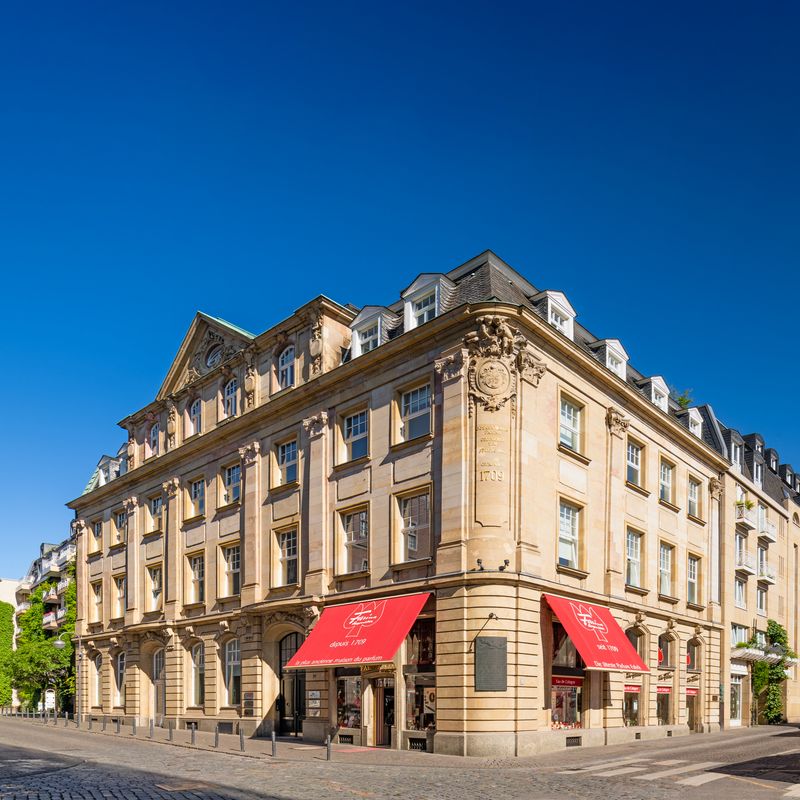
Napoleon, Goethe, and Queen Victoria all had something in common: a fondness for Farina’s Eau de Cologne. Johann Maria Farina created the light, fresh blend in 1709.
His invention became so famous that an entire category of fragrance now carries the city’s name. The Farina House is the birthplace of the world’s oldest existing perfume company.
Every visit is guided and lasts about 45 minutes. You can pick a regular museum guide or an actor dressed in Rococo costume who plays a character from the past.
Rooms hold Rococo furniture, family portraits, historic bottles, and original papers from the Farina archives. Each piece adds a chapter to more than 300 years of business history.
The essence room explains methods like enfleurage, distillation, and solvent extraction. Guests can examine raw materials that go into perfume.
Tours also head down to the vaulted cellars where Farina once let his essences mature. One practical note: the protected building is not wheelchair accessible.
4. Palazzo Mocenigo Museum, Venice, Italy
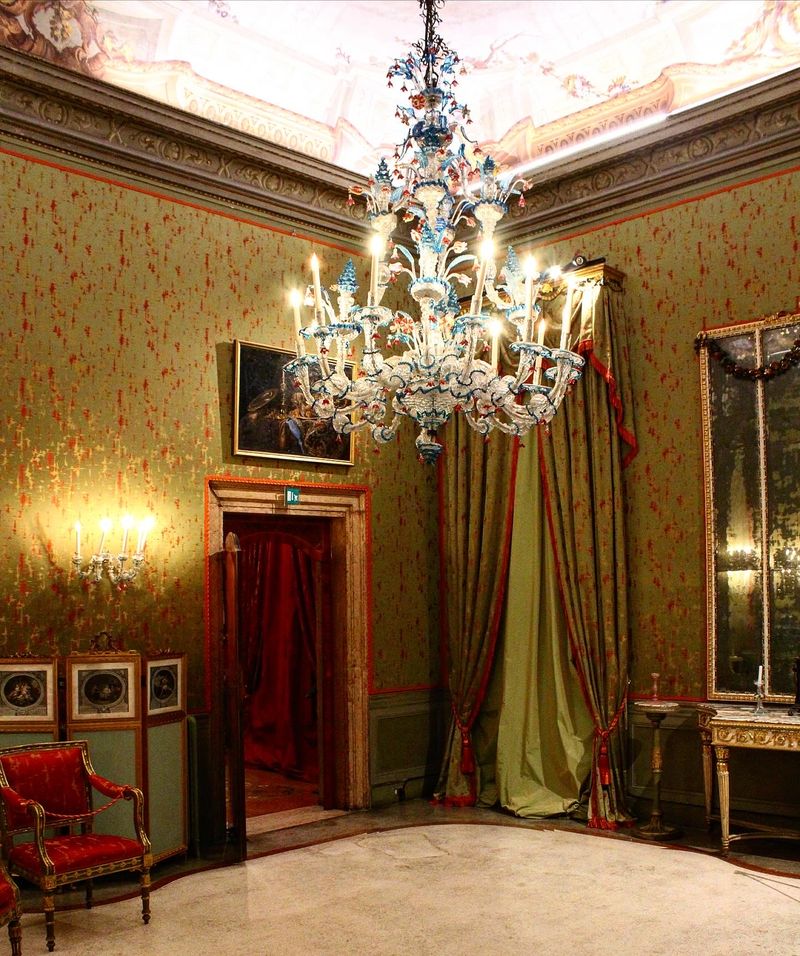
Seven doges came from the Mocenigo family, and their Venice palace still shows off that family’s fine taste. The building took its current form in the early 1600s.
The city received the palace in 1945. It now hosts a study center for textiles, costumes, and perfume.
More than 20 rooms display frescoed ceilings, briarwood doors, and Rococo furniture. Fashion fans can admire 18th-century dresses and Venetian fabrics.
Six rooms focus on perfume. Venice was once a medieval fragrance capital because trade ships carried precious ingredients from the East.
Over 200 essences and many old bottles fill this section. An interactive wall map traces the old trade routes in a fun, hands-on way.
Workshops let guests create a custom fragrance to bring home. Plan one to two hours here, and skip the gondola selfie line for a while.
Honestly, the palace proves that Venetians knew how to make an entrance long before red carpets existed.
5. Oita Fragrance Museum, Beppu, Japan
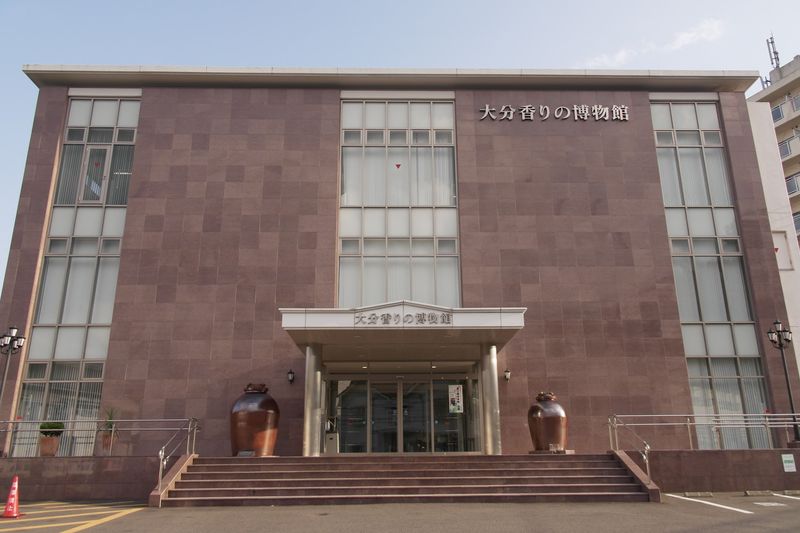
Few museums invite you to soak your feet after the tour. Beppu is a famous hot spring town, and this museum adds a natural footbath to its grounds.
The museum opened in 2007 and holds about 3,600 fragrance objects. Displays trace perfume from ancient Egypt to modern brands.
Japanese incense traditions get special attention here. You will also learn how essential oils come from local plants.
Look for old perfume containers, decorated incense burners, and graceful Art Nouveau bottles. Clear signs explain distillation and extraction in plain terms.
Workshops are the big draw. Guests choose from around 100 ingredients to blend a personal perfume, or they can make a traditional scented sachet.
Reserve a workshop ahead, especially on weekends and holidays. Spots can fill quickly with school groups and tourists.
An herb garden outside shows aromatic plants growing in real life. Together with the footbath, it turns a museum trip into a relaxed half day.
6. Musée du Parfum, Marrakech, Morocco
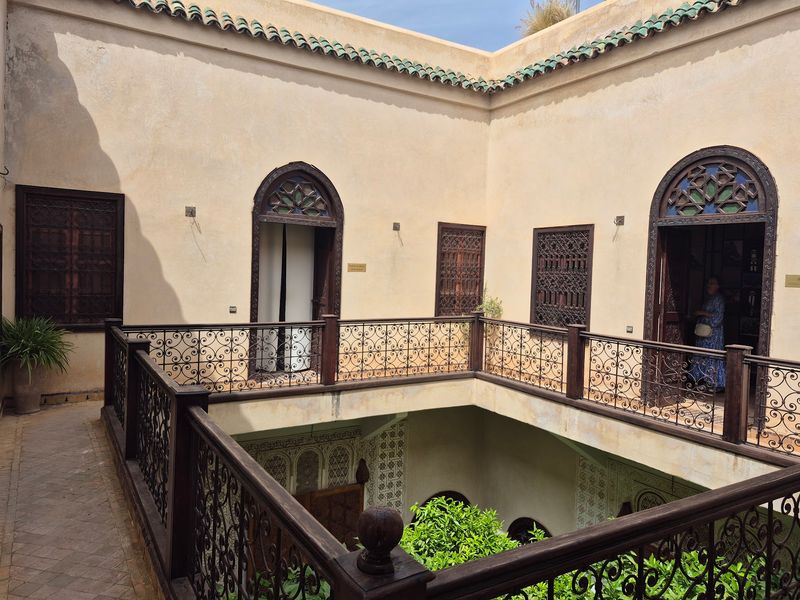
Tucked inside a restored 19th-century riad in the Medina, this museum is a calm break from bargaining in the souks. A riad is a traditional house built around a courtyard.
Exhibits show how Moroccans made floral water and extracted essential oils. Medicinal plants and hammam ingredients also get their own displays.
Rare tools once used in perfume making connect the old ways with today. The focus stays on local plants and daily care habits.
Entry costs 50 dirhams. A basic visit takes only 20 to 30 minutes, so it fits nicely between other Medina stops.
The workshop costs an extra 150 dirhams. A skilled artisan guides you as you build your own 33ml fragrance flask.
The museum opens daily. A boutique sells perfumes, oils, and artisan products made with local ingredients.
Shoppers get a bonus too. After learning how these products are made, you can judge quality much better at market stalls.
7. Perfume House at Al Shindagha Museum, Dubai, United Arab Emirates
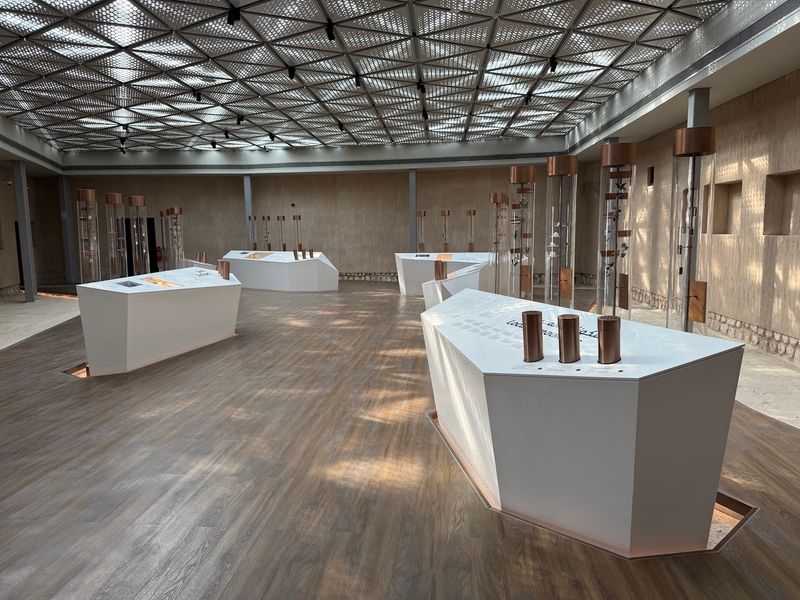
Long before shiny malls, Dubai’s fragrance story lived in homes along the Creek. The Perfume House was once the residence of Sheikha Sheikha bint Saeed Al Maktoum.
She was known for creating her own perfumes. Her home now belongs to the Al Shindagha Historic District, a group of 21 preserved houses.
A main covered gallery, smaller rooms, and an outdoor courtyard guide visitors through the exhibits. Interactive stations introduce oud, saffron, rose, and frankincense.
Traditional utensils show how families made perfume by hand. Bronze incense burners and ceramic containers add deeper history.
Trade routes in this region reach back to the Bronze Age. Panels explain how fragrance traveled across land and sea.
The museum also covers fragrance in Emirati hospitality. Guests are often welcomed with incense, and perfume plays a role in family events.
Pair this stop with the other Shindagha houses for a full cultural morning. A short abra boat ride across the Creek makes a handy finish.
8. Museo Villoresi, Florence, Italy
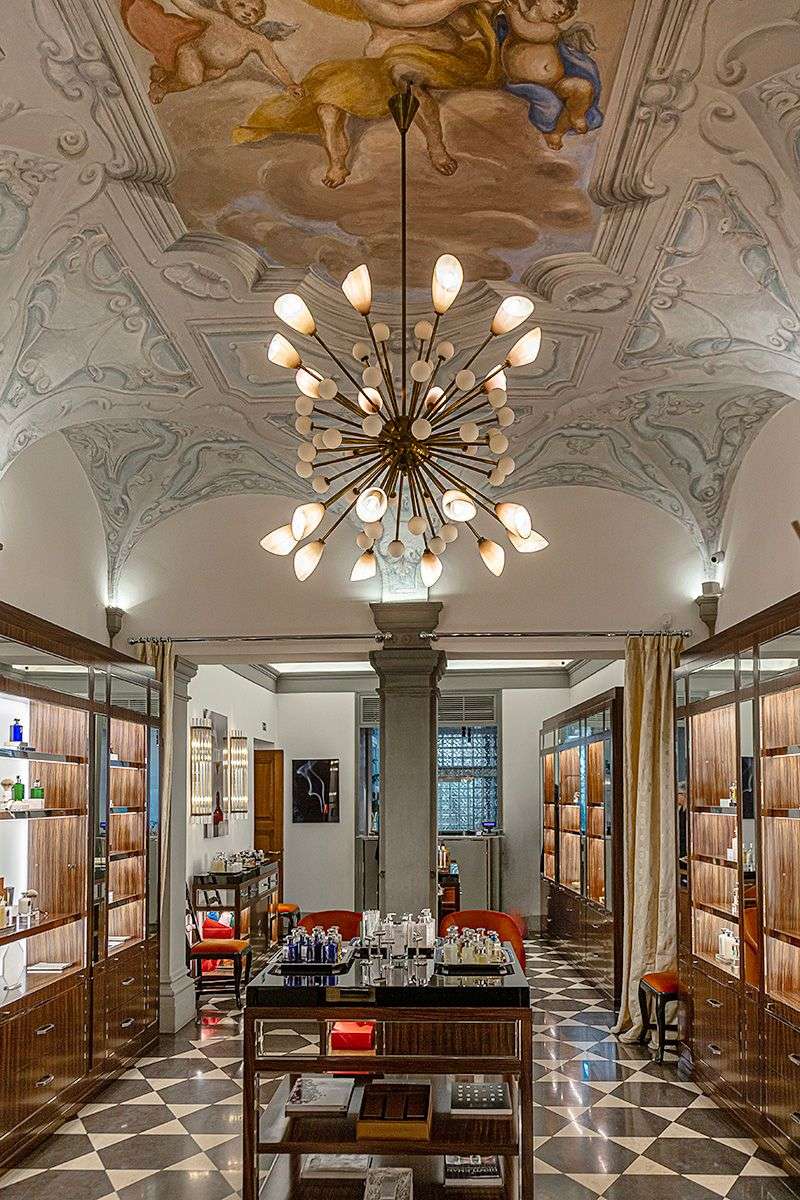
More than 1,000 fragrance samples line the shelves of the Osmorama. This library is the star of Museo Villoresi in Florence.
Perfumer Lorenzo Villoresi opened the museum in 2019. It mixes science, history, and art in one tidy package.
Samples come from around the world. Many are historic raw materials and essential oils that most people never get to see.
Guided tours explain the olfactory pyramid. That fancy phrase simply means how top, middle, and base notes stack together in a perfume.
You will also learn about ancient techniques and how modern perfumery grew from them. Rare ingredients are shown and explained one by one.
A garden grows jasmine, tuberose, and citrus trees. Seeing the plants helps the whole lesson click.
Advance reservations are required, so book before you arrive. The small groups mean more time for questions.
Art lovers already flock to Florence for paintings, and this stop proves the city has masterpieces in bottles too.
9. Perfume Passage Foundation, Barrington Hills, Illinois, USA
Illinois might not be the first place you picture for perfume history. Yet Barrington Hills hides one of America’s most charming collections.
Ken Leach founded the Perfume Passage Foundation. The museum fills part of a private estate with more than 2,000 perfume bottles, compacts, and vanity pieces.
Four themed galleries organize the collection. Each one zooms in on a different time period or style.
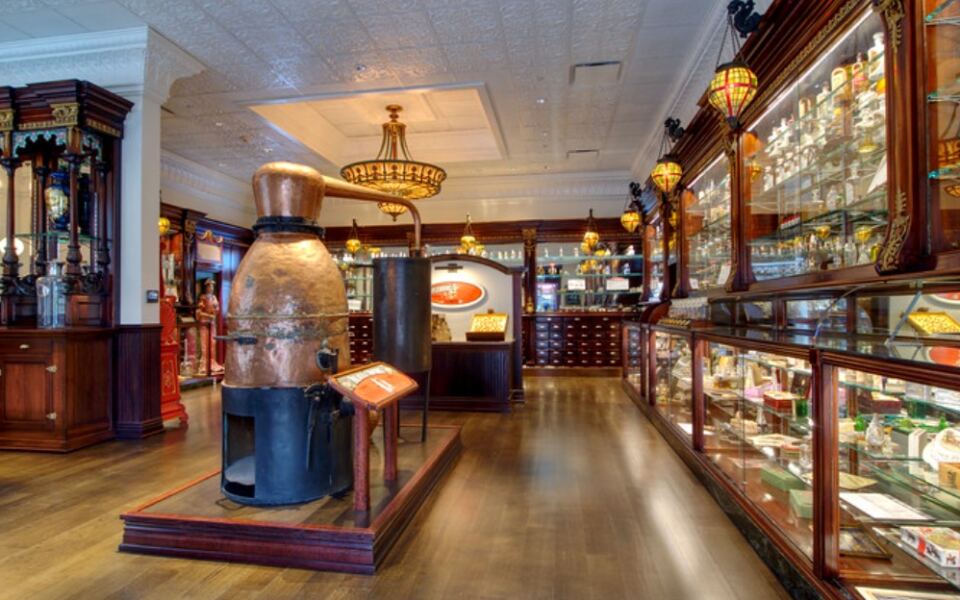
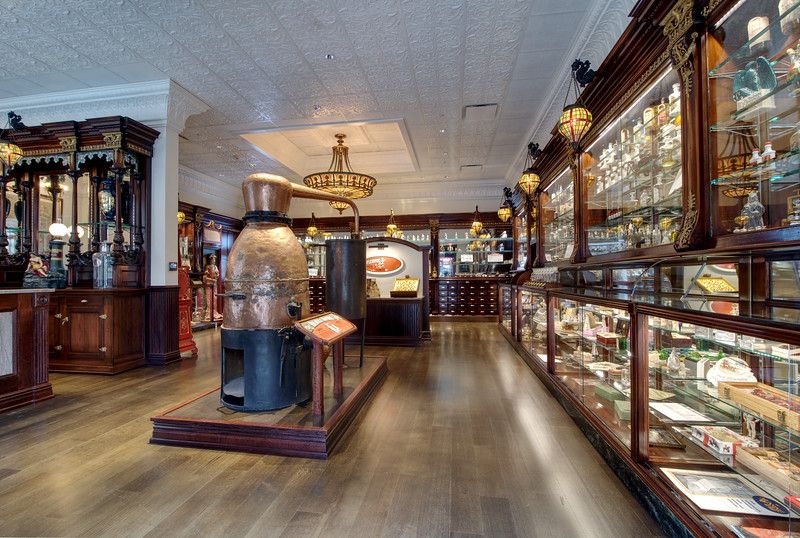
A recreated 1890s American apothecary shows how people once bought fragrance and beauty products. Old drugstores really were the beauty counters of their day.
The Art Deco gallery highlights bold, geometric designs. A Parisian-style passage displays historic perfume showcases in an elegant setting.
Art Nouveau and Art Deco pieces make up a big part of the collection. Collectors often call these two periods the golden age of bottle design.
All tours must be booked ahead because the museum sits on private property. Plan early and you get a personal, unhurried experience.
10. Fragonard Historical Factory and Perfume Museum, Grasse, France
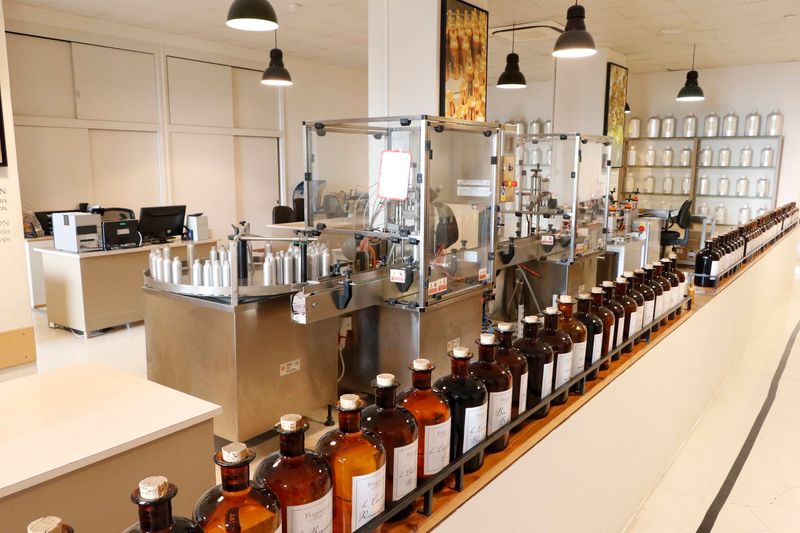
Built in 1782, this factory has been in the perfume business longer than the United States has had a president. Fragonard bought it in 1926.
The museum inside opened in 1975. It was the first perfume museum in Grasse, and a renovation in 2015 gave it fresh life.
Collections cover fragrance from ancient times to today. Highlights include Egyptian cosmetic tools, medieval pomanders, and paintings of grooming rituals.
Provencal furniture adds local character. Real stills show how steam distillation pulls oils from plants.
Old enfleurage containers are another treat. Grasse used this flower-and-fat method until the 1950s for delicate blooms like jasmine.
Exhibits also explain life in family-run factories before the 1950s. You get a sense of the workers behind the bottles.
Free guided factory tours run in several European languages. They follow perfume and soap from raw materials all the way to packaging.
The gift shop waits at the end, so keep your wallet handy.
11. Molinard Historical Bastide and Museum, Grasse, France
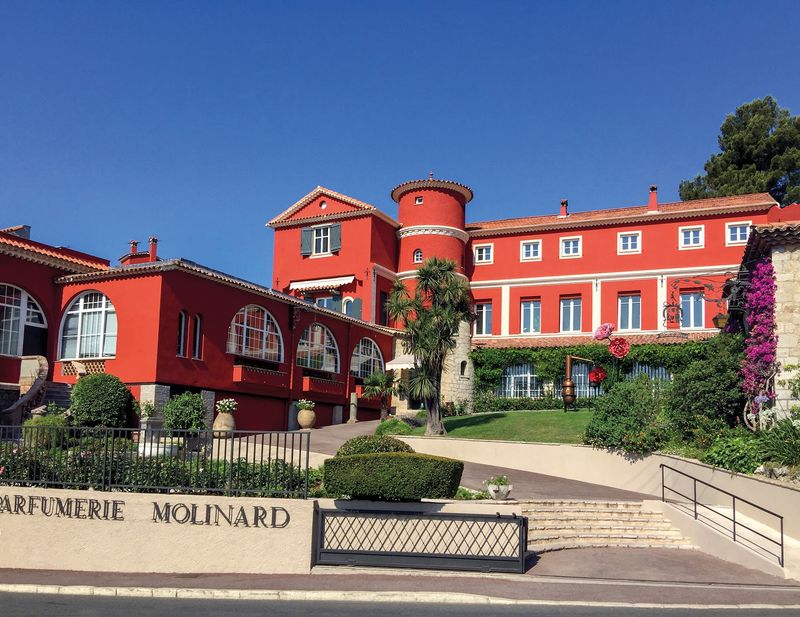
Gustave Eiffel is famous for a certain tower in Paris. Fewer people know he designed the metal structure of the distillery at Molinard.
Molinard was founded in 1849 and moved into this bastide in 1900. The old production site is now a museum about the company’s craft.
Copper stills, antique machines, and large maceration vats fill the rooms. Maceration means soaping, or rather soaking, plants in liquid to draw out their scent.
A perfumer’s lab from the 1930s looks ready for work. Bottles by Rene Lalique and Baccarat add some sparkle to the collection.
Displays explain how Molinard picks raw materials from Grasse and around the world. You can also see how its soaps are made by hand.
Free guided tours start every 20 minutes and last about 25 minutes. Audio guides come in several languages.
Workshops welcome adults and kids who want to create a scent. Free parking makes the visit even easier.
12. Galimard Perfume Factory and Historical Museum, Grasse, France
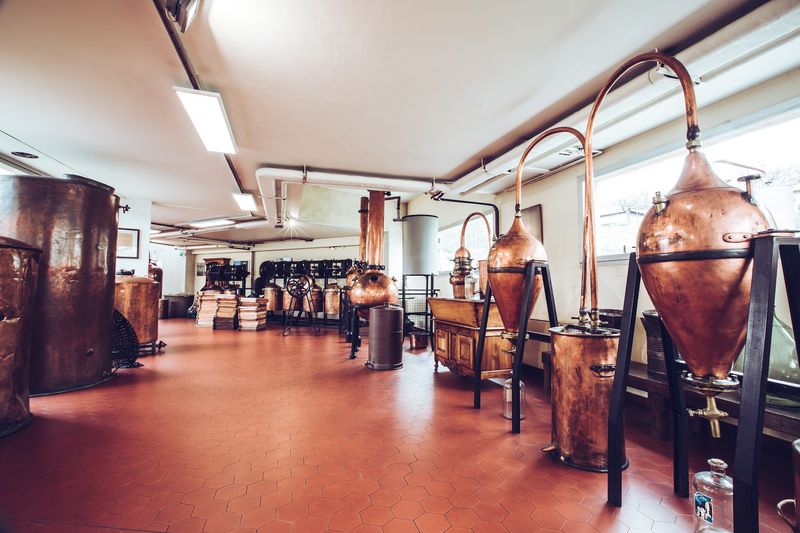
Since 1747, the Galimard family business has stayed independent. It claims the longest continuous perfume-making history in Grasse.
Free guided tours run daily, and no booking is needed. Each one lasts about 45 minutes.
Guides take you behind the scenes. You follow perfume from raw material selection to lab work and final packaging.
Different extraction methods are explained in clear steps. The perfumer’s organ appears here too, with rows of ingredients ready for blending.
Grasse perfume skills earned UNESCO recognition in 2018. That status marks the craft as part of the world’s shared cultural heritage.
Creative visitors can sign up for a workshop. Expert perfumers guide you as you mix your own Eau de Cologne.
The tour ends in a boutique with perfumes, eaux de toilette, and soaps sold at factory prices. Budget travelers will appreciate those savings.
Free parking is available on site. With no reservations needed, it is a great backup plan when other tours are full.
13. 4711 Fragrance House, Cologne, Germany
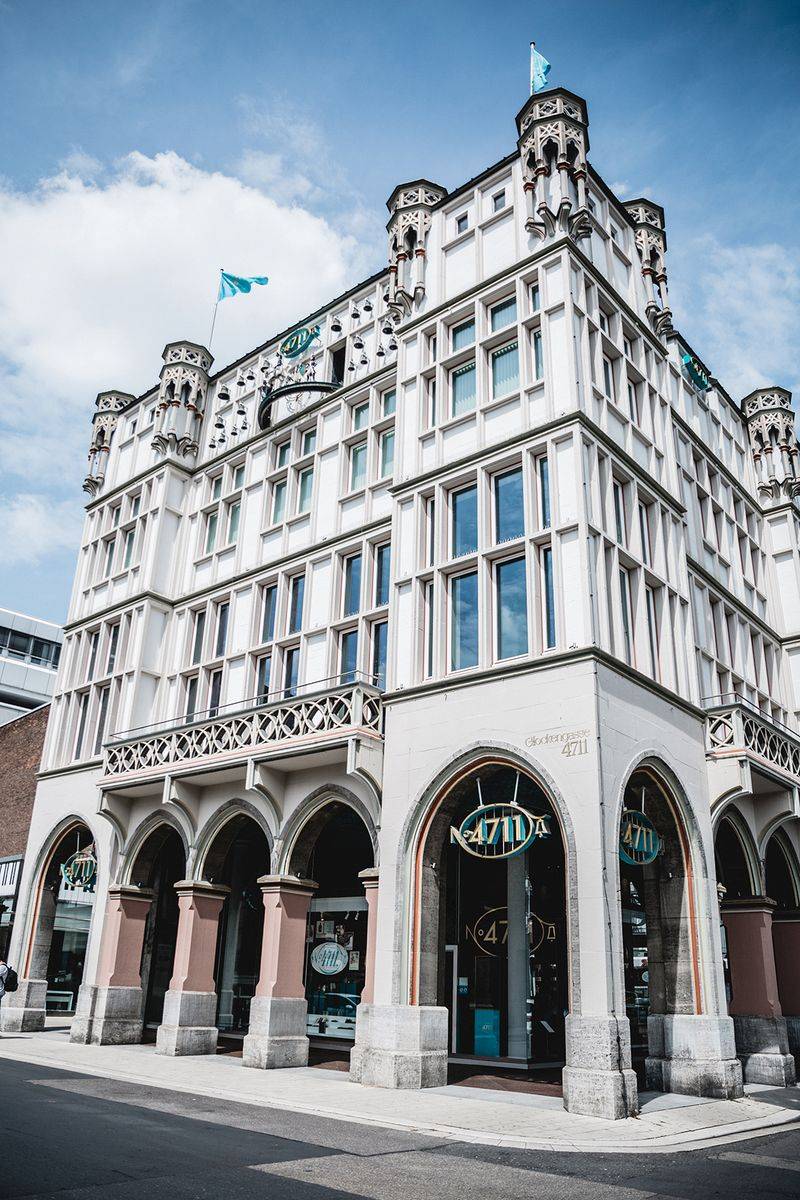
Here is a fountain worth putting your hands in. At the 4711 Fragrance House, it pours real Eau de Cologne for visitors to try.
The brand’s name comes from a house number. During the French occupation, Wilhelm Muelhens’ workshop on Glockengasse was labeled 4711, and the number stuck.
The original building was lost in 1943. Today’s Neo-Gothic flagship opened in 1963 with a striking blue-and-gold front.
Bells above the entrance play three tunes every hour. Visitors often gather outside to catch the show.
Historical displays tell the story of the Aqua Mirabilis recipe. Antique Rosoli bottles, old flasks, and vintage ads show how the brand changed over time.
Historical tours and fragrance seminars run regularly. In a seminar, you can create your own Eau de Cologne.
The house even serves a four-course fragrance menu inspired by perfume ingredients. About 100,000 people visit each year.
Save time for the ground-floor boutique, which carries classic and modern 4711 collections.
Share this story