Europe has famous islands that fill up every summer, but many smaller ones stay calm and full of local character. These places offer clear water, quiet beaches, and villages where daily life still follows old traditions.
Here are 15 islands to consider for a trip that feels more relaxed and authentic. Each one has its own landscape, history, and way of life.
1. Folegandros, Greece
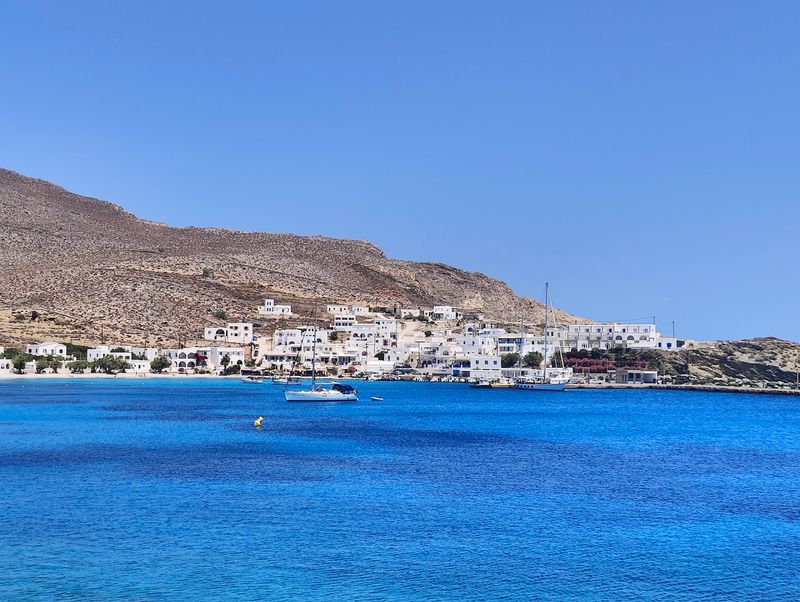
Picture a village of white houses sitting right at the edge of a tall cliff. That is Chora on Folegandros, a car-free maze of lanes, flower-covered balconies, and small squares where locals gather in the evening.
The island is small, so it is easy to explore at an easy pace. Walking paths link the main village to quiet corners, and the cliffs give wide views over the sea.
For beach time, Agali is a good choice. It has calm water, a few tavernas, and a relaxed feel.
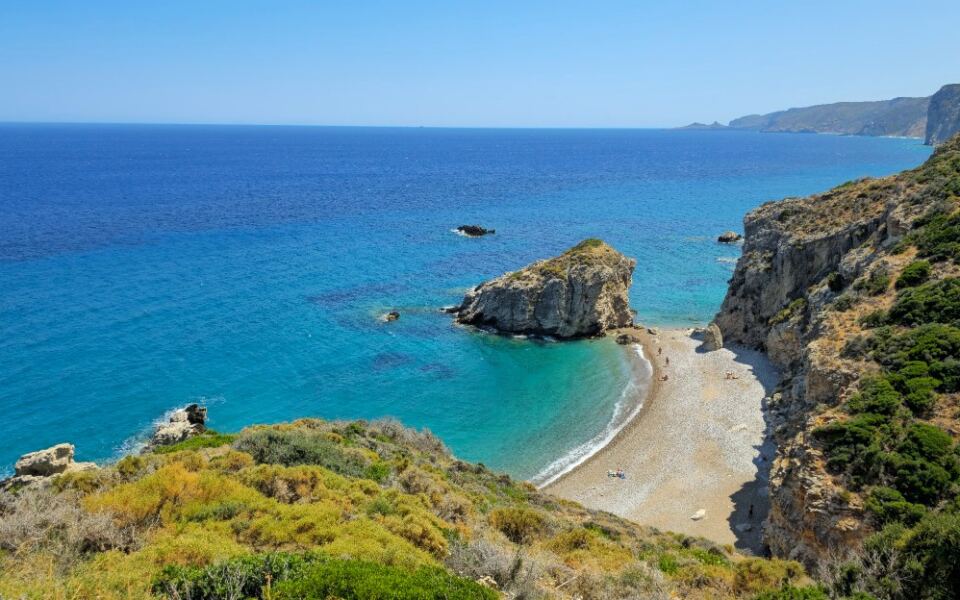
Katergo is harder to reach, since visitors usually arrive by boat or on foot, but the effort is rewarded with a peaceful stretch of coast.
Plan to visit in late spring or early autumn if you want mild weather and fewer people. Bring sturdy shoes, because many of the best views come after a short climb.
2. Lastovo, Croatia
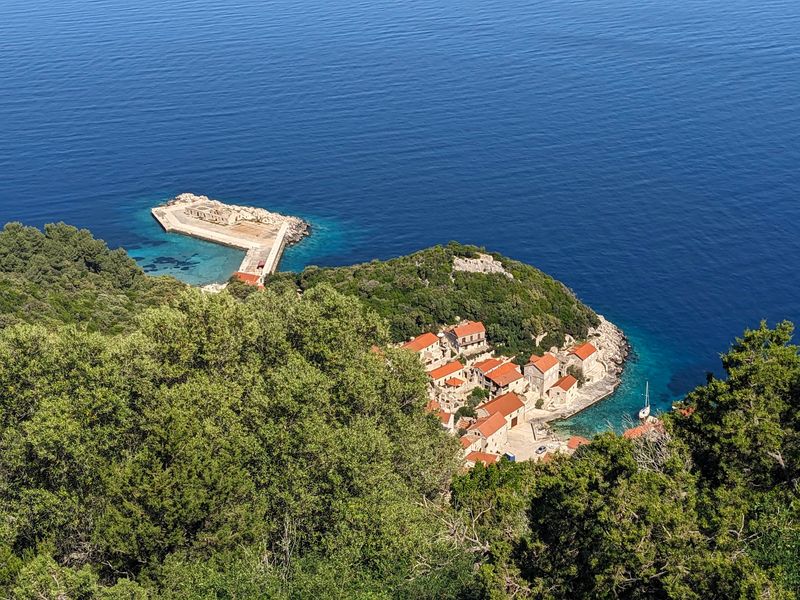
Far out in the Adriatic, Lastovo feels like a place that time politely skipped. Much of the island is a nature park, and the sky is so dark at night that stargazing is a favorite activity.
The main village, also called Lastovo, climbs a hillside in a natural bowl. Its stone houses are known for unusual chimneys, each with its own shape, and the narrow streets are best explored slowly.
Along the coast you will find quiet coves with clear water, many reached by boat or short walks. Zaklopatica and Ubli are small harbors where you can enjoy fresh fish at simple restaurants.
Ferries run from the mainland and nearby islands, but schedules can be limited, so check times ahead. Travelers who like silence, nature, and local food will feel at home here.
3. Marettimo, Italy
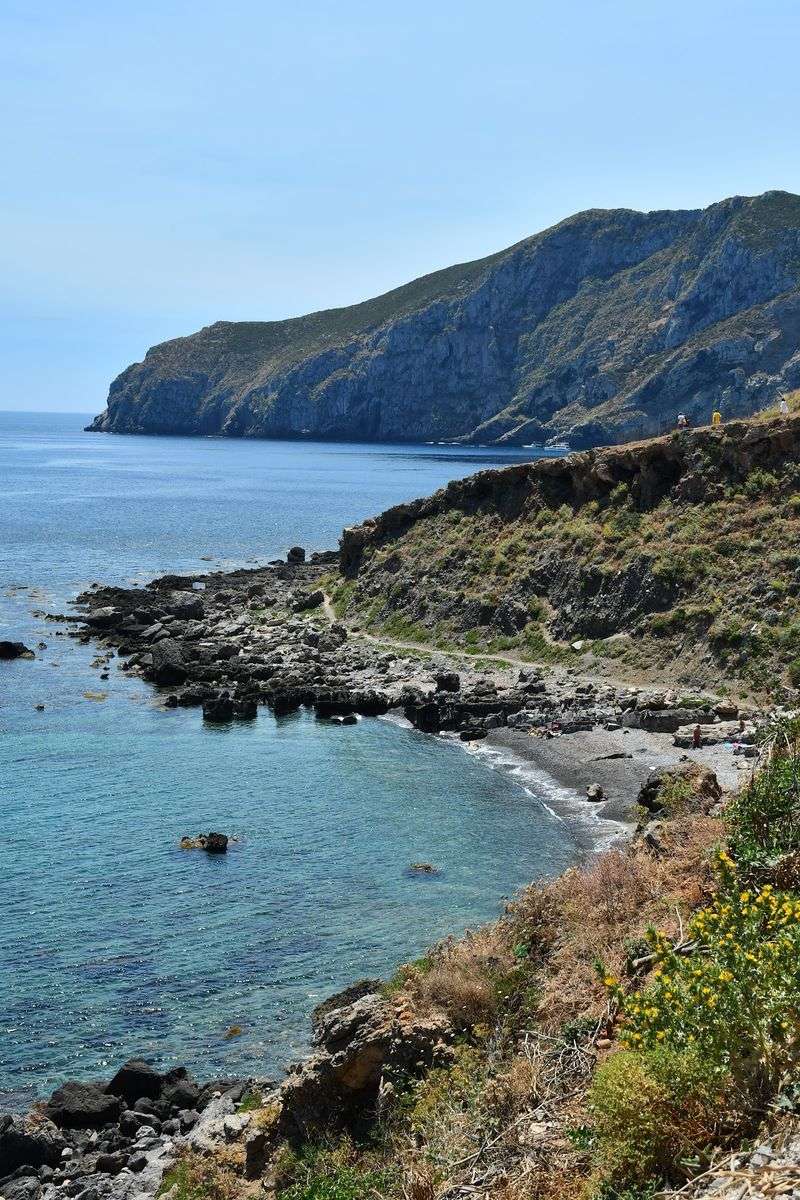
Marettimo is the most remote of Sicily’s Egadi Islands, and fishing boats still set the rhythm of the day. The only village is a cluster of white houses with blue doors, set around a small harbor.
There are no big resorts here. Instead, visitors take boat tours to sea caves, such as Grotta del Cammello and Grotta del Tuono, where the water glows in shades of blue.
On land, mountain trails climb above the village to old lookout points and ruins. The hike toward Pizzo Falcone rewards walkers with wide views over the sea.
Swimming is best from small rocky coves and platforms near the village, so water shoes are helpful. Ferries and hydrofoils arrive from Trapani, and summer is the busiest time, so book your stay early.
4. Paxos, Greece
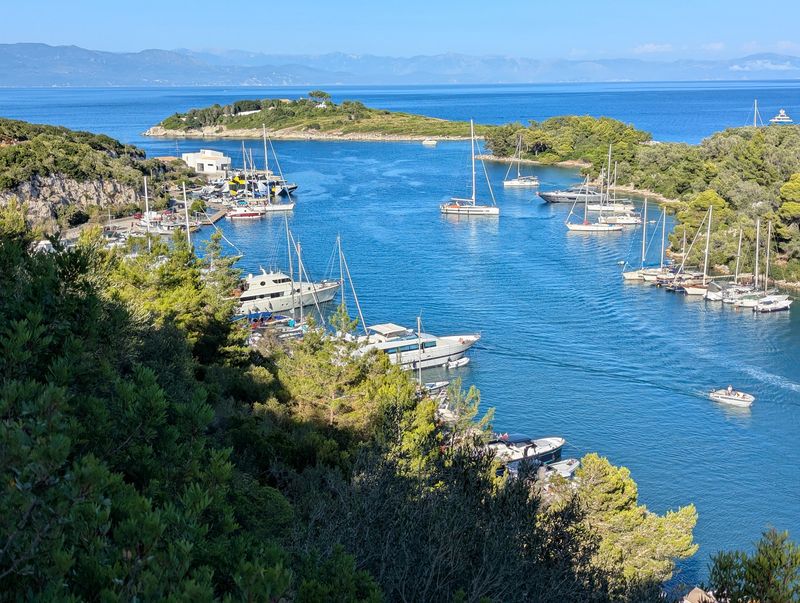
Olive trees cover Paxos so thickly that the island seems to be wrapped in silver-green. It is one of the smallest Ionian islands, and its three harbor villages each have a distinct feel.
Gaios is the main town, with a lively waterfront and pastel buildings. Loggos is quieter and cozy, while Lakka sits in a sheltered bay that is popular with sailors.
Beaches here are mostly pebble, with water that is clear and calm. Many are reached by small roads or boat taxis, and some sit beneath white cliffs on the west coast.
Paxos is easy to reach by ferry from Corfu, which makes it a good day trip or a longer stay. Visit in early summer or September for pleasant weather and a gentler pace in the harbors.
5. La Graciosa, Spain
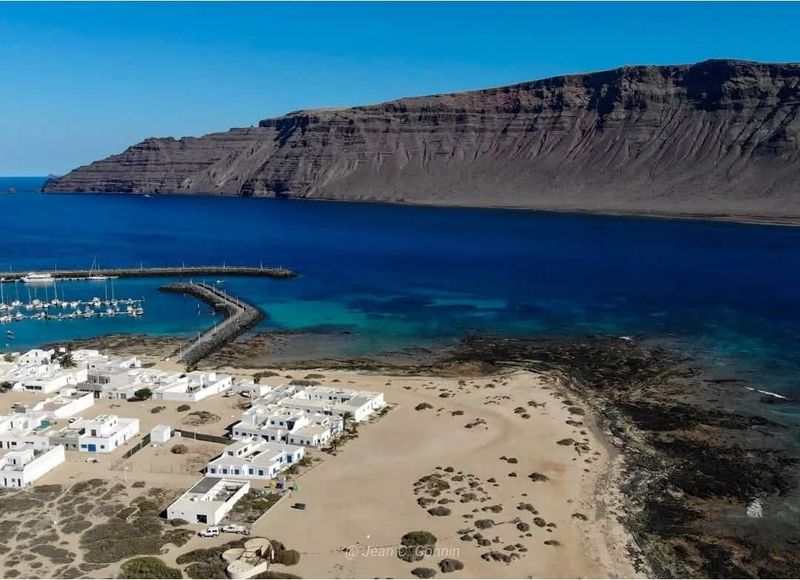
Here is a surprising fact: La Graciosa has almost no paved roads. Sand streets run between low white houses in Caleta de Sebo, the island’s main settlement, and bikes and a few 4×4 taxis do most of the moving.
The island lies just north of Lanzarote and is a short ferry ride away. Its volcanic hills and golden dunes create a landscape that looks almost like another planet.
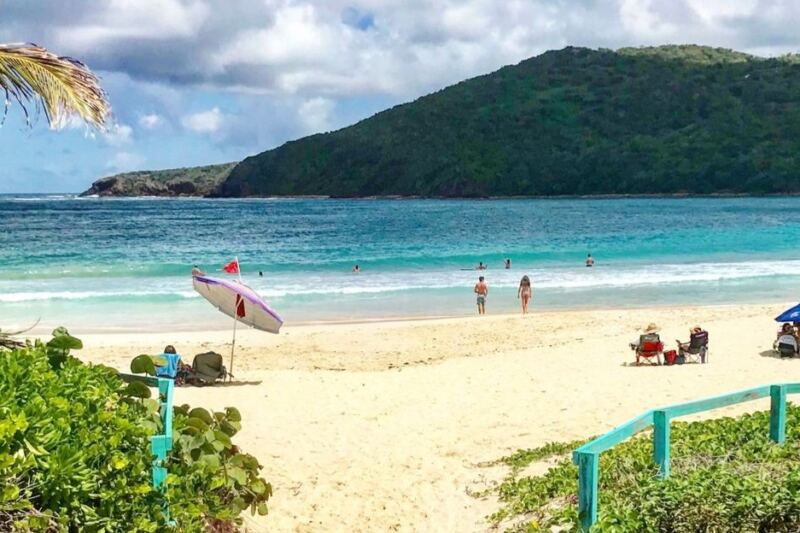
Playa de las Conchas is known for its wide view and strong currents, so it is better for walking than swimming. Playa Francesa and Playa de la Cocina are calmer and better suited to a dip.
Rent a bike, pack water and sun protection, and take your time. There is little shade, but the quiet and the open skies make the effort worthwhile.
6. Susak, Croatia
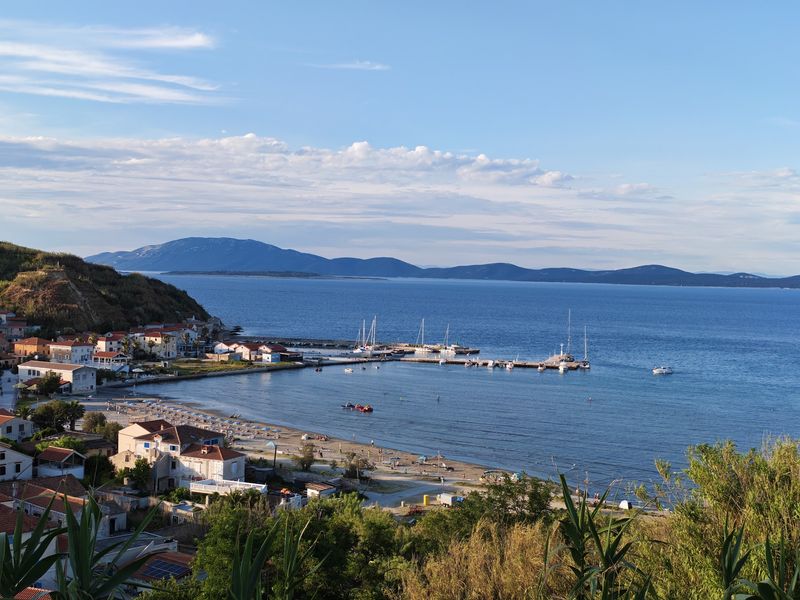
Most Adriatic islands are rocky, but Susak is built on a thick layer of sand. That makes it feel different from its neighbors, with soft beaches and shallow, warm water that suits families.
The island has two settlements, the Upper Village and the Lower Village, linked by a steep path. Locals have kept their own dialect, and older women sometimes wear colorful traditional clothing during celebrations.
Sandy coves such as Spiaža are a short walk from the harbor. Vineyards and reed beds frame the paths, and there are no cars on the island, which keeps things peaceful.
Ferries from Mali Lošinj make a visit simple, and a day trip is possible. Staying overnight gives you time to enjoy the quiet evenings and taste local wine and seafood.
7. Amorgos, Greece
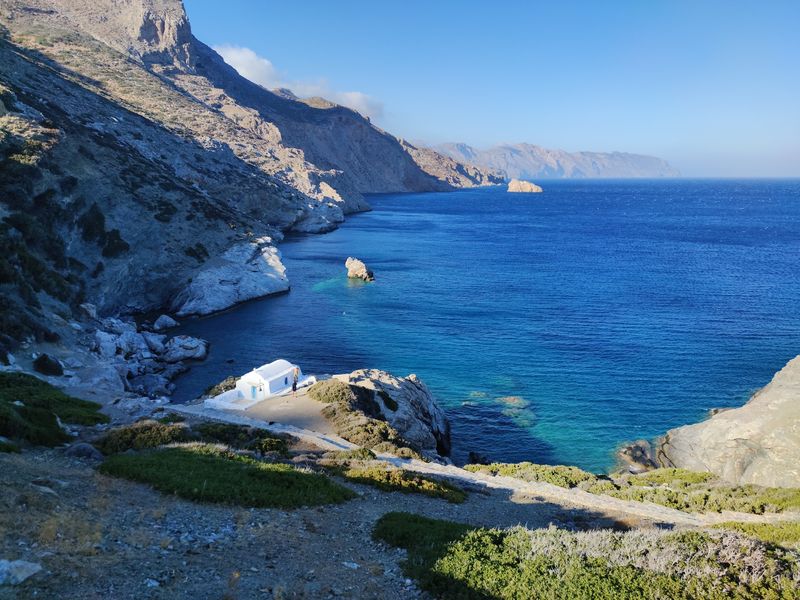
Long and narrow, Amorgos rises from the sea like a wall of rock. Its mountain ridges give hikers long trails with views that stretch across the Cyclades.
Chora, the main village, is a graceful cluster of white houses, small churches, and windmills. Tholaria is another village with a calm feel, perched above the coast and linked to the sea by old stone paths.
When it is time to swim, head to the coves near Aegiali or the sheltered waters around Katapola. Many beaches have pebbles and clear water, and some are reached by short walks.
Amorgos is also known for a striking monastery built into a cliff face. Visit with covered shoulders and knees, and bring good shoes for the steps.
Spring is a pleasant time to see wildflowers.
8. Procida, Italy
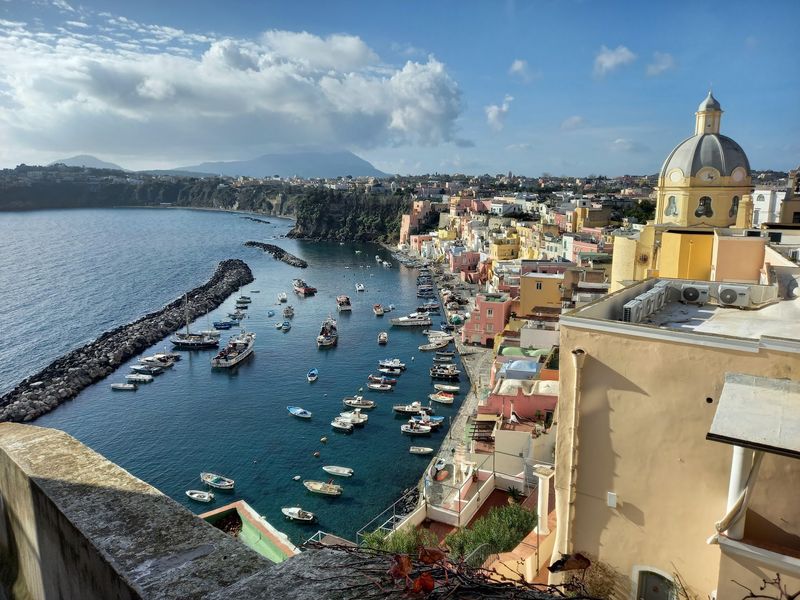
Colorful houses stacked above a small harbor make Procida look like a painting. Marina Corricella is the best-known corner, a fishing village where nets dry beside doorways and boats rest on the water.
The island sits close to Naples, yet it feels far calmer than nearby Capri or Ischia. Narrow lanes, lemon groves, and small churches fill the interior, and the whole island can be explored on foot.
Chiaiolella is a pretty bay with a long, gently curving beach and a quiet marina. Nearby, the Lingua islet is reached by a short bridge and has a peaceful setting.
Ferries leave Naples and Pozzuoli several times a day. Try a local lemon treat or fresh seafood at a harbor restaurant, and plan to stay until sunset when the colors glow.
9. Kythira, Greece
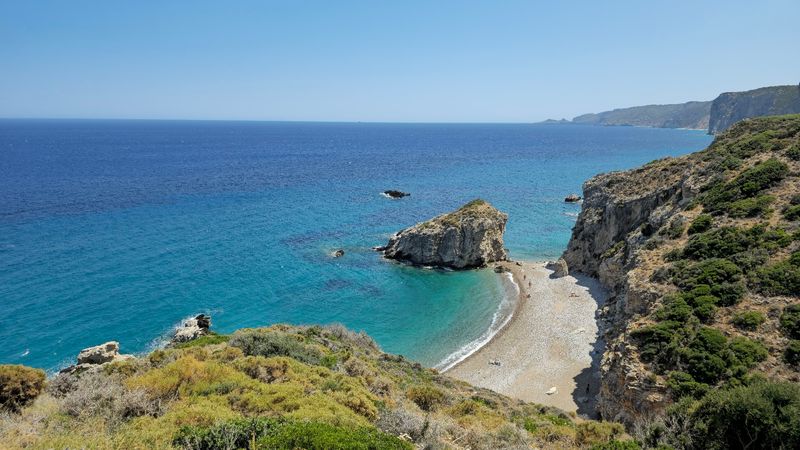
Between the Peloponnese and Crete lies Kythira, an island with a mix of Greek and Venetian history. This blend shows in the village architecture, with stone mansions, arched doorways, and old fortresses.
Avlemonas is a favorite, a small coastal settlement with a tiny harbor and natural swimming pools in the rocks. Chora, the main village, sits high above the sea and has a castle with wide views.
Beach lovers can try Kaladi, a dramatic cove framed by cliffs, where the water is clear and a short staircase leads down. Melidoni is another striking spot, known for its green setting and pebbles.
Roads are winding, so renting a car helps. Many Greeks visit in August, so choose June or September if you prefer calmer villages and easier parking.
10. Vis, Croatia
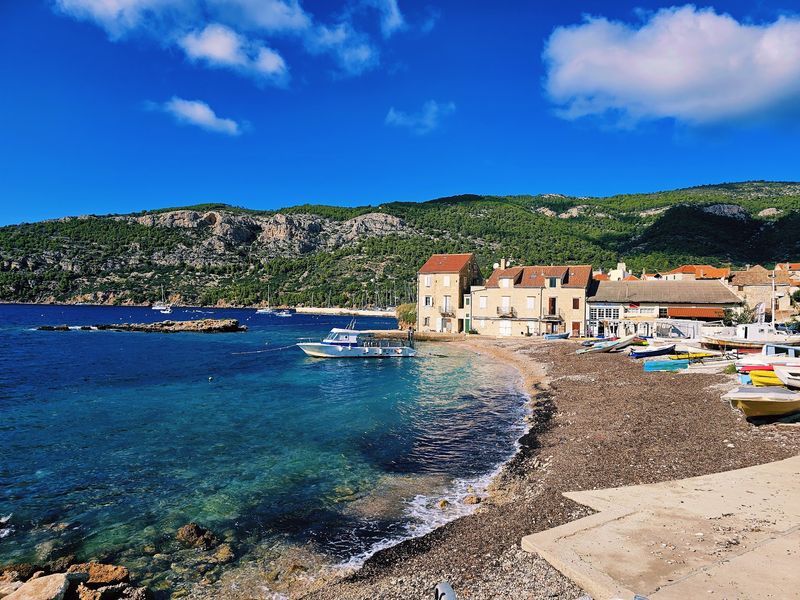
For decades, Vis was a military base closed to visitors, and that isolation helped protect its charm. Today it is a relaxed island where old stone houses, fishing boats, and vineyards set the scene.
Vis Town and Komiža are the two main settlements. Komiža has a long fishing tradition and a waterfront promenade, while Vis Town has elegant buildings and small beaches nearby.
Stiniva is among the most photographed coves in Croatia, a narrow pebble beach squeezed between tall cliffs. Srebrna is a quieter bay, with calm water and soft light in the evening.
Try a local dish called vička pogača, a savory pie filled with fish, and sample wine made from Vugava grapes. Ferries from Split make the trip simple, and a rented scooter is a handy way to get around.
11. Lipsi, Greece
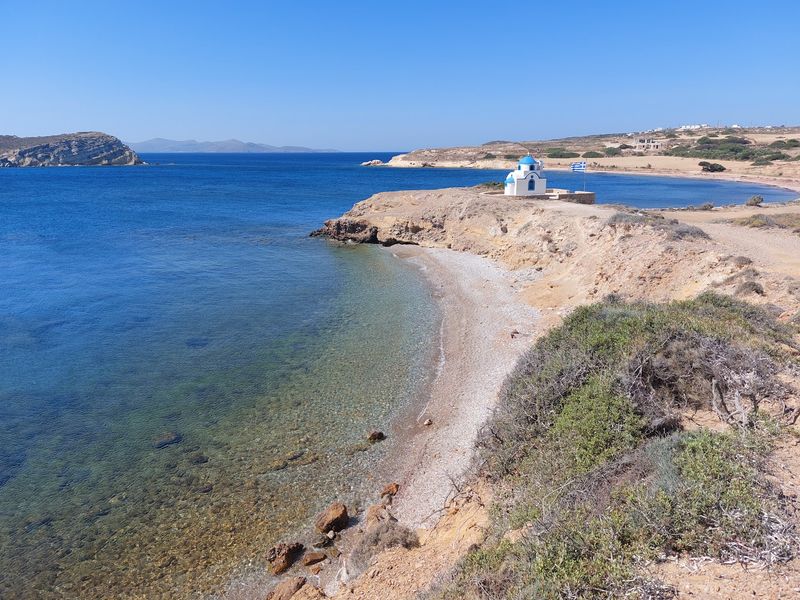
Lipsi is small enough that you can walk almost anywhere, yet it has everything a relaxed holiday needs. The harbor village has cafes, bakeries, and a blue-domed church that watches over the waterfront.
Evenings are social here. Locals and visitors gather along the quay, and the pace slows down as the sun goes down.
The beaches are close and uncomplicated. Platis Gialos is a sheltered, sandy bay with shallow water that is easy for children and casual swimmers.
Katsadia and Monodendri offer a bit more space and a wilder feel.
Lipsi is also known for its yearly festival in August, when music and dancing fill the streets. Ferries connect the island to Patmos and Leros, which makes it a good stop for island hopping through the Dodecanese.
12. Filicudi, Italy
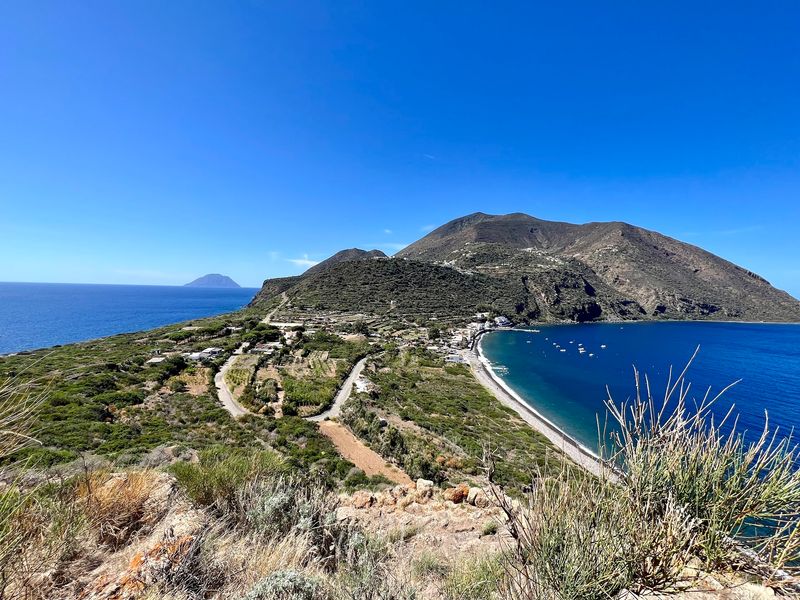
Filicudi is part of the Aeolian Islands, a volcanic chain north of Sicily, and it is one of the quietest. There are only a few small settlements, such as Pecorini Mare and Filicudi Porto, and life revolves around the sea.
Houses are built of stone and painted in soft whites, with simple terraces facing the water. Narrow mule tracks climb through scrub and fields to old hilltop sites.
Beaches are mostly pebbly, and the water is very clear. Pecorini Mare has a small beach with easy access, while Canale is a picturesque cove close to the main port.
One highlight is a boat trip around the island, where you can see the tall rock called La Canna and the Grotta del Bue Marino. Hydrofoils run from Milazzo, and summer weather is steady but warm.
13. Karpathos, Greece
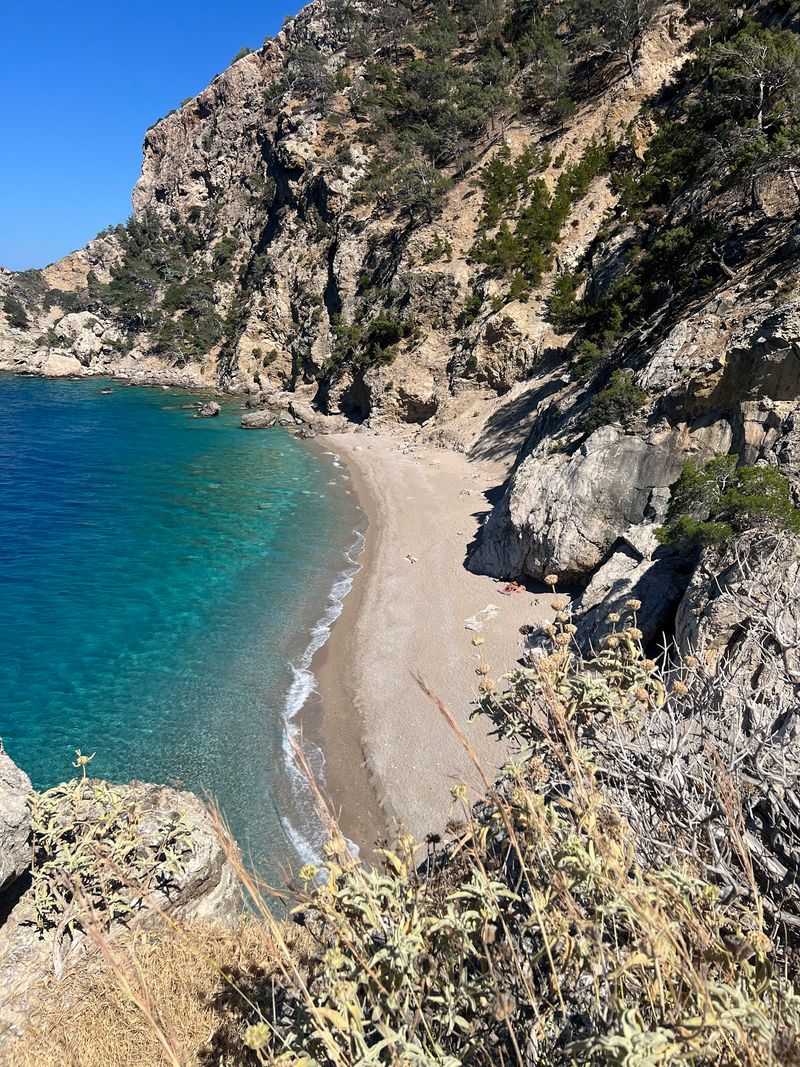
High in the mountains of northern Karpathos sits Olympos, a village that seems to belong to another century. Women still bake bread in outdoor ovens, wear traditional dress, and speak a dialect with old Greek roots.
The houses are brightly decorated, and music nights often feature local instruments. Visiting here gives a rare look at living culture rather than a staged show.
For the beach, Apella is often praised for its clear water and its setting below steep cliffs. Kyra Panagia is a pretty bay with a chapel and a calm shoreline, and it is popular with swimmers.
Roads on Karpathos can be steep and winding, so drive carefully. Windy conditions are common in summer, especially in the south, so check the weather before choosing a beach.
14. Mljet, Croatia
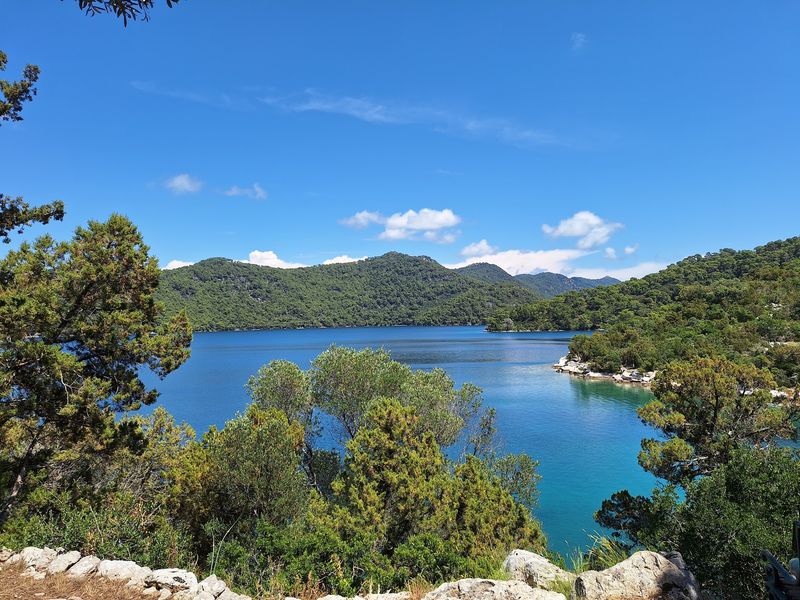
Legend says Odysseus was held here by a nymph for seven years, and it is easy to see why he might have lingered. Mljet is green and calm, with pine forests covering most of the island.
The western part is a national park with two saltwater lakes. Visitors can rent bikes, walk the shoreline, or take a small boat to an island with an old Benedictine monastery.
Polače and Pomena are small villages with a few restaurants and Roman ruins nearby. They are quiet places to base yourself, with simple lodging and views of the water.
For sand, head to Saplunara in the southeast, one of the few sandy areas in the region. Other beaches are secluded and pebbly.
Ferries arrive from Dubrovnik and the Pelješac peninsula, making Mljet easy to reach.
15. Ikaria, Greece
Ikaria is often called a place where people live long lives, and the island’s relaxed rhythm may be part of the reason. Dinners stretch late, naps are common, and neighbors know each other well.
Village festivals, called panigiria, are the heart of summer. Music, dancing, and shared food fill squares until the early morning, and visitors are often welcome to join.
Traditional communities such as Christos Raches are known for their lively cafes and night life. Stone houses sit among hills, and local herbs and honey are sold in small shops.
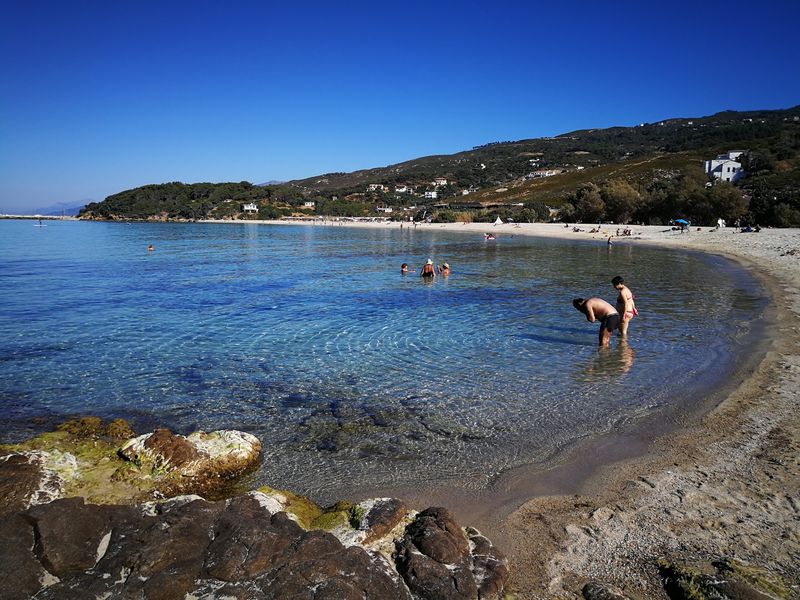
On the coast, Seychelles beach is a pebble cove with clear, bright water and large boulders. Messakti is a long, sandy stretch with beach bars and wide space.
Strong summer winds are common, so check local conditions before swimming.
Share this story