Not every lake lives up to the photos you see online. Some blow you away the moment you arrive, and others leave you wondering why you made the drive.
After looking at some of the most talked-about lakes across the country, I put together an honest list of 12 that genuinely deserve your time and 4 that come with enough caveats to make you think twice. Whether you are planning a road trip, a family getaway, or just daydreaming about clear water and mountain views, this list gives you something real to work with.
The good ones are stunning for different reasons, and the ones I would skip are not necessarily bad places, they just have some issues worth knowing about before you pack the car.
Crater Lake, Crater Lake National Park, Oregon
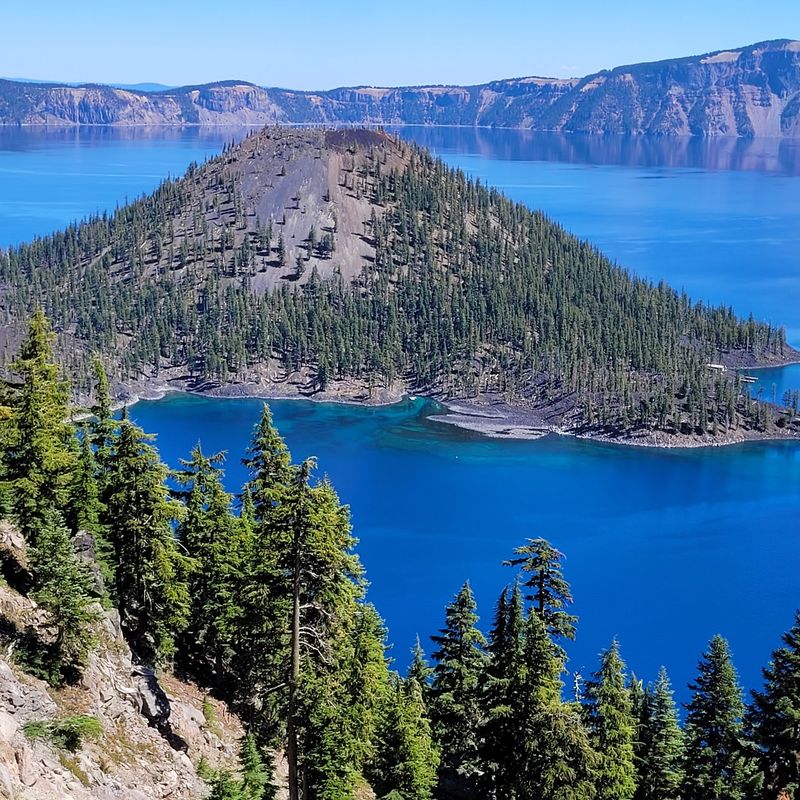
No lake in the United States looks quite like Crater Lake. Formed roughly 7,700 years ago after the collapse of Mount Mazama, this caldera lake sits at about 6,173 feet above sea level and holds some of the clearest, bluest water you will find anywhere on the continent.
The lake reaches depths of 1,943 feet, making it the deepest in the United States. That depth, combined with the lack of rivers flowing in or out, gives the water its almost unreal blue color.
Rim Drive, a 33-mile loop around the caldera, offers viewpoints that genuinely stop you in your tracks.
Wizard Island, a cinder cone rising from the center of the lake, can be reached by boat tour during summer months. The park sees heavy snow in winter, so summer visits are ideal for full access.
Crater Lake is one of those places that photographs well but looks even better in person.
Lake Tahoe, Emerald Bay, California
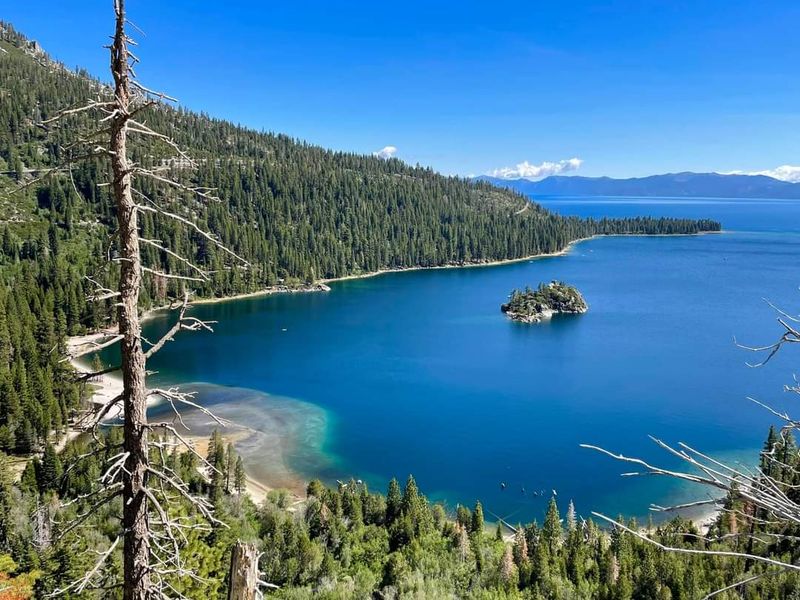
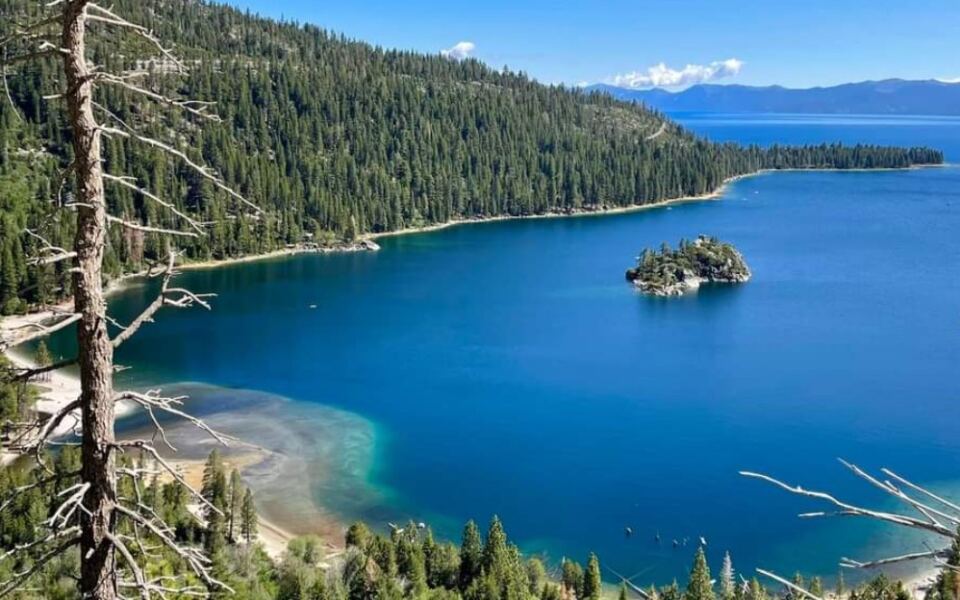
Emerald Bay is the part of Lake Tahoe that tends to make people go quiet for a moment. The water shifts between green and blue depending on the light, and Fannette Island sits right in the middle of the bay as the only island in all of Lake Tahoe.
The bay is a State Marine Park and a National Natural Landmark, which means it is protected and relatively well-preserved. Vikingsholm, a 38-room Scandinavian-style mansion built in 1929, sits at the base of the bay and is open for tours in summer.
Getting there requires a steep one-mile trail down from the parking area, which can be crowded on weekends.
South Lake Tahoe and Tahoe City both offer easy access to the larger lake with beaches, boat rentals, and hiking trails. Summer is peak season, but fall brings fewer crowds and cooler temperatures.
The drive along Highway 89 alone is worth the trip.
Jenny Lake, Grand Teton National Park, Wyoming
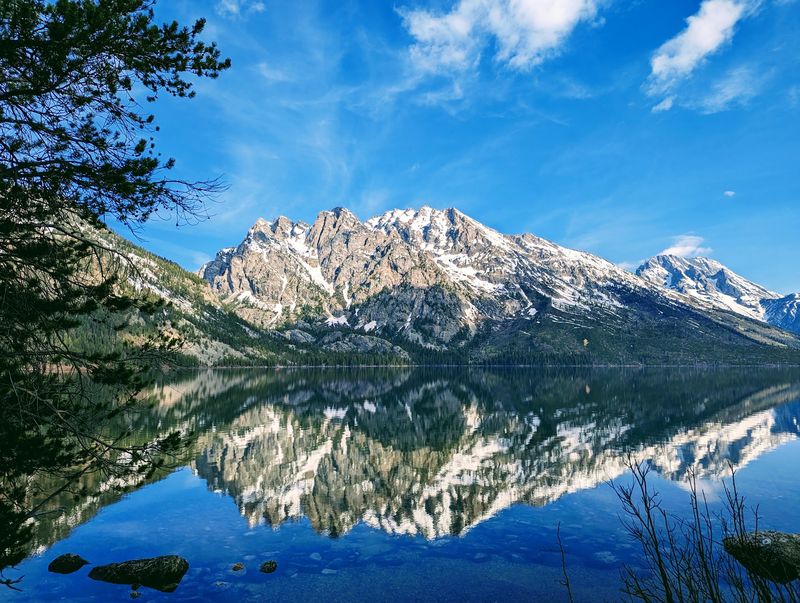
Jenny Lake sits at the base of the Teton Range and might be the best example of a mountain lake that delivers exactly what you came to see. The Tetons rise sharply behind it, and on calm mornings the reflection in the water is almost perfectly clear.
The lake is about 256 acres and sits at an elevation of roughly 6,783 feet. A shuttle boat runs across the lake to the western shore, cutting the hike to Hidden Falls and Inspiration Point from about five miles round trip down to two.
Both stops are worth it, with Hidden Falls being especially photogenic.
The loop trail around the entire lake is about 7.1 miles and stays mostly flat, making it accessible for a wide range of hikers. String Lake, just to the north, connects to Jenny Lake and offers a quieter swimming spot.
Grand Teton National Park charges an entrance fee, so plan accordingly.
Lake McDonald, Glacier National Park, Montana
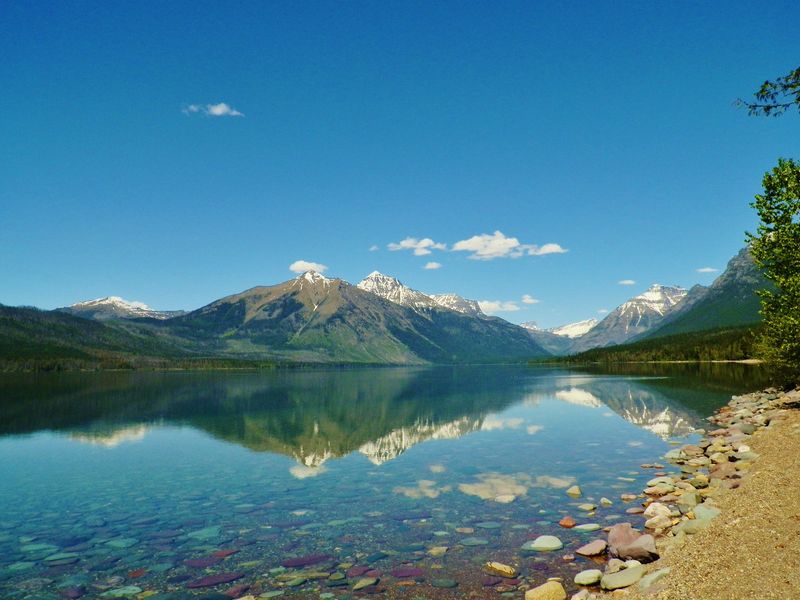
Lake McDonald is the largest lake in Glacier National Park, stretching about 10 miles long and reaching depths of 472 feet. What makes it stand out beyond its size are the colorful, smooth rocks visible through the shallow, clear water near the shoreline.
The rocks get their color from ancient Precambrian sediment, and the clarity of the water makes them look almost painted. Lake McDonald Lodge, a historic cedar log structure built in 1913 and listed on the National Register of Historic Places, sits on the eastern shore and is open during summer season.
Going-to-the-Sun Road, one of the most scenic mountain drives in North America, begins near the lake. Kayaking and canoeing are popular on calmer mornings before afternoon winds pick up.
The surrounding forest is dense with cedar and hemlock trees, giving the area a Pacific Northwest feel that is a bit unexpected in Montana. Entrance fees apply for Glacier National Park.
Lake Crescent, Olympic National Park, Washington
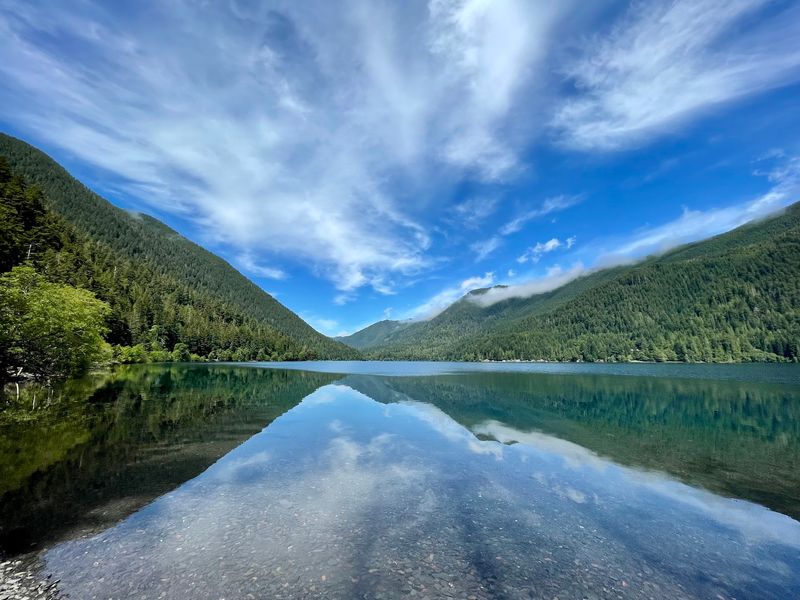
Lake Crescent is one of those places that feels genuinely remote even though it is accessible by car. Located in Olympic National Park, the lake is about 12 miles long and sits at an elevation of 580 feet, surrounded by old-growth forest and steep ridgelines.
The water is exceptionally clear, partly because the lake is low in nitrogen, which limits algae growth. The depth reaches about 624 feet in some areas.
Lake Crescent Lodge, open seasonally, sits directly on the shoreline and offers rowboat rentals and a restaurant with views of the water.
The Marymere Falls Trail, a 1.8-mile round trip hike, starts near the lodge and leads to a 90-foot waterfall tucked into the forest. The Storm King Ranger Station nearby has additional trail options.
This lake does not get as crowded as some other Pacific Northwest destinations, which is a real advantage for visitors looking for quieter outdoor time.
Lake Chelan, Chelan, Washington
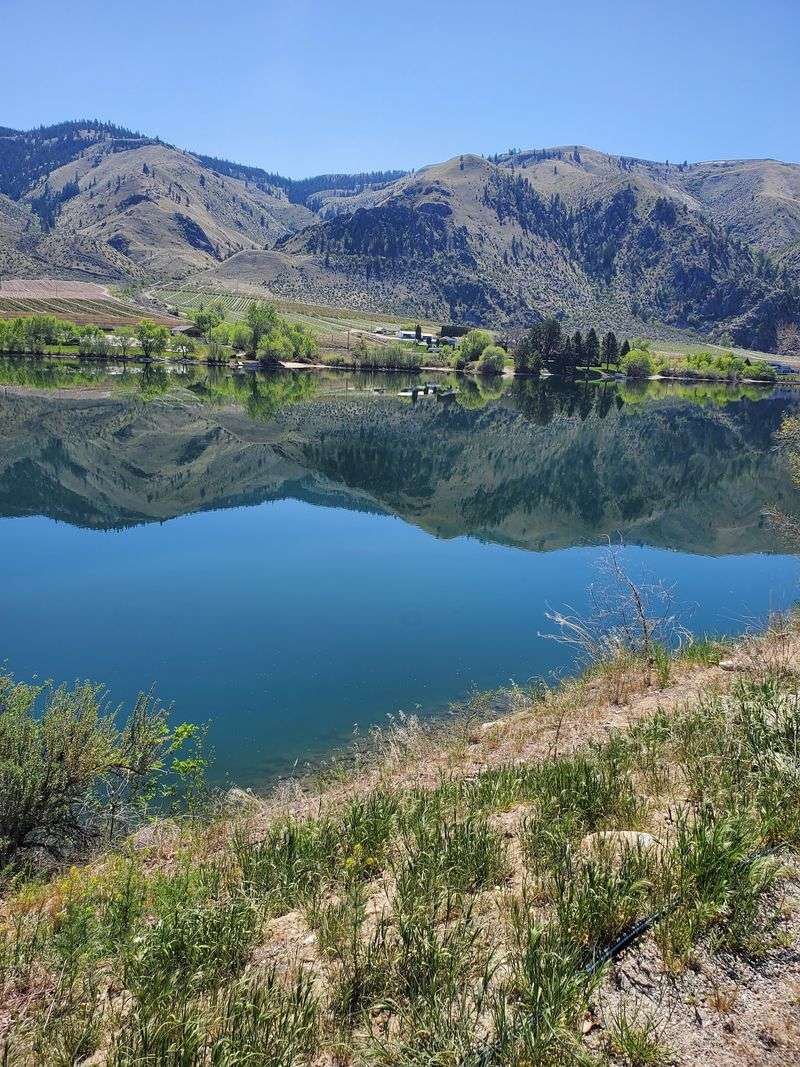
Lake Chelan is one of the deepest lakes in the United States, reaching depths of about 1,486 feet. It stretches roughly 55 miles through north-central Washington, with one end accessible by car and the other end, near Stehekin, only reachable by boat, floatplane, or trail.
Stehekin is the draw for a lot of visitors. The remote community has no road connection to the rest of the state, and getting there by ferry from Chelan takes about four hours each way.
The Lady of the Lake ferry has been running that route for decades and is a reliable way to see the full length of the lake.
The town of Chelan itself sits at the southern end and offers beaches, orchards, and a handful of wineries in the surrounding area. Summer temperatures can reach well into the 90s, which makes the lake a popular spot for swimming and water sports.
The contrast between the dry hillsides and the deep blue water is genuinely striking.
Flathead Lake, Big Arm, Montana
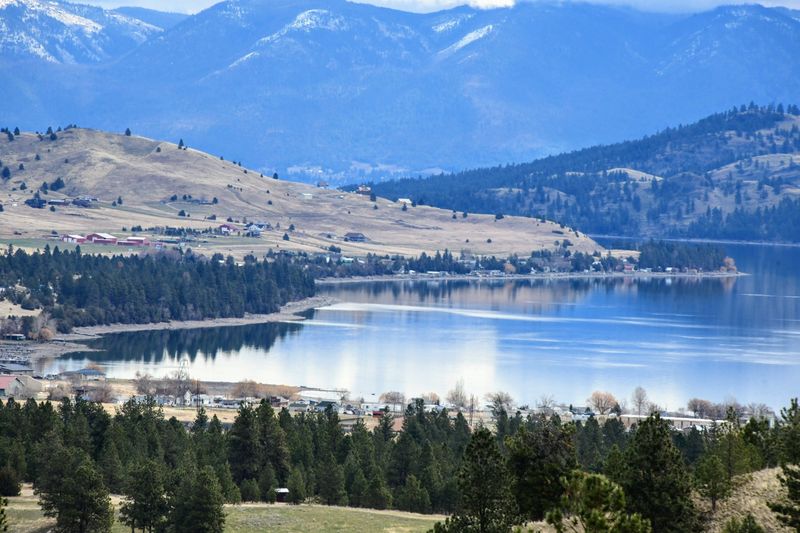
Flathead Lake is the largest natural freshwater lake west of the Mississippi River in the contiguous United States, covering about 197 square miles. Big Arm State Park on the western shore is one of the quieter access points, offering camping, swimming, and boat launch facilities.
The lake sits in the Flathead Valley and is surrounded by the Mission Mountains to the east and the Salish Mountains to the west. Water clarity is notable, with visibility reaching significant depths in many areas.
Wild Horse Island, a state park located in the lake, is home to bighorn sheep, mule deer, and a small herd of wild horses that can be seen from the water.
Polson, at the southern end of the lake, and Bigfork, at the northeastern corner, both offer restaurants, shops, and marinas. Cherry orchards around the lake produce fruit sold at roadside stands in summer.
Flathead Lake is large enough that it creates its own weather patterns, so afternoon winds are common.
Bear Lake, Garden City, Utah
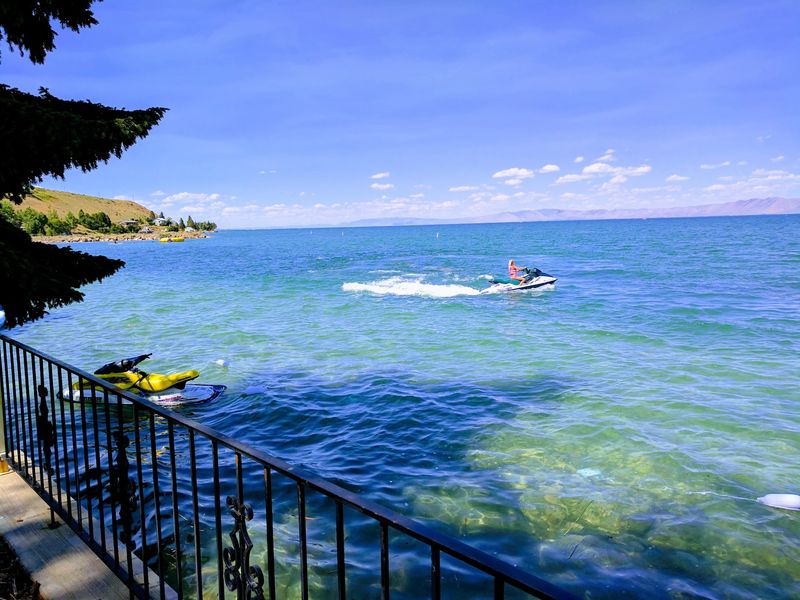
Bear Lake sits right on the Utah-Idaho border and is sometimes called the Caribbean of the Rockies because of its turquoise color. The color comes from calcium carbonate particles suspended in the water, giving it a look that seems out of place for the mountain West.
The lake is about 20 miles long and 8 miles wide, with depths reaching around 208 feet. Bear Lake State Park on the Utah side offers beach access, camping, and boat rentals.
The water stays cool even in summer, making it a reliable swimming destination when temperatures rise.
Garden City is a small town with a main street lined with raspberry shakes and ice cream shops, and Bear Lake raspberries are a genuine local specialty sold during the summer harvest season. The drive through Logan Canyon on US-89 to reach the lake is scenic on its own.
This is a practical, beautiful stop that does not require a lot of planning to enjoy.
Lake Havasu, Lake Havasu City, Arizona
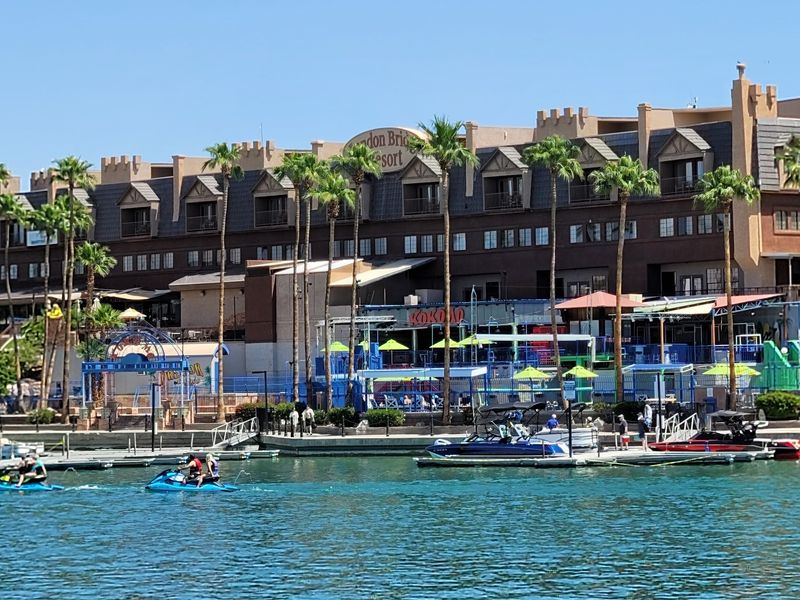
Lake Havasu is a reservoir on the Colorado River along the Arizona-California border, and it is home to one of the more unusual landmarks in the American Southwest. The London Bridge, originally built in 1831 and later disassembled in London, was purchased by the city’s developer and rebuilt here in 1971.
The bridge is now a functioning road crossing over a channel that connects a small island to the main town, and it draws a steady stream of curious visitors year-round. Lake Havasu City grew up around the lake and has a waterfront area with shops, restaurants, and boat rentals near the bridge.
The lake itself stretches about 45 miles and is popular for boating, jet skiing, and fishing, particularly for striped bass, largemouth bass, and catfish. Summers are extremely hot, with temperatures regularly exceeding 110 degrees Fahrenheit, so spring and fall are much better times to visit.
The water temperature stays warm enough for swimming well into October.
Lake George, Lake George, New York
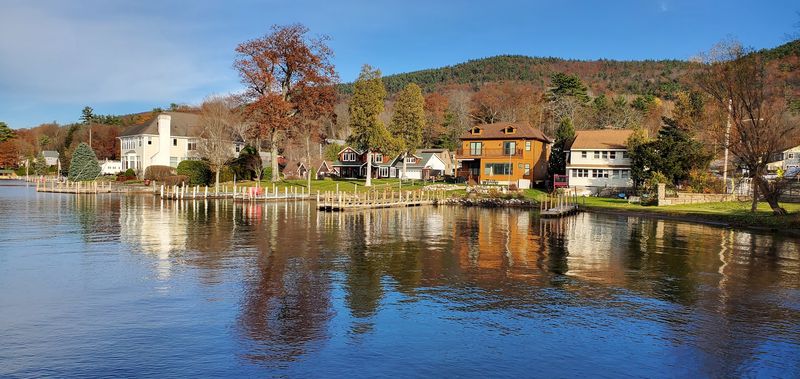
Lake George has been a summer destination in upstate New York for well over a century. The lake stretches about 32 miles through the southern Adirondacks, with the village of Lake George at its southern end and Bolton Landing and Ticonderoga further north.
Thomas Jefferson called it the most beautiful water he had ever seen, and while that is a bold claim, the lake does hold up well. The water is clean enough to support a swimming beach right in the village, and the surrounding mountains give it a classic northeastern summer feel.
The southern end of the lake is the busier, more commercial area, with arcades, mini-golf, and boat tours that have been running for generations. The northern end is quieter, with islands accessible only by boat and a more natural setting.
Fort William Henry, a reconstructed colonial-era fort at the southern tip, offers history exhibits and living history demonstrations. The lake is open year-round, but summer is when it fully comes to life.
Lake Jocassee, Devils Fork State Park, South Carolina
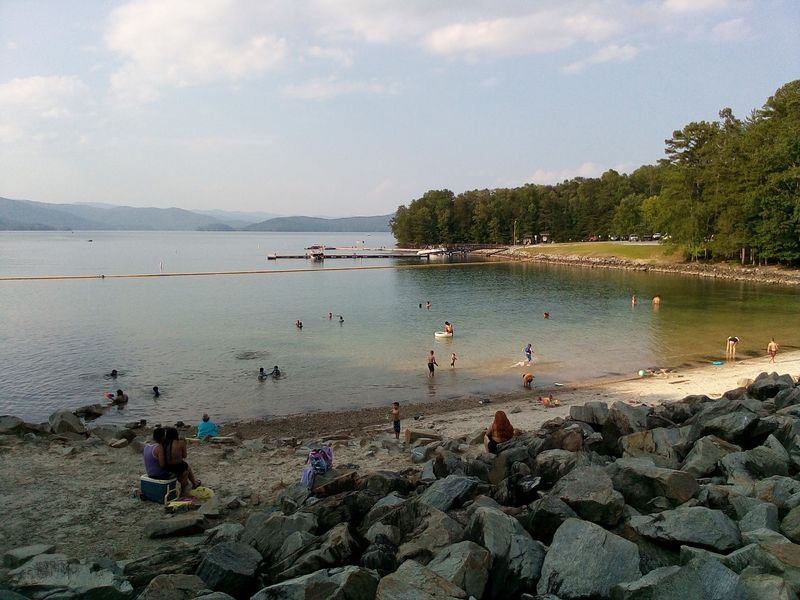
Lake Jocassee is the kind of place that surprises people who have not heard of it. Located in the Blue Ridge foothills of upstate South Carolina, the lake covers about 7,500 acres and was created in 1973 when Duke Energy dammed the Jocassee Gorges area.
The water is remarkably clear and cold, fed by mountain streams and waterfalls that flow directly into the lake. Several waterfalls are accessible only by boat, which makes kayaking and canoeing here more than just a paddling trip.
Devils Fork State Park is the only public access point on the lake, which keeps crowds relatively manageable.
Scuba diving is popular here because the water clarity and cold temperatures preserve submerged features from before the lake was filled. The surrounding gorges are home to rare wildflowers and plant species found in few other places in the Southeast.
Camping at Devils Fork fills up quickly in summer, so reservations well in advance are a good idea.
Lake Powell, Page, Arizona
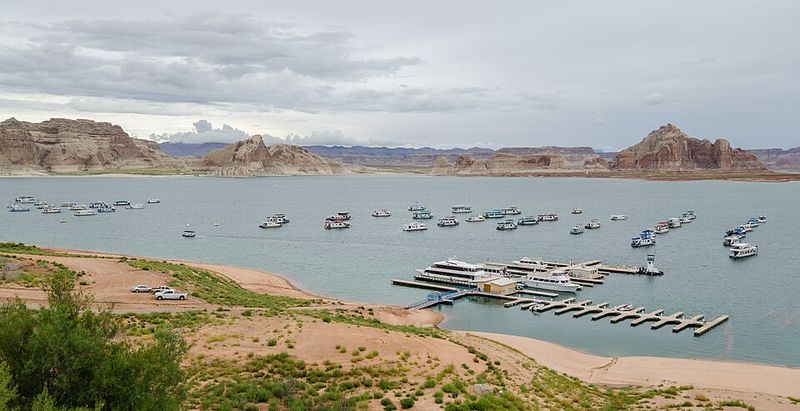
Lake Powell is a reservoir on the Colorado River straddling the Arizona-Utah border, and its setting inside red sandstone canyon country makes it unlike any other lake on this list. The towering canyon walls, carved over millions of years, now frame the blue water in a way that looks almost surreal from a boat.
The reservoir was created by Glen Canyon Dam in 1966 and at full capacity covers about 254 square miles with nearly 2,000 miles of shoreline. Houseboat rentals have been a signature Lake Powell experience for decades, allowing visitors to anchor in remote canyons accessible only by water.
It is worth noting that water levels have dropped significantly in recent years due to drought and reduced Colorado River flow. Antelope Canyon, the famous slot canyon near Page, is a separate attraction nearby and worth combining with a Lake Powell visit.
Wahweap Marina is the main hub for boat rentals, tours, and lodging near the dam.
Salton Sea, Mecca, California
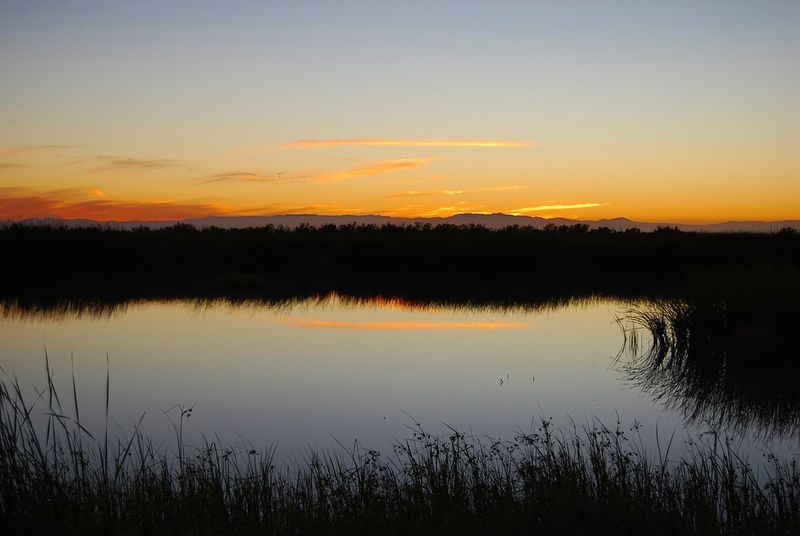
The Salton Sea is one of the most complicated environmental stories in the American West. California’s largest lake by surface area sits below sea level in the desert southeast of Palm Springs, and its current condition is a long way from what most people picture when they think of a lake destination.
The sea was accidentally created in 1905 when irrigation canals breached and flooded the Salton Sink for about two years. For decades it was a resort destination, but rising salinity and pollution from agricultural runoff eventually caused a collapse in fish populations and bird habitat.
The shoreline in many areas is now encrusted with salt and fish remains.
There are ongoing restoration efforts, and the area does have ecological significance as a stopover for migratory birds. The Salton Sea State Recreation Area remains open, and the surrounding towns have an interesting, weathered character.
However, for most visitors looking for a typical lake experience, this is not the destination that delivers it.
Lake Mead, Boulder City, Nevada
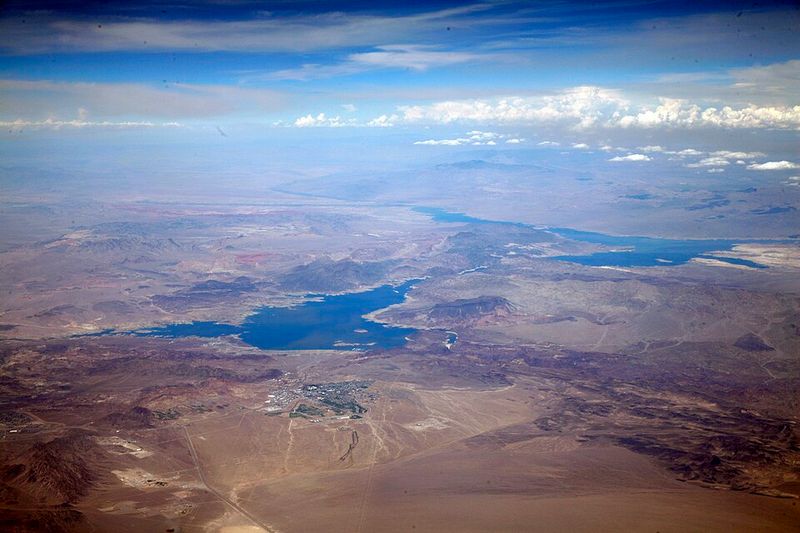
Lake Mead is the largest reservoir in the United States by water volume when full, formed by Hoover Dam on the Colorado River. Boulder City, Nevada, sits just outside the national recreation area and serves as the main gateway for visitors coming from Las Vegas, about 25 miles away.
The practical issue with Lake Mead right now is that water levels have dropped dramatically over the past two decades due to drought and increased demand across the Southwest. The white mineral deposits visible on the canyon walls, often called the bathtub ring, show how far levels have fallen from historical highs.
Hoover Dam itself remains an impressive and worthwhile stop. Tours of the dam are available and give real context to the engineering and history of the Colorado River system.
Boating, fishing, and camping are still available in the recreation area, but the dramatically lower water levels affect access to marinas and some launch ramps. The experience here is interesting but comes with significant caveats.
Lake Lanier, Buford, Georgia
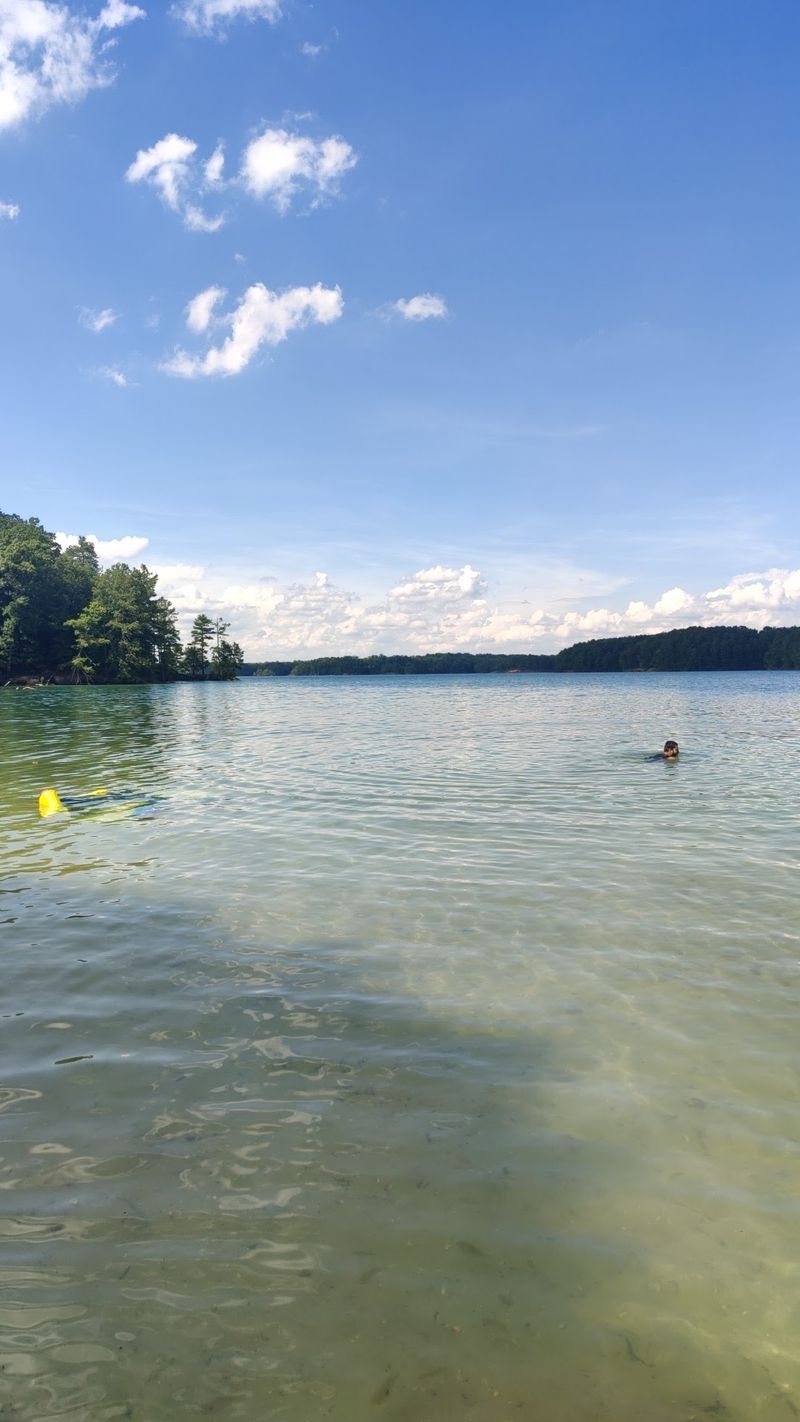
Lake Lanier is one of the most visited lakes in the entire country, drawing tens of millions of visitors annually. Located about 45 miles northeast of Atlanta, it was created by Buford Dam on the Chattahoochee River in the 1950s and covers roughly 38,000 acres.
The sheer volume of visitors is part of what makes it a complicated recommendation. On summer weekends, the lake can feel more like a crowded water park than a natural retreat.
Boat traffic is heavy, and popular areas fill up early. The water quality also varies significantly by area and by season.
There are genuine positives here. The lake has a large number of parks, marinas, and campgrounds managed by the Army Corps of Engineers, and it is very accessible for people in the Atlanta metro area.
Gainesville, on the lake’s eastern shore, is the main hub. For a quick local outing, it works.
For a memorable lake experience, there are better options within a reasonable drive.
Mono Lake, Lee Vining, California
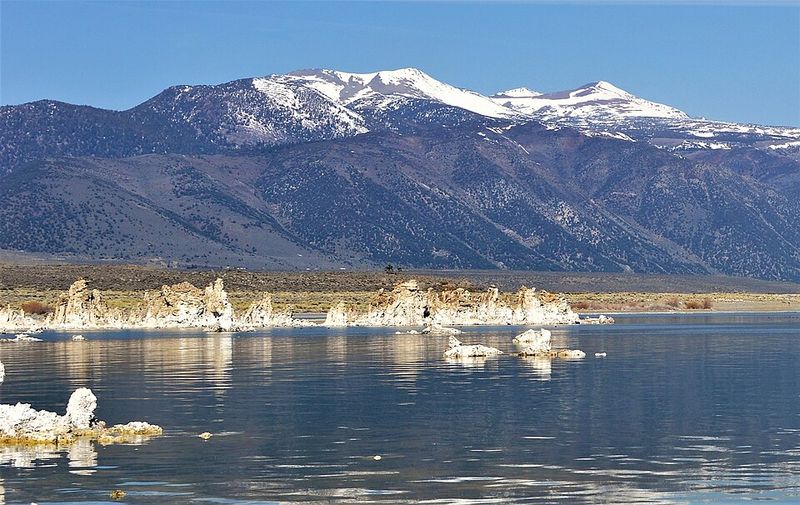
Mono Lake is genuinely fascinating from a scientific and geological standpoint. The ancient saline lake near Lee Vining, California, is about 760,000 years old and sits at the eastern base of the Sierra Nevada.
Its most striking features are the tufa towers, calcium carbonate spires that formed underwater and now stand exposed along the shoreline.
The lake has no outlet, which means salts and minerals have concentrated over time, making the water about 2.5 times saltier than the ocean and highly alkaline. Brine shrimp and alkali flies thrive in these conditions and support large populations of migratory birds, particularly California gulls and phalaropes.
Swimming is technically possible, and the high salinity makes floating easy, but the water is not exactly inviting. The Mono Basin Scenic Area Visitor Center, managed by the U.S.
Forest Service, is an excellent stop for understanding the lake’s ecology and the water rights battles that shaped its recent history. As a scenic stop on a Highway 395 road trip, Mono Lake is excellent.
As a primary lake destination, it is a narrow experience.
Share this story