Albania is one of Europe’s best-kept secrets, packing wild mountain ranges, ancient ruins, and crystal-clear coastline into a country smaller than many U.S. states. From the limestone peaks of the Albanian Alps in the north to the turquoise bays of the Ionian Sea in the south, the variety here is genuinely hard to believe.
Ottoman-era towns, UNESCO heritage sites, and remote hiking trails sit within a short drive of each other. Whether you are chasing adventure, history, or a perfect beach, Albania has a version of all three.
Theth
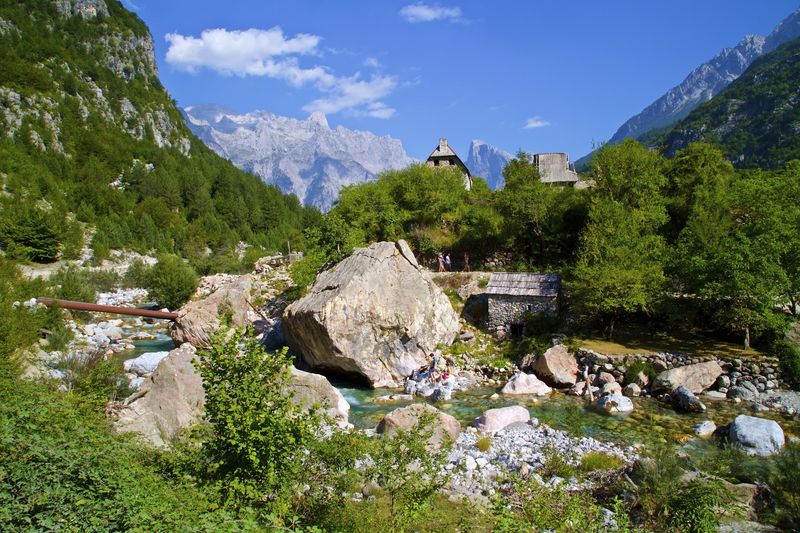
Tucked behind a high mountain pass that once made it nearly unreachable, Theth is the kind of place that rewards the effort of getting there. The Albanian Alps close in on all sides, and the village feels genuinely remote despite improved roads in recent years.
Stone-and-timber guesthouses line the valley floor, many run by families who have lived here for generations.
Grunas Waterfall is an easy hike from the village center, tumbling through a narrow canyon carved out of pale limestone. The Okoli springs and Grunas Canyon add more natural variety to a surprisingly packed hiking menu.
History lovers should seek out the Kulla e Ngujimit, a fortified tower tied to the Kanun, Albania’s ancient code of customary law.
Theth also serves as the starting point for the famous trail over the mountain pass to Valbona, one of Albania’s most celebrated multi-day hikes. Bring sturdy footwear, pack layers because mountain weather shifts fast, and book guesthouses early in peak summer.
The reward is a valley that feels like the rest of the world simply forgot to show up.
Valbona Valley
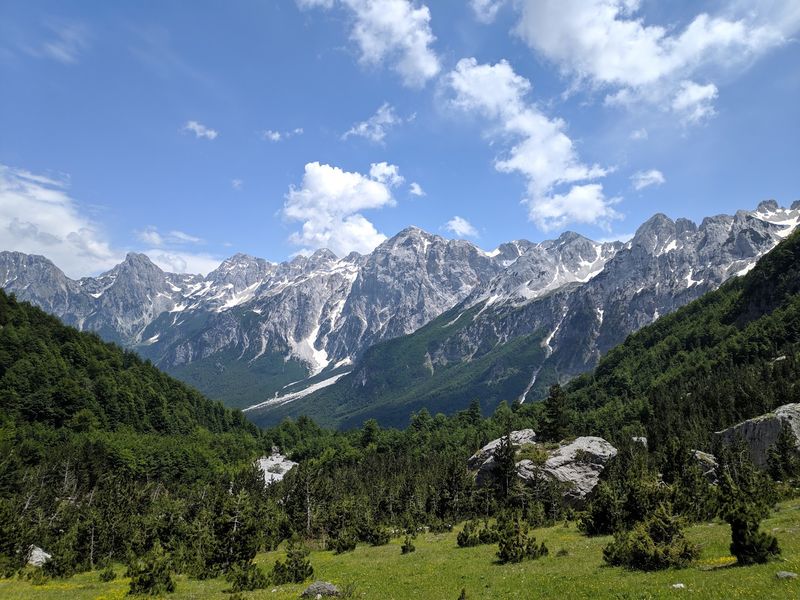
Few rivers in the Balkans look as impossibly clear as the Valbona, threading its way through a forested valley beneath jagged peaks. The protected area covers roughly 8,000 hectares and stretches about 23 kilometers from the small town of Bajram Curri.
Every bend in the road reveals another postcard view, which makes the drive in almost as good as the hike.
The valley is a serious hiking and mountaineering destination, drawing visitors who want technical routes as well as those happy with gentle riverside walks. Waterfalls drop from cliffsides, and small mountain settlements offer tea and traditional food to passing trekkers.
Summer weekends fill up fast, so arriving mid-week gives a noticeably quieter experience.
Valbona connects directly with Theth via a mountain-pass route that experienced walkers complete in around six to seven hours. Doing both valleys back to back is a classic Albanian Alps itinerary and genuinely one of the best multi-day walks in southeastern Europe.
Pack enough water, start early to avoid afternoon heat, and expect the trail to be rocky in places. The sense of achievement at the top of the pass is absolutely worth every step.
Shkoder
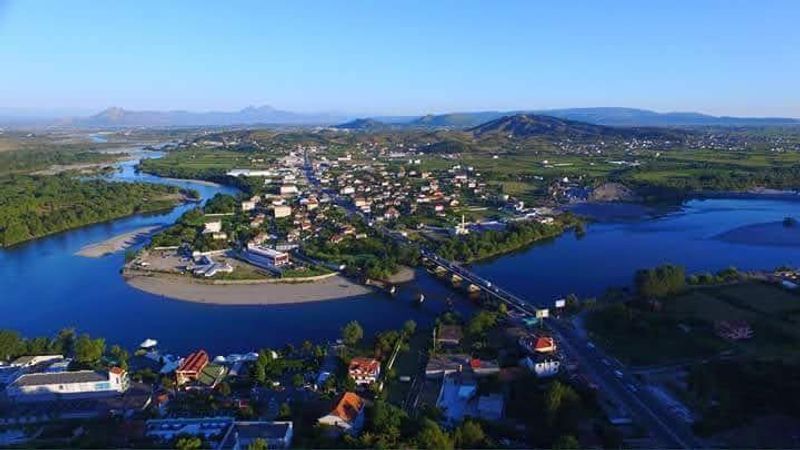
Perched above the meeting point of the Buna and Drin rivers, Rozafa Castle has been watching over Shkoder for well over two thousand years. The hilltop fortress offers sweeping views across Lake Shkoder, the largest lake in the Balkans, and on a clear day you can see all the way to the mountains of Montenegro.
The legend attached to the castle, involving a woman walled into its foundations to ensure its strength, is still told by locals today.
Beyond the castle, Shkoder has a lively pedestrian center, a cycling culture unusual for Albania, and a mix of Catholic and Muslim heritage visible in its churches, mosques, and museums. The city has historically been one of Albania’s most important cultural hubs, producing writers, photographers, and musicians across different eras.
Practically speaking, Shkoder is the best base for trips into Theth, Valbona, and the wider Albanian Alps. Buses and minibuses connect it to Tirana and to the ferry port for Lake Koman.
Spend at least a full day in the city itself before heading north, because Shkoder has enough character to hold your attention on its own terms. The waterfront wetlands nearby are also excellent for birdwatching.
Lake Koman
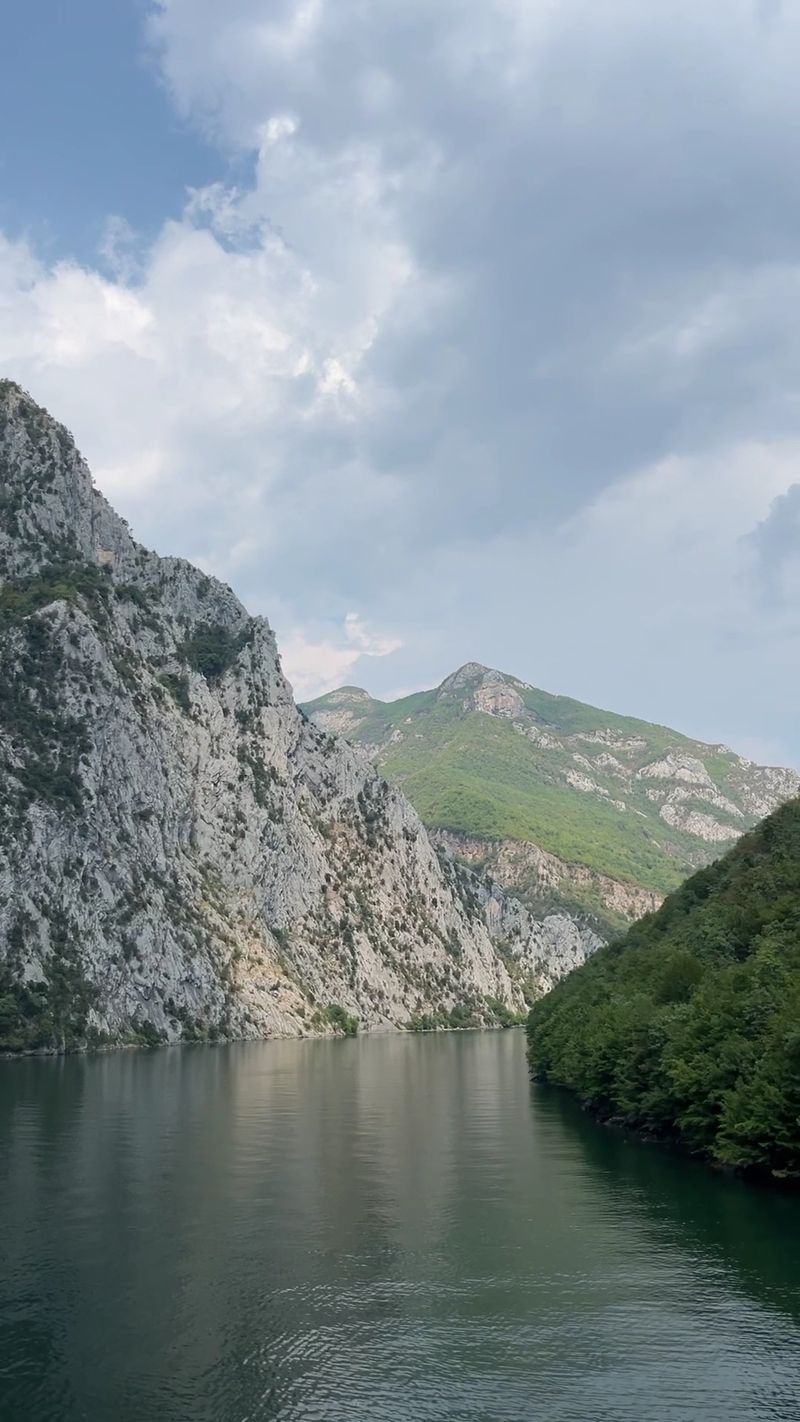
Nobody warned you that a hydroelectric reservoir could look this dramatic. Lake Koman was created when the Drin River was dammed in the 1970s, flooding a deep mountain canyon and leaving sheer cliffs rising straight from the water.
The result is a landscape that looks more like a Norwegian fjord than anything you might expect in the Balkans.
The passenger ferry crossing has become a genuine attraction in its own right, carrying locals, backpackers, and motorcycles through narrow channels where forested slopes crowd the waterway from both sides. The trip takes around two to three hours depending on stops, and isolated villages perched on clifftops appear along the way with no road access visible from the water.
Lake Koman slots naturally into the route between Shkoder and the Valbona Valley, turning a practical transfer into a scenic highlight. Morning crossings tend to catch the best light, with mist sitting low in the canyon before burning off mid-morning.
Ferries operate year-round but check schedules in advance because off-season departures are less frequent. Bring a snack, grab a seat on the upper deck, and let the scenery do the work.
This one genuinely surprises people.
Berat
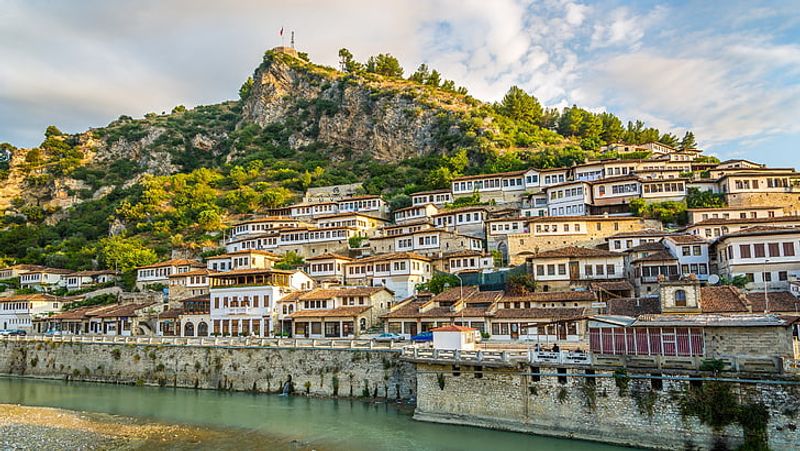
Berat has a nickname that tells you everything: the City of a Thousand Windows. Row after row of whitewashed Ottoman houses climb the hillside above the Osum River, each facade stacked with tall windows that catch the afternoon sun and give the whole town a strikingly uniform yet somehow charming appearance.
It is one of those places that looks almost too perfect to be real.
The fortified Kala district at the top has roots stretching back to antiquity, though most of what you see today dates from the 13th century onward. Byzantine churches survive inside the citadel walls, and unusually for a historic fortress, people still live up there.
Wandering the cobblestone lanes between inhabited medieval homes and ancient chapels is a genuinely special experience.
UNESCO recognized Berat in 2008, citing its exceptionally well-preserved Ottoman urban architecture and its layered Christian and Islamic heritage. The Onufri Museum inside the citadel houses remarkable 16th-century religious icons worth seeking out.
Down in the Mangalem and Gorica neighborhoods, riverside cafes and traditional restaurants make Berat easy to settle into for a couple of nights. The Osum River canyon nearby is also worth a half-day trip for those who want to add a natural highlight.
Gjirokaster
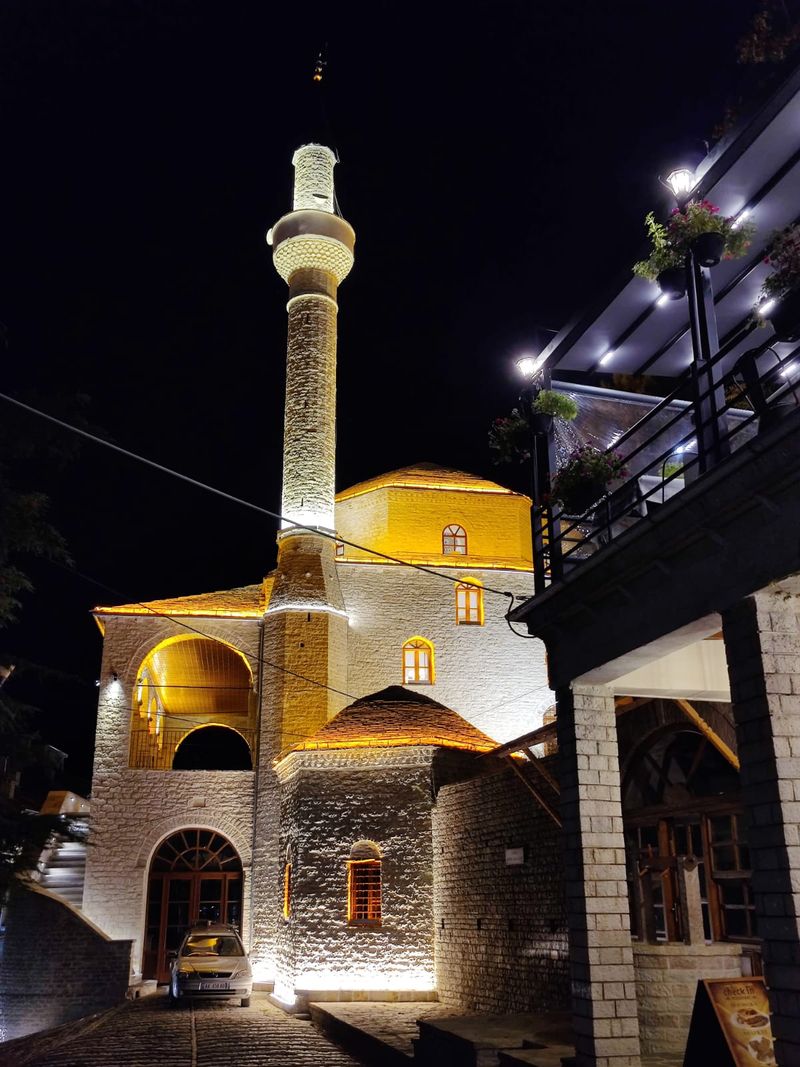
Walking uphill in Gjirokaster is not optional. The entire town is built on a steep slope, and the slate-roofed kule tower houses seem to grip the hillside through sheer stubbornness.
The effect is one of the most atmospheric townscapes in the Balkans, especially in the early morning before the tour groups arrive and the cobblestones are still slick with dew.
The citadel looming above the town has been fortress, prison, and military museum across different eras, and it currently houses a collection of weapons and a captured American reconnaissance aircraft from the Cold War. That combination of medieval walls and Cold War hardware is peak Gjirokaster energy.
Below the castle, the 17th and 18th century kule houses were built by wealthy landowners who wanted their wealth visible from a distance.
UNESCO listed Gjirokaster alongside Berat in 2005, recognizing it as a rare surviving example of Ottoman-era Balkan architecture adapted to rugged mountain terrain. The old bazaar, an 18th-century mosque, and several Orthodox churches fill out the historic center.
Gjirokaster was also the birthplace of novelist Ismail Kadare and former dictator Enver Hoxha, two facts locals tend to mention with very different expressions. Plan at least one full day here, and wear shoes with actual grip.
Permet and the Vjosa Valley
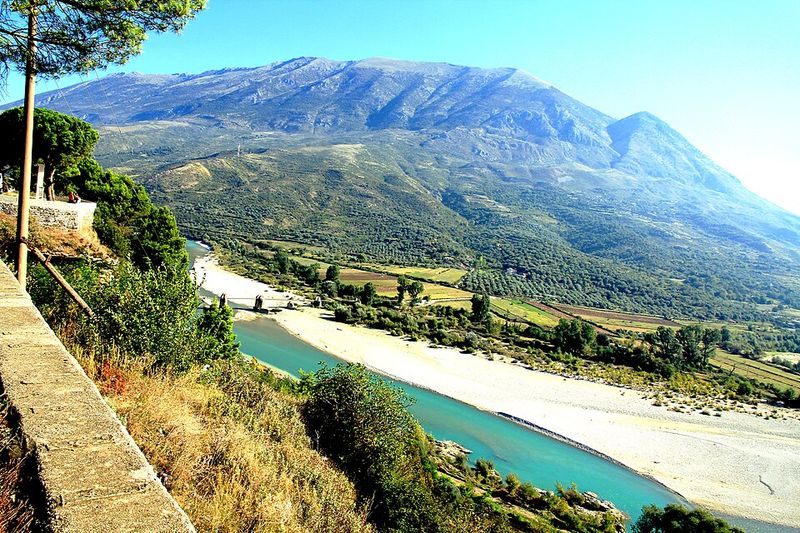
Permet is the kind of small Albanian town that rewards travelers who slow down. Sitting in a broad valley ringed by mountains, it is quieter than Berat or Gjirokaster but has a warmth that is hard to shake.
Local vendors sell preserves, honey, and raki made from the area’s famous sour cherries, and a jar of fig jam from the market here makes an excellent souvenir.
The Benja thermal springs sit a short drive from town, where warm mineral water pools up beside the Lengarica Canyon and a historic Ottoman bridge. Locals and visitors share the pools on warm afternoons, and the setting, hot water surrounded by canyon walls, is genuinely lovely.
The stone Kadiut Bridge nearby is one of several well-preserved Ottoman bridges scattered through southern Albania.
The Vjosa River runs through the wider region, cutting through gorges and broad plains on its way toward the Adriatic. It is one of Europe’s last wild rivers, meaning it has no dams along its main course, which is increasingly rare.
Conservation efforts have gained international attention in recent years. Permet sits at the intersection of natural landscapes and authentic Albanian food culture, making it an ideal stop for travelers moving between the UNESCO towns and the southern coast.
Llogara Pass
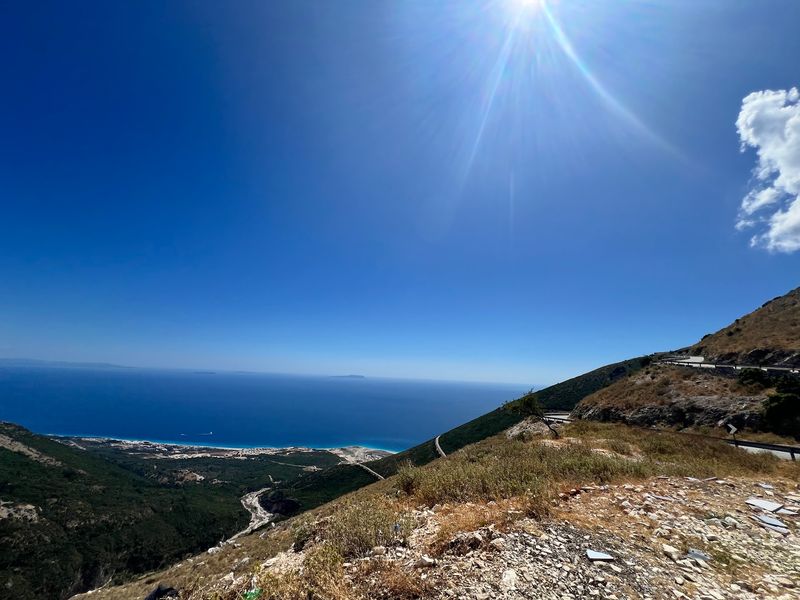
The moment the trees part and the Ionian Sea suddenly appears hundreds of meters below you, Llogara Pass delivers one of the great road-trip reveals in all of Europe. One minute you are winding through a pine forest, and the next, the entire Albanian Riviera is laid out in front of you like someone unrolled a map.
It is genuinely breathtaking, and it happens fast.
The pass sits at around 1,027 meters above sea level and marks the boundary between inland Albania and the coastal strip. Restaurants near the summit serve grilled lamb and trout to travelers who stop to take in the view, which is a tradition worth joining.
Paragliders launch from slopes near the pass, riding thermals above a coastline that drops dramatically toward villages like Palase and Dhermi far below.
Llogara National Park surrounds the pass and offers short hiking trails through black pine forest for those who want to stretch their legs. The park is home to golden eagles and a variety of other bird species, so birdwatchers should pack binoculars.
Coming from the north, the descent after the pass is steep and winding, so take it slowly and stop at pullouts for photographs. Few transitions in Albania are as cinematic as this one.
Dhermi and Gjipe
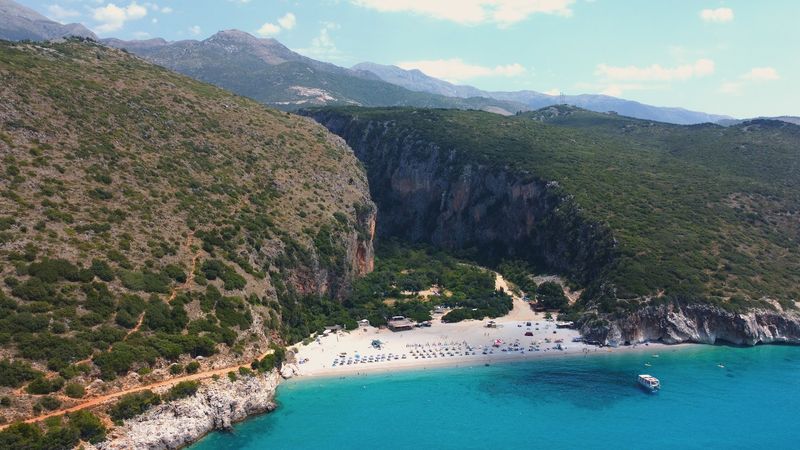
Dhermi has been pulling people off the main coastal road for decades, and the reason is simple: the water is absurdly clear. The beach sits at the base of steep mountains, backed by olive groves that have been here far longer than any of the beach bars, and the combination of rocky hillside and Ionian blue makes for an unusually striking setting.
The old village of Dhermi sits higher up the slope, a cluster of stone houses with narrow lanes and a Byzantine church that predates the beach tourism by several centuries. Walking up from the beach in the early morning before the heat builds is a good way to see both sides of the place.
Local families sell olive oil and citrus from roadside stalls along the way.
Gjipe is a short distance away and offers something more dramatic. A canyon carved by a small stream cuts through limestone walls reaching around 70 meters high before opening directly onto a secluded beach.
Reaching Gjipe requires either a boat from Dhermi or a hike down through the canyon, which adds to the sense of discovery. Summer crowds are real at both spots, but arriving early or visiting in late September shifts the experience considerably.
The geology here is genuinely spectacular.
Himare
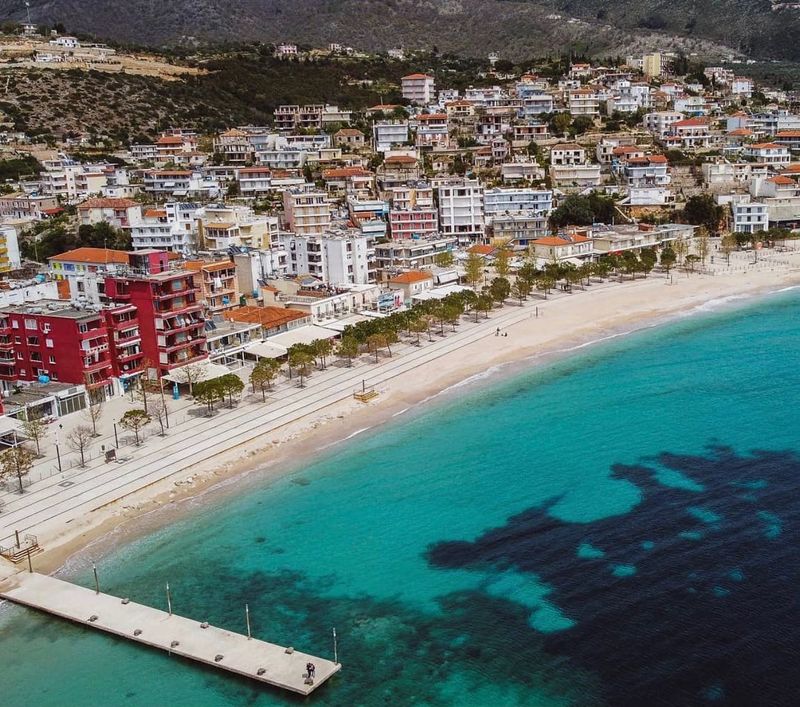
Himare sits at a point on the Albanian coast where the mountains seem to press the sea into an unusually vivid shade of blue. The town is split between a modern beach strip down by the water and an older settlement climbing toward the remains of Himara Castle on the ridge above.
Both halves are worth your time, though most visitors head straight for the beaches first.
Spile, Potami, Llamani, and Livadh are among the beaches spread along the municipality’s coastline, each with slightly different character. Livadh is popular with families, while some of the smaller coves require a boat or a walk to reach.
Boat trips from the harbor explore sea caves and quieter bays that are invisible from the road, which is always a good sign.
The castle ruins above old Himare contain sections of wall from multiple building periods, with some elements dating back to antiquity. Old churches and stone houses cluster around the fortress, and the views from up there over the sea and the coast are exceptional.
Himare also has a notable Greek-speaking minority community with a long history in the region. Olive groves fill the slopes between the coast road and the hilltop, and locally pressed oil appears on almost every restaurant table in town.
Ksamil
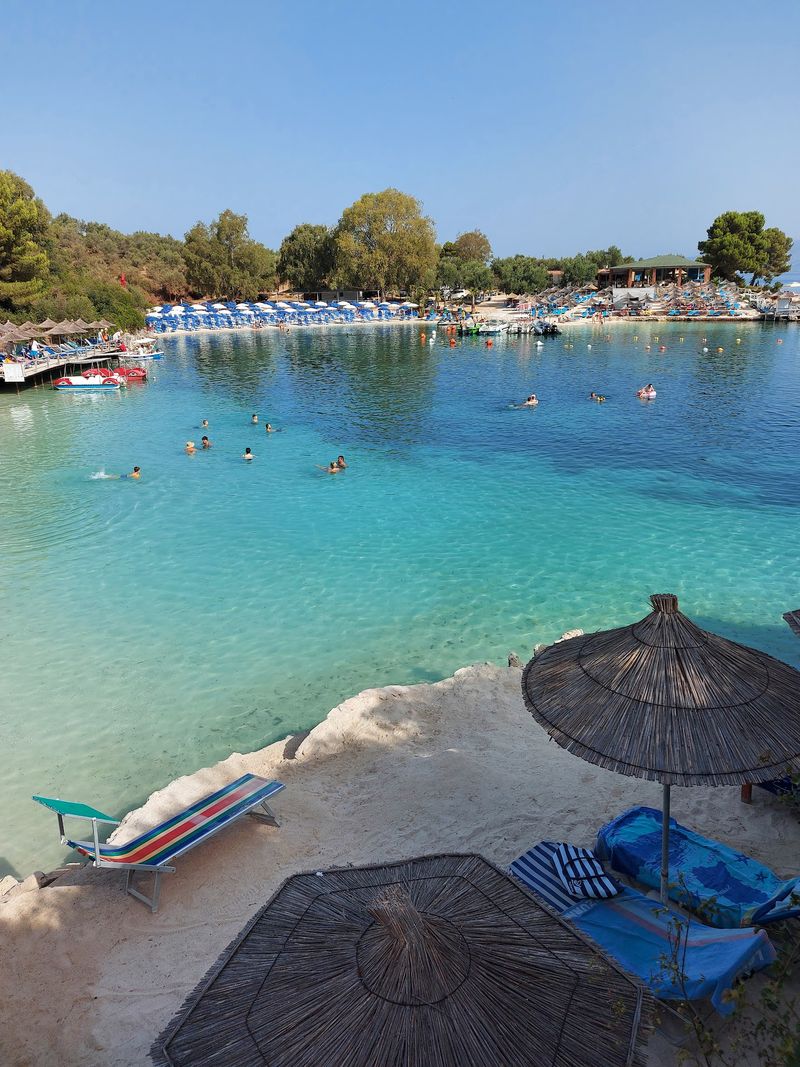
Ksamil has the kind of water color that makes people stop scrolling. Shallow, calm, and an almost unreal shade of turquoise, the bays here sit near Albania’s southern tip and look across a narrow channel toward the Greek island of Corfu.
The small offshore islands are close enough to swim to from the main beach, which is exactly what most visitors do within twenty minutes of arriving.
The beaches have developed quickly over the past decade, and summer brings genuine crowds along with beach bars, paddleboat rentals, and all the infrastructure of a popular Mediterranean resort. Arriving in June or September rather than August makes a noticeable difference to both the crowd levels and the prices.
The water quality remains excellent regardless of season.
Ksamil’s real advantage is its location. Butrint, one of Albania’s most important archaeological sites, sits less than ten minutes away by car, making it easy to combine a morning at the ruins with an afternoon on the beach.
The nearby town of Sarande offers more accommodation options and a wider range of restaurants. Ksamil has grown fast and will likely keep growing, but the natural setting, small islands, calm water, and Corfu on the horizon, is the kind of thing that development cannot easily ruin.
Butrint
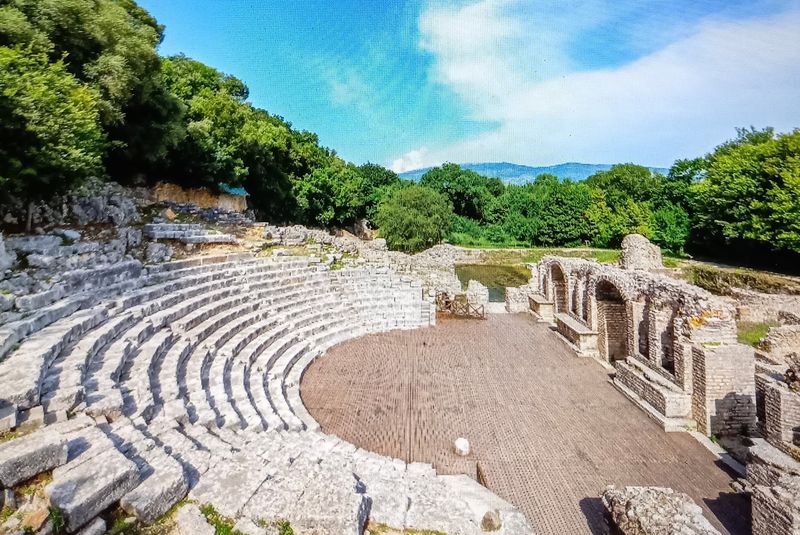
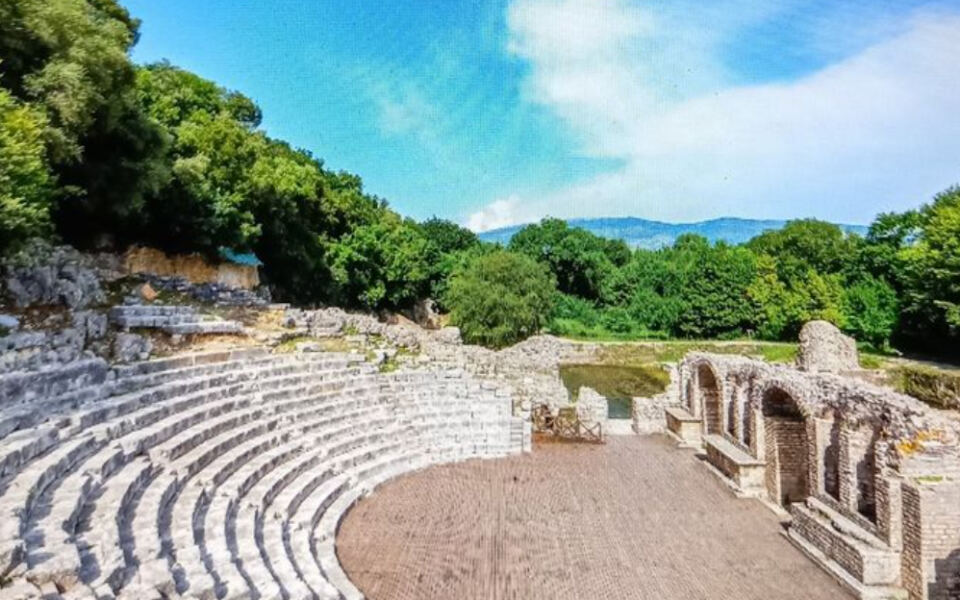
Butrint manages something that most archaeological sites struggle with: it feels genuinely atmospheric rather than just educational. The ruins sit on a wooded peninsula surrounded by lagoon and wetland, and the vegetation growing between ancient walls gives the whole place a slightly overgrown, discovered-by-accident quality that no amount of signage can manufacture.
It is easy to understand why the writer Lord Byron visited and was reportedly moved.
The layers here are extraordinary. Prehistoric settlement was followed by a Greek colony, then a Roman city, then an early Christian bishopric, Byzantine rule, Venetian fortification, and Ottoman-era additions.
A Greek theater, a baptistery with intact mosaic flooring, a large basilica, and sections of massive defensive wall all survive within walking distance of each other. UNESCO first inscribed Butrint in 1992 and later expanded the protected area.
The site is about 20 kilometers south of Sarande, and most visitors pair it with a stay in Ksamil or Sarande. Allocate at least two to three hours to walk the full site properly, because rushing through it means missing details that reward slower exploration.
The Lion Gate, the Venetian tower, and the baptistery mosaics are particular highlights. A small ferry crosses the channel near the entrance, adding one more unexpected detail to a visit that is full of them.
Pogradec and Lake Ohrid
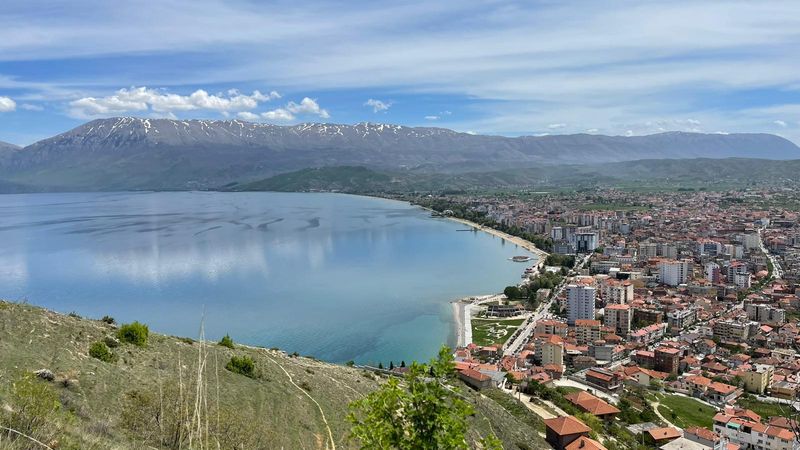
Lake Ohrid has been around for roughly four to ten million years, making it one of the oldest lakes on the planet and a hotspot for species found nowhere else on Earth. Pogradec sits on its Albanian shore, offering a lakefront promenade, pebbly beaches, and mountain views that feel completely different from anything on the Ionian coast.
Eastern Albania has its own quiet, unhurried energy.
The Albanian portion of the Lake Ohrid UNESCO World Heritage property includes the Pogradec area, the Lin Peninsula, and surrounding landscapes. The Lin Peninsula contains the remains of an Early Christian church with floor mosaics dating to around the mid-sixth century, partially submerged by the lake’s rising water level over the centuries.
Getting there involves a short drive and a walk, but the setting is genuinely striking.
Pogradec itself is a relaxed town with a strong local restaurant scene built around lake trout, known locally as koran, which appears on almost every menu and is considered a regional specialty worth trying. The surrounding hills offer hiking and cycling routes, while boat trips onto the lake give a different perspective on the shoreline.
For travelers who have spent time on the coast, Pogradec offers a refreshing change of pace. The lake’s stillness and depth feel ancient in a way that is hard to articulate but easy to feel.
Share this story