Autumn can change the cost of a European trip in a big way. When summer crowds go home, hotels open up, streets feel calmer, and prices often drop.
Some cities that seem pricey in July become friendly to your wallet by October. Here are 13 beautiful places where your money stretches further when the leaves turn.
Sarajevo, Bosnia and Herzegovina
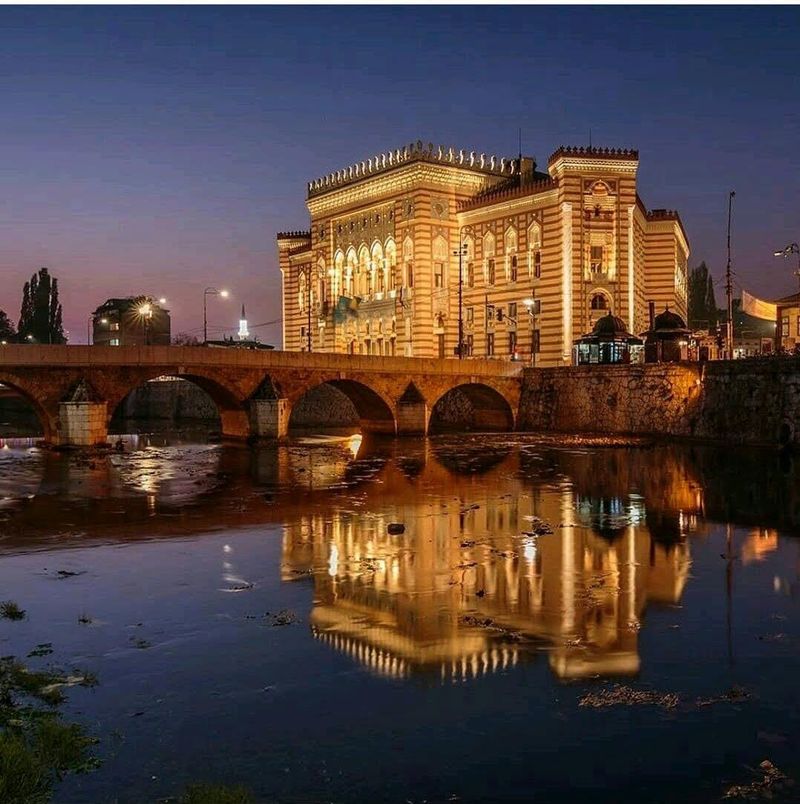
Sarajevo grabbed the top spot in the 2026 Post Office City Costs Barometer. Its basket of 12 common travel costs came to just £248 for two people.
That makes it the best documented value in the whole survey.
Money is only half the story. Ottoman-era Baščaršija sits a short stroll from grand Austro-Hungarian boulevards.
Mosques, churches, synagogues, museums, and cafés share the same compact streets, so one afternoon can feel like a trip through several centuries.
Autumn is when the city really glows. Summer heat fades, and the hills around town begin to turn gold and copper.
The air feels crisp, which is perfect for wandering with a small cup of strong Bosnian coffee in hand.
Because the center is so small, you can skip taxis and buses most days. Many major sights are reachable on foot, which keeps transport costs close to zero.
Pack comfortable shoes, bring a light jacket, and let your feet do the work.
Budget tip: look for family-run places near the old town for filling meals at modest prices. Ask locals what they eat for lunch, then copy the order.
It rarely goes wrong, and your wallet will thank you.
Bucharest, Romania
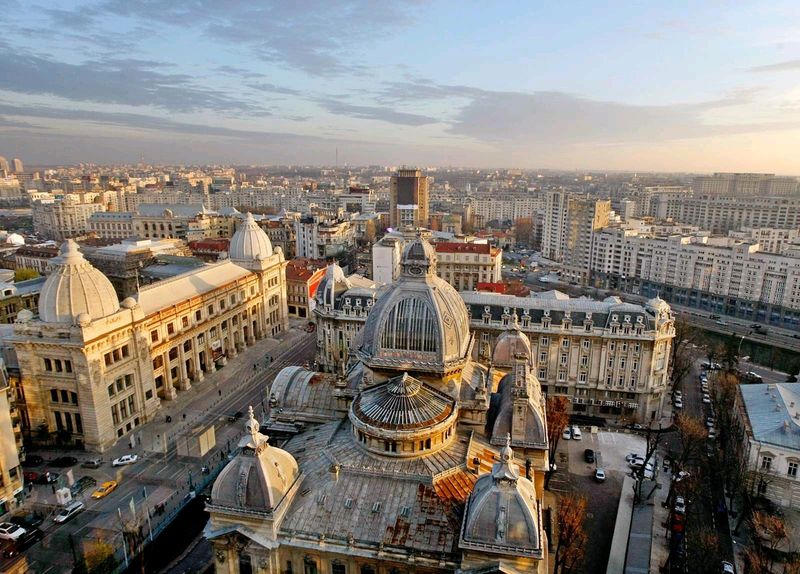
Second place in the same 2026 survey went to Bucharest. The Post Office priced its two-person city-break basket at £258.
For a national capital with this much to see, that is a friendly number.
Architecture here is a wild mix. The enormous Palace of Parliament stands not far from Belle Époque villas, Orthodox churches, and communist-era boulevards.
The restored lanes of Lipscani add cafés and lively evening energy.
September and October are the sweet spot. Parks such as Herăstrău and Cișmigiu fill with rust and yellow leaves, and temperatures settle into a comfortable range.
Local travel guides point to these months as the strongest part of the autumn season.
Spending stays under control without much effort. Public transport is cheap, restaurants are reasonably priced, and the hotel market is large enough that deals appear often.
You can see the big attractions without feeling like you gave up anything.
Try a long park walk in the morning, then a hearty Romanian lunch. Save the museums for rainy afternoons.
It is an easy rhythm that keeps both your mood and your budget in good shape.
Tirana, Albania
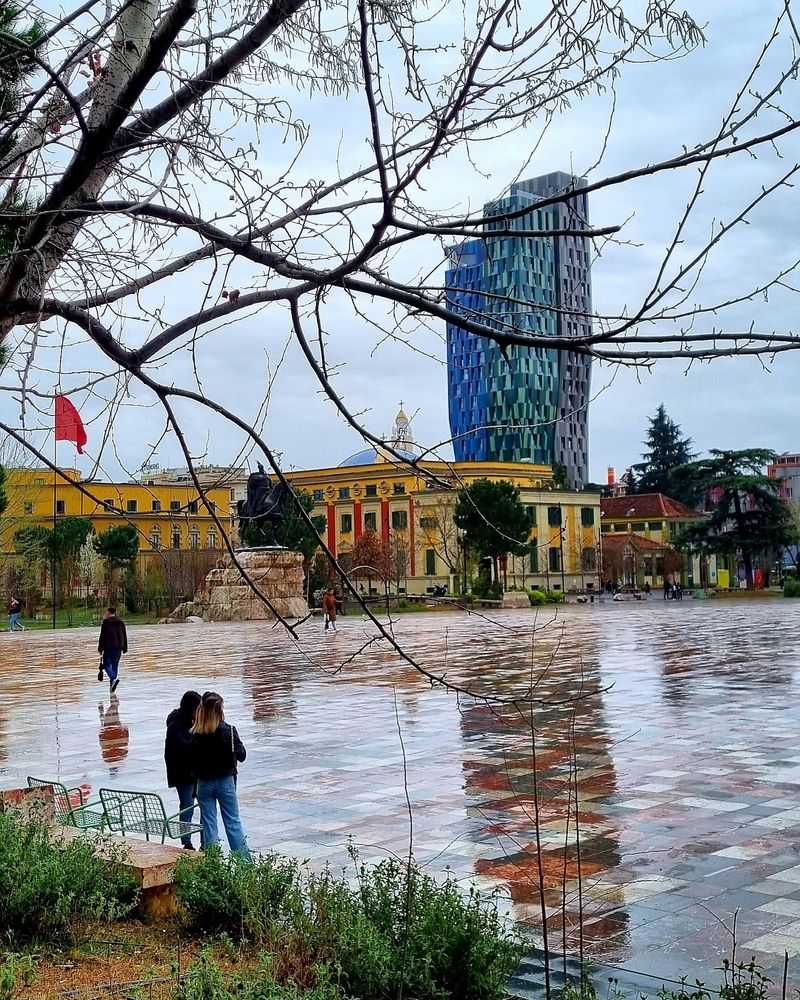
Bright paint on old apartment blocks is Tirana’s calling card. Walk the center and you will spot bold stripes, swirls, and shades that no one would call shy.
It is not a traditional postcard beauty, and that is exactly the fun of it.
The Post Office ranked Tirana third in its 2026 comparison, at £263 for two travelers. The city’s tourism organization also openly talks up its low prices, along with food, nightlife, and nearby nature.
History layers up fast here. Ottoman traces, Italian-era planning, modern towers, and communist monuments all sit around a small central core.
You can cover a lot on foot in a single day.
Mount Dajti rises just east of town, and a cable car carries you up for wide views. Go on a clear autumn morning for the best light.
After the hot Albanian summer, September and October feel much kinder for walking. They also work nicely for adding a mountain or coastal day trip.
Keep your plans flexible and let the weather pick the day.
Belgrade, Serbia
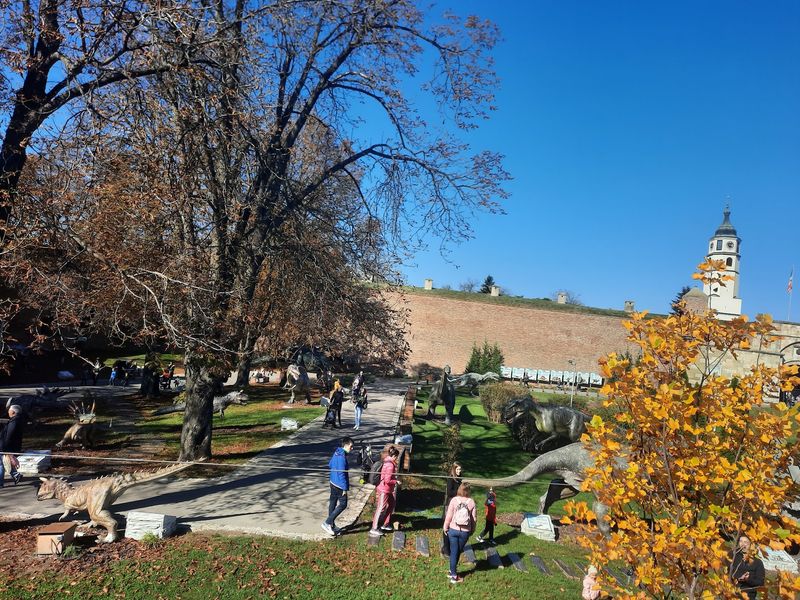
Two rivers meet below Belgrade’s old fortress, and the view is worth the climb. Kalemegdan looks out over the Sava and the Danube, especially lovely when autumn light turns soft and golden.
The Post Office placed Belgrade fourth in Europe for value in 2026. Its standard two-person basket totaled £265.
Visitors used to Western capital prices often find it startlingly low.
The historic center blends Habsburg-era buildings, Orthodox churches, and bold twentieth-century modernism. Café-lined streets invite long, slow stops.
By night, the city has one of southeastern Europe’s most energetic social scenes.
Autumn is a smart time to explore neighborhoods such as Dorćol and Zemun. Without midsummer heat, strolling feels easy instead of exhausting.
Much of the central sightseeing can be done without paying for transport.
Food and nightlife remain big budget wins. Grab grilled meats, fresh pastries, and strong coffee without worrying about the bill.
Bring a bit of stamina, because Belgrade tends to keep going well after dark.
Riga, Latvia
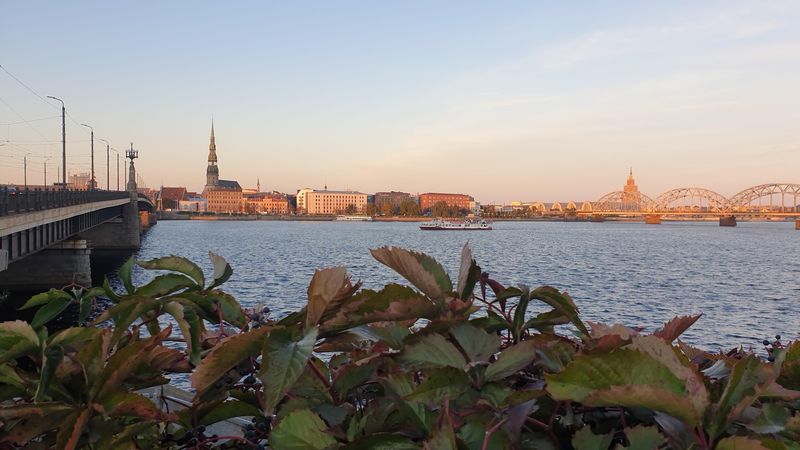
Look up in Riga and you will see stone faces, curling vines, and fancy balconies staring back. The city has one of Europe’s biggest collections of Art Nouveau buildings, especially around Alberta iela.
The Post Office ranked Riga sixth in 2026, with a two-person cost of £278. That makes it one of northern Europe’s best-value city breaks.
Autumn adds a bonus. Riga’s tourism authority recommends October and November for fewer crowds, colorful parks, seasonal food, exhibitions, and cultural events.
The mood turns cozy, with warm cafés around every corner.
The UNESCO-listed old town mixes medieval lanes with lively squares. Beyond it, the Daugava River, canal parks, and big green spaces give the foliage a starring role.
Wander without a plan and you will still find something photogenic.
Scandinavia sits just across the Baltic, yet prices there can be much higher. In Riga, you get fine architecture and good dining for far less.
Save the difference for an extra pastry or a museum ticket.
Vilnius, Lithuania
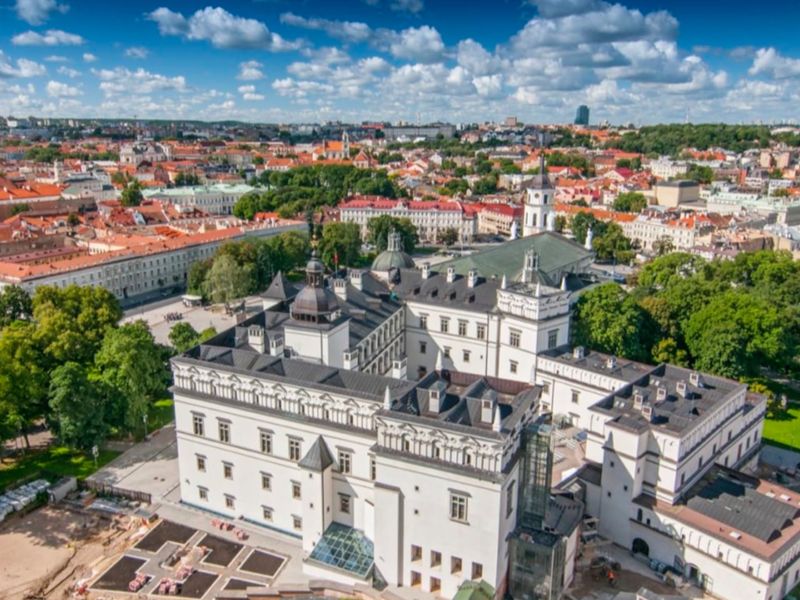
Here is a number that surprises people: 61% of Vilnius is parks and green space. According to Go Vilnius, that is the share of the municipal area covered in plants.
In autumn, all of it turns yellow, orange, and rust.
The Post Office priced a standard two-person city-break basket here at £289 in its 2026 rankings. That keeps Vilnius near the affordable end of the list.
Climb Gediminas Tower or the Hill of Three Crosses for the best view. Color spreads around church spires and red rooftops across the Old Town.
It looks like someone spilled a paint box over the whole city.
Baroque architecture dominates the historic center. Independent restaurants and galleries add a modern twist, and the artsy Užupis neighborhood is a fun place to wander.
November brings the city’s annual Gastronomy Week, a tasty reason to visit late in the season. Book a table early, then enjoy a warm meal while the weather cools outside.
Kraków, Poland
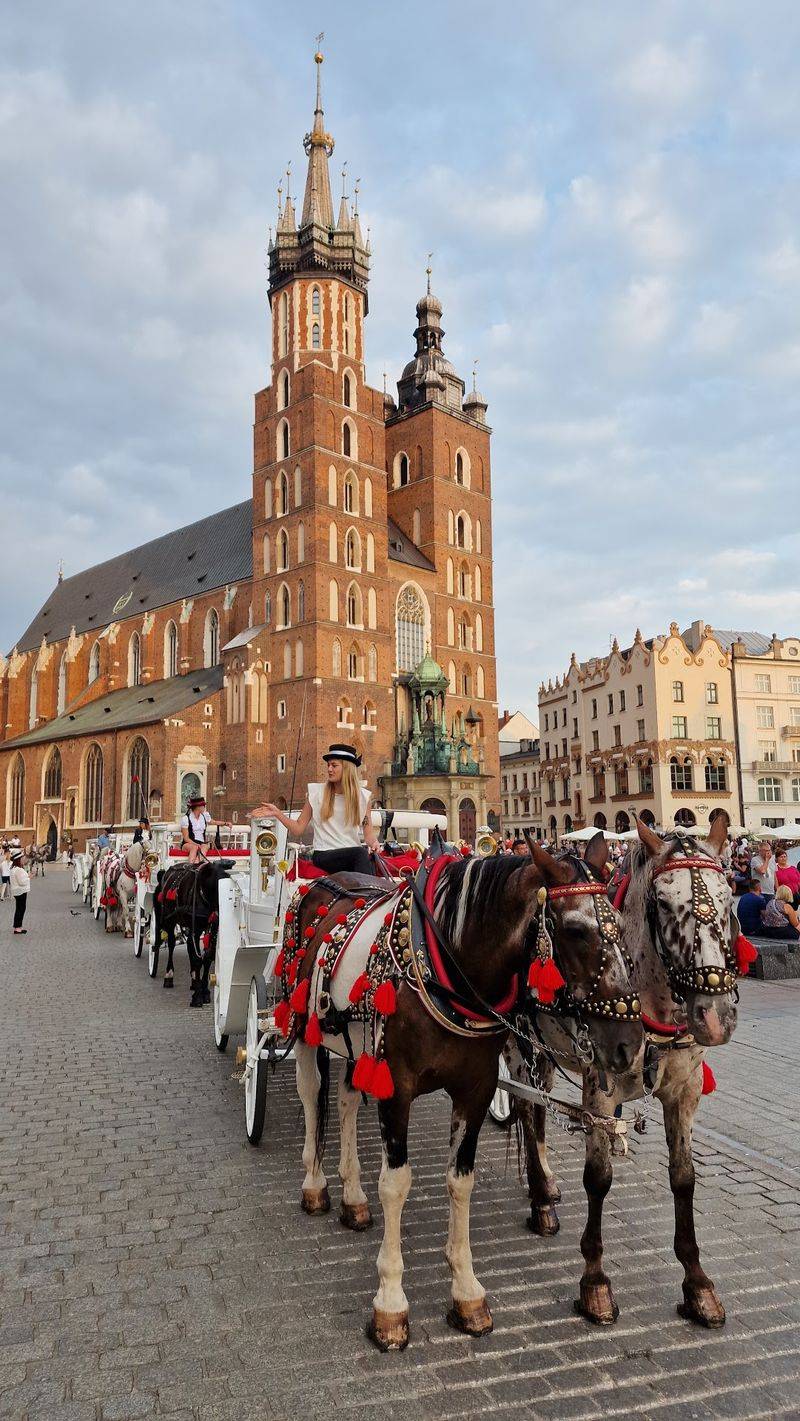
Kraków may not be a secret anymore, but it still delivers outstanding value. Local travel guidance calls it much cheaper than major Western European cities.
Budget comparisons in 2026 keep it among the continent’s stronger cultural bargains.
October arrives after high season with cooler air and far fewer visitors. The average daytime high sits around 13°C.
That is ideal for walking without sweating or shivering.
The UNESCO-listed center revolves around Rynek Główny, the huge main square. Wawel Castle, Gothic churches, and the former Jewish district of Kazimierz are all close by.
Everything feels within easy reach.
Autumn leaves along the Planty, the park ring around the old town, soften the medieval and Renaissance streets. A morning stroll there feels peaceful and a little bit cinematic.
Food costs stay manageable too. Traditional milk bars and neighborhood restaurants serve filling dishes at small prices.
Try pierogi for lunch, and you may find yourself ordering a second plate.
Sofia, Bulgaria
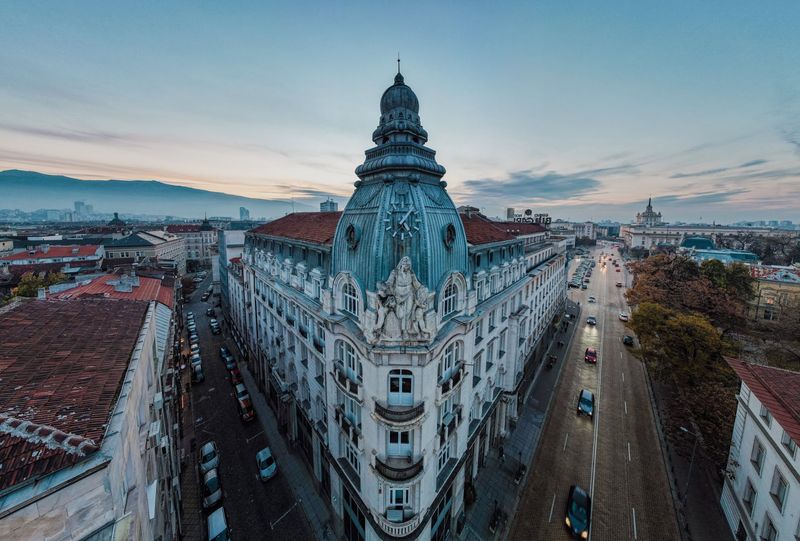
Dig a little in Sofia and you may literally find a Roman street. Ruins of ancient Serdica sit beneath the modern center, tucked right among shops and subway entrances.
Above ground, the gold-domed Alexander Nevsky Cathedral shines bright. Nearby are an Ottoman-era mosque and Byzantine churches.
Together they show how many cultures have shaped this city.
Mount Vitosha rises just south of town. In early autumn, its forests change color, and the views are fantastic.
You can reach it without leaving the city’s reach, which makes for an easy day out.
Budget lists in 2026 still call Sofia one of Europe’s cheaper capitals. Some prices have crept up since Bulgaria adopted the euro, but it remains friendly to travelers.
September and early October strike the best balance. Outdoor weather stays comfortable, and mountain trails are open before colder conditions arrive.
Pack layers, because mornings can be chilly even when afternoons feel mild.
Ljubljana, Slovenia
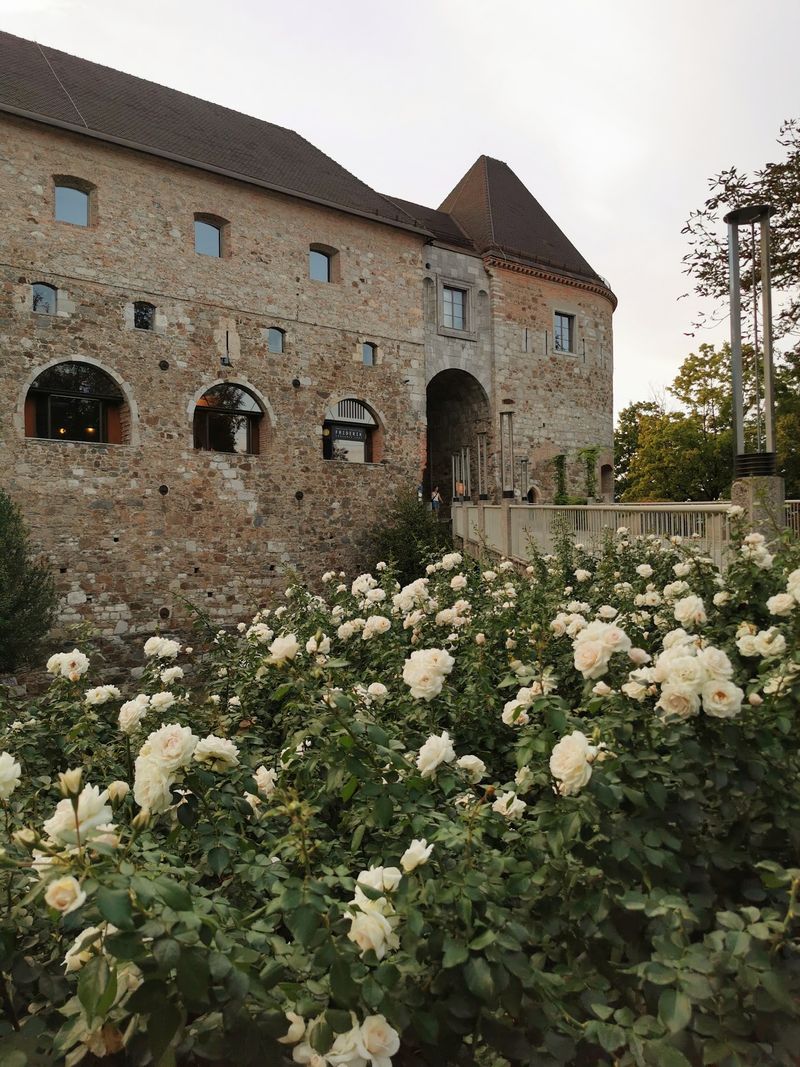
Ljubljana is a bit pricier than the cheapest Balkan capitals, yet autumn changes the math. After the summer rush, the city exhales.
Visit Ljubljana describes September as pleasantly warm and quieter, with squares that are easier to enjoy.
The compact pedestrian center curves along the Ljubljanica River beneath a hilltop castle. Many bridges and public spaces carry the mark of architect Jože Plečnik.
Look for his elegant touches as you stroll.
Food lovers will like Open Kitchen, the city’s outdoor food market. It generally runs through October when the weather cooperates.
Grab a plate and eat by the river.
The city is small and very walkable, so local transport costs can stay close to nothing. That leaves more cash for dinners and treats.
Use Ljubljana as a base for inexpensive regional day trips. Trains and buses reach lakes, caves, and mountain towns.
Sleep in the same comfy bed each night and still see plenty.
Bratislava, Slovakia
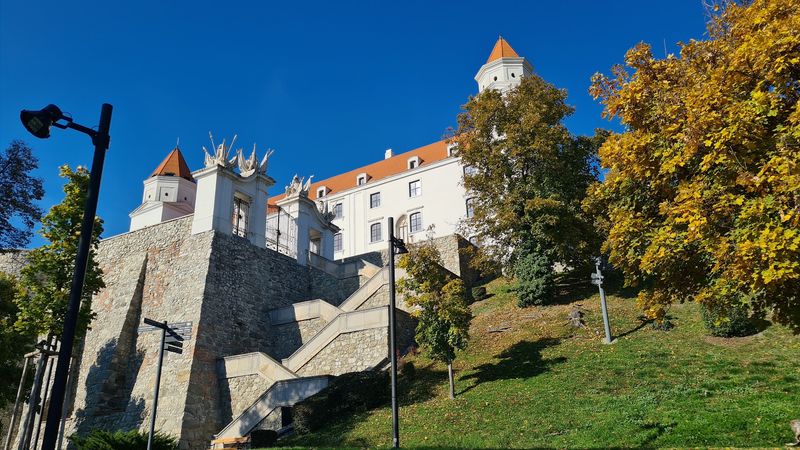
Vienna is only about an hour away, and that is Bratislava’s secret trick. Prices here feel gentle next to the Austrian capital, even though the charm is easy to match.
Slovakia’s capital is compact and walkable. Pastel facades, quiet courtyards, and churches fill the old town.
A hilltop castle watches over the Danube.
Autumn is one of its best seasons. Visit Bratislava notes that September and October often bring mild weather, while summer crowds thin.
The wine harvest also begins in the nearby Little Carpathians.
Seasonal treats give you extra reasons to visit. Traditional goose feasts and young-wine festivals pop up around town.
Sip, snack, and enjoy the cozy mood.
The vineyards start a short distance from the center. That means you can pair city streets with wine-country excursions, without the price tag of better-known European wine regions.
Plan one slow afternoon among the vines and bring a sweater.
Porto, Portugal
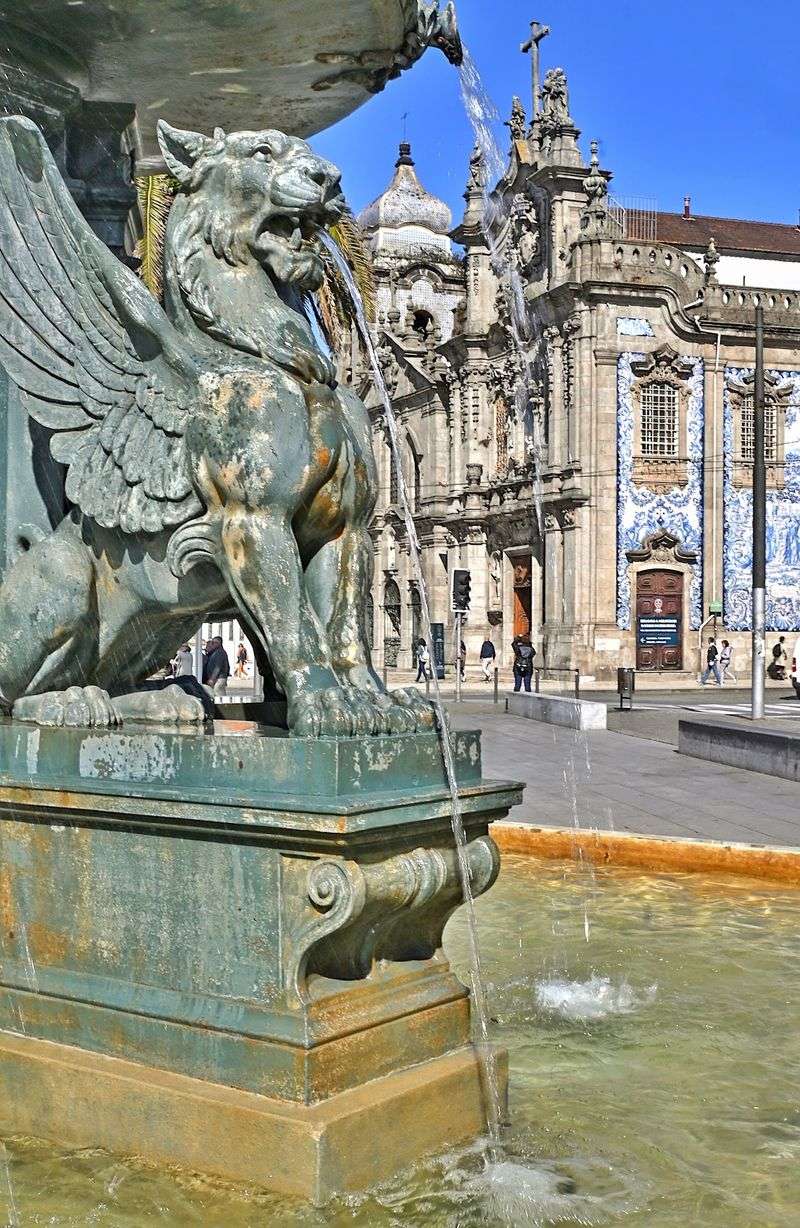
Tiles, bridges, and barrels pack Porto into one very photogenic package. Blue-and-white churches, medieval lanes, iron bridges, and port-wine cellars rise above the Douro River in a tight area.
Porto is not as cheap as Sarajevo or Tirana. Still, autumn can beat the busiest summer months for value.
The city’s tourism organization promotes the season for food and wine experiences.
Rain becomes more likely outside summer, so bring a light waterproof jacket. A drizzly afternoon is a fine excuse to duck into a wine lodge or a cozy café.
The Porto.CARD can lower the cost of museums, transport, and selected attractions. Do the math before you go, and see whether it fits your plans.
September keeps some summer warmth. October and November bring a calmer feel around Ribeira and the wine lodges of Vila Nova de Gaia.
Walk across the bridge at sunset and the whole city glows.
Valencia, Spain
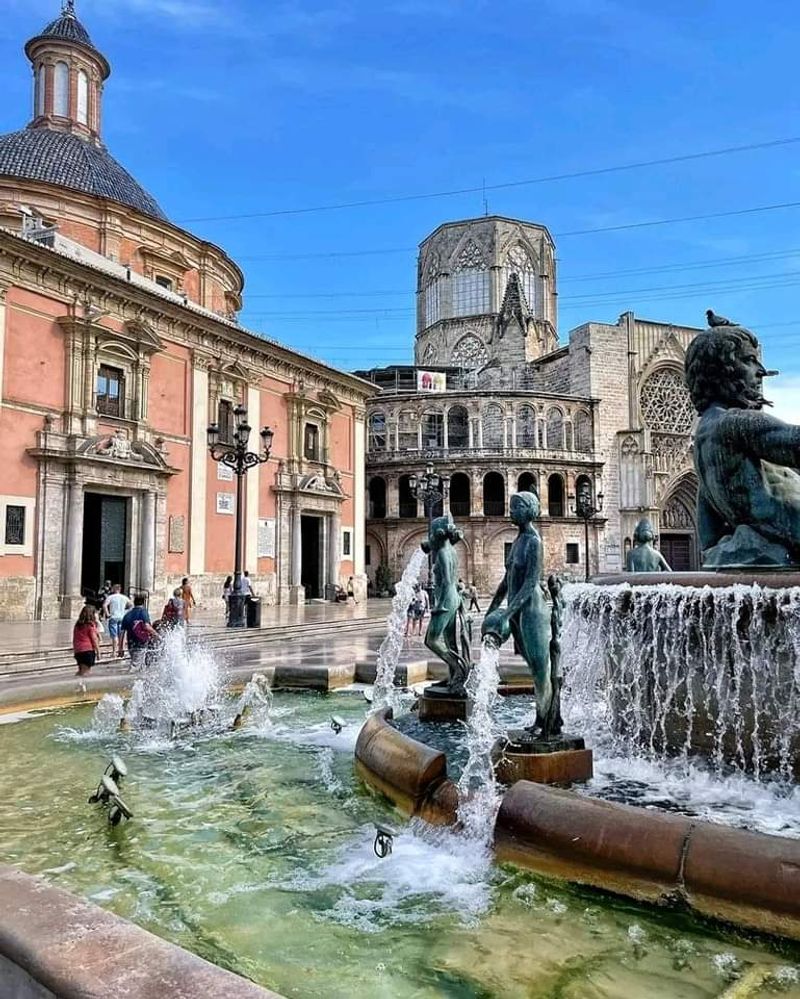
About 300 sunny days a year is a bold claim, but Valencia’s tourism authority makes it. The average yearly temperature sits near 19°C, so autumn outdoor life stays pleasant.
This Mediterranean city has beaches, big architecture, and generally lower costs than Barcelona at similar times. That is a rare mix in Spain.
You can move around easily. Bike or public transport links the Gothic and Baroque old town, the futuristic City of Arts and Sciences, Turia Gardens, and the urban beaches.
Hop on two wheels and let the day unfold.
Markets shine in September and October. Early mandarins, persimmons, pomegranates, and roasted chestnuts show up at stalls and in neighborhood restaurants.
Grab a bag of fruit and snack as you roam.
For the best autumn value, avoid major event weekends, when hotel prices tend to jump. Check the city calendar before you book, and you may save a nice chunk.
Bologna, Italy
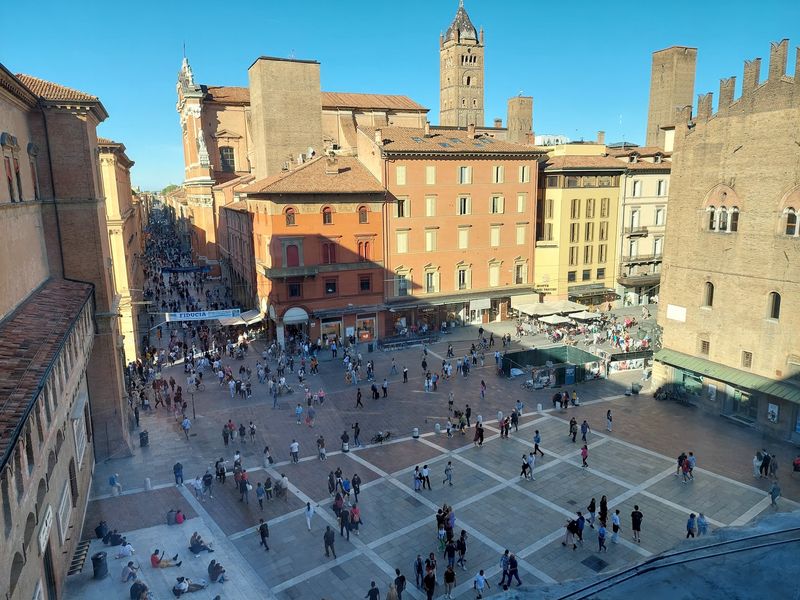
Italy rarely says cheap, so Bologna feels like a happy plot twist. It usually costs less than Venice, Florence, or central Rome.
You still get medieval charm and some of the country’s finest food.
Bologna Welcome promotes autumn around major exhibitions, jazz, regional food events, and foliage in the nearby hills. The calendar is full, but the crowds are smaller than in summer.
Between October and November, the parks and the Apennines take on rich autumn color. A short trip outside town rewards you with views and fresh air.
Rain is no problem here. The city’s long arcades let you wander dry from shop to shop.
Sightseeing stays comfortable, even when clouds roll in.
Attractions can be easy on the budget too. Official guided access to the Archiginnasio and Anatomical Theatre, or to the Clock Tower, is listed at around €10.
Follow that with a plate of fresh pasta, and you have a very happy day.
Share this story