Bali has surf breaks for nearly every kind of rider, from soft rolling waves to fast reef barrels. Some spots sit below tall limestone cliffs, others sit beside black-sand beaches or quiet river mouths.
The trick is picking the right wave for your skill level, because the island does not treat every surfer the same. This list covers thirteen well-known breaks across the Bukit Peninsula, Canggu, the east coast, and the west coast.
You will find long mellow rides for newer surfers and powerful reef waves for experienced ones. Along the way you will pick up simple tips about tides, seasons, and local guidance, so your next trip to the island starts with a smart plan and a wave that fits you.
Uluwatu, Bukit Peninsula, Bali
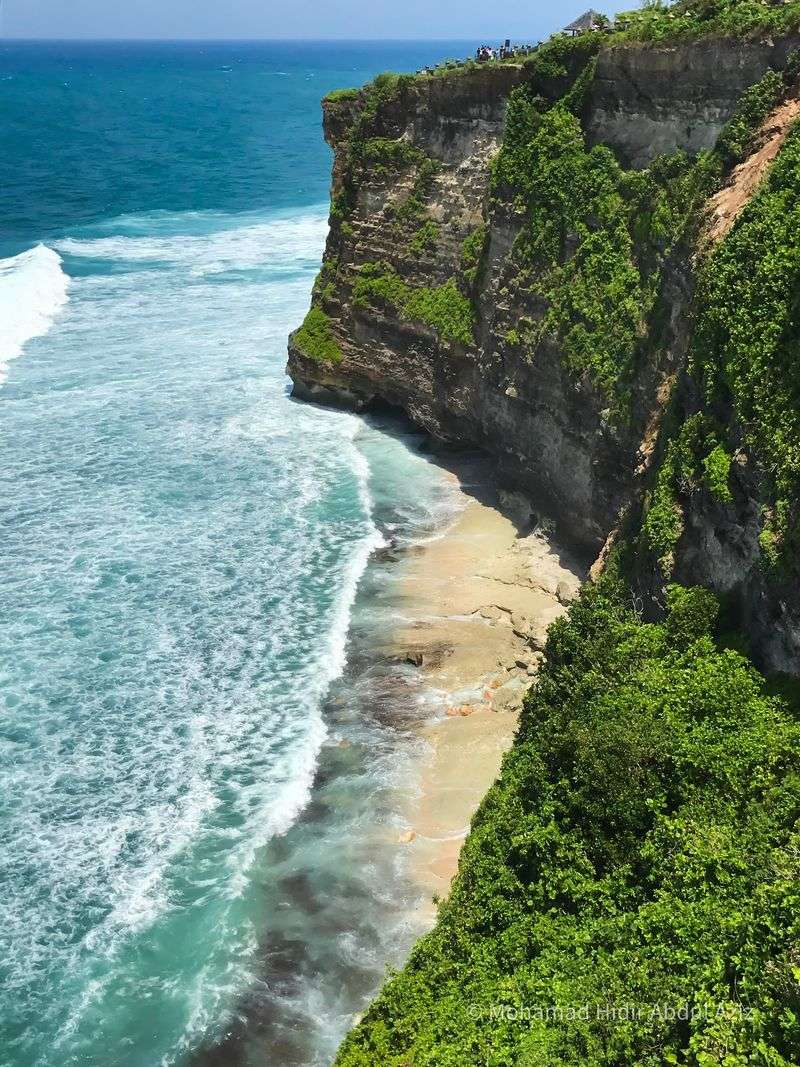
Few surf zones on the island carry as much reputation as this one. Uluwatu is really a collection of breaks, including The Peak, Racetrack, Temples, Outside Corner, and The Bombie.
That variety helps the area stay consistent, so there is often a wave working somewhere along the reef. The catch is that the reef, the currents, and the entry route make it a better match for intermediate and advanced surfers.
Many surfers get into the water through a well-known cave, which adds a bit of adventure before the first paddle. It is a fun thing to watch even if you plan to stay on the cliff.
Beginners can still enjoy the scene from above. Watching a few sets roll through is a great way to learn how reef waves line up, how surfers choose their takeoff spot, and why tide timing matters so much here.
Padang Padang, Bukit Peninsula, Bali
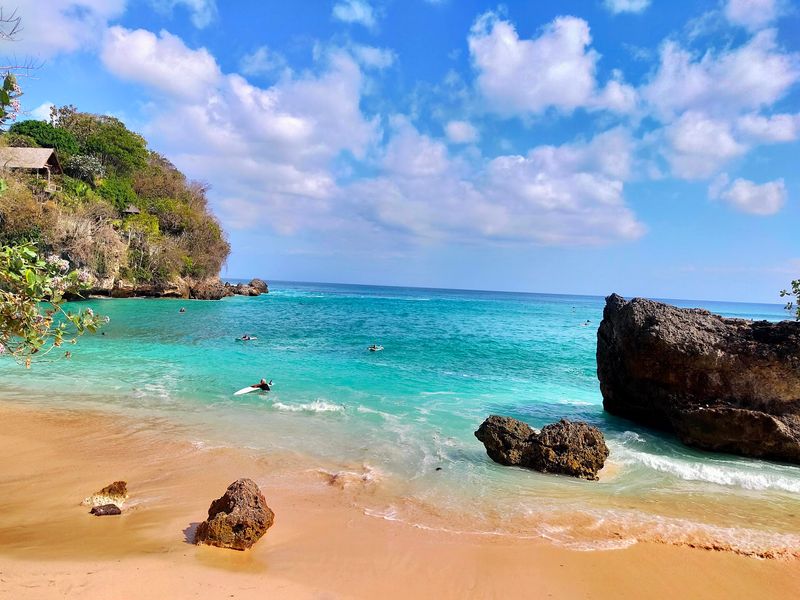
Hawaii’s Pipeline gets mentioned a lot when surfers talk about this wave, and the comparison makes sense. Padang Padang is known for powerful left-hand barrels that break over shallow reef.
Classic conditions need the right southwest swell, the right tide, and offshore wind. When all three line up, the wave can become extremely demanding, even for people who surf often.
Surfline rates it mainly for highly skilled surfers, so this is not a place to test your first reef session. Shallow coral leaves very little room for mistakes.
For most visitors, the best plan is to enjoy it from the shore or the nearby viewpoints. Seeing experienced riders time their drops can teach you plenty, and it gives you a clear picture of why Bali has such a strong surf reputation.
Canggu, Badung, Bali
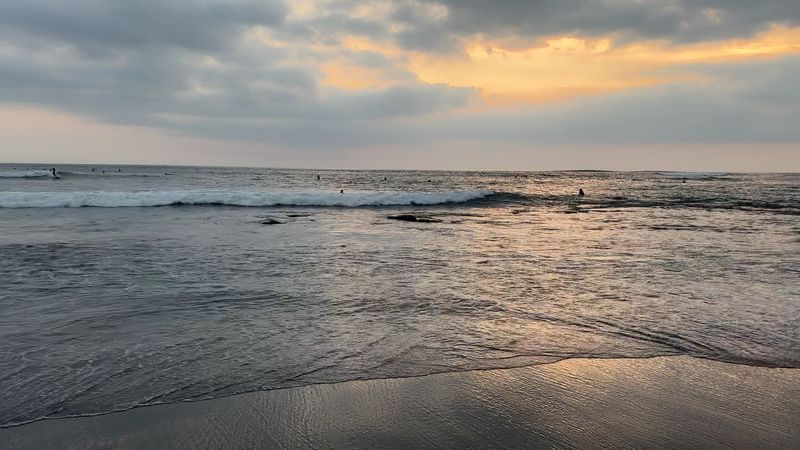
Black sand is the first thing many people notice about Canggu. The area mixes beach breaks with several reef setups, so surfers can pick a wave that suits their comfort level.
Some softer waves work well for beginners, while stronger peaks give experienced surfers more of a challenge. Surfline describes the area as suitable for abilities from beginner to advanced.
Timing helps a lot here. May through September is particularly favorable, which lines up with Bali’s dry season and tends to bring cleaner surf.
Because the choices are so wide, it helps to start with a lesson or a local guide if you are new. They can point you toward the right peak for the day and keep you away from spots that are too strong for your level.
Balangan, Bukit Peninsula, Bali
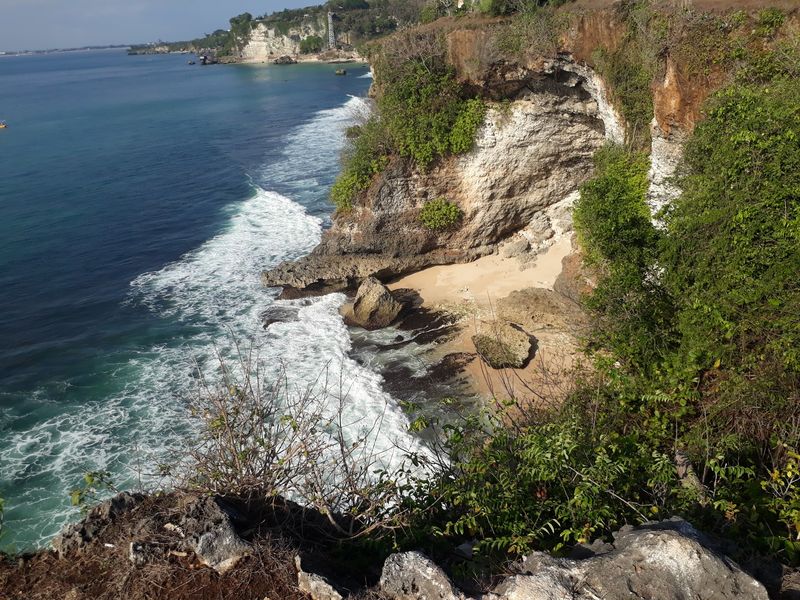
Cliffs frame this break, and the wave itself is a long left-hand reef break on the Bukit Peninsula. That shape gives surfers a chance at long, fast walls when the swell is right.
The wave tends to improve as swell size increases, so smaller days may feel a bit slow while bigger days bring more speed and power.
It is generally best for intermediate and advanced surfers. Reef is the main reason, since falling in shallow water takes experience to handle safely.
Bali’s dry trade-wind season is a particularly good time to check it. Watch the water for a while before paddling out, because spotting the channel and the lineup makes the whole session easier.
Bingin, Bukit Peninsula, Bali
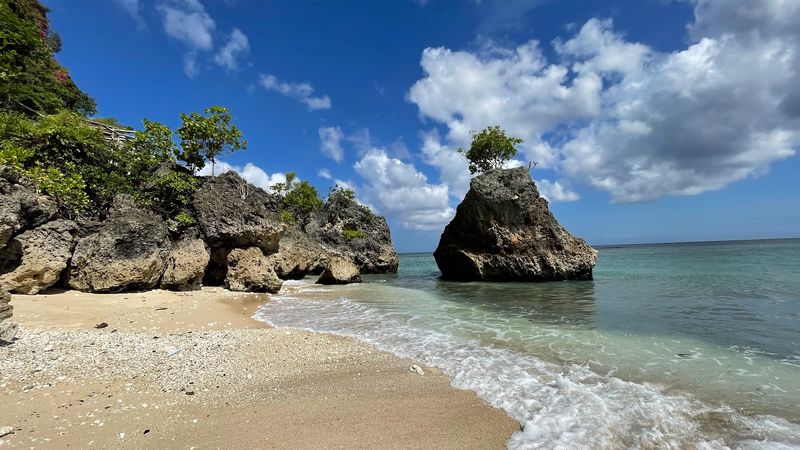
Compact but quick, Bingin is the smaller neighbor to Uluwatu on the Bukit Peninsula. It is still a well-known reef break, and it can deliver fast, hollow waves when conditions line up.
The reef can become shallow, so tide knowledge matters before anyone paddles out. Checking the forecast and watching a few sets from the shore is a smart habit here.
Bingin remains actively monitored among Bali’s current surf spots, which makes it easy to find updated conditions before you go.
If you are not an experienced reef surfer, this is a good place to watch and learn. The fast sections show how timing and positioning shape every ride, and the cliff-side setting gives you a good view of the lineup.
Keramas, Gianyar, Bali
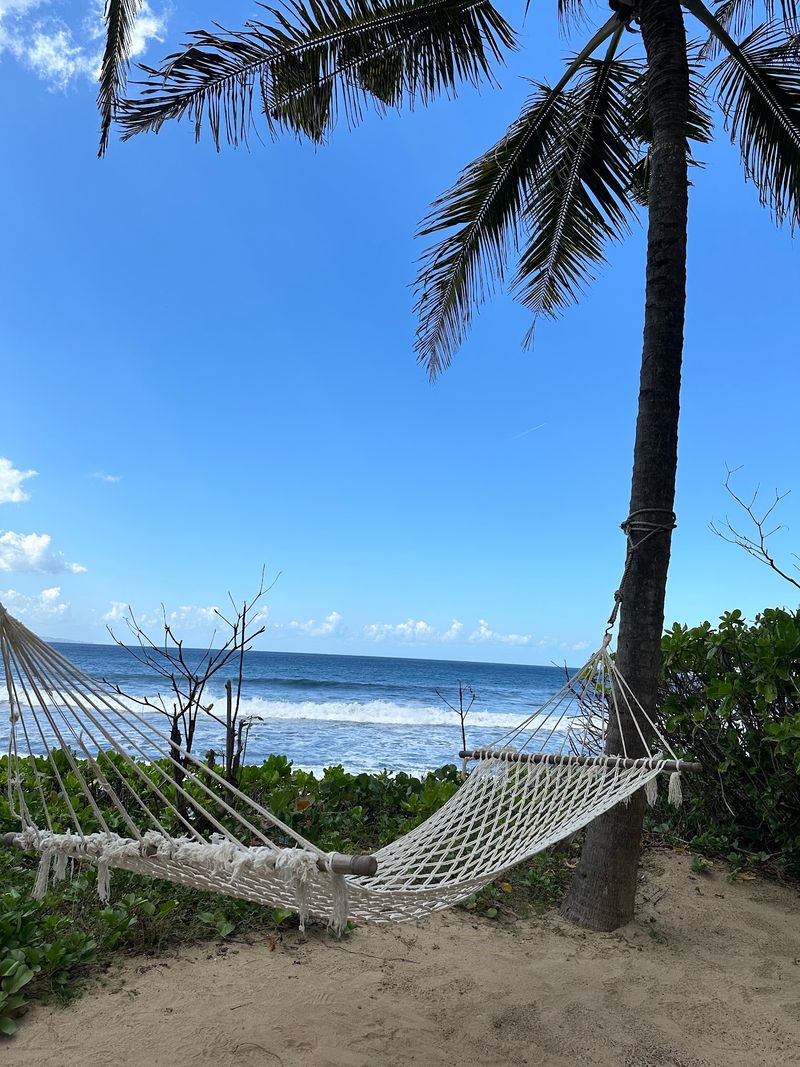
Mornings are the secret weapon at Keramas. On Bali’s east coast, this high-quality reef break sits beside a black-sand beach and often looks smooth and glassy early in the day.
The wave can be powerful and performance-oriented, so it is generally recommended for intermediate to advanced surfers.
Here is a useful detail for trip planning. Unlike many west-coast breaks, Keramas can work throughout the year, which gives surfers a backup when the wind shifts elsewhere.
Because it faces a different direction than the Bukit breaks, it can be a smart choice during seasons when the west side gets messy. Plan an early start and check conditions the night before to get the best of it.
Medewi, Jembrana, Bali
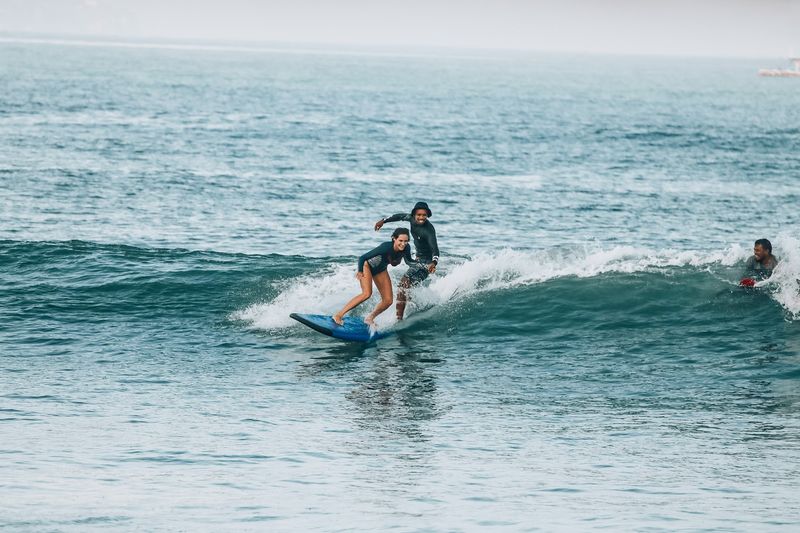
Long rides beat heavy barrels for plenty of surfers, and Medewi delivers exactly that. The cobblestone point creates a long, relatively soft left-hand wave.
Surfline lists it as suitable for all ability levels, which makes it a friendly option for people who want more time standing on the board.
Medium-to-high tides and small-to-moderate swells usually provide favorable conditions, so it helps to check the tide chart before heading out.
Medewi sits farther along Bali’s west coast, so the trip takes longer than a hop around the south. That distance also means a calmer feel than the busy southern zones.
Pack plenty of water, sun protection, and a bit of patience for the drive.
Balian, Tabanan, Bali
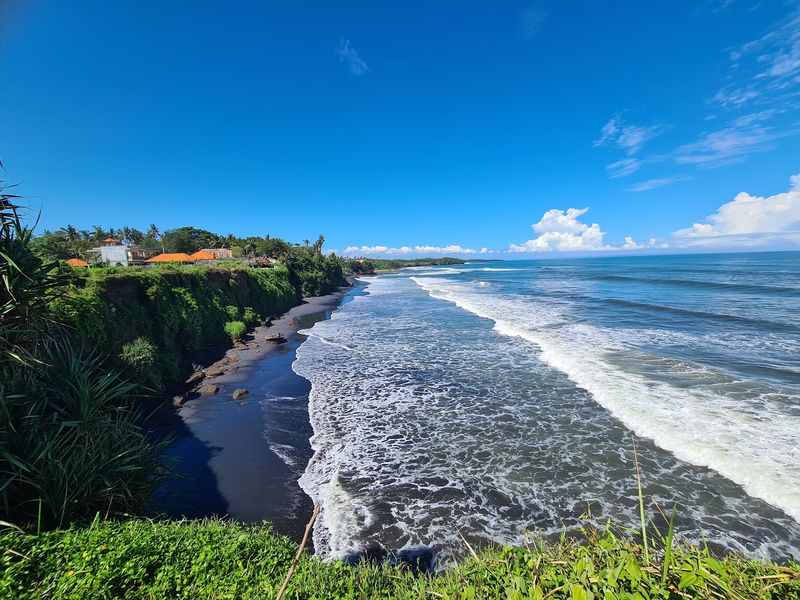
Anyone who wants surf without the crowded resort scene should look up the coast. Balian sits farther along Bali’s west side and offers a quieter alternative to the heavily developed southern zones.
The river-mouth area produces consistent waves and remains a regular part of Bali’s current surf forecasts.
Its location makes it especially appealing to travelers who prefer a slower stay. You can base yourself away from the busiest areas and still reach a dependable break.
As with any river mouth, conditions can change with tide and swell, so check the forecast and ask locals about the best time. A relaxed morning session here can make a nice change from the packed lineups of the south.
Kuta Beach, Badung, Bali
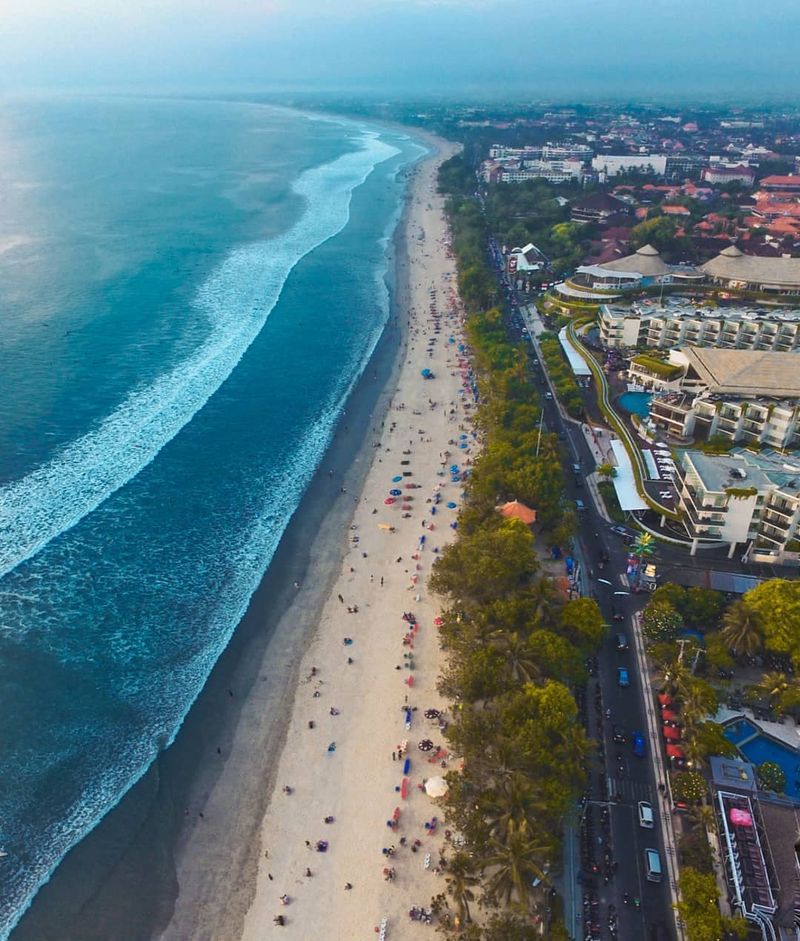
Bali’s surf story has deep roots here. Kuta played a major role in the island’s rise as an international surf destination, and the beach still feels tied to that history.
Its sandy bottom makes it more forgiving than many of the island’s reef breaks. That is one reason surf schools and beginner lessons are so common along the shoreline.
Conditions vary along the beach, so the best peak can change from one stretch to the next. An instructor will usually know where to set up for the day.
Kuta continues to appear in current Bali surf reports, which helps when planning a session. For first-timers, it is a practical place to learn balance, timing, and basic wave reading before moving on to tougher breaks.
Batu Bolong, Canggu, Bali
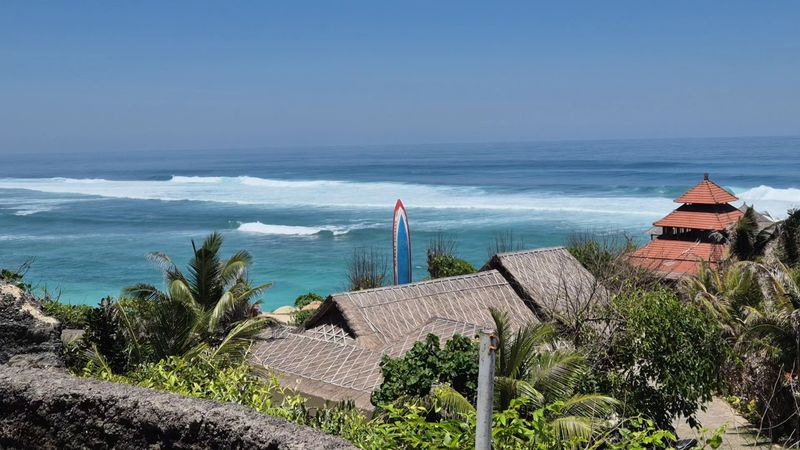
Longboards rule the lineup at Batu Bolong. The break is often linked with the Old Man’s surf area in Canggu and is known for comparatively mellow waves and long rides.
Larger boards are common, and the wave can feel more approachable than Bali’s shallow reef barrels.
It remains one of the regularly forecast surf locations around Canggu, so current conditions are easy to find before you head to the water.
If you are building confidence, a wide, stable board makes a big difference here. Pay attention to the crowd, give other surfers space, and wait your turn.
Good manners in the lineup keep sessions friendly and safe for everyone.
Dreamland, Bukit Peninsula, Bali
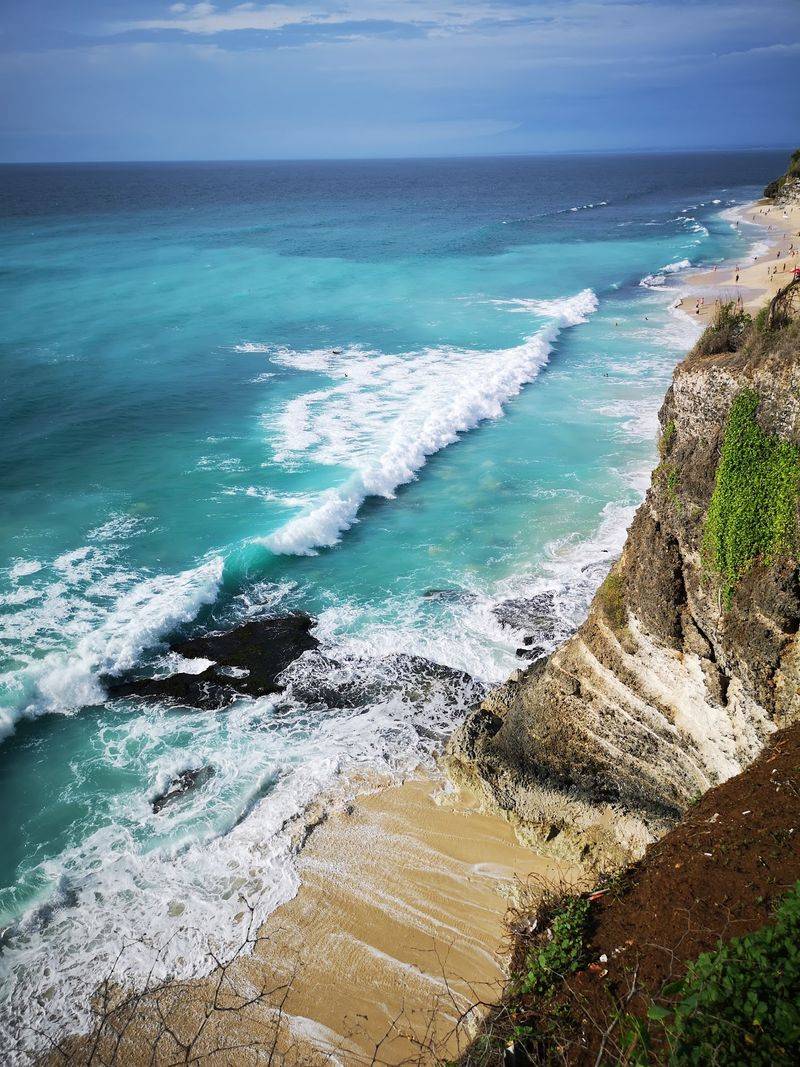
Limestone cliffs give Dreamland a dramatic backdrop before you even look at the water. The surf break below can change a lot depending on swell size.
Smaller conditions can be relatively manageable, while bigger days become much more powerful. That swing means it pays to check the forecast and the actual size before paddling out.
Surfline continues to list Dreamland among the active surf breaks on the Bukit Peninsula, so it stays on the radar for current reports.
If the waves look too big, the beach is still a pleasant place to spend time and watch surfers work the lineup. Take your time, read the water, and pick a day that matches your comfort level.
Nusa Dua, Badung, Bali
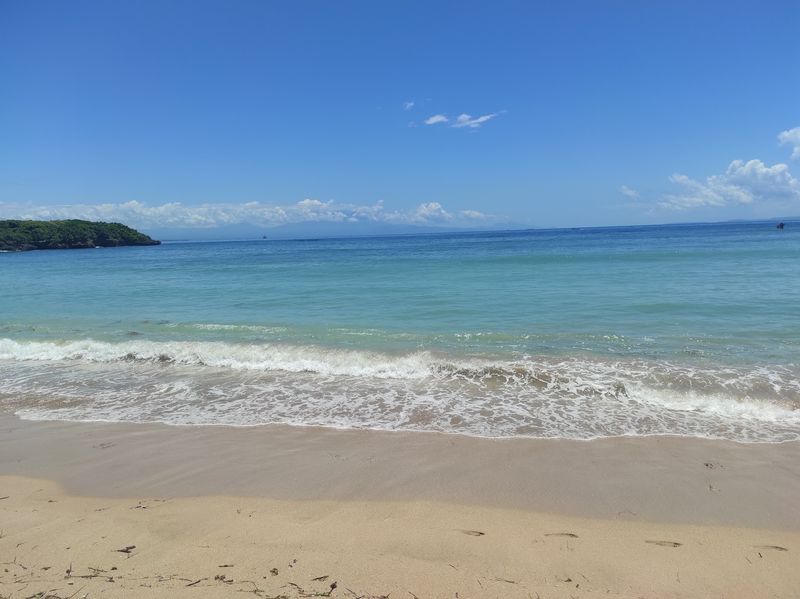
When seasonal winds make some west-coast breaks less appealing, the southeast gets interesting. Nusa Dua offers powerful surf on that side of the island and becomes especially relevant at those times.
Its reef breaks can be demanding, especially when swell increases. Beginners should seek professional local guidance rather than paddle out blindly.
A local guide can explain the tide, the channels, and the safest way in and out. That kind of advice is worth more than any forecast number.
Nusa Dua remains included in current Bali surf forecasts, so conditions are easy to check. It makes a useful backup plan for travelers who want options when the usual spots are blown out.
Serangan, Denpasar, Bali
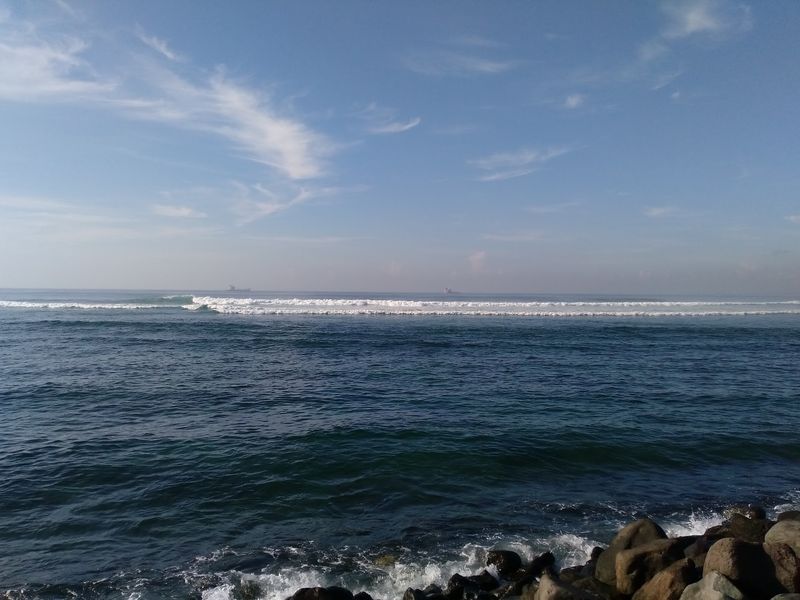
East-side swell has a good friend in Serangan. It is a useful option when conditions favor Bali’s southeast coast, and the reef produces multiple peaks.
That reef can handle stronger surf, which makes the spot more appropriate for surfers with some experience.
Having more than one peak helps spread people out, so the lineup can feel less cramped on a good day.
Serangan is actively listed in current Bali surf reports alongside Sanur and other southeastern breaks, making it simple to compare nearby options. Check the forecast, watch the reef, and head out with a plan.
A little preparation goes a long way on reef waves.
Share this story