Spain is much more than beaches and whitewashed villages. Its cities are packed with mosaics, flower-filled courtyards, glowing stone and bold modern buildings.
Each place tells a different story through art, color and craft. Ready to see where creativity shows up on every street corner?
Barcelona
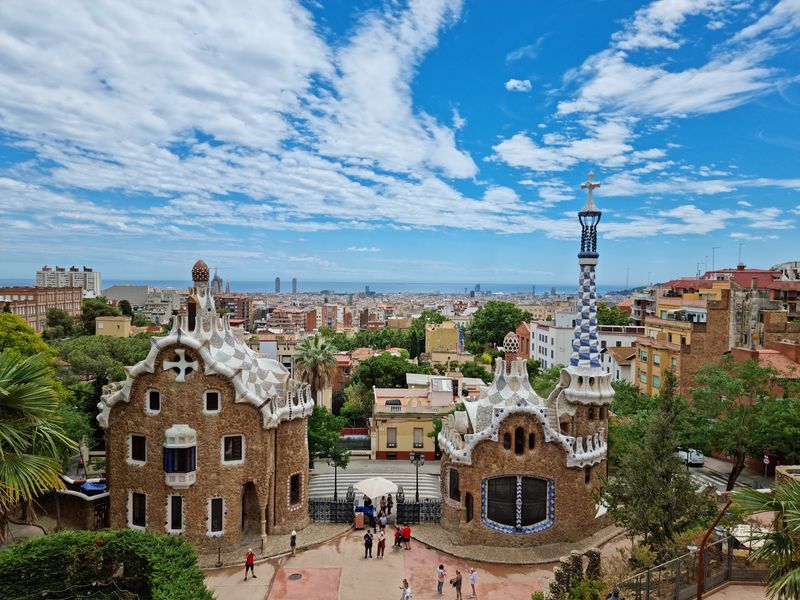
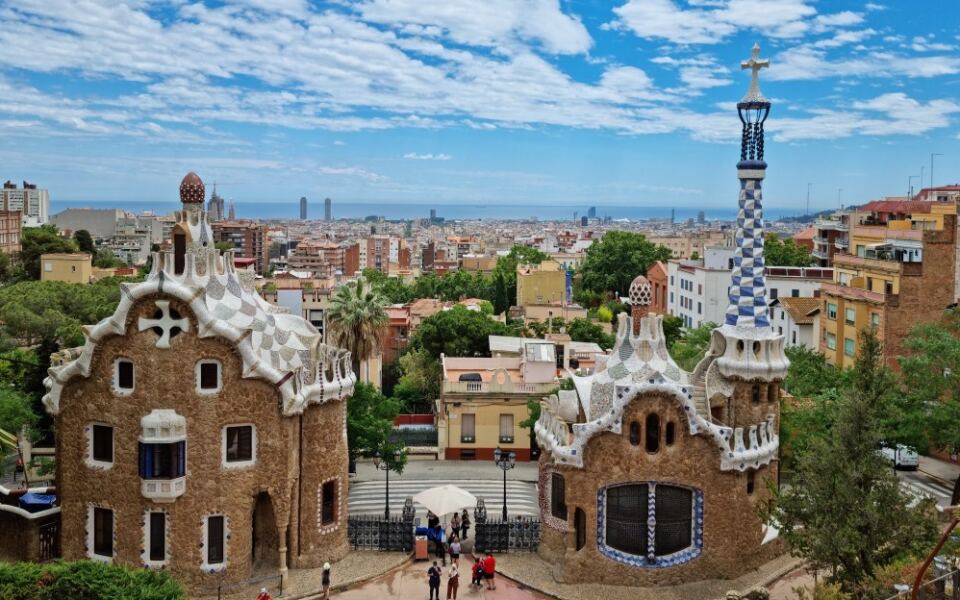
Picture a lizard made of broken tiles greeting you at the gate. That is Barcelona for you, a city where Antoni Gaudí swapped straight lines for waves, bones and sculpted chimneys.
His trencadís mosaics are pieces of smashed ceramic turned into shiny rainbows.
Park Güell, Casa Batlló, Casa Milà and the Sagrada Família are the big stars. Each one looks like it grew out of the ground instead of being built.
Book tickets ahead, because lines can get long, and morning visits are usually calmer.
The Gaudí story gets extra attention in 2026, the hundred-year mark since his death. Exhibitions and events are popping up across Catalonia, and Barcelona also holds the title of UNESCO-UIA World Capital of Architecture.
Expect plenty of special programs.
When you need a break from the famous buildings, wander into El Born. Medieval lanes there hide small galleries, indie design shops and cozy cafes.
Creativity in Barcelona is not locked in a museum. It is part of daily life, from rooftops to sidewalks, so keep your eyes up and your camera ready.
Valencia
Here is a quirky fact: Valencia throws a party where artists spend months building giant sculptures, then set them on fire. The festival is called Las Fallas, and it happens every March.
UNESCO added it to its list of Intangible Cultural Heritage in 2016.
Neighborhood groups create huge satirical figures called fallas and ninots. They poke fun at politics, celebrities and daily life.
Crowds stroll the streets to admire the details before the big finale, when most of the work goes up in flames.
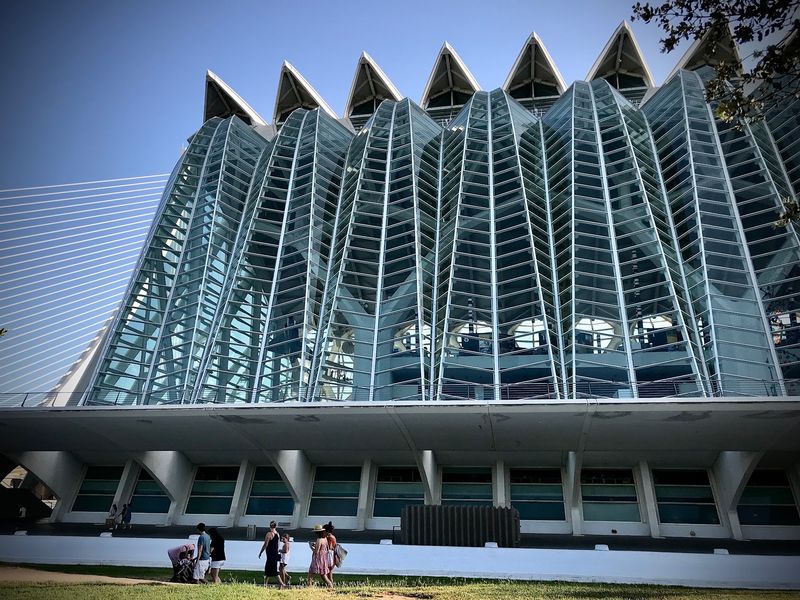
For the rest of the year, Valencia shows off a different kind of art. Santiago Calatrava designed the City of Arts and Sciences, a group of gleaming white buildings that stretches about two kilometers along the old Turia riverbed.
Pools of water mirror the shapes and make the whole place feel like a movie set.
Rent a bike and ride through the former riverbed, which is now a long green park. You can pedal from old town streets straight into the futuristic skyline.
It is a fun way to see tradition and tomorrow side by side.
Seville
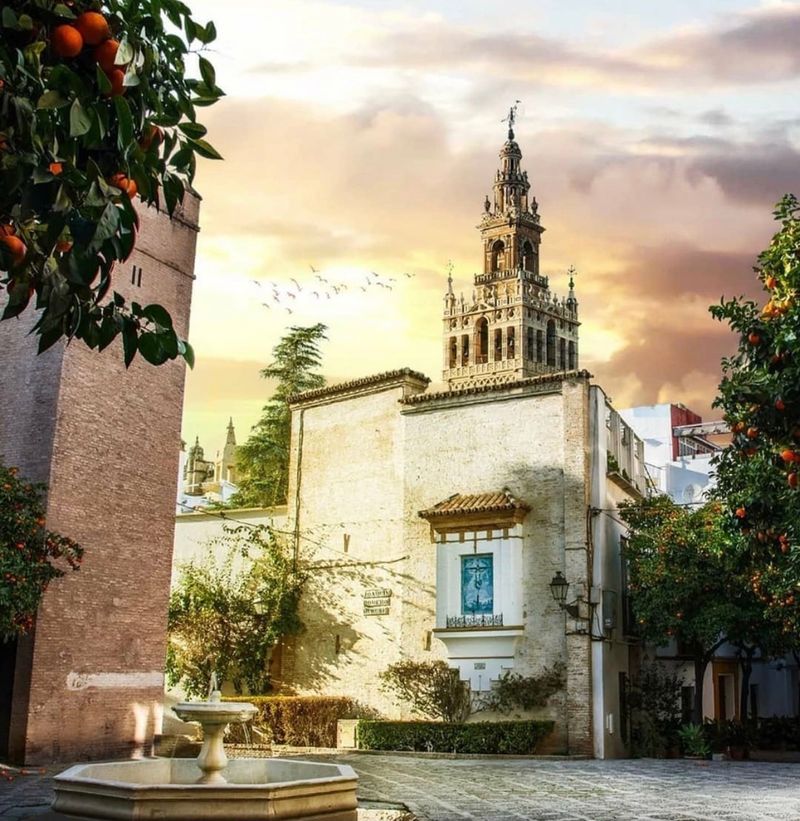
Tiles tell stories in Seville, and the best tale might be at Plaza de España. Architect Aníbal González built it for the 1929 Ibero-American Exposition.
Brick, wrought iron and painted ceramic panels honor the provinces of Spain, so you can hunt for your favorite one along the curve.
Cross the Guadalquivir River to Triana, a neighborhood long linked with ceramic making. Small workshops and tiled storefronts line the streets.
Pick up a hand-painted plate there, and you will carry home a piece of local craft.
Spring is when the city truly bursts. The April Fair fills the fairgrounds with decorated casetas and people in flamenco-style outfits.
Gardens at the Real Alcázar and María Luisa Park bloom at the same time, so every corner smells sweet.
For a modern twist, look up at the Setas de Sevilla. This giant wooden structure rises over the old town like a bundle of mushrooms and offers walkways with city views.
Sunset is a lovely time to go up.
Granada
Stand at Mirador de San Nicolás near sunset, and the red walls of the Alhambra seem to glow against the Sierra Nevada. Visitors often cheer, clap or just go quiet.
It is one of the most famous city views in Spain.
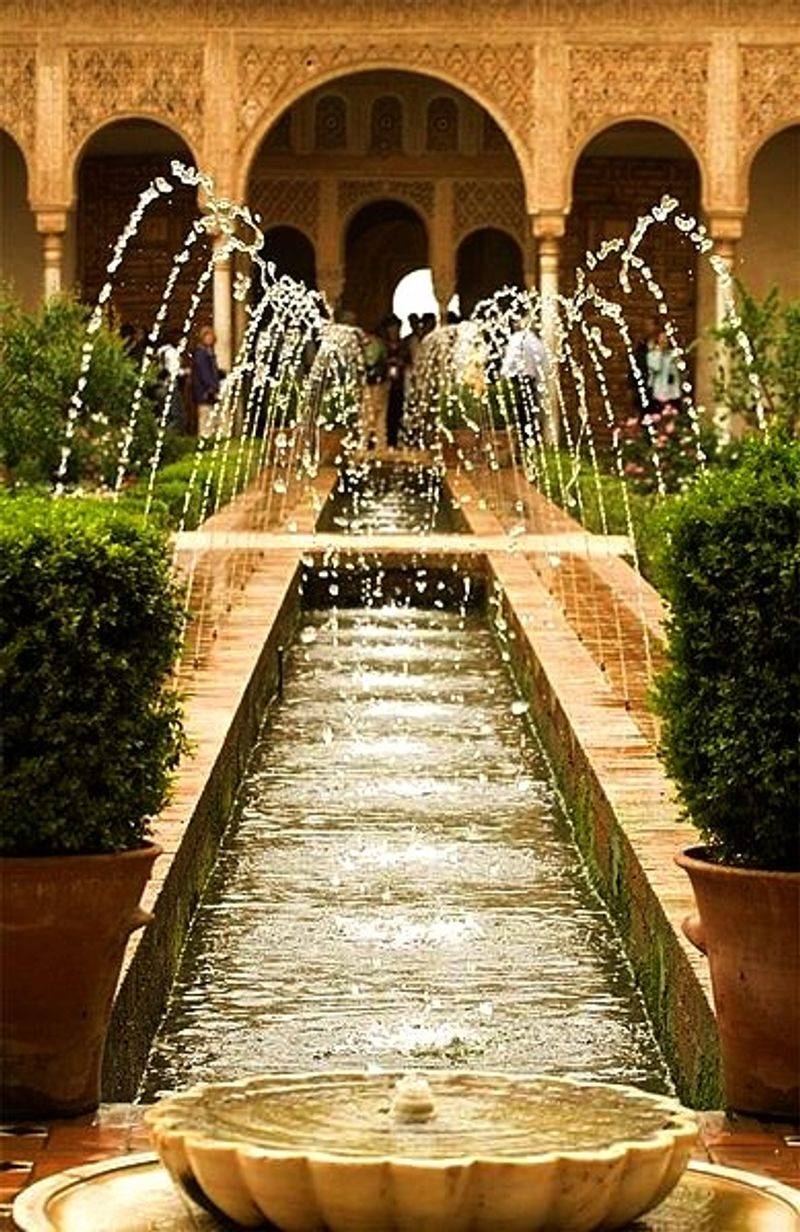
Inside the Alhambra and Generalife, Nasrid artists covered rooms with carved plaster, geometric tiles and flowing calligraphy. Water runs through courtyards and gardens in clever ways, cooling the air and adding soft sound.
Tickets sell out, so reserve early.
Across the valley lies the Albaicín, a maze of narrow lanes and whitewashed houses. UNESCO recognizes it together with the Alhambra and Generalife as one World Heritage property.
Wear comfy shoes, because the hills are steep, and getting a little lost is half the fun.
Granada also has its own flamenco style tied to the cave homes of Sacromonte. Small venues let you sit close enough to feel the stomping footwork.
It is a loud, passionate end to a day full of Islamic and Christian history.
Córdoba
In early May, Córdoba residents throw open their front gates and invite the world to peek inside. Their patios overflow with geraniums, jasmine and bright painted pots.
The Fiesta of the Patios has been on UNESCO’s Intangible Cultural Heritage list since 2012.
What makes it special is that neighbors do the work themselves. Families water, prune and arrange the plants all year, then compete for prizes.
Chat with them if you can, because many love sharing their gardening secrets.
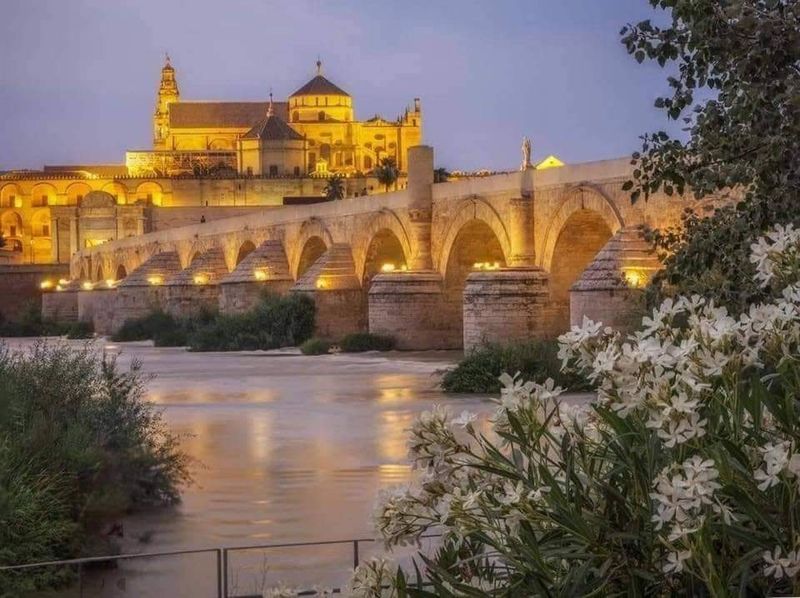
Color is only part of the story here. The Mosque-Cathedral is famous for its forest of red and white striped arches, and the historic center holds traces of Roman, Islamic, Jewish and Christian life.
Tiny lanes such as Calleja de las Flores frame a view of the cathedral tower with pots on every wall.
Visit in spring for the flowers, but come early in the day to beat the heat. A slow walk through the old Jewish quarter, with a stop for a cold salmorejo, makes a perfect plan.
Málaga
Picasso once played in the streets of Málaga, and today the city proudly shows off its famous son. He was born here in 1881.
You can visit the Picasso Museum Málaga and see his birthplace, which gives a peek at his early years.
Look near the port for a bright glass cube in rainbow colors. That is the Centre Pompidou Málaga, a branch of the famous Paris museum.
It is easy to spot and fun to photograph, even before you step inside.
Then head to the Soho district, where giant murals cover building walls. Some are playful, others thoughtful.
A self-guided walk turns the neighborhood into an open air gallery, and it costs nothing.
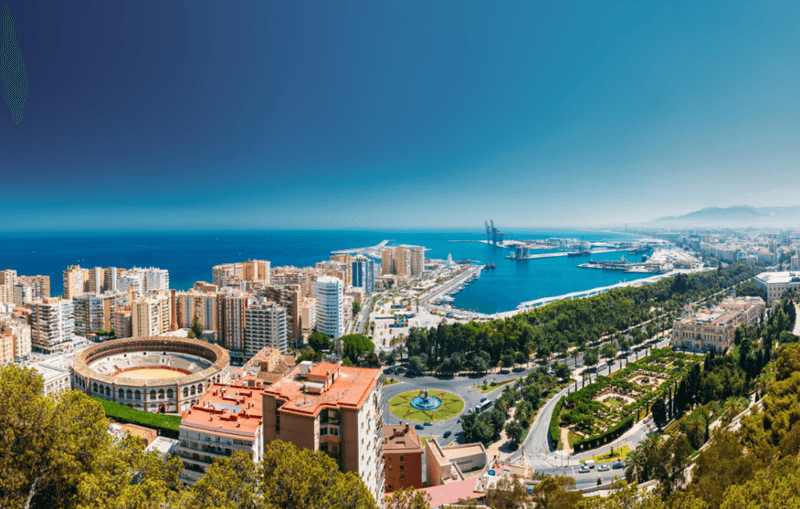
What makes Málaga unusual is how close everything sits. The Roman Theatre, the Alcazaba fortress and the cathedral are all a short stroll from modern art.
You can see two thousand years of creativity before lunch. Bring sunscreen, because the sunshine rarely takes a day off.
Bilbao
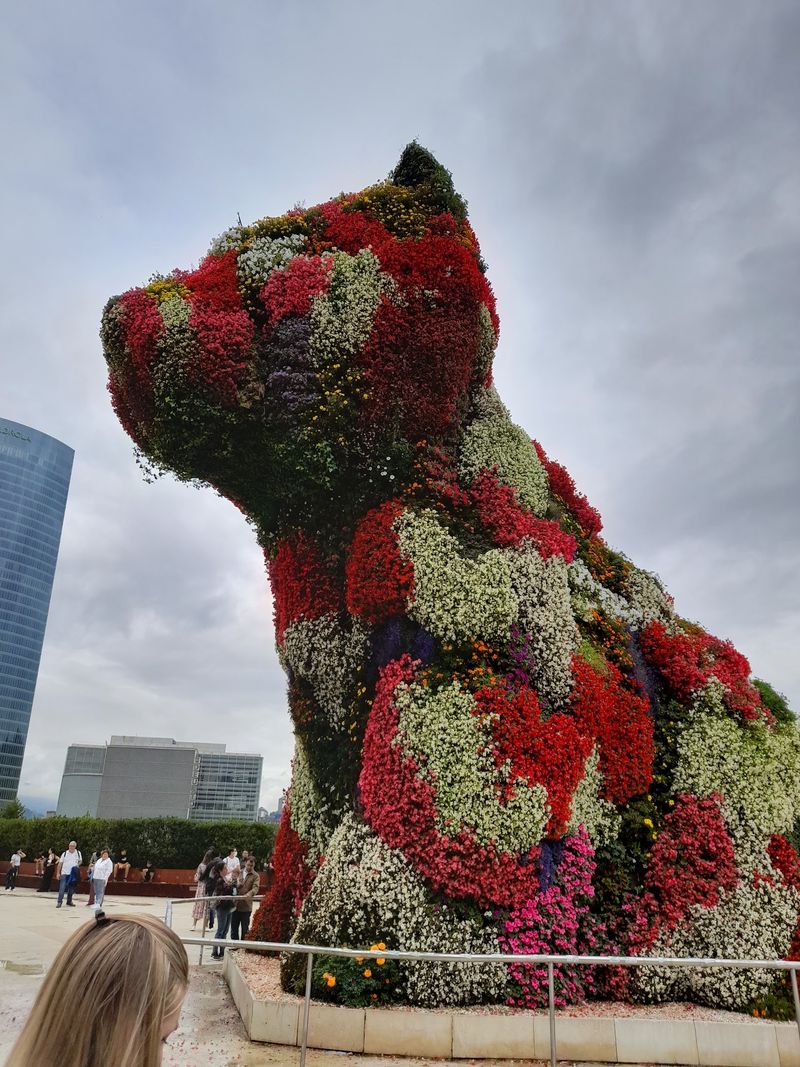
A giant puppy covered in living flowers guards the entrance to Bilbao’s famous museum. Jeff Koons made Puppy, and gardeners keep it blooming.
Kids and grown-ups both stop for photos.
Behind the puppy rises Frank Gehry’s Guggenheim Museum, which opened in 1997. Its swirling titanium panels shift from silver to gold as the light changes.
Walk all the way around the outside, because every side looks different.
The museum helped turn a tired industrial city into a design hotspot. Today you can also admire bridges, transit stations and waterfront paths that carry the same bold spirit.
Stroll along the Nervión estuary for easy views.
Then slip into Casco Viejo, the old town, where narrow streets are lined with pintxos bars. The contrast is huge, and that is the charm.
Bilbao proves that Spain’s creativity is not stuck in the past. New ideas can be just as stunning as old ones.
Madrid
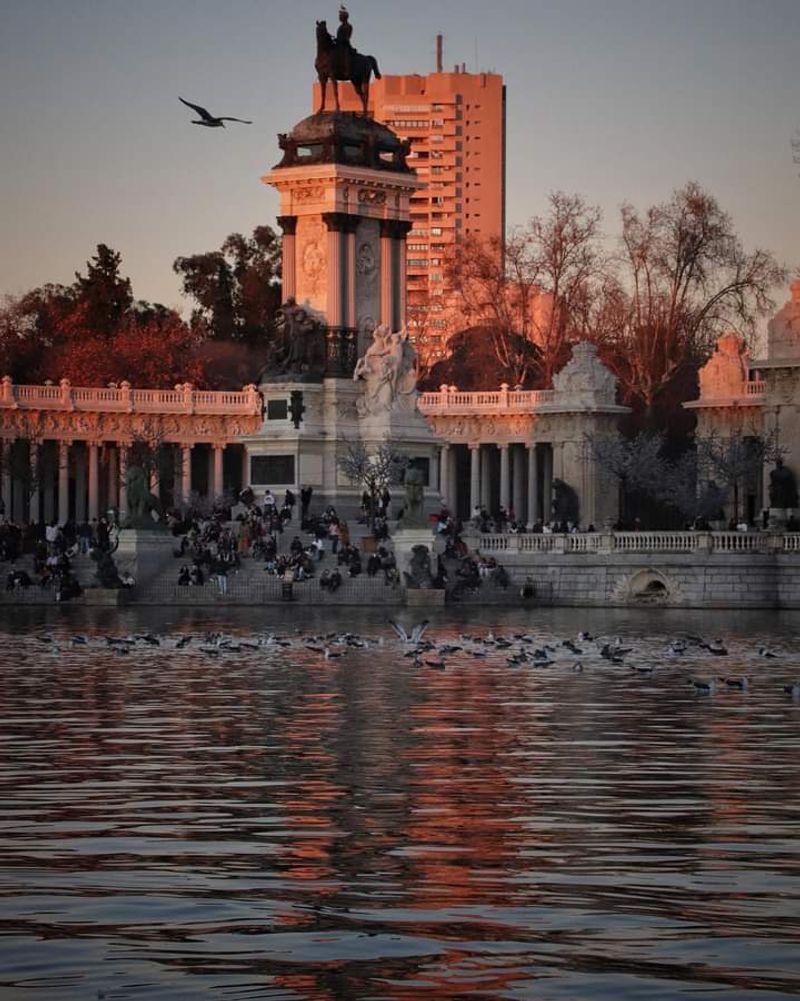
Three world-class art museums sit within a little more than one kilometer of each other in Madrid. The Prado, the Thyssen-Bornemisza and the Reina Sofía line the Paseo del Arte.
Art lovers can hop between them in a single day, though two days is kinder to tired feet.
Together they cover Old Masters, Impressionism and modern works. At the Reina Sofía, you can stand before Picasso’s Guernica, a huge painting that leaves many visitors silent.
Check free entry hours to save money.
Nearby, the Paseo del Prado and Buen Retiro Park joined UNESCO’s World Heritage List in 2021. Rent a rowboat on the park lake after your museum marathon.
It is a nice way to rest.
For a edgier side, visit Matadero Madrid, a former slaughterhouse turned cultural center. Malasaña and Lavapiés add indie galleries and street art.
Madrid does not rely on one style. It simply offers a lot of creativity in one busy capital.
Toledo
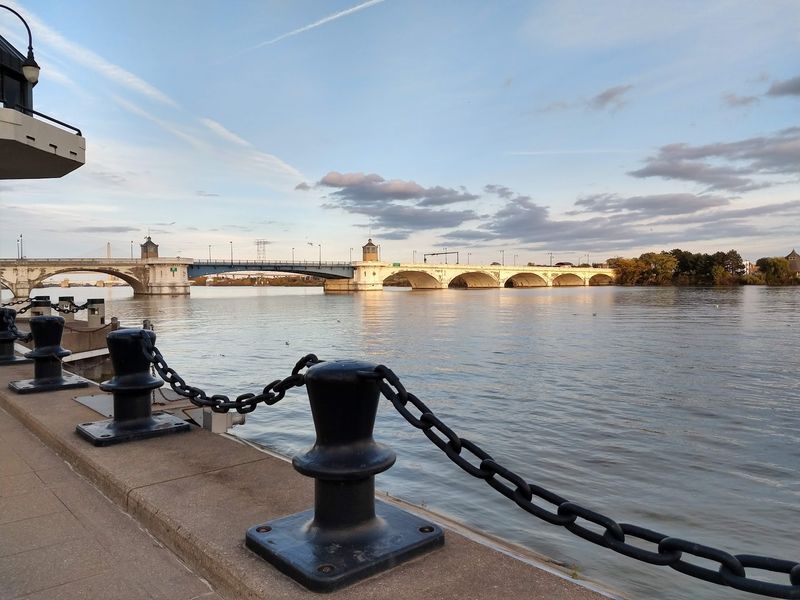
Few cities pack as many centuries into so little space as Toledo. UNESCO says it preserves more than 2,000 years of history.
Romans, Visigoths, Muslims, Jews and Christians all left their marks on its hilltop streets.
Synagogues, mosques, churches and fortresses sit within a small historic center above the Tagus River. You can see several of them in a single afternoon.
Wear sturdy shoes, since the lanes are steep and the stones are slippery.
The painter El Greco settled here in the late 1500s, and his stretched, dramatic figures still define the city’s art. Look for his famous works in churches and museums.
His view of Toledo also inspired a well-known landscape.
Mudéjar decoration, Gothic arches and Renaissance paintings mix together in ways you will not find on the coast. A day trip from Madrid works, but staying overnight lets you enjoy the quiet streets after the tour groups leave.
Salamanca
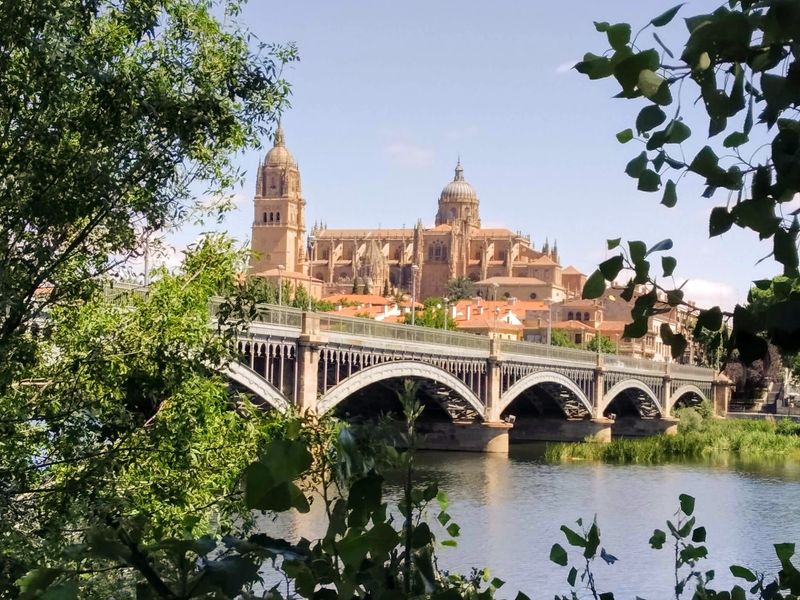
Wait for late afternoon in Salamanca, and the whole city turns to honey. Many of its buildings use local sandstone that glows warm gold as the sun sinks.
It is a color show without a single drop of paint.
Plaza Mayor is the star. Builders began it in 1729 and finished in 1755, creating a Baroque square framed by arcades and decorated with portrait medallions.
Grab a seat at a cafe and simply watch locals cross the square.
The University of Salamanca became one of medieval Europe’s leading schools, and it still shapes the city today. Students fill the streets, which keeps the old stones feeling lively.
Try spotting the tiny frog carved on the university facade. It is a classic local game.
UNESCO inscribed the Old City in 1988, honoring a mix of Romanesque, Gothic, Renaissance and Baroque buildings. Walk slowly, look up often and enjoy a place where history and student energy share the same sidewalks.
Girona
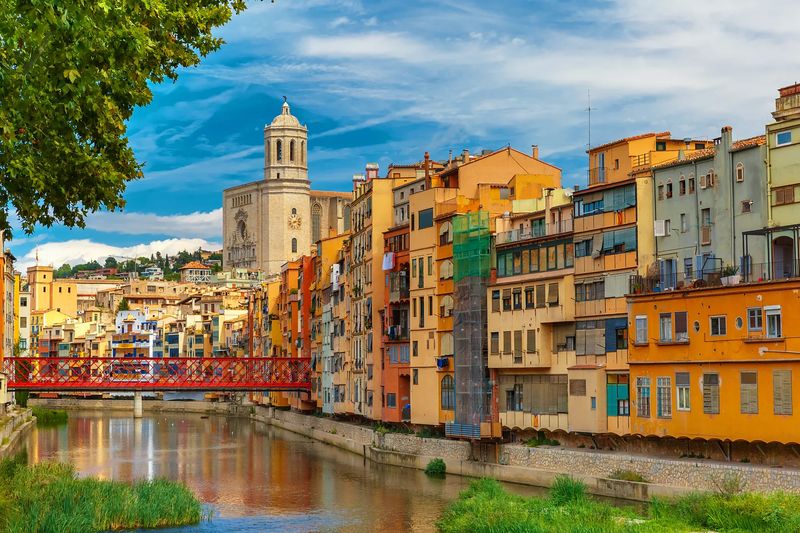
Reds, oranges, ochres and yellows line the Onyar River in Girona like a box of crayons. Tall houses lean toward the water, and their reflections wobble beneath pedestrian bridges.
It is one of Catalonia’s most photographed sights.
The palette is not an accident. The city government says the current look comes partly from a restoration begun in 1983.
Artists and architects planned a coordinated set of colors for the facades.
Cross a bridge and the mood shifts. The old quarter holds Roman walls, steep medieval lanes, a grand cathedral and a historically important Jewish quarter.
Climb the cathedral steps for a great view and a good leg workout.
Girona is compact, so you can walk almost everywhere. Walk the old city walls for a free high-up look at rooftops and hills.
The mix of planned color and ancient streets makes the city feel fresh and old at the same time.
Cádiz
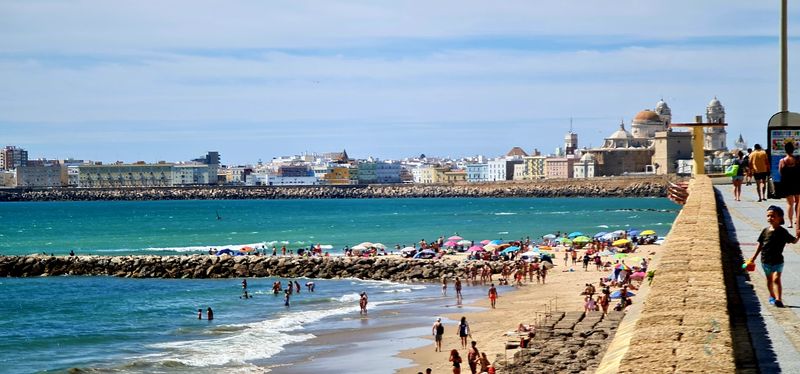
Cádiz has been welcoming sailors for about 3,000 years, since Phoenician settlers arrived. Today its old town sits on a narrow Atlantic peninsula, surrounded by deep blue water.
Pale buildings, rooftop watchtowers and the gold-tiled cathedral dome pop against the sea.
Carnival is the city’s biggest creative moment. Groups prepare costumes and write songs full of jokes and satire about current events.
Streets fill with singing crowds, and the humor is sharp but friendly.
La Viña is the neighborhood most tied to this tradition. Wander its lanes and you may hear rehearsals or catch a lively tavern chat.
Order fried fish and soak up the local vibe.
Outside festival season, the city still delights. Stroll the seaside promenades, relax at La Caleta beach or wander tight old streets.
Cádiz gives Andalusia a sea-breeze twist that feels very different from the inland cities.
Zaragoza
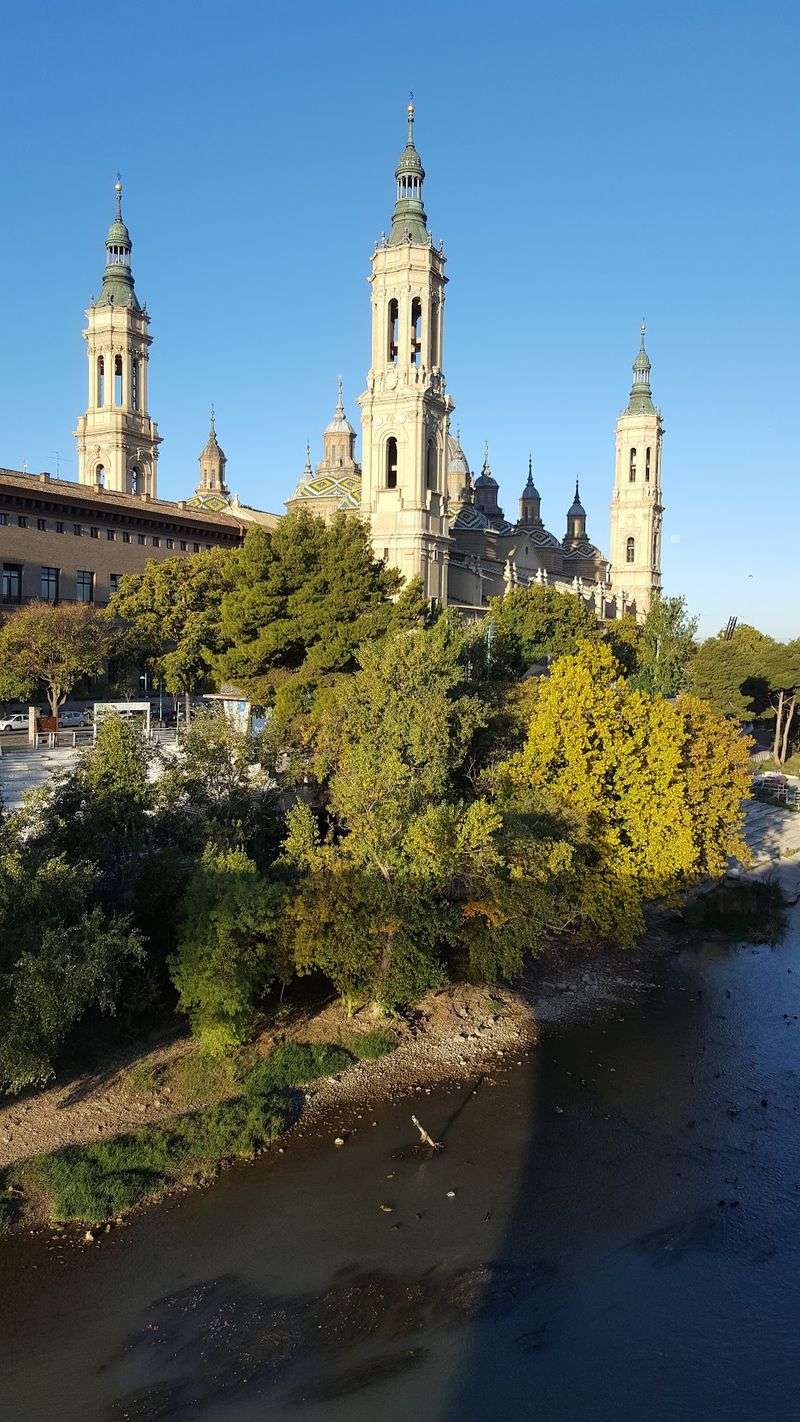
Zaragoza is a mixtape of Spanish history, and every track is a hit. Roman remains, Islamic palaces, Mudéjar brickwork and Baroque domes all share the same city.
Goya’s paintings add one more layer.
The 11th-century Aljafería Palace keeps important parts of Islamic architecture. La Seo and the Church of San Pablo show Mudéjar features that belong to UNESCO’s listing for Mudéjar Architecture of Aragon.
Look closely at the patterns, which are made from brick, glazed ceramics, plaster and wood.
Then gaze at the huge Basilica del Pilar beside the river. Its towers and multicolored tiled domes look nothing like the older buildings, and that is the fun of it.
Climb a tower if you want a high view over the Ebro.
Inside, frescoes by Francisco de Goya connect the city with a famous painter from Aragón. Few Spanish cities show so many creative styles in such a short walk.
Share this story