
Travel rules around the world are changing fast, and Americans heading abroad in 2026 need to pay close attention before packing their bags. Several popular destinations have rolled out new digital authorizations, reinstated visa requirements, or added mandatory fees that can catch travelers off guard.
Missing one of these steps could mean getting turned away at the gate or held up at immigration. Here is a country-by-country breakdown of what you need to know before you go.
United Kingdom

Surprise: visiting the UK now comes with a small but mandatory digital step. Americans need a UK Electronic Travel Authorisation, known as the ETA, before boarding any flight, ferry, or train to England, Scotland, Wales, or Northern Ireland.
The ETA costs £20 and is valid for multiple trips over two years, or until your passport expires.
Each traveler needs their own application, and that includes babies and young children. The ETA attaches digitally to your passport, so if you renew your passport after approval, you will need to apply again.
Approval is usually quick, but it is not always instant.
Getting the ETA does not guarantee entry. Border officials can still refuse admission if something looks off.
Apply through the official UK government website only, since third-party sites often charge extra fees for no added benefit. Plan to sort this out well before your departure date so there are no last-minute surprises at check-in.
Brazil

Brazil flipped the switch on April 10, 2025, and Americans suddenly needed a visa again. After years of visa-free travel, the Brazilian government restored its entry requirement for U.S., Canadian, and Australian citizens, citing reciprocity.
For 2026 trips, that means applying for an electronic visitor visa before you board your flight to Sao Paulo, Rio, or anywhere else in the country.
The good news is that the eVisa process is mostly online and does not require an in-person consulate visit for most straightforward tourism or business cases. The not-so-good news is that approval is not always instant.
Submitting your application at least a couple of weeks before departure is a smart move.
Make sure every detail on your application matches your passport exactly. Mismatches in names, dates, or passport numbers can cause delays or rejections.
Brazil is absolutely worth the extra paperwork, with its jaw-dropping landscapes and vibrant culture. Just get the visa sorted early and you will be sipping caipirinhas on Copacabana Beach without a worry.
Israel

Since January 1, 2025, Americans visiting Israel need an ETA-IL before they travel, even though the country remains visa-free for U.S. passport holders. The authorization links digitally to your passport and can stay valid for up to two years or until your passport runs out, whichever comes first.
Approved travelers can typically stay up to 90 days per visit.
Apply only through Israel’s official Population and Immigration Authority website. A handful of unofficial sites have popped up charging inflated fees for the same service.
The application is straightforward, but approvals are not always guaranteed and some cases may require additional review, which could take extra time.
Israel’s government actually recommends securing ETA-IL approval before purchasing your plane tickets. That advice is worth following.
If your application gets flagged for additional review, you will want that buffer time before your trip starts. Israel is a deeply layered destination with history around every corner, and a small digital form should not be the thing standing between you and exploring it.
Thailand

Thailand added a new layer to its arrival process: the Thailand Digital Arrival Card, or TDAC. Every international visitor arriving by air, land, or sea must fill out this free online form before crossing into the country.
It collects basic passport details, your travel itinerary, accommodation info, and some health-related questions.
The TDAC replaced the old paper arrival card that used to be handed out on planes. Travelers can submit the form up to three days before they arrive.
One card per entry is required, and yes, that includes children and infants, so families should account for every traveler in the group.
Transit passengers who stay completely within the international transfer zone and never pass through immigration are generally off the hook. For everyone else, skipping the TDAC could cause serious headaches at the immigration counter.
Thailand remains one of the most visited countries in the world for good reason, and this digital step takes only a few minutes. Getting it done before you land means you can walk straight toward the pad thai and away from the paperwork pile.
Cambodia

Cambodia has been quietly upgrading its border entry system, and the Cambodia e-Arrival platform is the result. This digital system bundles several procedures that used to be handled separately: the immigration arrival form, customs declaration, health declaration, and in some cases an electronic visa-on-arrival application.
Filling out the e-Arrival form before you land streamlines the whole process and can save meaningful time at the airport. The platform is designed to handle multiple steps in one go, which is genuinely useful when you are tired from a long flight and just want to get to your hotel in Siem Reap.
Here is something easy to overlook: the e-Arrival submission does not automatically sort out your visa. Americans should separately confirm whether they need a standard eVisa, a visa on arrival, or another type of permission before traveling.
Check the official Cambodian government immigration website for the most current rules. Cambodia’s temples, coastline, and cuisine are well worth the prep work.
A few minutes of planning now means smoother sailing through immigration later.
Indonesia

Indonesia rolled out a unified digital arrival declaration system in October 2025, and it now covers every international airport and seaport in the country. Called the All Indonesia arrival declaration, the platform replaced a patchwork of separate immigration, health, quarantine, and customs forms that travelers previously had to complete individually.
You can submit the form up to three days before you arrive and should hold onto the QR code you receive after completing it. Immigration and customs officers may ask to see it when you land.
The system is meant to speed things up, and having your QR code ready on your phone does exactly that.
One thing to keep straight: the arrival declaration is separate from Indonesia’s visa rules. Americans may still need a visa on arrival, an electronic visa on arrival, or another appropriate visa depending on how long they plan to stay and what they plan to do.
Bali alone draws millions of visitors a year, and the rest of the archipelago has plenty more to offer. Getting both the declaration and the visa sorted before travel keeps the adventure on track from the moment you land.
Kenya

Kenya swapped its old visa sticker process for an Electronic Travel Authorisation system, and Americans are required to have an approved eTA before their journey begins. The application is completed online, and Kenya’s immigration authority states that most applications are processed within three working days.
That said, applying well in advance is a much safer bet than cutting it close.
Every traveler needs their own eTA, including children and infants. When you arrive, officials may also ask for a passport valid for at least six months beyond your travel dates, proof of onward or return travel, accommodation details, a basic itinerary, and evidence that you have enough funds for your stay.
Biometric data, including fingerprints, can also be collected upon arrival, so expect a brief stop at the immigration counter even after completing everything online. Kenya is one of the most spectacular wildlife destinations on the planet.
Watching a lion at sunrise in the Maasai Mara or spotting flamingos at Lake Nakuru is the kind of experience that stays with you forever. A little advance planning makes sure nothing interrupts that moment.
Namibia

Namibia made a notable policy shift in 2025 by introducing reciprocal visa requirements for citizens of countries whose governments require visas from Namibian passport holders. Americans landed on that list, which means the visa-free arrangement that once existed no longer applies.
Visitors now need to obtain permission before or upon arrival.
Eligible travelers have two main options: apply online ahead of the trip or obtain a visa on arrival at designated airports and border crossings. Namibia’s official materials list a standard fee of NAD 1,600 for many affected nationalities.
Children pay a reduced rate, and those under six years old are exempt from the fee entirely.
Namibia is one of Africa’s most underrated destinations. The Namib Desert is one of the oldest on Earth, the wildlife is extraordinary, and the country has some of the darkest night skies anywhere in the world.
Checking the latest visa requirements on Namibia’s official immigration website before booking flights is the smart first step. The process is manageable, and the payoff of experiencing this stunning country makes it very much worth the effort.
New Zealand
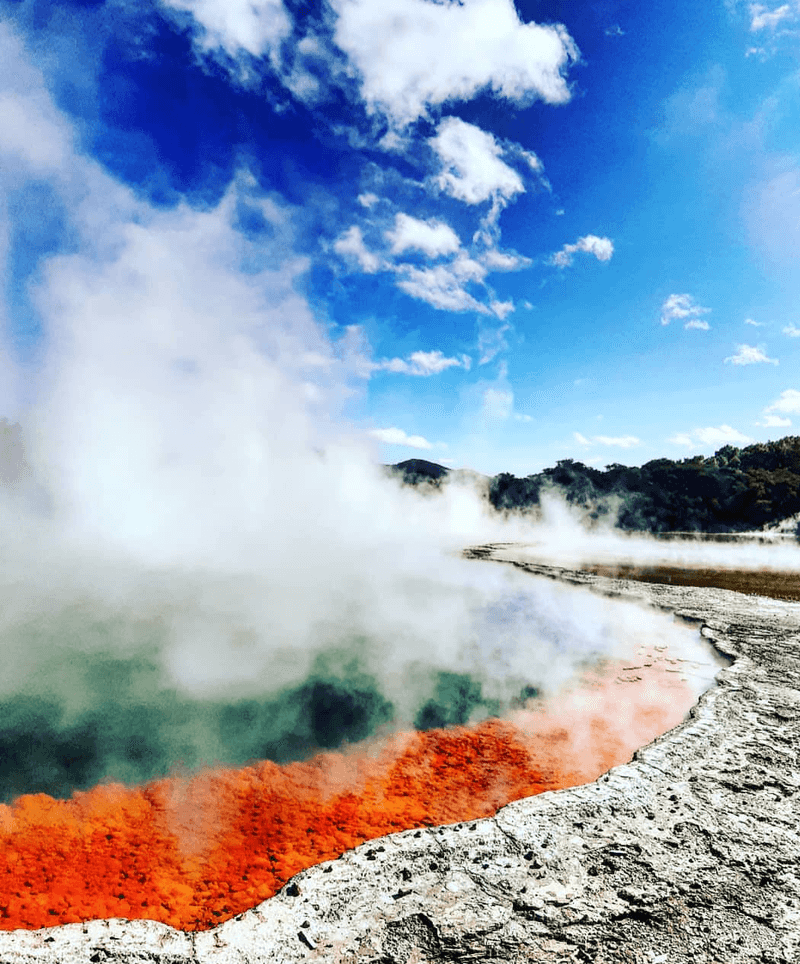
New Zealand has always been a bucket-list destination, but getting in now involves a few more steps than it used to. Americans traveling under the visa-waiver program still need a New Zealand Electronic Travel Authority, known as an NZeTA, before they fly.
The NZeTA can be used for multiple trips while it remains valid, which is a nice bonus for repeat visitors.
Travelers must also complete the New Zealand Traveller Declaration, which pulls together immigration, customs, and biosecurity information before arrival. New Zealand takes biosecurity seriously, and the country has strict rules about what you can bring in.
Declaring items accurately is not optional.
The International Visitor Conservation and Tourism Levy is now NZD 100 for most eligible international visitors and is generally paid during the NZeTA application process. Think of it as a contribution to preserving the extraordinary landscapes that make New Zealand worth visiting in the first place.
Approval through the NZeTA is required before you board, so do not leave this until the night before your flight. Getting organized early means you can focus on planning hikes, fjord cruises, and hobbit hole visits instead of scrambling over paperwork.
South Korea

Here is some genuinely good news for Americans with Seoul on their 2026 travel list. South Korea extended its temporary K-ETA exemption for eligible nationalities, including the United States, through December 31, 2026.
That means most qualifying American short-term visitors do not need to apply for the K-ETA during this period.
The exemption covers typical tourism and short business trips, and it removes one step from the pre-travel checklist for this year. South Korea has been a booming travel destination thanks to its food scene, K-pop culture, historic palaces, and buzzing city energy, and the exemption makes it even easier to book a spontaneous trip.
Before anyone gets too comfortable, the exemption is not permanent. Anyone planning to travel after December 31, 2026, should check the official K-ETA website before making bookings, since the authorization may be required again in 2027.
Travelers can also apply voluntarily for K-ETA during the exemption period if doing so offers practical benefits at arrival. For now, Americans heading to Korea this year can skip that particular form and spend that energy planning which street food market to hit first.
Tanzania and Zanzibar

Zanzibar has its own rule that catches many visitors completely off guard: mandatory inbound travel insurance. Travelers heading to the semi-autonomous islands must purchase this government-backed policy even if they already carry a comprehensive international travel insurance plan.
The coverage includes emergency medical treatment, evacuation, and other specified areas.
The policy must be purchased through Zanzibar’s official insurance platform. Trying to substitute your existing coverage will not satisfy the requirement at immigration.
This applies to everyone visiting the islands, regardless of nationality or the length of stay planned.
This requirement is separate from Tanzania’s national visa rules, which also apply to Americans visiting the mainland. If your itinerary combines a Serengeti safari with a beach stay in Zanzibar, you are dealing with two distinct sets of requirements at once.
Check both before you finalize your plans. Zanzibar’s spice-scented alleyways, crystal-clear waters, and coral reefs are absolutely worth the extra preparation.
Just make sure both the visa and the island insurance are squared away before you arrive, or you may find yourself sorting paperwork on the beach instead of relaxing on it.
Mexico
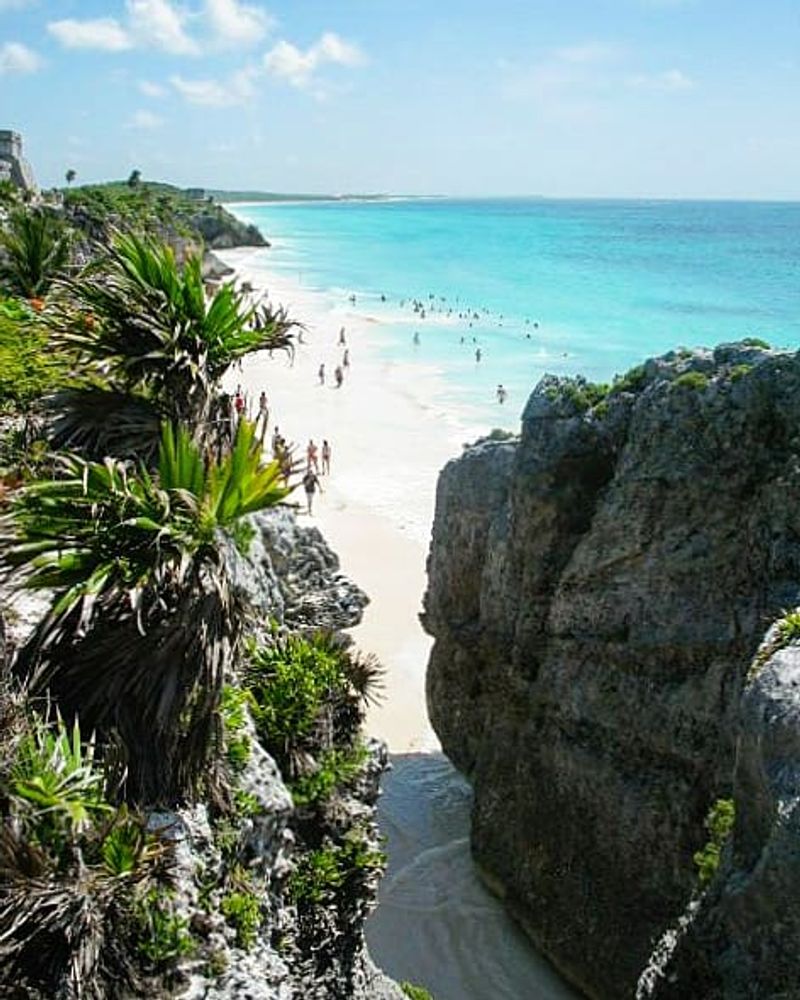
Mexico remains visa-free for Americans, but two of its most popular states have mandatory tourist taxes that are easy to miss when planning what feels like a straightforward trip. Quintana Roo, which covers Cancun, Playa del Carmen, Tulum, and Cozumel, charges a VISITAX fee that all foreign tourists must pay.
The fee can be paid online before arrival or at designated kiosks.
Baja California Sur, home to Los Cabos and La Paz, has its own separate tourist tax for foreign visitors staying longer than 24 hours. The official portal lists a 2026 charge of MXN 488 per stay.
Missing this fee can create complications at departure, so paying it upfront is the cleaner option.
Because these are state-level charges rather than national requirements, they do not always show up prominently on airline booking pages or travel agency websites. Travelers can easily overlook them when planning a trip that requires no visa at all.
A quick check of each destination’s official tourism or government website before traveling will confirm the current amounts and payment methods. Mexico is still one of the easiest international trips for Americans, and these fees are minor compared to the experience waiting on the other side.
France and the Schengen Area

Europe’s long-anticipated ETIAS system has been in the pipeline for years, and as of mid-2026, it still has not launched. The European Travel Information and Authorisation System will eventually require visa-exempt travelers, including Americans, to obtain advance authorization before visiting France and 29 other participating European countries.
The announced fee is 7 euros for most applicants.
Right now, no applications are being accepted. The EU has confirmed that the launch date will be announced several months before the system goes live, giving travelers time to prepare.
Until then, eligible Americans can visit the Schengen Area without ETIAS, as they have been doing all along.
One important caution: unofficial websites have already appeared online, some claiming to process ETIAS applications and charging fees for doing so. None of these are legitimate.
When ETIAS does launch, the only valid place to apply will be the official EU platform. Bookmark the real site now and ignore anything else.
France, Italy, Spain, Greece, and the rest of the Schengen zone are not going anywhere. Keep an eye on the official EU announcements and you will be ready to apply the moment the real system opens.
Share this story